
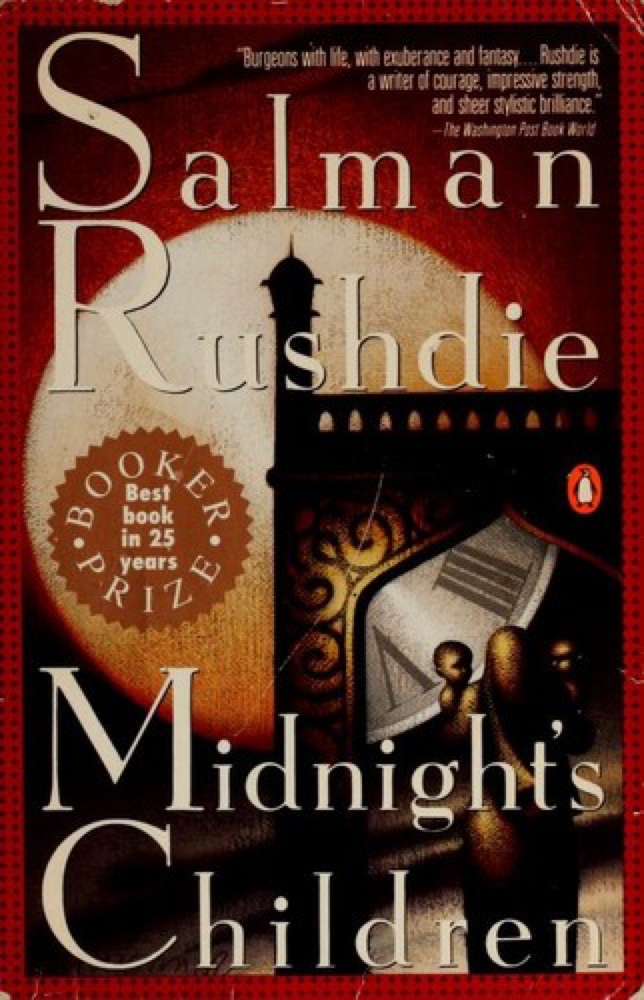
 Midnight's Children
Quotes from the Book
In death do triumph and failure humbly meet. We learn far less from victory than from defeat.
9
I, Pampa Kampana, am the author of this book. I have lived to see an empire rise and fall. How are they remembered now, these kings, these queens? They exist now only in words. While they lived, they were victors, or vanquished, or both. Now they are neither. Words are the only victors. What they did, or thought, or felt, no longer exists. Only these words describing those things remain. They will be remembered in the way I have chosen to remember them. Their deeds will only be known in the way they have been set down. They will mean what I wish them to mean. I myself am nothing now. All that remains is this city of words. Words are the only victors.
7
History is the consequence not only of people’s actions, but also of their forgetfulness.
6
Fictions could be as powerful as histories, revealing the new people to themselves, allowing them to understand their own natures and the natures of those around them, and making them real. This was the paradox of the whispered stories: they were no more than make-believe but they created the truth, and brought into being a city and an army with all the rich diversity of nonfictional people with deep roots in the actually existing world.
5
As we will see, it did not succeed. In this way Pampa learned the lesson every creator must learn, even God himself. Once you had created your characters, you had to be bound by their choices. You were no longer free to remake them according to your own desires
3
people understood for the first time [...] that in the end the salvation of human beings came from other human beings and not from things, no matter how large and imposing – and even magical – those things might be
3
This is how history moves; the obsession of one moment is relegated to the junkyard of oblivion by the next.
3
Maybe this is what human history was: the brief illusion of happy victories set in a long continuum of bitter, disillusioning defeats.
2
History is a consequence not only of people's actions, but also of their forgetfulness.
2
I am of the nature to grow old. There is no way to escape it. I am of the nature to have ill health. There is no way to escape it. I am of the nature to die. There is no way to escape it. There is no way to escape being separated from everyone I love, and all that is dear to me. My actions are my only true belongings. My actions are the ground upon which I stand.
2
On this day Bisnaga moves out of the realm of the fantastic into that of the historical, and the great river of its story flows into the ocean of stories which is the history of the world.
2
If one is to tell an important lie,” she said, “it’s best to hide it among a crowd of unarguable truths.
1
This was how men were, Pampa Kampana thought. A man philosophized about peace but in his treatment of the helpless girl sleeping in his cave his deeds were not in alignment with his philosophy.
1
In many ways birds are creatures of a higher order than human beings.
1
I learned that love is for the most part absent and, when it appears, is usually fitful, fleeting, and finally unsatisfactory. I learned that the communities men build are based on the oppression of the many by the few, and I did not understand,
1
I will learn that the deepest meaning of love is renunciation, giving up one's own dream to fulfill the dream of the beloved.
1
(He ate breakfast like a savage: quantities of leavened bread, chunks of cheese made from cows’ milk, and coffee drowned in cows’ milk too, which he called galão – things that no right-minded person would eat at the beginning of the day.)
1
But at another level his followers also understood that by this dictum he had created an us who were not them, an us who wanted to cross that line and secretly supported the intrusion of religion into every corner of life, political as well as spiritual, and a them who opposed such demonic ideas. So gradually two camps grew up in Bisnaga, the Vidyaites and the Bukkaists, although these camps were never named as such, and everyone went along, at least on the surface, with the idea that they were all One. But beneath the surface the illusion dissipated and it was clear that they were Two, and that the Two were getting harder and harder to reconcile.
1
When people start talking about a golden age,” he said, “they always think a new world has begun which will last forever. But the truth about these so-called golden ages is that they never last very long. A few years, maybe. There’s always trouble ahead.
1
For the rest of his life that was what he said to anyone who asked—and there were people who asked, because the world is a cynical and suspicious place and, being full of liars, thinks of everything as a lie. Which is what Vidyasagar’s story was.
1
Fictions could be as powerful as histories,
The party line regarding members of other faiths—we are good, they are bad—had a certain infectious clarity. So did the idea that dissent was unpatriotic. Offered the choice between thinking for themselves and blindly following their leaders, many people would choose blindness over clear-sightedness, especially when the empire was prospering and there was food on the table and money in their pockets. Not everybody wanted to think, preferring to eat and spend. Not everybody wanted to love their neighbor. Some people preferred hatred. There would be resistance.
In the jungle the past is swallowed up, and only the present moment exists; but sometimes the future arrives there ahead of time and reveals its nature before the outside world knows anything about it.
On the last day of her life, when she was two hundred and forty-seven years old, the blind poet, miracle worker, and prophetess Pampa Kampana completed her immense narrative poem about Bisnaga and buried it in a clay pot sealed with wax in the heart of the ruined Royal Enclosure, as a message to the future.
Only the seven circles of walls remained to shield the city from the horde now descending upon them. But the soldiers on the walls had lost their nerve and they were fleeing too, and people understood for the first time that no wall would save them if there were not human beings upon it; that in the end the salvation of human beings came from other human beings and not from things, no matter how large and imposing—and even magical—those things might be.
If he was indeed still alive he was probably lying on a cot somewhere like an ancient baby, helpless, clinging to life out of sheer spite, but unable to do any living. His time was over. The ruling officers of the DAS were similarly toothless and wizened. It was as if cadavers were in charge of things, the dead ruling the living, and the living were tired of it.
Haleya Kote heard more than once the story of the heroic protester who dared to stand alone at the heart of the bazaar distributing pamphlets. When the DAS squad arrived to arrest him they found that the sheets of paper he was distributing were blank. No text was written on them, there were no drawings or coded symbols, nothing at all. Somehow this blankness angered the DAS team even more than slogans or cartoons would have. “What does this mean?” they demanded. “Why isn’t there any message written here?” “There’s no need,” the protester replied. “Everything is clear.
But I have magic that will keep us safe.” — (We must ask ourselves how great her powers could actually have been, and if the forest truly did contain wild beasts that never bothered them because of her witchcraft—as her story suggests—or if it was mercifully free of such dangers, and she was just making a sort of joke. Was it true that the goddess who gave her the gift of long life, and the power to give seeds the power to grow a city, and the power that enabled her to whisper men’s lives into their ears, also endowed her with the ability to enchant the enchanted forest? Or was this poetry, a fable like so many others? We must reply: either it’s all true, or none of it is, and we prefer to believe in the truth of the well-told tale.)
Watch on YouTube
About Salman Rushdie
We have collected 349 quotes from 14 books by Salman Rushdie on BookQuoters.
More about the author →More by Salman Rushdie
All books by Salman Rushdie →
About the book
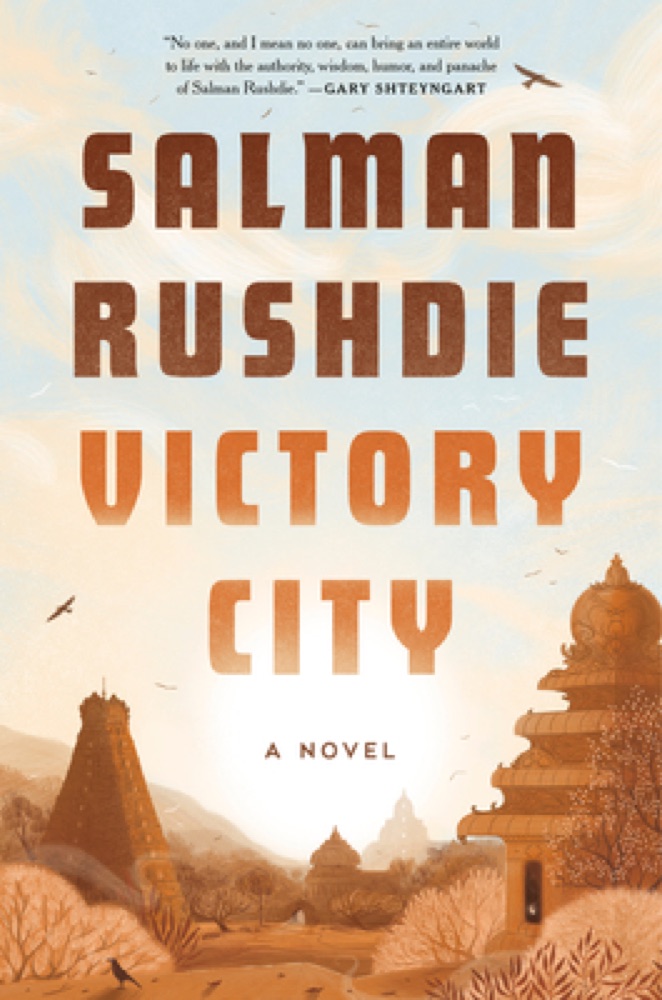
Hidden in a clay pot. Sealed with wax. Buried at the heart of a ruined palace amidst the ashes of one of India's greatest, nearly forgotten empires. A story waits to be told.
In the fourteenth century of the Common Era, in the South of what we now call India, nine-year-old Pampa Kampana, orphaned by war, starts hearing the voice of a goddess. Inspired, and imbued with powerful magic, she vows to ensure that no more women suffer her beloved mother's unconscionable fate. Aided by miracles and a gift for prophecy, she creates a mighty city; her whispered words galvanize its people to grow and change. Her poetry maps the rise and fall of its empire. And the prophetess herself--beloved, feared, timeless--watches as the world changes across the centuries and her body, frozen in the beauty of youth for decades upon decades, fades along with her city's glory. Half a millennium later, her writ
Book details
- First published
- 2023
- Author
- Salman Rushdie
- Genre
- Fantasy
- Goodreads rating
- 3.75 (15k ratings)
The buzz
- The New York TimesReview in The New York Timesprofessional review (via Book Marks)
- The Washington PostReview in The Washington Postprofessional review (via Book Marks)
- The Wall Street JournalReview in The Wall Street Journalprofessional review (via Book Marks)
- The GuardianReview in The Guardianprofessional review (via Book Marks)
- The AtlanticReview in The Atlanticprofessional review (via Book Marks)
- The Times Literary SupplementReview in The Times Literary Supplementprofessional review (via Book Marks)
Keep reading
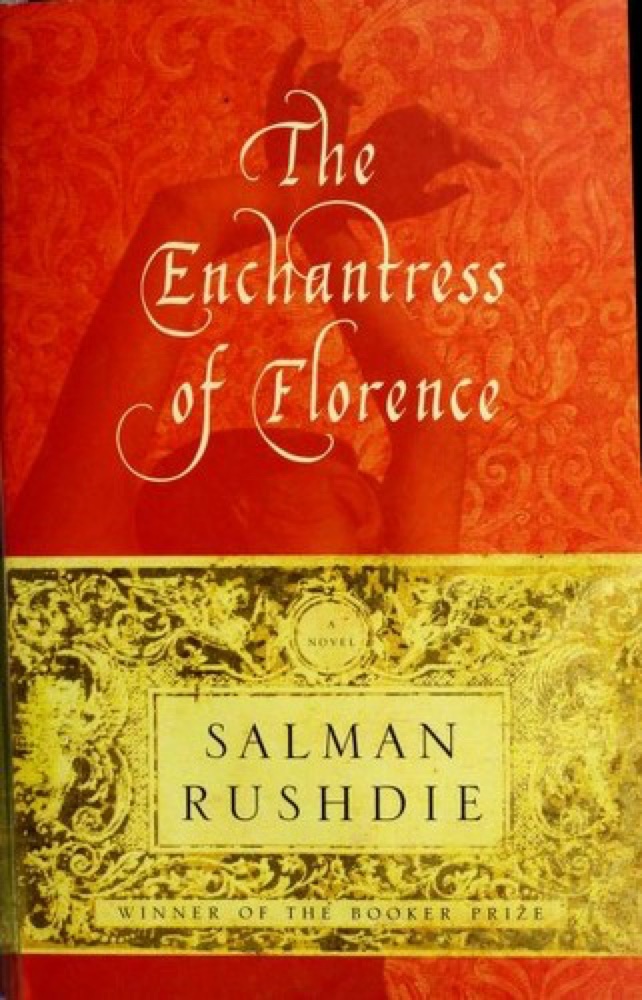 The Enchantress of Florence
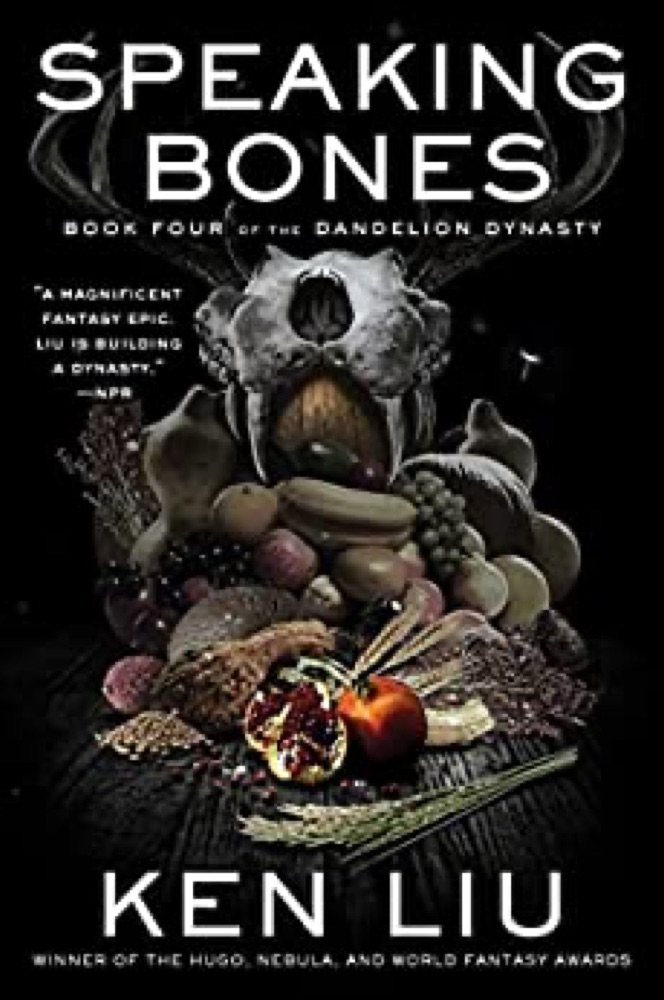 Speaking Bones
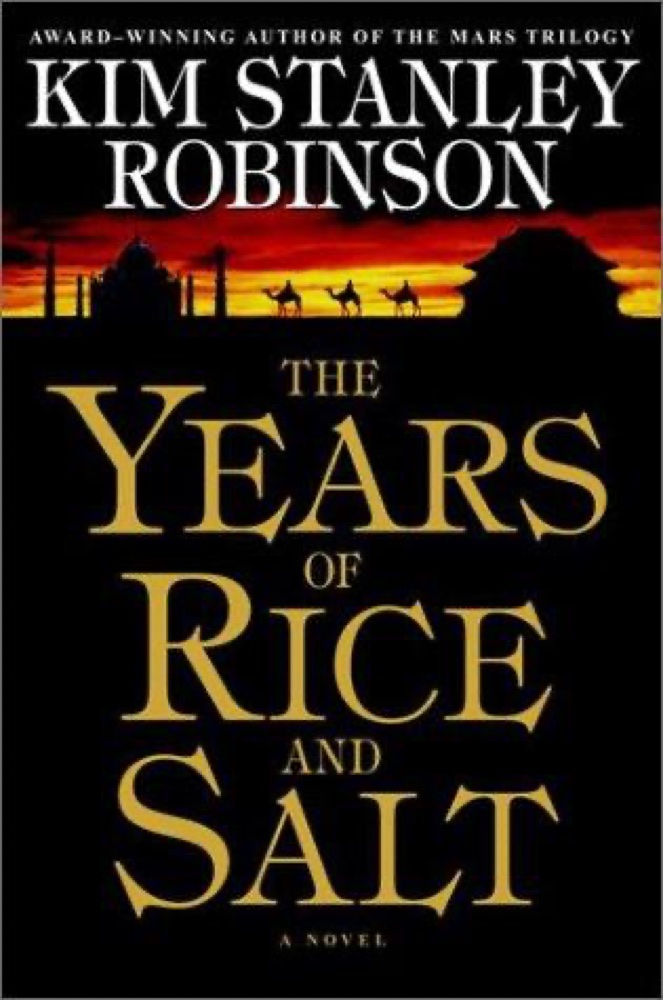 The Years of Rice and Salt
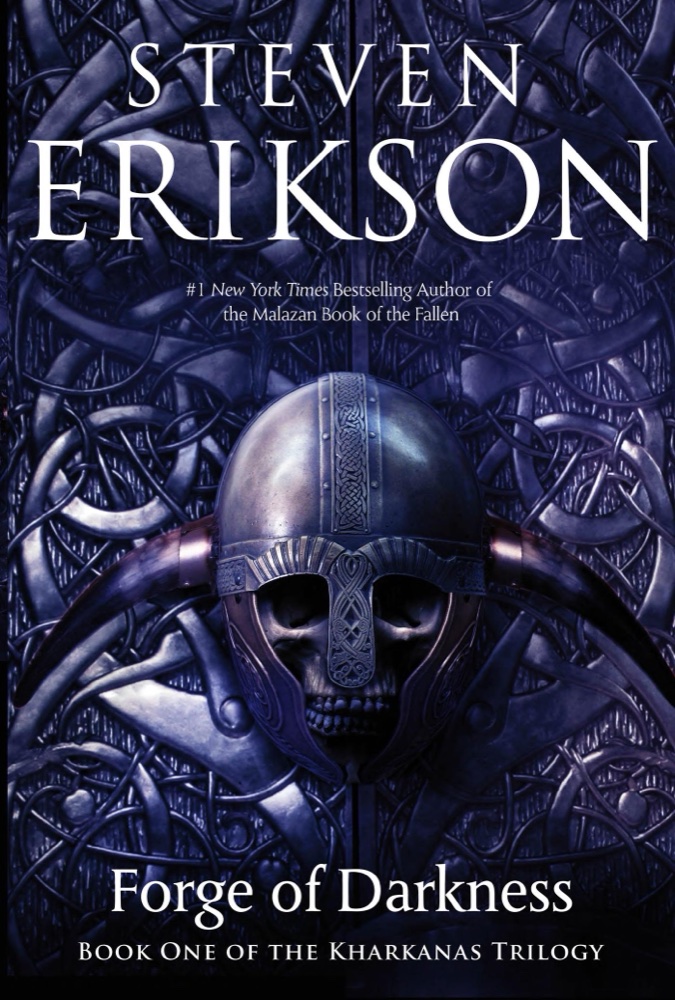 Forge of Darkness
 Two Years Eight Months and Twenty-Eight Nights
 City of Stairs
 Too Like the Lightning
 The Wall of Storms
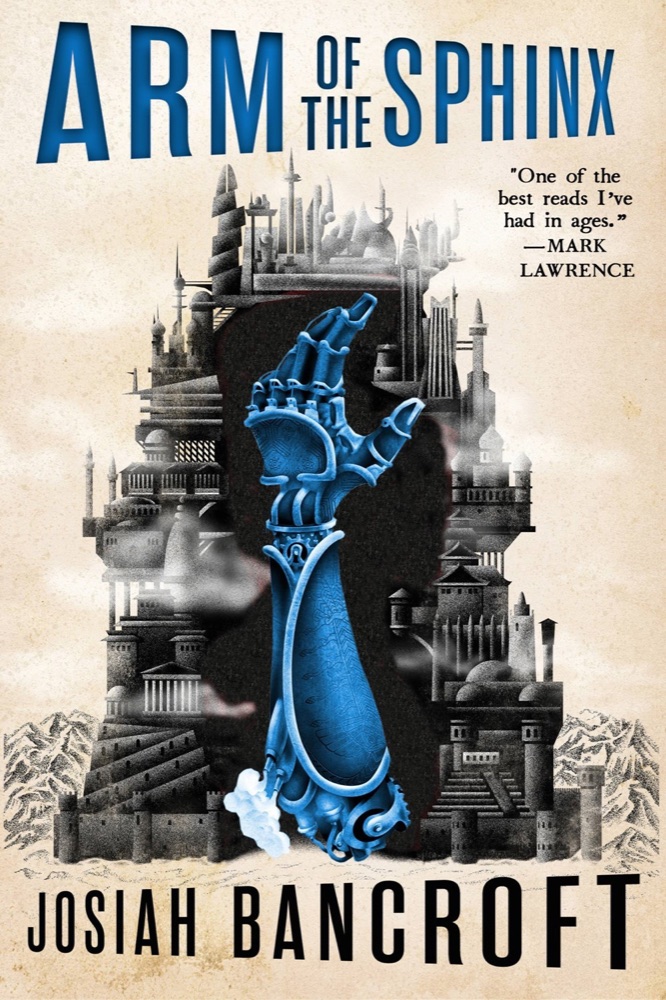 Arm of the Sphinx
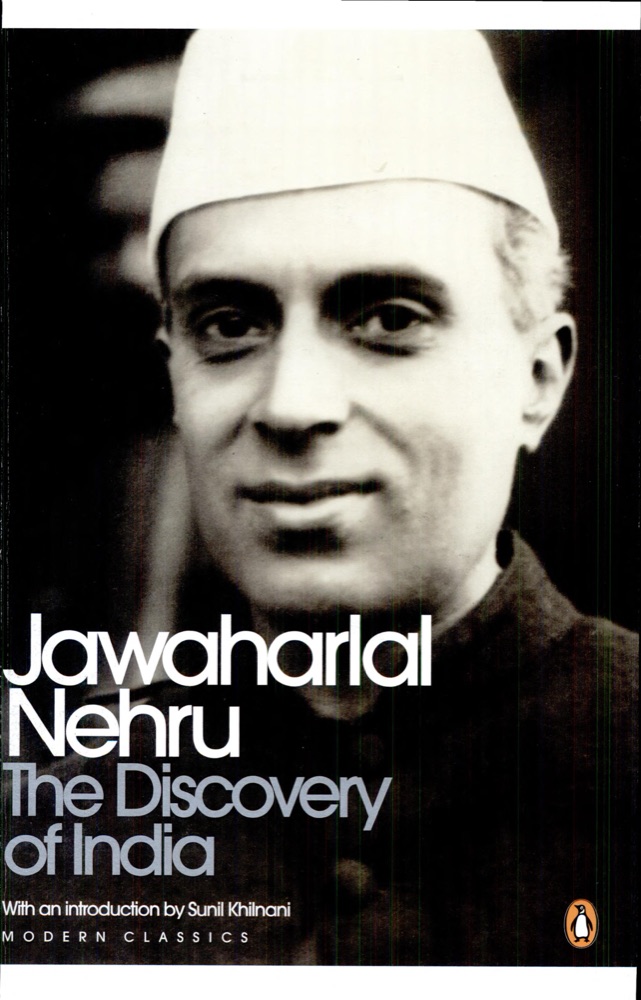 The Discovery of India
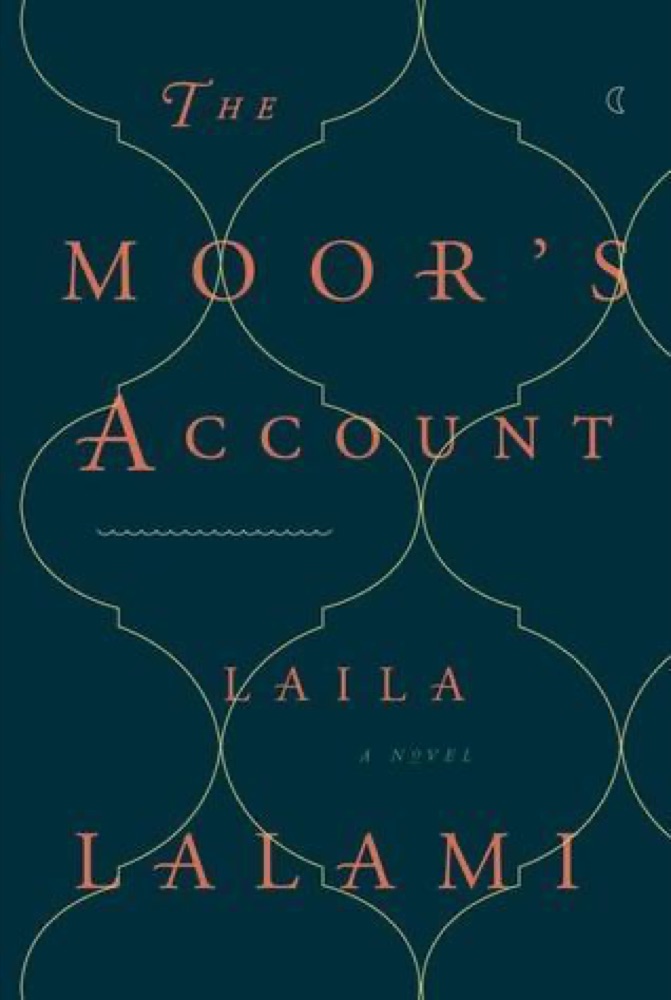 The Moor's Account
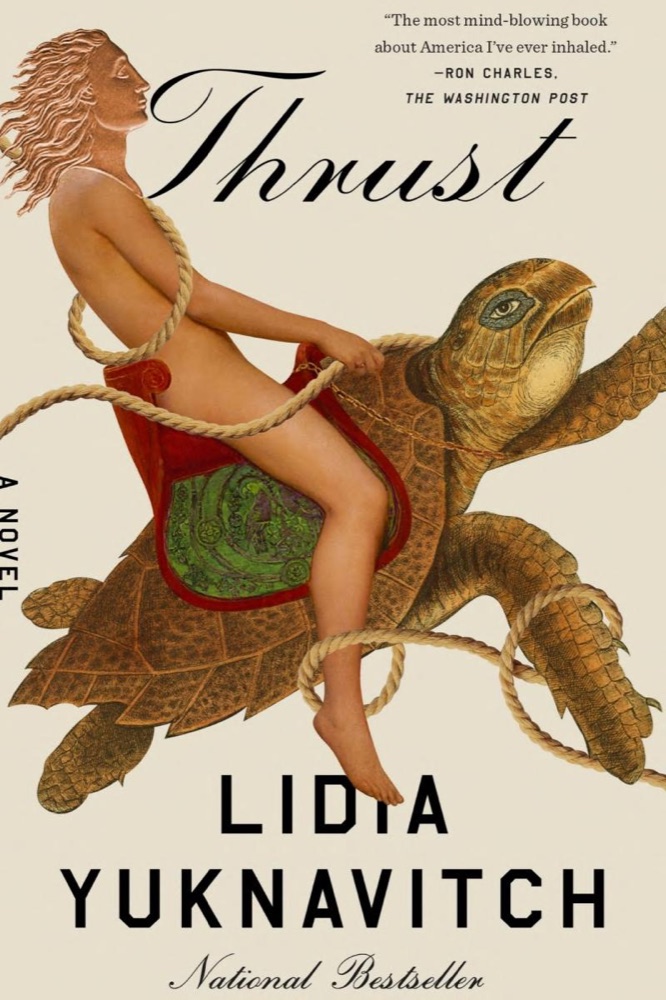 Thrust
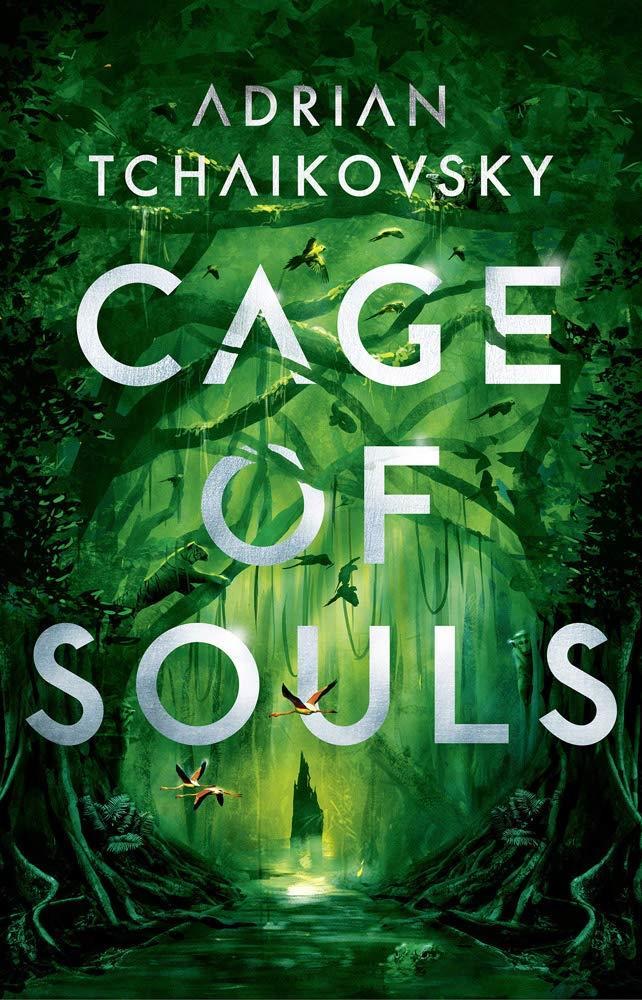 Cage of Souls
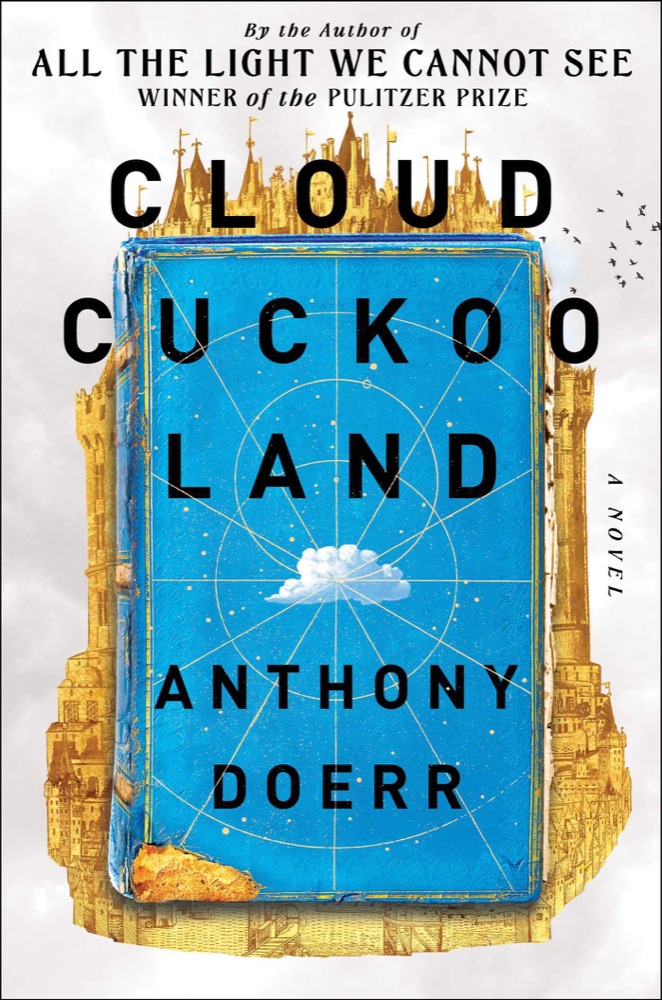 Cloud Cuckoo Land
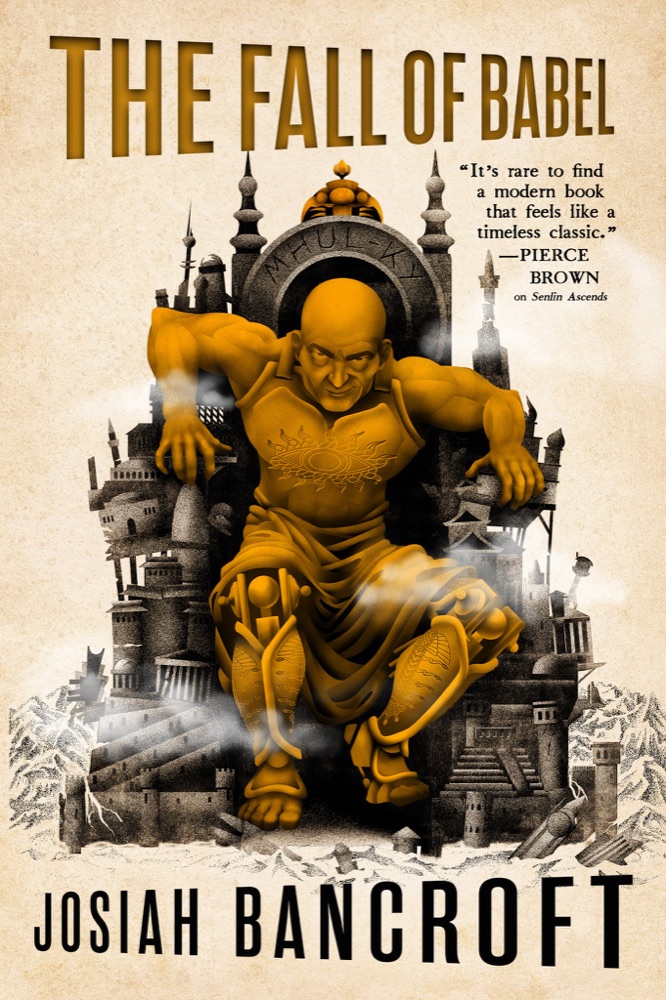 The Fall of Babel
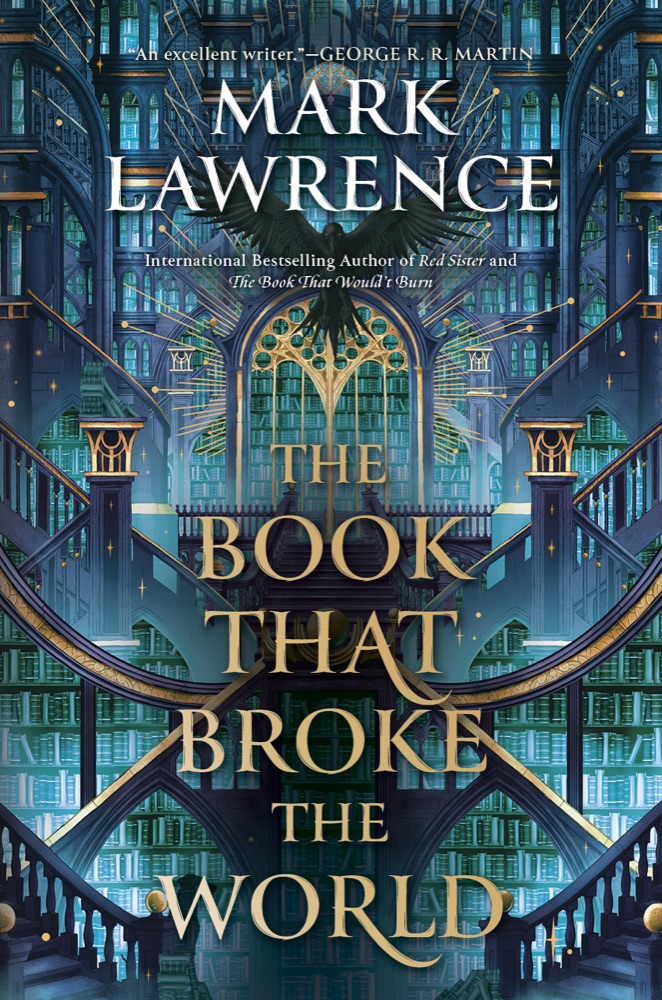 The Book That Broke the World
 The Lives of Others
 Last First Snow
 The Darkness That Comes Before
 Weaveworld
 The Telling
 Empire of Silence
 Powers
 Joseph Anton: A Memoir
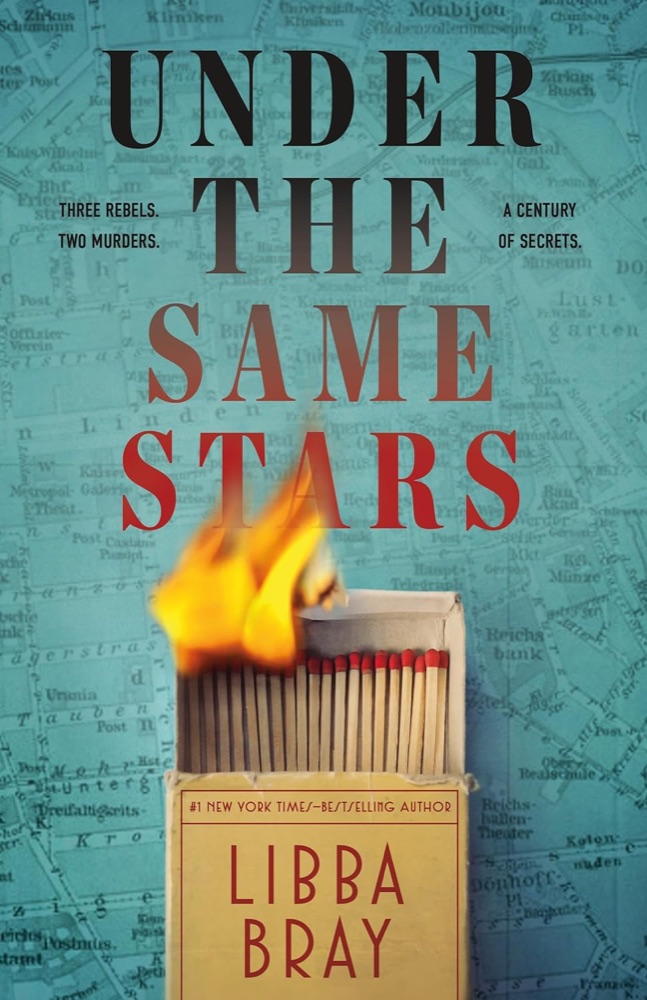 Under the Same Stars
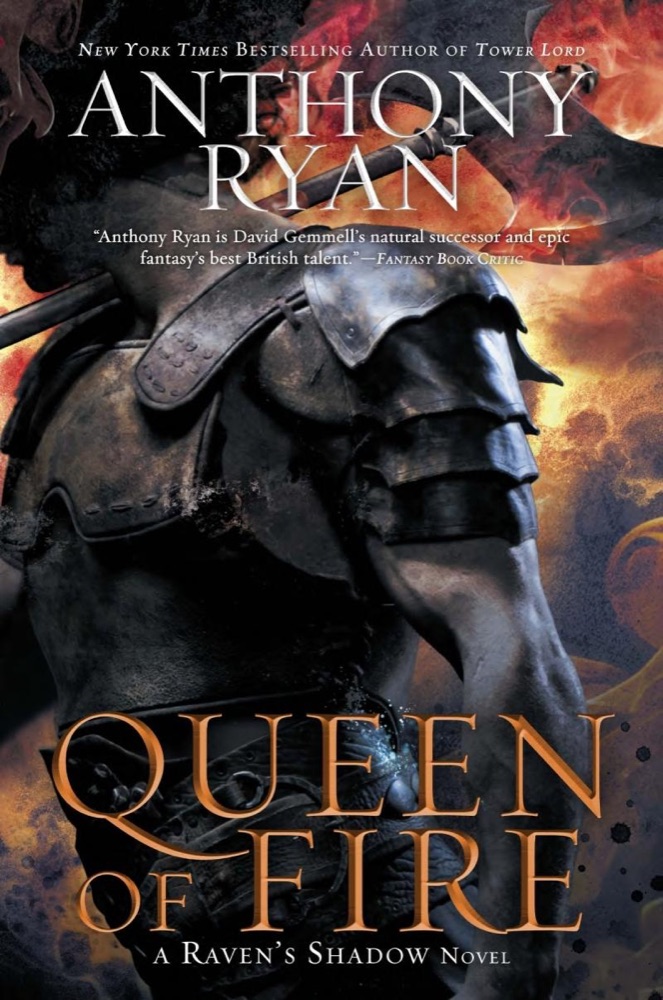 Queen of Fire
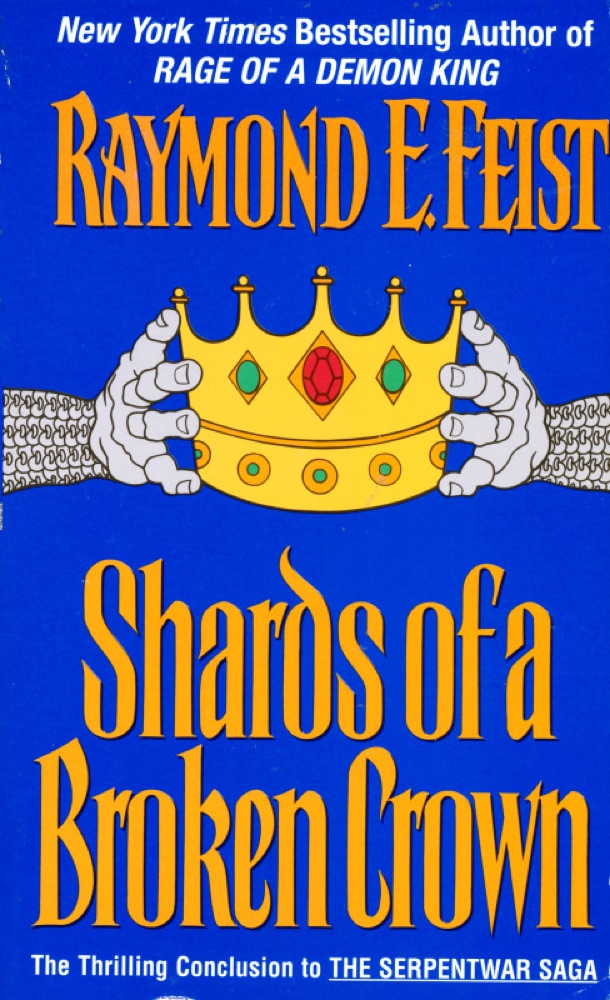 Shards of a Broken Crown
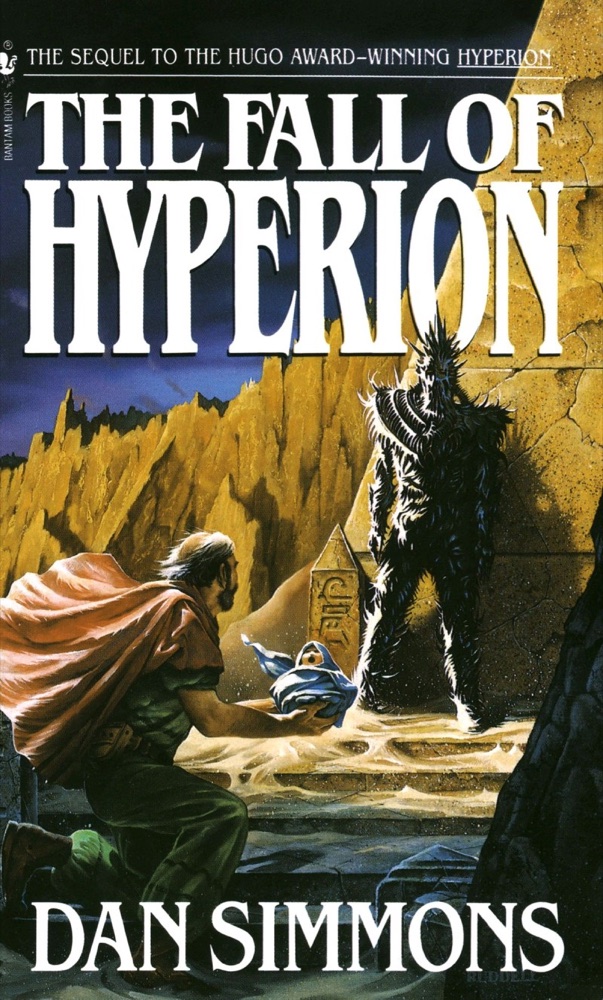 The Fall of Hyperion
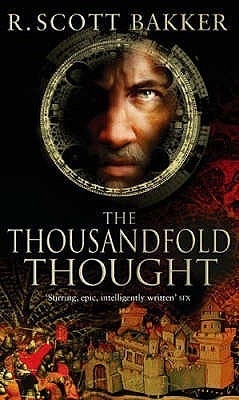 The Thousandfold Thought
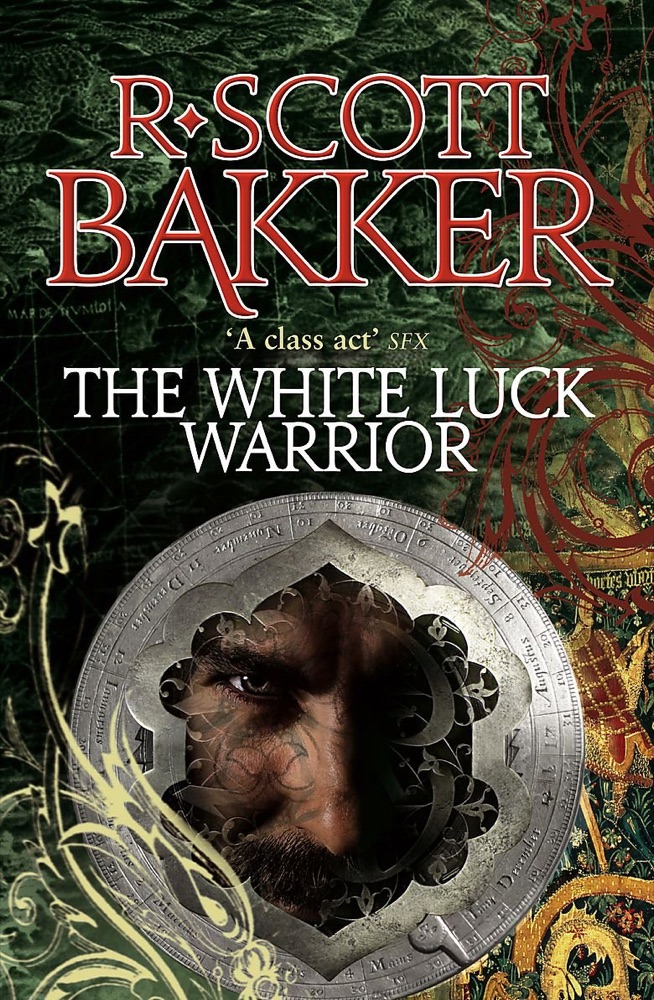 The White Luck Warrior
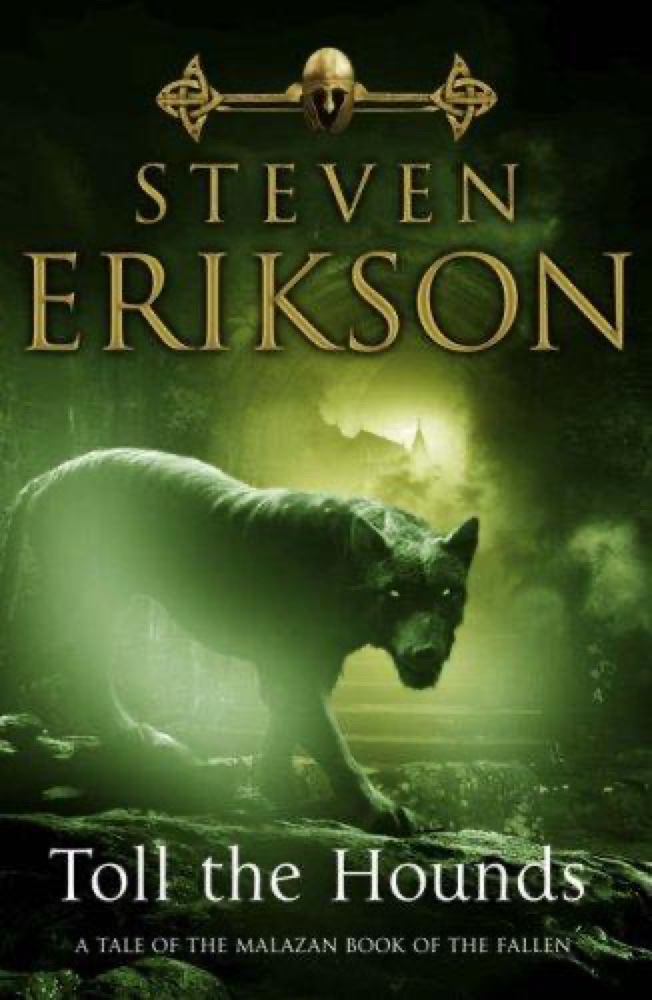 Toll the Hounds
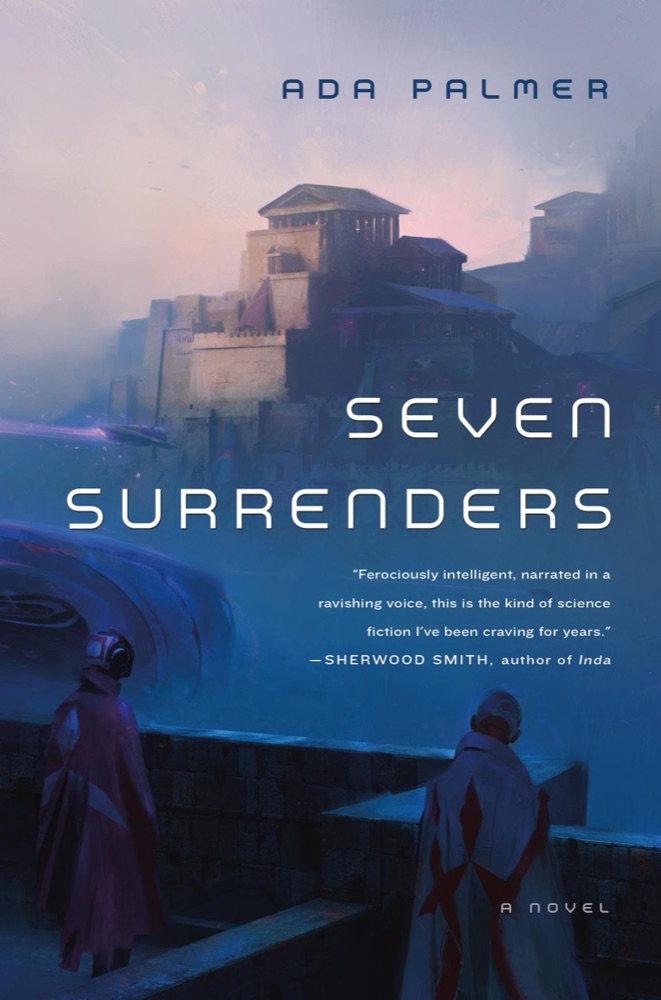 Seven Surrenders
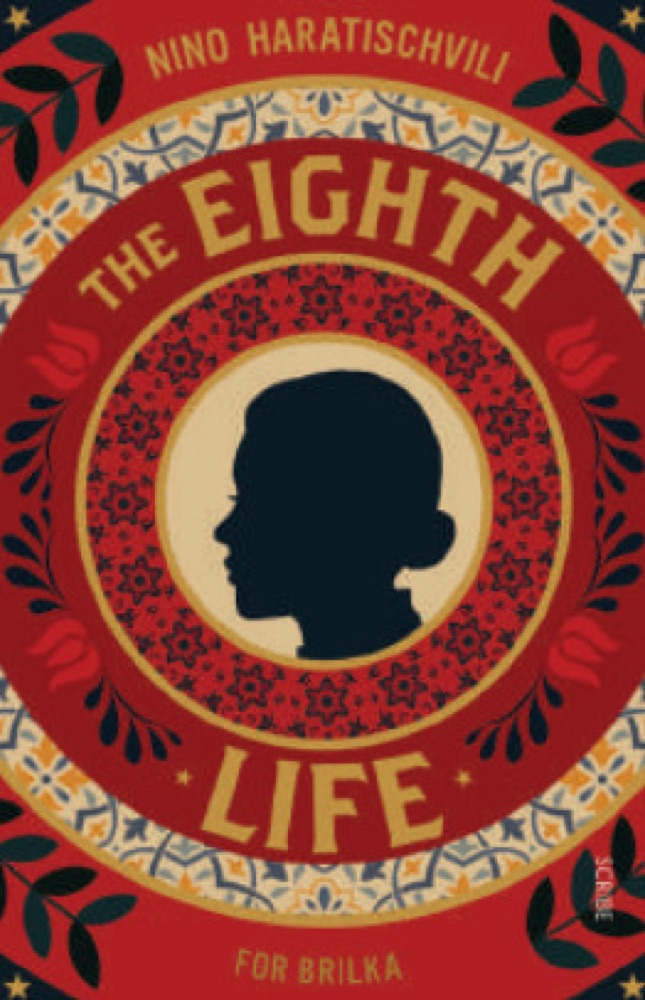 The Eighth Life
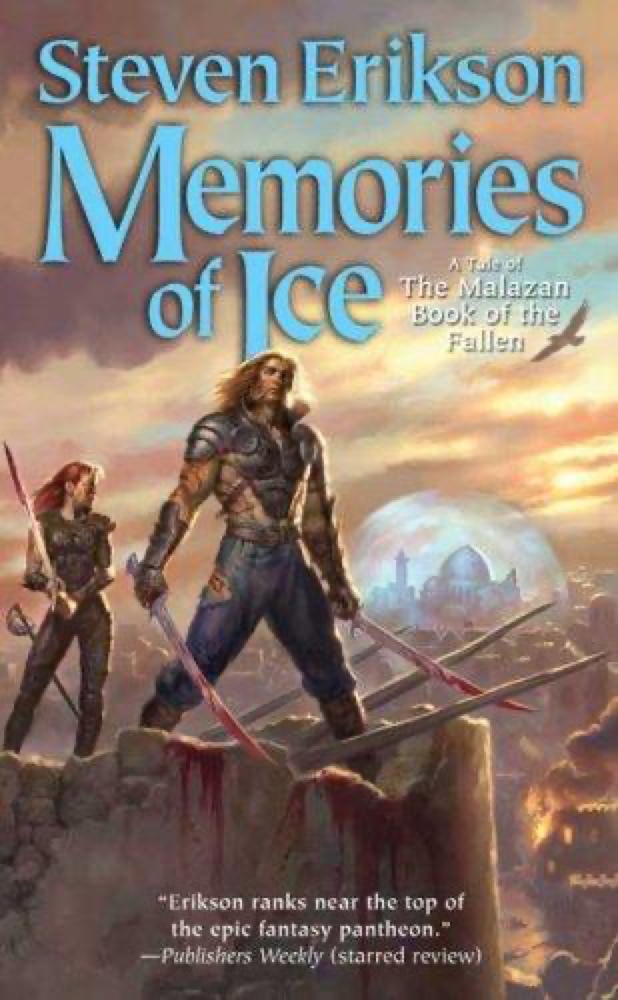 Deadhouse Gates
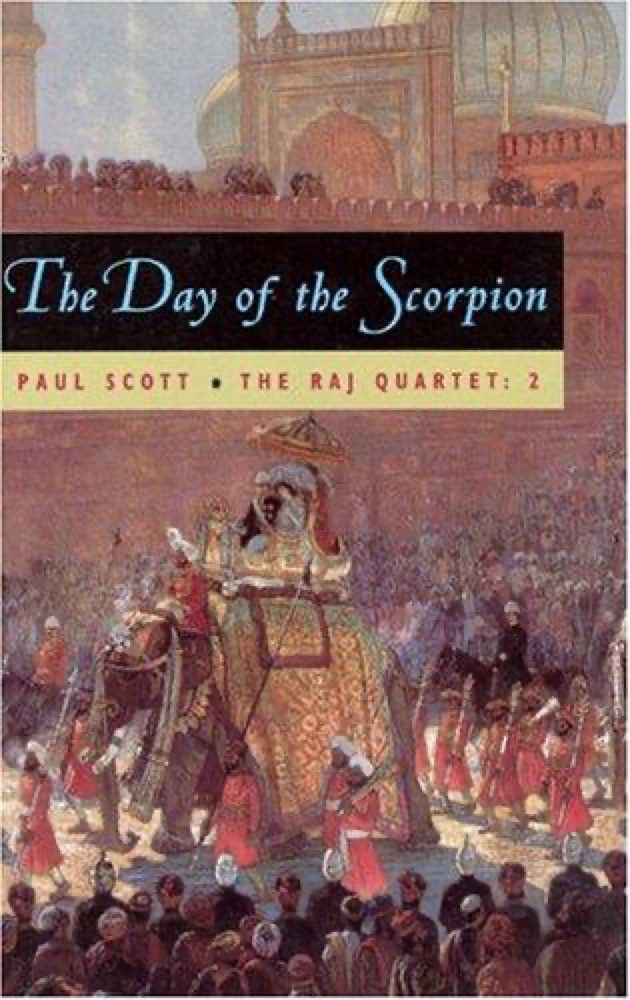 The Day of the Scorpion
 The First Confessor
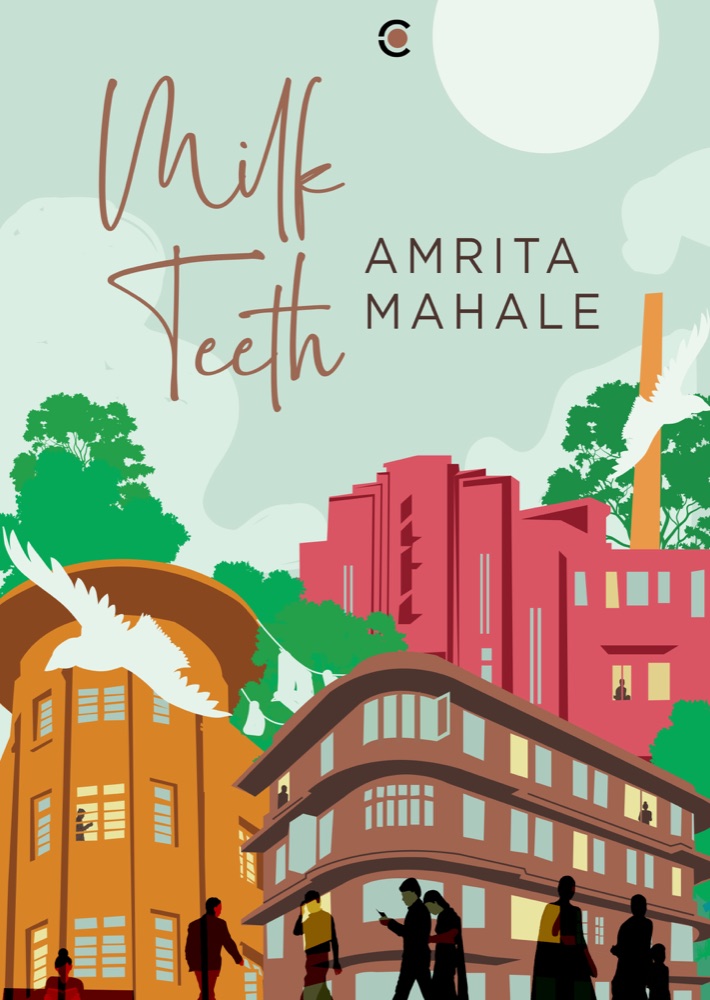 Milk Teeth
 Ninety-Three
 The Ruin of Angels
 The Last Mortal Bond
 The God of Small Things
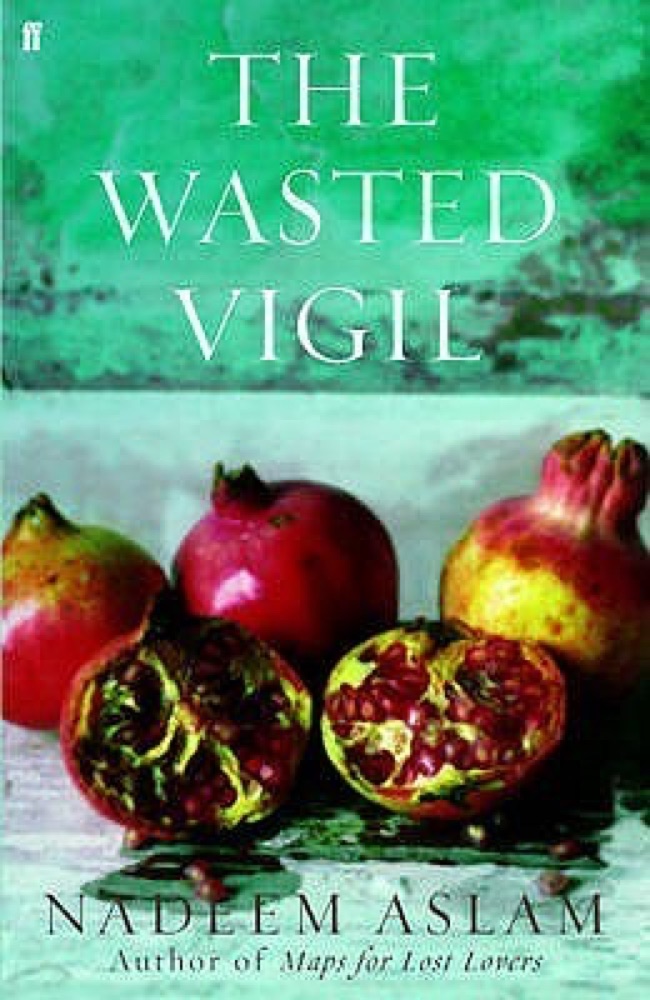 The Wasted Vigil
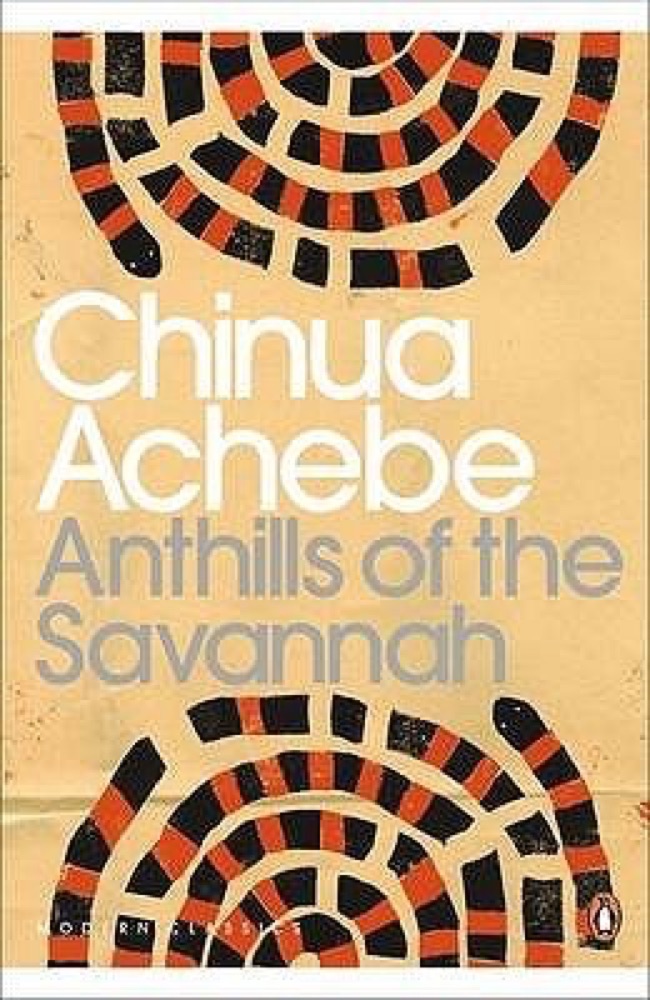 Anthills of the Savannah
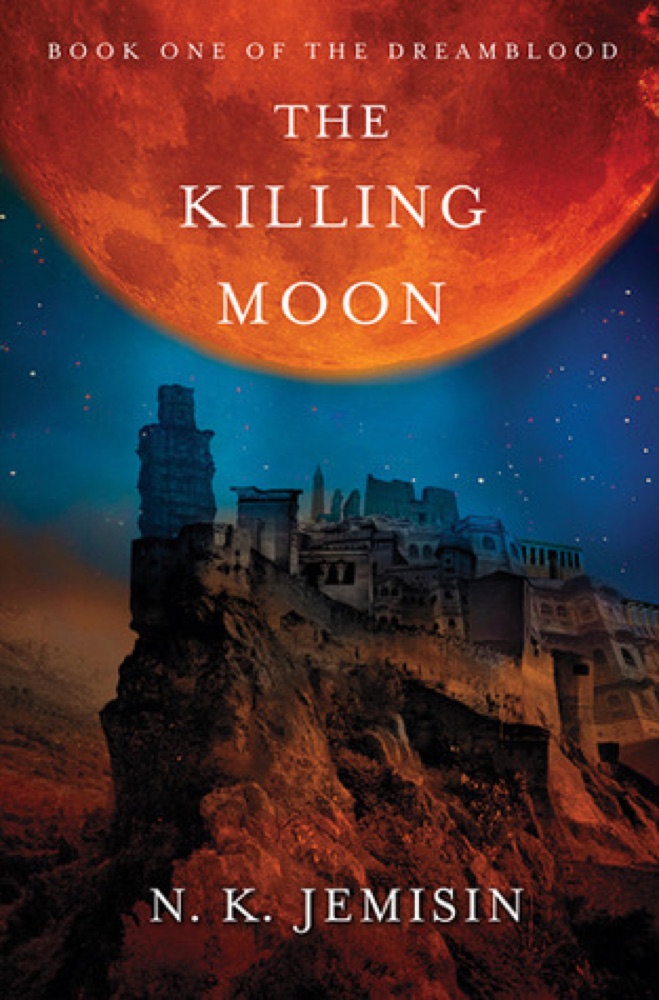 The Killing Moon
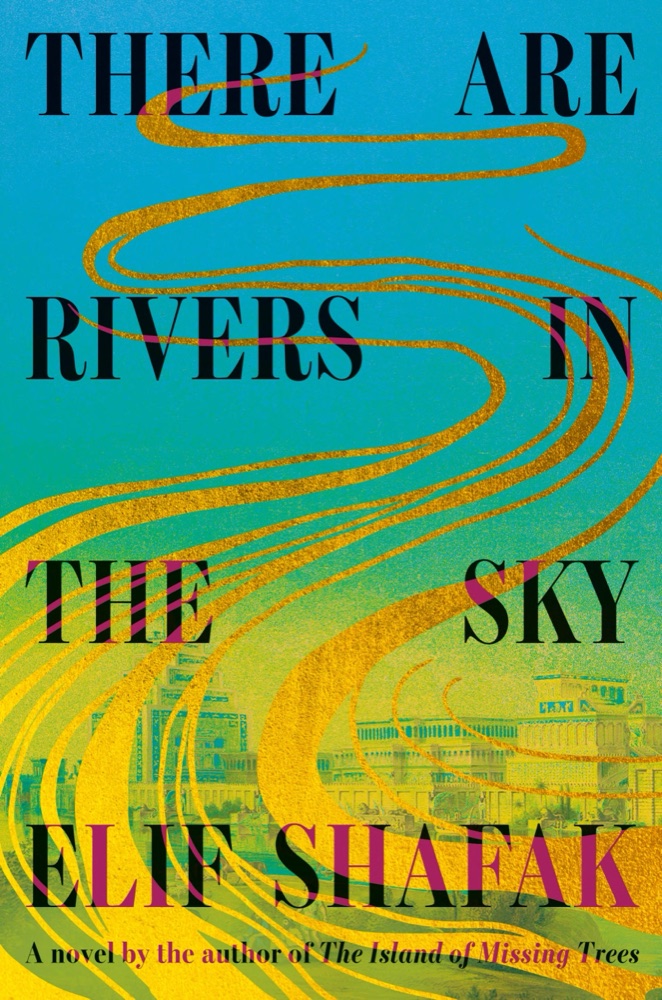 There Are Rivers in the Sky
 Red Mars
 The Once and Future King
 Persian Letters
 The Story of the Lost Child
 Gun Island
 A History of the World in 100 Objects
 The Etched City
 She
She
 The King's Blood
 The Clockmaker's Daughter
 Babylonia
 The Fifth Science
 Tree of Smoke
 The Architect's Apprentice
 Songs of Distant Earth