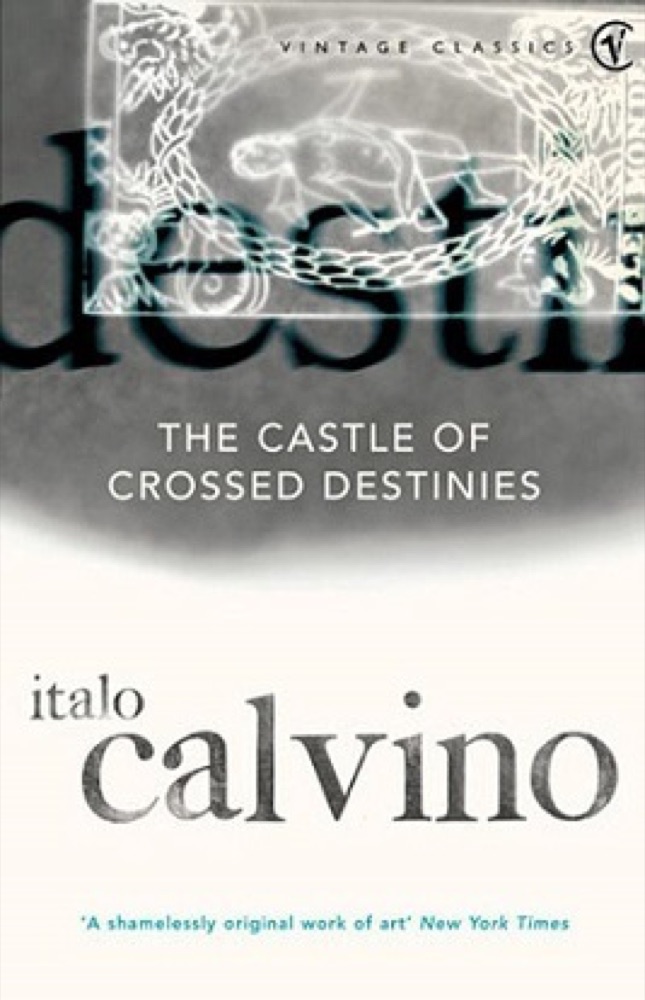
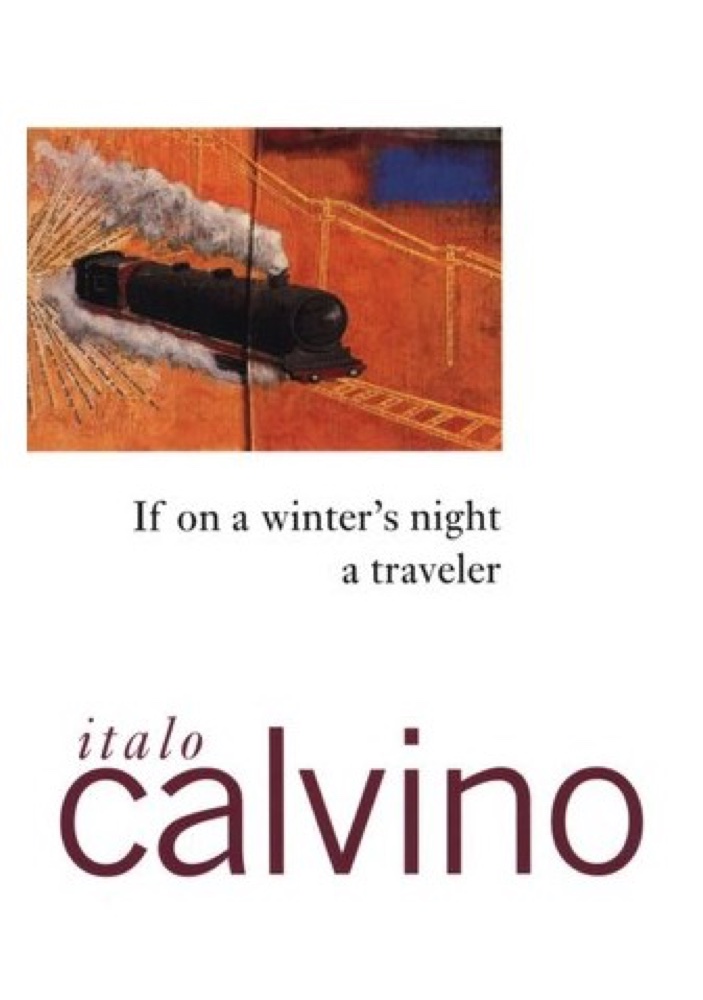
 If on a Winter's Night a Traveler
Quotes from the Book
Every choice has its obverse, that is to say a renunciation, and so there is no difference between the act of choosing and the act of renouncing.
28
And yet the city is not dead: the machines, the engines, the turbines continue to hum and vibrate, every Wheel's cogs are caught in the cogs of other wheels, trains run on tracks and signals on wires; and no human is there any longer to send or receive, to charge or discharge. The machines, which have long known they could do without men, have finally driven them out; and after a long exile, the wild animals have come back to occupy the territory wrested from the forest: foxes and martens wave their soft tails over the control panels starred with manometers and levers and gauges and diagrams; badgers and dormice luxuriate on batteries and magnetos. Man was necessary; now he is useless. For the world to receive information from the world and enjoy it, now computers and butterflies suffice.
15
There is no better place to keep a secret than in an unfinished novel.
12
Leave me like this. I have come full circle and I understand. The world must be read backward. All is clear.
11
In the midst of a thick forest, there was a castle that gave shelter to all travelers overtaken by night on their journey: lords and ladies, royalty and their retinue, humble wayfarers.
11
From this arid sphere every discourse and every poem sets forth; and every journey through forests, battles, treasures, banquets, bedchambers, brings us back here, to the center of an empty horizon.
8
All this is like a dream which the word bears within itself and which, passing through him who writes, is freed and frees him.
4
Long-time inhabitant of steeples, accustomed to contemplating, from his perch on a rainspout, the expanse of roofs, he knew that the souls of cities are more substantial and more lasting than those of all their inhabitants put together.
4
Does the written word tame passions? Or subdue the forces of nature? Or does it find a harmony with the inhumanity of the universe? Or incubate a violence, held back but always ready to spring, to claw?
3
In museums I always enjoy stopping at the Saint Jeromes.
2
For the man who thought he was Man there is no salvation.
2
I am the angel who dwells in the point where lines fork. Whoever retraces the way of divided things encounters me, whoever descends to the bottom of contradictions runs into me, whoever mingles again what was separated feels my membraned wing brush his cheek!
1
...marriage is the encounter of two egoisms that grind each other reciprocally and from which spread the cracks in the foundations of civilized society, the pillars of public welfare stand on the viper's eggshells of private barbarity.
1
In ogni caso, San Giorgio compie la sua impresa davanti ai nostri occhi, sempre chiuso nella sua corazza, senza rivelarci nulla di sé: la psicologia non fa per l'uomo d'azione. Caso mai potremmo dire che la psicologia è tutta dalla parte del drago, coi suoi rabbiosi contorcimenti: il nemico il mostro il vinto hanno un pathos che l'eroe vincitore non si sogna d'avere (o si guarda bene dal mostrare). Di qui a dire che il drago è la psicologia, il passo è breve: anzi, è la psiche, è il fondo oscuro di se stesso che San Giorgio affronta, un nemico che già ha fatto strazio di molti giovani e giovinette, un nemico interno che diventa oggetto di estraneità esecranda. È la storia d'un'energia proiettata nel mondo o il diario d'una introversione?
1
The horses start tugging, one this way, one that; the wheels are drawn to such a divergence that they seem perpendicular to the road, a sign that the chariot has stopped. Or else, if it is moving, it might as well remain still, as happens to many people before whom the ramps of the most smooth and speedy roads open.
1
He hopes at least after pulling himself up from one branch to another he will be able to see farther, discover where the roads lead; but the foliage beneath him is dense, the ground is soon out of sight, and if he raises his eyes toward the top of the tree he is blinded by The Sun, whose piercing rays make the leaves gleam with every colour against the light. However, the meaning of those two children seen in the tarot should also be explained: they must indicate that, looking up, the young man has realized he is no longer alone in the tree; two urchins have preceeded him, scrambling up the boughs. They seem twins: identical, barefoot, golden blond. At this point the young man spoke, asked: “what are you two doing here?” or else: “how far is it to the top?” And the twins replied, indicating with confused gesticulation toward something seen on the horizon of the drawing, beneath the sun’s rays: the walls of a city. But where are these walls located, with respect to the tree? The Ace of Cups portrays, in fact, a city, with many towers and spires and minarets and domes rising above the walls. And also palm fronds, pheasants’ wings, fins of blue moonfish which certainly jut from the city’s gardens, aviaries, aquariums, among which we can imagine the two urchins, chasing each other and vanishing. And this city seems balanced on top of a pyramid, which could also be the top of a great tree; in other words, it would be a city suspended on the highest branches like a bird’s nest, with hanging foundations like the aerial roots of certain plants.
1
Authoritarian or permissive, parents can never expect to be thanked. The generations stare at each other grimly. They speak only to misunderstand each other, to trade blame for growing up unhappy and dying disappointed.
The hermit’s strength is measured not by how far away he has gone to live, but by the scant distance he requires to detach himself from the city, without ever losing sight of it.
The first of these new impulses is the stronger: if the roles of man and woman are shuffled, then the cards must immediately be dealt again, the order tampered with must be restored, for outside it a man no longer knows who he is or what is expected of him. That sword is not a woman’s attribute, it is a usurpation. The knight would never take advantage of an adversary of his own sex, surprising him unarmed, and still less would he steal from him secretly, but now he crawls among the bushes, approaches the hanging weapons, grasps the sword with a furtive hand, takes it from the tree, and runs off. “War between man and woman has no rules, no loyalty,” he thinks, and he does not yet know, to his misfortune, how right he is.
Know then that I am the Joyous Goddess of Destruction, who governs the world’s ceaseless dissolution and restoration. In the general massacre the cards are continuously shuffled, and souls fare no better than bodies, which at least enjoy the repose of the grave. An endless war racks the universe up to the very stars of the firmament and spares not even spirits or atoms.
The generations stare at each other grimly, they speak only to misunderstand each other, to trade blame for growing up unhappy and dying disappointed.
When you kill, you always kill the wrong man.
Nei musei mi fermo sempre volentieri davanti ai sangirolami. I pittori rappresentano l'eremita come uno studioso che consulta trattati all'aria aperta, seduto all'imboccatura d'una grotta. Poco più in là è accucciato un leone, domestico, tranquillo. Perché un leone? La parola scritta ammansisce le passioni? O sottomette le forze della natura? O trova un'armonia con la disumanità dell'universo? O cova una violenza trattenuta ma sempre pronta ad avventarsi, a sbranare?
Watch on YouTube
About Italo Calvino
We have collected 221 quotes from 11 books by Italo Calvino on BookQuoters.
More about the author →More by Italo Calvino
All books by Italo Calvino →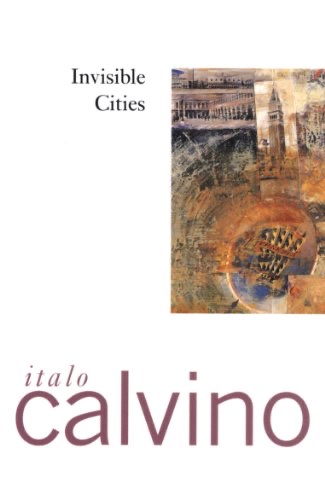
About the book
A group of travellers chance to meet, first in a castle, then a tavern. Their powers of speech are magically taken from them and instead they have only tarot cards with which to tell their tales. What follows is an exquisite interlinking of narratives, and a fantastic, surreal, and chaotic history of all human consciousness.
Book details
- First published
- 1969
- Author
- Italo Calvino
- Genre
- Fiction
- Goodreads rating
- 3.44 (12k ratings)
Keep reading
 Sword & Citadel
 The Enchantress of Florence
 Toll the Hounds
 Selected Poems
 House of Chains
 Black Lamb and Grey Falcon
 Fall of Light
 The Ground Beneath Her Feet
 The Crossing
 Romola
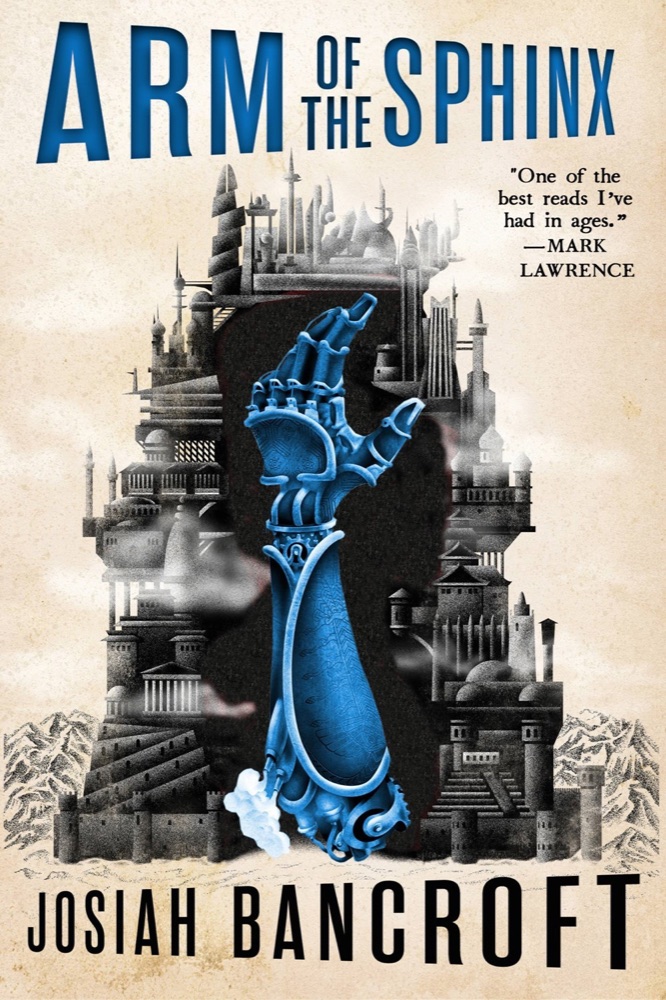 Arm of the Sphinx
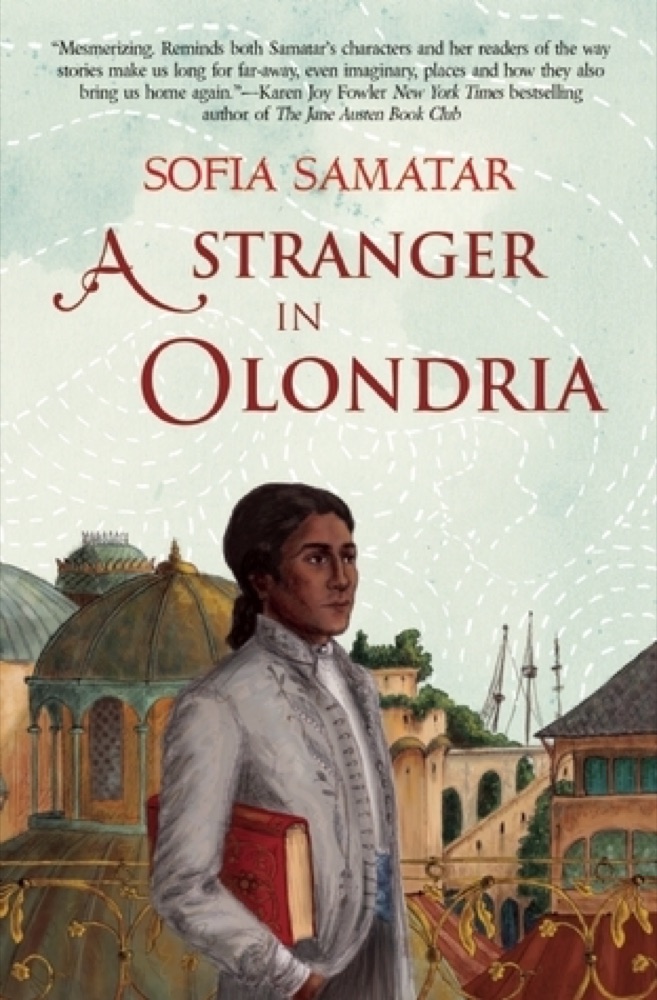 A Stranger in Olondria
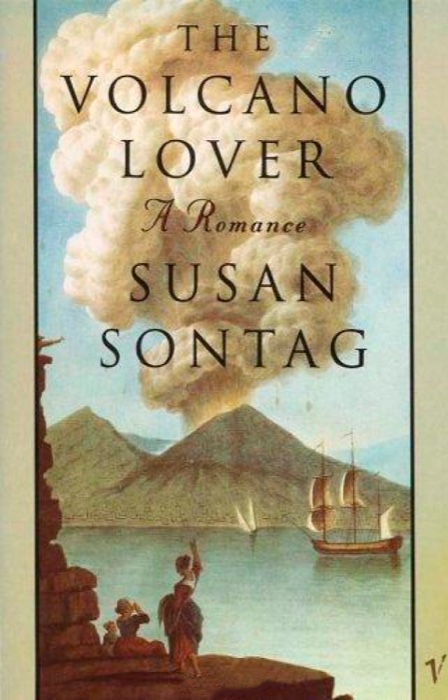 The Volcano Lover: A Romance
 Narcissus and Goldmund
 The Moor's Last Sigh
 A Luminous Republic
 In Search of Lost Time
 Collected Fictions
 Plainwater: Essays and Poetry
 A Tale of Love and Darkness
 Weaveworld
 The Fall of Babel
 Blood Meridian: Or the Evening Redness in the West
 Divisadero
 Complete Works of Oscar Wilde
 Titus Groan
 Empire of Silence
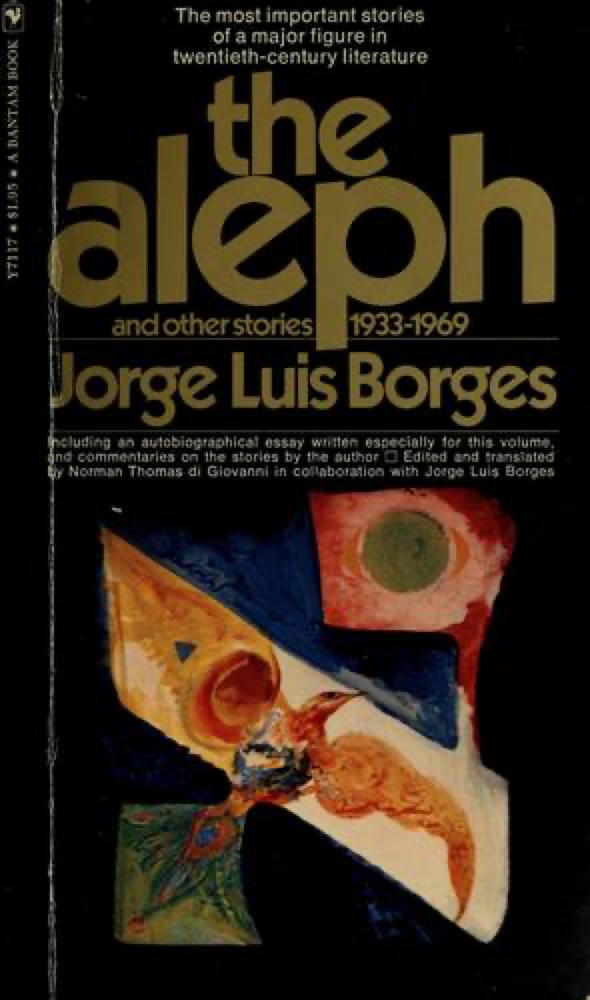 The Aleph and Other Stories
 Blood Meridian, or the Evening Redness in the West
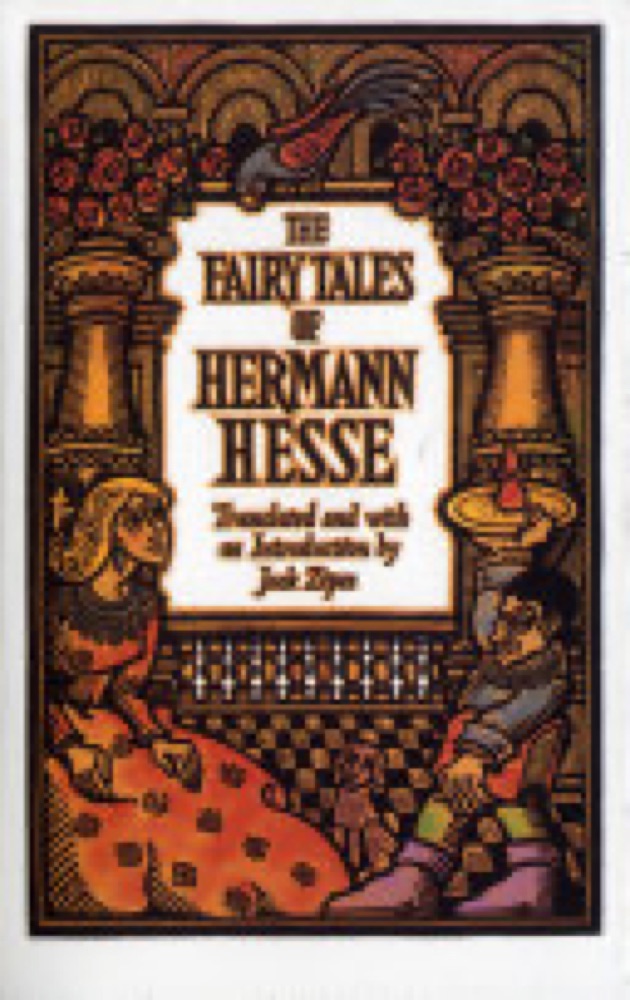 The Fairy Tales of Hermann Hesse
 Orlando
 Jacob's Room
 Sexus
Sexus
 Shadow & Claw
 The Etched City
 Daniel Deronda
 The Man Who Laughs
 There Are Rivers in the Sky
 Ulysses
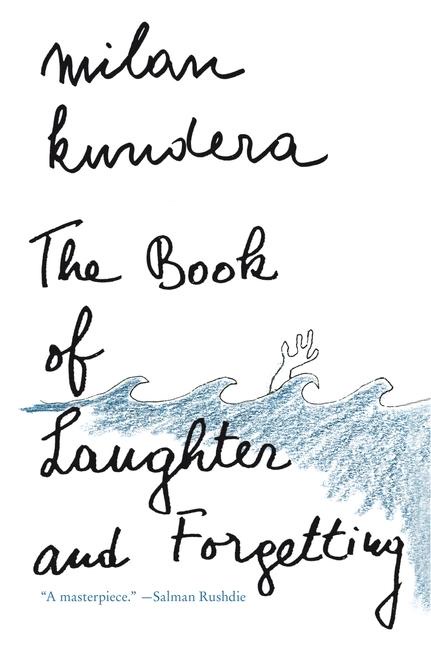 The Book of Laughter and Forgetting
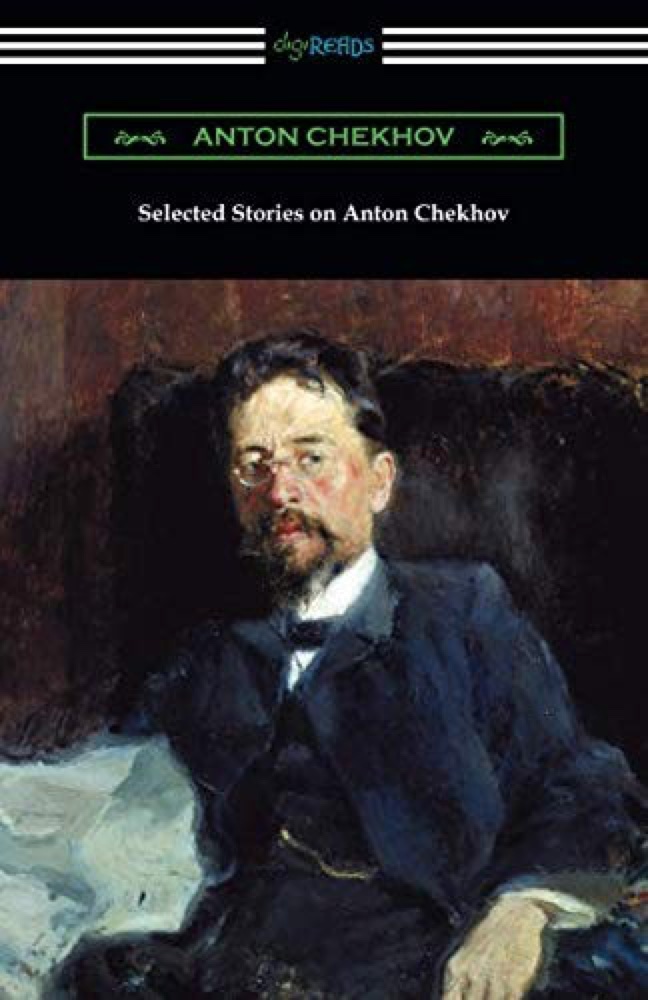 Selected Stories of Anton Chekhov
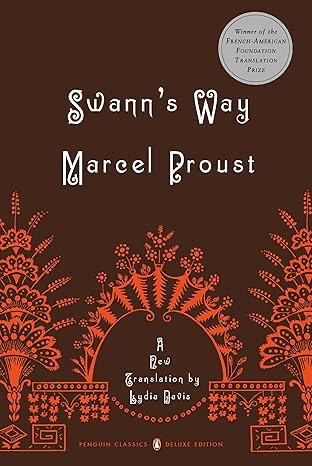 Swann's Way
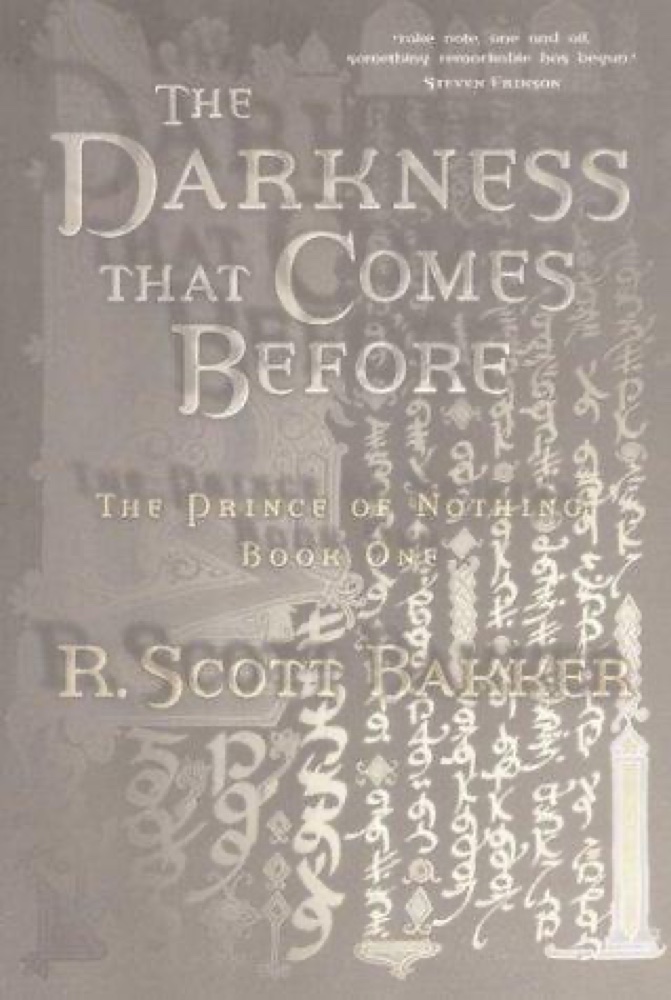 The Darkness That Comes Before
 Selected Stories
 Independent People
 The Garden of Forking Paths
 The Stories of Vladimir Nabokov
 Wind, Sand and Stars
 Fugitive Pieces
 The Tunnel
 Primeval and Other Times
 The Infernal Desire Machines of Doctor Hoffman
 The Man in the High Castle
 Sixty Stories
 Birds Without Wings
 The Complete Poems and Plays, 1909-1950
 One Way Street And Other Writings
 Three Parts Dead
 The Wasted Vigil
 The Songlines