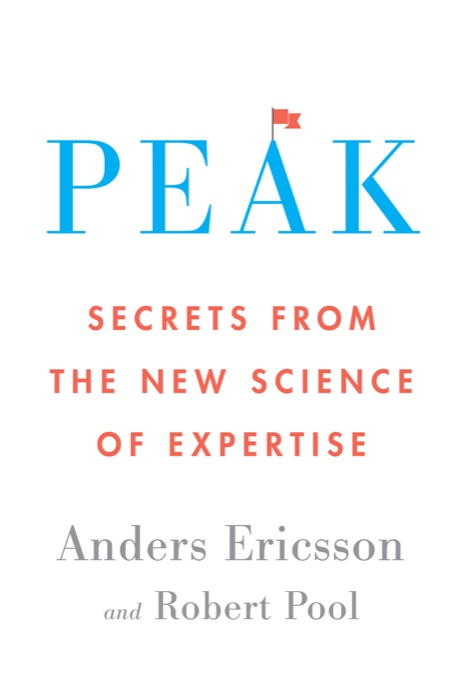
 Peak: Secrets from the New Science of Expertise
Quotes from the Book
The best performers set goals that are not about the outcome but about the process of reaching the outcome.
28
deliberate practice requires that one identify certain sharply defined elements of performance that need to be improved, and then work intently on them.
18
Great performance is in our hands far more than most of us ever suspected.
16
What great performers have achieved is the ability to avoid doing it automatically.
13
A study of figure skaters found that sub-elite skaters spent lots of time working on the jumps they could already do, while skaters at the highest levels spent more time on the jumps they couldn’t do, the kind that ultimately win Olympic medals and that involve lots of falling down before they’re mastered.
11
Mozart’s first work regarded today as a masterpiece, with its status confirmed by the number of recordings available, is his Piano Concerto No. 9, composed when he was twenty-one. That’s certainly an early age, but we must remember that by then Wolfgang had been through eighteen years of extremely hard, expert training.
10
Landing on your butt twenty thousand times is where great performance comes from.
9
If you set a goal of becoming an expert in your business, you would immediately start doing all kinds of things you don't do now.
9
Top performers understand their field at a higher level than average performers do, and thus have a superior structure for remembering information about it.
8
even if high-IQ people do better than low-IQ people when first trying a task that’s new to them, the relationship tends to get weaker and may eventually disappear completely as they work at the task and get better at it.
8
you learn ten times more in a crisis than during normal times.
7
When Tchaikovsky finished writing his Violin Concerto in 1878, he asked the famous violinist Leopold Auer to give the premier performance. Auer studied the score and said no—he thought the work was unplayable. Today every young violinist graduating from Juilliard can play it. The music is the same, the violins are the same, and human beings haven’t changed. But people have learned how to perform much, much better.
6
Everyone who has achieved exceptional performance has encountered terrible difficulties along the way. There are no exceptions. If you believe that doing the right kind of work can overcome the problems, then you have at least a chance of moving on to ever better performance. But those who see the setbacks as evidence that they lack the necessary gift will give up—quite logically, in light of their beliefs. They will never achieve what they might have.
5
What you want—really, deeply want—is fundamental because deliberate practice is a heavy investment.
5
The scarce resource is no longer money. It’s human ability.
5
The best computer programmers are much better than novices at remembering the overall structure of programs because they understand better what they’re intended to do and how.
5
When top-level chess players look at a board, they see words, not letters. Instead of seeing twenty-five pieces, they may see just five or six groups of pieces. That’s why it’s easy for them to remember where all the pieces are.
5
So your willingness to do it will distinguish you all the more.
4
It ain’t so much the things we don’t know that get us into trouble. It’s the things we know that just ain’t so.
4
Ambitious parents who are currently playing the ‘Baby Mozart’ video for their toddlers may be disappointed to learn that Mozart became Mozart by working furiously hard.
4
The costs of being less than truly world class are growing, as are the rewards of being genuinely great.
4
Avoiding automaticity through continual practice is another way of saying that great performers are always getting better. This is why the most devoted can stay at the top of their field for far longer than most people would think possible.
3
Understand that each person in the organization is not just doing a job, but is also being stretched and grown.
2
Mozart’s earliest symphonies, brief works written when he was just eight, hew closely to the style of Johann Christian Bach, with whom he was studying when they were written. None of these works is regarded today as great music or even close.
2
if customer ignorance is a profit center for you, you’re in trouble.
2
Executives consistently report that their hardest experiences, the stretches that most challenged them, were the most helpful. A. G. Lafley, CEO of Procter & Gamble, was in charge of the company’s Asian operations during a major Japanese earthquake and the Asian economic collapse. He says that’s when he discovered that “you learn ten times more in a crisis than during normal times.” His
2
The cash held by US companies are hitting all time records. Companies are using some of this money to buy back their own stock at record rates. When a company is doing this it is saying to it's investors: We don't have any good ideas what to do with this, so here--maybe you do.
2
Tiger is born into the home of an expert golfer and confessed “golf addict” who loves to teach and is eager to begin teaching his new son as soon as possible.
2
Auer responded, “Practice with your fingers and you need all day. Practice with your mind and you will do as much in one and a half hours.
1
World-class chess players, in addition to being considered awesomely smart, are generally assumed to have superhuman memories, and with good reason. Champions routinely put on exhibitions in which they play lesser opponents while blindfolded; they hold the entire chessboard in their heads. Some of these exhibitions strike the rest of us as simply beyond belief. The Czech master Richard Reti once played twenty nine blindfolded games simultaneously. (Afterward he left his briefcase at the exhibition site and commented on what a poor memory he had.)
1
Watch on YouTube
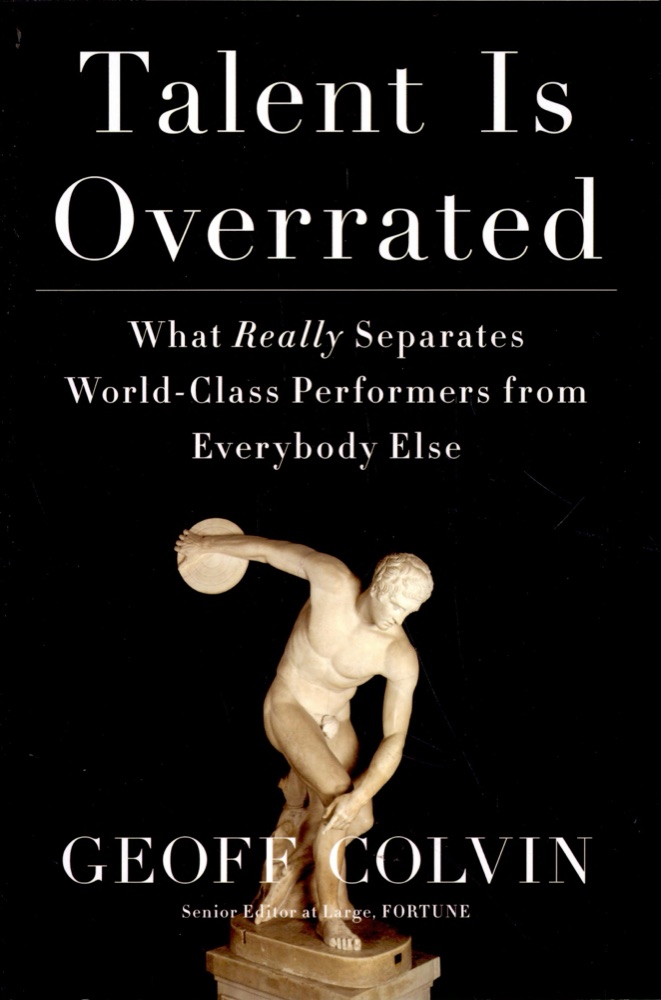
About Geoff Colvin
About the book
One of the most popular Fortune articles in many years was a cover story called: "What It Takes to Be Great." Geoff Colvin offered new evidence that top performers in any field are not determined by their inborn talents. Greatness doesn't come from DNA but from practice and perseverance honed over decades. The key is how you practice, how you analyze the results of your progress and learn from your mistakes, that enables you to achieve greatness.
Colvin shows that the skills of business: negotiating deals, evaluating financial statements obey the principles that lead to greatness, so that anyone can get better at them with the right kind of effort. Even the hardest decisions and interactions can be systematically improved.
This new mind-set, combined with Colvin's practical advice, will change the way you think about your job and career, and will inspire you to achieve more in all
Book details
- First published
- 2008
- Author
- Geoff Colvin
- Genre
- Nonfiction
- Goodreads rating
- 3.93 (21k ratings)
Keep reading
Peak: Secrets from the New Science of Expertise
 Smartcuts: How Hackers, Innovators, and Icons Accelerate Success
 Outliers: The Story of Success
 Peak Performance: Elevate Your Game, Avoid Burnout, and Thrive with the New Science of Success
 Beginners: The Joy and Transformative Power of Lifelong Learning
 Range: Why Generalists Triumph in a Specialized World
 Grit: The Power of Passion and Perseverance
 Grit to Great: How Perseverance, Passion, and Pluck Take You from Ordinary to Extraordinary
 High Performance Habits: How Extraordinary People Become That Way
 Good to Great: Why Some Companies Make the Leap... and Others Don't
 Leading: Learning from Life and My Years at Manchester United
 Tools of Titans: The Tactics, Routines, and Habits of Billionaires, Icons, and World-Class Performers
 The Art of Impossible: A Peak Performance Primer
 Principles: Life and Work
 Barking Up the Wrong Tree: The Surprising Science Behind Why Everything You Know About Success Is (Mostly) Wrong
 Measure What Matters
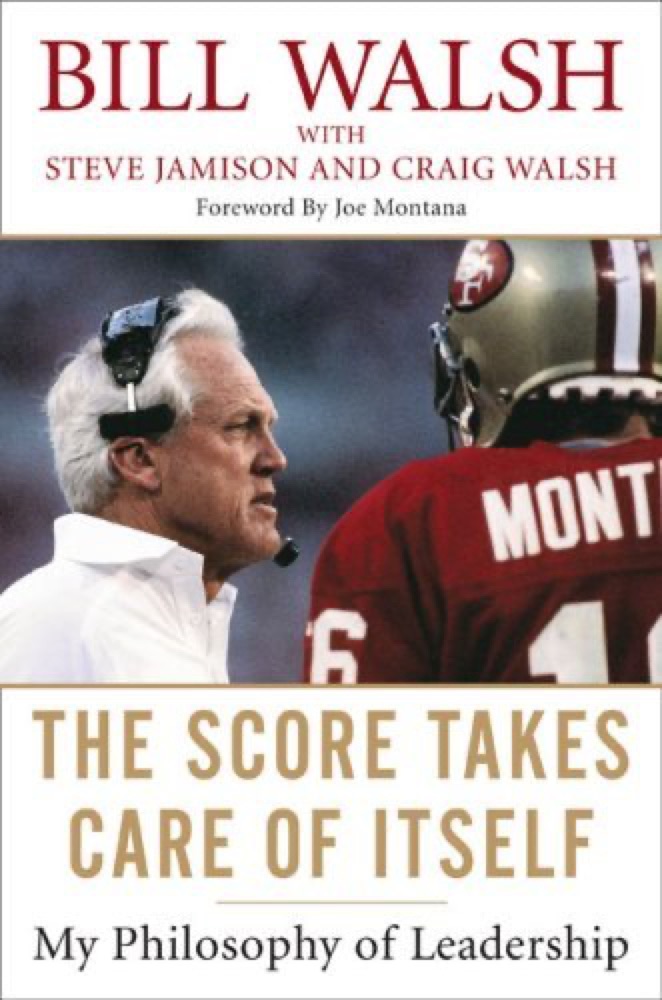 The Score Takes Care of Itself: My Philosophy of Leadership
 It's Not How Good You Are, It's How Good You Want To Be
 Your Next Five Moves: Master the Art of Business Strategy
 Mindset: The New Psychology of Success
 Think Like a Freak
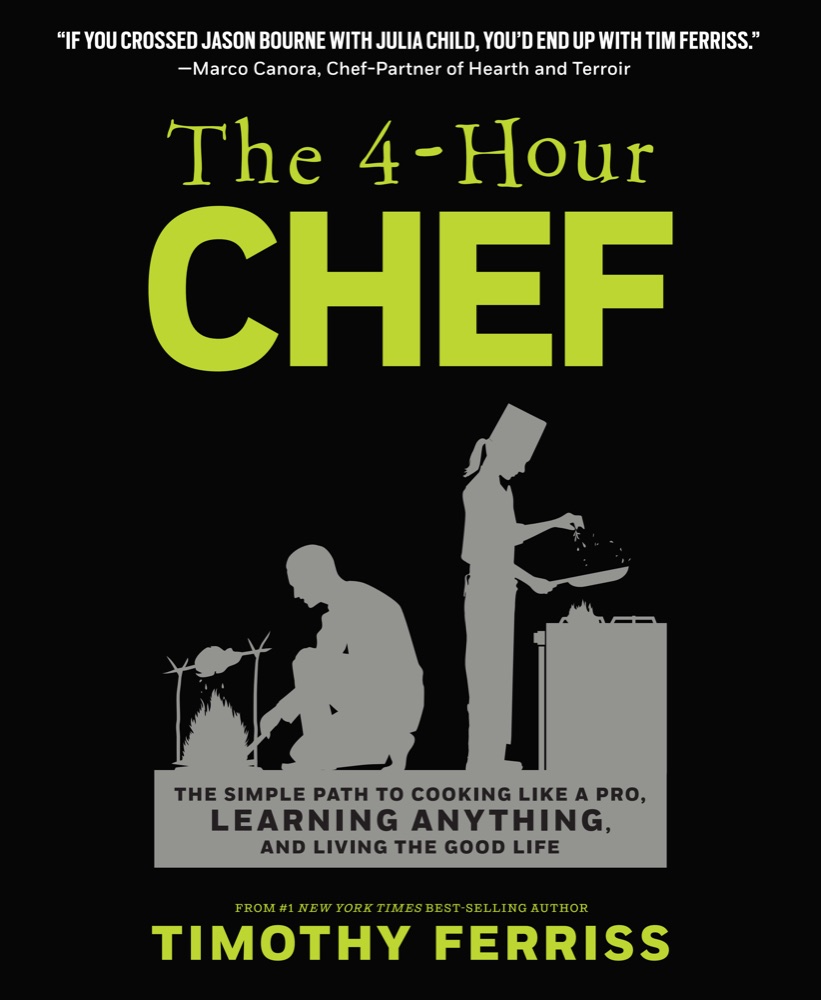 The 4-Hour Chef: The Simple Path to Cooking Like a Pro, Learning Anything, and Living the Good Life
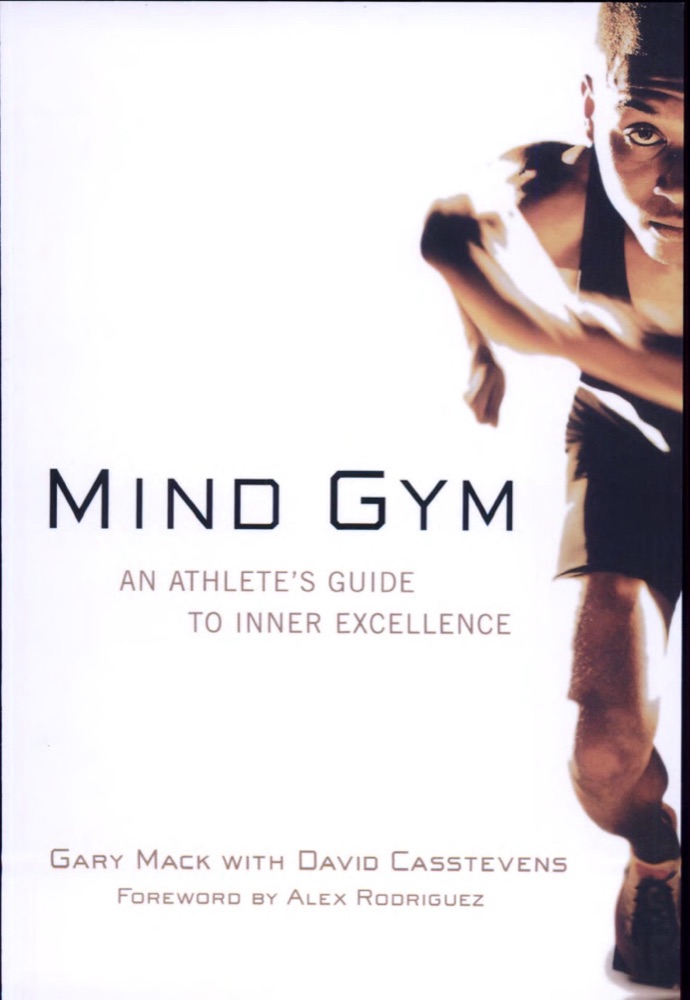 Mind Gym: An Athlete's Guide to Inner Excellence
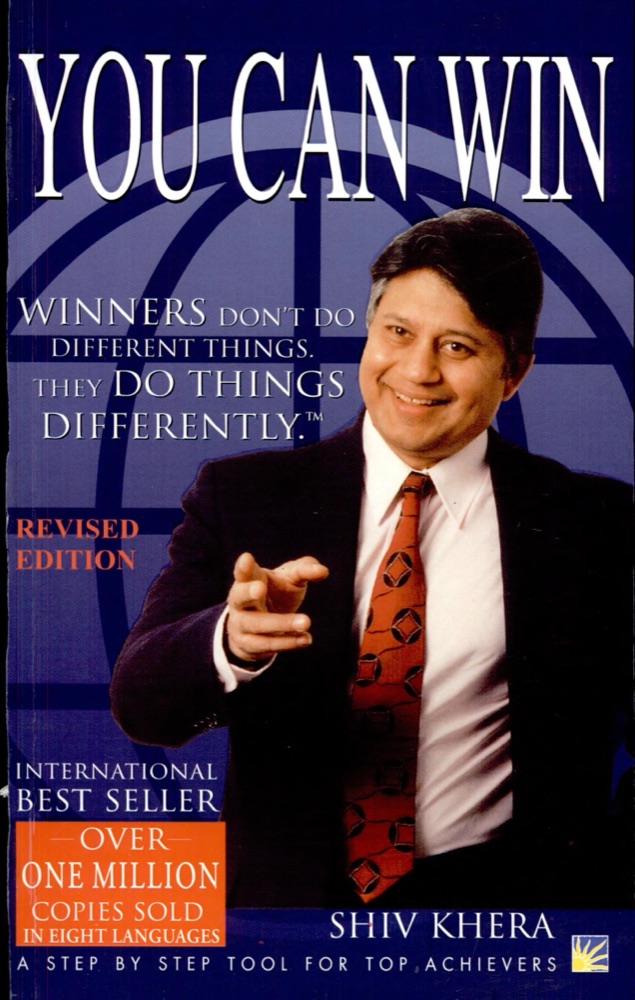 You Can Win: A Step by Step Tool for Top Achievers
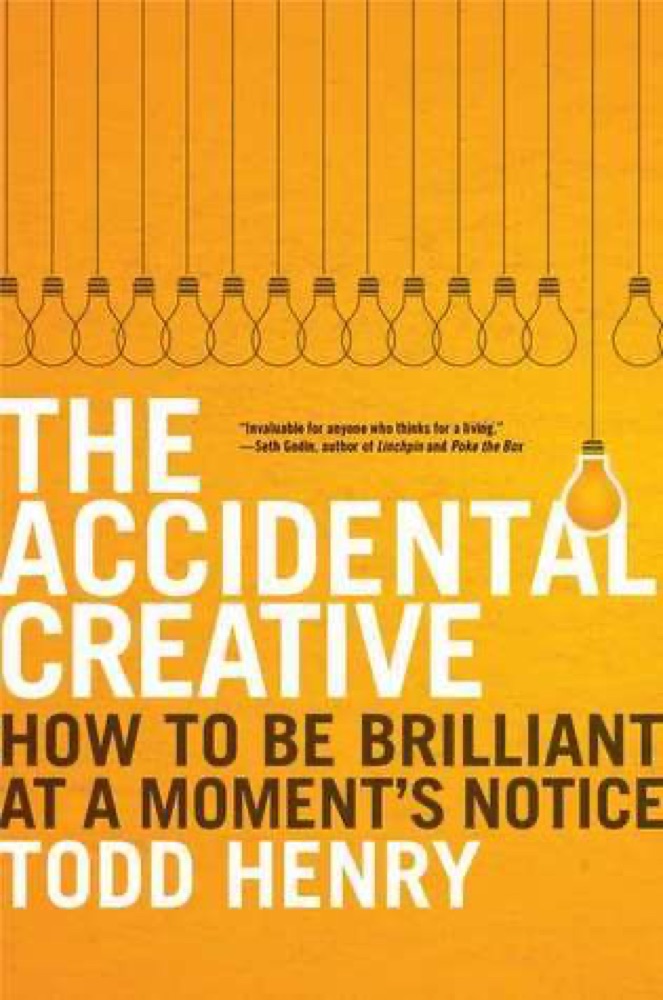 The Accidental Creative: How to Be Brilliant at a Moment's Notice
 Drive: The Surprising Truth About What Motivates Us
 What the Dog Saw and Other Adventures
 Creativity, Inc.: Overcoming the Unseen Forces That Stand in the Way of True Inspiration
 Getting There: A Book of Mentors
 The Ride of a Lifetime: Lessons Learned from 15 Years as CEO of the Walt Disney Company
 Deep Work: Rules for Focused Success in a Distracted World
 Mastery
 The Art of Thinking Clearly
 Originals: How Non-Conformists Move the World
 Great by Choice: Uncertainty, Chaos, and Luck—Why Some Thrive Despite Them All
 A Mind for Numbers: How to Excel at Math and Science
 The 80/20 Principle: The Secret to Achieving More with Less
 The Dip: A Little Book That Teaches You When to Quit (and When to Stick)
 Pour Your Heart Into It: How Starbucks Built a Company One Cup at a Time
 Think and Grow Rich
 Smarter Faster Better: The Secrets of Being Productive in Life and Business
 Wooden: A Lifetime of Observations and Reflections On and Off the Court
 Hackers & Painters: Big Ideas from the Computer Age
 Winning
 Do Epic Shit
 Limitless: Upgrade Your Brain, Learn Anything Faster, and Unlock Your Exceptional Life
 The Power of Focus
 The Fifth Discipline: The Art & Practice of The Learning Organization
 The Element: How Finding Your Passion Changes Everything
 Superforecasting: The Art and Science of Prediction
 David and Goliath: Underdogs, Misfits, and the Art of Battling Giants
 Legacy: What the All Blacks Can Teach Us About the Business of Life
 The Startup of You: Adapt to the Future, Invest in Yourself, and Transform Your Career
 The Algebra of Wealth: A Simple Formula for Financial Security
 Give and Take: A Revolutionary Approach to Success
 Secrets of the Millionaire Mind: Mastering the Inner Game of Wealth
 EntreLeadership: 20 Years of Practical Business Wisdom from the Trenches
 It Takes What It Takes: How to Think Neutrally and Gain Control of Your Life