
 Principles: Life and Work
Quotes from the Book
The way to create something great is to create something simple.
21
golden rules for career success 1 Specialize in a very small niche; develop a core skill 2 Choose a niche that you enjoy, where you can excel and stand a chance of becoming an acknowledged leader 3 Realize that knowledge is power 4 Identify your market and your core customers and serve them best 5 Identify where 20 percent of effort gives 80 percent of returns 6 Learn from the best 7 Become self-employed early in your career 8 Employ as many net value creators as possible 9 Use outside contractors for everything but your core skill 10 Exploit capital leverage
12
There are people who want to achieve--and then there are sane people.
7
Not only is happiness not money, it is not even like money.
6
It may be that you will be happiest in the rat race; perhaps, like me, you are basically a rat.
6
Things that matter most Must never be at the mercy of things that matter least.
5
THE 80/20 PRINCIPLE AND CHAOS THEORY Probability theory tells us that it is virtually impossible for all the applications of the 80/20 Principle to occur randomly, as a freak of chance. We can only explain the principle by positing some deeper meaning or cause that lurks behind it. Pareto himself grappled with this issue, trying to apply a consistent methodology to the study of society. He searched for “theories that picture facts of experience and observation,” for regular patterns, social laws, or “uniformities” that explain the behavior of individuals and society. Pareto’s sociology failed to find a persuasive key. He died long before the emergence of chaos theory, which has great parallels with
5
We can change the way that we think about external events, even where we cannot change them. And we can do something more. We can intelligently change our exposure to events that make us either happy or unhappy.
4
80 percent of products, or customers or employees, are only contributing 20 percent of profits; that there is great waste; that the most powerful resources of the company are being held back by a majority of much less effective resources; that profits could be multiplied if more of the best sort of products could be sold, employees hired, or customers attracted (or convinced to buy more from the firm).
4
It is not shortage of time that should worry us, but the tendency for the majority of time to be spent in low-quality ways.
3
Who you work for is more important than what you do
3
from 20 per cent of clients. In the consulting industry that means two things: large clients and long-term clients. Large clients give large assignments, which means you can use a higher proportion
3
You might get much better value and happiness out of a simpler and cheaper lifestyle.
2
The reasonable man adapts himself to the world. The unreasonable one persists in trying to adapt the world to himself. Therefore all progress depends on the unreasonable man.
2
Innovation is the name of the game;
2
Pursue those few things where you are amazingly better than others and that you enjoy most.
1
There are proven techniques for exiting feelings of incipient sadness and depression before they become damaging to your health and happiness. Moreover, by cultivating habits of optimism you can help to prevent disease as well as have a happier life.
1
HINT 3: ONLY WORK FOR AN 80/20 BOSS What is an 80/20 boss? Someone who consciously or unconsciously follows the principle. By their works you shall know them: They focus on very few things—the ones that make a BIG difference to their customers, and, if they still have them, their bosses (hopefully a temporary arrangement—the best 80/20 bosses are not themselves constrained by a boss). They are going places fast. They are rarely short of time, and never flustered. They are usually relaxed and happy, not workaholics. They look to their people for a few valuable outputs. They pay no attention to inputs such as time and sweat. They take the time to explain to you what they are doing, and why. They encourage you to focus on what delivers the greatest results with the least effort. They praise you when you deliver great results, but are constructively critical when you don’t—and suggest that you either stop doing something unimportant or do something important in a more effective way. When they trust you, they leave you alone and encourage you to come to them when you need guidance.
1
In this kind of situation one might well ask: why continue to make the 80 percent of products that only generate 20 percent of profits? Companies rarely ask these questions, perhaps because to answer them would mean very radical action: to stop doing four-fifths of what you are doing is not a trivial change. What J-B Say called the work of entrepreneurs, modern financiers call arbitrage. International financial markets are very quick to correct anomalies in valuation, for example between exchange rates. But business organizations
1
complexity. As the business becomes more complex, its returns fall dramatically. This is not just because more marginal business is being taken. It is also because the act of making a business more complex depresses returns more effectively than any
10 golden rules for career success 1 Specialize in a very small niche; develop a core skill 2 Choose a niche that you enjoy, where you can excel and stand a chance of becoming an acknowledged leader 3 Realize that knowledge is power 4 Identify your market and your core customers and serve them best 5 Identify where 20 percent of effort gives 80 percent of returns 6 Learn from the best 7 Become self-employed early in your career 8 Employ as many net value creators as possible 9 Use outside contractors for everything but your core skill 10 Exploit capital leverage
80% of the results come from 20% of the effort. The key is knowing which 20%.
George Bernard Shaw put it well: “The reasonable man adapts himself to the world. The unreasonable one persists in trying to adapt the world to himself. Therefore all progress depends on the unreasonable man.
Equality ends in dominance: that is one of the messages of chaos theory.
The French economist J-B Say coined the word “entrepreneur” around 1800, saying that “the entrepreneur shifts economic resources out of an area of lower productivity into an area of higher productivity and yield.
The 80/20 Principle asserts that a minority of causes, inputs, or effort usually lead to a majority of the results, outputs, or rewards.
Watch on YouTube
About Richard Koch
We have collected 26 quotes from 1 book by Richard Koch on BookQuoters.
More about the author →About the book
How anyone can be more effective with less effort by learning how to identify and leverage the 80/20 principle--the well-known, unpublicized secret that 80 percent of all our results in business and in life stem from a mere 20 percent of our efforts.The 80/20 principle is one of the great secrets of highly effective people and organizations.Did you know, for example, that 20 percent of customers account for 80 percent of revenues? That 20 percent of our time accounts for 80 percent of the work we accomplish? The 80/20 Principle shows how we can achieve much more with much less effort, time, and resources, simply by identifying and focusing our efforts on the 20 percent that really counts. Although the 80/20 principle has long influenced today's business world, author Richard Koch reveals how the principle works and shows how we can use it in a systematic and practical way to vastly incre
Book details
- First published
- 1997
- Author
- Richard Koch
- Genre
- Nonfiction
- Goodreads rating
- 3.97 (31k ratings)
Keep reading
Principles: Life and Work
 How to Fail at Almost Everything and Still Win Big: Kind of the Story of My Life
 Barking Up the Wrong Tree: The Surprising Science Behind Why Everything You Know About Success Is (Mostly) Wrong
 Getting There: A Book of Mentors
 High Performance Habits: How Extraordinary People Become That Way
 Smartcuts: How Hackers, Innovators, and Icons Accelerate Success
 Delivering Happiness: A Path to Profits, Passion, and Purpose
 Great by Choice: Uncertainty, Chaos, and Luck—Why Some Thrive Despite Them All
 Your Next Five Moves: Master the Art of Business Strategy
 Drive: The Surprising Truth About What Motivates Us
 The Algebra of Wealth: A Simple Formula for Financial Security
 Tools of Titans: The Tactics, Routines, and Habits of Billionaires, Icons, and World-Class Performers
 The Power of Focus
 Same as Ever: A Guide to What Never Changes
 7 Strategies for Wealth & Happiness: Power Ideas from America's Foremost Business Philosopher
 Good to Great: Why Some Companies Make the Leap... and Others Don't
 Zero to One: Notes on Startups, or How to Build the Future
 Originals: How Non-Conformists Move the World
 The Dip: A Little Book That Teaches You When to Quit (and When to Stick)
 Outliers: The Story of Success
 The Compound Effect: Jumpstart Your Income, Your Life, Your Success
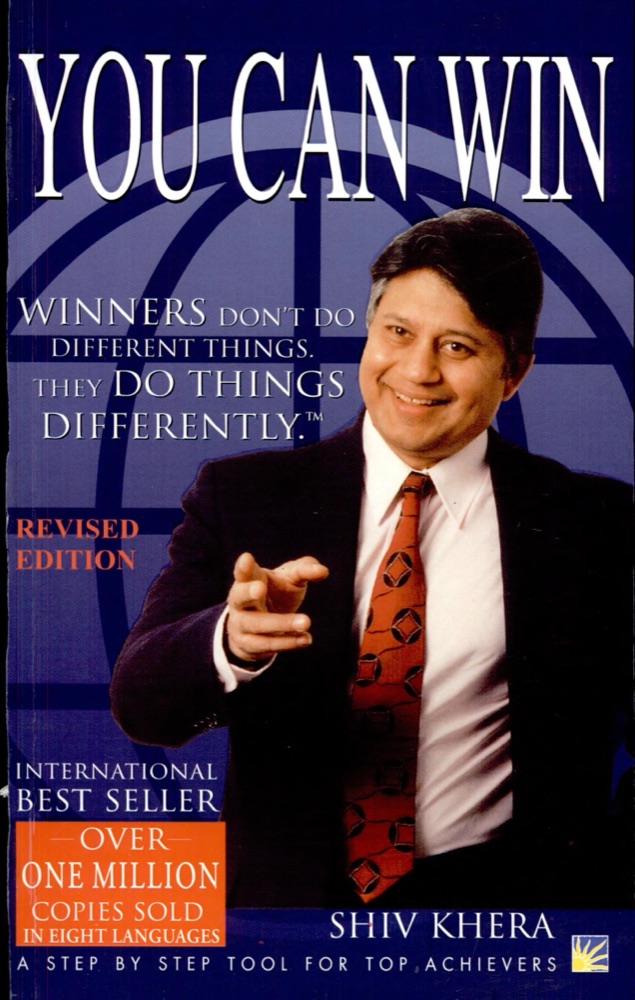 You Can Win: A Step by Step Tool for Top Achievers
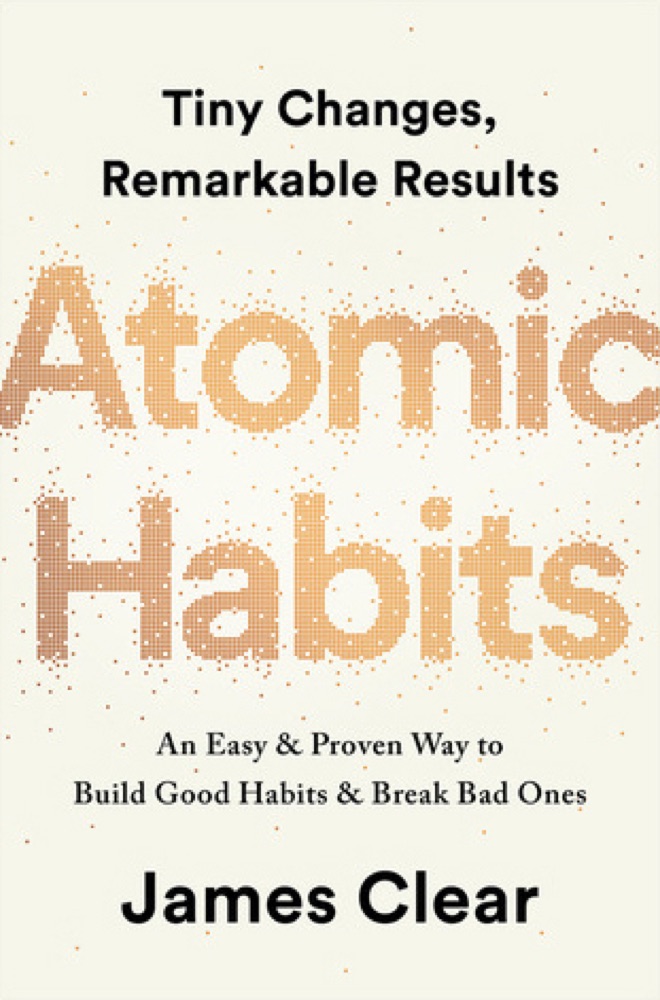 Atomic Habits: An Easy & Proven Way to Build Good Habits & Break Bad Ones
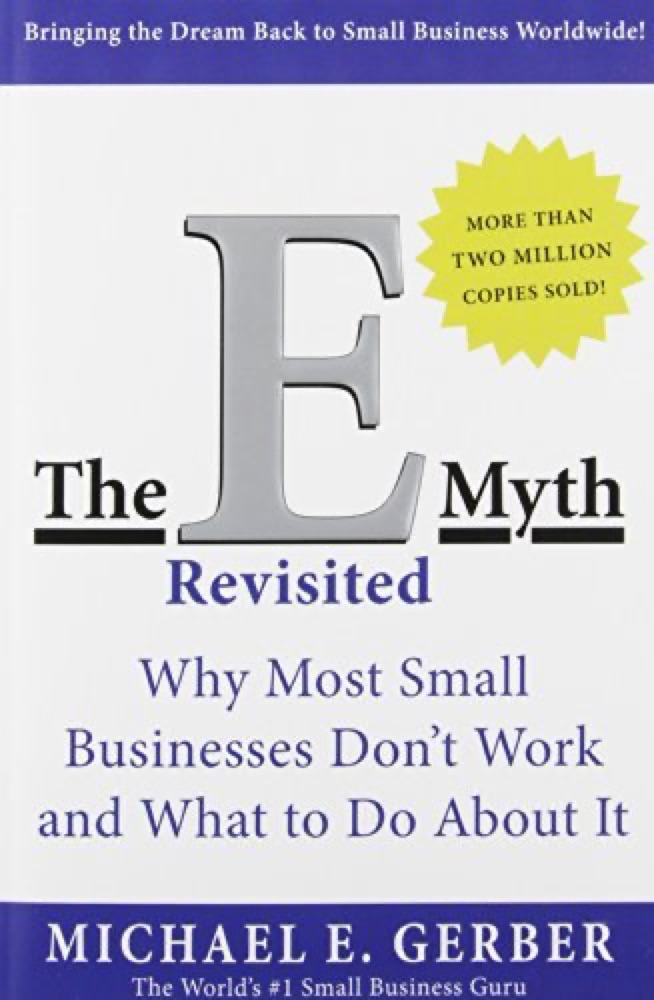 The E-myth Revisited
 Give and Take: A Revolutionary Approach to Success
 The Success Principles: How to Get from Where You Are to Where You Want to Be
 The 4-Hour Workweek
 Early Retirement Extreme: A Philosophical and Practical Guide to Financial Independence
 Measure What Matters
 Think Like a Freak
 The Hard Thing About Hard Things: Building a Business When There Are No Easy Answers―Straight Talk on the Challenges of Entrepreneurship
 EntreLeadership: 20 Years of Practical Business Wisdom from the Trenches
 Law of Success
 The Art of Impossible: A Peak Performance Primer
 The 7 Habits of Highly Effective People: Personal Workbook
 The Art of Thinking Clearly
 The Happiness Advantage: The Seven Principles of Positive Psychology That Fuel Success and Performance at Work
 How Will You Measure Your Life?
 Predictably Irrational: The Hidden Forces That Shape Our Decisions
 Think and Grow Rich
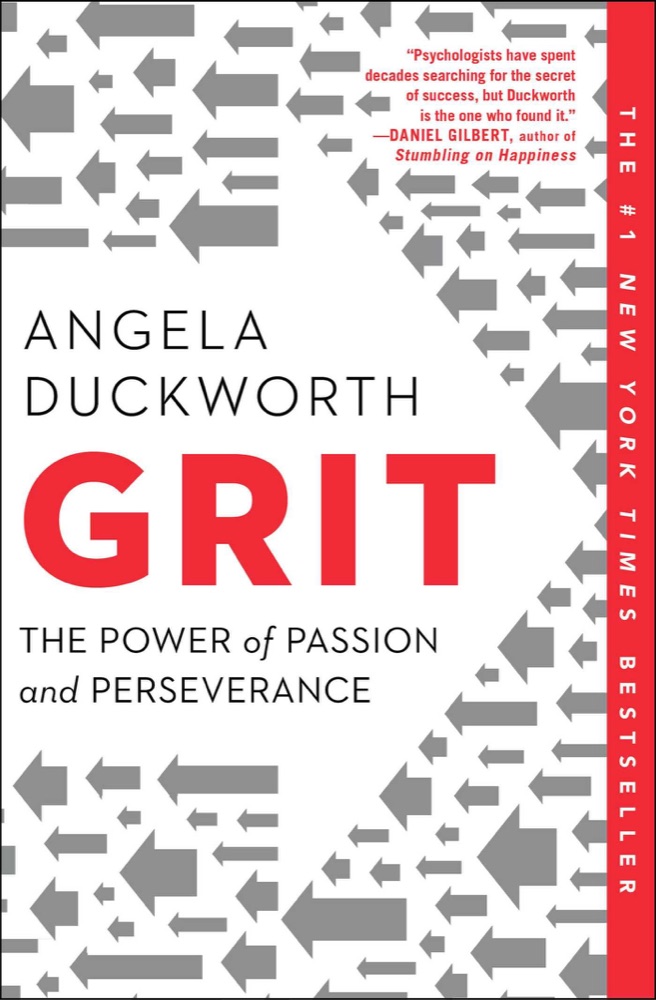 Grit: The Power of Passion and Perseverance
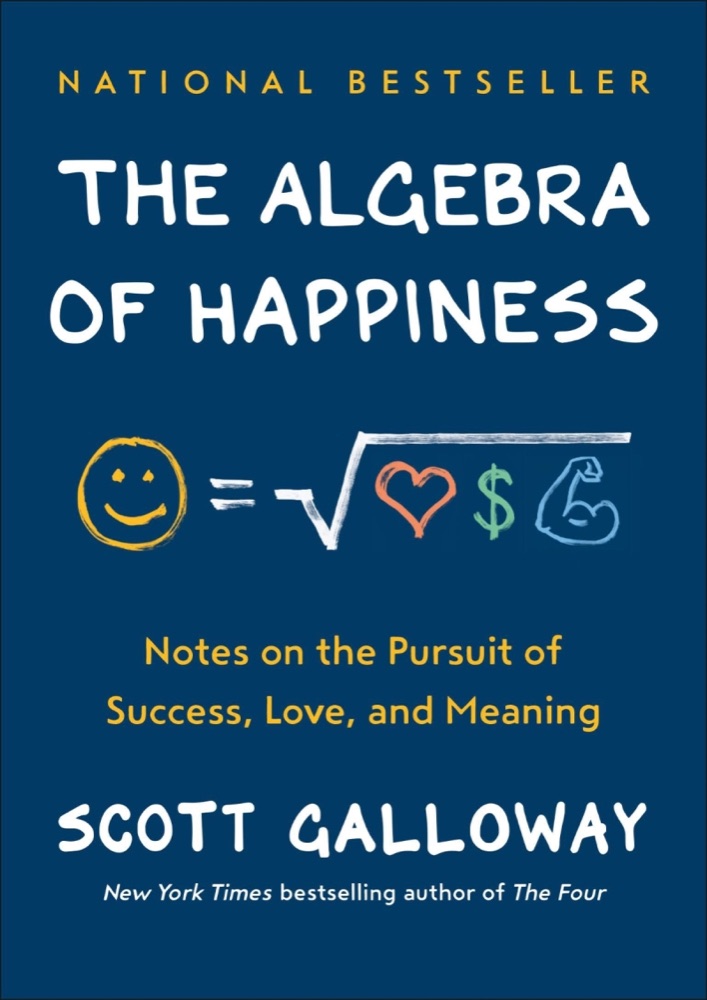 The Algebra of Happiness: Notes on the Pursuit of Success, Love, and Meaning
 Things a Little Bird Told Me: Confessions of the Creative Mind
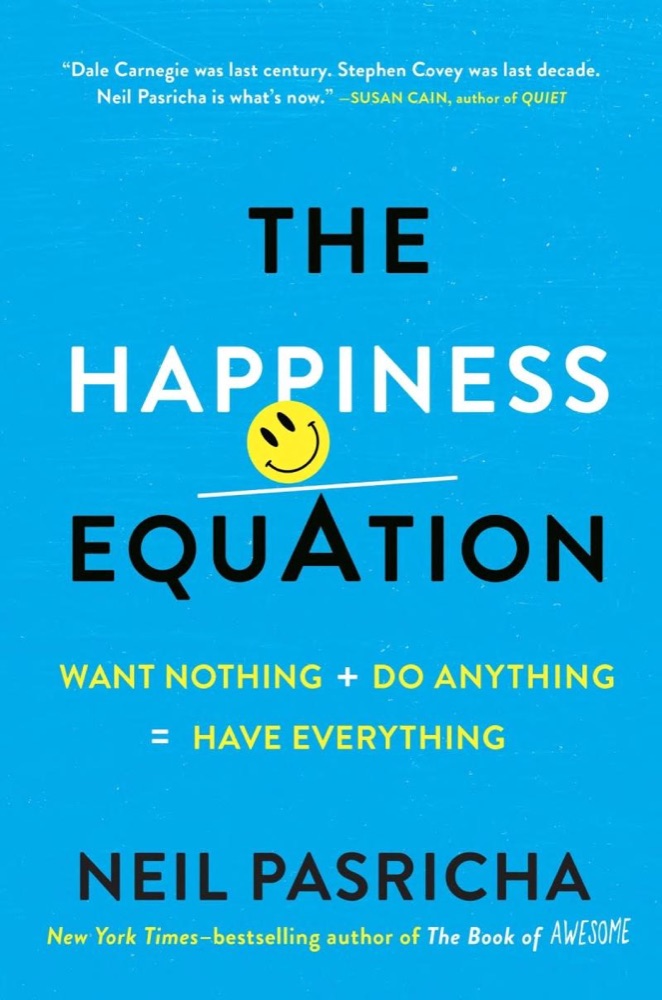 The Happiness Equation: Want Nothing + Do Anything = Have Everything
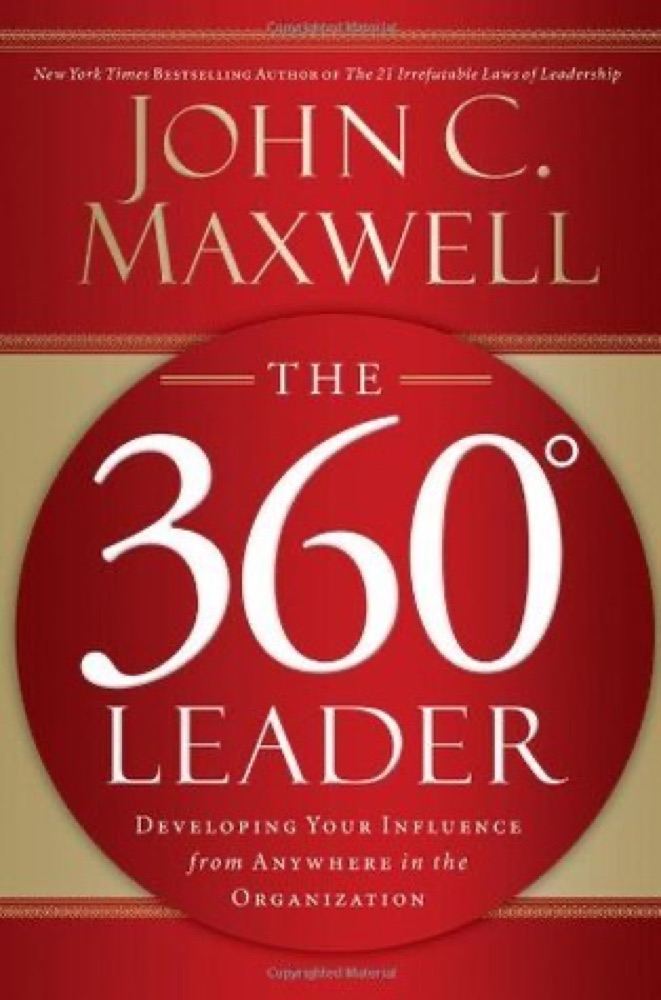 The 360 Degree Leader: Developing Your Influence from Anywhere in the Organization
 It's Not How Good You Are, It's How Good You Want To Be
 The Startup of You: Adapt to the Future, Invest in Yourself, and Transform Your Career
 Eat That Frog! 21 Great Ways to Stop Procrastinating and Get More Done in Less Time
 Conscious Capitalism
 Hackers & Painters: Big Ideas from the Computer Age
 Creativity, Inc.: Overcoming the Unseen Forces That Stand in the Way of True Inspiration
 Secrets of the Millionaire Mind: Mastering the Inner Game of Wealth
 The Art of Creative Thinking
 Smarter Faster Better: The Secrets of Being Productive in Life and Business
 Antifragile: Things That Gain from Disorder
 The Gap and The Gain: The High Achievers' Guide to Happiness, Confidence, and Success
 How To Get Rich
 Winning