

 The 360 Degree Leader: Developing Your Influence from Anywhere in the Organization
Quotes from the Book
Optimism. One of the most important qualities of a good leader is optimism, a pragmatic enthusiasm for what can be achieved. Even in the face of difficult choices and less than ideal outcomes, an optimistic leader does not yield to pessimism. Simply put, people are not motivated or energized by pessimists.
60
Ask the questions you need to ask, admit without apology what you don’t understand, and do the work to learn what you need to learn as quickly as you can.
53
True authority and true leadership come from knowing who you are and not pretending to be anything else.
42
If leaders don’t articulate their priorities clearly, then the people around them don’t know what their own priorities should be. Time and energy and capital get wasted.
33
The path to innovation begins with curiosity
26
Innovate or die, and there’s no innovation if you operate out of fear of the new or untested.
24
Don’t be in the business of playing it safe. Be in the business of creating possibilities for greatness.
23
At its essence, good leadership isn’t about being indispensable; it’s about helping others be prepared to possibly step into your shoes—giving them access to your own decision making, identifying the skills they need to develop and helping them improve, and, as I’ve had to do, sometimes being honest with them about why they’re not ready for the next step up.
21
Empathy is a prerequisite to the sound management of creativity, and respect is critical.
20
PEOPLE SOMETIMES SHY AWAY from taking big swings because they assess the odds and build a case against trying something before they even take the first step. One of the things I’ve always instinctively felt—and something that was greatly reinforced working for people like Roone and Michael—is that long shots aren’t usually as long as they seem.
17
And I tend to approach bad news as a problem that can be worked through and solved, something I have control over rather than something happening to me.
17
Managing your own time and respecting others’ time is one of the most vital things to do as a manager,
16
Don’t start negatively, and don’t start small. People will often focus on little details as a way of masking a lack of any clear, coherent, big thoughts. If you start petty, you seem petty.
16
If you approach and engage people with respect and empathy, the seemingly impossible can become real.
16
When hiring, try to surround yourself with people who are good in addition to being good at what they do. Genuine decency—an instinct for fairness and openness and mutual respect—is a rarer commodity in business than it should be, and you should look for it in the people you hire and nurture it in the people who work for you.
15
Maybe this is the case for many of us: No matter who we become or what we accomplish, we still feel that we’re essentially the kid we were at some simpler time long ago. Somehow that’s the trick of leadership, too, I think, to hold on to that awareness of yourself even as the world tells you how powerful and important you are. The moment you start to believe it all too much, the moment you look yourself in the mirror and see a title emblazoned on your forehead, you’ve lost your way. That may be the hardest but also the most necessary lesson to keep in mind, that wherever you are along the path, you’re the same person you’ve always been.
11
Chronic indecision is not only inefficient and counterproductive, but it is deeply corrosive to morale.
11
If you don't innovate, You die
10
If something doesn't feel right to you, then it's probably not right for you
9
It is not the critic who counts; not the man who points out how the strong man stumbles, or where the doer of deeds could have done them better. The credit belongs to the man who is actually in the arena, whose face is marred by dust and sweat and blood.
9
Tom and Dan were the perfect bosses in this regard. They would talk about valuing ability more than experience, and they believed in putting people in roles that required more of them than they knew they had in them. It wasn’t that experience wasn’t important, but they “bet on brains,” as they put it, and trusted that things would work out if they put talented people in positions where they could grow, even if they were in unfamiliar territory.
9
You have to hear out other people’s problems and help find solutions. It’s all part of being a great manager.
8
shokunin, which is “the endless pursuit of perfection for some greater good.
8
You have to ask the questions you need to ask, admit without apology what you don’t understand, and do the work to learn what you need to learn as quickly as you can. There’s nothing less confidence-inspiring than a person faking a knowledge they don’t possess. True authority and true leadership come from knowing who you are and not pretending to be anything else.
7
A few solid pros are more powerful than dozens of cons,” Steve said. “So what should we do next?” Another lesson: Steve was great at weighing all sides of an issue and not allowing negatives to drown out positives, particularly for things he wanted to accomplish. It was a powerful quality of his.
7
I learned from them that genuine decency and professional competitiveness weren't mutually exclusive. In fact, true integrity, a sense of knowing who you are and being guided by your own clear sense of right and wrong is a kind of secret weapon. They trusted in their own instincts. They treated people with respect. And over time, the company came to represent the values they live by.
7
I’ve been asked a lot over the years about the best way to nurture ambition—both one’s own and that of the people you manage. As a leader, you should want those around you to be eager to rise up and take on more responsibility, as long as dreaming about the job they want doesn’t distract them from the job they have. You can’t let ambition get too far ahead of opportunity. I’ve seen a lot of people who had their sights set on a particular job or project, but the opportunity to actually get that thing was so slim. Their focus on the small thing in the distance became a problem. They grew impatient with where they were. They didn’t tend enough to the responsibilities they did have, because they were longing so much for something else, and so their ambition became counterproductive. It’s important to know how to find the balance—do the job you have well; be patient; look for opportunities to pitch in and expand and grow; and make yourself one of the people, through attitude and energy and focus, that your bosses feel they have to turn to when an opportunity arises. Conversely, if you’re a boss, these are the people to nurture—not the ones who are clamoring for promotions and complaining about not being utilized enough but the ones who are proving themselves to be indispensable day in and day out.
6
Don't be in the business of playing it safe. Be in the business of creating possibilities of greatness
6
optimism in a leader, especially in challenging times, is so vital. Pessimism leads to paranoia, which leads to defensiveness, which leads to risk aversion. Optimism sets a different machine in motion. Especially in difficult moments, the people you lead need to feel confident in your ability to focus on what matters, and not to operate from a place of defensiveness and self-preservation. This isn’t about saying things are good when they’re not, and it’s not about conveying some innate faith that “things will work out.” It’s about believing you and the people around you can steer toward the best outcome, and not communicating the feeling that all is lost if things don’t break your way. The tone you set as a leader has an enormous effect on the people around you. No one wants to follow a pessimist.
6
I talk a lot about "the relentless pursuit of perfection." In practice, this can mean a lot of things, and it's hard to define. It's a mindset, more than a specific set of rules. It's not about perfectionism at all costs. It's about creating an environment in which people refuse to accept mediocrity. It's about pushing back against the urge to say that "good enough" is good enough.
5
Watch on YouTube
About Robert Iger
We have collected 30 quotes from 1 book by Robert Iger on BookQuoters.
More about the author →About the book
A grand vision defined: The CEO of The Walt Disney Company shares the ideas and values he has used to reinvent one of the most beloved companies in the world, and inspire the people who bring the magic to life.
In 2005, Robert Iger became CEO of The Walt Disney Company during a difficult time. Morale had deteriorated, competition was more intense, and technology was changing faster than at any time in the company's history. "I knew there was nothing to be gained from arguing over the past," Iger writes. "The only thing that mattered was the future, and I believed I had a clear idea of the direction Disney needed to go." It came down to three clear ideas: 1) Create the highest quality content Disney could produce. 2) Embrace and adopt technology instead of fighting it. And 3) Think bigger--think global--and turn Disney into a stronger brand in international markets.
Twelve years lat
Book details
- First published
- 2019
- Author
- Robert Iger
- Genre
- Nonfiction
- Goodreads rating
- 4.40 (98k ratings)
Keep reading
The 360 Degree Leader: Developing Your Influence from Anywhere in the Organization
 Creativity, Inc.: Overcoming the Unseen Forces That Stand in the Way of True Inspiration
 Winning
 Pour Your Heart Into It: How Starbucks Built a Company One Cup at a Time
 Good to Great: Why Some Companies Make the Leap... and Others Don't
 Principles: Life and Work
 The Hard Thing About Hard Things: Building a Business When There Are No Easy Answers―Straight Talk on the Challenges of Entrepreneurship
 Wooden on Leadership: How to Create a Winning Organization
 The Score Takes Care of Itself: My Philosophy of Leadership
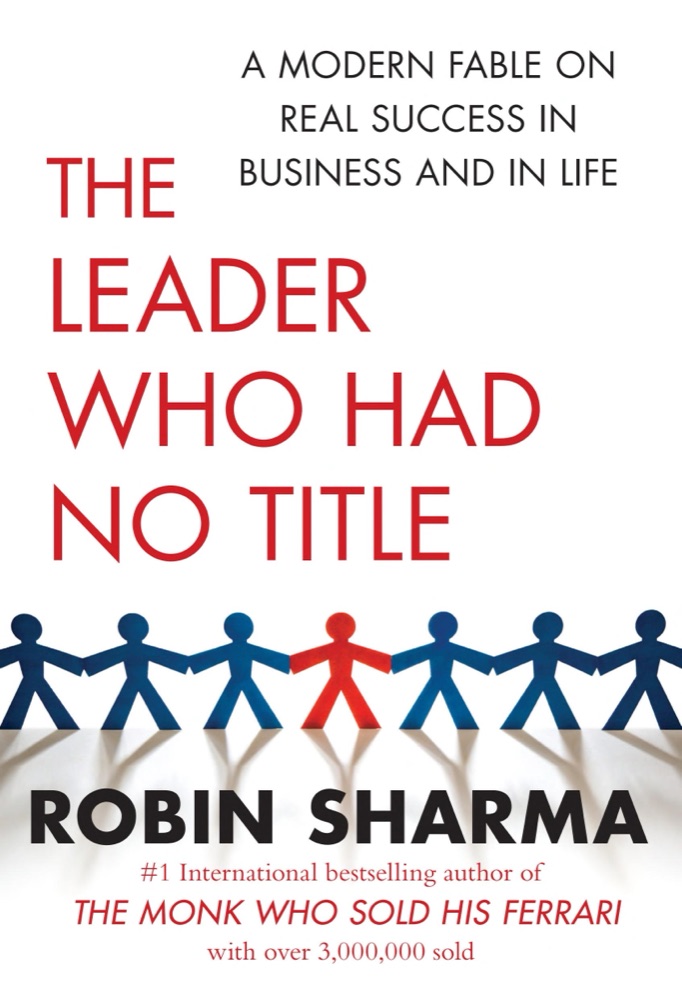 The Leader Who Had No Title: A Modern Fable on Real Success in Business and in Life
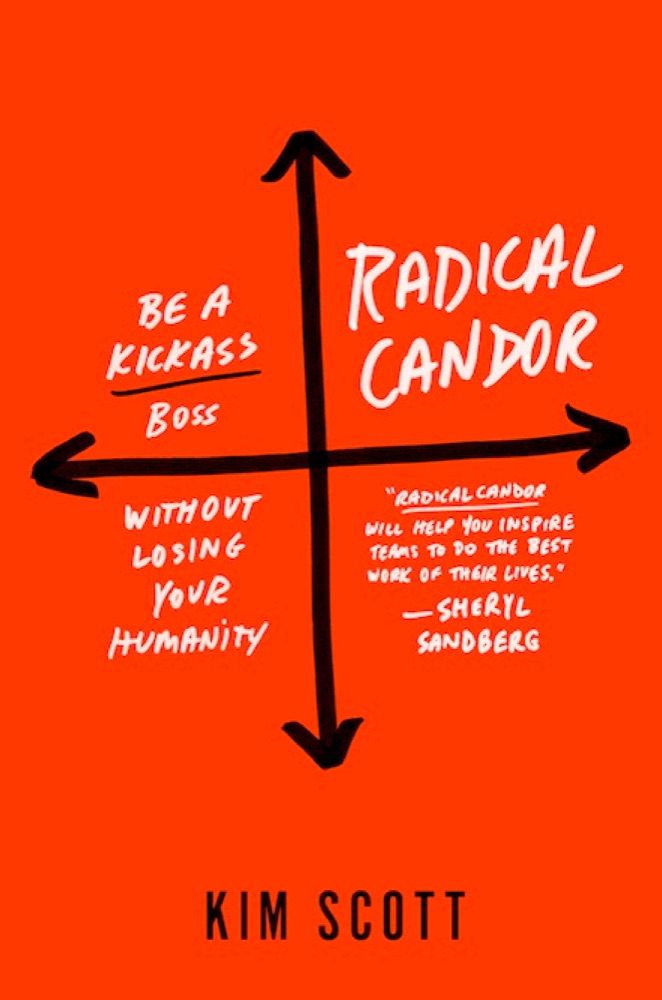 Radical Candor: Be a Kickass Boss Without Losing Your Humanity
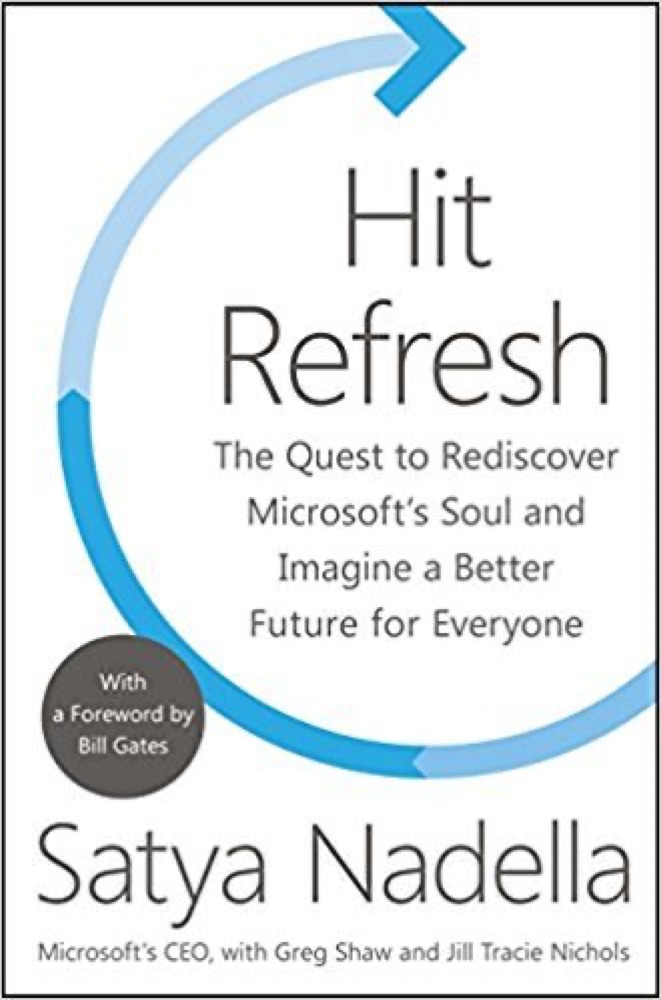 Hit Refresh: The Quest to Rediscover Microsoft's Soul and Imagine a Better Future for Everyone
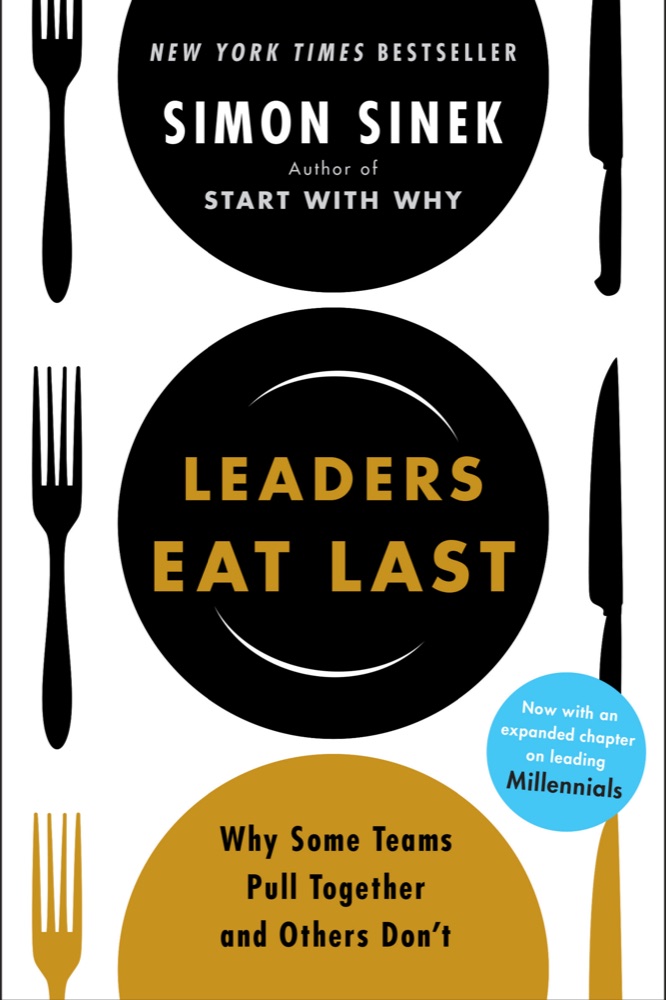 Leaders Eat Last: Why Some Teams Pull Together and Others Don't
 It Worked for Me: In Life and Leadership
 Start with Why: How Great Leaders Inspire Everyone to Take Action
 Amp It Up: Leading for Hypergrowth by Raising Expectations, Increasing Urgency, and Elevating Intensity
 Your Next Five Moves: Master the Art of Business Strategy
 Turn the Ship Around!: A True Story of Turning Followers into Leaders
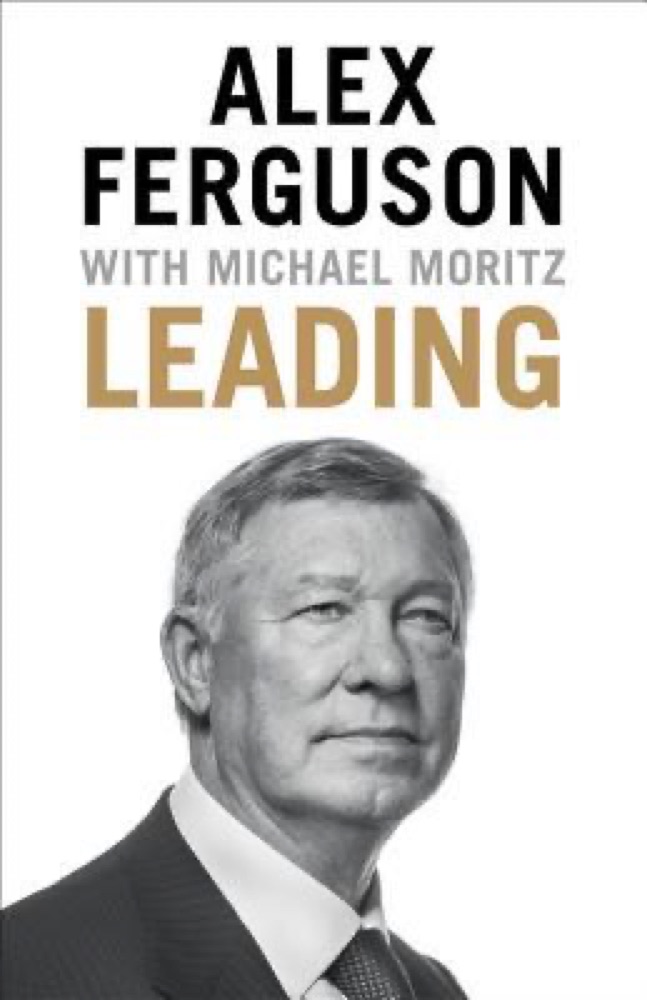 Leading: Learning from Life and My Years at Manchester United
 Delivering Happiness: A Path to Profits, Passion, and Purpose
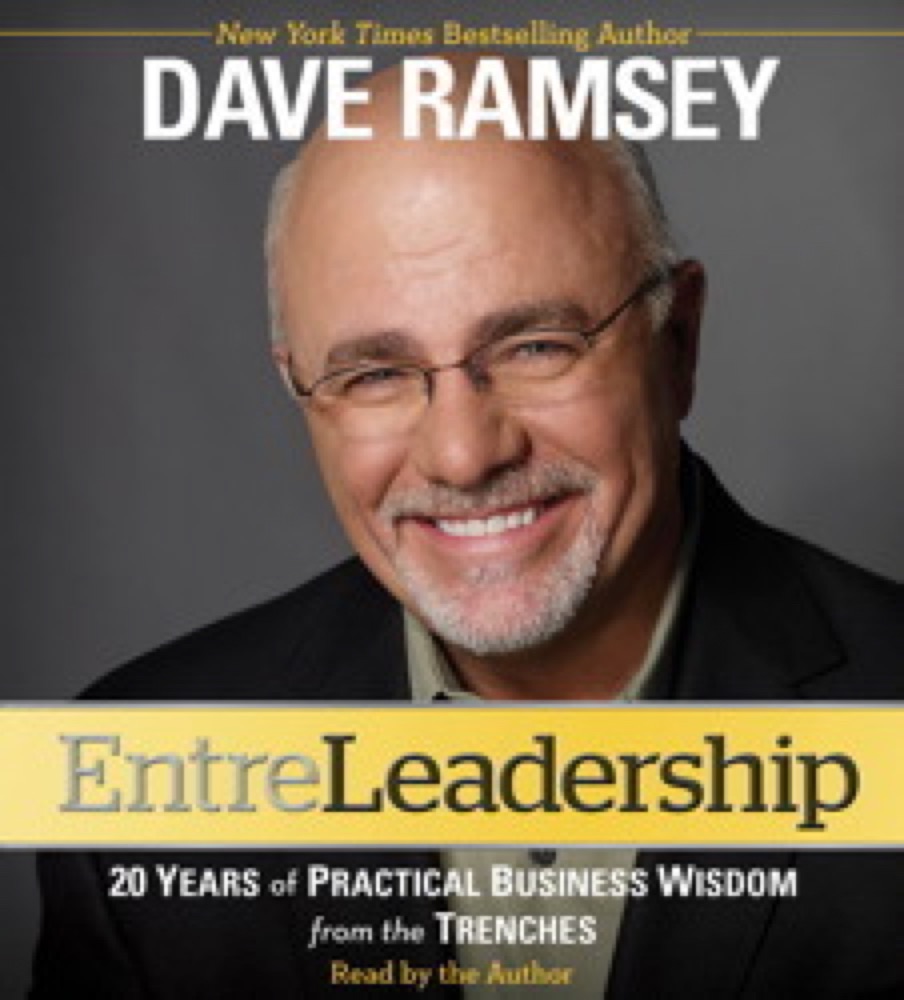 EntreLeadership: 20 Years of Practical Business Wisdom from the Trenches
 Getting There: A Book of Mentors
 Things a Little Bird Told Me: Confessions of the Creative Mind
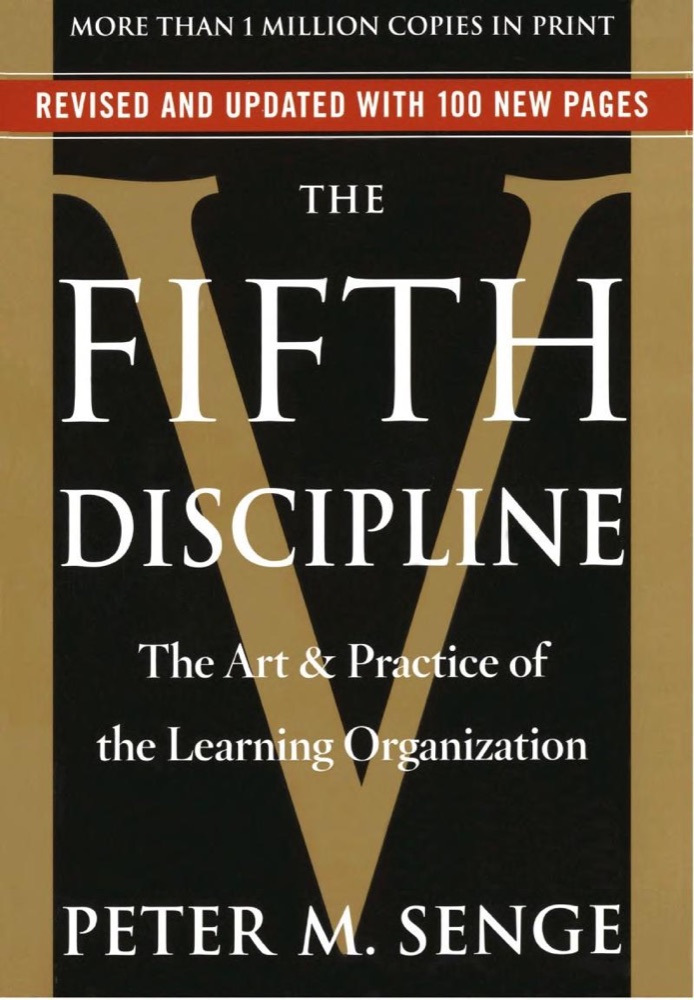 The Fifth Discipline: The Art & Practice of The Learning Organization
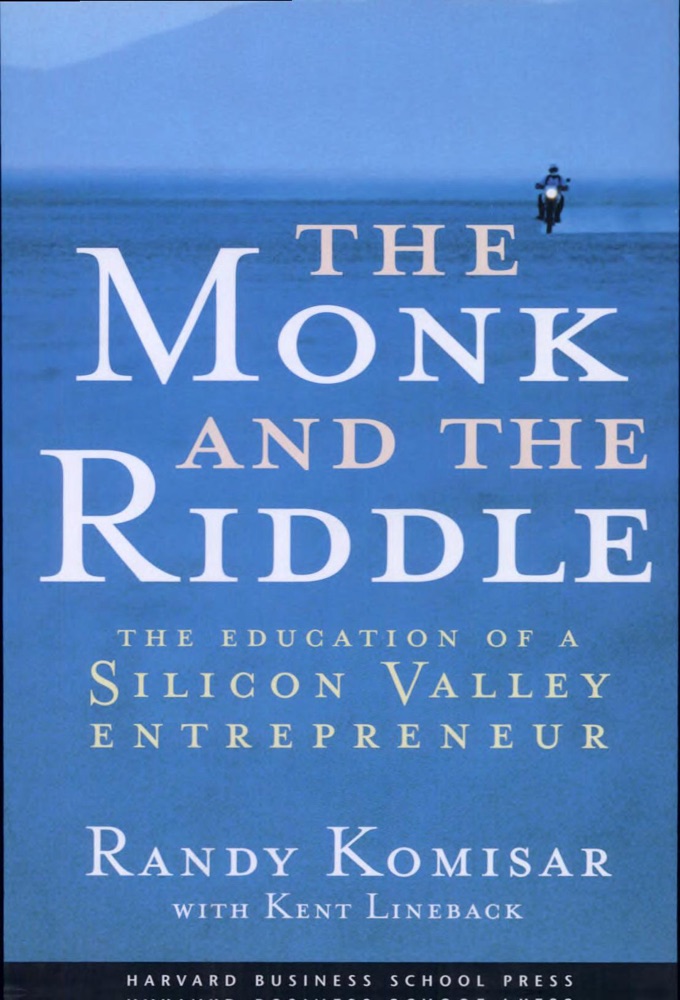 The Monk and the Riddle: The Education of a Silicon Valley Entrepreneur
 QBQ! The Question Behind the Question: Practicing Personal Accountability in Work and in Life
 Legacy: What the All Blacks Can Teach Us About the Business of Life
 Tools of Titans: The Tactics, Routines, and Habits of Billionaires, Icons, and World-Class Performers
 Tribes: We Need You to Lead Us
 The Art of the Start: The Time-Tested, Battle-Hardened Guide for Anyone Starting Anything
 Tribe Of Mentors: Transformative Wisdom From Icons and Innovators to Help You Navigate Life's Challenges
 Call Sign Chaos: Learning to Lead
 Boundaries for Leaders: Results, Relationships, and Being Ridiculously in Charge
 Leadership on the Line: Staying Alive through the Dangers of Leading
 High Performance Habits: How Extraordinary People Become That Way
 A Higher Loyalty: Truth, Lies, and Leadership
 It Takes What It Takes: How to Think Neutrally and Gain Control of Your Life
 Above the Line: Lessons in Leadership and Life from a Championship Season
 Excellent Advice for Living: Wisdom I Wish I'd Known Earlier
 Be a People Person
 Managing Humans: Biting and Humorous Tales of a Software Engineering Manager
 The E-myth Revisited
 Leadershift: The 11 Essential Changes Every Leader Must Embrace
 Great by Choice: Uncertainty, Chaos, and Luck—Why Some Thrive Despite Them All
 Dare to Lead
 The Effective Executive: The Definitive Guide to Getting the Right Things Done
 What Color Is Your Parachute? A Practical Manual for Job-Hunters and Career-Changers
 The 7 Habits of Highly Effective People: Personal Workbook
 Smartcuts: How Hackers, Innovators, and Icons Accelerate Success
 The Startup of You: Adapt to the Future, Invest in Yourself, and Transform Your Career
 Built to Last: Successful Habits of Visionary Companies
 The Art of Thinking Clearly
 Targeting Success, Develop the Right Business Attitude to be Successful in the Workplace
 The Success Principles: How to Get from Where You Are to Where You Want to Be
 The Art of Creative Thinking
 The Accidental Creative: How to Be Brilliant at a Moment's Notice
 Originals: How Non-Conformists Move the World
 Becoming Steve Jobs: The Evolution of a Reckless Upstart into a Visionary Leader
 Think and Grow Rich
 How Will You Measure Your Life?