
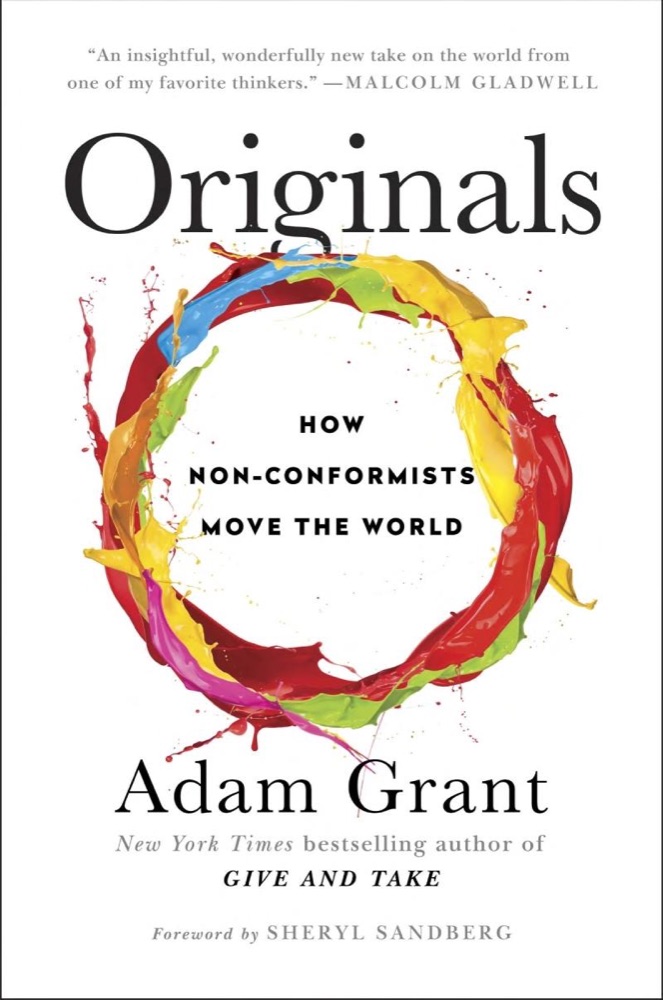
 Originals: How Non-Conformists Move the World
Quotes from the Book
As Samuel Johnson purportedly wrote, “The true measure of a man is how he treats someone who can do him absolutely no good.
The more I help out, the more successful I become. But I measure success in what it has done for the people around me. That is the real accolade.
The art of advocacy is to lead you to my conclusion on your terms.
This is what I find most magnetic about successful givers: they get to the top without cutting others down, finding ways of expanding the pie that benefit themselves and the people around them. Whereas success is zero-sum in a group of takers, in groups of givers, it may be true that the whole is greater than the sum of the parts.
Being a giver is not good for a 100-yard dash, but it’s valuable in a marathon.
If we create networks with the sole intention of getting something, we won’t succeed. We can’t pursue the benefits of networks; the benefits ensue from investments in meaningful activities and relationships.
highly successful people have three things in common: motivation, ability, and opportunity.
You never know where somebody’s going to end up. It’s not just about building your reputation; it really is about being there for other people.
Every man must decide whether he will walk in the light of creative altruism or in the darkness of destructive selfishness. —Martin Luther King Jr., civil rights leader and Nobel Peace Prize winner
highly successful people have three things in common: motivation, ability, and opportunity. If we want to succeed, we need a combination of hard work, talent, and luck.
Americans see independence as a symbol of strength, viewing interdependence as a sign of weakness
So if givers are most likely to land at the bottom of the success ladder, who’s at the top—takers or matchers? Neither. When I took another look at the data, I discovered a surprising pattern: It’s the givers again.
Regardless of their reciprocity styles, people love to be asked for advice.
When our audiences are skeptical, the more we try to dominate them, the more they resist.
Many people who hold giver values in life choose matching as their primary reciprocity style at work, seeking an even balance of give and take.
When takers win, there’s usually someone else who loses. Research shows that people tend to envy successful takers and look for ways to knock them down a notch. In contrast, when givers like David Hornik win, people are rooting for them and supporting them, rather than gunning for them. Givers succeed in a way that creates a ripple effect, enhancing the success of people around them.
Indeed, Cialdini finds that people donate more money to charity when the phrase “even a penny will help” is added to a request.
New research shows that advice seeking is a surprisingly effective strategy for exercising influence when we lack authority. In
The fear of being judged as weak or naïve prevents many people from operating like givers at work.
research shows that givers get extra credit when they offer ideas that challenge the status quo.
When we treat man as he is, we make him worse than he is; when we treat him as if he already were what he potentially could be, we make him what he should be. —attributed to Johann Wolfgang von Goethe, German writer, physicist, biologist, and artist
Even with a receptive audience, dominance is a zero-sum game: the more power and authority I have, the less you have.
the higher the psychological safety in a unit, the fewer errors they made. Why? In the units that lacked psychological safety, health care professionals hid their errors, fearing retribution. As a result, they weren’t able to learn from their mistakes. In the units with high psychological safety, on the other hand, reporting errors made it possible to prevent them moving forward.
But there’s a twist: expressing vulnerability is only effective if the audience receives other signals establishing the speaker’s competence.
It’s not what a player is, but what he can become… that will allow him to grow.
psychological safety—the belief that you can take a risk without being penalized or punished.
When the average candidate was clumsy, audiences liked him even less. But when the expert was clumsy, audiences liked him even more.
Talented people are attracted to those who care about them.
Research suggests that there are two fundamental paths to influence: dominance and prestige. When we establish dominance, we gain influence because others see us as strong, powerful, and authoritative. When we earn prestige, we become influential because others respect and admire us.
Watch on YouTube
About Adam M. Grant
We have collected 88 quotes from 3 books by Adam M. Grant on BookQuoters.
More about the author →More by Adam M. Grant
Originals: How Non-Conformists Move the World
 Think Again: The Power of Knowing What You Don't Know
Book details
- Author
- Adam M. Grant
- Genre
- Nonfiction
- Goodreads rating
- 4.06 (41k ratings) →
Keep reading
 Influence: The Psychology of Persuasion
 Winning
 You Can Win: A Step by Step Tool for Top Achievers
 Predictably Irrational: The Hidden Forces That Shape Our Decisions
 Getting There: A Book of Mentors
 Smartcuts: How Hackers, Innovators, and Icons Accelerate Success
 David and Goliath: Underdogs, Misfits, and the Art of Battling Giants
 Outliers: The Story of Success
 Never Eat Alone: And Other Secrets to Success, One Relationship at a Time
 Wooden on Leadership: How to Create a Winning Organization
 The 360 Degree Leader: Developing Your Influence from Anywhere in the Organization
 The Leader Who Had No Title: A Modern Fable on Real Success in Business and in Life
Originals: How Non-Conformists Move the World
The Leader Who Had No Title: A Modern Fable on Real Success in Business and in Life
Originals: How Non-Conformists Move the World
 Be a People Person
 Tools of Titans: The Tactics, Routines, and Habits of Billionaires, Icons, and World-Class Performers
 Skin in the Game: The Hidden Asymmetries in Daily Life
 Drive: The Surprising Truth About What Motivates Us
 Barking Up the Wrong Tree: The Surprising Science Behind Why Everything You Know About Success Is (Mostly) Wrong
 The 7 Habits of Highly Effective People: Personal Workbook
 Against the Grain: A Coach's Wisdom on Character, Faith, Family, and Love
 Principles: Life and Work
 Integrity: The Courage to Meet the Demands of Reality
 Delivering Happiness: A Path to Profits, Passion, and Purpose
 High Performance Habits: How Extraordinary People Become That Way
 The Algebra of Wealth: A Simple Formula for Financial Security
 Think Like a Freak
 How to Win Friends & Influence People
 Think and Grow Rich
 Punished by Rewards: The Trouble with Gold Stars, Incentive Plans, A's, Praise and Other Bribes
 The Success Principles: How to Get from Where You Are to Where You Want to Be
 Law of Success
 Creativity, Inc.: Overcoming the Unseen Forces That Stand in the Way of True Inspiration
 The Power of Focus
 Influencer: The Power to Change Anything
 Magic of Thinking Big
 Your Next Five Moves: Master the Art of Business Strategy
 Legacy: What the All Blacks Can Teach Us About the Business of Life
 Leading: Learning from Life and My Years at Manchester United
 The Ride of a Lifetime: Lessons Learned from 15 Years as CEO of the Walt Disney Company
 Do Epic Shit
 Lead from the Outside: How to Build Your Future and Make Real Change
 The 80/20 Principle: The Secret to Achieving More with Less
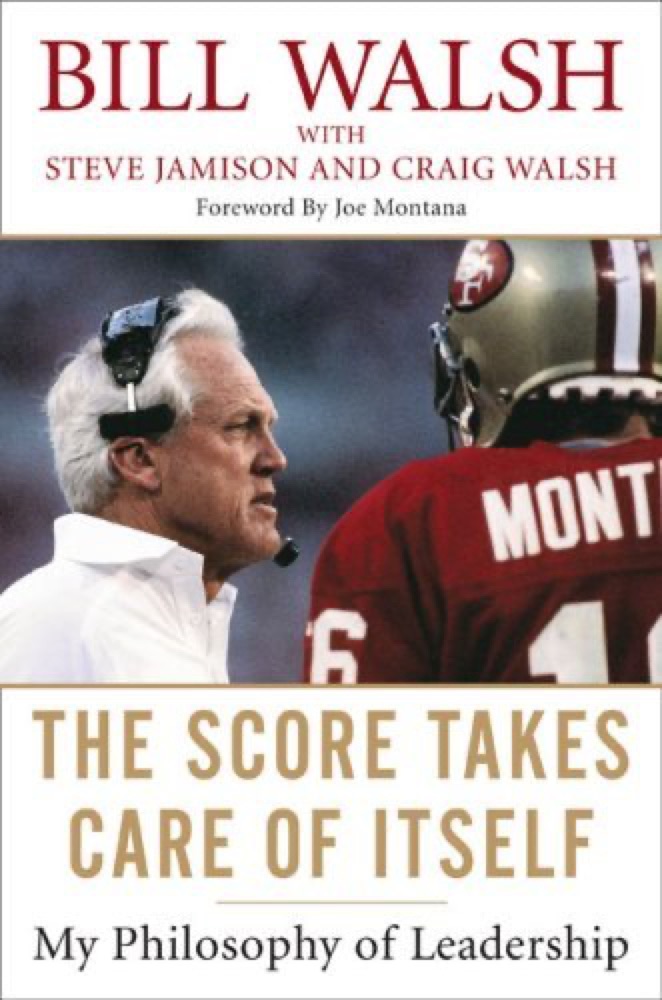 The Score Takes Care of Itself: My Philosophy of Leadership
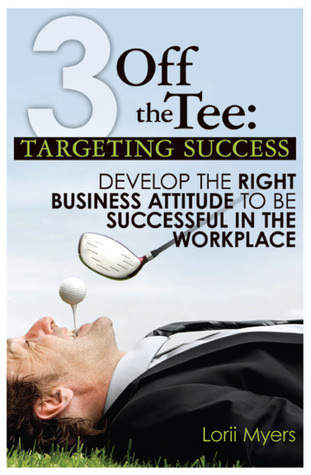 Targeting Success, Develop the Right Business Attitude to be Successful in the Workplace
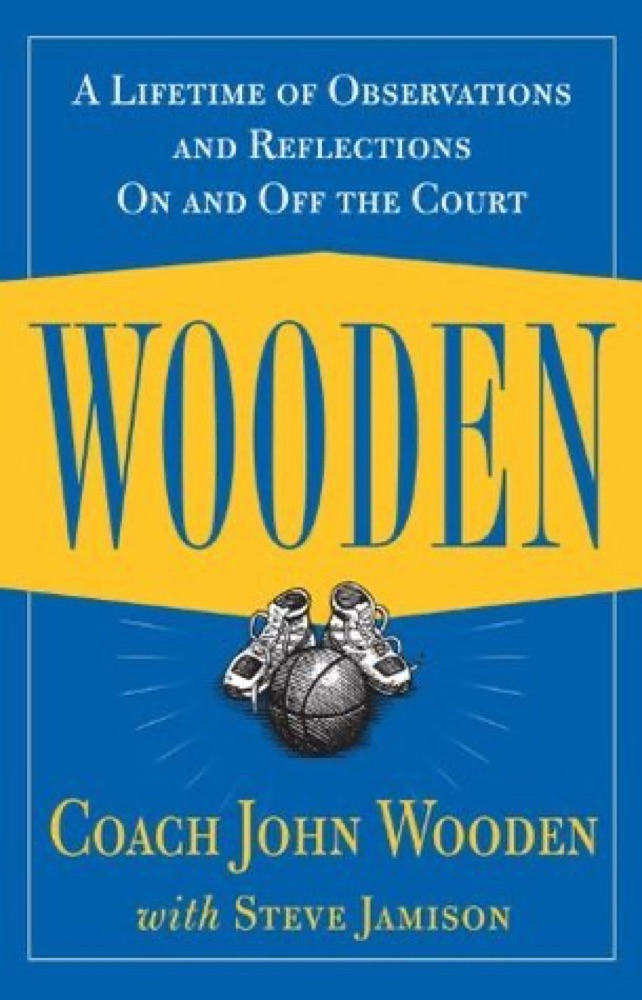 Wooden: A Lifetime of Observations and Reflections On and Off the Court
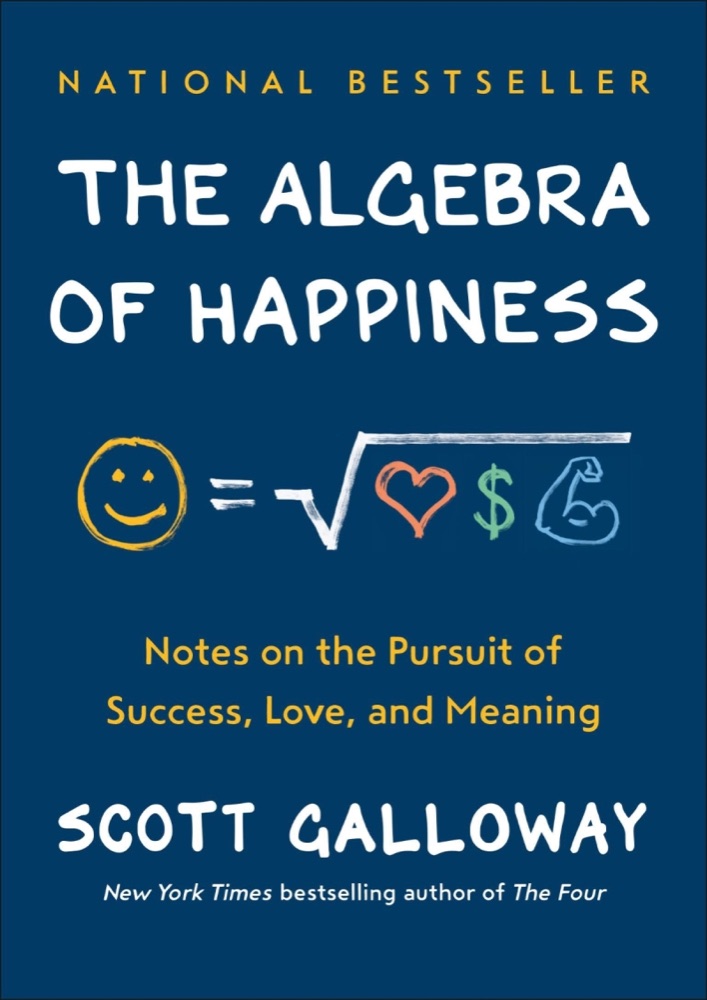 The Algebra of Happiness: Notes on the Pursuit of Success, Love, and Meaning
 To Sell is Human: The Surprising Truth About Moving Others
 The Art of Impossible: A Peak Performance Primer
 Grit: The Power of Passion and Perseverance
 It's Not How Good You Are, It's How Good You Want To Be
 The Startup of You: Adapt to the Future, Invest in Yourself, and Transform Your Career
 The Tipping Point: How Little Things Can Make a Big Difference
 The Oz Principle: Getting Results Through Individual and Organizational Accountability
 Good to Great: Why Some Companies Make the Leap... and Others Don't
 Please Understand Me II: Temperament, Character, Intelligence
 Firestarters: How Innovators, Instigators, and Initiators Can Inspire You to Ignite Your Own Life
 Trump: The Art of the Deal
 Radical Candor: Be a Kickass Boss Without Losing Your Humanity
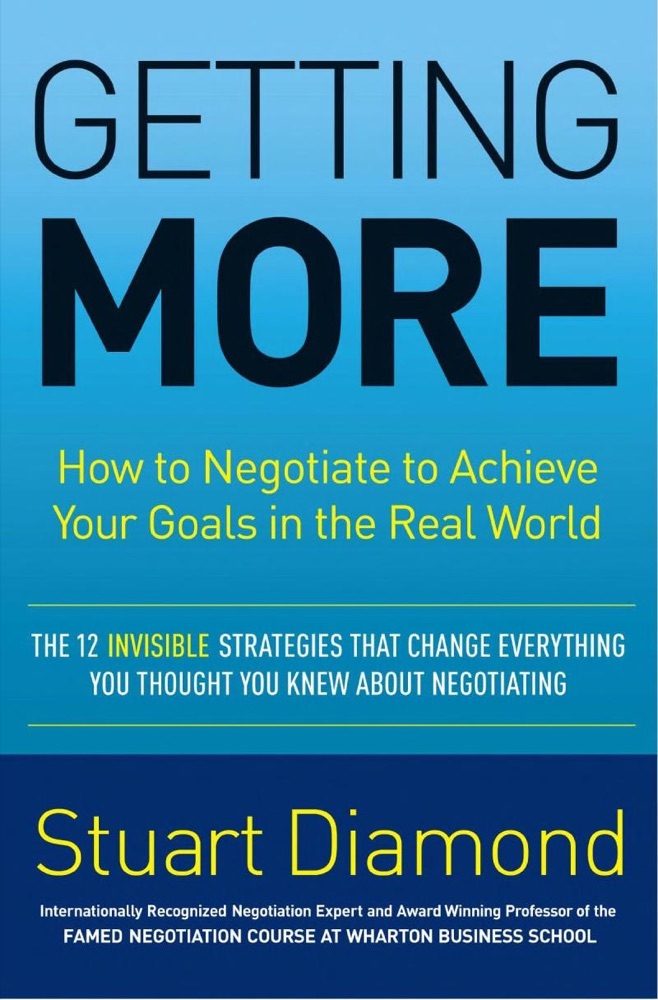 Getting More: How to Negotiate to Achieve Your Goals in the Real World