
 Grit to Great: How Perseverance, Passion, and Pluck Take You from Ordinary to Extraordinary
Quotes from the Book
Enthusiasm is common. Endurance is rare.
222
Our potential is one thing. What we do with it is quite another.
160
...there are no shortcuts to excellence. Developing real expertise, figuring out really hard problems, it all takes time―longer than most people imagine....you've got to apply those skills and produce goods or services that are valuable to people....Grit is about working on something you care about so much that you're willing to stay loyal to it...it's doing what you love, but not just falling in love―staying in love.
125
as much as talent counts, effort counts twice.
109
It soon became clear that doing one thing better and better might be more satisfying than staying an amateur at many different things:
95
I won’t just have a job; I’ll have a calling. I’ll challenge myself every day. When I get knocked down, I’ll get back up. I may not be the smartest person in the room, but I’ll strive to be the grittiest.
93
I learned a lesson I’d never forget. The lesson was that, when you have setbacks and failures, you can’t overreact to them.
79
When you keep searching for ways to change your situation for the better, you stand a chance of finding them. When you stop searching, assuming they can’t be found, you guarantee they won
66
...grit grows as we figure out our life philosophy, learn to dust ourselves off after rejection and disappointment, and learn to tell the difference between low-level goals that should be abandoned quickly and higher-level goals that demand more tenacity. The maturation story is that we develop the capacity for long-term passion and perseverance as we get older.
65
...interests are not discovered through introspection. Instead, interests are triggered by interactions with the outside world. The process of interest discovery can be messy, serendipitous, and inefficient. This is because you can't really predict with certainty what will capture your attention and what won't...Without experimenting, you can't figure out which interests will stick, and which won't.
64
Without effort, your talent is nothing more than unmet potential. Without effort, your skill is nothing more than what you could have done but didn't.
57
Yes, but the main thing is that greatness is doable. Greatness is many, many individual feats, and each of them is doable.
57
I have a feeling tomorrow will be better is different from I resolve to make tomorrow better.
52
It isn't suffering that leads to hopelessness. It's suffering you think you can't control.
50
At its core, the idea of purpose is the idea that what we do matters to people other than ourselves.
48
Three bricklayers are asked: “What are you doing?” The first says, “I am laying bricks.” The second says, “I am building a church.” And the third says, “I am building the house of God.” The first bricklayer has a job. The second has a career. The third has a calling.
47
One form of perseverance is the daily discipline of trying to do things better than we did yesterday. So,
41
most dazzling human achievements are, in fact, the aggregate of countless individual elements, each of which is, in a sense, ordinary.
41
Passion for your work is a little bit of discovery, followed by a lot of development, and then a lifetime of deepening.
40
Stop reading so much and go think.
34
Staying on the treadmill is one thing, and I do think it’s related to staying true to our commitments even when we’re not comfortable. But getting back on the treadmill the next day, eager to try again, is in my view even more reflective of grit. Because when you don’t come back the next day—when you permanently turn your back on a commitment—your effort plummets to zero. As a consequence, your skills stop improving, and at the same time, you stop producing anything with whatever skills you have.
31
Well okay, that didn’t go so well, but I guess I will just carry on.’
31
As soon as possible, experts hungrily seek feedback on how they did. Necessarily, much of that feedback is negative. This means that experts are more interested in what they did wrong—so they can fix it—than what they did right. The active processing of this feedback is as essential as its immediacy.
30
No whining. No complaining. No excuses.
29
Passion begins with intrinsically enjoying what you do.
28
Our vanity, our self-love, promotes the cult of the genius,” Nietzsche said. “For if we think of genius as something magical, we are not obliged to compare ourselves and find ourselves lacking. . . . To call someone ‘divine’ means: ‘here there is no need to compete.
27
In other words, we want to believe that Mark Spitz was born to swim in a way that none of us were and that none of us could. We don’t want to sit on the pool deck and watch him progress from amateur to expert. We prefer our excellence fully formed. We prefer mystery to mundanity.
24
Grit depends on a different kind of hope. It rests on the expectation that our own efforts can improve our future. "I have a feeling tomorrow will be better" is different from "I resolve to make tomorrow better.
23
When I am around people,” Kat wrote, “my heart and soul radiate with the awareness that I am in the presence of greatness. Maybe greatness unfound, or greatness underdeveloped, but the potential or existence of greatness nevertheless. You never know who will go on to do good or even great things or become the next great influencer in the world—so treat everyone like they are that person.
23
There’s a vast amount of research on what happens when we believe a student is especially talented. We begin to lavish extra attention on them and hold them to higher expectations. We expect them to excel, and that expectation becomes a self-fulfilling prophecy.
23
Did you know?
- Duckworth defines grit as passion and perseverance for very long-term goals.
- She developed the Grit Scale, a self-report questionnaire used to measure the trait.
- Duckworth earned a B.A. in neurobiology from Harvard and a Ph.D. in psychology from the University of Pennsylvania.
- She was awarded a MacArthur Fellowship in 2013 for her work on grit and self-control.
- Her TED Talk on grit has been viewed by millions, helping spark interest in the book.
- Grit was a #1 New York Times bestseller and stayed on the list for many weeks.
About Angela Duckworth
Angela Lee Duckworth is an American psychologist and professor at the University of Pennsylvania who studies grit and self-control. A 2013 MacArthur Fellow, she developed the Grit Scale and founded the nonprofit Character Lab.
More about the author →About the book
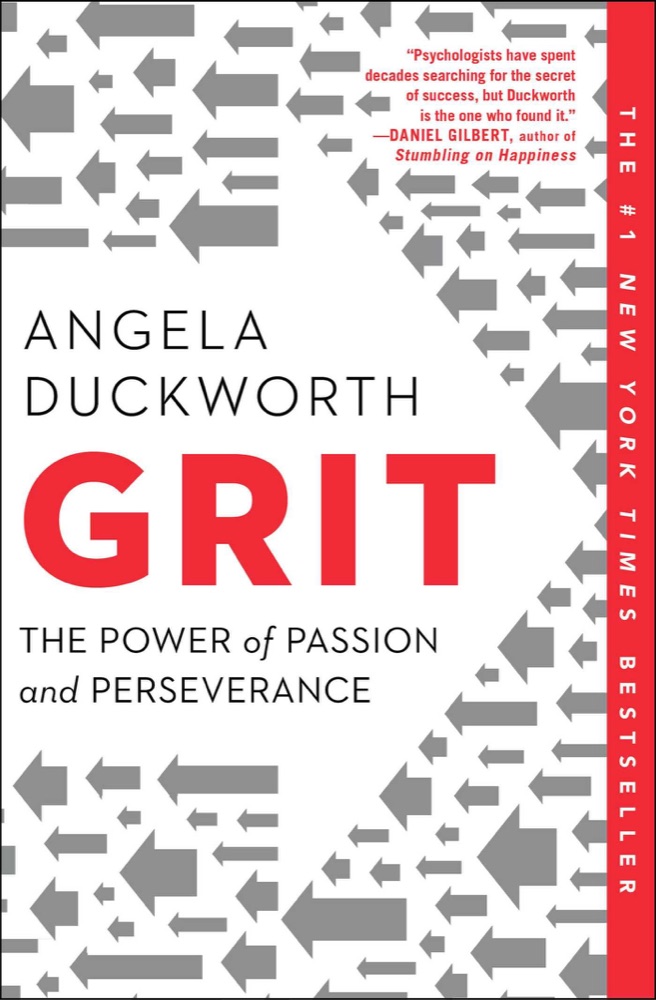
In Grit: The Power of Passion and Perseverance, psychologist Angela Duckworth argues that outstanding achievement owes less to innate talent than to a sustained combination of passion and perseverance toward long-term goals—a quality she calls grit. Drawing on her research at the University of Pennsylvania and examples ranging from West Point cadets to spelling-bee champions, she develops the idea that effort counts twice in the path from talent to accomplishment.
The book explores themes of perseverance, deliberate practice, deep and enduring interests, sense of purpose, and hope. Duckworth introduces tools such as her Grit Scale and discusses how grit can be cultivated both from within—through interest, practice, purpose, and hope—and from the outside, by parents, coaches, teachers, and workplace culture.
Grit was a #1 New York Times bestseller and remained on the list for many weeks, building on Duckworth's widely viewed TED Talk. It was enthusiastically received, particularly among educators, though the underlying construct has also drawn academic scrutiny: a meta-analysis and subsequent critiques argued that grit's predictive power had been overstated and questioned the Grit Scale's structure.
Book details
- First published
- 2016
- Length
- 352 pages
- Reading time
- 9 hours
- Author
- Angela Duckworth
- Genre
- Nonfiction
- Goodreads rating
- 4.08 (146k ratings)
Critical reception
- Grit was a #1 New York Times bestseller and remained on the bestseller list for many weeks.
- The book and grit concept were enthusiastically received, especially among educators.
- A meta-analysis, 'Much Ado About Grit' by Marcus Credé and colleagues, argued grit's importance had been exaggerated.
- Critics questioned whether the Grit Scale's passion and perseverance components form a single coherent factor.
Keep reading
Grit to Great: How Perseverance, Passion, and Pluck Take You from Ordinary to Extraordinary
 High Performance Habits: How Extraordinary People Become That Way
 Mindset: The New Psychology of Success
 Do Epic Shit
 You Can Win: A Step by Step Tool for Top Achievers
 Be Useful: Seven Tools for Life
 Tools of Titans: The Tactics, Routines, and Habits of Billionaires, Icons, and World-Class Performers
 Getting There: A Book of Mentors
 The Compound Effect: Jumpstart Your Income, Your Life, Your Success
 The Art of Impossible: A Peak Performance Primer
 Principles: Life and Work
 Tribe Of Mentors: Transformative Wisdom From Icons and Innovators to Help You Navigate Life's Challenges
 The Power of Focus
 Think and Grow Rich
 Firestarters: How Innovators, Instigators, and Initiators Can Inspire You to Ignite Your Own Life
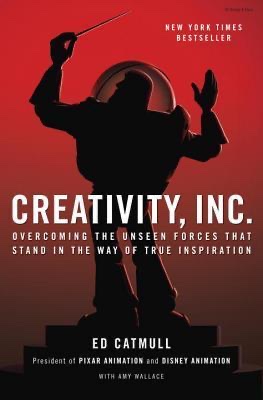 Creativity, Inc.: Overcoming the Unseen Forces That Stand in the Way of True Inspiration
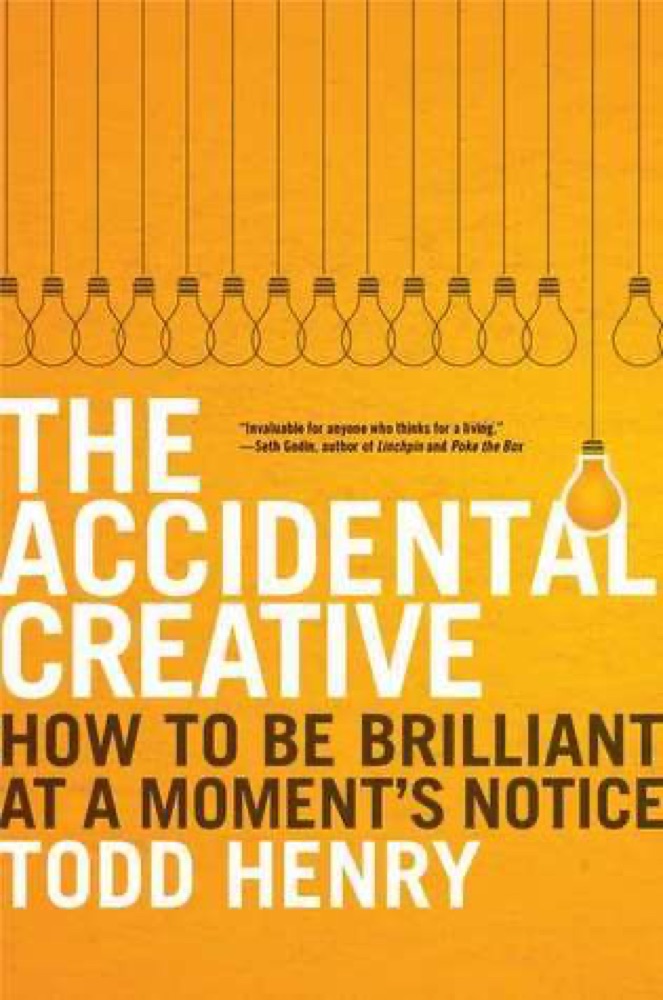 The Accidental Creative: How to Be Brilliant at a Moment's Notice
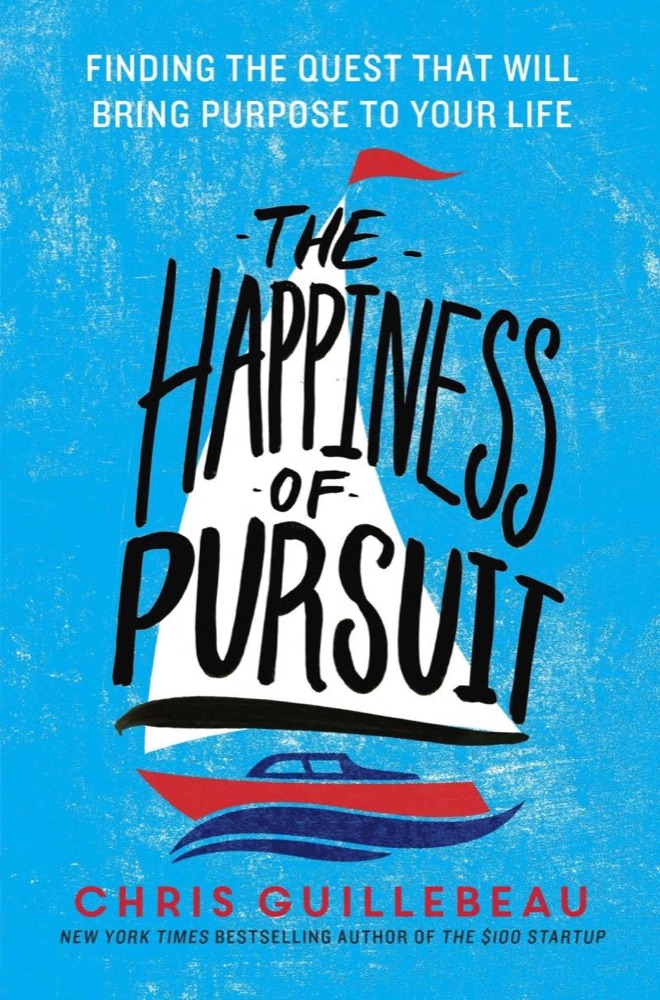 The Happiness of Pursuit: Finding the Quest That Will Bring Purpose to Your Life
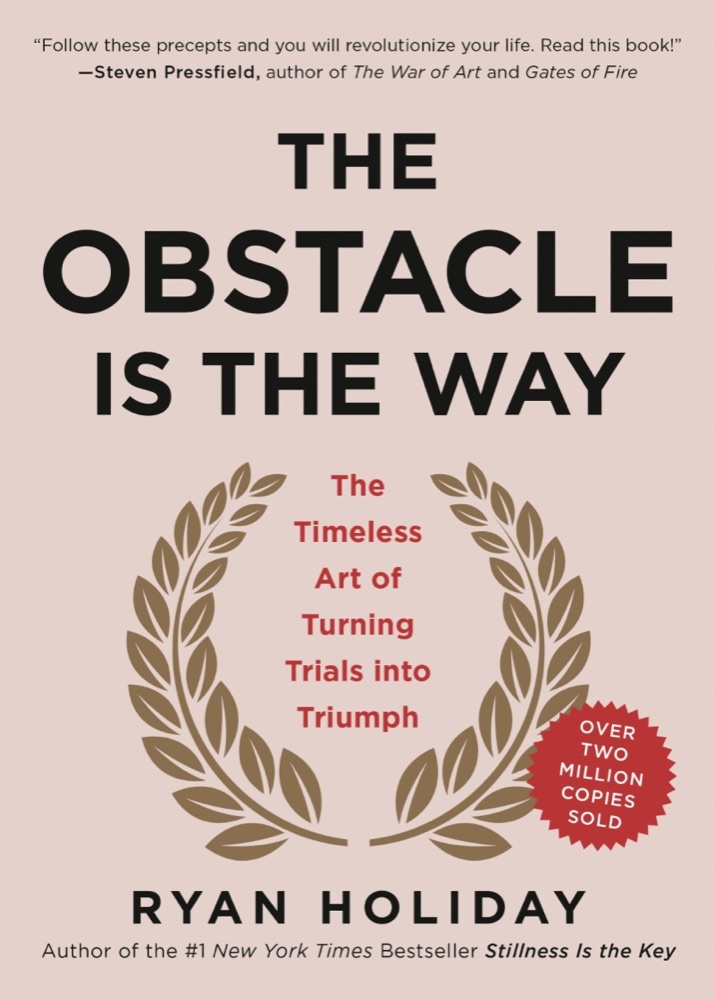 The Obstacle Is the Way: The Timeless Art of Turning Trials into Triumph
 Wooden: A Lifetime of Observations and Reflections On and Off the Court
 Late Bloomers: The Power of Patience in a World Obsessed with Early Achievement
 Shoe Dog: A Memoir by the Creator of NIKE
 Drive: The Surprising Truth About What Motivates Us
 Today Matters: 12 Daily Practices to Guarantee Tomorrow's Success
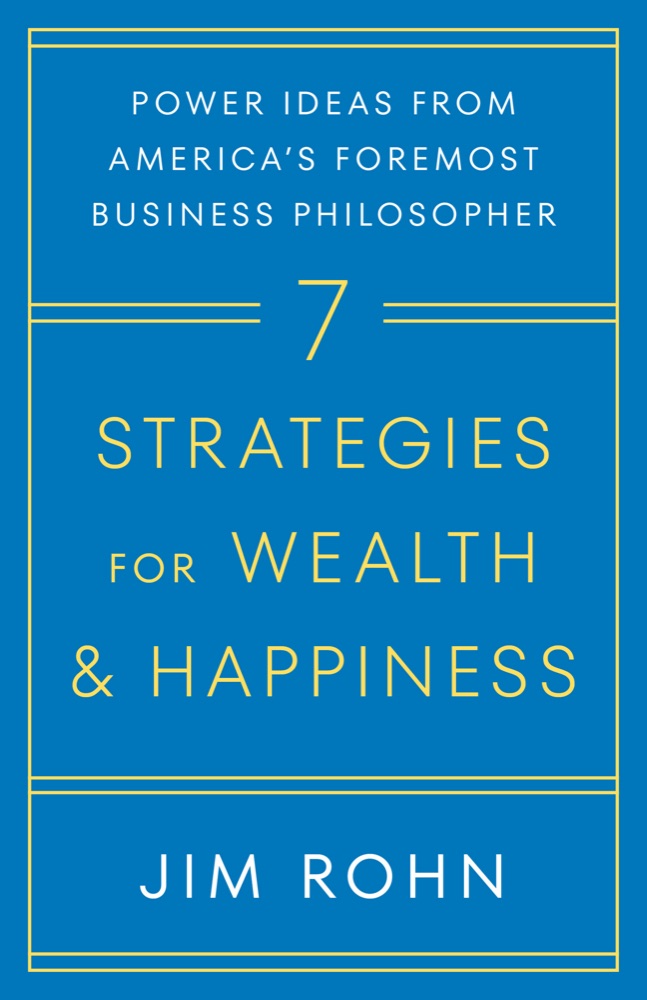 7 Strategies for Wealth & Happiness: Power Ideas from America's Foremost Business Philosopher
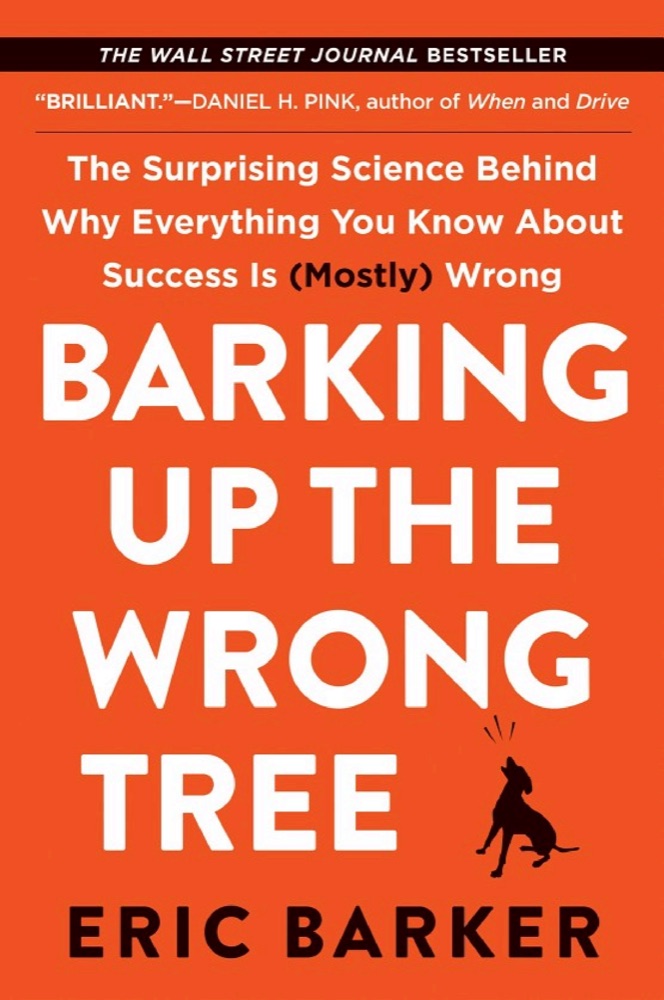 Barking Up the Wrong Tree: The Surprising Science Behind Why Everything You Know About Success Is (Mostly) Wrong
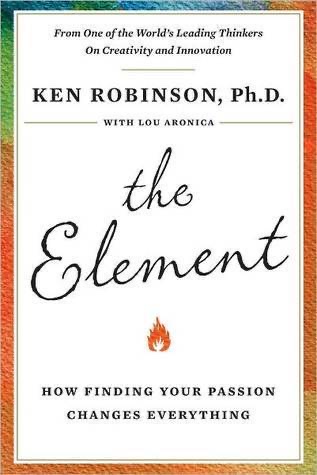 The Element: How Finding Your Passion Changes Everything
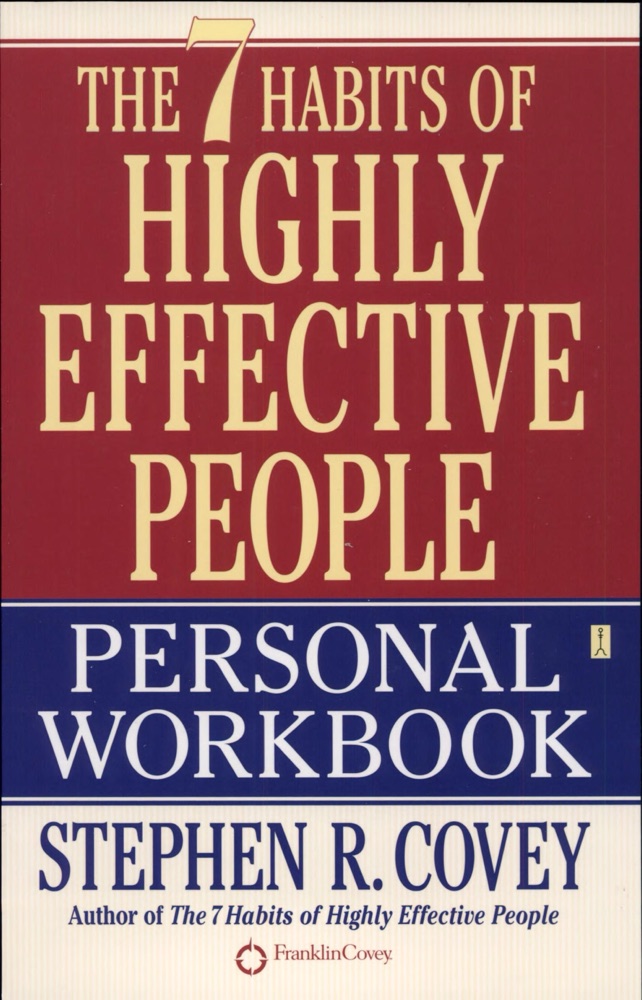 The 7 Habits of Highly Effective People: Personal Workbook
 Mastery
 How to Fail at Almost Everything and Still Win Big: Kind of the Story of My Life
 Peak Performance: Elevate Your Game, Avoid Burnout, and Thrive with the New Science of Success
 Lead the Field
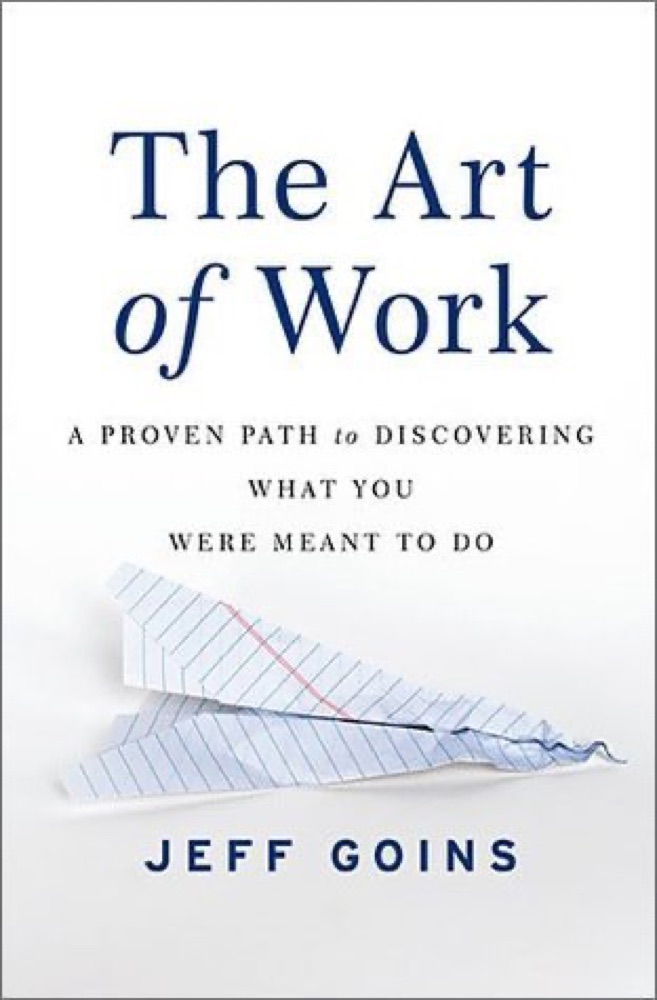 The Art of Work
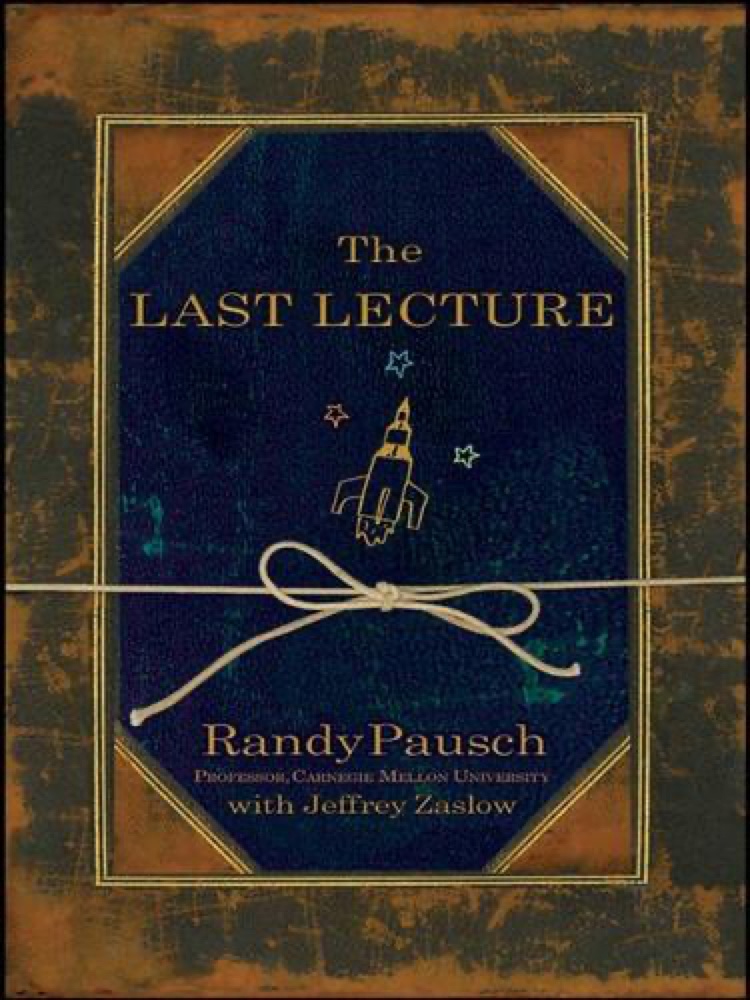 The Last Lecture
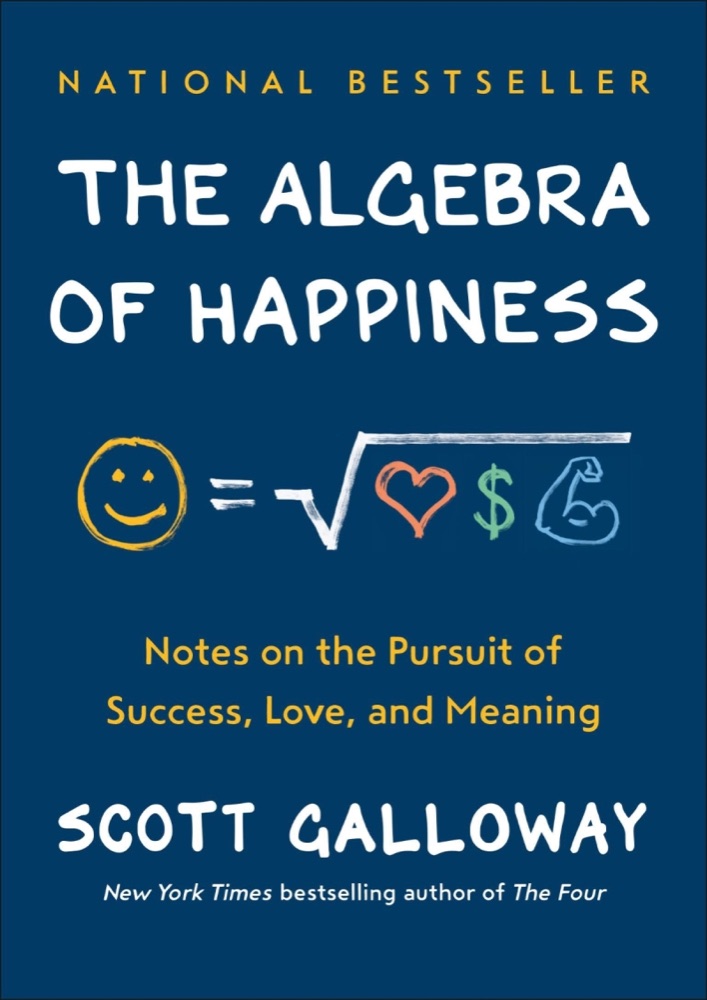 The Algebra of Happiness: Notes on the Pursuit of Success, Love, and Meaning
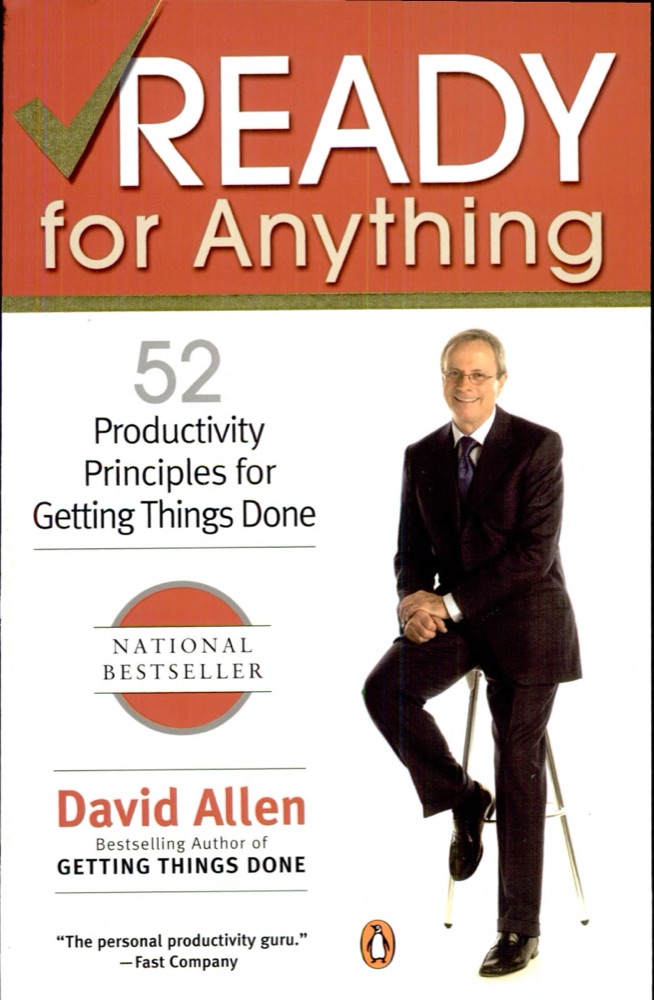 Ready for Anything: 52 Productivity Principles for Getting Things Done
 The Practice: Shipping Creative Work
 The Leader Who Had No Title: A Modern Fable on Real Success in Business and in Life
 Things a Little Bird Told Me: Confessions of the Creative Mind
 Originals: How Non-Conformists Move the World
 Down and Across
 What Color Is Your Parachute? A Practical Manual for Job-Hunters and Career-Changers
 The Artist's Way
 Limitless: Upgrade Your Brain, Learn Anything Faster, and Unlock Your Exceptional Life
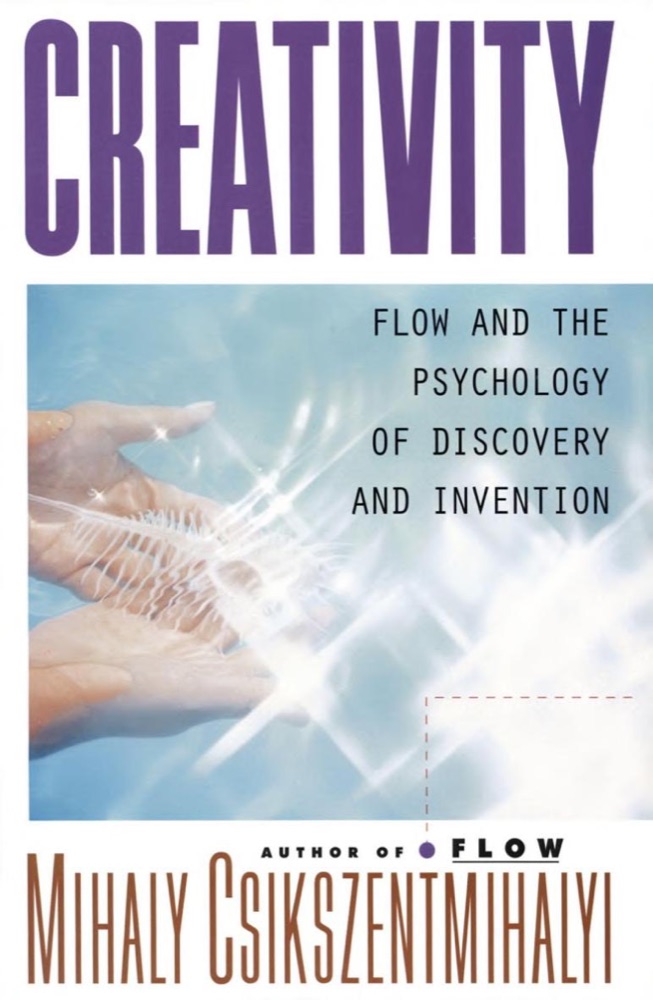 Creativity: Flow and the Psychology of Discovery and Invention
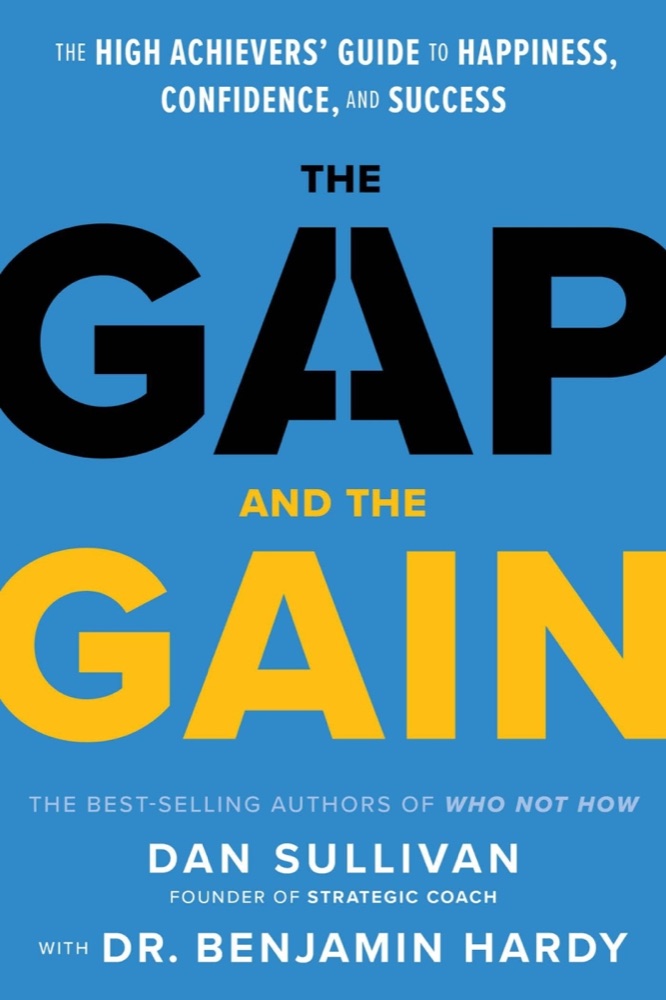 The Gap and The Gain: The High Achievers' Guide to Happiness, Confidence, and Success
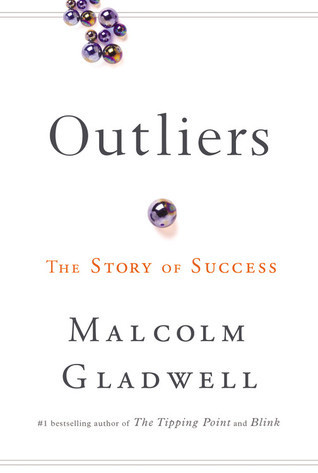 Outliers: The Story of Success
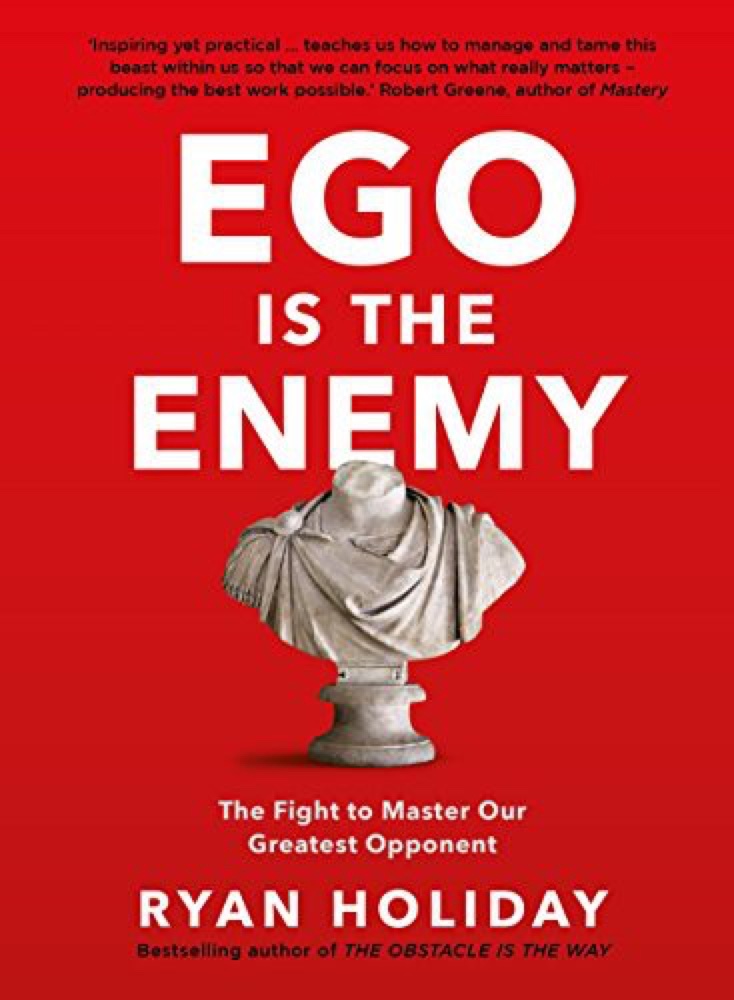 Ego Is the Enemy
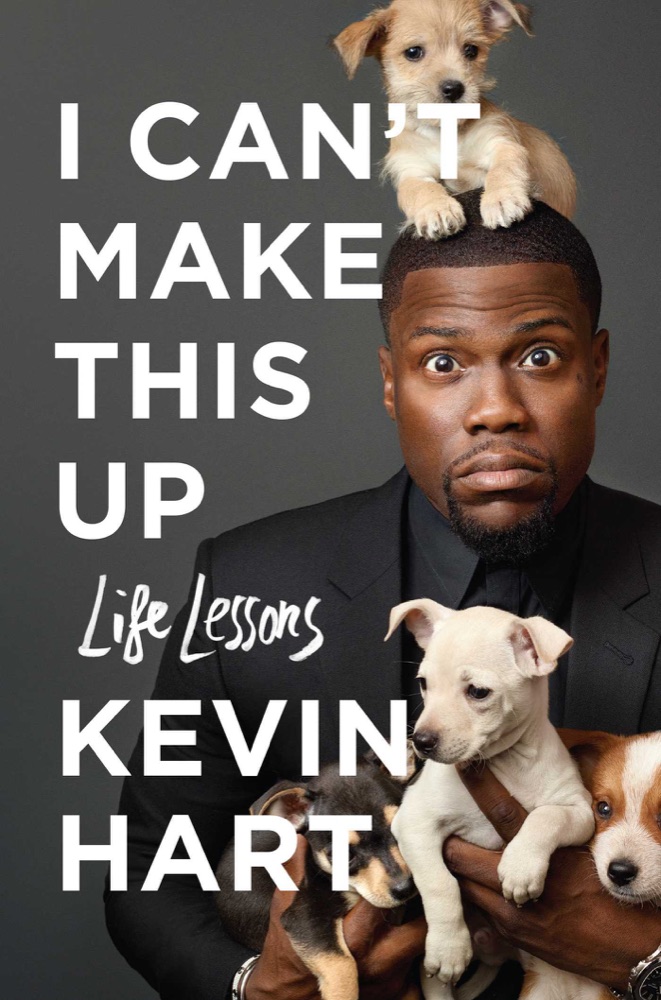 I Can't Make This Up: Life Lessons
 Delivering Happiness: A Path to Profits, Passion, and Purpose
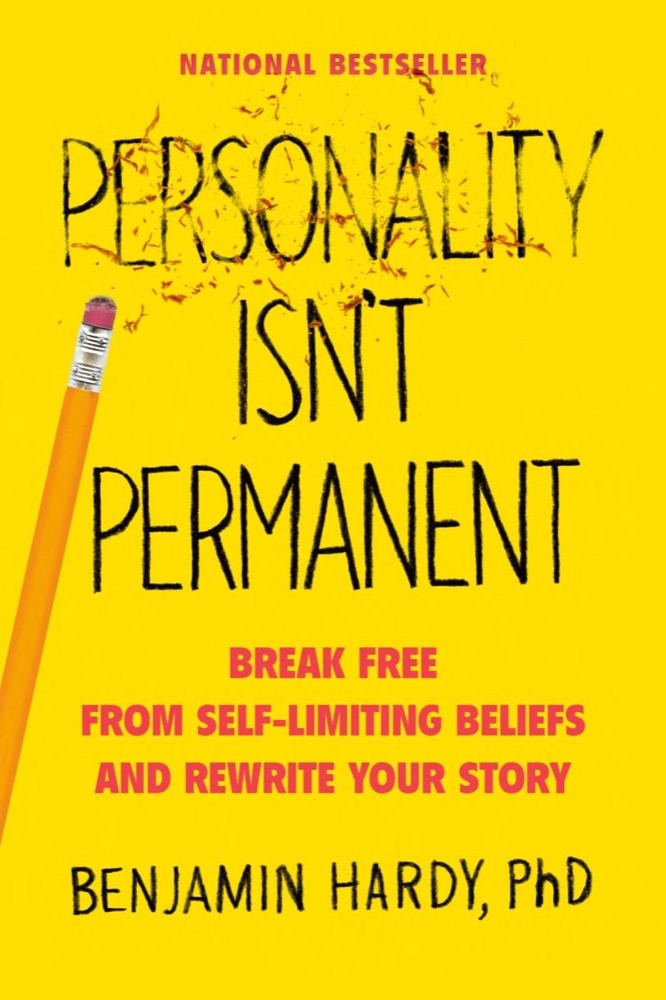 Personality Isn't Permanent: Break Free from Self-Limiting Beliefs and Rewrite Your Story
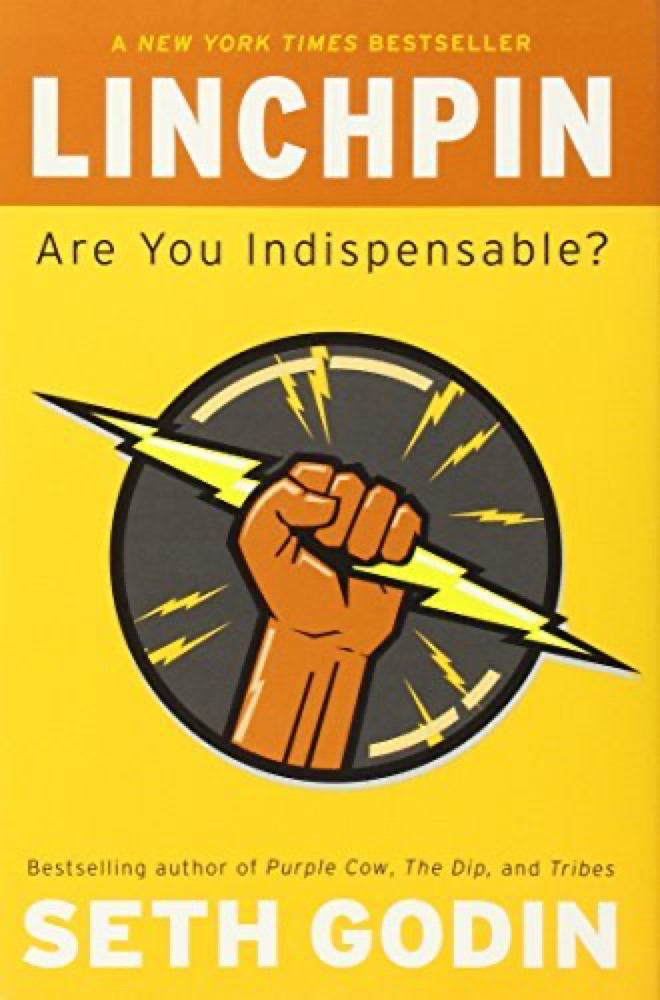 Linchpin: Are You Indispensable?
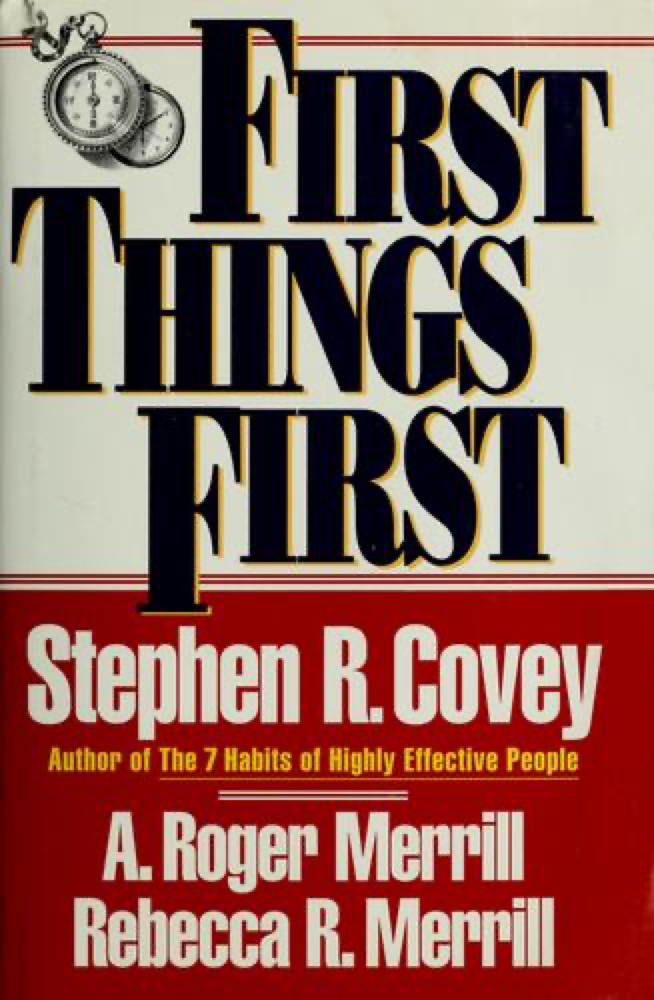 First Things First
 Be Water, My Friend: The Teachings of Bruce Lee
 Will
Will
 Capital Gaines: Smart Things I Learned Doing Stupid Stuff
 The Success Principles: How to Get from Where You Are to Where You Want to Be