 Barking Up the Wrong Tree: The Surprising Science Behind Why Everything You Know About Success Is (Mostly) Wrong
Quotes from the Book
So what exactly does it mean to be a late bloomer? Simply put, a late bloomer is a person who fulfills their potential later than expected; they often have talents that aren't visible to others initially... And they fulfill their potential frequently in novel and unexpected ways, surprising even those closest to them. They are not attempting to satisfy, with gritted teeth, the expectations of their parents or society, a false path that leads to burnout and brittleness, or even to depression and illness... Late bloomers are those who find their supreme destiny on their own schedule, in their own way.
19
It's just as important to know when to drop something and shift direction as it is to know when to stick with something. When we quit the things that aren't working for us, we free up our willpower and perseverance for the things that really do matter.
13
Confidence gets you off to a fast start. Confidence gets you that first job and maybe the next two promotions. But confidence stops you from learning. Confidence becomes a caricature after a while. I can't tell you how many confident blowhards I've seen in my coaching career who never get better after the age of forty." -- Bill Walsh
12
People who self-handicap purposely shoot themselves in the foot in order to protect themselves from having to confront their possible shortcomings. Many self-handicapping behaviors are those small, subtle bad habits like being late, gossiping, micromanaging, behaving passive-aggressively, or being a perfectionist. We may not recognize these self-defeating--and self-handicapping--traits for what they are. Or we may even wrongly perceive them as strengths. But in truth, they often get in the way of us blooming.
8
We get smarter and more creative as we age, research shows. Our brain's anatomy, neural networks, and cognitive abilities can actually improve with age and increased life experiences. Contrary to the mythology of Silicon Valley, older employees may be even more productive, innovative, and collaborative than younger ones... Most people, in fact, have multiple cognitive peaks throughout their lives.
7
Early bloomers enjoy many advantages in affluent societies. But one huge disadvantage they face is that by dint of their youth and accomplishments, they give themselves credit for their success, more than the rest of us do. That's understandable: adolescents and young adults tend to be self-centered... The problem arises when early bloomers have a setback: either they put all the blame on themselves and fall into self-condemnation and paralysis, or they blame everyone else. Late bloomers tend to be more circumspect: they are able to see their own role in the adversity they face, without succumbing to self-condemnation or blame shifting.
6
The worst thing a company can do is kill off the creative energy of its young and talented people. The second worst thing is to blindly walk into avoidable traps that a wise senior employee can help them foresee.
5
To succeed at anything worthwhile in life requires persistence, no matter how gifted, fortunate, or passionate you are. When I interviewed late bloomers for this book, nearly every one said that once you find your passion and your "pot," you need to hang in there--you need to persist.
4
The popular advice is we just need more confidence, more assurance, more chutzpah. But the issue with confidence is how we try to achieve it. Too often we try to win high self-regard in cheap ways. We undermine others, or we compare our achievements to those of the weakest around us. We conform to cultural norms, believing that what society values is what we value and that how society defines success is how we must define success. These cheap self-confidence tricks are unsustainable and can lead to narcissism during good times and depression during hard times.
4
In every aspect of our lives, there are many, equally valid ways to reach a positive outcome. There are always many ways to achieve a goal, gain expertise, or find success.
4
[Young] adults who take gap years tended to be less motivated than their peers before the gap year. But after their gap year, most of them find new motivation. They had higher performance outcomes, career choice formation, improved employability, and a variety of life skills. The gap year can be seen as an educational process in which skills and critical reflection contribute to an individual's development.
4
When we force ourselves to do things we’re not naturally inclined to do, or that don’t fit our passion or purpose in life, we pay for it with reduced motivation and drive.
3
Tenacity, or willpower, is a limited resource.
3
How many of us were tagged with “no ranking” in high school, or dismissed early in our careers, or are dismissed even now? What gifts and passions might we possess that haven’t yet been discovered but that could give us wings to fly?
2
In facing the ups and downs of life
Not being curious is not only intellectually lazy
Twenge connects the generational increases in depression to a shift from intrinsic to extrinsic goals. Intrinsic goals have to do with your own development as a person
The prize itself—an elite college admission—comes at a steep price. The cost of a four-year college degree from any of the top-twenty private colleges in the United States now exceeds a quarter of a million dollars, including room, board, books, and fees. The top-twenty public universities cost less, but even they average between $100,000 and $200,000 for a four-year degree, including room, board, books, and fees, depending on one’s state resident status. Society’s desire for early-blooming validation has led to—let’s be honest—price gouging by those official scorekeepers of early achievement, colleges and universities. The rest of us are stuck with big bills and massive debt. Since 1970, college tuition costs have risen three times faster than the rate of inflation. College debt in the United States is now $1.3 trillion, with an 11.5 percent default rate. By all measures, the rush to bloom early has helped create a potential bust bigger than the 2008 housing bubble.
Watch on YouTube
About Rich Karlgaard
About the book
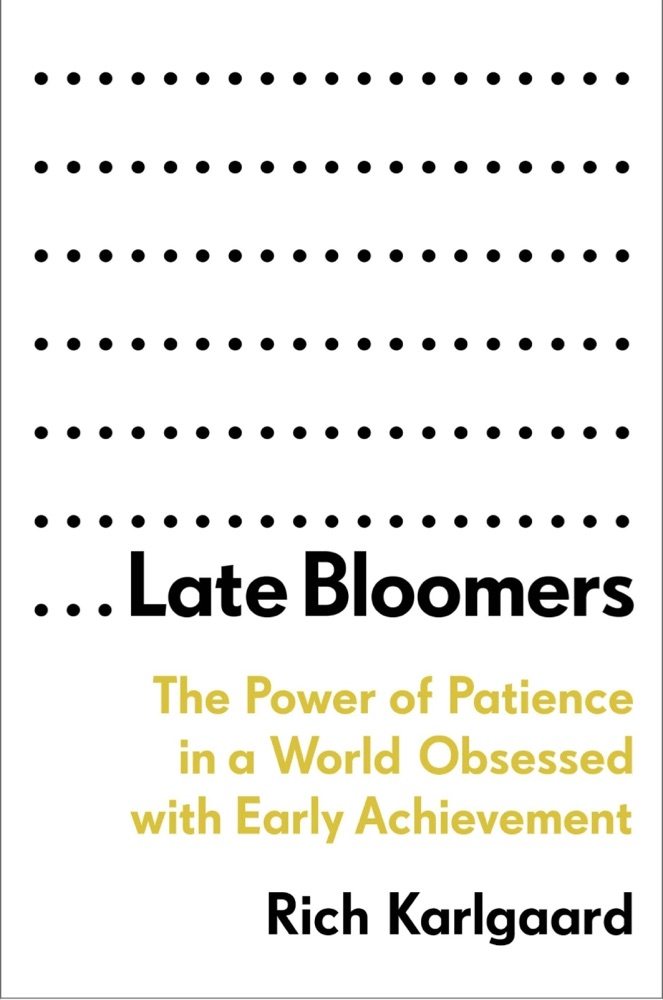
A groundbreaking exploration of how finding one's way later in life can be an advantage to long-term achievement and happiness.
"What Yogi Berra observed about a baseball game--it ain't over till it's over--is true about life, and [Late Bloomers] is the ultimate proof of this. . . . It's a keeper."--Forbes
We live in a society where kids and parents are obsessed with early achievement, from getting perfect scores on SATs to getting into Ivy League colleges to landing an amazing job at Google or Facebook--or even better, creating a start-up with the potential to be the next Google or Facebook or Uber. We see software coders become millionaires or billionaires before age thirty and feel we are failing if we are not one of them.
Late bloomers, on the other hand, are undervalued in popular culture by educators and employers, and even unwittingly by parents. Yet the fact is, a lot of
Book details
- First published
- 2019
- Author
- Rich Karlgaard
- Genre
- Nonfiction
- Goodreads rating
- 4.00 (2k ratings)
Keep reading
Barking Up the Wrong Tree: The Surprising Science Behind Why Everything You Know About Success Is (Mostly) Wrong
 How to Fail at Almost Everything and Still Win Big: Kind of the Story of My Life
 The Algebra of Happiness: Notes on the Pursuit of Success, Love, and Meaning
 The Defining Decade: Why Your Twenties Matter—And How to Make the Most of Them Now
 Grit: The Power of Passion and Perseverance
 Tribe Of Mentors: Transformative Wisdom From Icons and Innovators to Help You Navigate Life's Challenges
 Mindset: The New Psychology of Success
 The Compound Effect: Jumpstart Your Income, Your Life, Your Success
 7 Strategies for Wealth & Happiness: Power Ideas from America's Foremost Business Philosopher
 You Can Win: A Step by Step Tool for Top Achievers
 Principles: Life and Work
 The Element: How Finding Your Passion Changes Everything
 The Algebra of Wealth: A Simple Formula for Financial Security
 Smarter Faster Better: The Secrets of Being Productive in Life and Business
 Personality Isn't Permanent: Break Free from Self-Limiting Beliefs and Rewrite Your Story
 The Power of Focus
 Tools of Titans: The Tactics, Routines, and Habits of Billionaires, Icons, and World-Class Performers
 Drive: The Surprising Truth About What Motivates Us
 Getting There: A Book of Mentors
 Ego Is the Enemy
 Rich Dad Poor Dad
 Peak Performance: Elevate Your Game, Avoid Burnout, and Thrive with the New Science of Success
 I Can't Make This Up: Life Lessons
 What Color Is Your Parachute? A Practical Manual for Job-Hunters and Career-Changers
 Mastery
 Excellent Sheep: The Miseducation of the American Elite and the Way to a Meaningful Life
 David and Goliath: Underdogs, Misfits, and the Art of Battling Giants
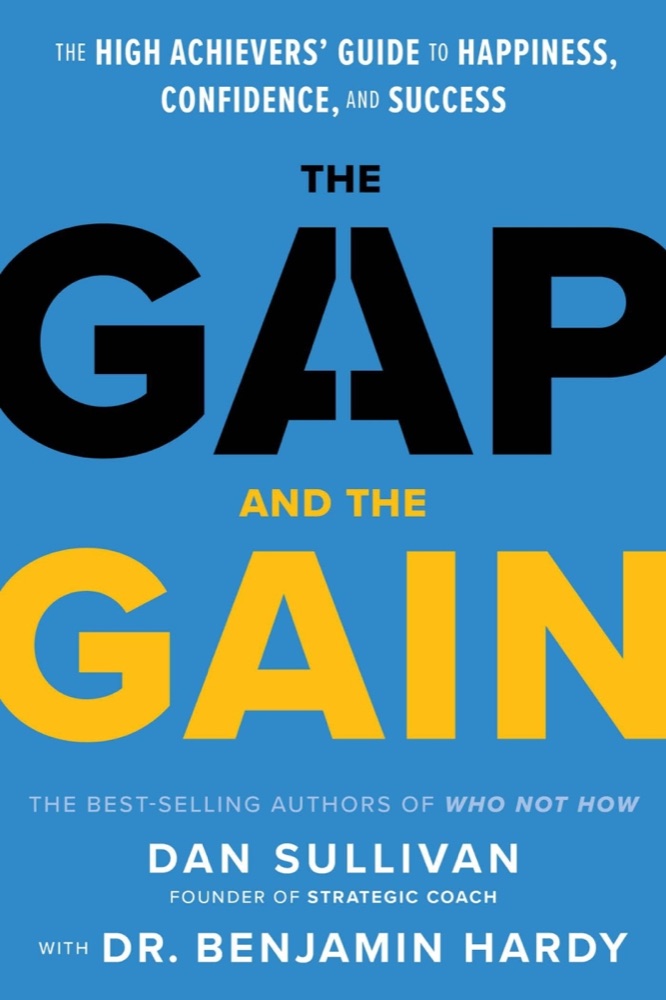 The Gap and The Gain: The High Achievers' Guide to Happiness, Confidence, and Success
 The Happiness Advantage: The Seven Principles of Positive Psychology That Fuel Success and Performance at Work
 The 7 Habits Of Highly Effective Teens
 Smartcuts: How Hackers, Innovators, and Icons Accelerate Success
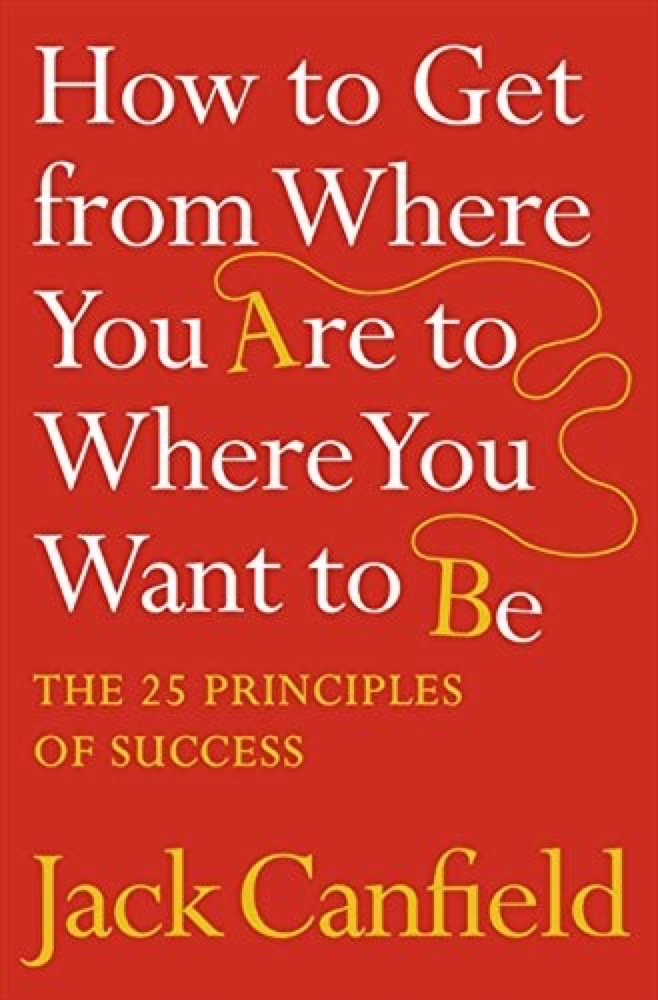 The Success Principles: How to Get from Where You Are to Where You Want to Be
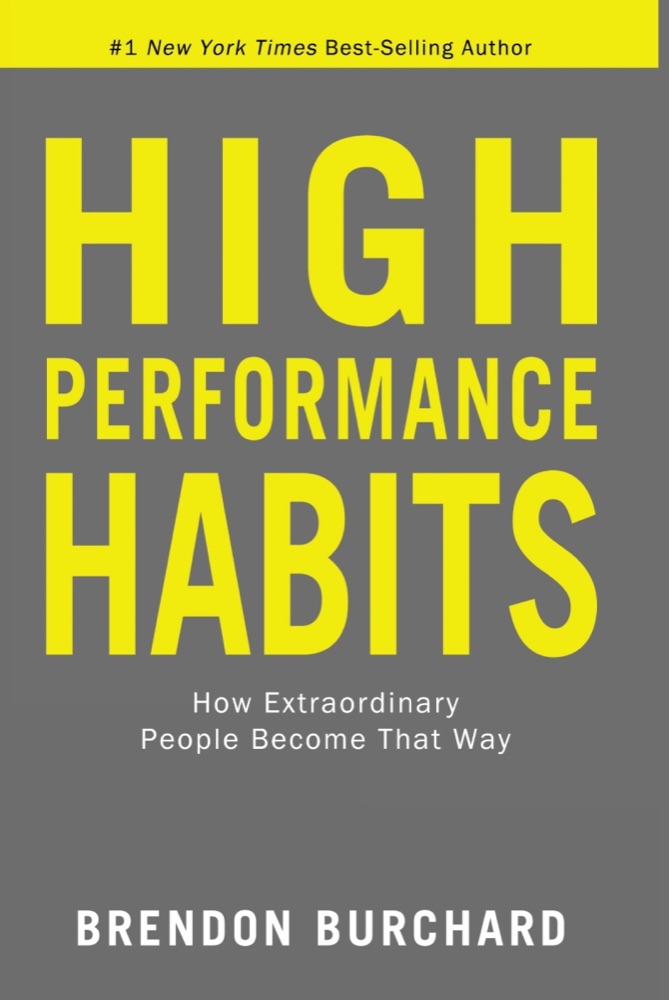 High Performance Habits: How Extraordinary People Become That Way
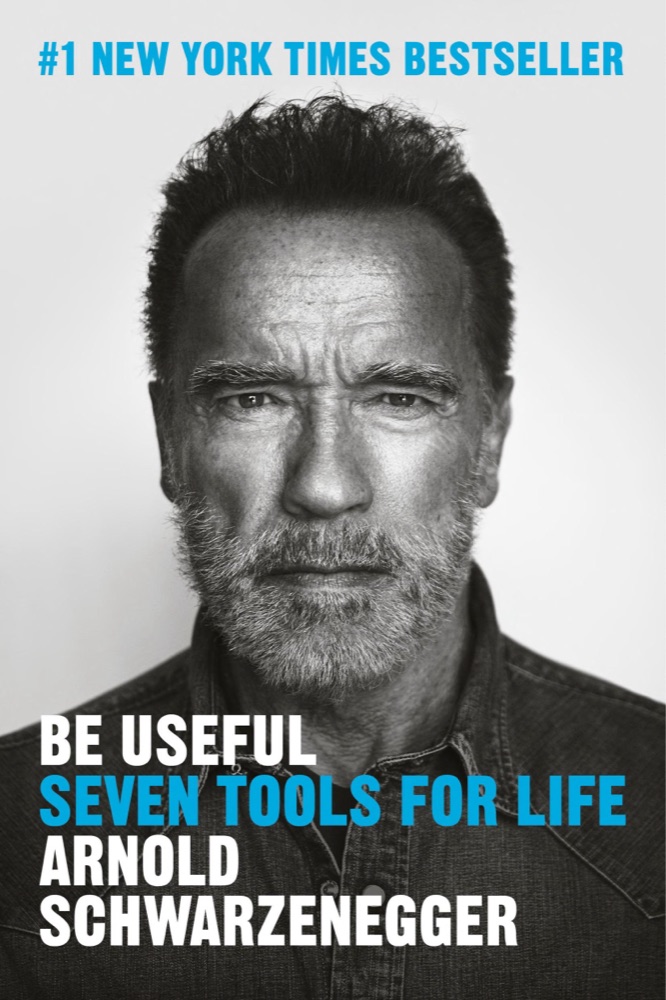 Be Useful: Seven Tools for Life
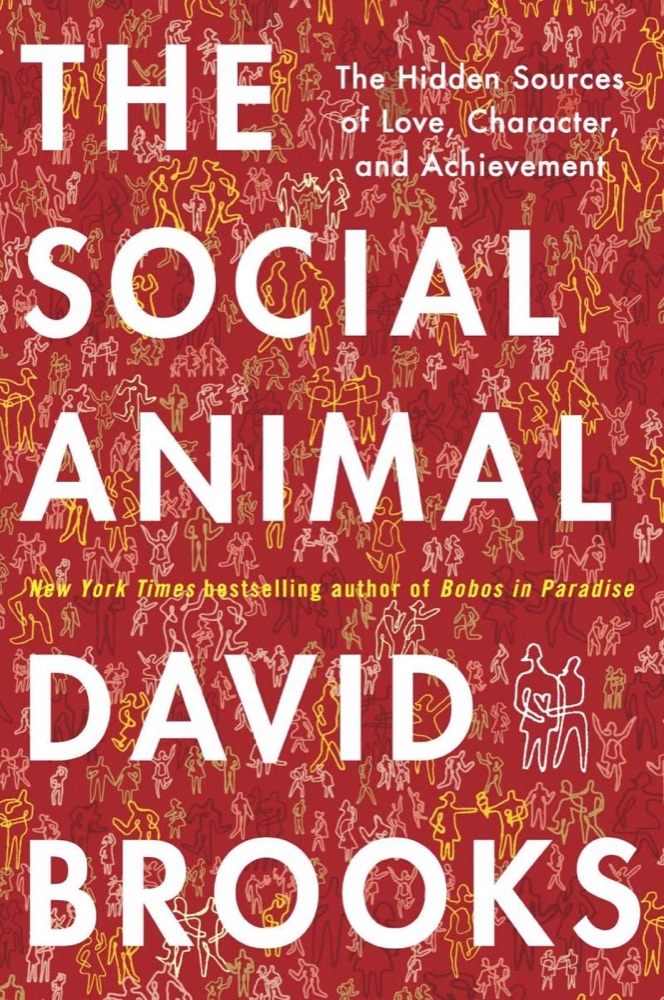 The Social Animal: The Hidden Sources of Love, Character, and Achievement
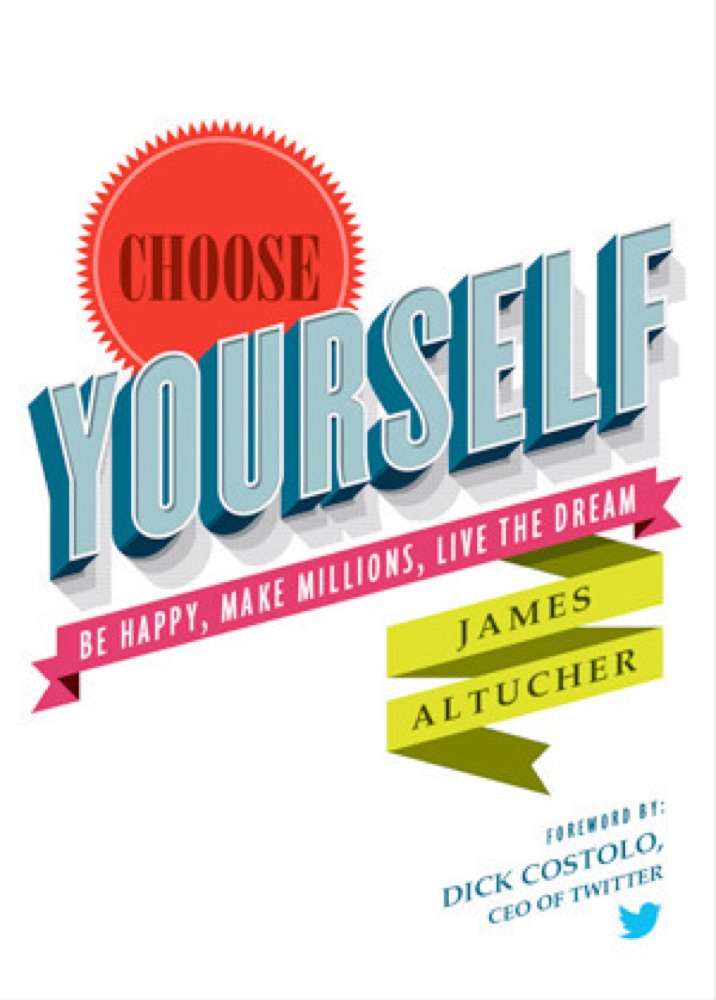 Choose Yourself: Be Happy, Make Millions, Live the Dream
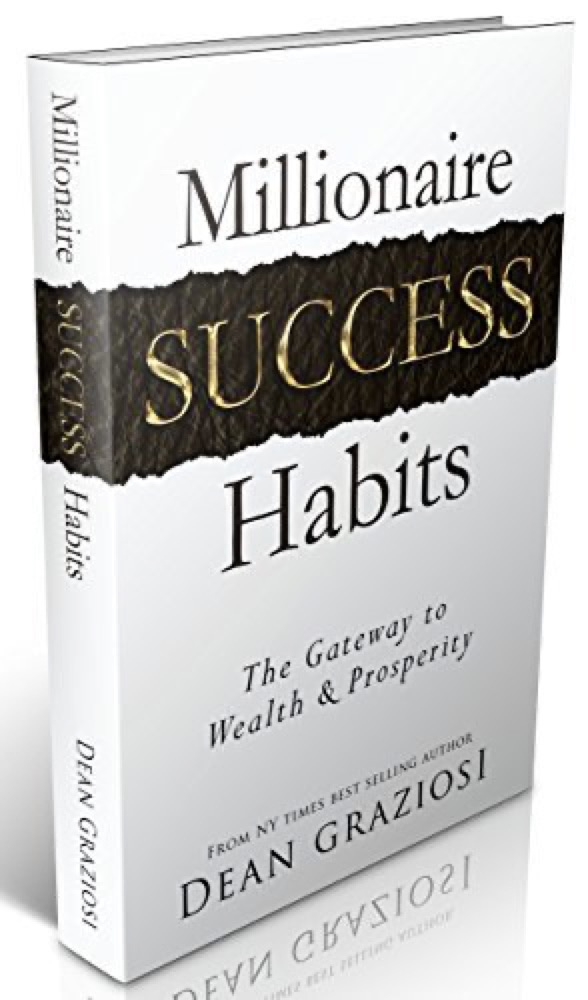 Millionaire Success Habits: The Gateway To Wealth & Prosperity
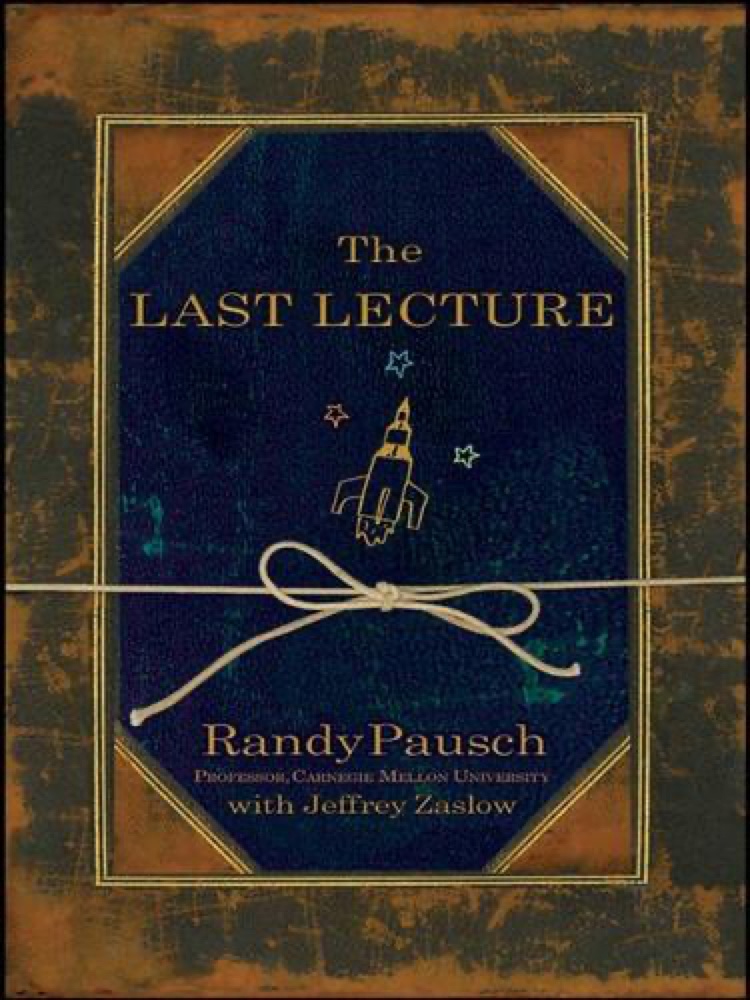 The Last Lecture
 Think and Grow Rich
 Firestarters: How Innovators, Instigators, and Initiators Can Inspire You to Ignite Your Own Life
 Never Finished: Unshackle Your Mind and Win the War Within
 The Leader Who Had No Title: A Modern Fable on Real Success in Business and in Life
 The Art of Thinking Clearly
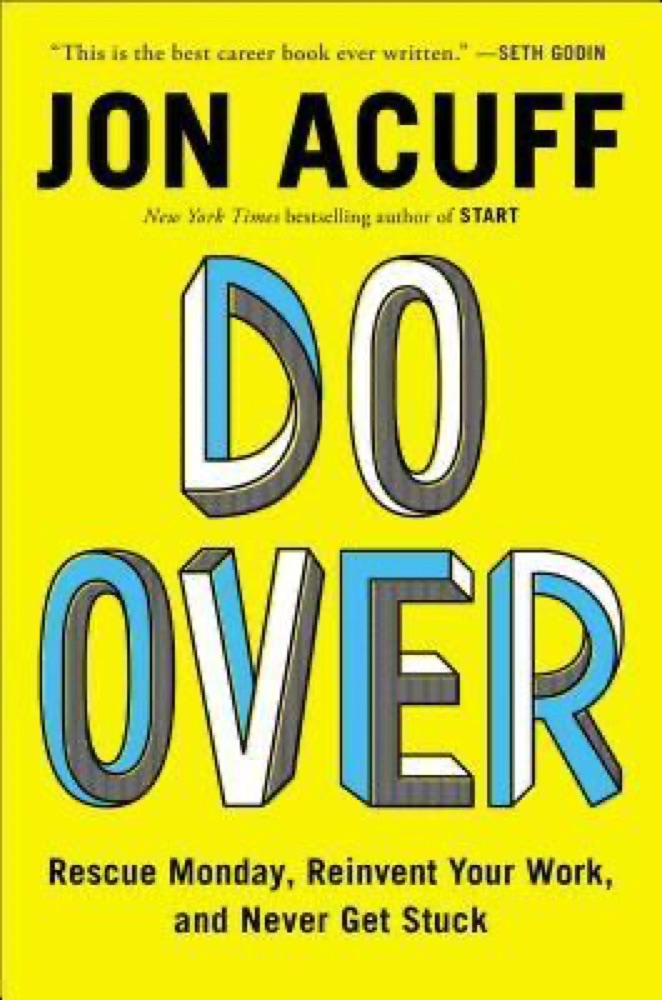 Do Over: Rescue Monday, Reinvent Your Work, and Never Get Stuck
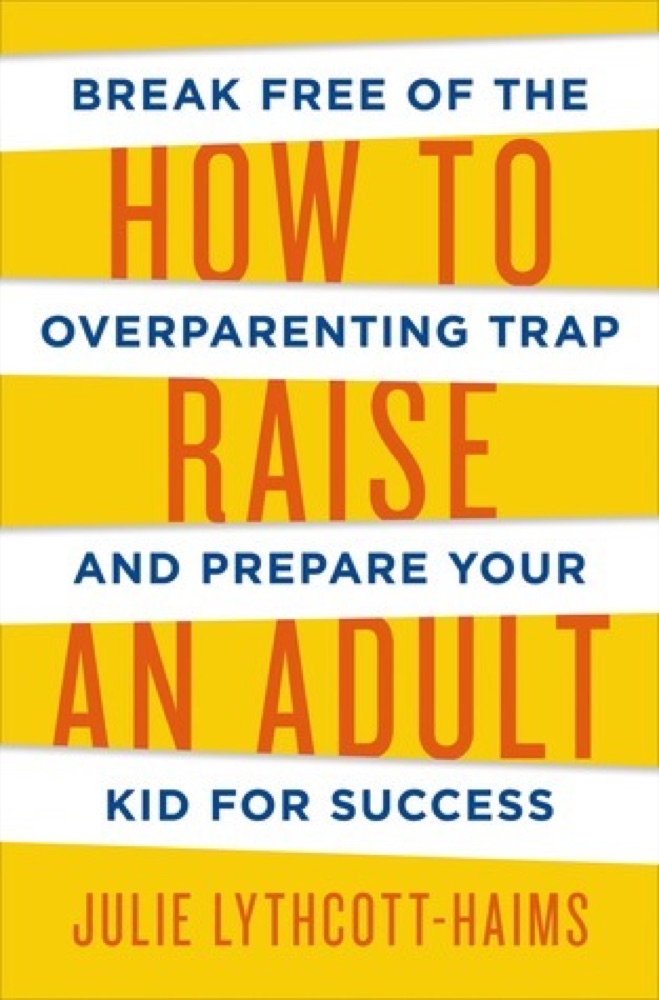 How to Raise an Adult: Break Free of the Overparenting Trap and Prepare Your Kid for Success
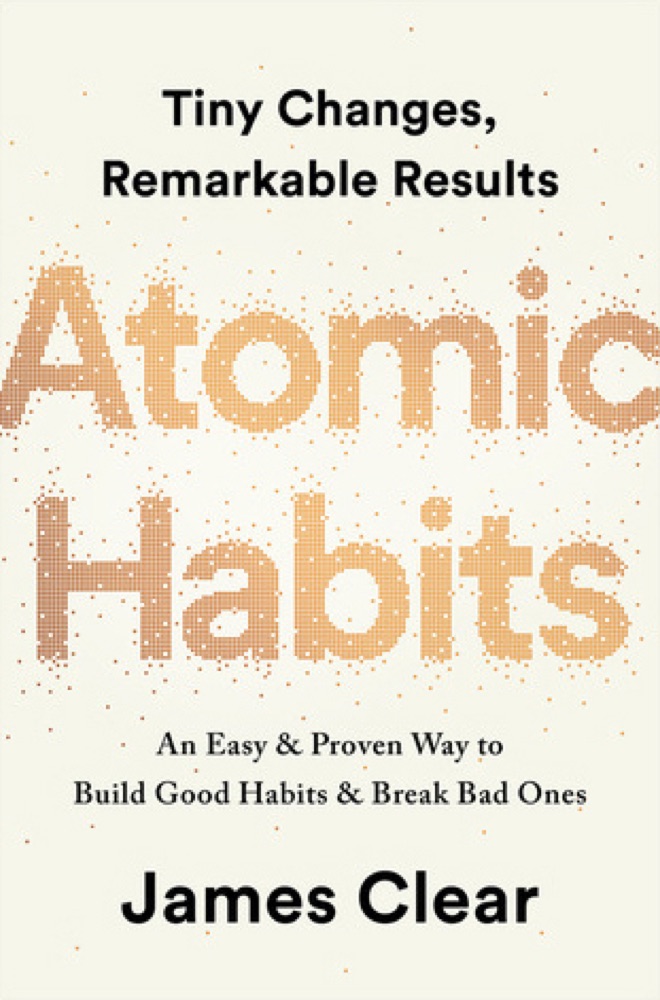 Atomic Habits: An Easy & Proven Way to Build Good Habits & Break Bad Ones
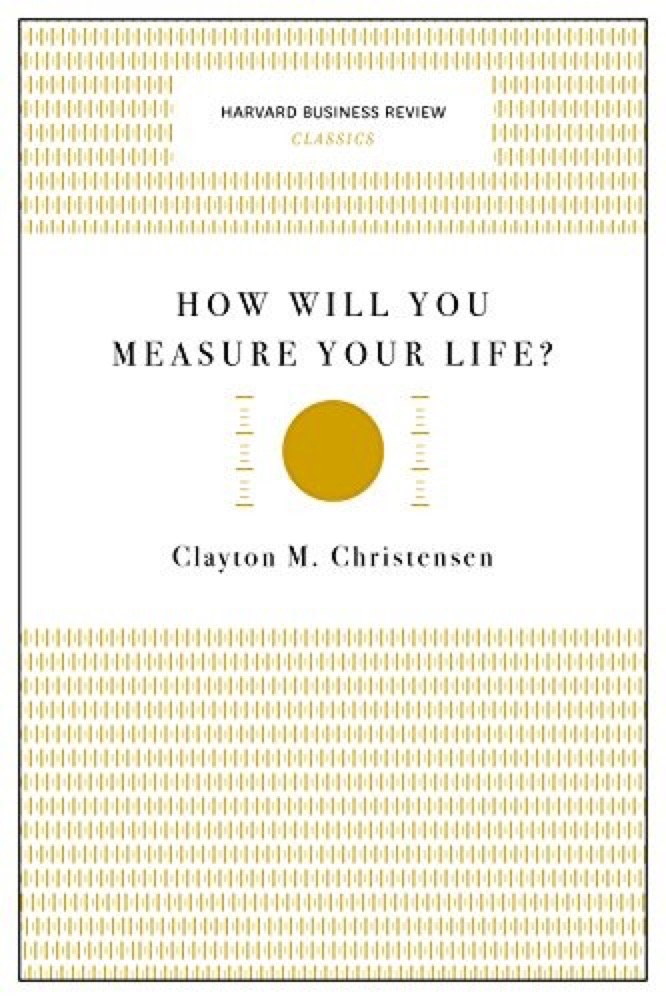 How Will You Measure Your Life?
 Be Your Future Self Now: The Science of Intentional Transformation
 Limitless: Upgrade Your Brain, Learn Anything Faster, and Unlock Your Exceptional Life
 Finding Flow: The Psychology of Engagement with Everyday Life
 Down and Across
 The Art of Impossible: A Peak Performance Primer
 Your Next Five Moves: Master the Art of Business Strategy
 You Learn by Living: Eleven Keys for a More Fulfilling Life
 If I Knew Then: Finding Wisdom in Failure and Power in Aging
 The Score Takes Care of Itself: My Philosophy of Leadership
 Antifragile: Things That Gain from Disorder
 How to Be a Bawse: A Guide to Conquering Life
 Life Reimagined: The Science, Art, and Opportunity of Midlife
 Delivering Happiness: A Path to Profits, Passion, and Purpose