
 The Ride of a Lifetime: Lessons Learned from 15 Years as CEO of the Walt Disney Company
Quotes from the Book
Every time I read a management or self-help book, I find myself saying, “That’s fine, but that wasn’t really the hard thing about the situation.” The hard thing isn’t setting a big, hairy, audacious goal. The hard thing is laying people off when you miss the big goal. The hard thing isn’t hiring great people. The hard thing is when those “great people” develop a sense of entitlement and start demanding unreasonable things. The hard thing isn’t setting up an organizational chart. The hard thing is getting people to communicate within the organization that you just designed. The hard thing isn’t dreaming big. The hard thing is waking up in the middle of the night in a cold sweat when the dream turns into a nightmare.
89
No matter who you are, you need two kinds of friends in your life. The first kind is one you can call when something good happens, and you need someone who will be excited for you. Not a fake excitement veiling envy, but a real excitement. You need someone who will actually be more excited for you than he would be if it had happened to him. The second kind of friend is somebody you can call when things go horribly wrong—when your life is on the line and you only have one phone call.
74
Note to self: It’s a good idea to ask, “What am I not doing?
66
TAKE CARE OF THE PEOPLE, THE PRODUCTS, AND THE PROFITS—IN THAT ORDER
58
Great CEOs face the pain. They deal with the sleepless nights, the cold sweats, and what my friend the great Alfred Chuang (legendary cofounder and CEO of BEA Systems) calls “the torture.” Whenever I meet a successful CEO, I ask them how they did it. Mediocre CEOs point to their brilliant strategic moves or their intuitive business sense or a variety of other self-congratulatory explanations. The great CEOs tend to be remarkably consistent in their answers. They all say, “I didn’t quit.
49
Build a culture that rewards—not punishes—people for getting problems into the open where they can be solved.
49
Until you make the effort to get to know someone or something, you don’t know anything.
48
Hard things are hard because there are no easy answers or recipes. They are hard because your emotions are at odds with your logic. They are hard because you don’t know the answer and you cannot ask for help without showing weakness.
45
Life is struggle.” I believe that within that quote lies the most important lesson in entrepreneurship: Embrace the struggle.
42
IF YOU ARE GOING TO EAT SHIT, DON’T NIBBLE
38
Spend zero time on what you could have done, and devote all of your time on what you might do.
37
Sometimes an organization doesn’t need a solution; it just needs clarity.
36
what is the difference between a hero and a coward? What is the difference between being yellow and being brave? No difference. Only what you do. They both feel the same. They both fear dying and getting hurt. The man who is yellow refuses to face up to what he’s got to face. The hero is more disciplined and he fights those feelings off and he does what he has to do. But they both feel the same, the hero and the coward. People who watch you judge you on what you do, not how you feel.
32
People always ask me, “What’s the secret to being a successful CEO?” Sadly, there is no secret, but if there is one skill that stands out, it’s the ability to focus and make the best move when there are no good moves.
27
Early in my career as an engineer, I’d learned that all decisions were objective until the first line of code was written. After that, all decisions were emotional.
27
Marc: “Do you know the best thing about startups?” Ben: “What?” Marc: “You only ever experience two emotions: euphoria and terror. And I find that lack of sleep enhances them both.
27
the most important lesson in entrepreneurship: Embrace the struggle.
23
One of the great things about building a tech company is the amazing people that you can hire.
21
I’d learned the hard way that when hiring executives, one should follow Colin Powell’s instructions and hire for strength rather than lack of weakness.
17
Startup CEOs should not play the odds. When you are building a company, you must believe there is an answer and you cannot pay attention to your odds of finding it. You just have to find it. It matters not whether your chances are nine in ten or one in a thousand; your task is the same.
17
Most business relationships either become too tense to tolerate or not tense enough to be productive after a while. Either people challenge each other to the point where they don’t like each other or they become complacent about each other’s feedback and no longer benefit from the relationship.
16
I don’t believe in statistics. I believe in calculus.
16
there are only two ways for a manager to improve the output of an employee: motivation and training.
15
In any human interaction, the required amount of communication is inversely proportional to the level of trust.
15
That’s the hard thing about hard things—there is no formula for dealing with them.
15
An early lesson I learned in my career was that whenever a large organization attempts to do anything, it always comes down to a single person who can delay the entire project.
15
How can we walk away from requirements that we know to be true to pursue something that we think will help?” It turns out that is exactly what product strategy is all about—figuring out the right product is the innovator’s job, not the customer’s job.
15
The Struggle is when you wonder why you started the company in the first place. The Struggle is when people ask you why you don’t quit and you don’t know the answer. The Struggle is when your employees think you are lying and you think they may be right. The Struggle is when food loses its taste.
14
People at McDonald’s get trained for their positions, but people with far more complicated jobs don’t. It makes no sense. Would you want to stand on the line of the untrained person at McDonald’s? Would you want to use the software written by the engineer who was never told how the rest of the code worked? A lot of companies think their employees are so smart that they require no training. That’s silly. When I first became a manager,
13
Did you know?
- The book draws heavily on Horowitz's experience founding and running Loudcloud, which later became the software company Opsware.
- Ben Horowitz co-founded the venture capital firm Andreessen Horowitz with Marc Andreessen.
- The book was named one of Business Insider's Best Business Books of 2014.
- Horowitz frequently opens chapters with rap and hip-hop lyrics to frame his business lessons.
- It later became a New York Times bestseller, as did his follow-up book, What You Do Is Who You Are.
About Ben Horowitz
Ben Horowitz is an American businessman, investor, and author who co-founded the venture capital firm Andreessen Horowitz (a16z) with Marc Andreessen. Before becoming an investor, he co-founded and led the technology companies Loudcloud and Opsware, the latter of which was sold to Hewlett-Packard.
More about the author →About the book
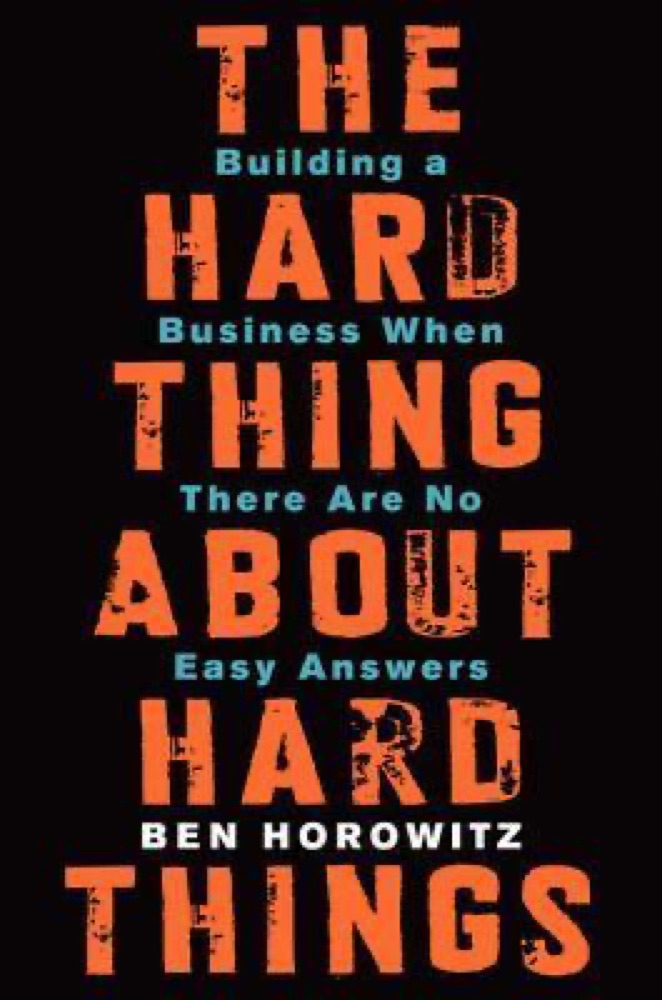
"The Hard Thing About Hard Things" is a candid management and entrepreneurship book in which venture capitalist Ben Horowitz draws on his own career building and running technology companies to argue that the hardest part of leading a business is not crafting a vision but navigating the grueling, often painful decisions that arise when things go wrong. Rather than offering a tidy formula for success, Horowitz uses war stories from his time as a founder and CEO to illustrate problems that have no easy answers, from layoffs and demotions to near-bankruptcy and brutal market collapses.
A central theme of the book is courage: Horowitz repeatedly returns to the idea that leadership means pushing past fear to make the difficult call when there is no obviously right option. He is unusually frank about the emotional toll of being a CEO, describing the sleepless nights and self-doubt that accompany high-stakes decisions, and he insists that most business advice ignores these "hard things" in favor of glamorous strategy. The book also explores honesty in management, the difference between peacetime and wartime leadership, and the discipline required to keep a company alive through crisis.
Published by Harper Business in 2014, the book became a New York Times bestseller and was widely embraced in Silicon Valley and beyond as a frank counterpoint to more aspirational business literature. Reviewers and outlets such as Business Insider praised it as one of the best business books of its year for giving an insider's perspective on the realities of scaling a startup, and it has remained a frequently recommended title for founders and managers.
Book details
- First published
- 2014
- Length
- 304 pages
- Reading time
- 4 hours
- Author
- Ben Horowitz
- Genre
- Nonfiction
- Goodreads rating
- 4.19 (113k ratings)
Critical reception
- Reached the New York Times bestseller list in 2014.
- Business Insider named it one of the Best Business Books of 2014.
- It is widely cited and recommended within the startup and venture capital community as a frank, unvarnished account of the challenges of running a company.
Keep reading
The Ride of a Lifetime: Lessons Learned from 15 Years as CEO of the Walt Disney Company
 Principles: Life and Work
 Creativity, Inc.: Overcoming the Unseen Forces That Stand in the Way of True Inspiration
 The Art of the Start: The Time-Tested, Battle-Hardened Guide for Anyone Starting Anything
 The E-myth Revisited
 EntreLeadership: 20 Years of Practical Business Wisdom from the Trenches
 Amp It Up: Leading for Hypergrowth by Raising Expectations, Increasing Urgency, and Elevating Intensity
 Managing Humans: Biting and Humorous Tales of a Software Engineering Manager
 Pour Your Heart Into It: How Starbucks Built a Company One Cup at a Time
 Getting There: A Book of Mentors
 Rework
 Your Next Five Moves: Master the Art of Business Strategy
 Zero to One: Notes on Startups, or How to Build the Future
 Radical Candor: Be a Kickass Boss Without Losing Your Humanity
 Good to Great: Why Some Companies Make the Leap... and Others Don't
 Winning
 Chaos Monkeys: Obscene Fortune and Random Failure in Silicon Valley
 Things a Little Bird Told Me: Confessions of the Creative Mind
 The Monk and the Riddle: The Education of a Silicon Valley Entrepreneur
 The 360 Degree Leader: Developing Your Influence from Anywhere in the Organization
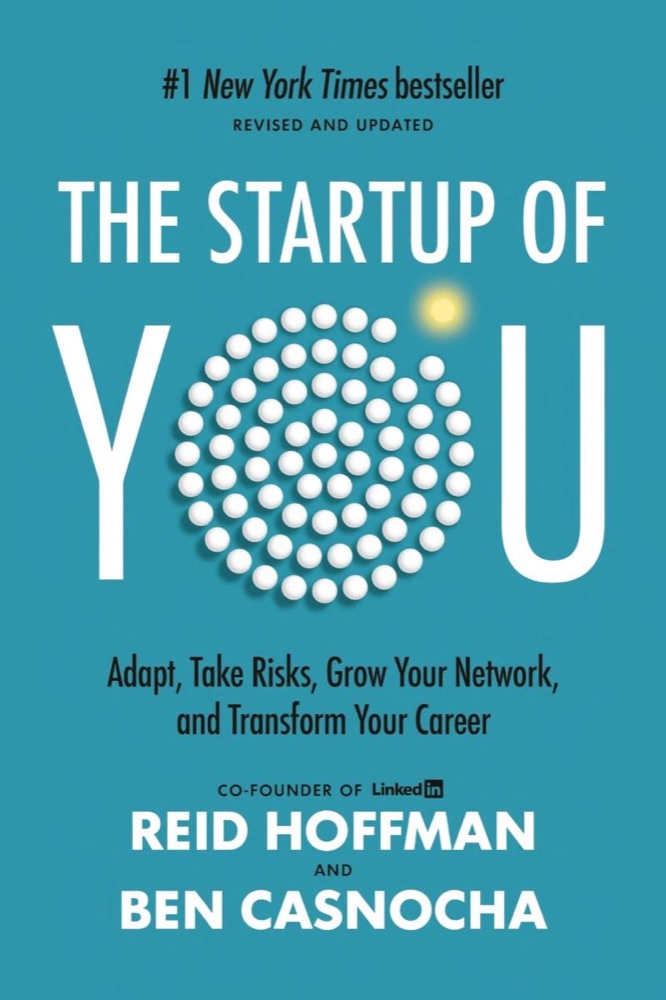 The Startup of You: Adapt to the Future, Invest in Yourself, and Transform Your Career
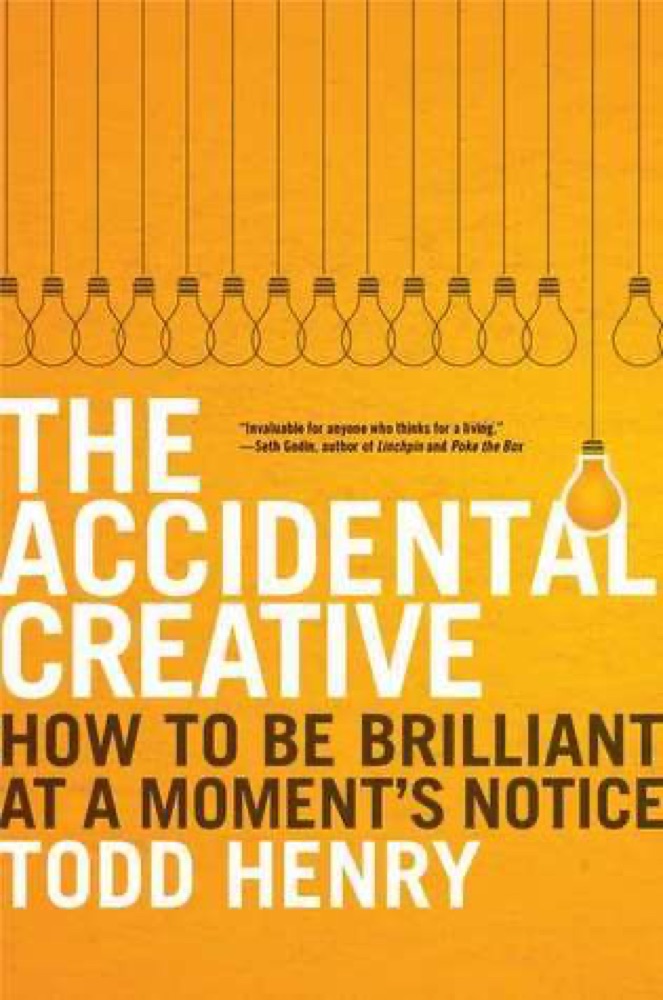 The Accidental Creative: How to Be Brilliant at a Moment's Notice
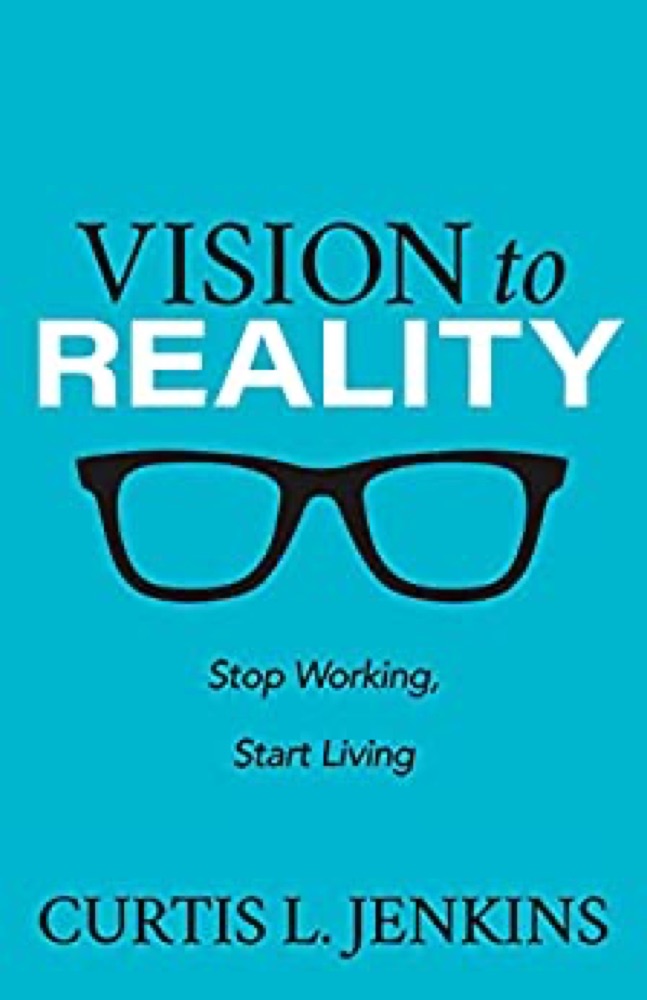 Vision to Reality: Stop Working, Start Living
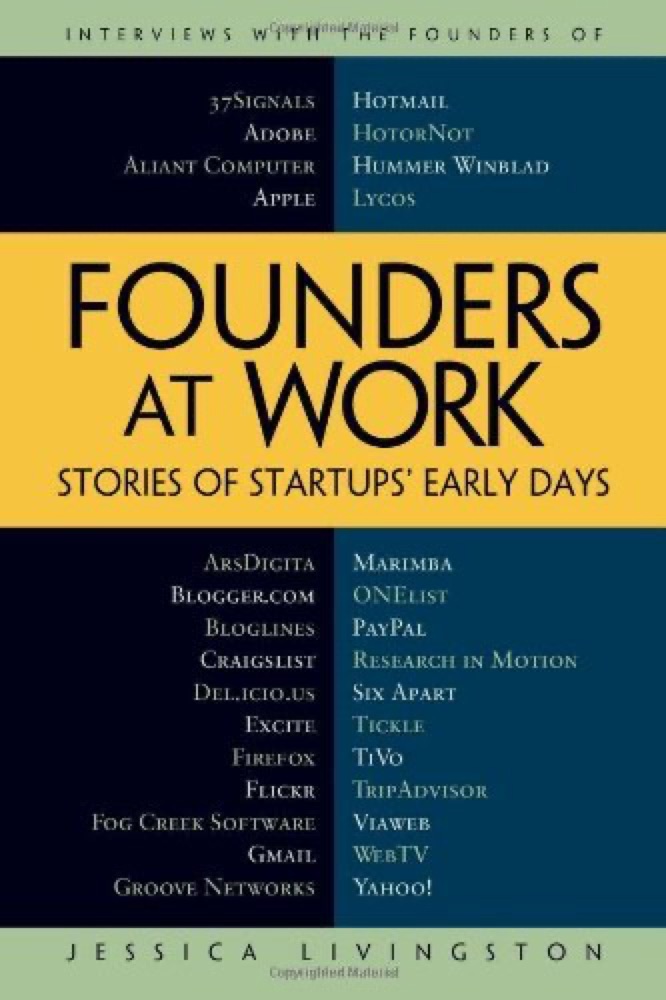 Founders at Work: Stories of Startups' Early Days
 Do Over: Rescue Monday, Reinvent Your Work, and Never Get Stuck
 Smarter Faster Better: The Secrets of Being Productive in Life and Business
 Smartcuts: How Hackers, Innovators, and Icons Accelerate Success
 Tools of Titans: The Tactics, Routines, and Habits of Billionaires, Icons, and World-Class Performers
 Delivering Happiness: A Path to Profits, Passion, and Purpose
 The Last Lecture
 The Success Principles: How to Get from Where You Are to Where You Want to Be
 It Worked for Me: In Life and Leadership
 The Art of Thinking Clearly
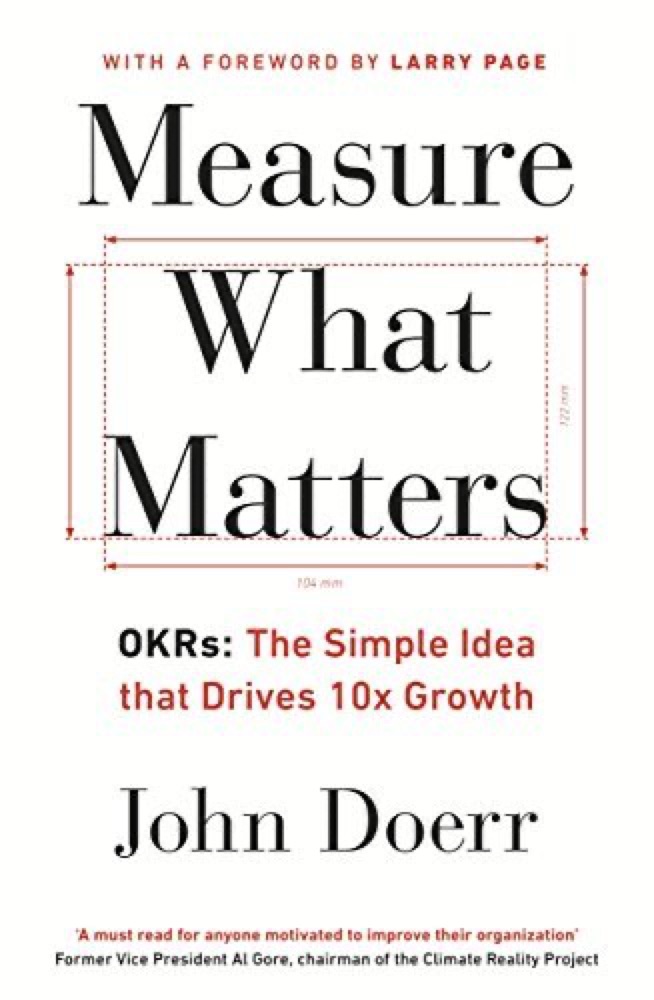 Measure What Matters
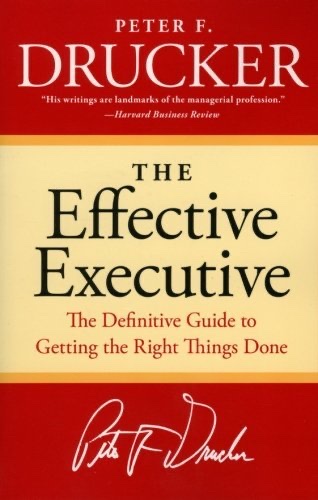 The Effective Executive: The Definitive Guide to Getting the Right Things Done
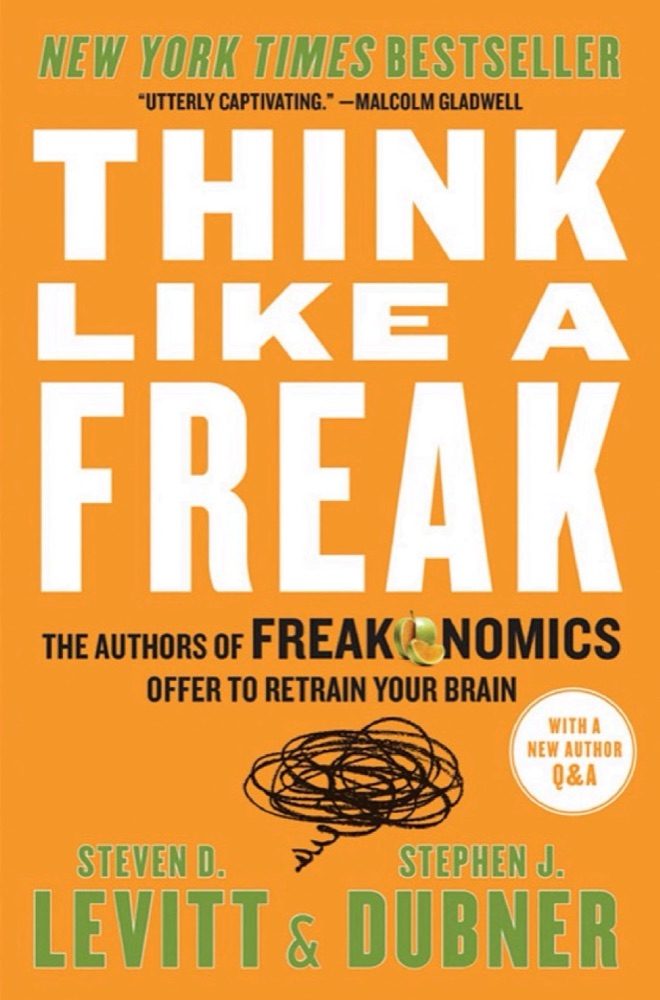 Think Like a Freak
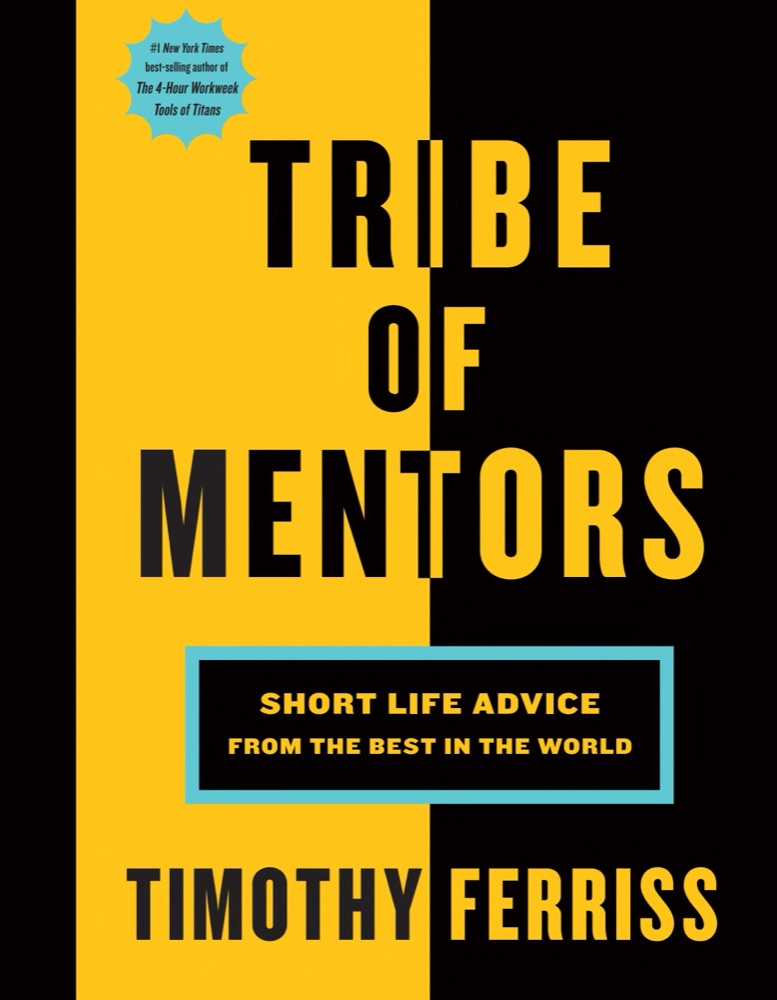 Tribe Of Mentors: Transformative Wisdom From Icons and Innovators to Help You Navigate Life's Challenges
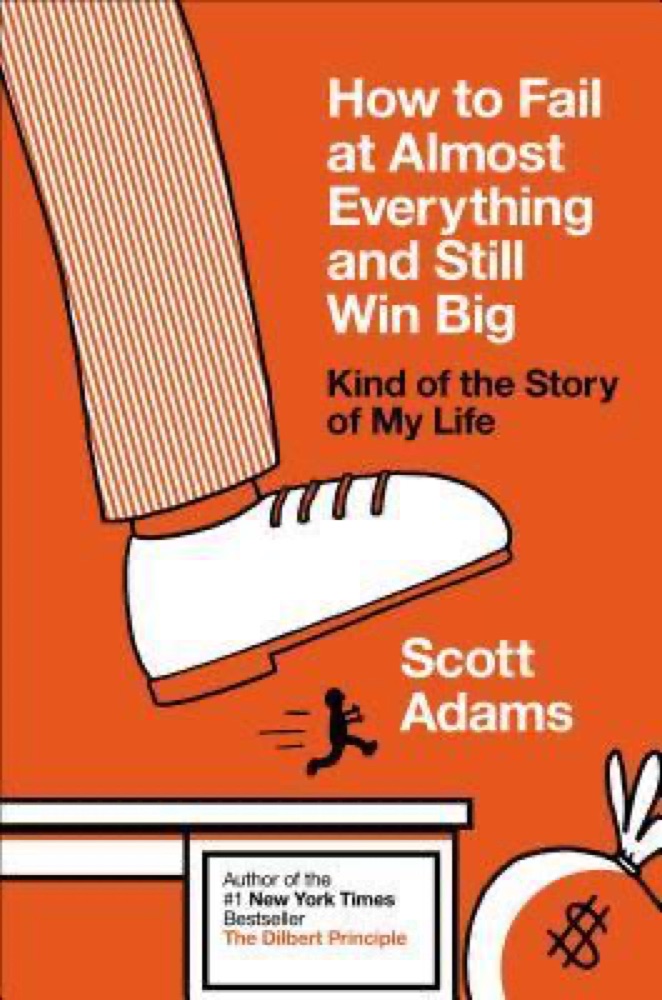 How to Fail at Almost Everything and Still Win Big: Kind of the Story of My Life
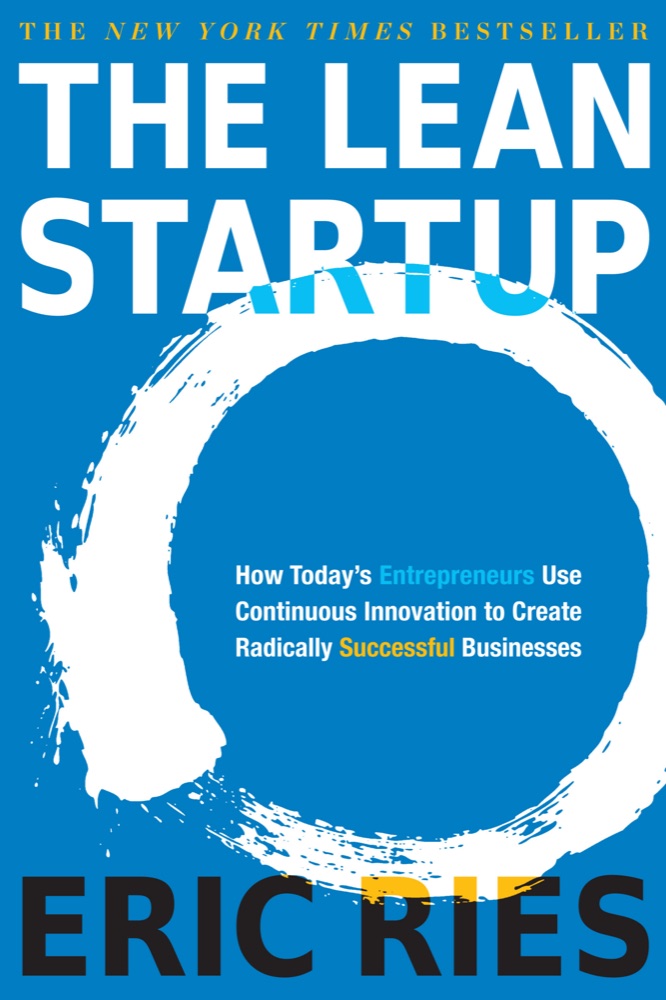 The Lean Startup
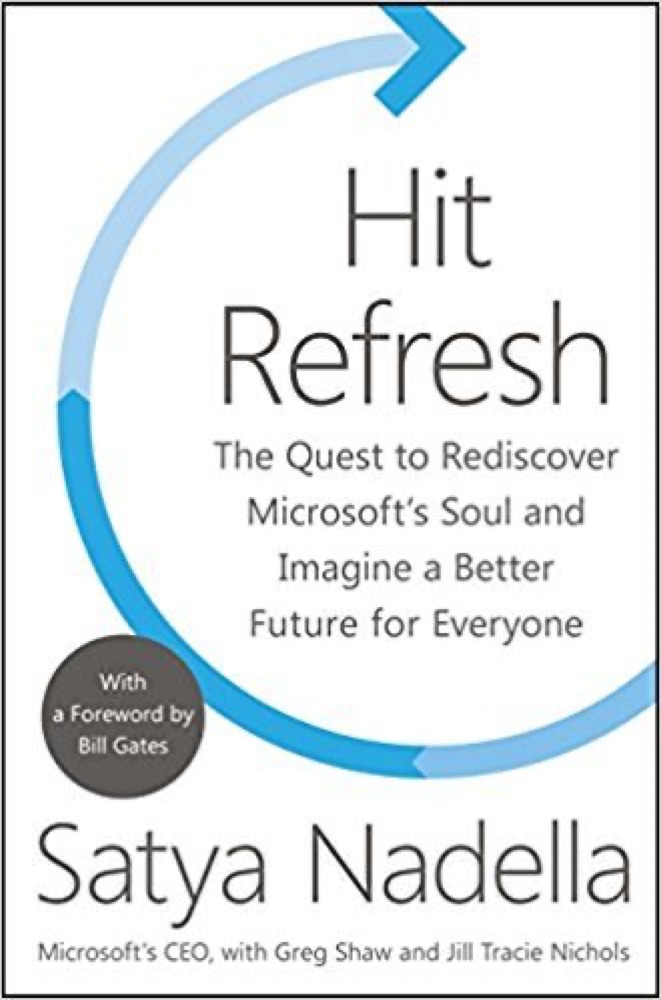 Hit Refresh: The Quest to Rediscover Microsoft's Soul and Imagine a Better Future for Everyone
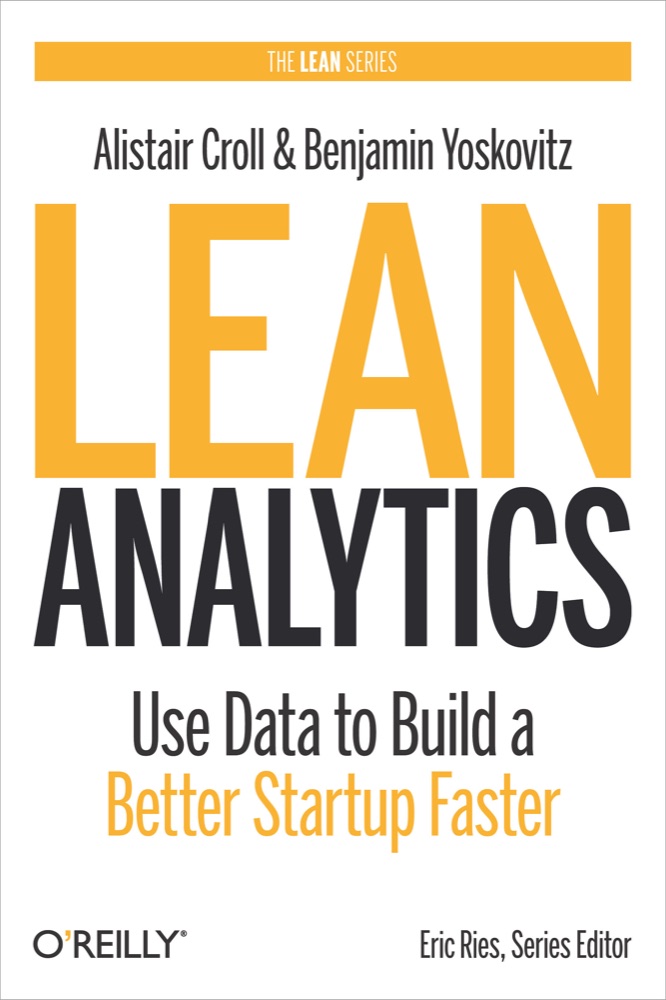 Lean Analytics: Use Data to Build a Better Startup Faster
 Built to Last: Successful Habits of Visionary Companies
 Start with Why: How Great Leaders Inspire Everyone to Take Action
 How Will You Measure Your Life?
 The Score Takes Care of Itself: My Philosophy of Leadership
 Excellent Advice for Living: Wisdom I Wish I'd Known Earlier
 Be Useful: Seven Tools for Life
 Invent and Wander: The Collected Writings of Jeff Bezos
 Ready for Anything: 52 Productivity Principles for Getting Things Done
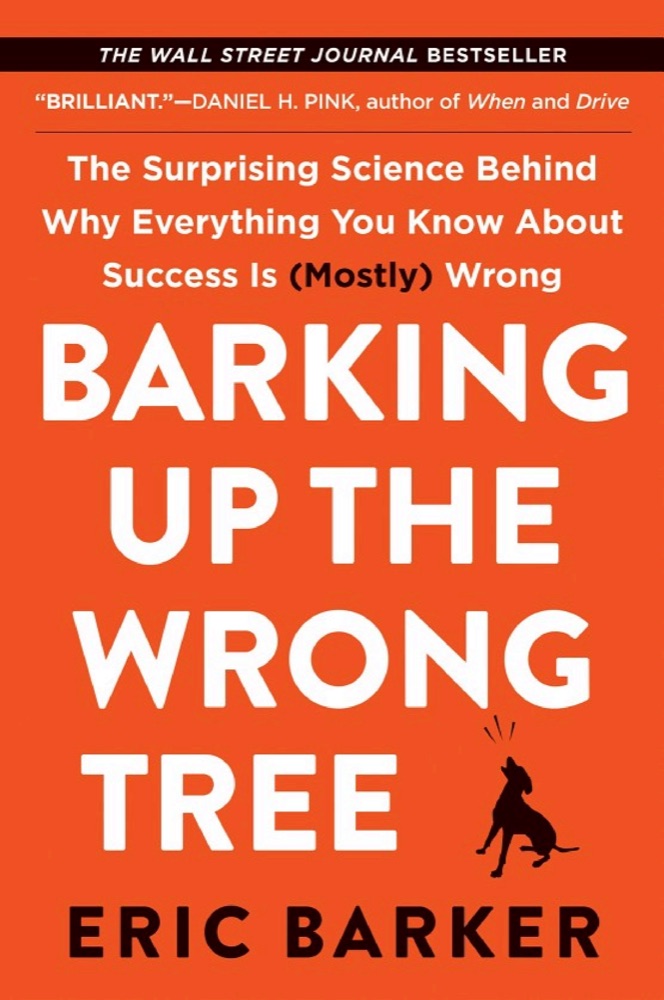 Barking Up the Wrong Tree: The Surprising Science Behind Why Everything You Know About Success Is (Mostly) Wrong
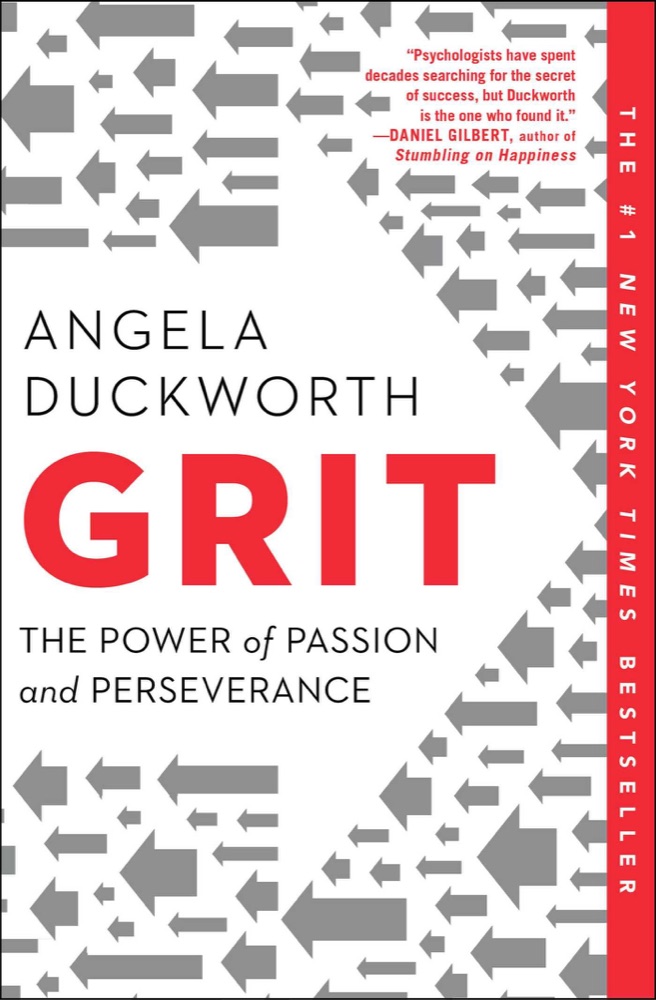 Grit: The Power of Passion and Perseverance
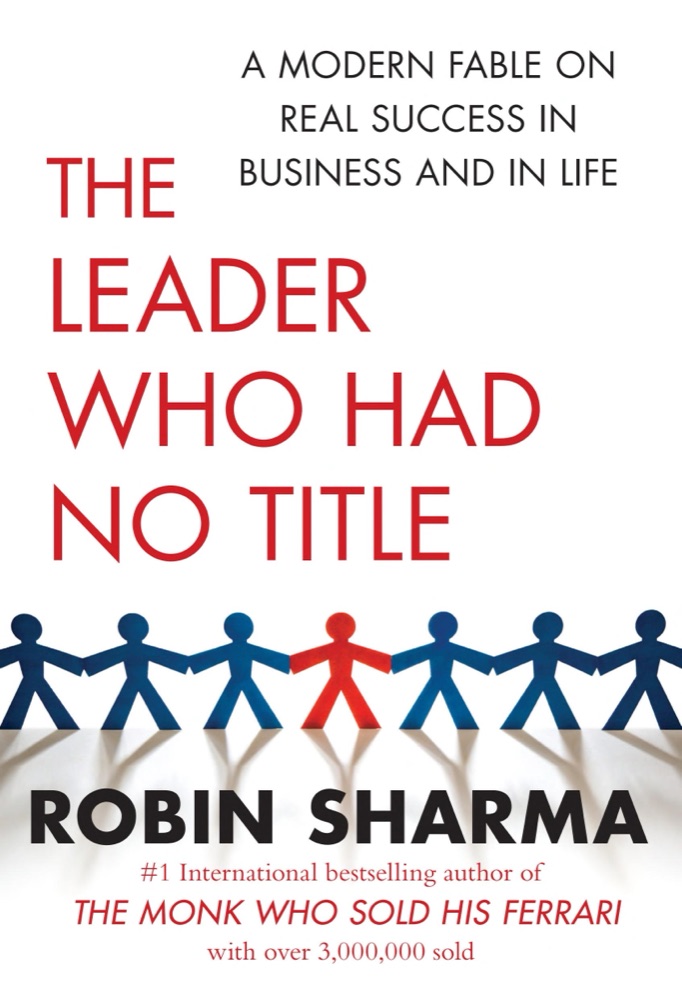 The Leader Who Had No Title: A Modern Fable on Real Success in Business and in Life
 Hackers & Painters: Big Ideas from the Computer Age
 QBQ! The Question Behind the Question: Practicing Personal Accountability in Work and in Life
 Necessary Endings: The Employees, Businesses, and Relationships That All of Us Have to Give Up in Order to Move Forward
 I, Steve: Steve Jobs In His Own Words
 Do Epic Shit
 The 80/20 Principle: The Secret to Achieving More with Less
 Originals: How Non-Conformists Move the World
 How To Get Rich