
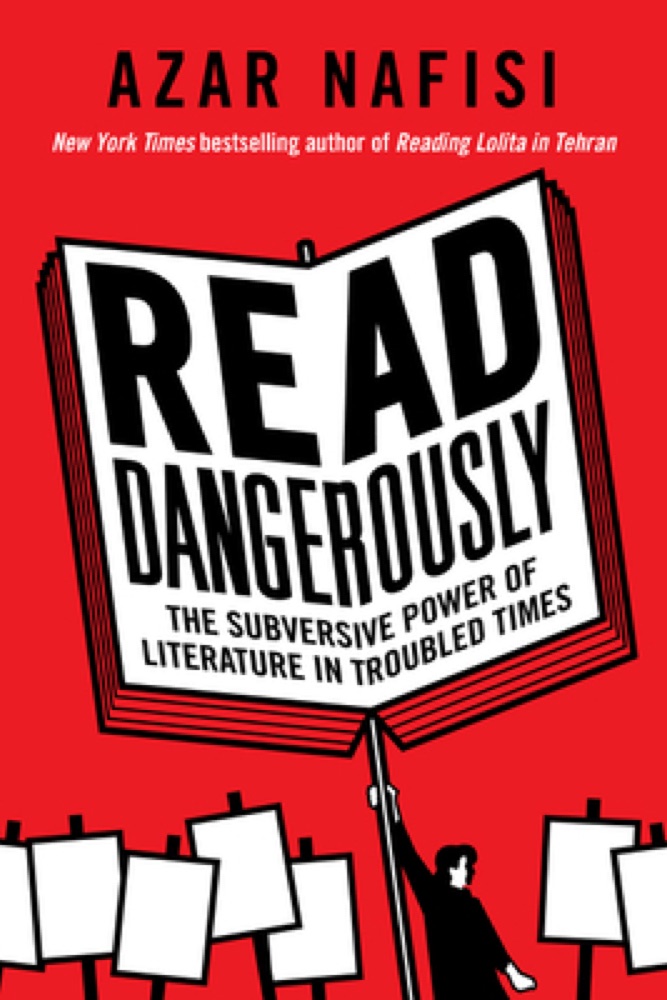
 Read Dangerously: The Subversive Power of Literature in Troubled Times
Quotes from the Book
You get a strange feeling when you're about to leave a place, I told him, like you'll not only miss the people you love but you'll miss the person you are now at this time and this place, because you'll never be this way ever again.
Do not, under any circumstances, belittle a work of fiction by trying to turn it into a carbon copy of real life; what we search for in fiction is not so much reality but the epiphany of truth.
You don't read Gatsby, I said, to learn whether adultery is good or bad but to learn about how complicated issues such as adultery and fidelity and marriage are. A great novel heightens your senses and sensitivity to the complexities of life and of individuals, and prevents you from the self-righteousness that sees morality in fixed formulas about good and evil.
Memories have ways of becoming independent of the reality they evoke. They can soften us against those we were deeply hurt by or they can make us resent those we once accepted and loved unconditionally.
It takes courage to die for a cause, but also to live for one.
None of us can avoid being contaminated by the world's evils; it's all a matter of what attitude you take towards them.
Empathy lies at the heart of Gatsby, like so many other great novels--the biggest sin is to be blind to others' problems and pains. Not seeing them means denying their existence.
Reality has become so intolerable, she said, so bleak, that all I can paint now are the colors of my dreams.
Living in the Islamic Republic is like having sex with someone you loathe.
Imagine you are walking down a leafy path…The sun is receding, and you are walking alone, caressed by the breezy light of the late afternoon. Then suddenly, you feel a large drop on your right arm. Is it raining? You look up. The sky is still deceptively sunny…seconds later another drop. Then, with the sun still perched in the sky, you are drenched in a shower of rain. This is how memories invade me, abruptly and unexpectedly…
Every fairy tale offers the potential to surpass present limits, so in a sense the fairy tale offers you freedoms that reality denies.
A great novel heightens your senses and sensitivity to the complexities of life and of individuals, and prevents you from the self-righteousness that sees morality in fixed formulas about good and evil.
I told them this novel was an American classic, in many ways the quintessential American novel. There were other contenders: The Adventures of Huckleberry Finn, Moby-Dick, The Scarlet Letter. Some cite its subject matter, the American Dream, to justify this distinction. We in ancient countries have our past--we obsess over the past. They, the Americans, have a dream: they feel nostalgia about the promise of the future.
It is only through literature that one can put oneself in someone else’s shoes and understand the other’s different and contradictory sides and refrain from becoming too ruthless. Outside the sphere of literature only one aspect of individuals is revealed. But if you understand their different dimensions you cannot easily murder them. . .
Art is as useful as bread.
[A] novel is not moral in the usual sense of the word. It can be called moral when it shakes us out of our stupor and makes us confront the absolutes we believe in.
The worst crime committed by totalitarian mind-sets is that they force their citizens, including their victims, to become complicit in their crimes. Dancing with your jailer, participating in your own execution, that is an act of utmost brutality.
A good novel is one that shows the complexity of individuals, and creates enough space for all these characters to have a voice; in this way a novel is called democratic - not that it advocates democracy but that by nature it is so. Empathy lies at the heart of Gatsby, like so many other great novels - the biggest sin is to be blind to others' problems and pains. Not seeing them means denying their existence.
I am suddenly left alone again on the sunny path, with a memory of the rain.
With fear come the lies and the justifications that, no matter how convincing, lower our self-esteem.
The novels were an escape from reality in the sense that we could marvel at their beauty and perfection. Curiously, the novels we escaped into led us finally to question and prod our own realities, about which we felt so helplessly speechless.
Once evil is individualized, becoming part of everyday life, the way of resisting it also becomes individual. How does the soul survive? is the essential question. And the response is: through love and imagination.
I eat my heart out alone.
A novel is not an allegory, I said as the period was about to come to an end. It is the sensual experience of another world. If you don't enter that world, hold your breath with the characters and become involved in their destiny, you won't be able to empathize, and empathy is at the heart of the novel. This is how you read a novel: you inhale the experience. So start breathing.
We in ancient countries have our past—we obsess over the past. They, the Americans, have a dream: they feel nostalgia about the promise of the future.
those who judge must take all aspects of an individual's personality into account.
She resented the fact that her veil, which to her was a symbol of scared relationship to god, had now become an instrument of power, turning the women who wore them into political signs and symbols.
In all great works of fiction, regardless of the grim reality they present, there is an affirmation of life against the transience of that life, an essential defiance. This affirmation lies in the way the author takes control of reality by retelling it in his own way, thus creating a new world. Every great work of art, I would declare pompously, is a celebration, an act of insubordination against the betrayals, horrors and infidelities of life. The perfection and beauty of form rebels against the ugliness and shabbiness of the subject matter.
If I turned towards books, it was because they were the only sanctuary I knew, one I needed in order to survive, to protect some aspect of myself that was now in constant retreat.
Watch on YouTube
About Azar Nafisi
We have collected 84 quotes from 3 books by Azar Nafisi on BookQuoters.
More about the author →More by Azar Nafisi
Read Dangerously: The Subversive Power of Literature in Troubled Times
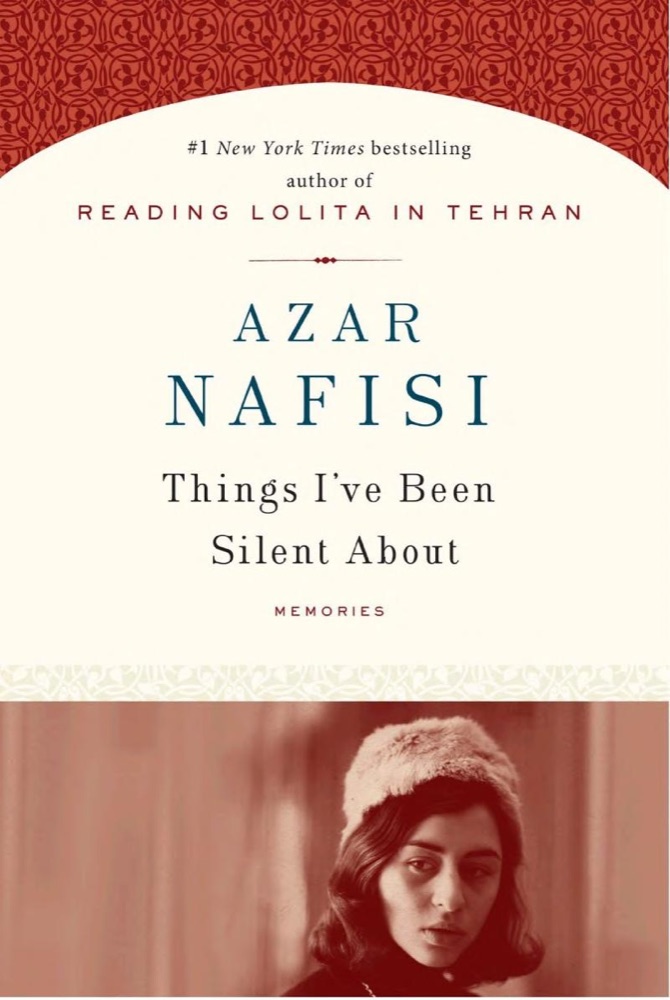 Things I've Been Silent About
Book details
- Author
- Azar Nafisi
- Genre
- History
- Goodreads rating
- 3.67 (143k ratings) →
Keep reading
 An Unnecessary Woman
 The Story of the Lost Child
Things I've Been Silent About
The Story of the Lost Child
Things I've Been Silent About
 The Tsar of Love and Techno
 How to Be Alone
 The Fall of Babel
 A Tale of Love and Darkness
 The Golden Notebook
 My Friends
 Ilustrado
 In Search of Lost Time
 Flights
 The Angel's Game
 Two Years Eight Months and Twenty-Eight Nights
 The Fall
 The Secret History
 Trust
Trust
 The Shadow of the Wind
 Knife: Meditations After an Attempted Murder
 The Summer Without Men
 Nothing to Be Frightened Of
 The Source of Self-Regard: Selected Essays, Speeches, and Meditations
 Embers
 The Book of Laughter and Forgetting
 The Common Reader
 Parade
 The Ground Beneath Her Feet
 Underground: The Tokyo Gas Attack and the Japanese Psyche
 The Swan Thieves
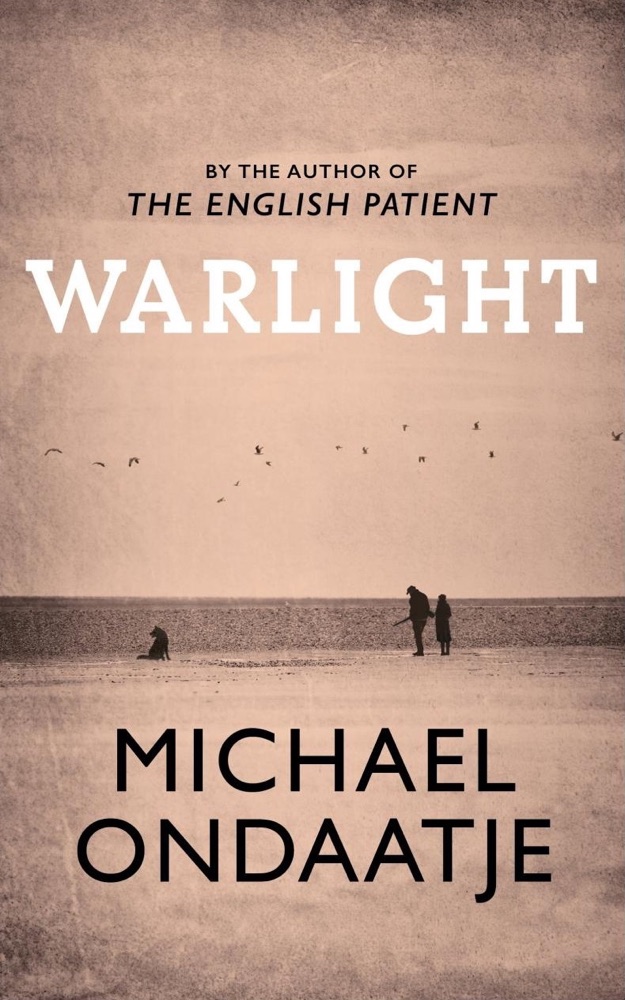 Warlight
 Selected Stories of Anton Chekhov
 The Three-Cornered World
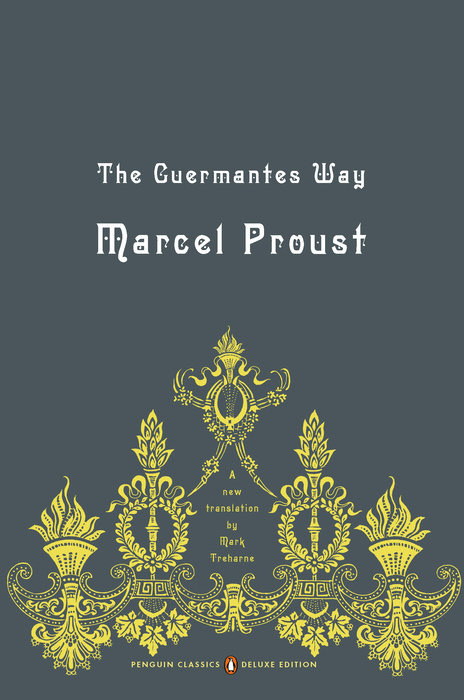 The Guermantes Way
 A Luminous Republic
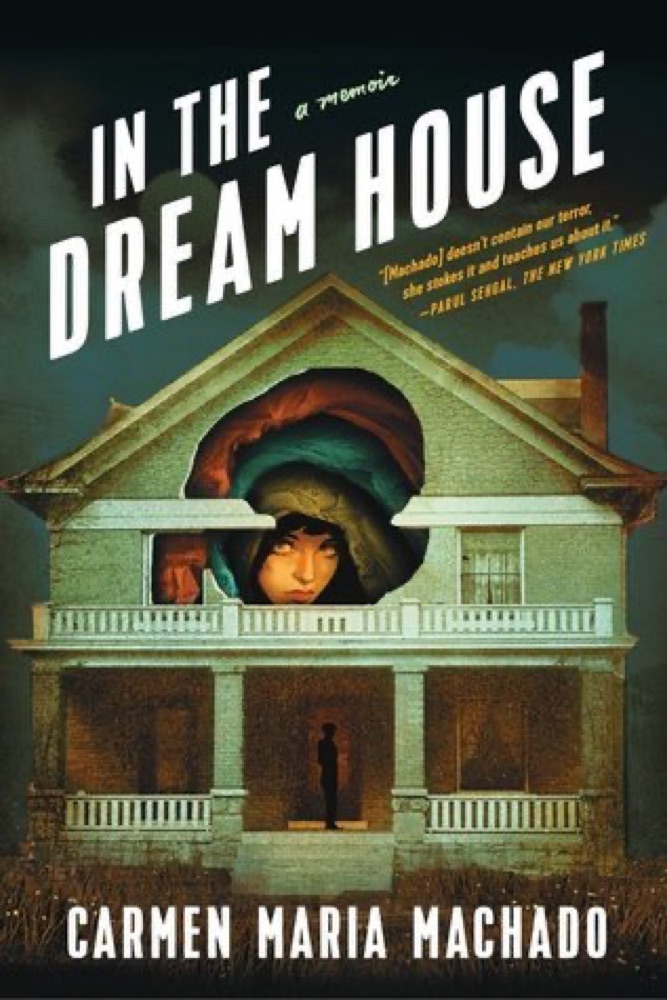 In the Dream House
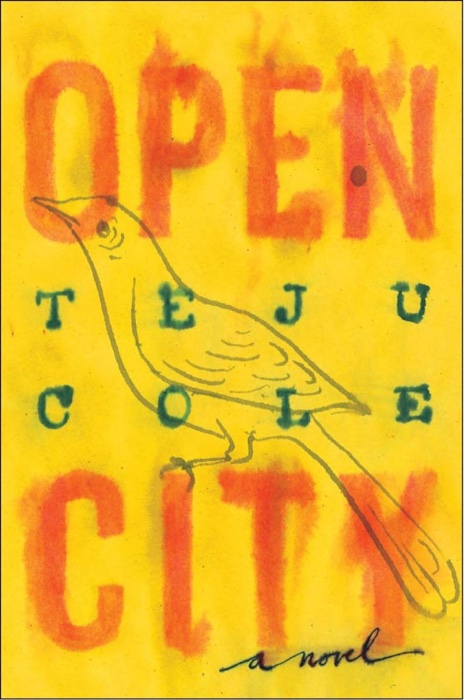 Open City
 Only Dull People Are Brilliant at Breakfast
 In the Heart of the Heart of the Country and Other Stories
 Doctor Zhivago
 The Thirteenth Tale
 Dream Count
 The Unicorn
 The Blind Assassin
 The Book of My Lives
 When Women Were Dragons
 The Faraway Nearby
 How Proust Can Change Your Life
 Selected Stories
 Mao II
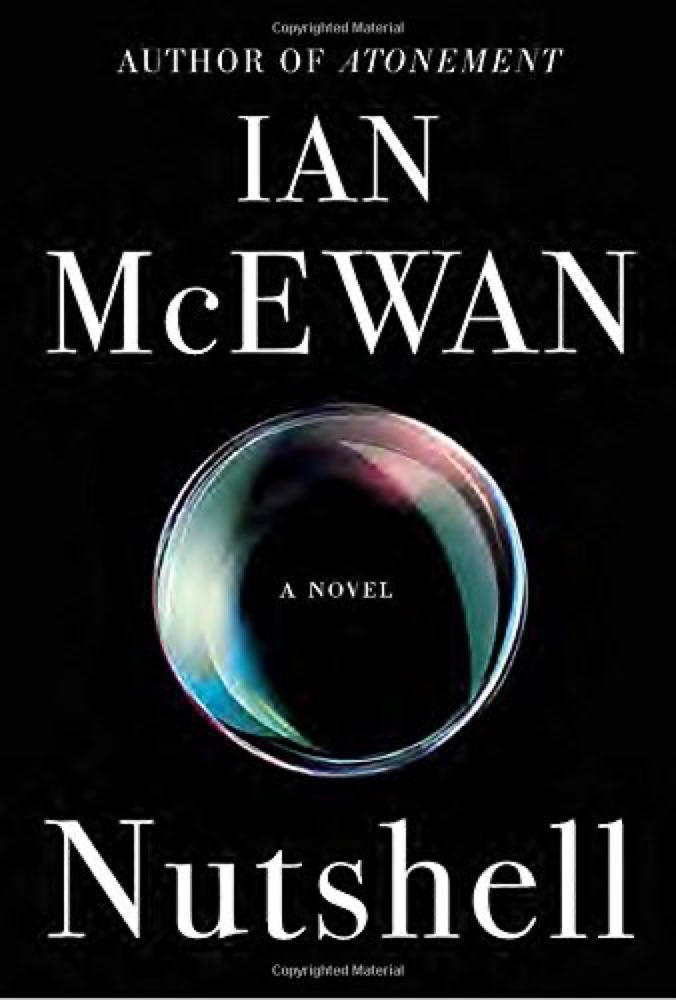 Nutshell
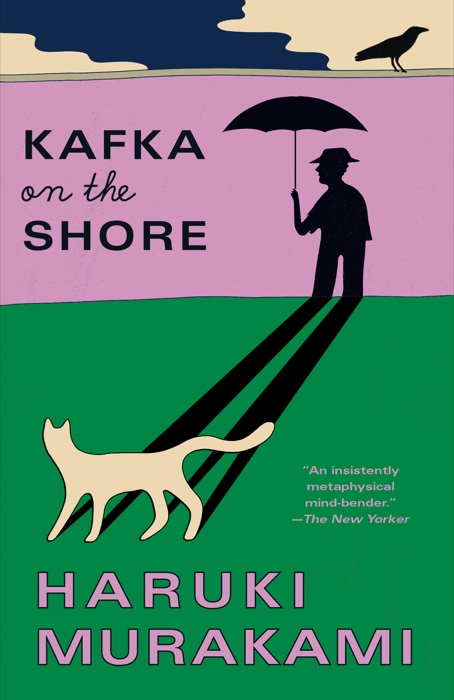 Kafka on the Shore
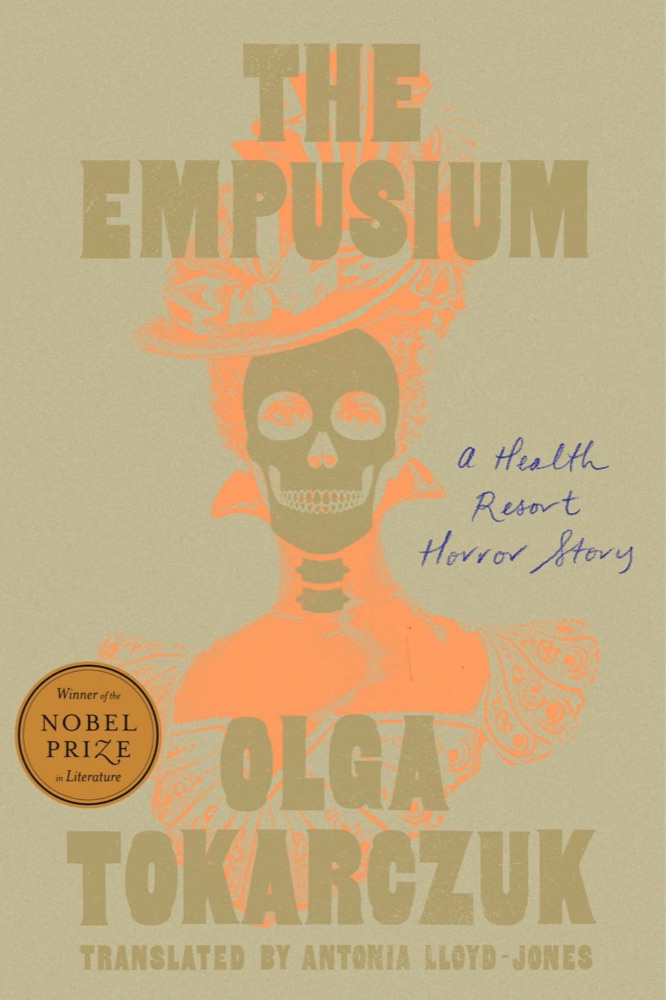 The Empusium
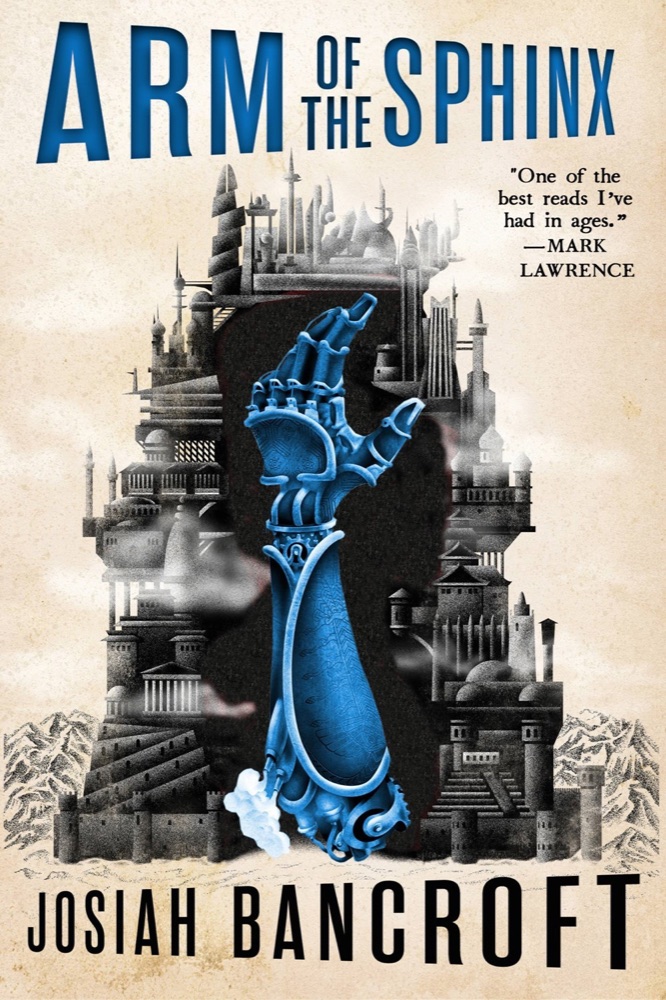 Arm of the Sphinx
 The Picture of Dorian Gray
 The Marriage Plot
 The Kite Runner
 Orlando
 The Eighth Life
 Aspects of the Novel
 Asymmetry