
 Slow Productivity: The Lost Art of Accomplishment Without Burnout
Quotes from the Book
If you don’t produce, you won’t thrive—no matter how skilled or talented you are.
190
Clarity about what matters provides clarity about what does not.
165
Who you are, what you think, feel, and do, what you love—is the sum of what you focus on.
148
what we choose to focus on and what we choose to ignore—plays in defining the quality of our life.
106
Two Core Abilities for Thriving in the New Economy 1. The ability to quickly master hard things. 2. The ability to produce at an elite level, in terms of both quality and speed.
89
As the author Tim Ferriss once wrote: “Develop the habit of letting small bad things happen. If you don’t, you’ll never find time for the life-changing big things.
77
Ironically, jobs are actually easier to enjoy than free time, because like flow activities they have built-in goals, feedback rules, and challenges, all of which encourage one to become involved in one’s work, to concentrate and lose oneself in it. Free time, on the other hand, is unstructured, and requires much greater effort to be shaped into something that can be enjoyed.
68
If you can’t learn, you can’t thrive.
66
if you keep interrupting your evening to check and respond to e-mail, or put aside a few hours after dinner to catch up on an approaching deadline, you’re robbing your directed attention centers of the uninterrupted rest they need for restoration. Even if these work dashes consume only a small amount of time, they prevent you from reaching the levels of deeper relaxation in which attention restoration can occur. Only the confidence that you’re done with work until the next day can convince your brain to downshift to the level where it can begin to recharge for the next day to follow. Put another way, trying to squeeze a little more work out of your evenings might reduce your effectiveness the next day enough that you end up getting less done than if you had instead respected a shutdown.
63
To simply wait and be bored has become a novel experience in modern life, but from the perspective of concentration training, it’s incredibly valuable.
59
Efforts to deepen your focus will struggle if you don’t simultaneously wean your mind from a dependence on distraction.
44
Human beings, it seems, are at their best when immersed deeply in something challenging. There
39
Once your brain has become accustomed to on-demand distraction, Nass discovered, it’s hard to shake the addiction even when you want to concentrate. To put this more concretely: If every moment of potential boredom in your life—say, having to wait five minutes in line or sit alone in a restaurant until a friend arrives—is relieved with a quick glance at your smartphone, then your brain has likely been rewired to a point where, like the “mental wrecks” in Nass’s research, it’s not ready for deep work—even if you regularly schedule time to practice this concentration.
37
In this new economy, three groups will have a particular advantage: those who can work well and creatively with intelligent machines, those who are the best at what they do, and those with access to capital.
36
We tend to place a lot of emphasis on our circumstances, assuming that what happens to us (or fails to happen) determines how we feel. From this perspective, the small-scale details of how you spend your day aren’t that important, because what matters are the large-scale outcomes, such as whether or not you get a promotion or move to that nicer apartment. According to Gallagher, decades of research contradict this understanding. Our brains instead construct our worldview based on what we pay attention to.
34
If you service low-impact activities, therefore, you're taking away time you could be spending on higher-impact activities. It's a zero-sum game.
34
The Deep Work Hypothesis: The ability to perform deep work is becoming increasingly rare at exactly the same time it is becoming increasingly valuable in our economy. As a consequence, the few who cultivate this skill, and then make it the core of their working life, will thrive.
32
The task of a craftsman, they conclude, “is not to generate meaning, but rather to cultivate in himself the skill of discerning the meanings that are already there.
31
Another key commitment for succeeding with this strategy is to support your commitment to shutting down with a strict shutdown ritual that you use at the end of the workday to maximize the probability that you succeed. In more detail, this ritual should ensure that every incomplete task, goal, or project has been reviewed and that for each you have confirmed that either (1) you have a plan you trust for its completion, or (2) it’s captured in a place where it will be revisited when the time is right. The process should be an algorithm: a series of steps you always conduct, one after another. When you’re done, have a set phrase you say that indicates completion (to end my own ritual, I say, “Shutdown complete”). This final step sounds cheesy, but it provides a simple cue to your mind that it’s safe to release work-related thoughts for the rest of the day.
31
(As Nietzsche said: “It is only ideas gained from walking that have any worth.”)
31
Your will, in other words, is not a manifestation of your character that you can deploy without limit; it’s instead like a muscle that tires.
28
To produce at your peak level you need to work for extended periods with full concentration on a single task free from distraction. Put another way, the type of work that optimizes your performance is deep work.
27
Ericsson notes that for a novice, somewhere around an hour a day of intense concentration seems to be a limit, while for experts this number can expand to as many as four hours—but rarely more.
23
Your goal is not to stick to a given schedule at all costs; it’s instead to maintain, at all times, a thoughtful say in what you’re doing with your time going forward—even
21
To remain valuable in our economy, therefore, you must master the art of quickly learning complicated things. This task requires deep work. If you don’t cultivate this ability, you’re likely to fall behind as technology advances. The
21
If you want to win the war for attention, don’t try to say ‘no’ to the trivial distractions you find on the information smorgasbord; try to say ‘yes’ to the subject that arouses a terrifying longing, and let the terrifying longing crowd out everything else.” For
19
This, ultimately, is the lesson to come away with from our brief foray into the world of experimental psychology: To build your working life around the experience of flow produced by deep work is a proven path to deep satisfaction.
19
A side effect of memory training, in other words, is an improvement in your general ability to concentrate. This ability can then be fruitfully applied to any task demanding deep work.
19
Did you know?
- The book organizes its advice around four rules: Work Deeply, Embrace Boredom, Quit Social Media, and Drain the Shallows.
- Cal Newport is a computer science professor at Georgetown University in addition to being an author.
- Newport defines "deep work" as professional activities performed in a state of distraction-free concentration that push cognitive capabilities to their limit.
- The book contrasts "deep work" with "shallow work," meaning non-cognitively demanding, logistical-style tasks often performed while distracted.
- Deep Work was published by Grand Central Publishing on January 5, 2016.
About Cal Newport
Cal Newport is an American author and a professor of computer science at Georgetown University. He writes about the intersection of technology, productivity, and culture, and is the author of several bestselling books including Deep Work and Digital Minimalism.
More about the author →More by Cal Newport
Slow Productivity: The Lost Art of Accomplishment Without Burnout
 A World Without Email: Reimagining Work in an Age of Communication Overload
 How to Become a Straight-A Student
About the book
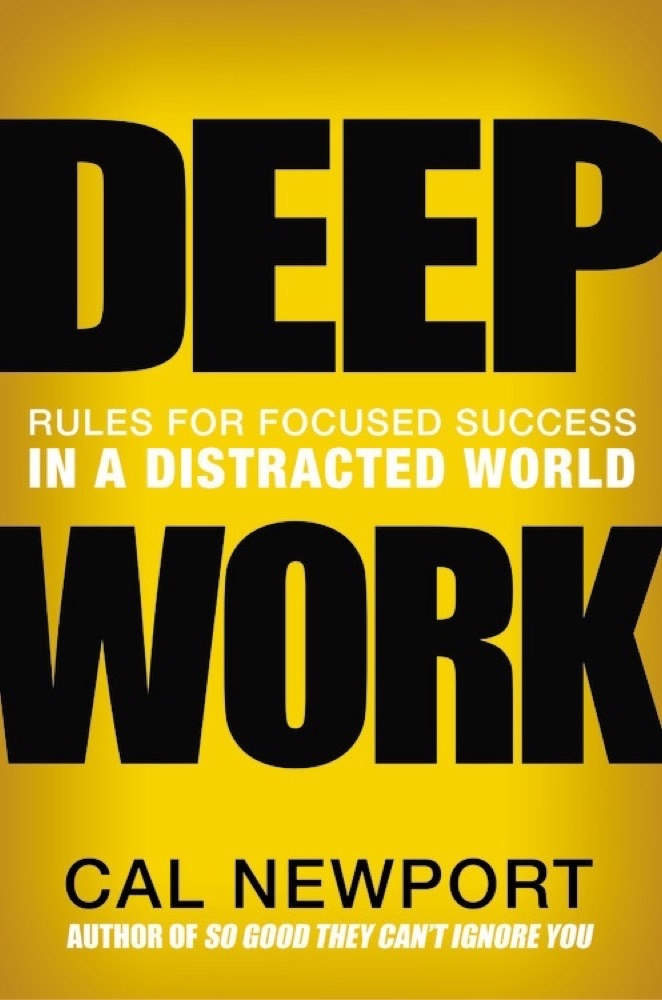
Deep Work by Cal Newport argues that the ability to focus without distraction on cognitively demanding tasks is one of the most valuable and increasingly rare skills in the modern economy. Newport defines "deep work" as professional activity performed in a state of distraction-free concentration that pushes cognitive capabilities to their limit, contrasting it with "shallow work"—the logistical, often interruptible tasks that fill much of the typical workday. The book is structured in two parts: the first makes the case that deep work is valuable, rare, and meaningful, while the second offers a set of practical rules for cultivating it.
Across its four rules—Work Deeply, Embrace Boredom, Quit Social Media, and Drain the Shallows—the book develops themes of attention, willpower, and the economics of expertise in a hyperconnected age. Newport draws on examples ranging from knowledge workers and academics to historical figures to illustrate how sustained concentration produces high-value output, and he is skeptical of the assumption that constant connectivity and social media are necessary for professional success.
Published in 2016, Deep Work became a bestseller and a touchstone in conversations about productivity, focus, and digital distraction. It was widely reviewed in the business and general press and helped establish Newport, a Georgetown computer science professor, as a leading voice on the costs of distraction and the value of focused effort, influencing later discussions that he continued in books such as Digital Minimalism.
Book details
- First published
- 2016
- Length
- 304 pages
- Reading time
- 7 hours
- Author
- Cal Newport
- Genre
- Nonfiction
- Goodreads rating
- 4.16 (196k ratings)
Critical reception
- The book became a bestseller and a frequently cited reference in discussions of productivity and digital distraction.
- It was reviewed in major outlets and praised for offering concrete practices rather than vague self-help clichés.
- Reviewers credited Newport with making a serious case against constant connectivity without coming across as merely anti-technology.
Keep reading
 The Accidental Creative: How to Be Brilliant at a Moment's Notice
 The Productivity Project: Accomplishing More by Managing Your Time, Attention, and Energy
 Hyperfocus: How to Be More Productive in a World of Distraction
 Free to Focus: A Total Productivity System to Achieve More by Doing Less
Slow Productivity: The Lost Art of Accomplishment Without Burnout
Free to Focus: A Total Productivity System to Achieve More by Doing Less
Slow Productivity: The Lost Art of Accomplishment Without Burnout
 Ready for Anything: 52 Productivity Principles for Getting Things Done
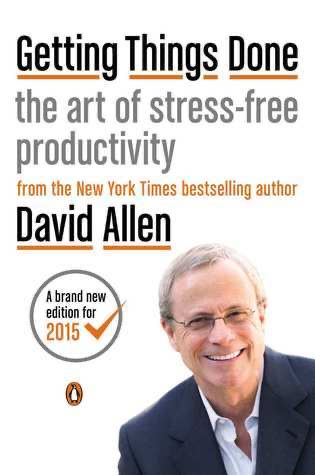 Getting Things Done: The Art of Stress-Free Productivity
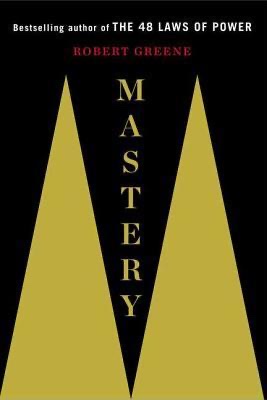 Mastery
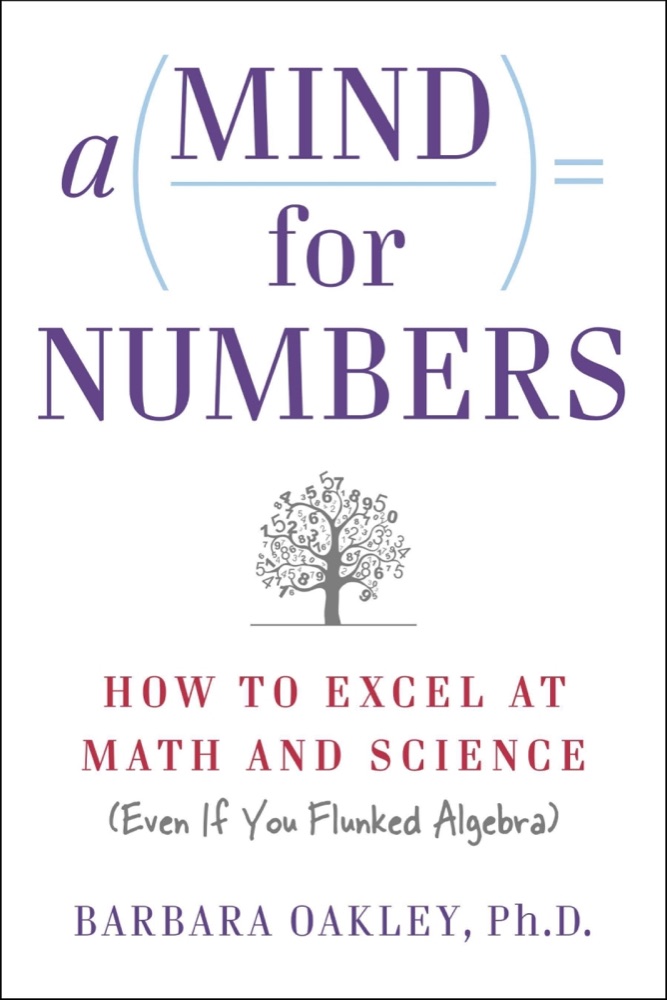 A Mind for Numbers: How to Excel at Math and Science
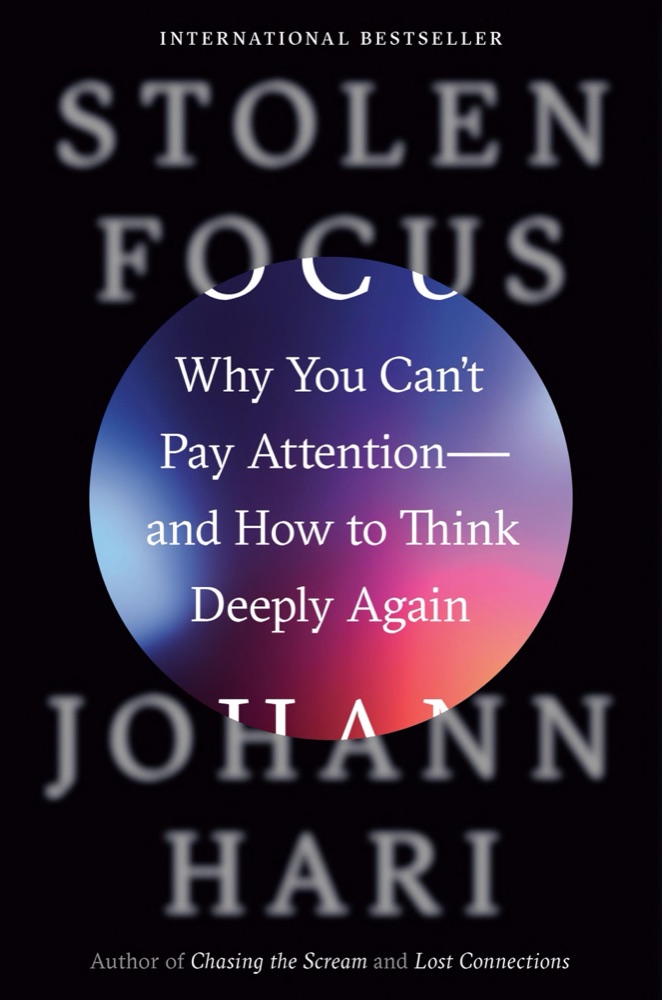 Stolen Focus: Why You Can't Pay Attention— and How to Think Deeply Again
 The Power of Focus
 Grit: The Power of Passion and Perseverance
 Drive: The Surprising Truth About What Motivates Us
 Smarter Faster Better: The Secrets of Being Productive in Life and Business
 Limitless: Upgrade Your Brain, Learn Anything Faster, and Unlock Your Exceptional Life
 The Power of Concentration
 The Art of Impossible: A Peak Performance Primer
 Eat That Frog! 21 Great Ways to Stop Procrastinating and Get More Done in Less Time
 The Practicing Mind: Bringing Discipline and Focus into Your Life
 Flow: The Psychology of Optimal Experience
 The Bullet Journal Method: Track Your Past, Order Your Present, Plan Your Future
 Make Time: How to Focus on What Matters Every Day
 Finding Flow: The Psychology of Engagement with Everyday Life
 The 4-Hour Workweek
 First Things First
 How to Fail at Almost Everything and Still Win Big: Kind of the Story of My Life
 7 Strategies for Wealth & Happiness: Power Ideas from America's Foremost Business Philosopher
 You Are a Badass at Making Money: Master the Mindset of Wealth
 The Daily Laws: 366 Meditations
 Getting There: A Book of Mentors
 High Performance Habits: How Extraordinary People Become That Way
 Principles: Life and Work
 Peak Performance: Elevate Your Game, Avoid Burnout, and Thrive with the New Science of Success
 The Organized Mind: Thinking Straight in the Age of Information Overload
 Peak: Secrets from the New Science of Expertise
 The Creative Habit: Learn It and Use It for Life
 Tribe Of Mentors: Transformative Wisdom From Icons and Innovators to Help You Navigate Life's Challenges
 Essentialism: The Disciplined Pursuit of Less
 The Inner Game of Tennis: The Classic Guide to the Mental Side of Peak Performance
 The Compound Effect: Jumpstart Your Income, Your Life, Your Success
 The 7 Habits of Highly Effective People: Personal Workbook
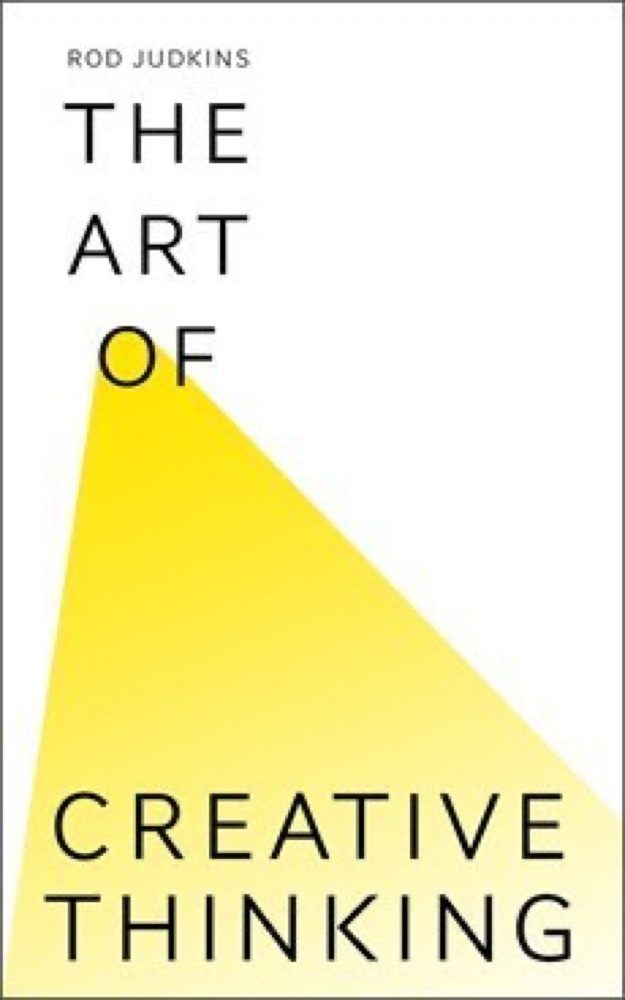 The Art of Creative Thinking
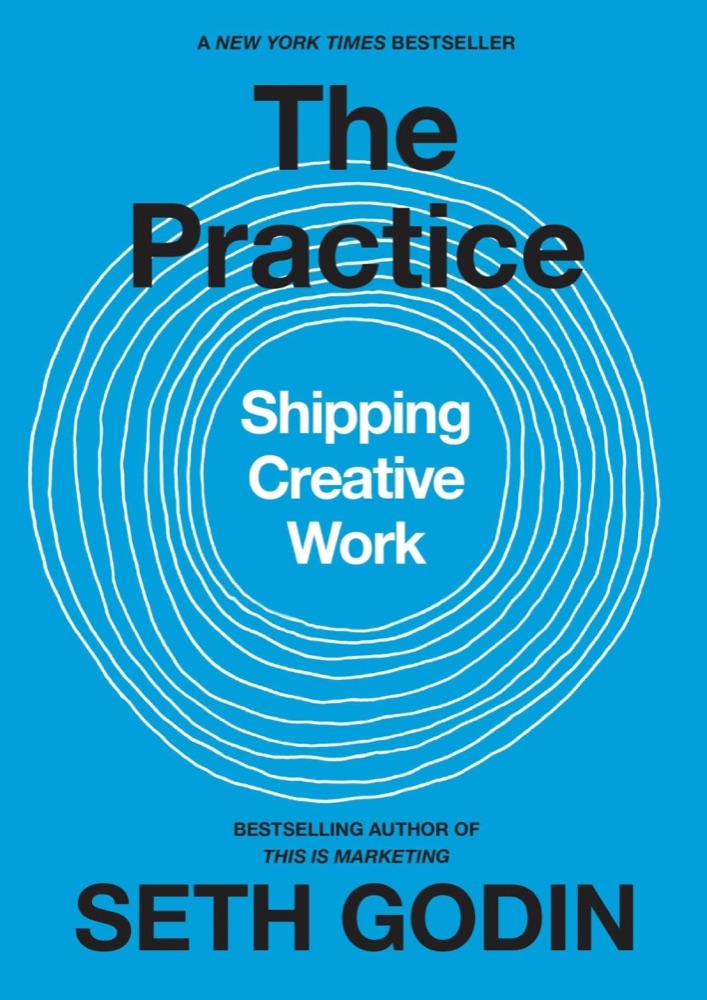 The Practice: Shipping Creative Work
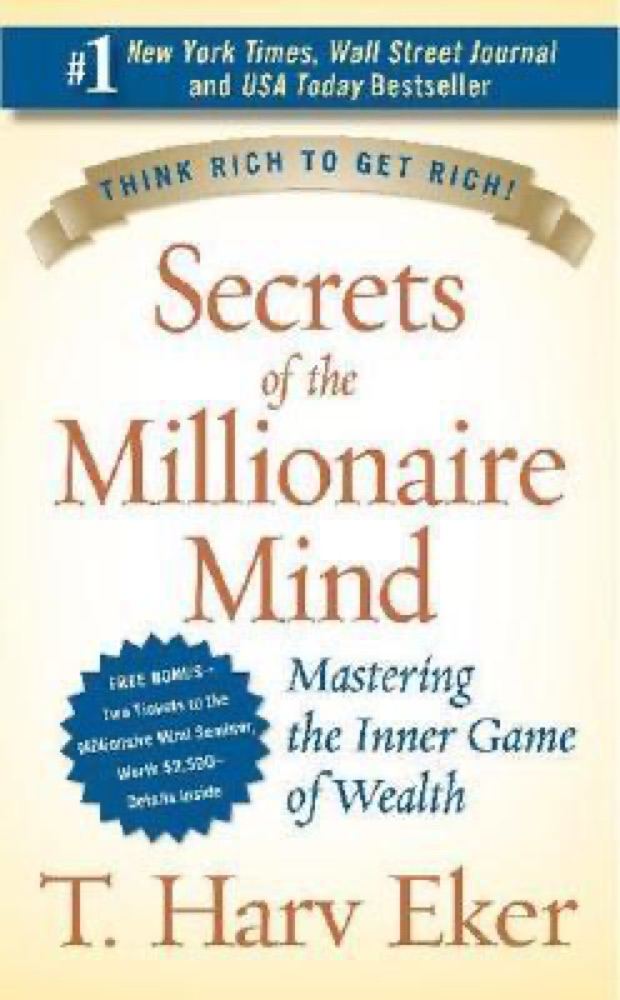 Secrets of the Millionaire Mind: Mastering the Inner Game of Wealth
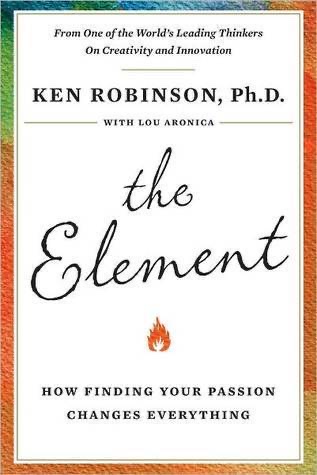 The Element: How Finding Your Passion Changes Everything
 The Happiness Advantage: The Seven Principles of Positive Psychology That Fuel Success and Performance at Work
 Tools of Titans: The Tactics, Routines, and Habits of Billionaires, Icons, and World-Class Performers
 Overwhelmed: Work, Love, and Play When No One Has the Time
 What Color Is Your Parachute? A Practical Manual for Job-Hunters and Career-Changers
 Range: Why Generalists Triumph in a Specialized World
 Shop Class as Soulcraft: An Inquiry Into the Value of Work
 The 12 Week Year
 The Algebra of Wealth: A Simple Formula for Financial Security
 Four Thousand Weeks: Time Management for Mortals
 How to ADHD: An Insider's Guide to Working with Your Brain
 Creativity: Flow and the Psychology of Discovery and Invention
 Antifragile: Things That Gain from Disorder