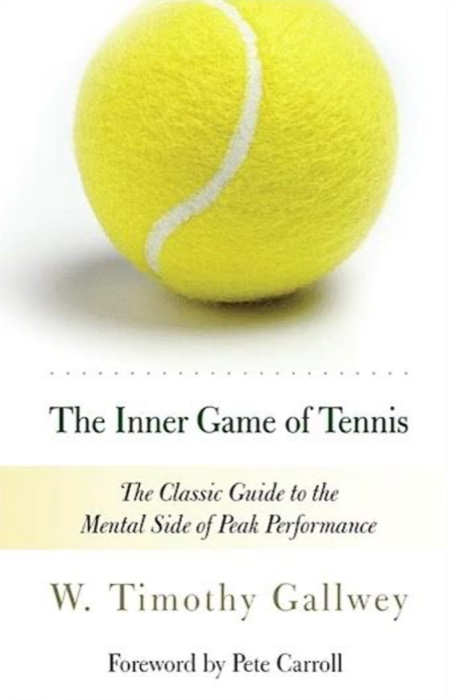
 Flow: The Psychology of Optimal Experience
Quotes from the Book
When we plant a rose seed in the earth, we notice that it is small, but we do not criticize it as "rootless and stemless." We treat it as a seed, giving it the water and nourishment required of a seed. When it first shoots up out of the earth, we don't condemn it as immature and underdeveloped; nor do we criticize the buds for not being open when they appear. We stand in wonder at the process taking place and give the plant the care it needs at each stage of its development. The rose is a rose from the time it is a seed to the time it dies. Within it, at all times, it contains its whole potential. It seems to be constantly in the process of change; yet at each state, at each moment, it is perfectly all right as it is.
It is said that in breathing man recapitulates the rhythm of the universe. When the mind is fastened to the rhythm of breathing, it tends to become absorbed and calm. Whether on or off the court, I know of no better way to begin to deal with anxiety than to place the mind on one’s breathing process.
When the mind is free of any thought or judgment, it is still and acts like a mirror. Then and only then can we know things as they are.
The player of the inner game comes to value the art of relaxed concentration above all other skills; he discovers a true basis for self-confidence; and he learns that the secret to winning any game lies in not trying too hard.
Once one recognizes the value of having difficult obstacles to overcome, it is a simple matter to see the true benefit that can be gained from competitive sports. In tennis who is it that provides a person with the obstacles he needs in order to experience his highest limits? His opponent, of course! Then is your opponent a friend or an enemy? He is a friend to the extent that he does his best to make things difficult for you. Only by playing the role of your enemy does he become your true friend. Only by competing with you does he in fact cooperate! No one wants to stand around on the court waiting for the big wave. In this use of competition it is the duty of your opponent to create the greatest possible difficulties for you, just as it is yours to try to create obstacles for him. Only by doing this do you give each other the opportunity to find out to what heights each can rise.
The ability to focus the mind is the ability to not let it run away with you. It does not mean not to think—but to be the one who directs your own thinking.
But who said that I am to be measured by how well I do things? In fact, who said that I should be measured at all? Who indeed? What is required to disengage oneself from this trap is a clear knowledge that the value of a human being cannot be measured by performance—or by any other arbitrary measurement.
A very wise person once told me, “When it comes to overcoming obstacles, there are three kinds of people. The first kind sees most obstacles as insurmountable and walks away. The second kind sees an obstacle and says, I can overcome it, and starts to dig under, climb over, or blast through it. The third type of person, before deciding to overcome the obstacle, tries to find a viewpoint where what is on the other side of the obstacle can be seen. Then, only if the reward is worth the effort, does he attempt to overcome the obstacle.
Not assuming you already know is a powerful principle of focus. One
Fortunately, most children learn to walk before they can be told how to by their parents.
Letting it happen is not making it happen. It is not trying hard.
Winning is overcoming obstacles to reach a goal, but the value in winning is only as great as the value of the goal reached. Reaching the goal itself may not be as valuable as the experience that can come in making a supreme effort to overcome the obstacles involved. The process can be more rewarding than the victory itself.
The development of inner skills is required, but it is interesting to note that if, while learning tennis, you begin to learn how to focus your attention and how to trust in yourself, you have learned something far more valuable than how to hit a forceful backhand. The backhand can be used to advantage only on a tennis court, but the skill of mastering the art of effortless concentration is invaluable in whatever you set your mind to.
But of course the instant I try to make myself relax, true relaxation vanishes, and in its place is a strange phenomenon called “trying to relax.” Relaxation happens only when allowed, not as a result of “trying” or “making.
For the teacher or coach, the question has to be how to give instructions in such a way as to help the natural learning process of the student and not interfere with it.
Negative judgment of the results of one’s efforts tends to make one try even harder; positive evaluation tends to make one try to force oneself into the same pattern on the next shot. Both positive and negative thinking inhibit spontaneity. THE
Fighting the mind does not work. What works best is learning to focus it.
Focus is not achieved by staring hard at something. It is not trying to force focus, nor does it mean thinking hard about something. Natural focus occurs when the mind is interested. When this occurs, the mind is drawn irresistibly toward the object (or subject) of interest. It is effortless and relaxed, not tense and overly controlled.
Attention is focused consciousness, and consciousness is that power of knowing.
Anxiety is fear about what may happen in the future, and it occurs only when the mind is imagining what the future may bring. But when your attention is on the here and now, the actions which need to be done in the present have their best chance of being successfully accomplished, and as a result the future will become the best possible present. So
One caution about “the zone”: it cannot be controlled by Self 1. I have seen many articles that claim to provide a technique for “playing in the zone every time.” Forget it! This is a setup. It’s an age-old trap.
It’s difficult to have fun or to achieve concentration when your ego is engaged in what it thinks is a life-and-death struggle.
Getting the clearest possible image of your desired outcomes is a most useful method for communicating with Self 2,
Like a good gardener who knows when the soil needs alkali and when acid, the competent tennis pro should be able to help the development of your game.
When the mind is free of any thought or judgment, it is still and acts like a mirror. Then and only then can we know things as they are. AWARENESS
Between the idea / And the reality / Between the motion / And the act / Falls the Shadow.”)
The arrow is off the string but does not fly straight to the target, nor does the target stand where it is. Calculation, which is miscalculation, sets in….
Uncomfortable without a standard for right and wrong, the judgmental mind makes up standards of its own. Meanwhile, attention is taken off what is and placed on the process of trying to do things right.
Watch on YouTube
About W. Timothy Gallwey
We have collected 28 quotes from 1 book by W. Timothy Gallwey on BookQuoters.
More about the author →Book details
- Author
- W. Timothy Gallwey
- Genre
- Nonfiction
- Goodreads rating
- 4.18 (31k ratings) →
Keep reading
Flow: The Psychology of Optimal Experience
 The Practicing Mind: Bringing Discipline and Focus into Your Life
 Psycho-Cybernetics
 Mastery
 Be Water, My Friend: The Teachings of Bruce Lee
 The Power of Concentration
 Peak: Secrets from the New Science of Expertise
 Zen in the Martial Arts
 Striking Thoughts: Bruce Lee's Wisdom for Daily Living
 Zen and the Art of Motorcycle Maintenance
 Getting Things Done: The Art of Stress-Free Productivity
 Mindfulness in Plain English
 The Obstacle Is the Way: The Timeless Art of Turning Trials into Triumph
 It Takes What It Takes: How to Think Neutrally and Gain Control of Your Life
 Magic of Thinking Big
 Mind Gym: An Athlete's Guide to Inner Excellence
 The Daily Laws: 366 Meditations
 The 7 Habits of Highly Effective People: Personal Workbook
 Tao of Jeet Kune Do
 Peak Performance: Elevate Your Game, Avoid Burnout, and Thrive with the New Science of Success
 The Master Key System
 The Mindful Athlete: Secrets to Pure Performance
 Ready for Anything: 52 Productivity Principles for Getting Things Done
 Awaken The Giant Within
 Be Your Future Self Now: The Science of Intentional Transformation
 Meditation for Fidgety Skeptics: A 10% Happier How-To Book
 The Art of Thinking Clearly
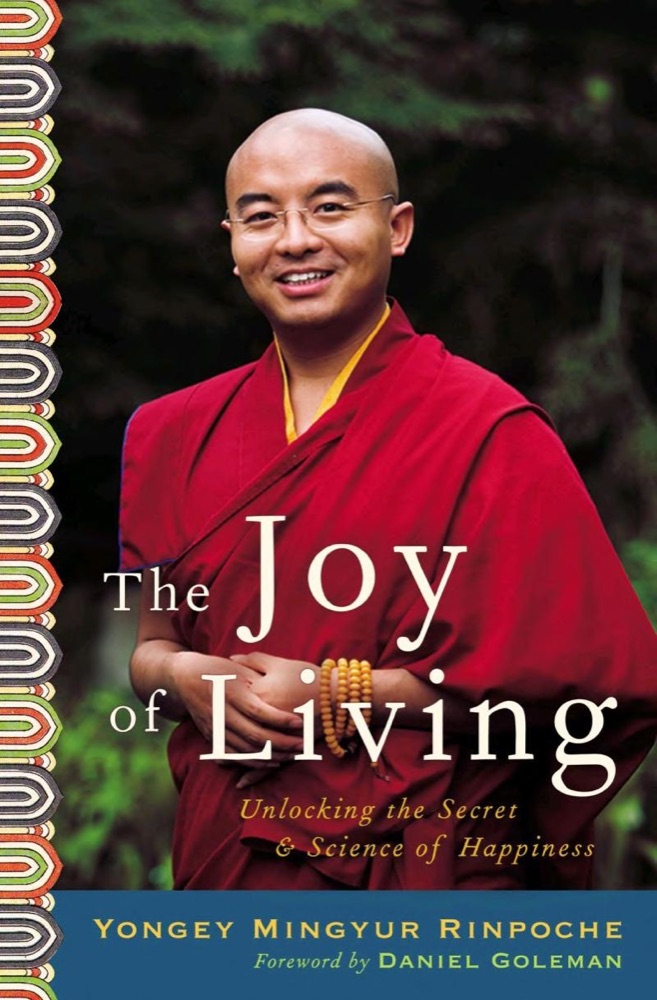 The Joy of Living: Unlocking the Secret and Science of Happiness
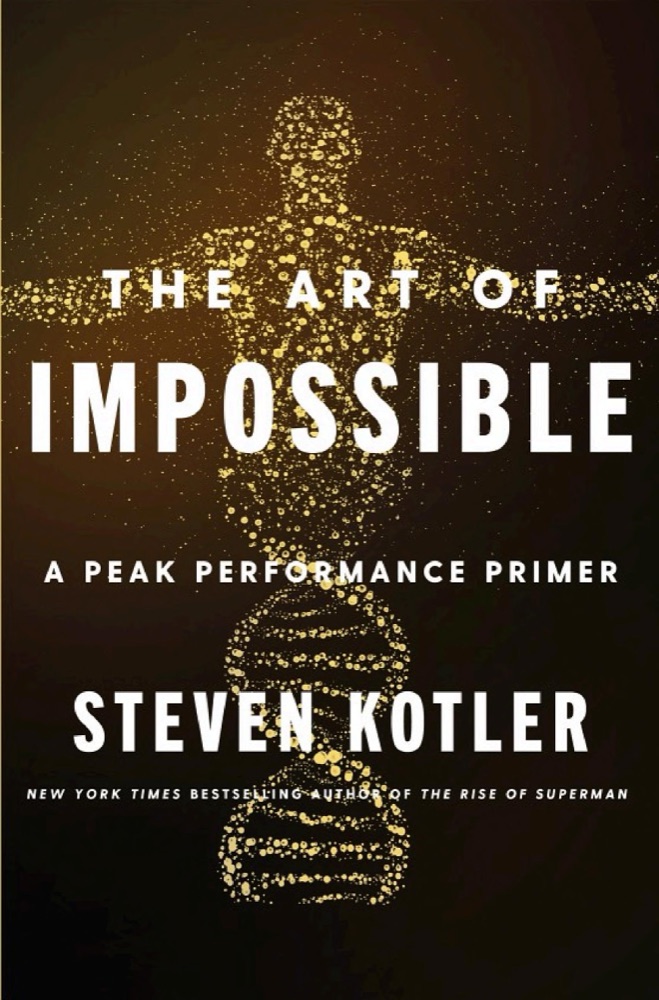 The Art of Impossible: A Peak Performance Primer
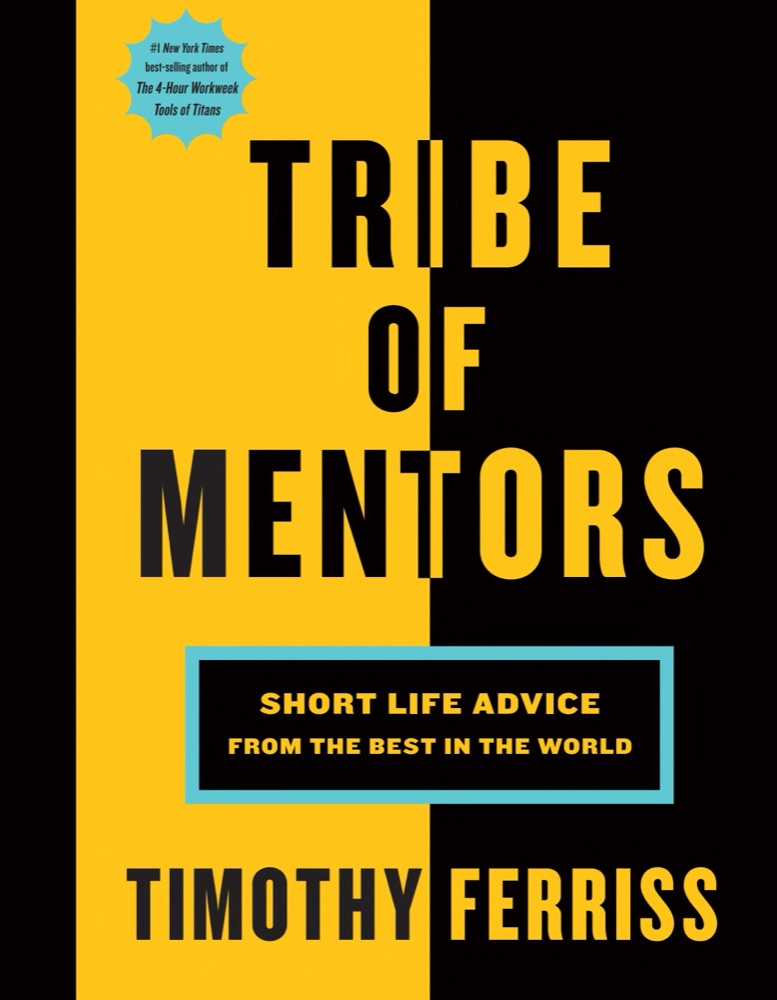 Tribe Of Mentors: Transformative Wisdom From Icons and Innovators to Help You Navigate Life's Challenges
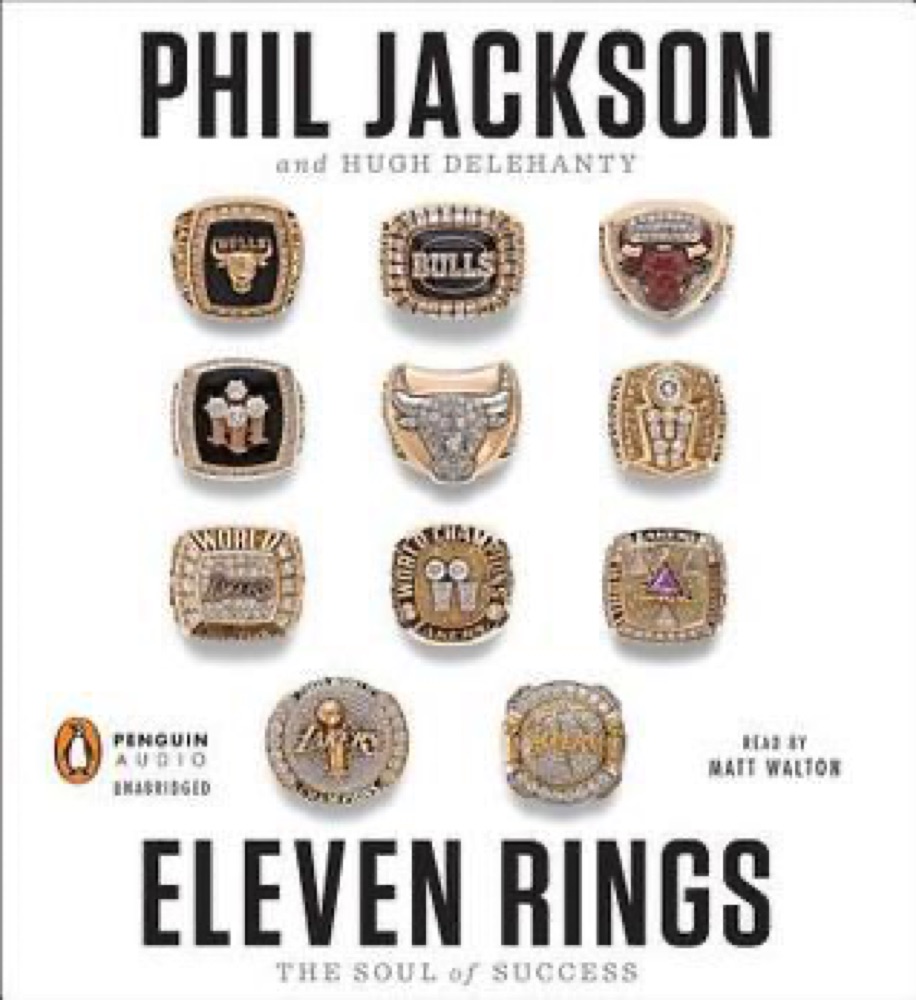 Eleven Rings: The Soul of Success
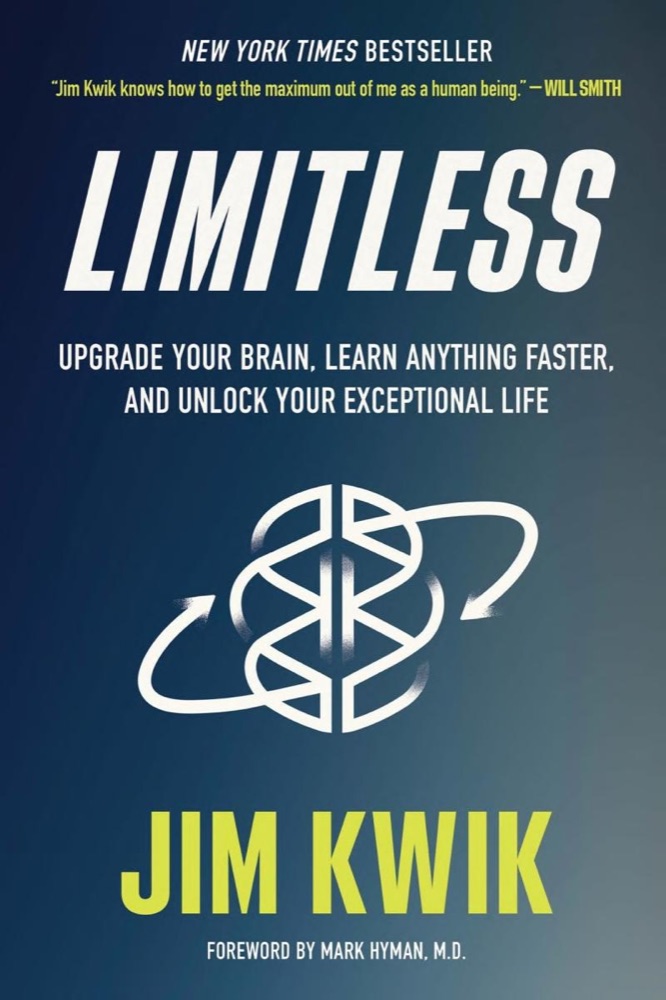 Limitless: Upgrade Your Brain, Learn Anything Faster, and Unlock Your Exceptional Life
 The Book of Secrets
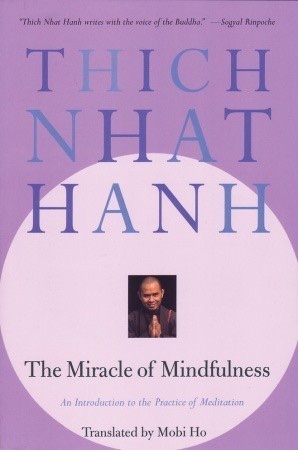 The Miracle of Mindfulness: An Introduction to the Practice of Meditation
 The New Psycho-Cybernetics: The Original Science of Self-Improvement and Success That Has Changed the Lives of 30 Million People
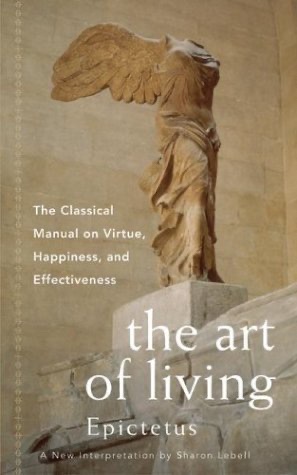 The Art of Living: The Classical Manual on Virtue, Happiness and Effectiveness
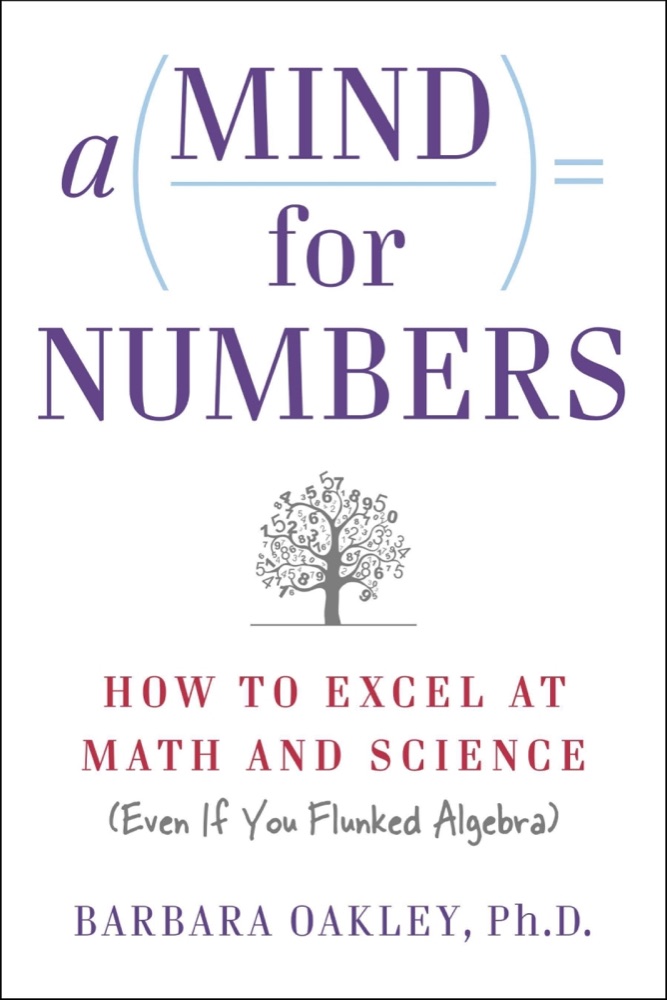 A Mind for Numbers: How to Excel at Math and Science
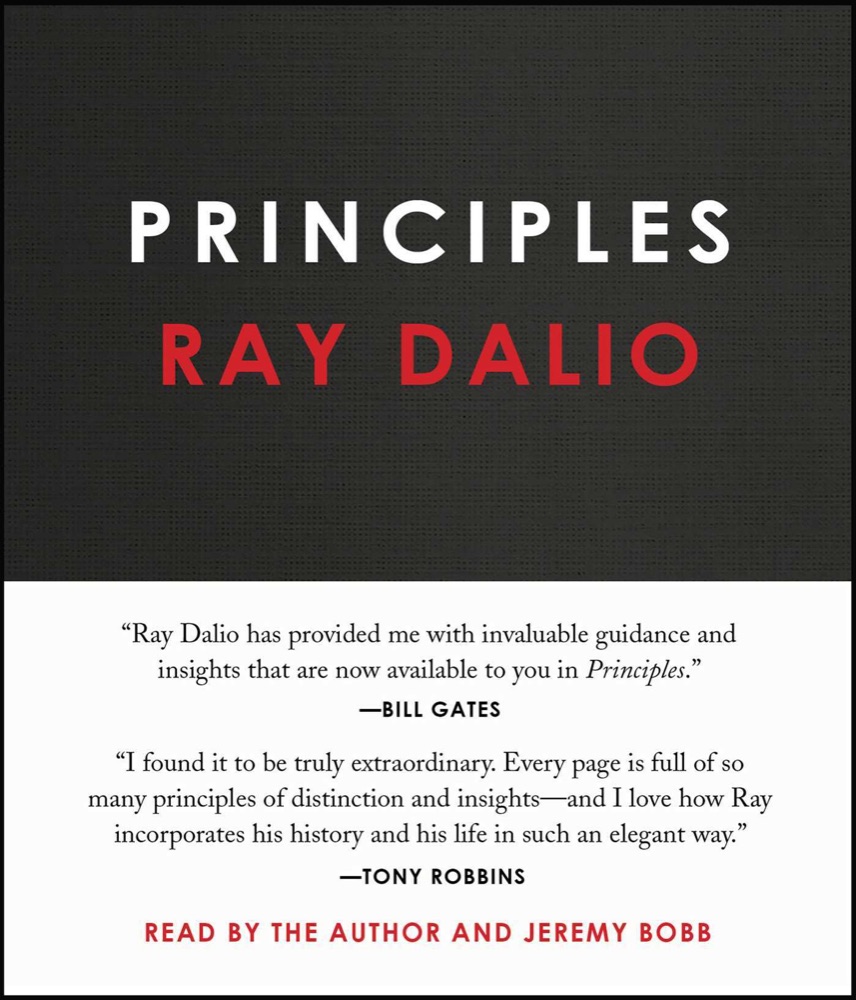 Principles: Life and Work
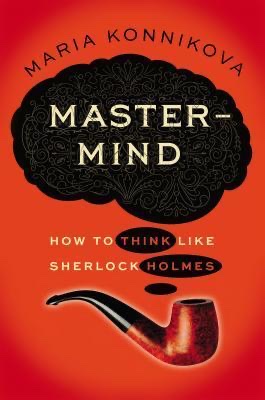 Mastermind: How to Think Like Sherlock Holmes
 Stillness Is the Key
 Everyday Zen: Love & Work
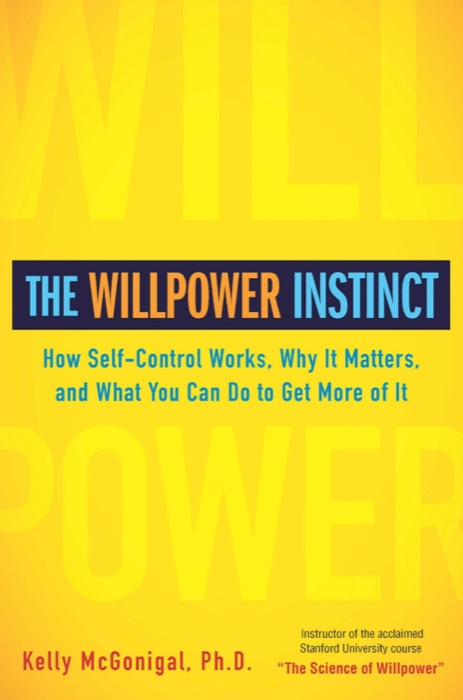 The Willpower Instinct: How Self-Control Works, Why It Matters, and What You Can Do to Get More of It
 Think and Grow Rich
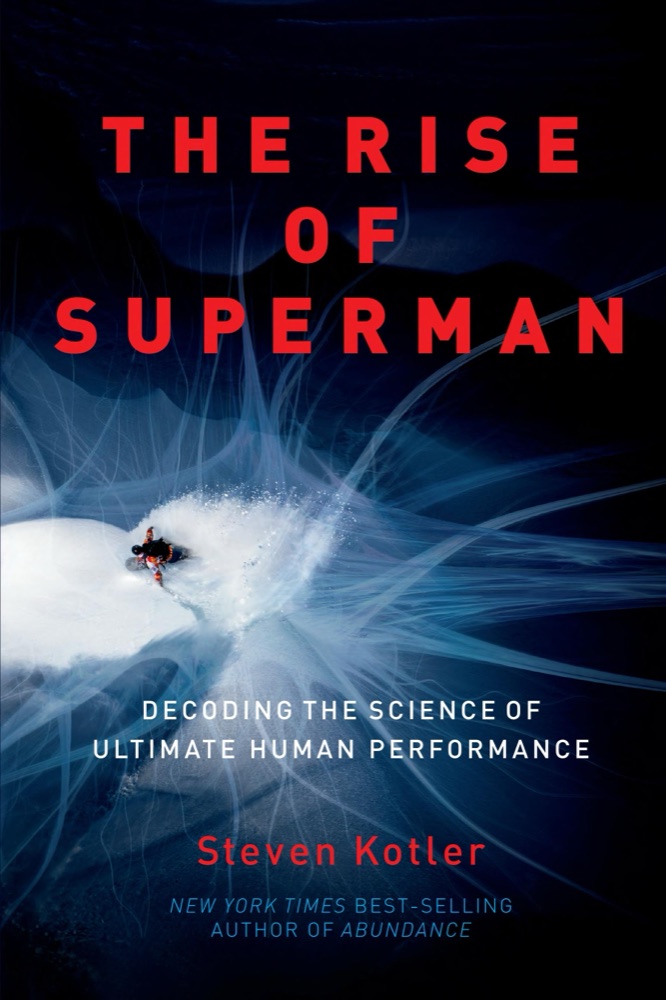 The Rise of Superman: Decoding the Science of Ultimate Human Performance
 Ask and It Is Given: Learning to Manifest Your Desires
 Maximum Achievement: Strategies and Skills That Will Unlock Your Hidden Powers to Succeed
 The Seven Spiritual Laws of Success: A Practical Guide to the Fulfillment of Your Dreams
 The Art of Public Speaking
 The Art of Being
 The Success Principles: How to Get from Where You Are to Where You Want to Be
 The Inner Game of Music
 Deep Work: Rules for Focused Success in a Distracted World
 Full Catastrophe Living: Using the Wisdom of Your Body and Mind to Face Stress, Pain, and Illness
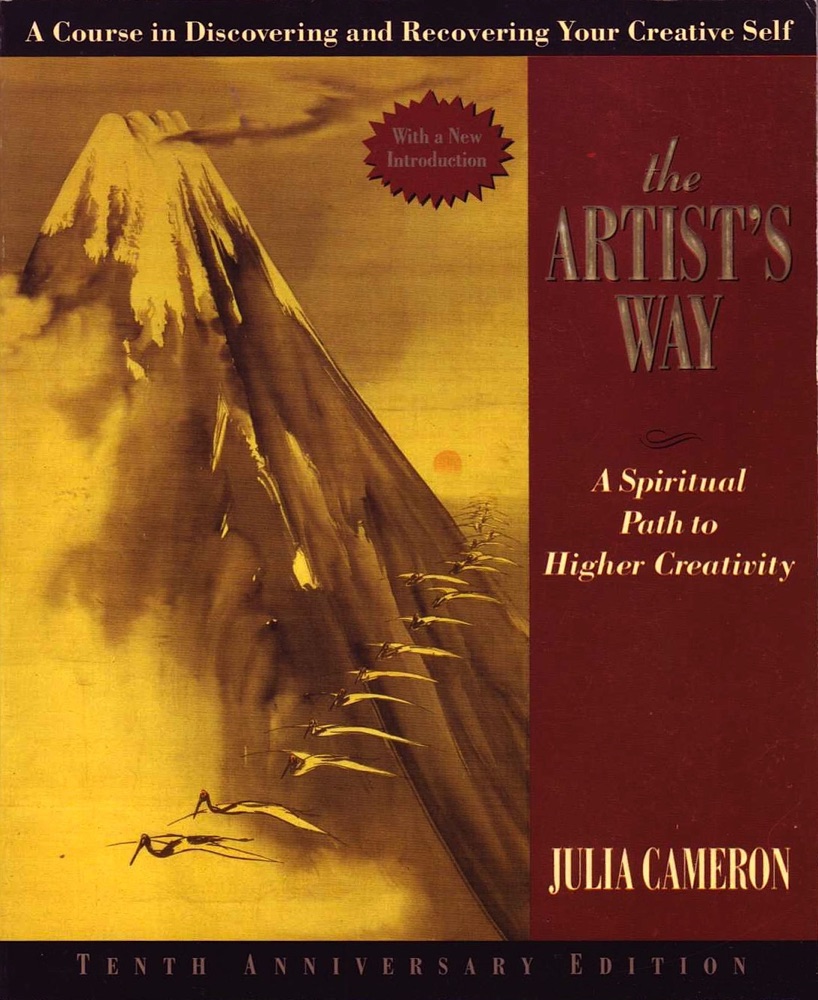 The Artist's Way
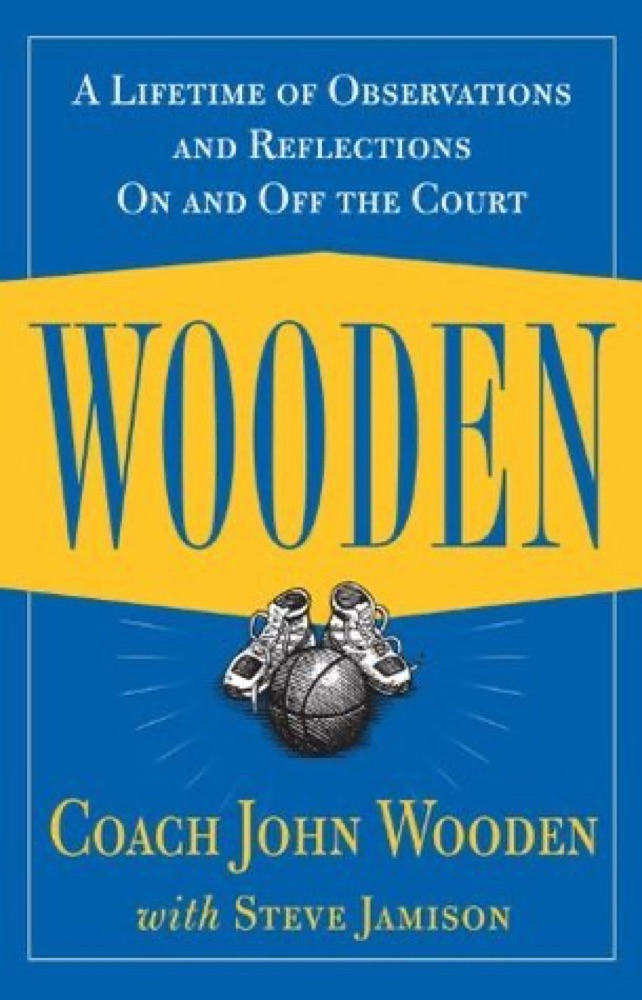 Wooden: A Lifetime of Observations and Reflections On and Off the Court
 Blink: The Power of Thinking Without Thinking
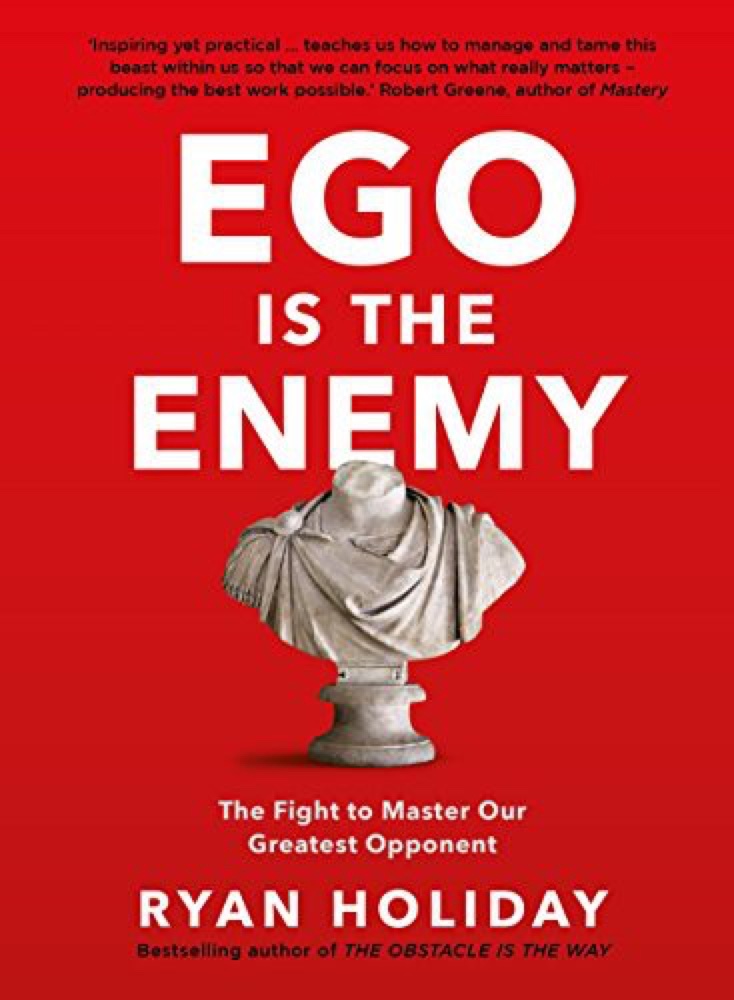 Ego Is the Enemy