
 Give and Take: A Revolutionary Approach to Success
Quotes from the Book
If knowledge is power, knowing what we don’t know is wisdom.
111
We learn more from people who challenge our thought process than those who affirm our conclusions. Strong leaders engage their critics and make themselves stronger. Weak leaders silence their critics and make themselves weaker. This reaction isn’t limited to people in power. Although we might be on board with the principle, in practice we often miss out on the value of a challenge network.
83
We listen to views that make us feel good, instead of ideas that make us think hard.
70
A mark of lifelong learners is recognizing that they can learn something from everyone they meet.
64
Thinking like a scientist involves more than just reacting with an open mind. It means being actively open-minded. It requires searching for reasons why we might be wrong—not for reasons why we must be right—and revising our views based on what we learn.
63
How do you know? It’s a question we need to ask more often, both of ourselves and of others. The power lies in its frankness. It’s nonjudgmental—a straightforward expression of doubt and curiosity that doesn’t put people on the defensive.
43
Research reveals that the higher you score on an IQ test, the more likely you are to fall for stereotypes, because you’re faster at recognizing patterns. And recent experiments suggest that the smarter you are, the more you might struggle to update your beliefs.
42
We favor the comfort of conviction over the discomfort of doubt,
42
Part of the problem is cognitive laziness. Some psychologists point out that we’re mental misers: we often prefer the ease of hanging on to old views over the difficulty of grappling with new ones. Yet there are also deeper forces behind our resistance to rethinking. Questioning ourselves makes the world more unpredictable. It requires us to admit that the facts may have changed, that what was once right may now be wrong. Reconsidering something we believe deeply can threaten our identities, making it feel as if we’re losing a part of ourselves.
36
The less intelligent we are in a particular domain, the more we seem to overestimate our actual intelligence in that domain.
33
A hallmark of wisdom is knowing when it’s time to abandon some of your most treasured tools—and some of the most cherished parts of your identity.
32
It’s a sign of wisdom to avoid believing every thought that enters your mind. It’s a mark of emotional intelligence to avoid internalizing every feeling that enters your heart.
31
We laugh at people who still use Windows 95, yet we still cling to opinions that we formed in 1995.
29
Humility is often misunderstood. It’s not a matter of having low self-confidence. One of the Latin roots of humility means “from the earth.” It’s about being grounded—recognizing that we’re flawed and fallible. Confidence is a measure of how much you believe in yourself. Evidence shows that’s distinct from how much you believe in your methods. You can be confident in your ability to achieve a goal in the future while maintaining the humility to question whether you have the right tools in the present. That’s the sweet spot of confidence.
29
Intelligence is traditionally viewed as the ability to think and learn. Yet in a turbulent world, there’s another set of cognitive skills that might matter more: the ability to rethink and unlearn.
27
Arrogance is ignorance plus conviction,” blogger Tim Urban explains. “While humility is a permeable filter that absorbs life experience and converts it into knowledge and wisdom, arrogance is a rubber shield that life experience simply bounces off of.
27
After all, the purpose of learning isn’t to affirm our beliefs; it’s to evolve our beliefs.
25
When we’re in scientist mode, we refuse to let our ideas become ideologies. We don’t start with answers or solutions; we lead with questions and puzzles. We don’t preach from intuition; we teach from evidence. We don’t just have healthy skepticism about other people’s arguments; we dare to disagree with our own arguments. Thinking like a scientist involves more than just reacting with an open mind. It means being actively open-minded. It requires searching for reasons why we might be wrong—not for reasons why we must be right—and revising our views based on what we learn.
21
When you’re wrong, it’s not something to be depressed about. Say, ‘Hey, I discovered something!
20
We all have blind spots in our knowledge and opinions. The bad news is that they can leave us blind to our blindness, which gives us false confidence in our judgment and prevents us from rethinking. The good news is that with the right kind of confidence, we can learn to see ourselves more clearly and update our views. In driver’s training we were taught to identify our visual blind spots and eliminate them with the help of mirrors and sensors. In life, since our minds don’t come equipped with those tools, we need to learn to recognize our cognitive blind spots and revise our thinking accordingly.
19
Progress is impossible without change; and those who cannot change their minds cannot change anything. —George Bernard Shaw
18
Who you are should be a question of what you value, not what you believe. Values are your core principles in life—they might be excellence and generosity, freedom and fairness, or security and integrity.
17
When we find out we might be wrong, a standard defense is “I’m entitled to my opinion.” I’d like to modify that: yes, we’re entitled to hold opinions inside our own heads. If we choose to express them out loud, though, I think it’s our responsibility to ground them in logic and facts, share our reasoning with others, and change our minds when better evidence emerges.
15
What evidence would change your mind?” If the answer is “nothing,” then there’s no point in continuing the debate. You can lead a horse to water, but you can’t make it think.
15
those who can’t . . . don’t know they can’t. According to what’s now known as the Dunning-Kruger effect, it’s when we lack competence that we’re most likely to be brimming with overconfidence.
13
Convincing other people to think again isn’t just about making a good argument—it’s about establishing that we have the right motives in doing so. When we concede that someone else has made a good point, we signal that we’re not preachers, prosecutors, or politicians trying to advance an agenda. We’re scientists trying to get to the truth. “Arguments are often far more combative and adversarial than they need to be,” Harish told me. “You should be willing to listen to what someone else is saying and give them a lot of credit for it. It makes you sound like a reasonable person who is taking everything into account.
13
people often become attached to best practices. The risk is that once we’ve declared a routine the best, it becomes frozen in time.
10
confirmation bias: seeing what we expect to see. The other is desirability bias: seeing what we want to see.
10
Listening is a way of offering others our scarcest, most precious gift: our attention. Once we’ve demonstrated that we care about them and their goals, they’re more willing to listen to us.
10
Inverse charisma. What a wonderful turn of phrase to capture the magnetic quality of a great listener. Think about how rare that kind of listening is.
10
Watch on YouTube
About Adam M. Grant
We have collected 88 quotes from 3 books by Adam M. Grant on BookQuoters.
More about the author →More by Adam M. Grant
Give and Take: A Revolutionary Approach to Success
 Originals: How Non-Conformists Move the World
About the book
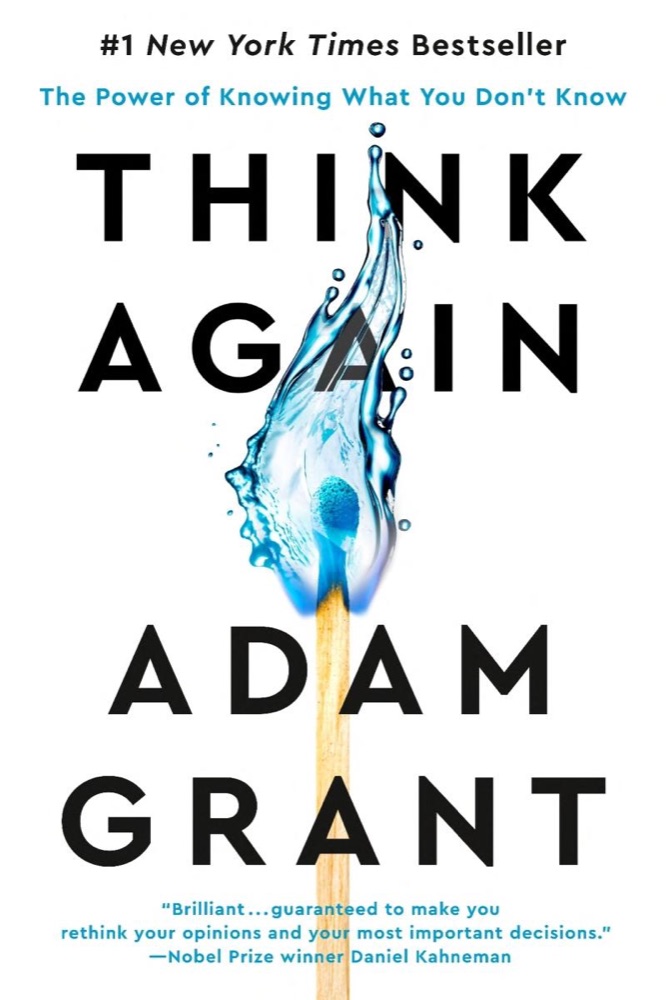
Think Again is a book about the benefit of doubt, and about how we can get better at embracing the unknown and the joy of being wrong. Evidence has shown that creative geniuses are not attached to one identity, but constantly willing to rethink their stances and that leaders who admit they don't know something and seek critical feedback lead more productive and innovative teams.
New evidence shows us that as a mindset and a skilllset, rethinking can be taught and Grant explains how to develop the necessary qualities to do it. Section 1 explores why we struggle to think again and how we can learn to do it as individuals, arguing that 'grit' alone can actually be counterproductive. Section 2 discusses how we can help others think again through learning about 'argument literacy'. And the final section 3 looks at how schools, businesses and governments fall short in building cultures that
Book details
- First published
- 2021
- Author
- Adam M. Grant
- Genre
- Nonfiction
- Goodreads rating
- 4.12 (154k ratings)
The buzz
- The Wall Street JournalReview in The Wall Street Journalprofessional review (via Book Marks)
- Kirkus ReviewsReview in Kirkus Reviewsprofessional review (via Book Marks)
- BooklistReview in Booklistprofessional review (via Book Marks)
Keep reading
 The Art of Thinking Clearly
 Being Wrong: Adventures in the Margin of Error
 Rationality: From AI to Zombies
 You Are Not So Smart
 You Are Now Less Dumb: How to Conquer Mob Mentality, How to Buy Happiness, and All the Other Ways to Outsmart Yourself
 God's Debris: A Thought Experiment
 What Do You Care What Other People Think?
 The Elephant in the Brain: Hidden Motives in Everyday Life
 Think: A Compelling Introduction to Philosophy
 Superforecasting: The Art and Science of Prediction
 Blink: The Power of Thinking Without Thinking
 Thinking, Fast and Slow
 Black Box Thinking: Why Some People Never Learn from Their Mistakes - But Some Do
 The 7 Habits of Highly Effective People: Personal Workbook
 Think Like a Rocket Scientist: Simple Strategies You Can Use to Make Giant Leaps in Work and Life
 How to Stay Sane
 Think Like a Freak
 Mastery
 Smarter Faster Better: The Secrets of Being Productive in Life and Business
Originals: How Non-Conformists Move the World
Smarter Faster Better: The Secrets of Being Productive in Life and Business
Originals: How Non-Conformists Move the World
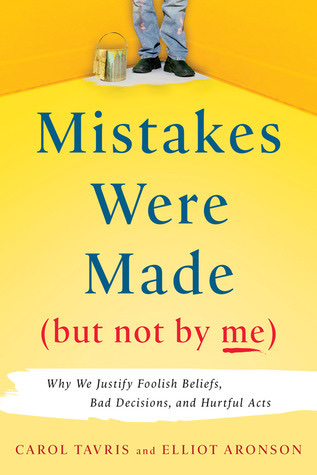 Mistakes Were Made (But Not by Me): Why We Justify Foolish Beliefs, Bad Decisions, and Hurtful Acts
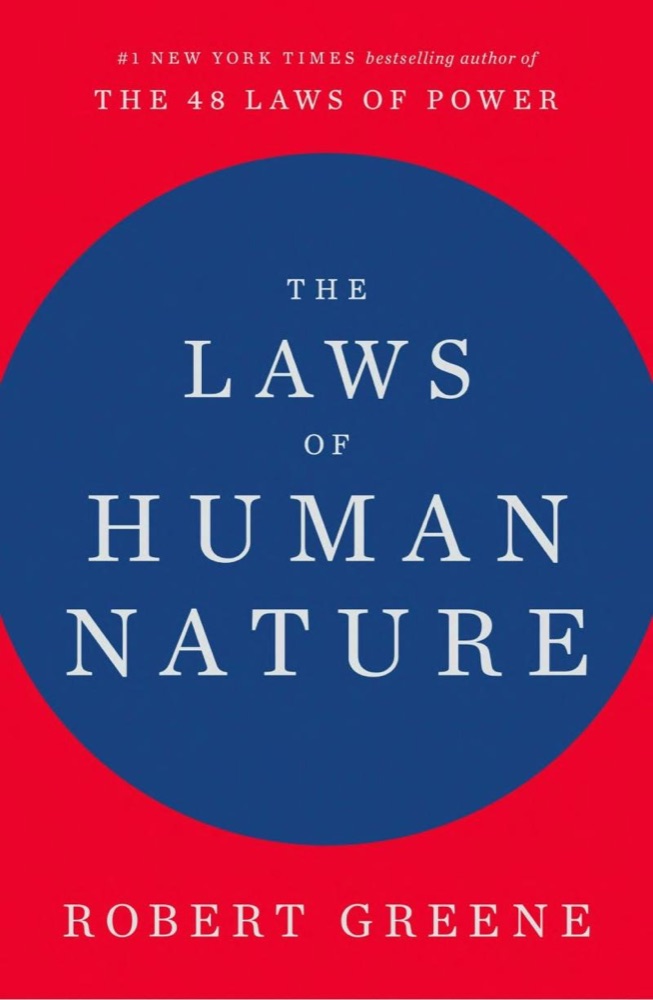 The Laws of Human Nature
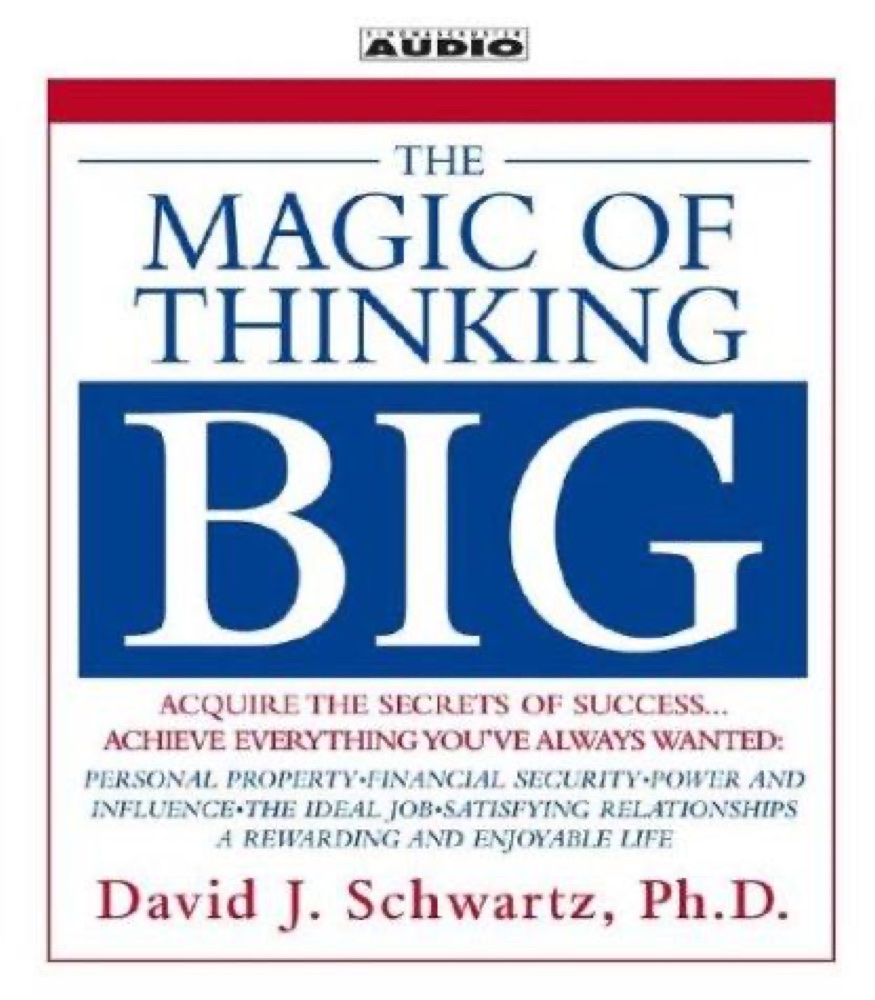 Magic of Thinking Big
 Mastermind: How to Think Like Sherlock Holmes
 But What If We're Wrong? Thinking About the Present As If It Were the Past
 Think Straight: Change Your Thoughts, Change Your Life
 Principles: Life and Work
 The Social Animal: The Hidden Sources of Love, Character, and Achievement
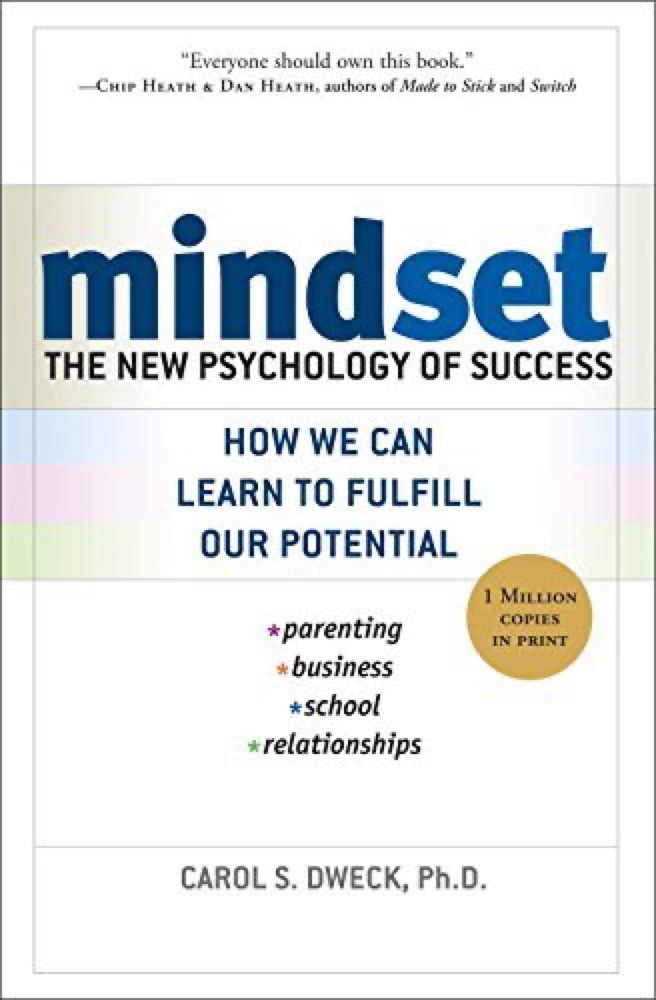 Mindset: The New Psychology of Success
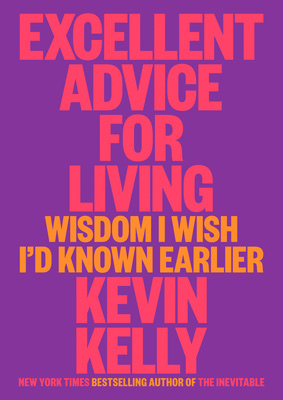 Excellent Advice for Living: Wisdom I Wish I'd Known Earlier
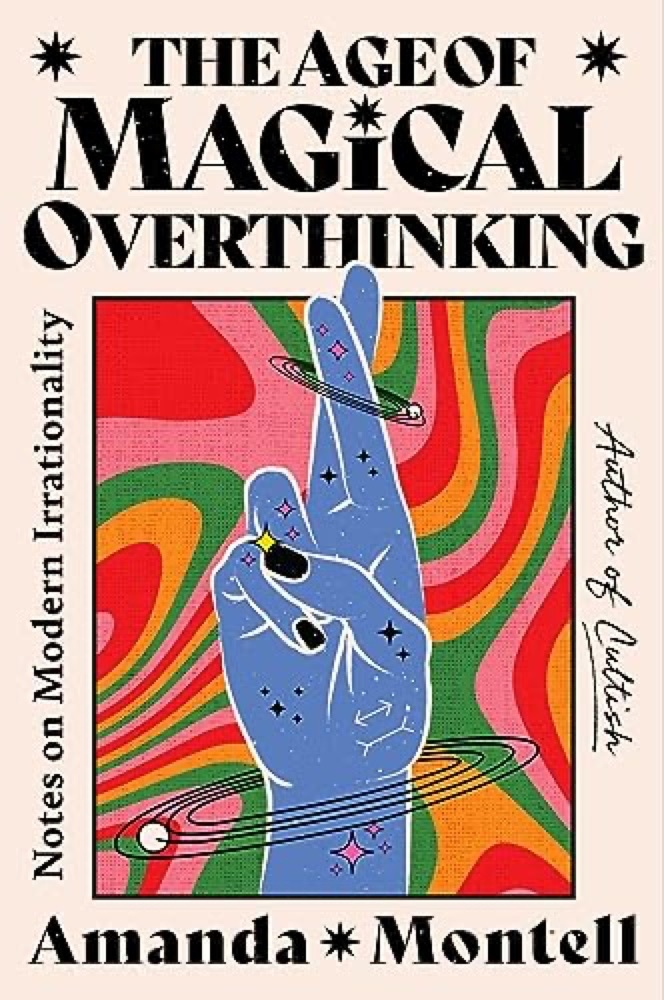 The Age of Magical Overthinking: Notes on Modern Irrationality
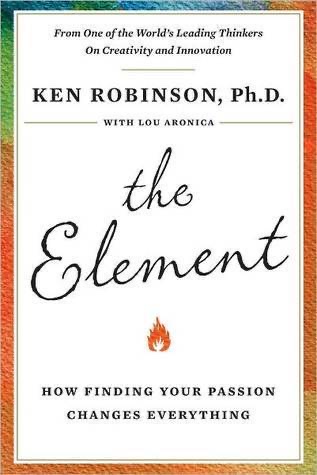 The Element: How Finding Your Passion Changes Everything
 21 Lessons for the 21st Century
 How We Decide
 The Happiness Hypothesis: Finding Modern Truth in Ancient Wisdom
 The Art of Creative Thinking
 Curious: The Desire to Know and Why Your Future Depends On It
 Dare to Lead
 Crucial Conversations: Tools for Talking When Stakes are High
 Made to Stick: Why Some Ideas Survive and Others Die
 Barking Up the Wrong Tree: The Surprising Science Behind Why Everything You Know About Success Is (Mostly) Wrong
 The Undoing Project: A Friendship That Changed Our Minds
 The Noticer: Sometimes, All a Person Needs Is a Little Perspective
 QBQ! The Question Behind the Question: Practicing Personal Accountability in Work and in Life
 Tribe Of Mentors: Transformative Wisdom From Icons and Innovators to Help You Navigate Life's Challenges
 Ego Is the Enemy
 Six Thinking Hats
 Be Your Future Self Now: The Science of Intentional Transformation
 If I Understood You, Would I Have This Look on My Face?: My Adventures in the Art and Science of Relating and Communicating
 Limitless: Upgrade Your Brain, Learn Anything Faster, and Unlock Your Exceptional Life
 Zen and the Art of Motorcycle Maintenance
 Psycho-Cybernetics
 The Black Swan: The Impact of the Highly Improbable
 The Meaning of It All: Thoughts of a Citizen-Scientist
 The Pleasure of Finding Things Out: The Best Short Works of Richard P. Feynman
 The Wisdom of Insecurity: A Message for an Age of Anxiety
 Influence: The Psychology of Persuasion