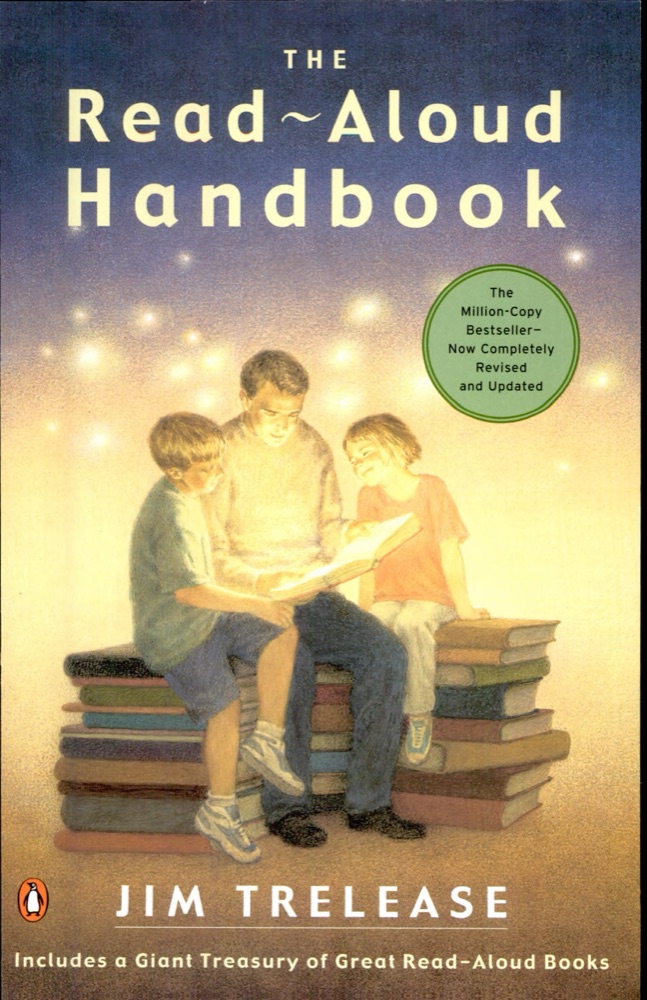
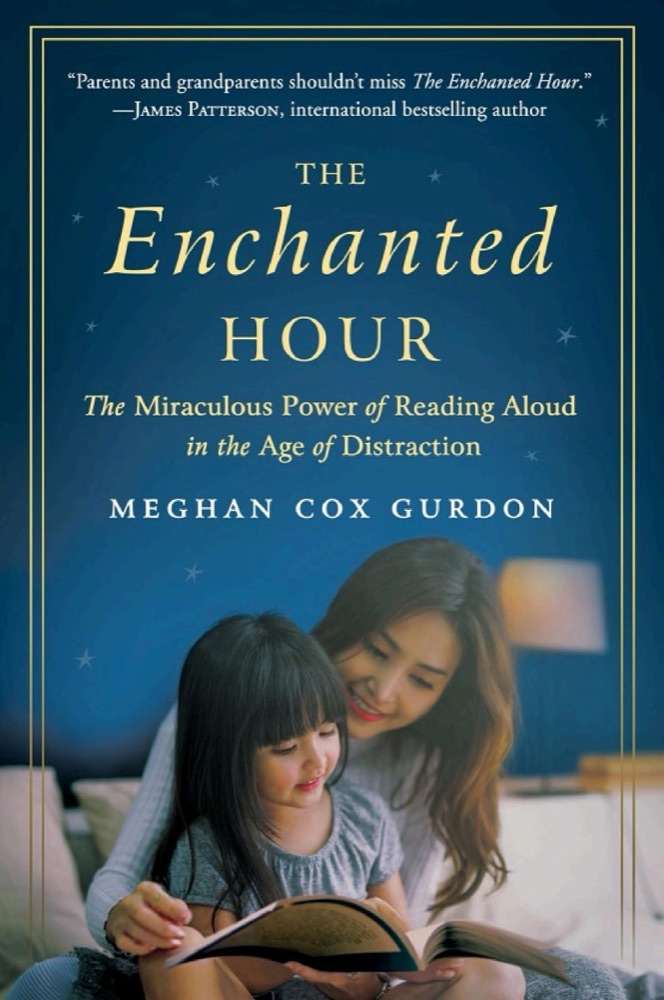
 The Enchanted Hour: The Miraculous Power of Reading Aloud in the Age of Distraction – A Neuroscience Guide for Parents on Brain Development and Family Bonds
Quotes from the Book
The more you read, the better you get, the more better you get, the more you like it; and the more you like it, the more you do it.
26
Children whose families take them to museums and zoos, who visit historic sites, who travel abroad, or who camp in remote areas accumulate huge chunks of background knowledge without even studying. For the impoverished child lacking the travel portfolio of affluence, the best way to accumulate background knowledge is by either reading or being read to.
15
What we teach children to love and desire will always outweigh what we make them learn.
13
The single most important activity for building the knowledge required for eventual success in reading is reading aloud to children.
12
This is not a book about teaching a child how to read; it's about teaching a child to want to read. There's an education adage that goes, "What we teach children to love and desire will always outweigh what we make them learn." The fact is that some children learn to read sooner than others, while some learn better than others. There is a difference. For the parent who thinks that sooner is better, who has an eighteen-month-old child barking at flash cards, my response is: sooner is not better. Are the dinner guests who arrive an hour early better guests than those who arrive on time? Of course not.
11
Education is not the filling of a bucket but the lighting of a fire.
10
What happened to the classics?" you may ask. "Don't you believe in reading great literature to children?" Nothing happened to the classics-but something happened to children: their imaginations went to sleep in front of the television set twenty-five years ago. Reading a classic to a child whose imagination is in a state of retarded development will not foster a love of literature in that child.
10
The closest thing we have to a "crap detector" is a qualified librarian.
9
So I ask you: whose job is it in this country to wake up comatose parents? Someone better do it soon because knowing television's potential for harm and keeping that knowledge to ourselves instead of sharing it with parents amounts to covering up a land mine on a busy street.
7
Children’s books, even good picture books, are much richer than ordinary home or classroom conversation,
6
Vocabulary and coherent sentences can’t be downloaded onto paper unless they’ve first been uploaded to the head—by reading.
5
Allow children to choose the books they wish to read to themselves, even if they don’t meet your high standards.
4
When someone becomes a teacher, she’s like the matchmaker in Fiddler on the Roof. All year long she’s trying to entice students to go out on dates with authors—that is, to pick up this book or that book and spend twenty minutes with the author, someone they’ve never met. The better she knows her students and authors or books, the more successful will be the “matchmaking.” But the teacher (or librarian) who doesn’t read much will fail for sure.
4
So how do we educate the heart? There are really only two ways: life experience and stories about life experience, which is called literature. Great preachers and teachers—Aesop, Socrates, Confucius, Moses, and Jesus—have traditionally used stories to get their lesson plans across, educating both the mind and the heart.
4
Not that parents are alone in their extreme behavior. That have more than enough company among school boards and high-ranking politicians who think if you "fix the schools, they'll fix the kids." So, in Gadsden, Alabama, school officials eliminated kindergarten nap time in 2003 so the children would have more test-prep time. Two hours away in Atlanta, school officials figured that if you eliminated recess, the kids will study more. And just in case those shifty teachers try to sneak it in, Atlanta started building schools without playgrounds. "We are intent on improving academic performance," said the superintendent. "You don't do that by having kids hanging on the monkey bars." Meanwhile, Georgia's governor wanted the state to give Mozart CDs to newborns because research showed Mozart improved babies' IQs (which later proved to be mythical research). Right behind him is Lincoln, Rhode Island, where they canceled the district spelling bee because only one child would win, leaving all others behind, thus violating the intent of No Child Left Behind--or, as they might say in Lincoln, no child gets ahead.
4
More than nonfiction, fiction forces us to concentrate in order to find meaning, and therefore deepens our engagement and helps comprehension.
3
What we learn in childhood is carved in stone. What we learn as adults is carved in ice.
3
The eventual strength of our vocabulary is determined not by the ten thousand common words but by how many rare words we understand.
3
When the daily number of words for each group of children is projected across four years, the four-year-old child from the professional family will have heard 45 million words, the working-class child 26 million, and the welfare child only 13 million.
3
Follow the suggestion of Dr. Caroline Bauer and post a reminder sign by your door: “Don’t Forget Your Flood Book.” Analogous to emergency rations in case of natural disasters, “flood” books should be taken along in the car or even stored like spares in the trunk. A few chapters from these books can be squeezed into traffic jams on the way to the beach or long waits at the doctor’s office.
2
the great ones—you can still taste them years later, even remember the exact spot where you met them. You can’t always put your finger on why they linger with you, but they do.
2
Visual receptors in the brain outnumber auditory receptors 30:1.32 In other words, the chances of a word (or sentence) being retained in our memory bank are thirty times greater if we see it instead of just hear it.
2
The last thing you want first-graders thinking is that what they’re reading in first grade is as good as books are going to get!
2
Background knowledge is one reason children who read the most bring the largest amount of information to the learning table and thus understand more of what the teacher or the textbook is teaching. Children whose families take them to museums and zoos, who visit historic sites, who travel abroad, or who camp in remote areas accumulate huge chunks of background knowledge without even studying.
2
In a similar experiment involving reading to fetuses during the two and a half months before birth, DeCasper found the child’s heartbeat increased with a new story and decreased with a familiar one.
2
There should be no rush to have a child reading before age six or seven. That’s developmentally the natural time.
1
What is meant to be heard is necessarily more direct in expression, and perhaps more boldly coloured, than what is meant for the reader.
1
If there were a national time shortage, the malls would be empty, Netflix would be defunct, and the cable-TV companies would be bankrupt.
1
You need the combination of know-how and motivation.
1
Watch on YouTube
About Jim Trelease
We have collected 29 quotes from 1 book by Jim Trelease on BookQuoters.
More about the author →About the book
A New York Times and million copy bestseller, the classic handbook on reading aloud to children—revised and updated
Recommended by “Dear Abby”, The New York Times and The Washington Post, for three decades, millions of parents and educators have turned to Jim Trelease's beloved classic to help countless children become avid readers through awakening their imaginations and improving their language skills. Now this new edition of The Read-Aloud Handbook imparts the benefits, rewards, and importance of reading aloud to children of a new generation. Supported by delightful anecdotes as well as the latest research, The Read-Aloud Handbook offers proven techniques and strategies—and the reasoning behind them—for helping children discover the pleasures of reading and setting them on the road to becoming lifelong readers.
Book details
- First published
- 1979
- Author
- Jim Trelease
- Genre
- Nonfiction
- Goodreads rating
- 4.39 (8k ratings)
Keep reading
The Enchanted Hour: The Miraculous Power of Reading Aloud in the Age of Distraction – A Neuroscience Guide for Parents on Brain Development and Family Bonds
 The Book Whisperer: Awakening the Inner Reader in Every Child
 Reader, Come Home: The Reading Brain in a Digital World
 Honey for a Child's Heart
 The Read-Aloud Family: Making Meaningful and Lasting Connections with Your Kids
 How to Read a Book: The Classic Guide to Intelligent Reading
 Readicide: How Schools Are Killing Reading and What You Can Do About It
 Judging a Book by Its Lover: A Field Guide to the Hearts and Minds of Readers Everywhere
 Why You Should Read Children's Books, Even Though You Are So Old and Wise
 Proust and the Squid: The Story and Science of the Reading Brain
 The Secret Lives of Booksellers and Librarians: True Stories of the Magic of Reading
 The Core
 Book Love: Developing Depth, Stamina, and Passion in Adolescent Readers
 Education of a Wandering Man: A Memoir
 How Children Learn
 The View from the Cheap Seats: Selected Nonfiction
 The Brave Learner: Finding Everyday Magic in Homeschool, Learning, and Life
 Ex Libris: Confessions of a Common Reader
 The Vanishing American Adult: Our Coming-of-Age Crisis—and How to Rebuild a Culture of Self-Reliance
 Why We Read: On Bookworms, Libraries, and Just One More Page Before Lights Out
 The Cat Who Saved Books
 The Year of Reading Dangerously
 Books for Living
 The Storied Life of A.J. Fikry
 The Name of This Book Is Secret
 Leave Me Alone, I'm Reading: Finding and Losing Myself in Books
 How Children Fail
 Dewey: The Small-Town Library Cat Who Touched the World
 The Librarian of Auschwitz
 The Rent Collector
 The Lost Tools of Learning
 Reading Like a Writer: A Guide for People Who Love Books and for Those Who Want to Write Them
 The Door-to-Door Bookstore
 Miss Morgan's Book Brigade
 The Element: How Finding Your Passion Changes Everything
 How to Read Literature Like a Professor
 Montessori from the Start: The Child at Home, from Birth to Age Three
 Shouldn't You Be in School?
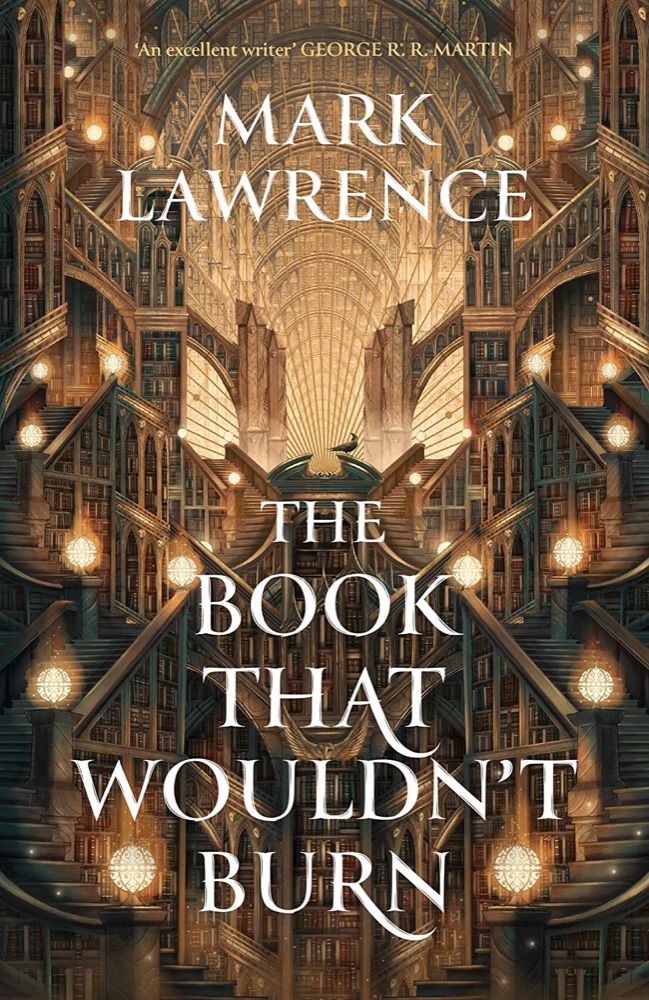 The Book That Wouldn’t Burn
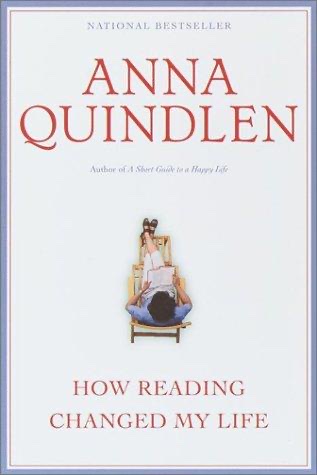 How Reading Changed My Life
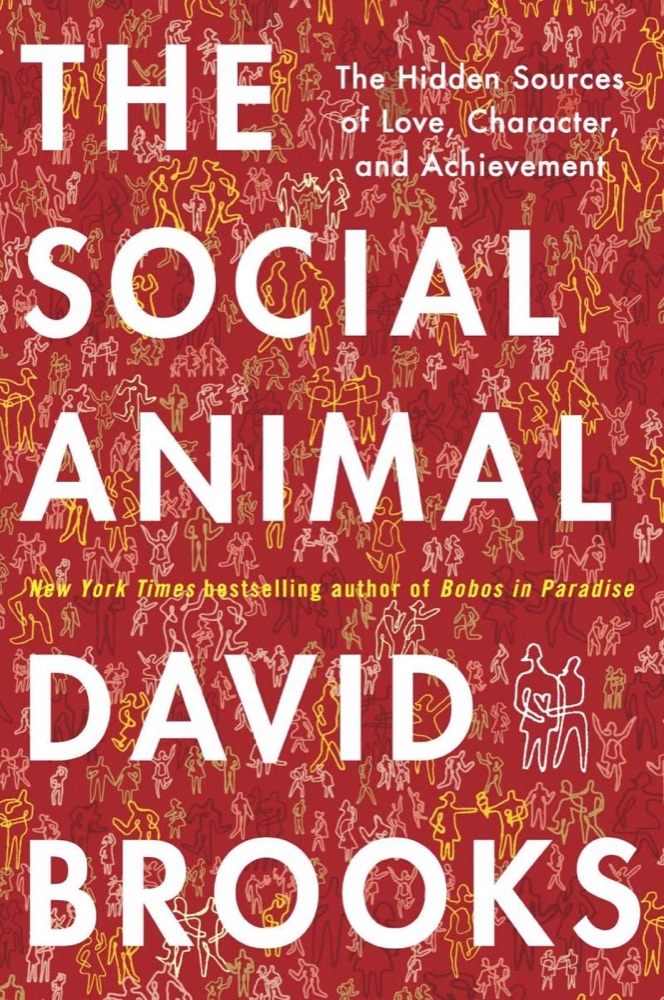 The Social Animal: The Hidden Sources of Love, Character, and Achievement
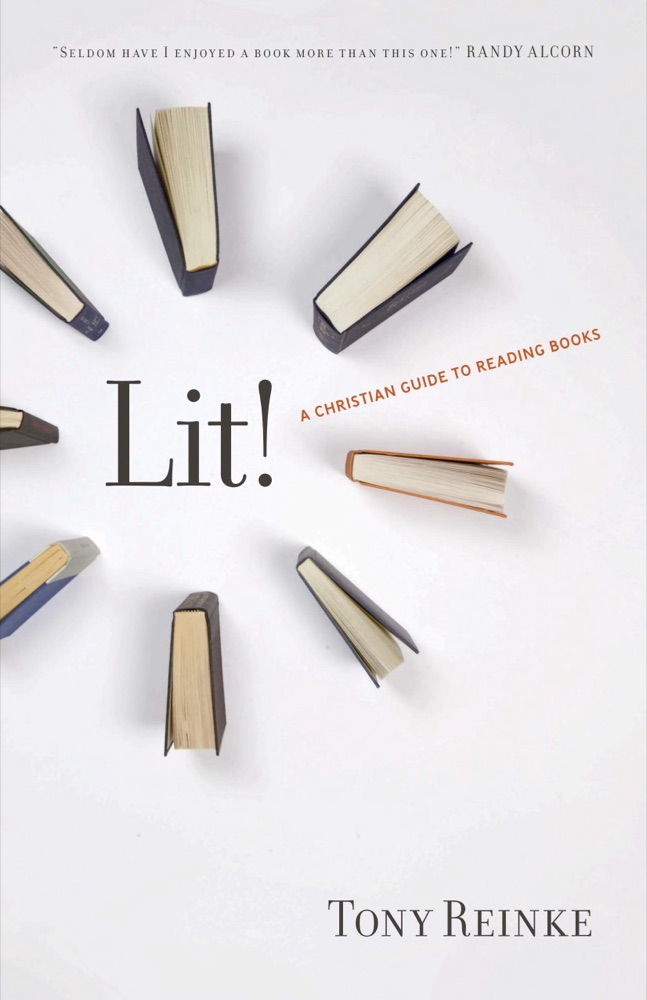 Lit!: A Christian Guide to Reading Books
 Suggested Reading
 On Reading Well: Finding the Good Life through Great Books
 The Wave in the Mind: Talks and Essays on the Writer, the Reader and the Imagination
 Free to Learn: Why Unleashing the Instinct to Play Will Make Our Children Happier, More Self-Reliant, and Better Students for Life
 The Rabbit Back Literature Society
 The Lost Library: A Kid-Friendly Mystery
 Letters from an Astrophysicist
 The Uncommon Reader
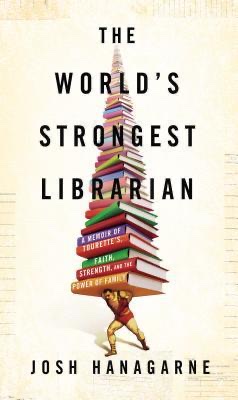 The World's Strongest Librarian: A Memoir of Tourette's, Faith, Strength, and the Power of Family
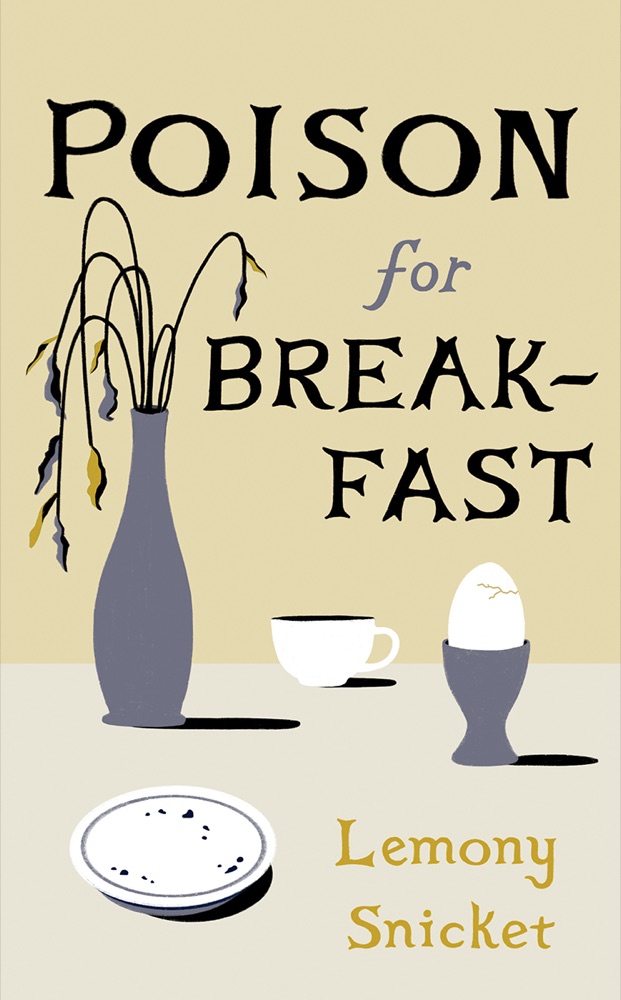 Poison for Breakfast
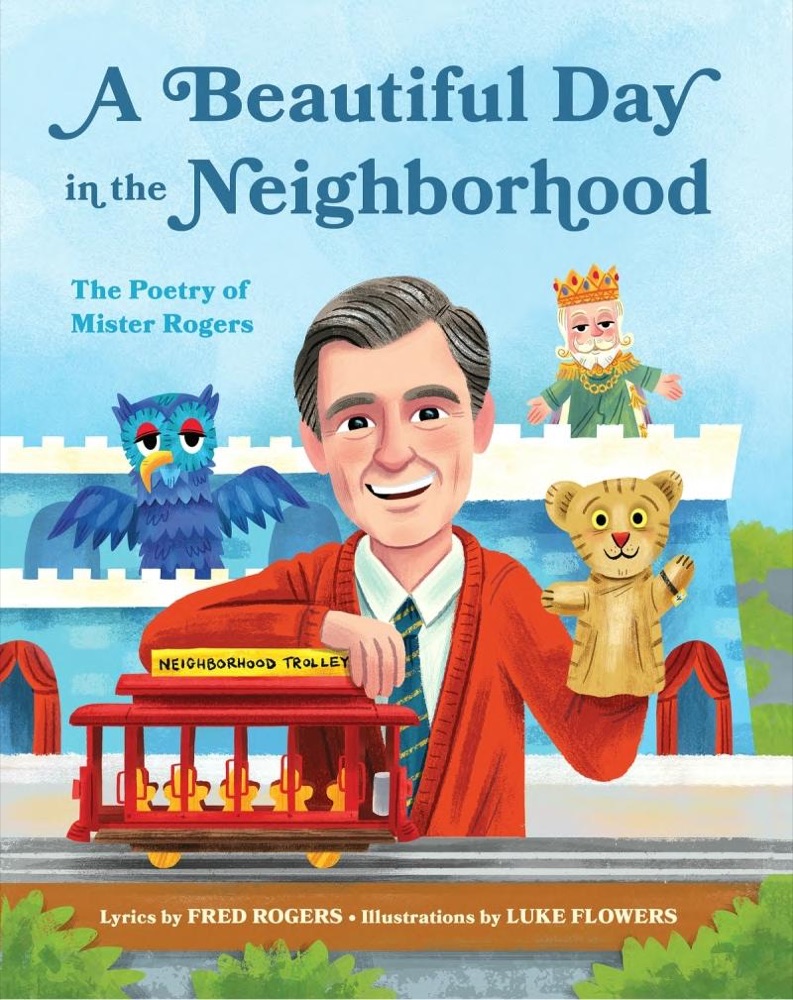 A Beautiful Day in the Neighborhood: The Poetry of Mister Rogers
 What the Dog Saw and Other Adventures
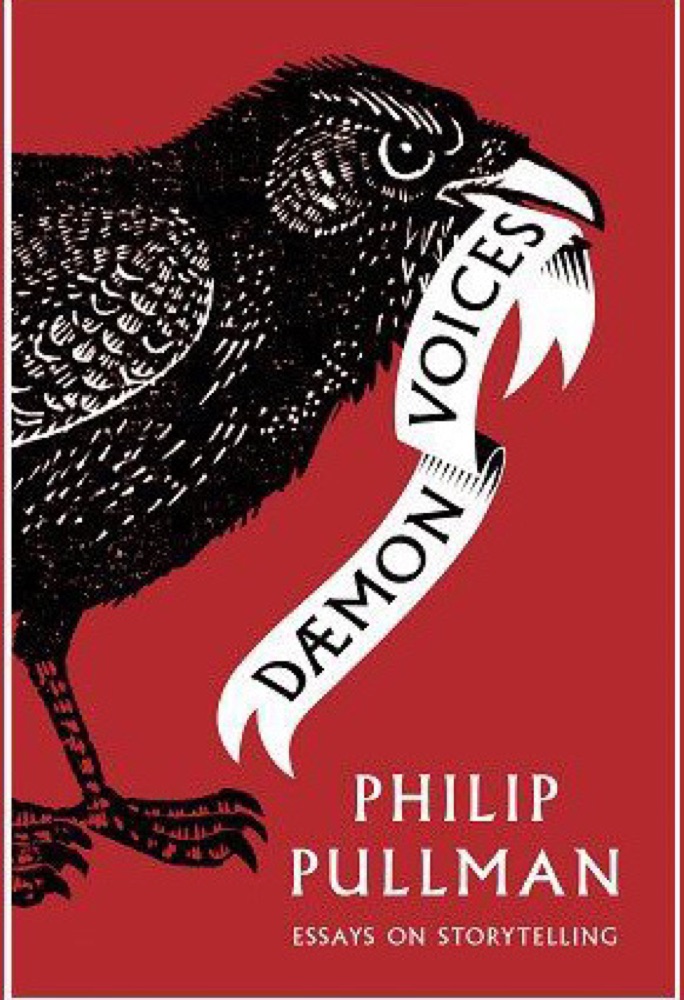 Dæmon Voices
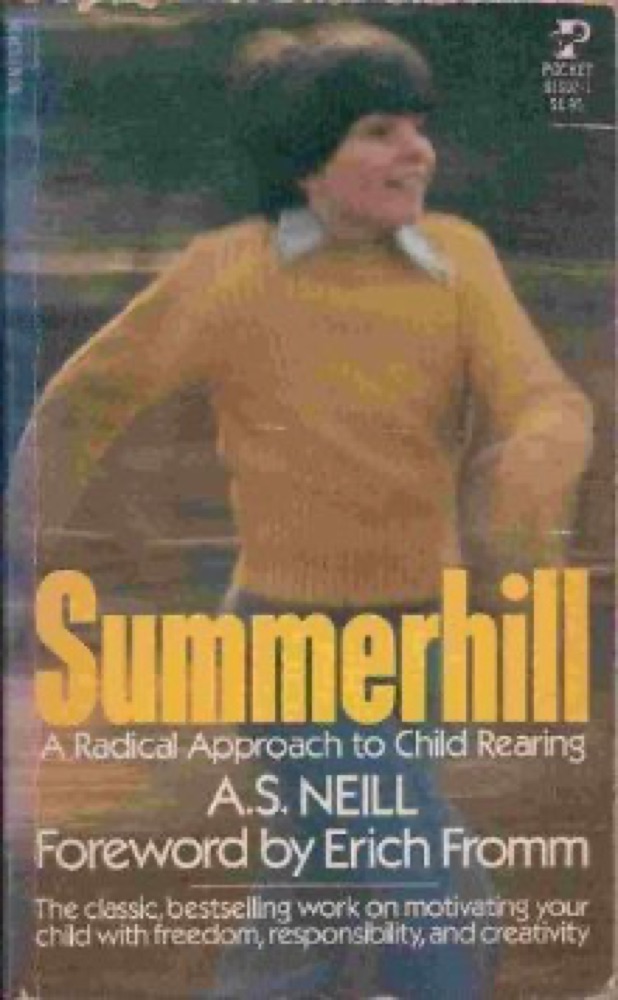 Summerhill: A Radical Approach to Child Rearing
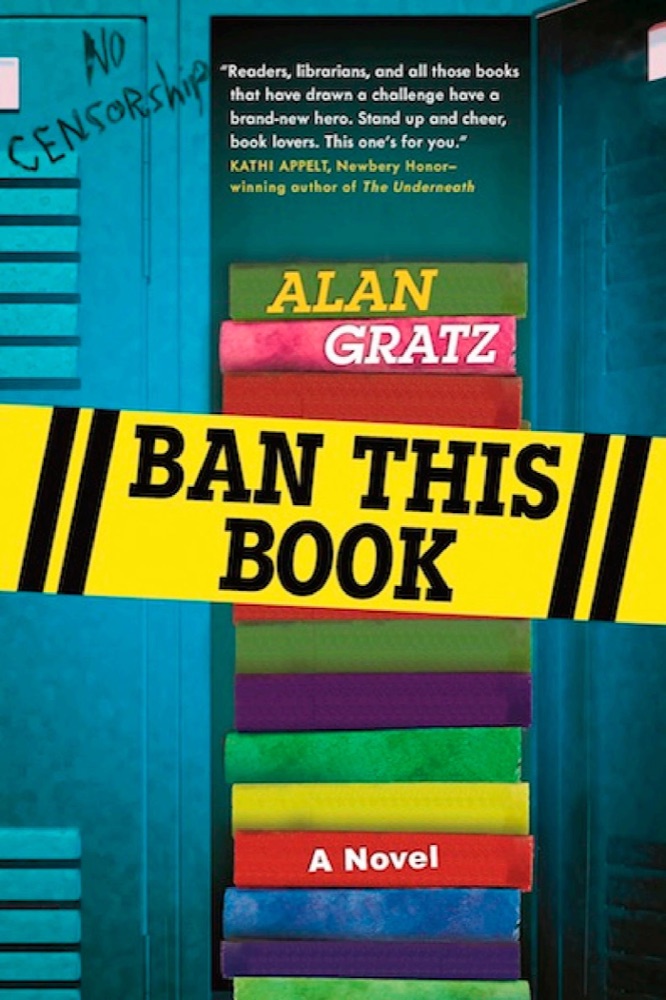 Ban This Book
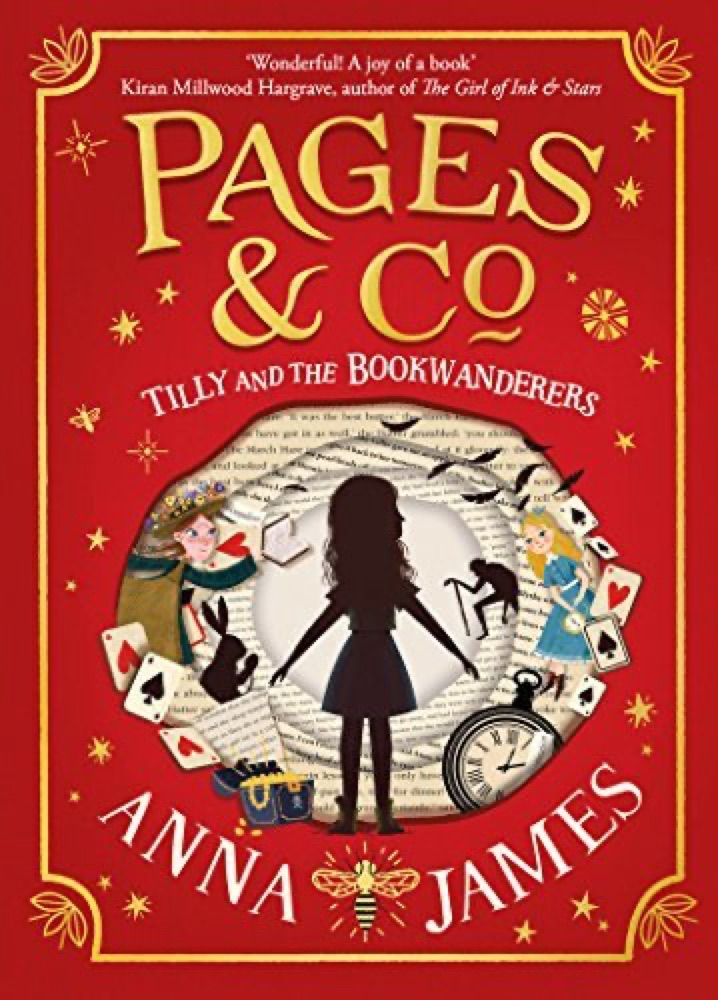 Tilly and the Bookwanderers
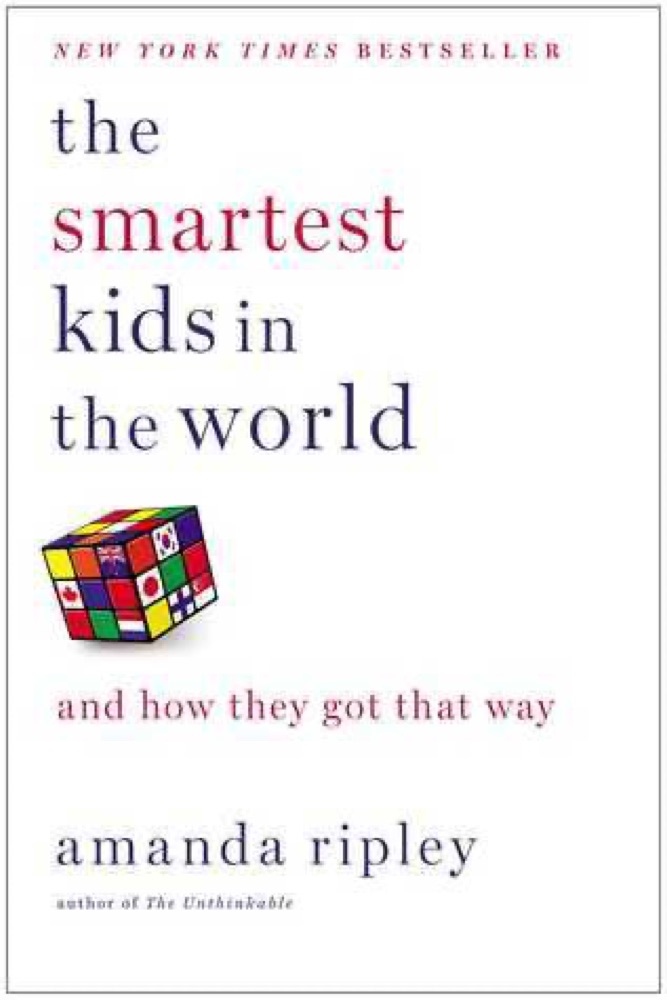 The Smartest Kids in the World: And How They Got That Way
 The Last Librarian