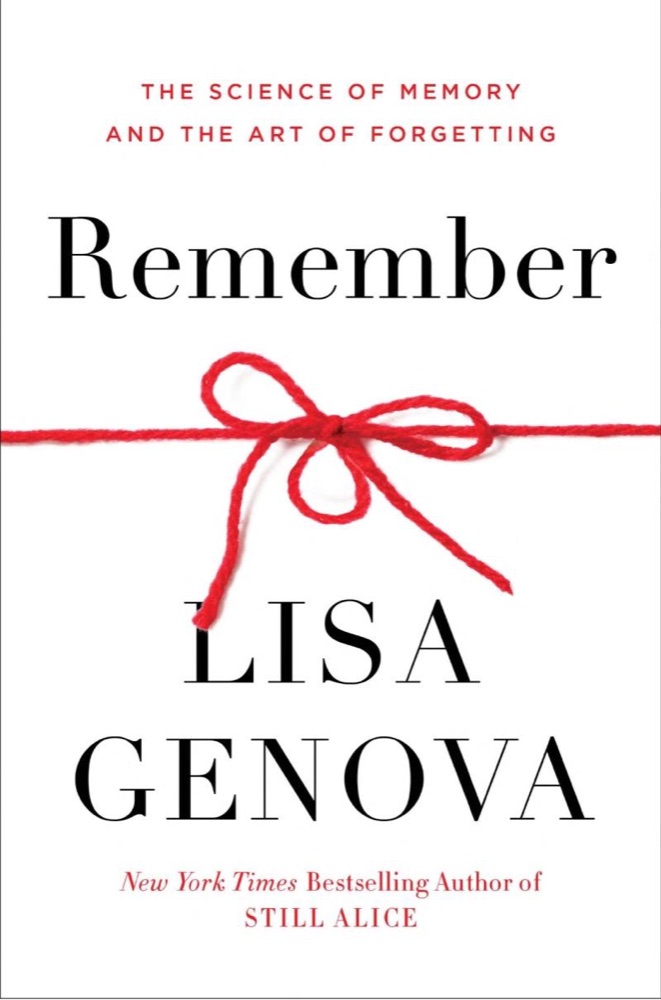

 Still Alice
Quotes from the Book
Our brains don’t remember everything, but maybe what they remember is enough.
11
Forgetting happens. If you stress about it, it'll happen even more.
10
The parts of your brain that are now activated include the same neurons in your visual cortex that would be activated if you were actually looking
10
Diagnosis doesn't mean you are dying tomorrow. Keep living. You won't lose your emotional memory. You'll still be capable of understanding love and joy. You might not remember what I said 5 minutes ago or even who I am but you'll remember how I made you feel. You are more than what you can remember.
8
People will often tell me that they have a terrible memory. Hearing that kind of attitude, I believe them. Older adults shown a list of negative words about aging, such as: decrepit, senile, handicapped, feeble. perform worse on memory and physical tests than do same-age subjects shown a list of positive words about aging, such as: wise, elder, vibrant, experienced. Like people, your memory will function better if it has high self-esteem. Speak nicely to and of your memory, and it will remember more and forget less.
7
Surely there must be something we can do to combat aging’s normal but corrosive affects on memory performance. These declines in memory creation, retrieval, and processing speed aren’t all inevitable, are they? You’re not gonna like this, but appears the answer is ultimately yes. If you eat a daily diet of doughnuts, only go for a run if someone is chasing you, regularly sacrifice sleep by binge watching entire seasons of the latest show on Netflix until 3 AM, and are chronically stressed, you’ll most definitely accelerate the ageing of your memory.
7
Whatever you do over and over changes your brain, then your brain changes how you move your body. There’s
6
You don't need memory to love or feel loved.
6
… fretting about forgetting can be a self-fulfilling prophecy. So, let’s all take a collective deep breath. The next time you struggle with the name of that famous surfer or forget to buy milk at the store, you can remember that these are examples of normal forgetting and, hopefully, you can relax. Forgetting happens. If you stress about it, it will happen even more.
6
Our brains don't remember everything, but maybe what they remember is enough. And yet even when the meaningful is forgotten, memory doesn't define what it means to be human.
6
working memory carries the beginning of the sentence you are reading now long enough for you to understand the entire sentence by the time you reach the end of it.
5
And if, despite all this, you are someday diagnosed with Alzheimer’s, there are three lessons I’ve learned from my grandmother and Greg and the dozens of other people I’ve come to know living with this disease: Diagnosis
5
we often forget not because it’s efficient for our brains to do so but because we haven’t supplied our brains with the kinds of input needed to support memory creation and retrieval.
5
We frequently invent new information, often inaccurate, to fill in gaps in our memories so that the narrative feels more complete or pleasing.
5
I couldn’t find my car, not because I had a horrible memory, amnesia, dementia, or Alzheimer’s. Temporarily losing my car had absolutely nothing to do with my memory. I couldn’t find my car, because I never paid attention to where I had parked it in the first place.
4
Building an Alzheimer’s-resistant brain through cognitive stimulation means learning to play piano, meeting new friends, traveling to a new city, or reading this book. You’re welcome.
4
couldn’t find my car, because I never paid attention to where I had parked it in the first place. If we want to remember something, above all else, we need to notice what is going on. Noticing requires two
3
semantic memory, is memory for the knowledge you’ve learned, the facts you know about your life and the world—the Wikipedia of your brain.
3
But we can't do anything about getting older. If we live long enough, is forgetting due to Alzheimer's our brain's destiny? For most of us, it is not. Alzheimer's is not a part of normal aging. Only 2% of people with Alzheimer's have the purely inherited early-onset form of the disease. 98% of the time, Alzheimer's is caused by a combination of the genes we inherited and how we live. While we can't do anything about our DNA, science clearly shows that the way we live can dramatically affect the accumulation of amyloid plaques. This in turn means that, like cancer and heart disease, there are things we can do to prevent Alzheimer's.
3
Most of what we forget is not a failure of character, a symptom of disease, or even a reasonable cause for fear - places most of us tend to go when memory fails us. We feel worried, embarrassed, or plain scared every time we forget something we believe we should remember or would have remembered back when we were younger. We hold onto the assumption that memory will weaken with age, betray us, and eventually leave us.
3
doesn’t mean you’re dying tomorrow. Keep living. You won’t lose your emotional memory. You’ll still be capable of understanding love and joy. You might not remember what I said five minutes ago or even who I am, but you’ll remember how I made you feel. You are more than what you can remember.
2
Writing something down allows you to rehearse and therefore strengthen the memory for the details you choose to write about
Watch on YouTube
About Lisa Genova
We have collected 116 quotes from 5 books by Lisa Genova on BookQuoters.
More about the author →More by Lisa Genova
About the book
A fascinating exploration of the intricacies of how we remember, why we forget, and what we can do to protect our memories, from the Harvard-trained neuroscientist and bestselling author of Still Alice.
Have you ever felt a crushing wave of panic when you can't for the life of you remember the name of that actor in the movie you saw last week, or you walk into a room only to forget why you went there in the first place? If you're over forty, you're probably not laughing. You might even be worried that these lapses in memory could be an early sign of Alzheimer's or dementia. In reality, for the vast majority of us, these examples of forgetting are completely normal. Why? Because while memory is amazing, it is far from perfect. Our brains aren't designed to remember every name we hear, plan we make, or day we experience. Just because your memory sometimes fails doesn't mean it's broken
Book details
- First published
- 2021
- Author
- Lisa Genova
- Genre
- Nonfiction
- Goodreads rating
- 4.18 (17k ratings)
Keep reading
 Moonwalking with Einstein: The Art and Science of Remembering Everything
 The Brain That Changes Itself: Stories of Personal Triumph from the Frontiers of Brain Science
 Successful Aging: A Neuroscientist Explores the Power and Potential of Our Lives
 My Stroke of Insight: A Brain Scientist's Personal Journey
 The Organized Mind: Thinking Straight in the Age of Information Overload
 Incognito: The Secret Lives of the Brain
 The Shaking Woman, or A History of My Nerves
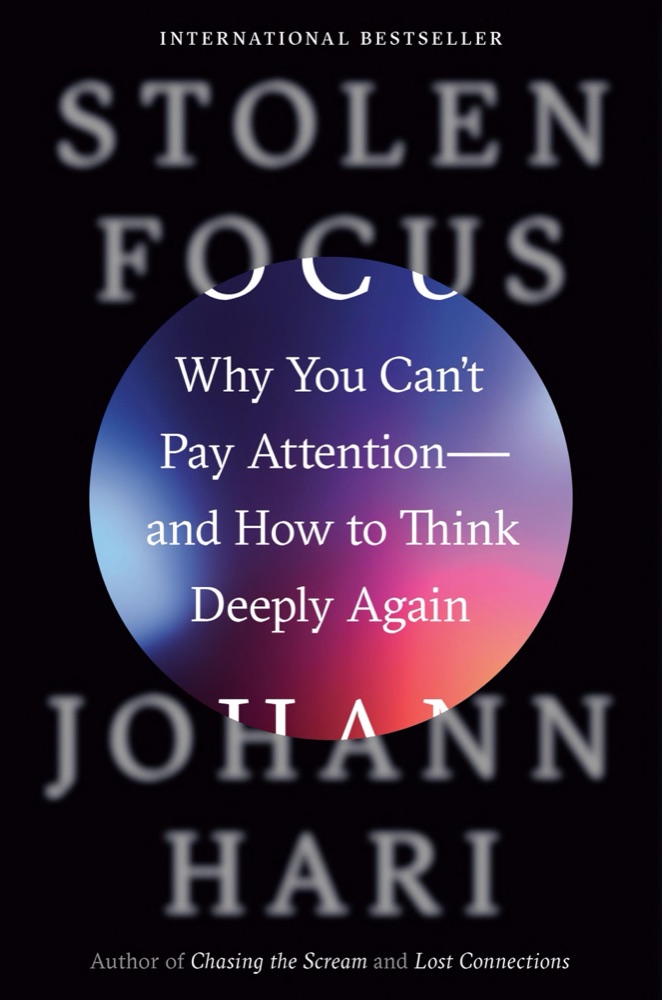 Stolen Focus: Why You Can't Pay Attention— and How to Think Deeply Again
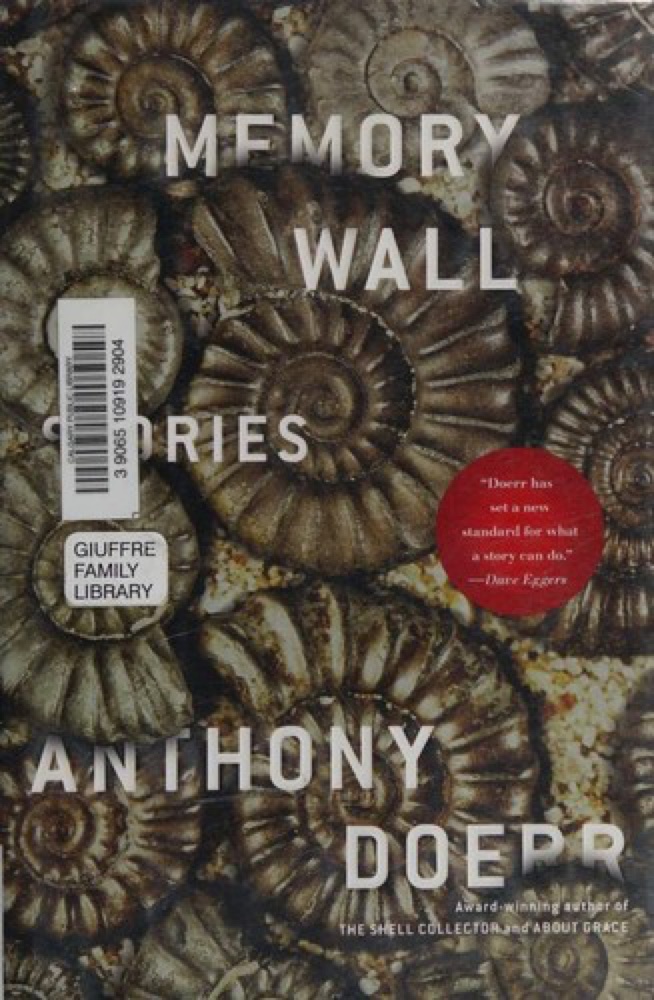 Memory Wall
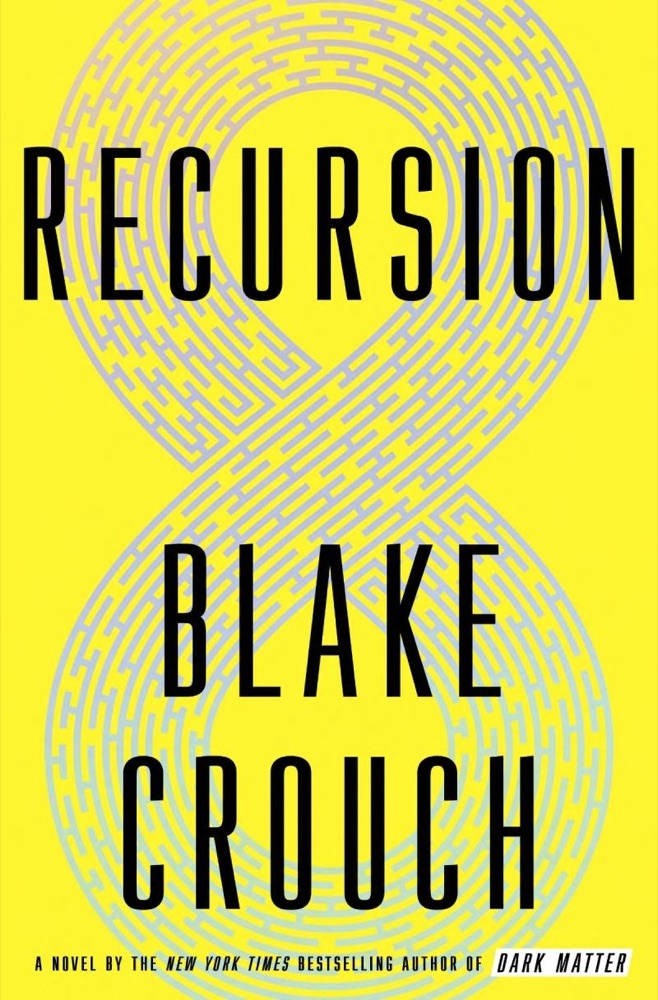 Recursion
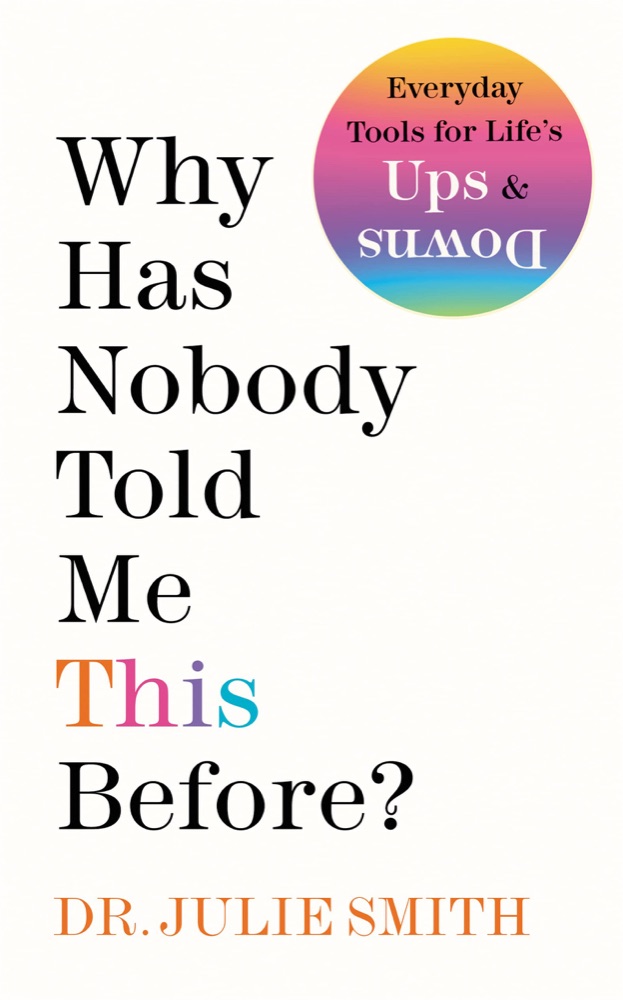 Why Has Nobody Told Me This Before?
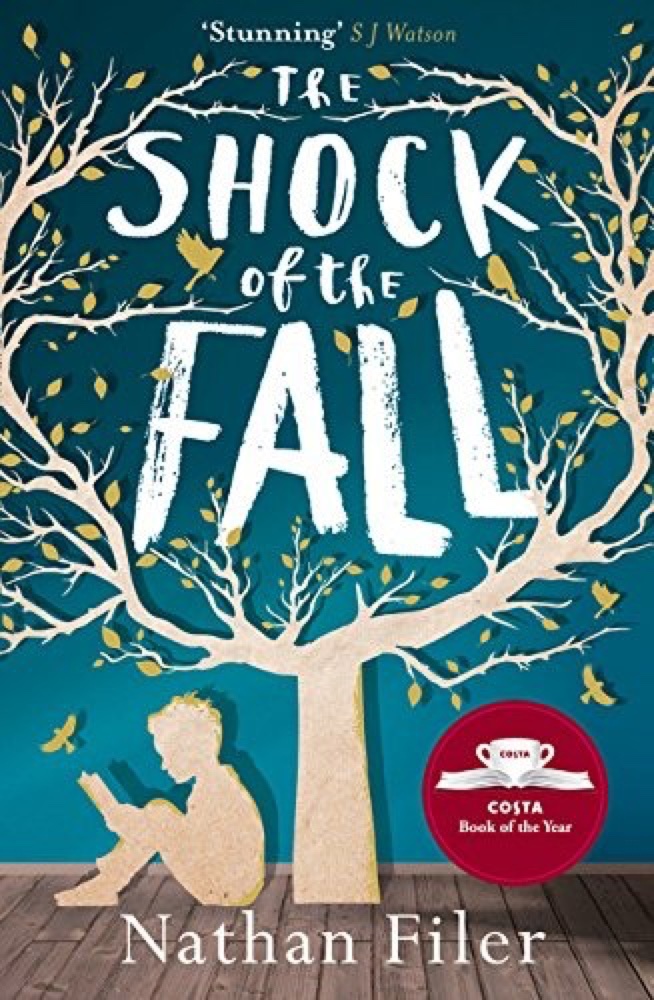 The Shock of the Fall
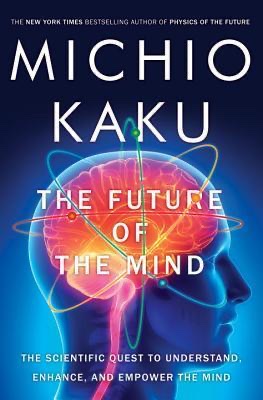 The Future of the Mind: The Scientific Quest to Understand, Enhance, and Empower the Mind
 Penpal
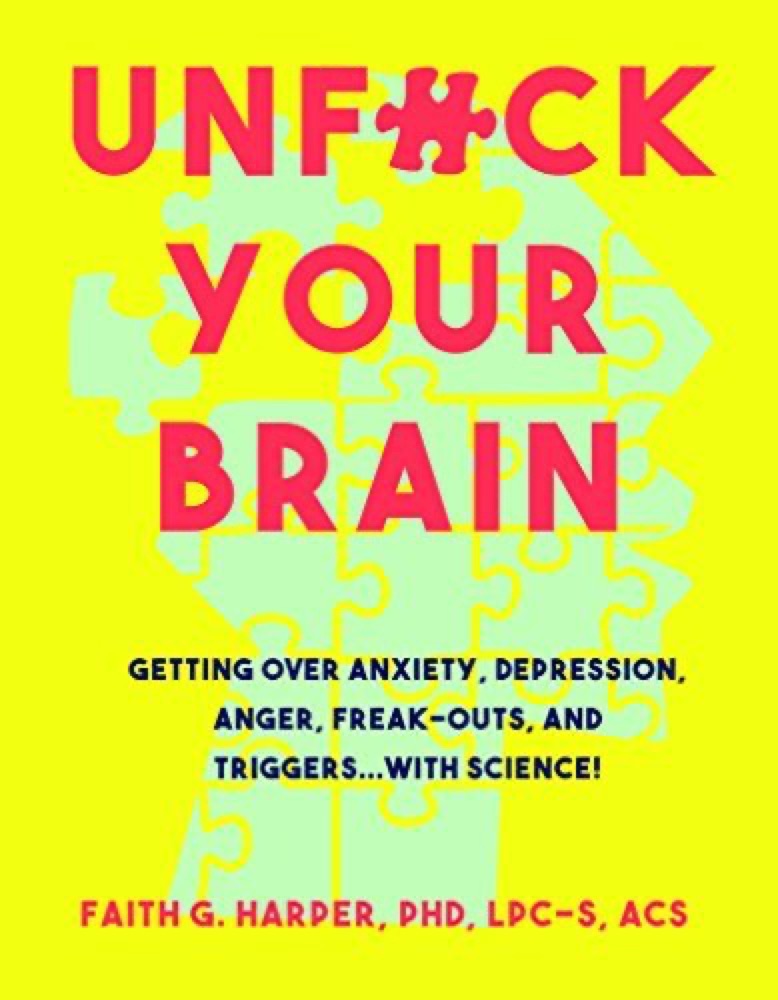 Unfuck Your Brain: Using Science to Get Over Anxiety, Depression, Anger, Freak-Outs, and Triggers
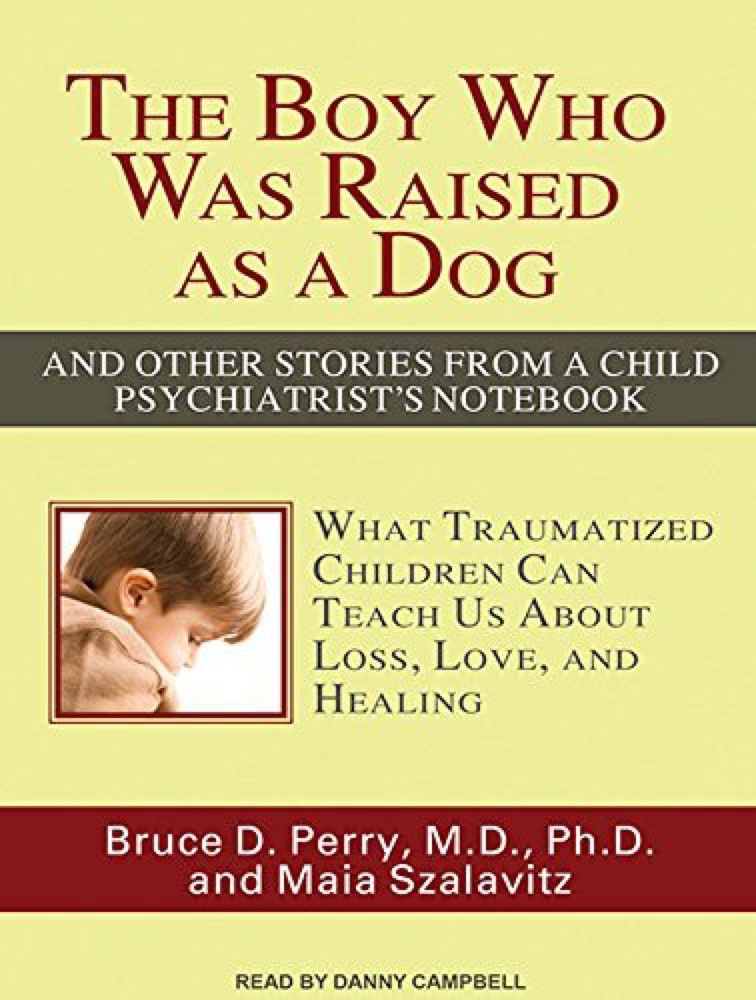 The Boy Who Was Raised as a Dog: And Other Stories from a Child Psychiatrist's Notebook
 Ongoingness: The End of a Diary
 Mindsight: The New Science of Personal Transformation
 A User's Guide to the Brain: Perception, Attention, and the Four Theaters of the Brain
 A Thousand Brains: A New Theory of Intelligence
 Limitless: Upgrade Your Brain, Learn Anything Faster, and Unlock Your Exceptional Life
 The Bullet Journal Method: Track Your Past, Order Your Present, Plan Your Future
 The Street Sweeper
 How We Learn: Why Brains Learn Better Than Any Machine . . . for Now
 How to Stay Sane
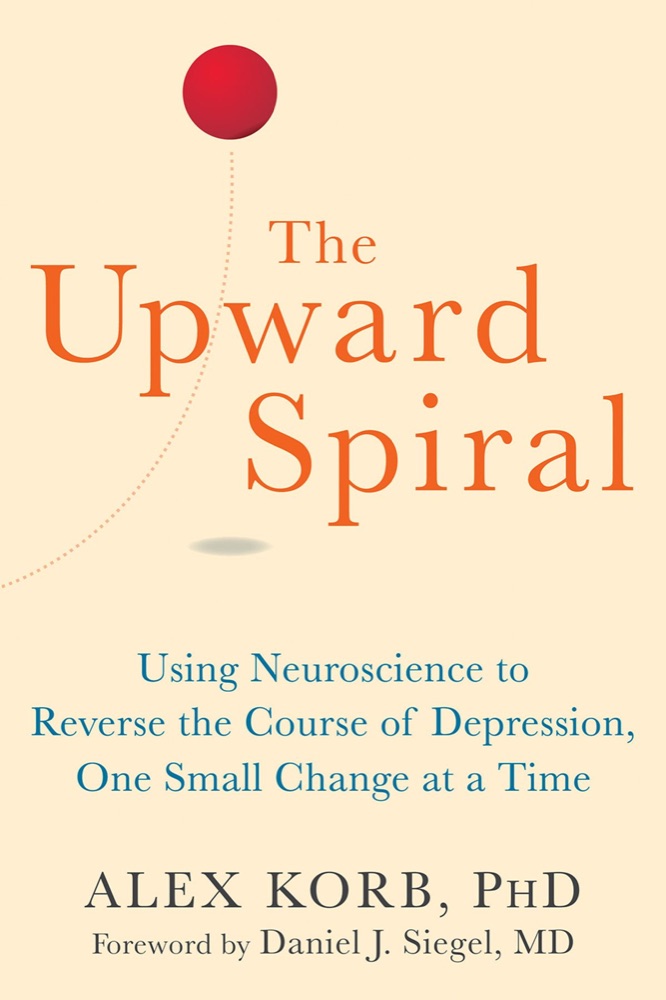 The Upward Spiral: Using Neuroscience to Reverse the Course of Depression, One Small Change at a Time
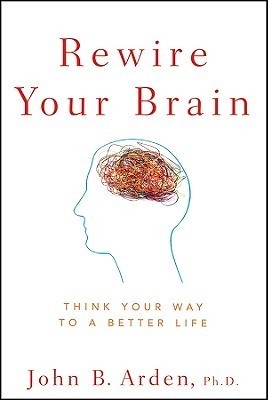 Rewire Your Brain: Think Your Way to a Better Life
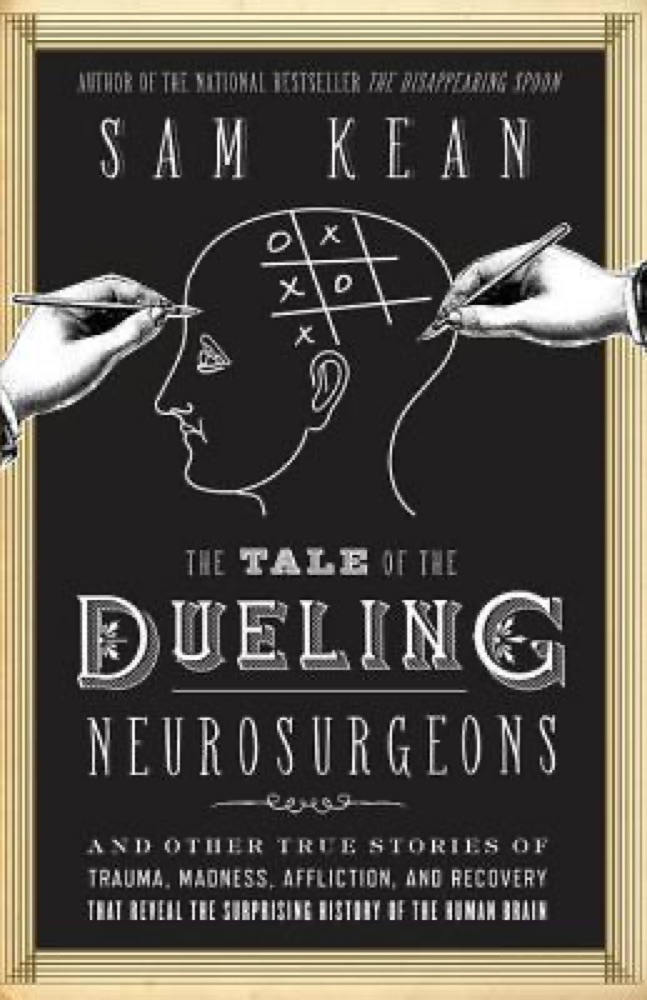 The Tale of the Dueling Neurosurgeons: The History of the Human Brain as Revealed by True Stories of Trauma, Madness, and Recovery
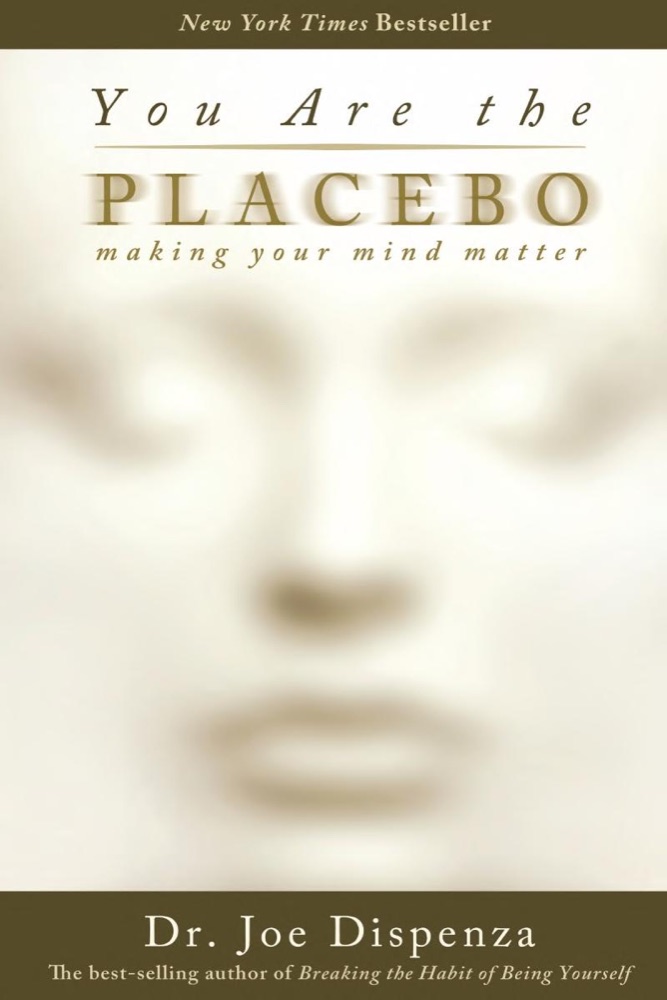 You Are the Placebo: Making Your Mind Matter
 How to ADHD: An Insider's Guide to Working with Your Brain
 Life Reimagined: The Science, Art, and Opportunity of Midlife
 The Sorrows of an American
 Blue Nights
 Andrew's Brain
 No Self, No Problem: How Neuropsychology Is Catching Up to Buddhism
 Life in Five Senses: How Exploring the Senses Got Me Out of My Head and Into the World
 You Are Now Less Dumb: How to Conquer Mob Mentality, How to Buy Happiness, and All the Other Ways to Outsmart Yourself
 Mastermind: How to Think Like Sherlock Holmes
 Descartes' Error: Emotion, Reason and the Human Brain
 Livewired: The Inside Story of the Ever-Changing Brain
 I Miss You When I Blink: Essays
 Brain on Fire: My Month of Madness
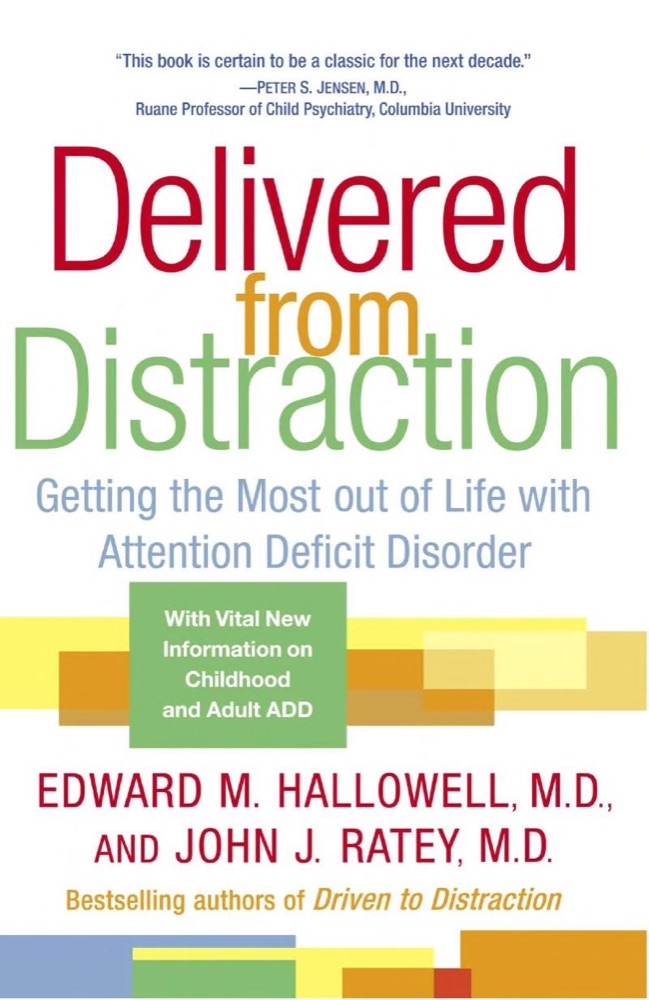 Delivered from Distraction: Getting the Most out of Life with Attention Deficit Disorder
 The Memory Police
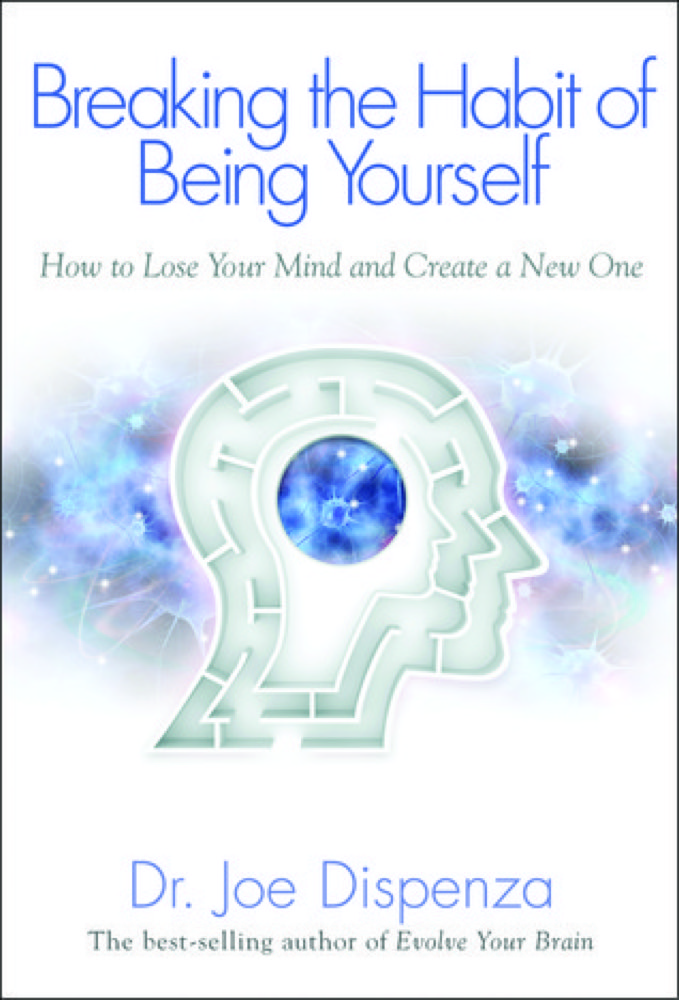 Breaking the Habit of Being Yourself: How to Lose Your Mind and Create a New One
 Patient H.M.: A Story of Memory, Madness, and Family Secrets
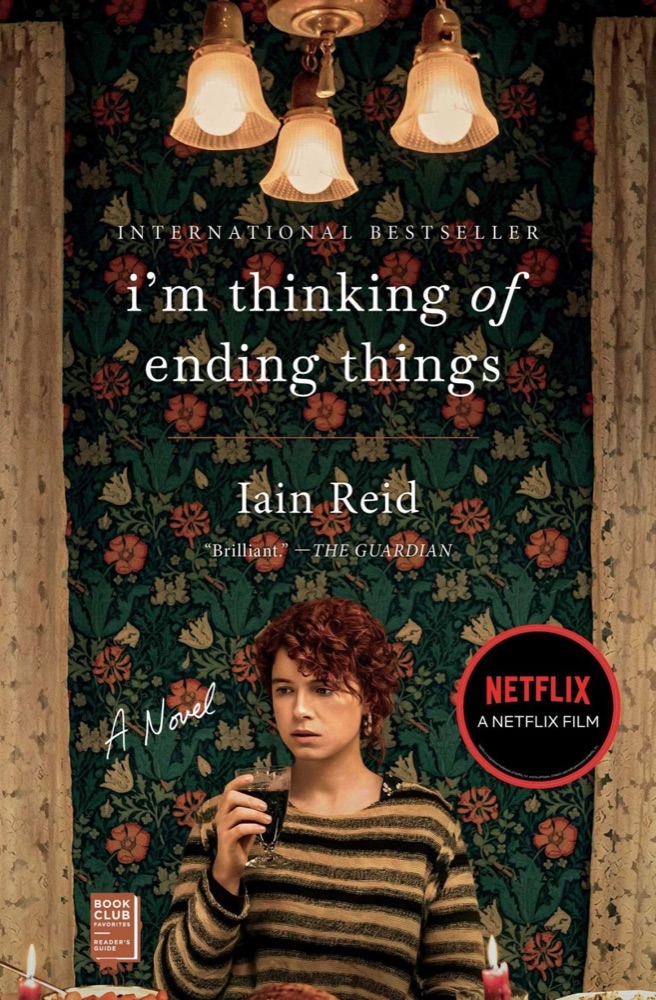 I'm Thinking of Ending Things
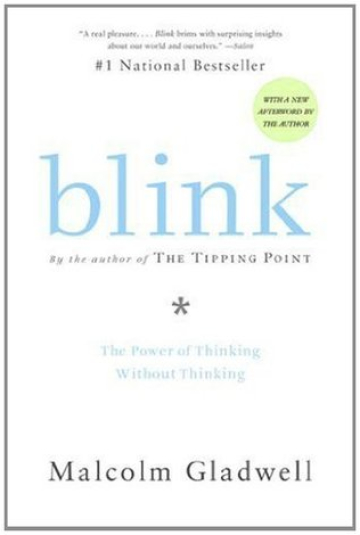 Blink: The Power of Thinking Without Thinking
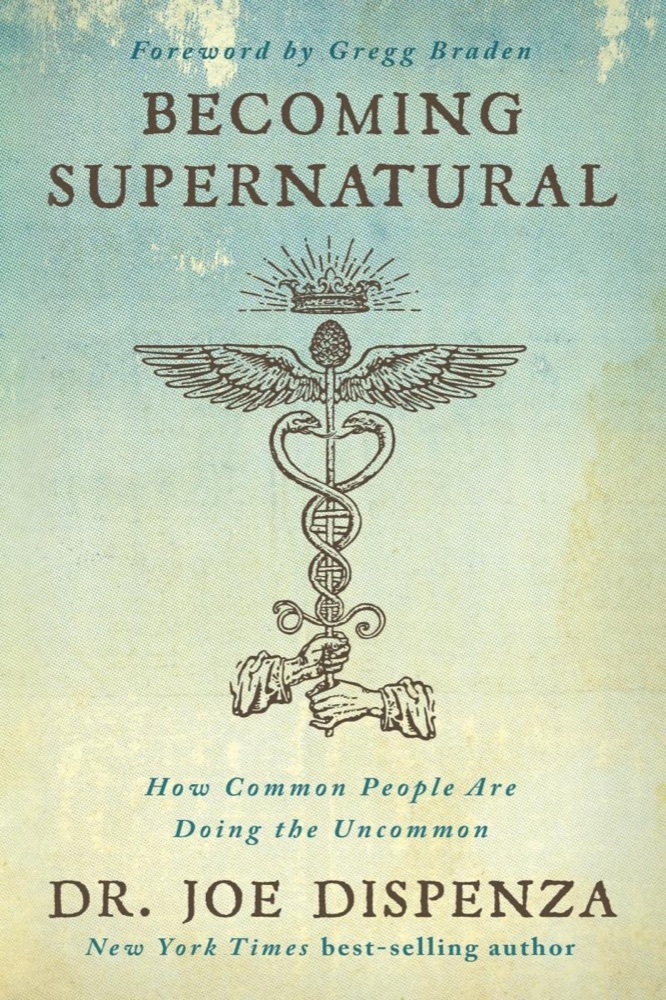 Becoming Supernatural: How Common People are Doing the Uncommon
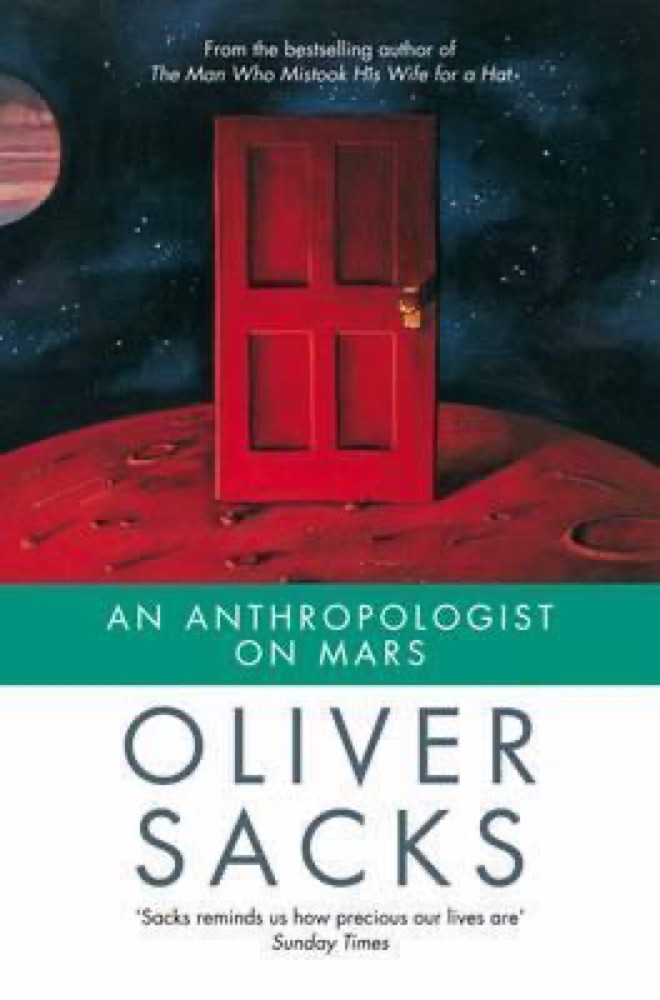 An Anthropologist on Mars
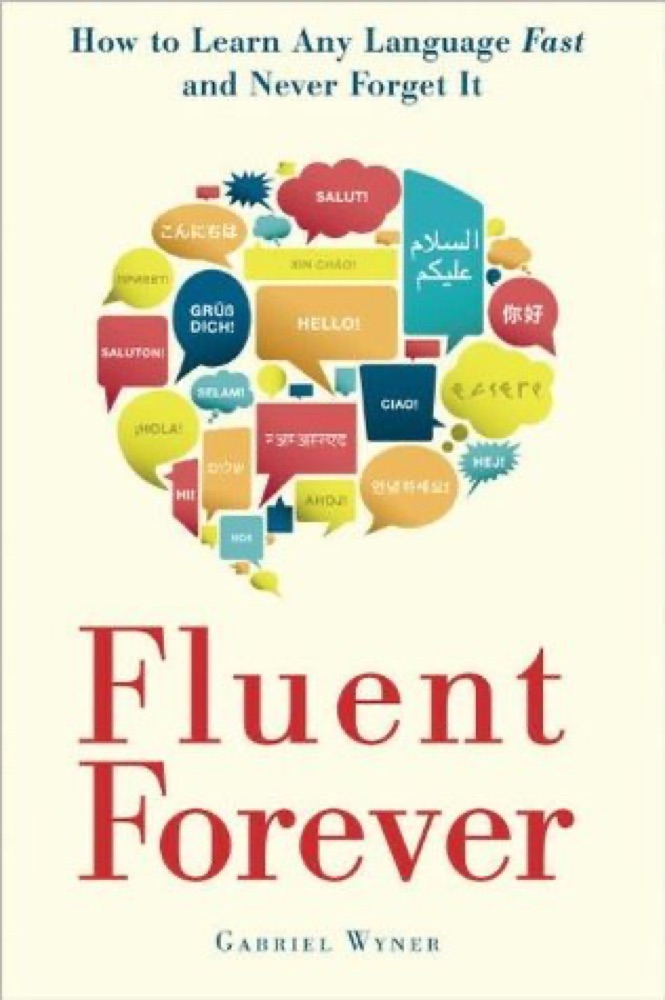 Fluent Forever: How to Learn Any Language Fast and Never Forget It
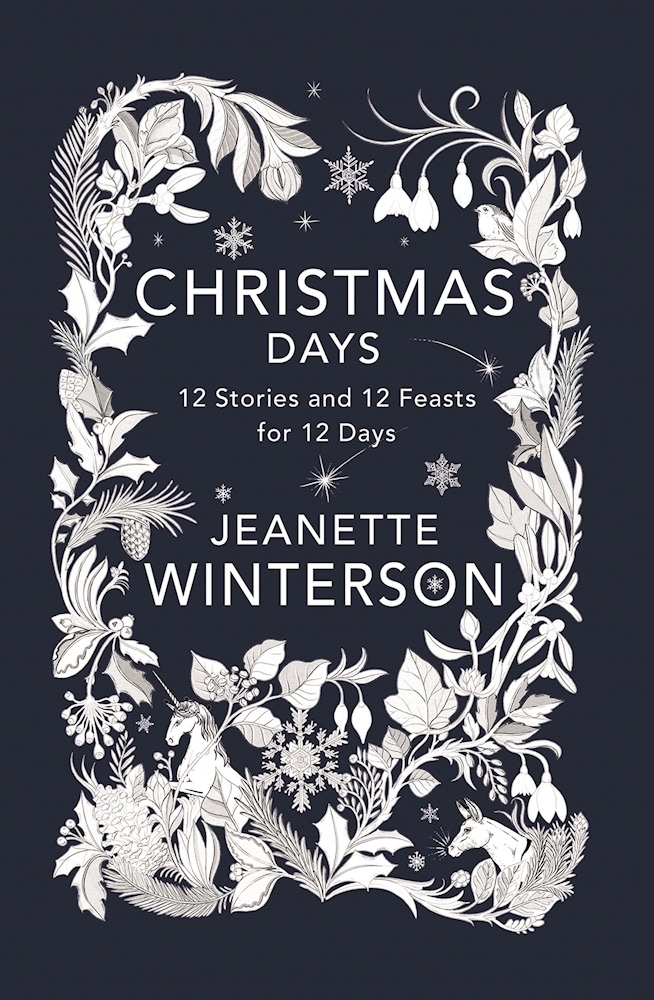 Christmas Days: 12 Stories and 12 Feasts for 12 Days
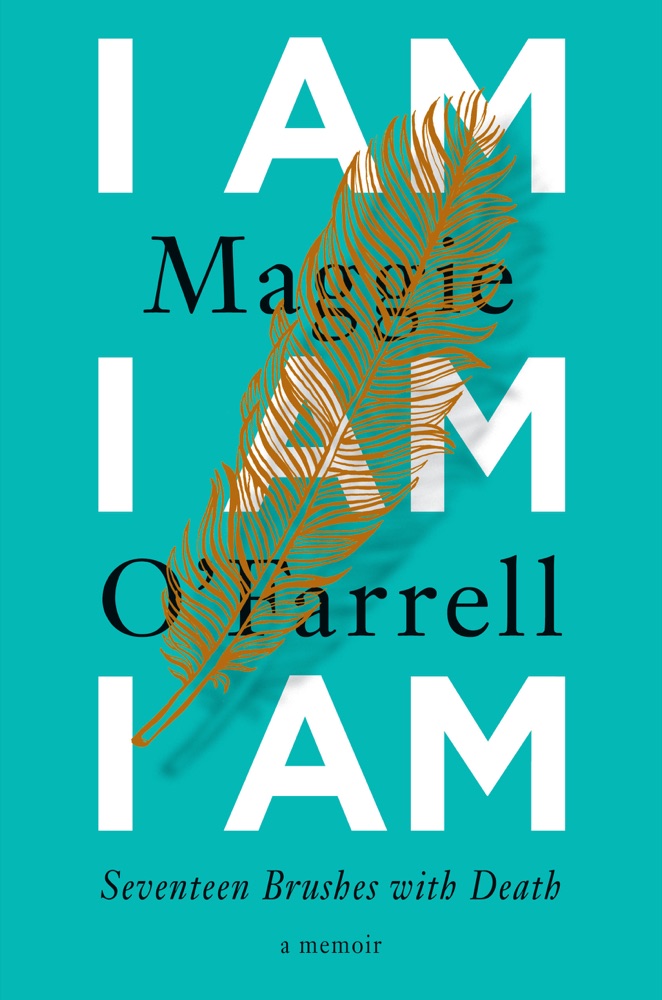 I Am, I Am, I Am: Seventeen Brushes with Death
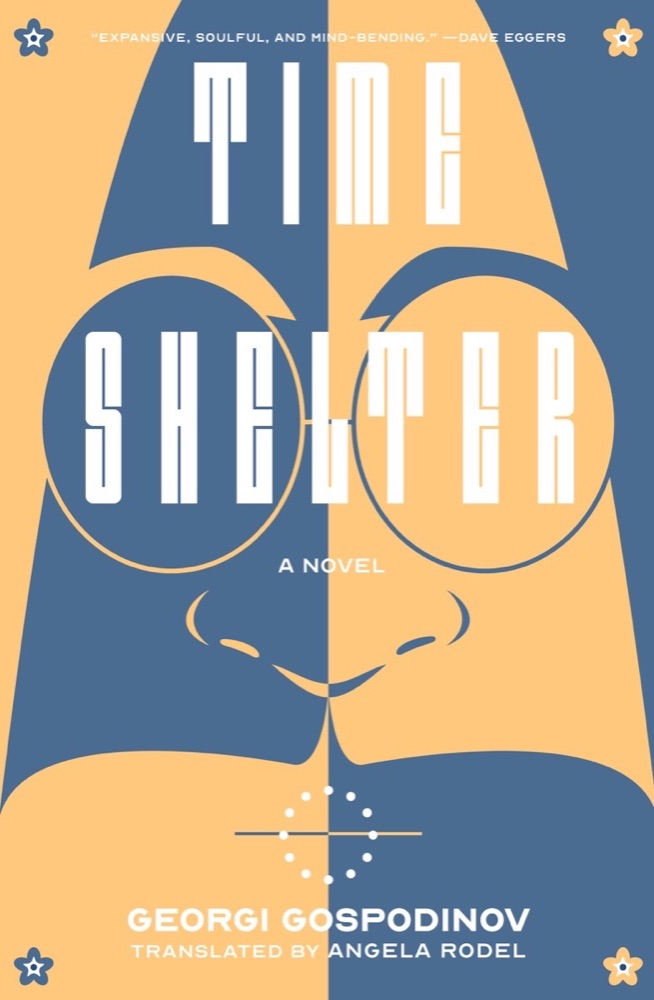 Time Shelter
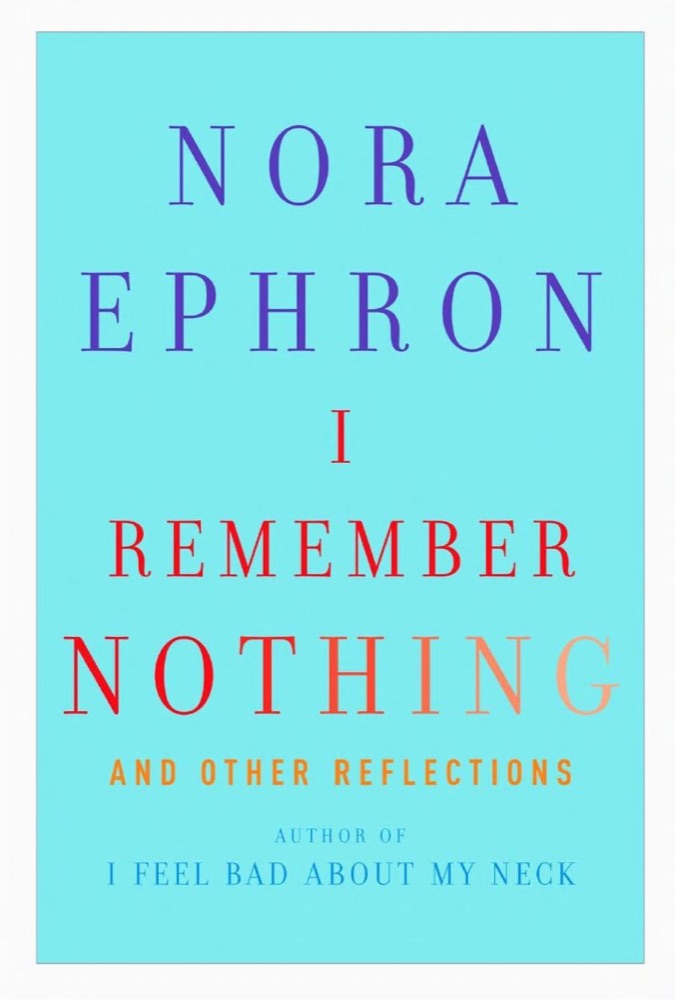 I Remember Nothing: and Other Reflections
 What Happened To You?: Conversations on Trauma, Resilience, and Healing
 The Sense of an Ending
 Meditation for Fidgety Skeptics: A 10% Happier How-To Book
 How to Stop Time
 How We Decide