
 Grit: The Power of Passion and Perseverance
Quotes from the Book
He didn’t ask for mistake-free games. He didn’t demand that his players never lose. He asked for full preparation and full effort from them. “Did I win? Did I lose? Those are the wrong questions. The correct question is: Did I make my best effort?” If so, he says, “You may be outscored but you will never lose.
164
We like to think of our champions and idols as superheroes who were born different from us. We don’t like to think of them as relatively ordinary people who made themselves extraordinary.
156
no matter what your ability is, effort is what ignites that ability and turns it into accomplishment.
129
Why waste time proving over and over how great you are, when you could be getting better? Why hide deficiencies instead of overcoming them? Why look for friends or partners who will just shore up your self-esteem instead of ones who will also challenge you to grow? And why seek out the tried and true, instead of experiences that will stretch you? The passion for stretching yourself and sticking to it, even (or especially) when it’s not going well, is the hallmark of the growth mindset. This is the mindset that allows people to thrive during some of the most challenging times in their lives.
119
Picture your brain forming new connections as you meet the challenge and learn. Keep on going.
111
So what should we say when children complete a task—say, math problems—quickly and perfectly? Should we deny them the praise they have earned? Yes. When this happens, I say, “Whoops. I guess that was too easy. I apologize for wasting your time. Let’s do something you can really learn from!
99
I don’t mind losing as long as I see improvement or I feel I’ve done as well as I possibly could.
90
This is something I know for a fact: You have to work hardest for the things you love most.
85
True self-confidence is “the courage to be open—to welcome change and new ideas regardless of their source.” Real self-confidence is not reflected in a title, an expensive suit, a fancy car, or a series of acquisitions. It is reflected in your mindset: your readiness to grow.
75
After seven experiments with hundreds of children, we had some of the clearest findings I’ve ever seen: Praising children’s intelligence harms their motivation and it harms their performance. How can that be? Don’t children love to be praised? Yes, children love praise. And they especially love to be praised for their intelligence and talent. It really does give them a boost, a special glow—but only for the moment. The minute they hit a snag, their confidence goes out the window and their motivation hits rock bottom. If success means they’re smart, then failure means they’re dumb. That’s the fixed mindset.
75
In the fixed mindset, everything is about the outcome. If you fail—or if you’re not the best—it’s all been wasted. The growth mindset allows people to value what they’re doing regardless of the outcome . They’re tackling problems, charting new courses, working on important issues. Maybe they haven’t found the cure for cancer, but the search was deeply meaningful.
68
...when people already know they're deficient, they have nothing to lose by trying.
66
Mindset change is not about picking up a few pointers here and there. It's about seeing things in a new way. When people...change to a growth mindset, they change from a judge-and-be-judged framework to a learn-and-help-learn framework. Their commitment is to growth, and growth take plenty of time, effort, and mutual support.
63
Parents think they can hand children permanent confidence—like a gift—by praising their brains and talent. It doesn’t work, and in fact has the opposite effect. It makes children doubt themselves as soon as anything is hard or anything goes wrong. If parents want to give their children a gift, the best thing they can do is to teach their children to love challenges, be intrigued by mistakes, enjoy effort, and keep on learning. That way, their children don’t have to be slaves of praise. They will have a lifelong way to build and repair their own confidence.
60
it’s not always the people who start out the smartest who end up the smartest.
58
I believe ability can get you to the top,” says coach John Wooden, “but it takes character to keep you there.… It’s so easy to … begin thinking you can just ‘turn it on’ automatically, without proper preparation. It takes real character to keep working as hard or even harder once you’re there. When you read about an athlete or team that wins over and over and over, remind yourself, ‘More than ability, they have character.'
56
Genius is not enough; we need to get the job done.
44
Don’t judge. Teach. It’s a learning process.
43
John Wooden, the legendary basketball coach, says you aren’t a failure until you start to blame. What he means is that you can still be in the process of learning from your mistakes until you deny them.
42
Many growth-minded people didn’t even plan to go to the top. They got there as a result of doing what they love. It’s ironic: The top is where the fixed-mindset people hunger to be, but it’s where many growth-minded people arrive as a by-product of their enthusiasm for what they do.
39
I derive just as much happiness from the process as from the results.
39
What on earth would make someone a nonlearner? Everyone is born with an intense drive to learn. Infants stretch their skills daily. Not just ordinary skills, but the most difficult tasks of a lifetime, like learning to walk and talk. They never decide it’s too hard or not worth the effort. Babies don’t worry about making mistakes or humiliating themselves. They walk, they fall, they get up. They just barge forward. What could put an end to this exuberant learning? The fixed mindset. As soon as children become able to evaluate themselves, some of them become afraid of challenges. They become afraid of not being smart. I have studied thousands of people from preschoolers on, and it’s breathtaking how many reject an opportunity to learn.
39
The passion for stretching yourself and sticking to it, even (or especially) when it’s not going well, is the hallmark of the growth mindset. This is the mindset that allows people to thrive during some of the most challenging times in their lives.
38
Think about your hero. Do you think of this person as someone with extraordinary abilities who achieved with little effort? Now go find out the truth. Find out the tremendous effort that went into their accomplishment—and admire them more.
33
IF, like those with the growth mindset, you believe you can develop yourself, then you're open to accurate information about your current abilities, even it it's unflattering. What's more, if you're oriented toward learning, as they are, you need accurate information about your current abilities in order to learn effectively
33
Praise should deal, not with the child’s personality attributes, but with his efforts and achievements.
30
All kids misbehave. Research shows that normal young children misbehave every three minutes. Does it become an occasion for judgement of their character or an occasion for teaching?
30
remarkable thing I’ve learned from my research is that in the growth mindset, you don’t always need confidence. What I mean is that even when you think you’re not good at something, you can still plunge into it wholeheartedly and stick to it. Actually, sometimes you plunge into something because you’re not good at it.
24
Watch on YouTube
About Carol S. Dweck
We have collected 28 quotes from 1 book by Carol S. Dweck on BookQuoters.
More about the author →About the book
A newer edition of this book can be found here.
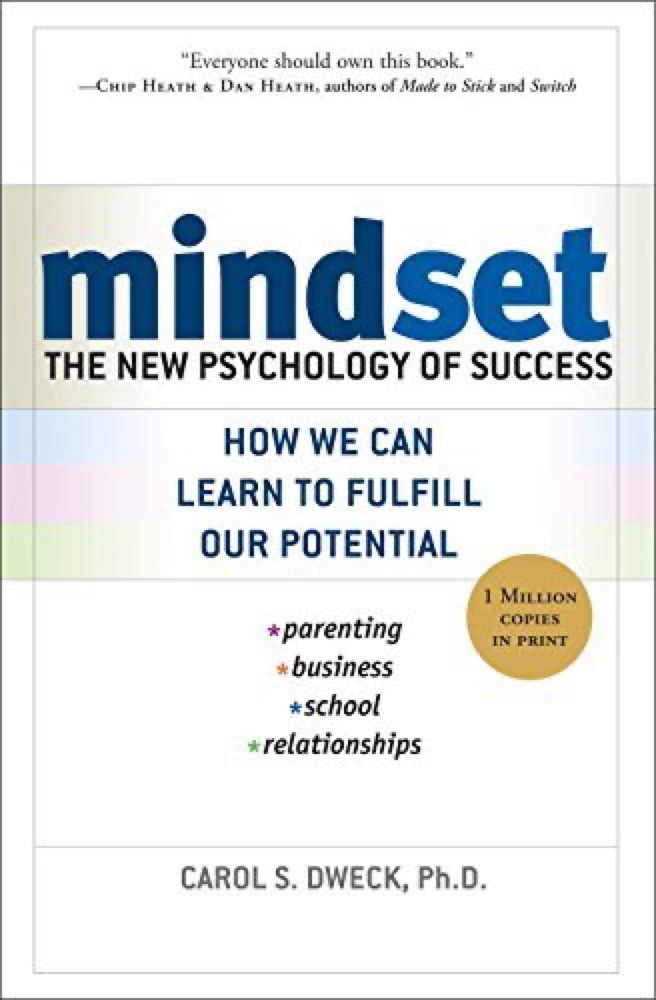
After decades of research, world-renowned Stanford University psychologist Carol S. Dweck, Ph.D., discovered a simple but groundbreaking idea: the power of mindset. In this brilliant book, she shows how success in school, work, sports, the arts, and almost every area of human endeavor can be dramatically influenced by how we think about our talents and abilities. People with a fixed mindset — those who believe that abilities are fixed — are less likely to flourish than those with a growth mindset — those who believe that abilities can be developed. Mindset reveals how great parents, teachers, managers, and athletes can put this idea to use to foster outstanding accomplishment.
In this edition, Dweck offers new insights into her now famous and broadly embraced concept. She introduces a phenomenon she calls false growth mindset and guid
Book details
- First published
- 2006
- Author
- Carol S. Dweck
- Genre
- Nonfiction
- Goodreads rating
- 4.09 (180k ratings)
Keep reading
Grit: The Power of Passion and Perseverance
 You Can Win: A Step by Step Tool for Top Achievers
 Late Bloomers: The Power of Patience in a World Obsessed with Early Achievement
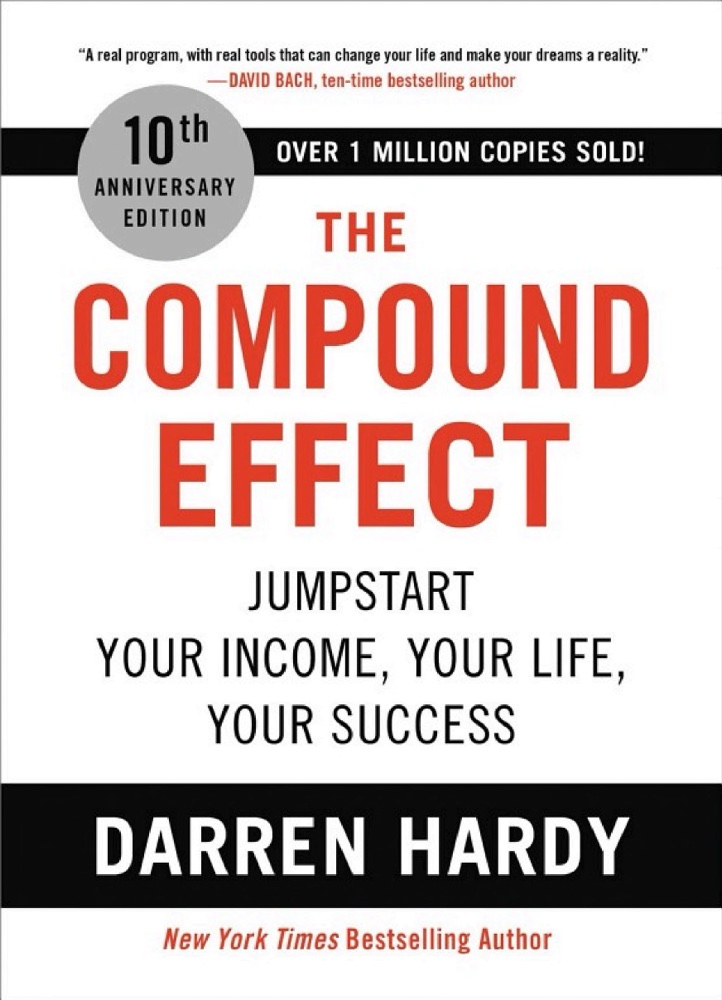 The Compound Effect: Jumpstart Your Income, Your Life, Your Success
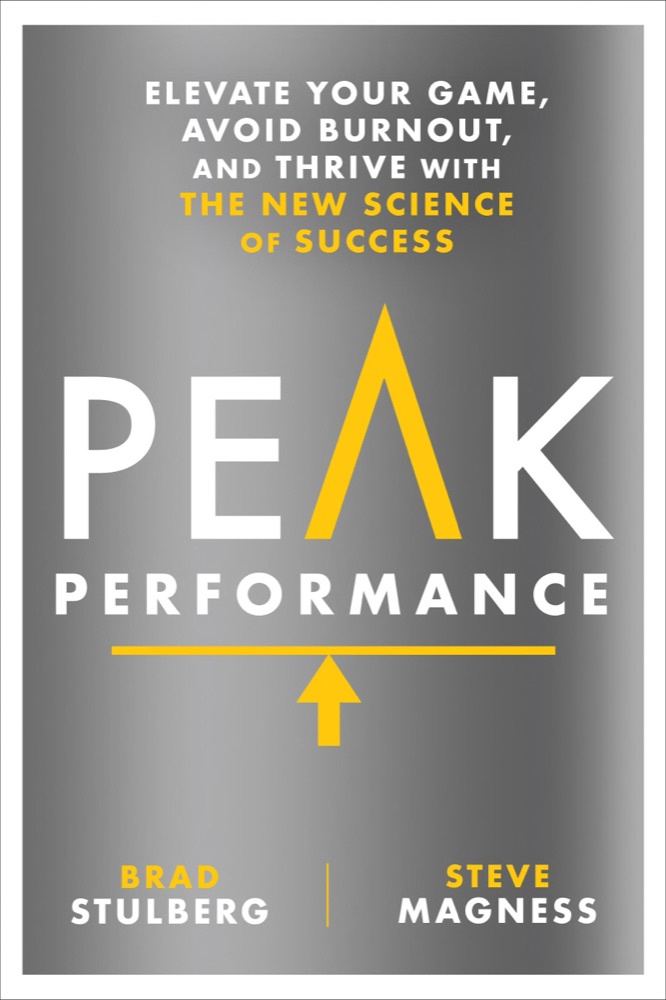 Peak Performance: Elevate Your Game, Avoid Burnout, and Thrive with the New Science of Success
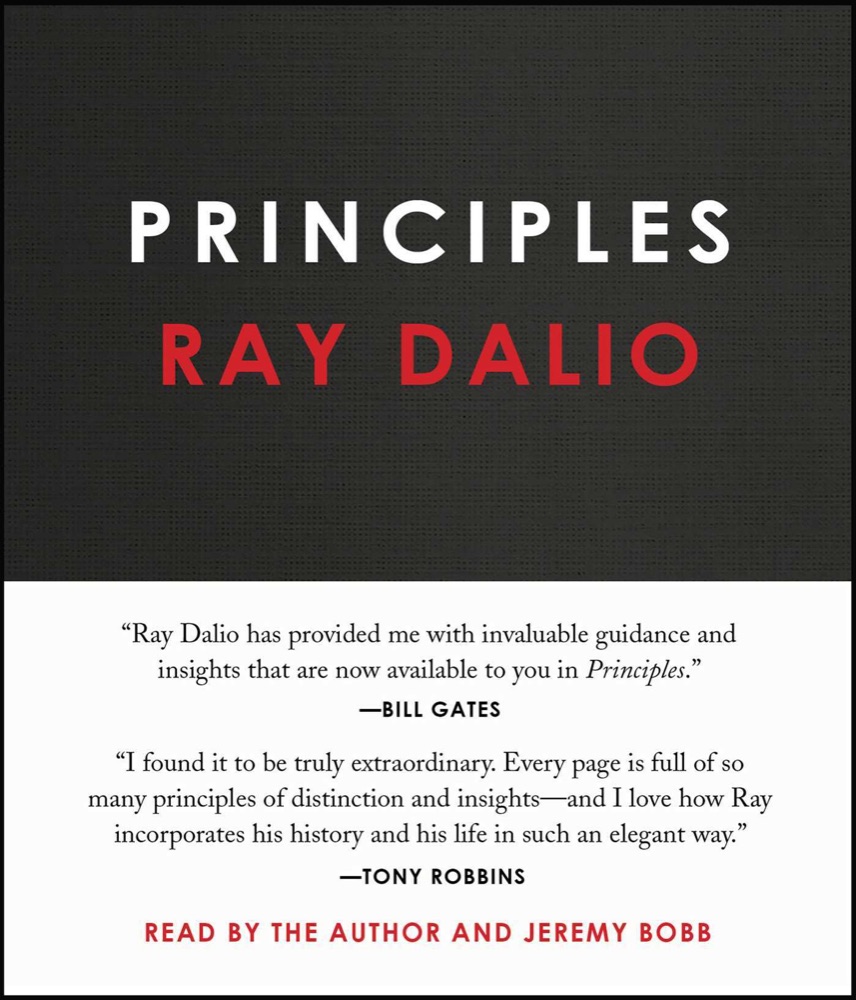 Principles: Life and Work
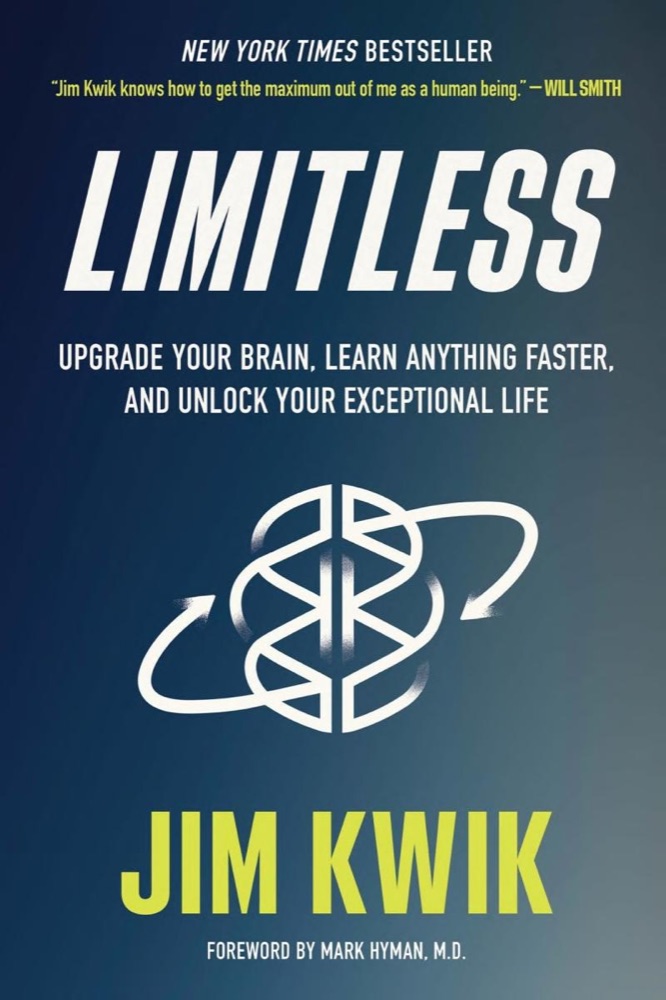 Limitless: Upgrade Your Brain, Learn Anything Faster, and Unlock Your Exceptional Life
 Tribe Of Mentors: Transformative Wisdom From Icons and Innovators to Help You Navigate Life's Challenges
 Magic of Thinking Big
 How to Fail at Almost Everything and Still Win Big: Kind of the Story of My Life
 The Score Takes Care of Itself: My Philosophy of Leadership
 Smarter Faster Better: The Secrets of Being Productive in Life and Business
 Tools of Titans: The Tactics, Routines, and Habits of Billionaires, Icons, and World-Class Performers
 The Power of Focus
 The Success Principles: How to Get from Where You Are to Where You Want to Be
 7 Strategies for Wealth & Happiness: Power Ideas from America's Foremost Business Philosopher
 Wooden: A Lifetime of Observations and Reflections On and Off the Court
 Personality Isn't Permanent: Break Free from Self-Limiting Beliefs and Rewrite Your Story
 Mind Gym: An Athlete's Guide to Inner Excellence
 Think and Grow Rich
 High Performance Habits: How Extraordinary People Become That Way
 Grit to Great: How Perseverance, Passion, and Pluck Take You from Ordinary to Extraordinary
 The Excellence Habit - How Small Changes In Our Mindset Can Make A Big Difference In Our Lives: For All Who Feel Stuck
 Peak: Secrets from the New Science of Expertise
 Think Again: The Power of Knowing What You Don't Know
 Barking Up the Wrong Tree: The Surprising Science Behind Why Everything You Know About Success Is (Mostly) Wrong
 The Confidence Code: The Science and Art of Self-Assurance – What Women Should Know
 Be Useful: Seven Tools for Life
 Atomic Habits: An Easy & Proven Way to Build Good Habits & Break Bad Ones
 Firestarters: How Innovators, Instigators, and Initiators Can Inspire You to Ignite Your Own Life
 The 7 Habits of Highly Effective People: Personal Workbook
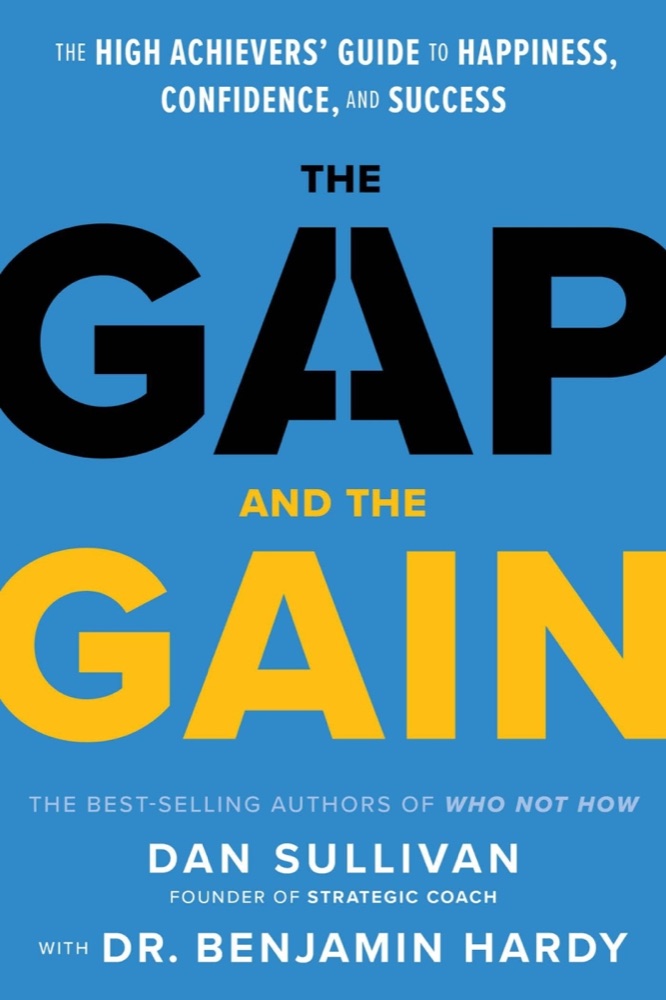 The Gap and The Gain: The High Achievers' Guide to Happiness, Confidence, and Success
 Drive: The Surprising Truth About What Motivates Us
 Never Finished: Unshackle Your Mind and Win the War Within
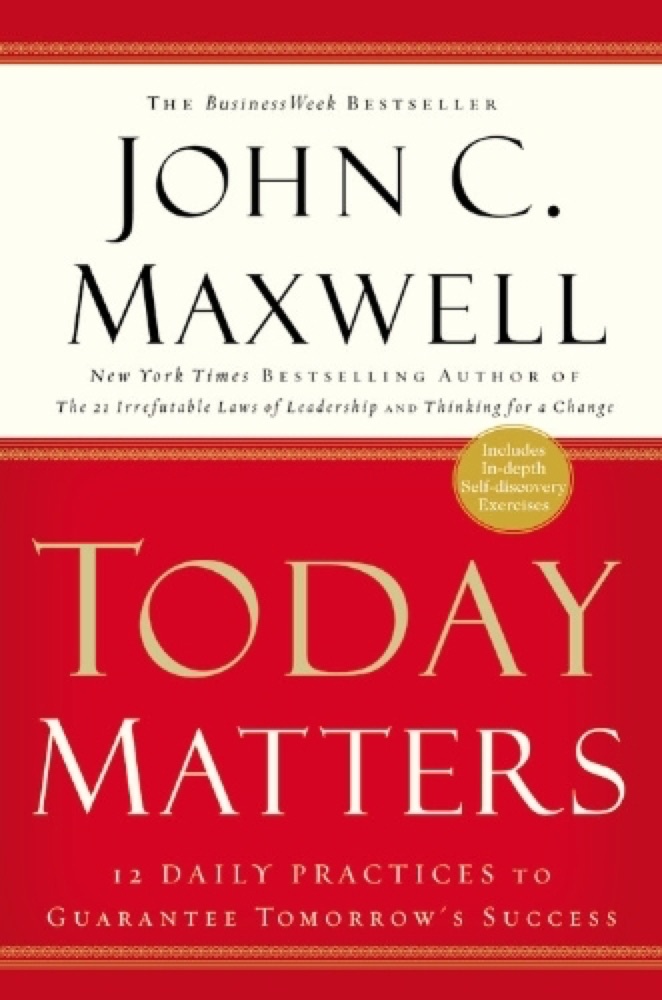 Today Matters: 12 Daily Practices to Guarantee Tomorrow's Success
 Maximum Achievement: Strategies and Skills That Will Unlock Your Hidden Powers to Succeed
 Psycho-Cybernetics
 The Happiness Advantage: The Seven Principles of Positive Psychology That Fuel Success and Performance at Work
 David and Goliath: Underdogs, Misfits, and the Art of Battling Giants
 Dottir: My Journey to Becoming a Two-Time CrossFit Games Champion
 Originals: How Non-Conformists Move the World
 Mastery
 The Element: How Finding Your Passion Changes Everything
 The Leader Who Had No Title: A Modern Fable on Real Success in Business and in Life
 Girl, Stop Apologizing: A Shame-Free Plan for Embracing and Achieving Your Goals
 Smartcuts: How Hackers, Innovators, and Icons Accelerate Success
 Creativity, Inc.: Overcoming the Unseen Forces That Stand in the Way of True Inspiration
 Millionaire Success Habits: The Gateway To Wealth & Prosperity
 Your Next Five Moves: Master the Art of Business Strategy
 It Takes What It Takes: How to Think Neutrally and Gain Control of Your Life
 The Obstacle Is the Way: The Timeless Art of Turning Trials into Triumph
 The Art of Impossible: A Peak Performance Primer
 Be Your Future Self Now: The Science of Intentional Transformation
 The Algebra of Happiness: Notes on the Pursuit of Success, Love, and Meaning
 Getting There: A Book of Mentors
 I Can't Make This Up: Life Lessons
 Above the Line: Lessons in Leadership and Life from a Championship Season
 The Last Lecture