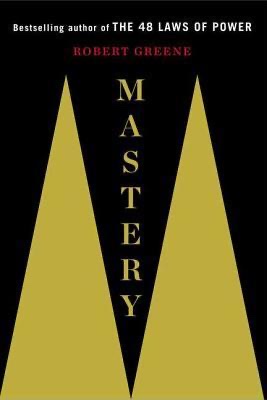
 Mastery
Quotes from the Book
Perhaps we'll never know how far the path can go, how much a human being can truly achieve, until we realize that the ultimate reward is not a gold medal but the path itself.
46
To be a learner, you've got to be willing to be a fool.
30
Intentionality fuels the master's journey. Every master is a master of vision.
18
Our preoccupation with goals, results, and the quick fix has separated us from our own experiences.
13
Indecision leads to inaction, which leads to low energy, depression, despair.
12
For the master, surrender means there are no experts. There are only learners.
12
Vanity. It’s possible that one of the reasons you got on the path of mastery was to look good. But to learn something new of any significance, you have to be willing to look foolish. Even after years of practice, you still take pratfalls. When a Most Valuable Player candidate misjudges a ball and falls on his duff, he does it in the sight of millions. You should be willing to do it before your teacher and a few friends or fellow students. If you’re always thinking about appearances, you can never attain the state of concentration that’s necessary for effective learning and top performance.
7
Excessive use of external motivation can slow and even stop your journey to mastery.
7
Relaxation is essential for the full expression of power.
6
Then there are those of us who are simply self-critical. Even without comparing ourselves to the world’s greatest, we set such high standards for ourselves that neither we nor anyone else could ever meet them—and nothing is more destructive to creativity than this. We fail to realize that mastery is not about perfection. It’s about a process, a journey. The master is the one who stays on the path day after day, year after year. The master is the one who is willing to try, and fail, and try again, for as long as he or she lives. Chapter 13 Mastering the Commonplace Our preoccupation with goals, results, and the quick fix has separated us from our own experiences. To put it more starkly, it has robbed us of countless hours of the time of our lives. We awaken in the morning and hurry to get dressed. (Getting dressed doesn’t count.) We hurry to eat breakfast so that we can leave for work. (Eating breakfast doesn’t count.) We hurry to get to work. (Getting to work doesn’t count.) Maybe work will be interesting and satisfying and we won’t have to simply endure it while waiting for lunchtime to come. And maybe lunch will bring a warm, intimate meeting, with fascinating conversation. But
5
Who knows how many potential Olympic medalists have turned away from sports because of youth-league coaches who preach that the purpose of life lies in beating the school on the other side of town, and that it doesn’t matter how you play the game, just so you win.
5
You can’t do everything, but you can do one thing, and then another and another. In terms of energy, it’s better to make a wrong choice than none at all. You might begin by listing your priorities—for the day, for the week, for the month, for a lifetime. Start modestly. List everything you want to do today or tomorrow. Set priorities by dividing the items into A, B, and C categories. At the least, accomplish the A items. Try the same thing with long-term goals. Priorities do shift, and you can change them at any time, but simply getting them down in black and white adds clarity to your life, and clarity creates energy.
5
The best way to describe your total creative capacity is to say that for all practical purposes it is infinite.
5
It is in fact nothing short of a miracle,” Albert Einstein wrote, “that the modern methods of instruction have not yet entirely strangled the holy curiosity of inquiry. . . . It is a very grave mistake to think that the enjoyment of seeing and searching can be promoted by means of coercion and sense of duty.
4
In the long run, the war against mastery, the path of patient, dedicated effort without attachment to immediate results, is a war that can’t be won.
4
The essence of boredom is to be found in the obsessive search for novelty. Satisfaction lies in mindful repetition, the discovery of endless richness in subtle variations on familiar themes.
3
Ultimately, nothing in this life is “commonplace,” nothing is “in between.” The threads that join your every act, your every thought, are infinite. All paths of mastery eventually merge.
3
Perhaps the greatest adventure of all is intimacy: the willingness to strip away one layer of reticence after another, and on certain occasions to live entirely in the moment, revealing everything and expecting nothing in return.
3
In the words of Chinese Zen master Layman P’ang (c. 740–808 A.D.): My daily affairs are quite ordinary; but I’m in total harmony with them. I don’t hold on to anything, don’t reject anything; nowhere an obstacle or conflict. Who cares about wealth and honor? Even the poorest thing shines. My miraculous power and spiritual activity: drawing water and carrying wood.
3
Those of you who have managed to avoid vacuuming don’t know what you’re missing: an onerous chore, yes, but also a fine opportunity—no less taxing than balancing your books or getting the footnotes straight on your dissertation or working out a kink in your golf swing—for practicing some of the skills you’ll need on the path. The person who can vacuum an entire house without once losing his or her composure, staying balanced, centered, and focused on the process rather than pressing impatiently for completion, is a person who knows something about mastery.
3
Take driving, for instance. Say you need to drive ten miles to visit a friend. You might consider the trip itself as in-between time, something to get over with. Or you could take it as an opportunity for the practice of mastery. In that case, you would approach your car in a state of full awareness, conscious of the time of day, the temperature, the wind speed and direction, the angle of the sun, or the presence of rain, snow, or sleet. Let this awareness extend to your own mental, physical, and emotional condition. Take a moment to walk around the car and check its external condition, especially that of the tires. Make sure the windshield and windows are clean enough to provide good visibility. Check the oil and other fluid levels if it’s time to do so.
3
Dead seriousness. Without laughter, the rough and rocky places on the path might be too painful to bear. Humor not only lightens your load, it also broadens your perspective. To be deadly serious is to suffer tunnel vision. To be able to laugh at yourself clears the vision.
3
Prizes and medals. Excessive use of external motivation can slow and even stop your journey to mastery.
3
It would be truly foolish to let the decline of communism blind us to the long-term contradictions in a free market economy unrestrained by considerations of the environment and social justice, and driven by heedless consumerism, instant gratification, and the quick fix. Our dedication to growth at all costs puts us on a collision course with the environment. Our dedication to the illusion of endless climaxes puts us on a collision course with the human psyche.
3
To take the master’s journey, you have to practice diligently, striving to hone your skills, to attain new levels of competence. But while doing so—and this is the inexorable fact of the journey—you also have to be willing to spend most of your time on a plateau, to keep practicing even when you seem to be getting nowhere.
2
The human individual is equipped to learn and go on learning prodigiously from birth to death, and this is precisely what sets him or her apart from all other known forms of life.
2
Never marry a person,” psychologist Nathaniel Brandon tells his clients, “who is not a friend of your excitement.
2
If you study calligraphy, you will find that those who are not so clever usually become the best calligraphers. Those who are very clever with their hands often encounter great difficulty after they have reached a certain stage. This is also true in art, and in life.” The best horse, according to Suzuki, may be the worst horse. And the worst horse can be the best, for if it perseveres, it will have learned whatever it is practicing all the way to the marrow of its bones.
2
But even after we’ve just caught the winning pass in the Superbowl, there’s always tomorrow and tomorrow and tomorrow. If our life is a good one, a life of mastery, most of it will be spent on the plateau. If not, a large part of it may well be spent in restless, distracted, ultimately self-destructive attempts to escape the plateau. The question remains: Where in our upbringing, our schooling, our career are we explicitly taught to value, to enjoy, even to love the plateau, the long stretch of diligent effort with no seeming progress?
2
What is mastery? At the heart of it, mastery is practice. Mastery is staying on the path.
1
Watch on YouTube
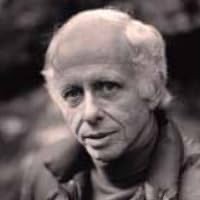
About George Leonard
We have collected 30 quotes from 1 book by George Leonard on BookQuoters.
More about the author →About the book
"The pracitcal wisdom in George Leonard's book will have a great influence for many years to come." —Michael Murphy, author of Golf in the Kingdom and The Future of the BodyDrawing on Zen philosophy and his expertise in the martial art of aikido, bestselling author Gorge Leonard shows how the process of mastery can help us attain a higher level of excellence and a deeper sense of satisfaction and fulfillment in our daily lives. Whether you're seeking to improve your career or your intimate relationships, increase self-esteem or create harmony within yourself, this inspiring prescriptive guide will help you master anything you choose and achive success in all areas of your life.
In Mastery, you'll discover:
The 5 Essential Keys to MasteryTools for MasteryHow to Master Your Athletic PotentialThe 3 Personality Types That Are Obstacles to MasteryHow to Avoid Pitfalls Along the Path. .
Book details
- First published
- 1991
- Author
- George Leonard
- Genre
- Nonfiction
- Goodreads rating
- 4.09 (10k ratings)
Keep reading
Mastery
 Striking Thoughts: Bruce Lee's Wisdom for Daily Living
 Flow: The Psychology of Optimal Experience
 Zen in the Martial Arts
 Be Water, My Friend: The Teachings of Bruce Lee
 365 Tao: A Study of Taoist Wisdom for Daily Life
 Limitless: Upgrade Your Brain, Learn Anything Faster, and Unlock Your Exceptional Life
 The Art of Impossible: A Peak Performance Primer
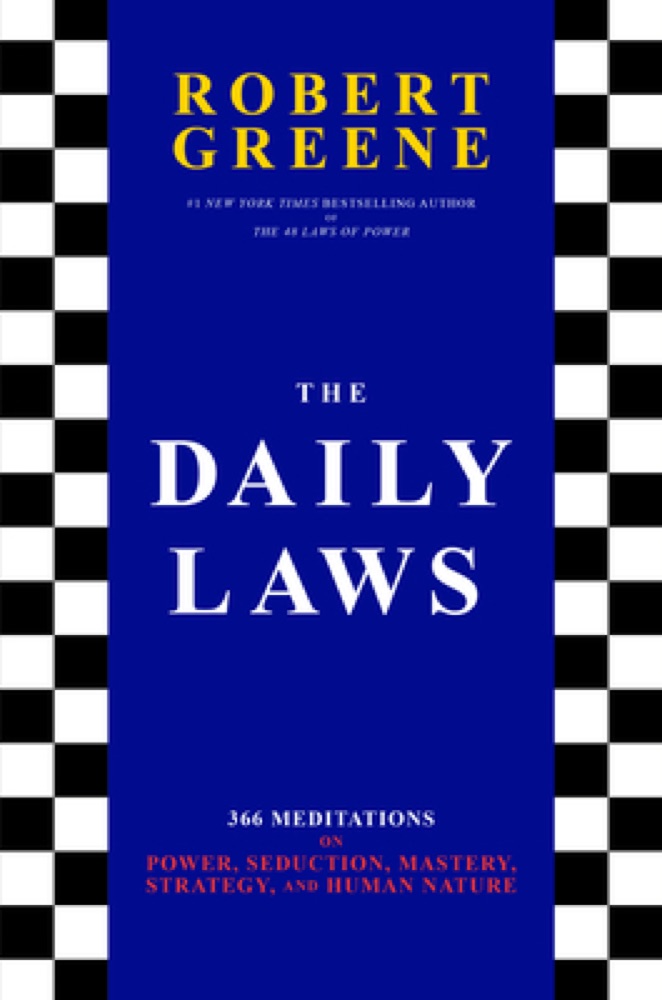 The Daily Laws: 366 Meditations
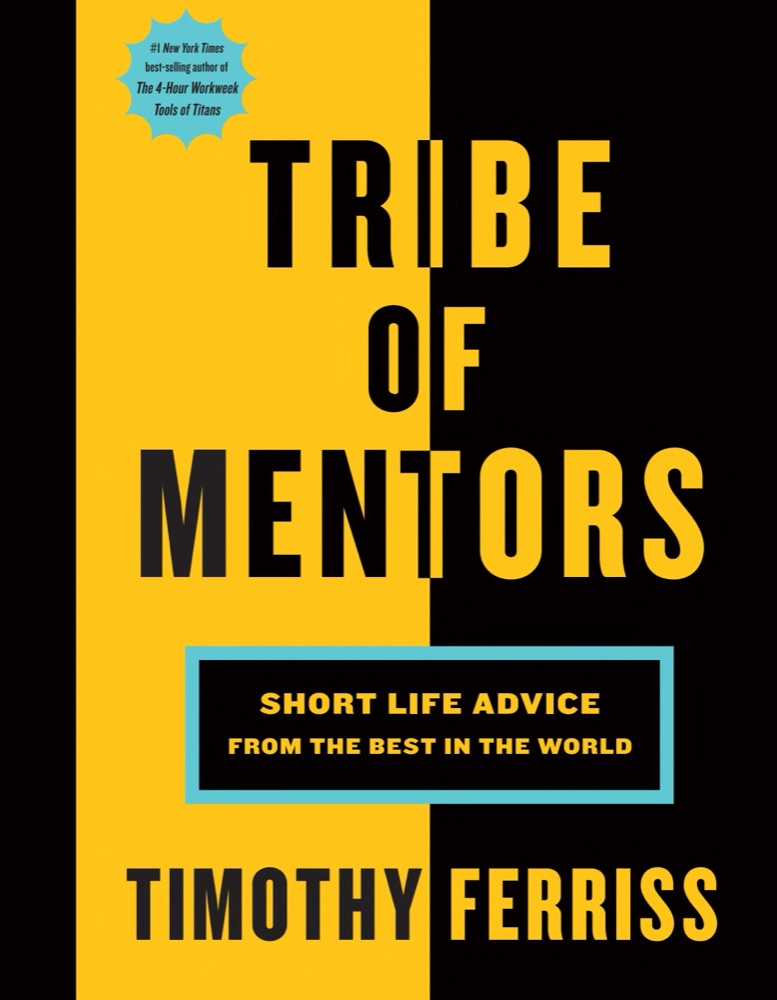 Tribe Of Mentors: Transformative Wisdom From Icons and Innovators to Help You Navigate Life's Challenges
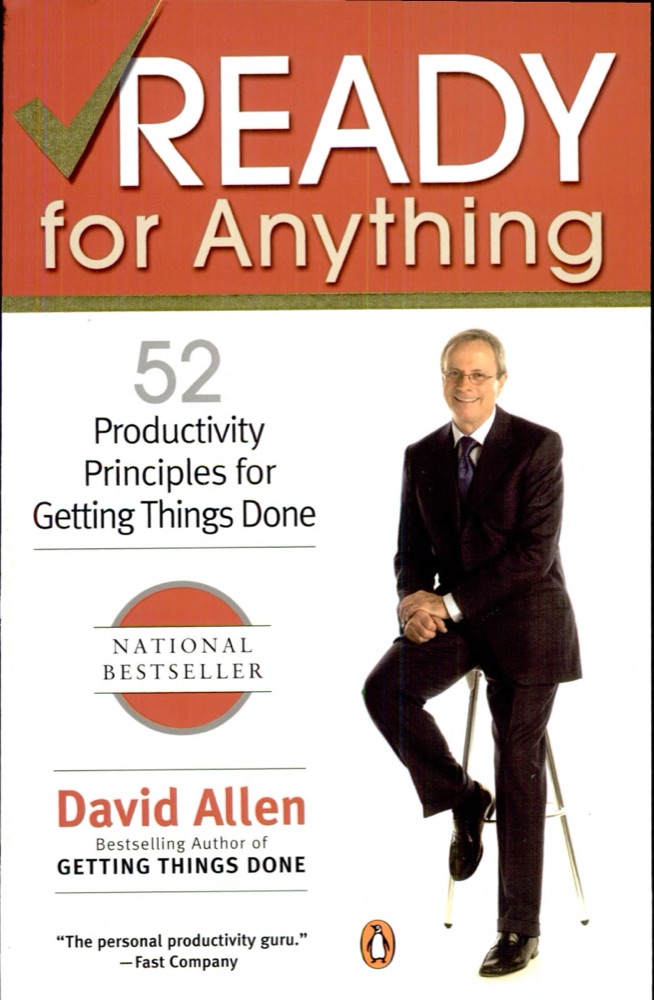 Ready for Anything: 52 Productivity Principles for Getting Things Done
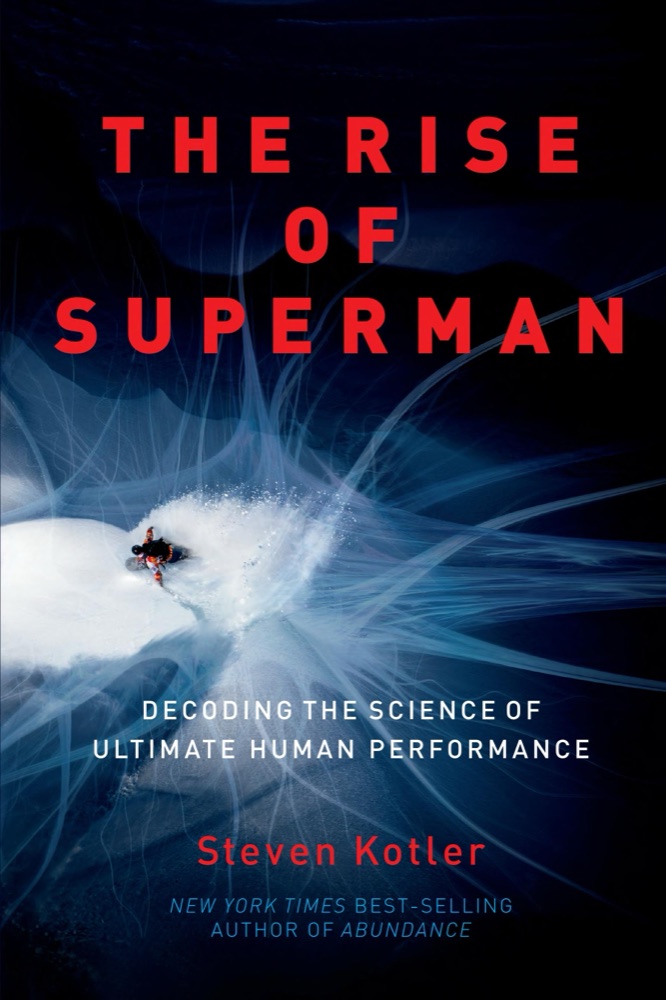 The Rise of Superman: Decoding the Science of Ultimate Human Performance
 Eleven Rings: The Soul of Success
 Stillness Is the Key
 The Practicing Mind: Bringing Discipline and Focus into Your Life
 The Inner Game of Tennis: The Classic Guide to the Mental Side of Peak Performance
 Beginners: The Joy and Transformative Power of Lifelong Learning
 Grit: The Power of Passion and Perseverance
 Maximum Achievement: Strategies and Skills That Will Unlock Your Hidden Powers to Succeed
 Finding Flow: The Psychology of Engagement with Everyday Life
 Think and Grow Rich
 Discipline Is Destiny: The Power of Self-Control
 Outwitting the Devil: The Secret to Freedom and Success
 Peak: Secrets from the New Science of Expertise
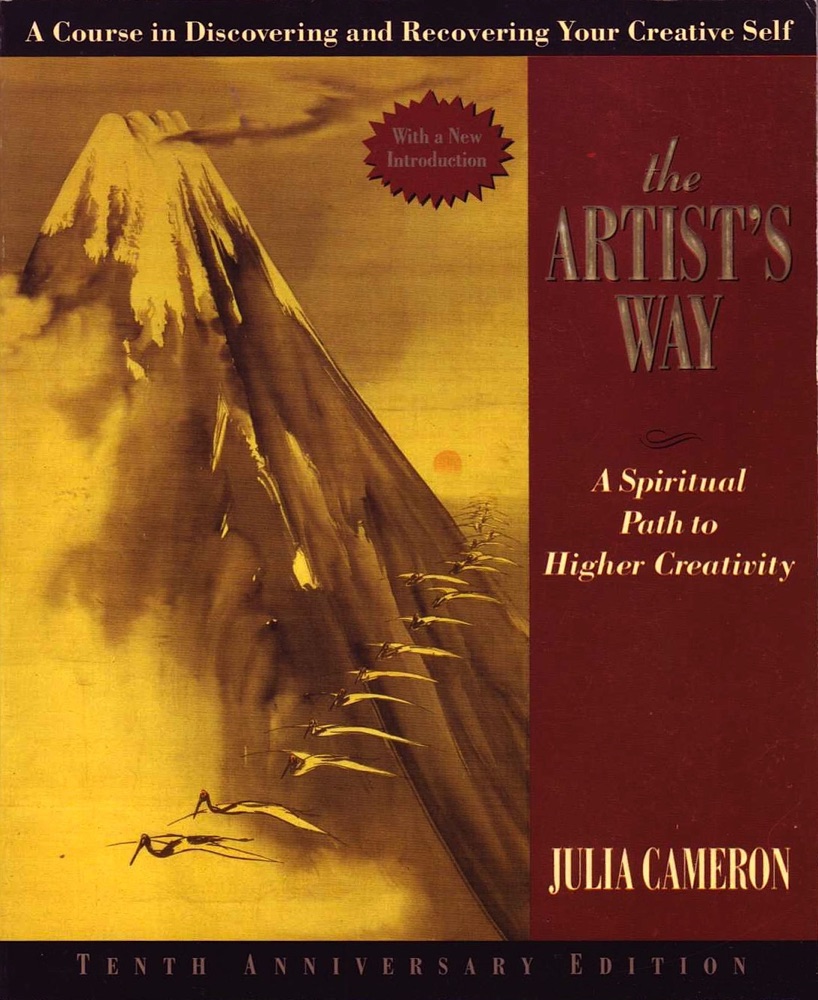 The Artist's Way
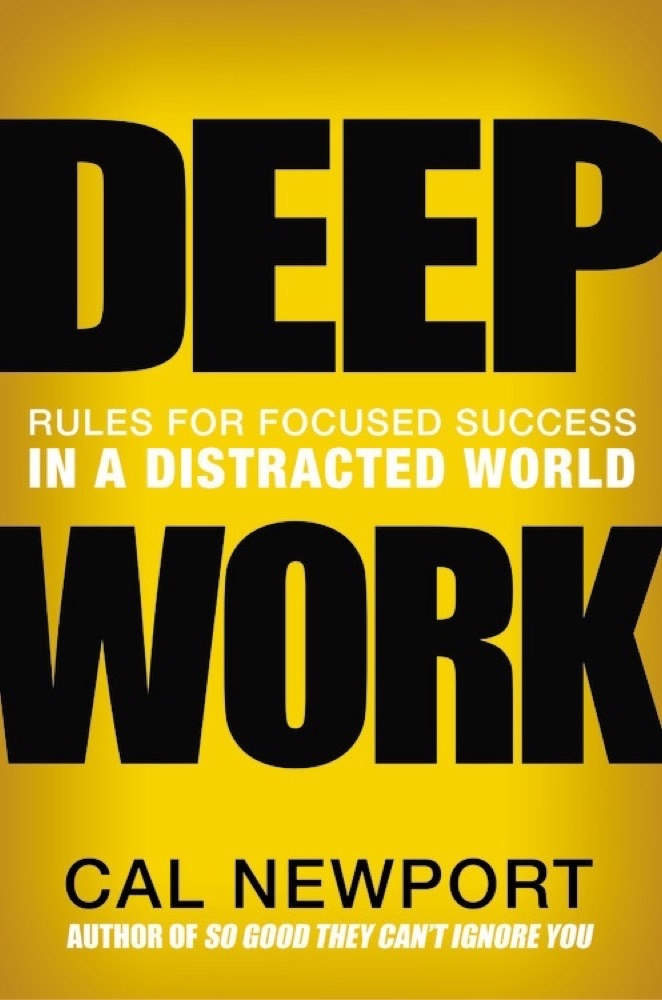 Deep Work: Rules for Focused Success in a Distracted World
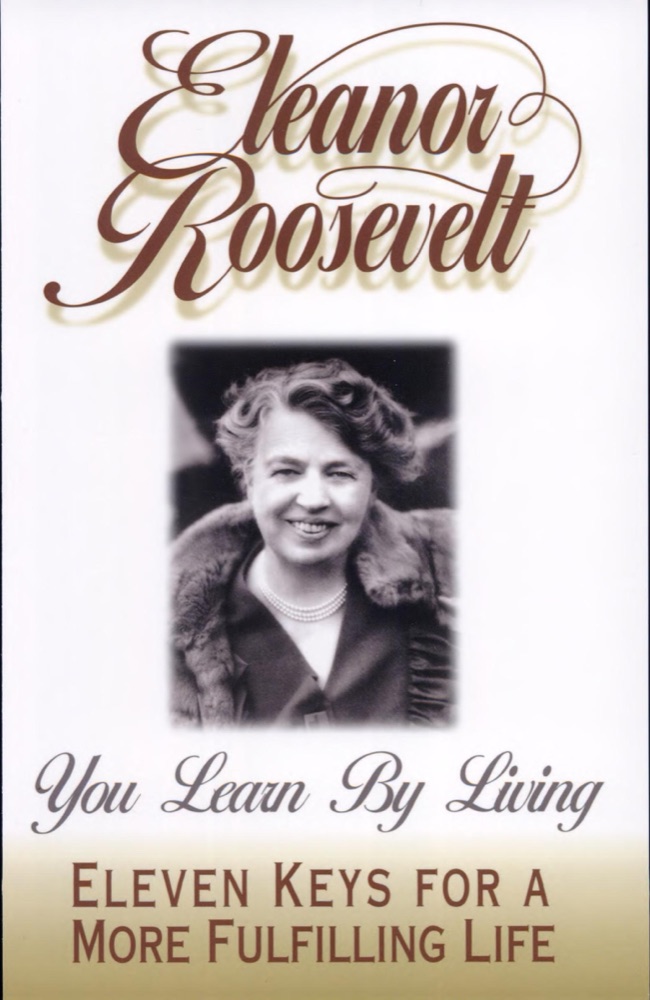 You Learn by Living: Eleven Keys for a More Fulfilling Life
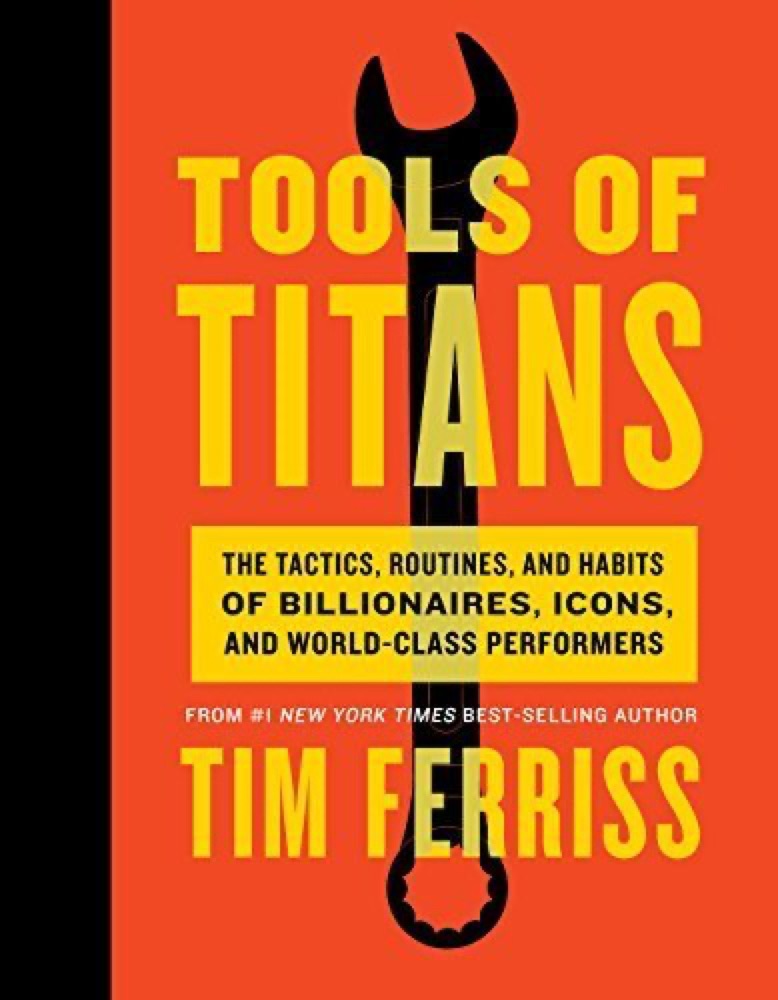 Tools of Titans: The Tactics, Routines, and Habits of Billionaires, Icons, and World-Class Performers
 Zen and the Art of Motorcycle Maintenance
 Everyday Zen: Love & Work
 Can't Hurt Me: Master Your Mind and Defy the Odds
 7 Strategies for Wealth & Happiness: Power Ideas from America's Foremost Business Philosopher
 The Compound Effect: Jumpstart Your Income, Your Life, Your Success
 Creativity: Flow and the Psychology of Discovery and Invention
 Ego Is the Enemy
 The Success Principles: How to Get from Where You Are to Where You Want to Be
 Awaken The Giant Within
 Principles: Life and Work
 The Socrates Express: In Search of Life Lessons from Dead Philosophers
 High Performance Habits: How Extraordinary People Become That Way
 Change Your Thoughts - Change Your Life: Living the Wisdom of the Tao
 The Mindful Athlete: Secrets to Pure Performance
 The Art of Power
 The Tools: Transform Your Problems into Courage, Confidence, and Creativity
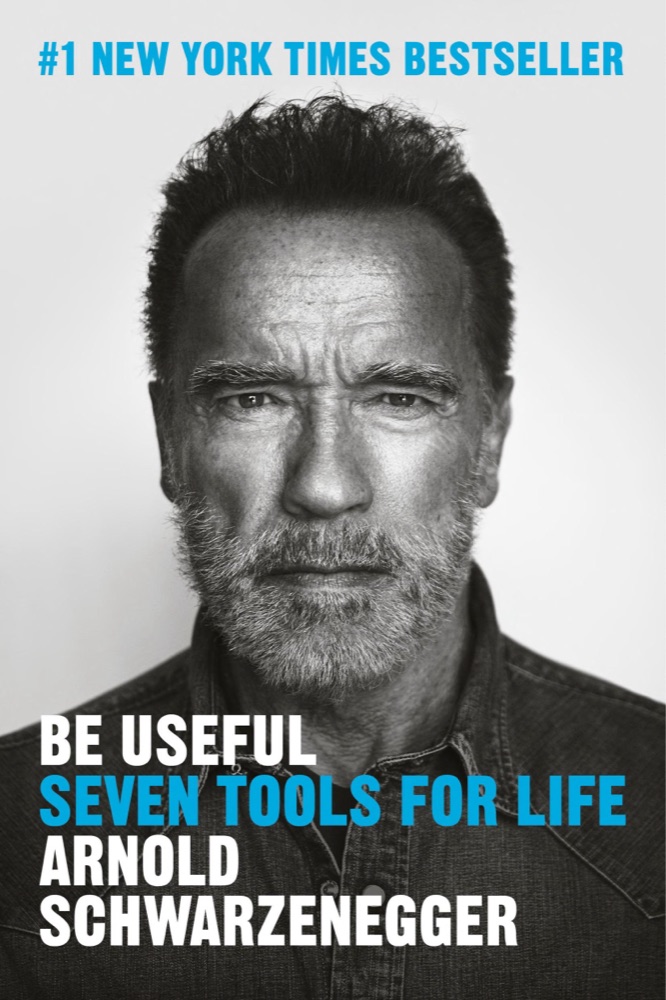 Be Useful: Seven Tools for Life
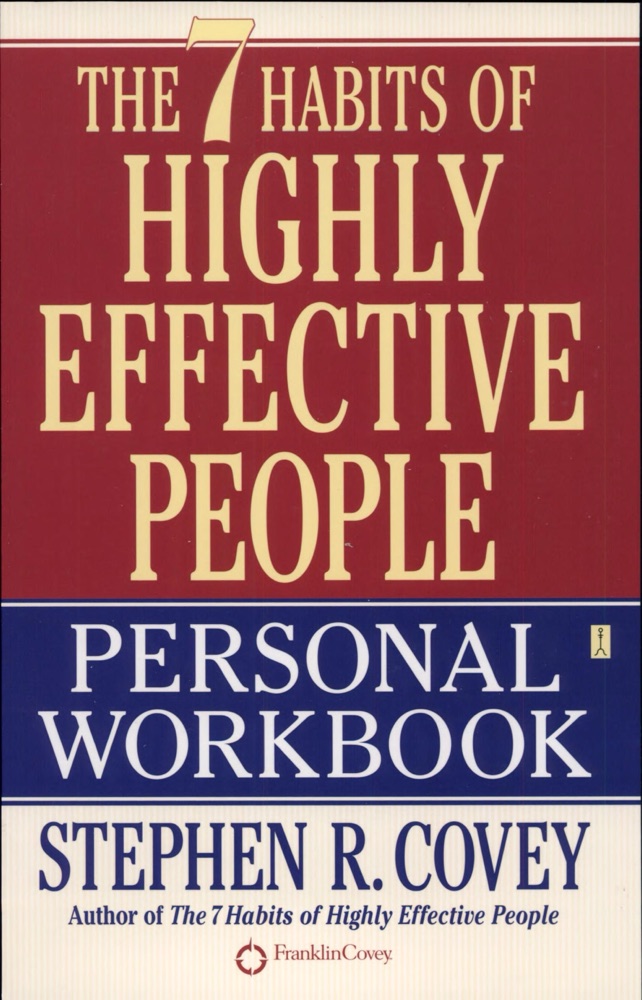 The 7 Habits of Highly Effective People: Personal Workbook
 Mindfulness in Plain English
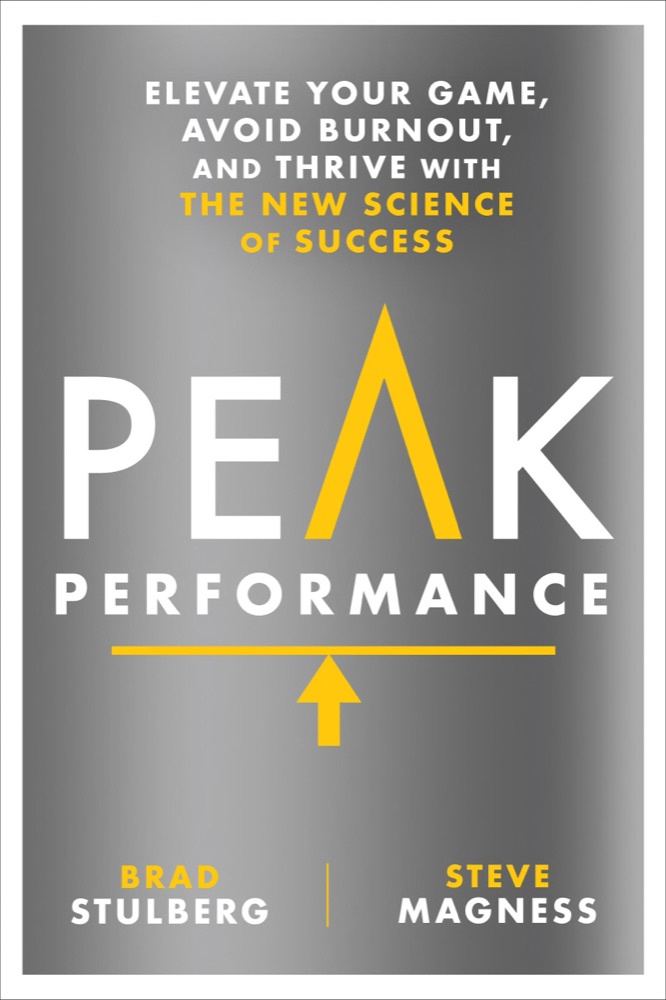 Peak Performance: Elevate Your Game, Avoid Burnout, and Thrive with the New Science of Success
 The Tao of Pooh
 Tao of Jeet Kune Do
 The Monk Who Sold His Ferrari: A Fable About Fulfilling Your Dreams and Reaching Your Destiny
 Drive: The Surprising Truth About What Motivates Us
 The Happiness of Pursuit: Finding the Quest That Will Bring Purpose to Your Life
 The Way of Zen
 Hagakure: The Book of the Samurai
 Atomic Habits: An Easy & Proven Way to Build Good Habits & Break Bad Ones