 The Bullet Journal Method: Track Your Past, Order Your Present, Plan Your Future
Quotes from the Book
Time horizons—the point at which events are close enough to begin to feel real—tend to be much shorter for those with ADHD. For many of us, projects, tasks, and events exist either “now” or “not now”—and anything “not now” can feel as if it doesn’t exist at all.
3
You can’t pick your friends. You can only pick who to do stuff with that you find meaningful. And then see what kind of relationship evolves over time.
3
Not only have I had friends give up on me for being unreliable, I’ve also had relationships go south because I can’t keep track of how I’m being treated. Is this friend saying something unkind for the first time or the fiftieth? What was that last fight about, anyway? Forgetful people—particularly those of us with low self-esteem (see above)—can be easy to manipulate.
3
Be yourself!…No, not like that! —SOCIETY
3
But if something is important to you, you can keep going—even if you fail. Failing doesn’t make you a failure. It isn’t the opposite of succeeding, as I’d feared. It’s something that happens—and will happen—all along the way.
2
When I was told to focus, what I actually heard was that I should stop hunting for my focus and pretend I’d found it. Like the riders in Monty Python and the Holy Grail, I would perform all the gestures one does when riding a Focus Beast, without actually having one to ride.
2
We Can’t Remember What We Don’t Understand The process of encoding information into long-term storage requires our brains to compare new information with what we already know and then figure out where to file it. For this to happen, we need to rely on our working memory to hold all of this information long enough for it to happen. If the new information is easy for us to understand and related to a familiar subject, the encoding process can be quick and easy. If, on the other hand, we have no clue what someone is talking about—possibly because we missed or didn’t encode the foundational knowledge well enough—we may not have enough time for this process to take place. Before our brains are able to encode it, new information comes in and bumps it out of our working memory.
2
The fact that I could sometimes exceed expectations made it even more frustrating for me—and everyone around me—when I failed to meet the basic ones.
2
We are here to learn. We make space for differences. And we allow all voices a chance to be heard.
2
The ability to remember depends on three processes: encoding information, storing it, and, finally, retrieving it.
1
Case in point: episodic memory, a type of long-term memory that allows us to recall the details about a specific experience—what happened, what was said, how we felt, and so on. A 2008 study found that when discussing a special event in their life, children with ADHD provided lengthier and more descriptive narratives than those without ADHD.
1
You can’t always choose what you need to do, but you have some control over how you do it.
1
Perfectionism: Perfectionism, and the anxiety that goes hand in hand with it, can keep you from getting started or keep you stuck in mental loops.
1
Whatever it is we want to be motivated enough to do, it helps to know our behavior—the actions we take—can increase (or decrease) that motivation. Behavior precedes motivation.
1
we don’t need motivation to take action. In fact, it often happens in reverse: action can generate motivation.
1
Learning how to identify what’s causing your mental resistance makes it easier to find or create a tailored solution that addresses those specific feelings.
1
We experience far more failure, criticism, and rejection than our neurotypical peers. Some of the most common emotions that come up for those with ADHD include overwhelm, discouragement, hopelessness, fear, and confusion.
1
In fact, there’s even a term for our tendency to escape and avoid the distress that a delay causes us: delay aversion.
1
ADHD brains aren’t motivated by what’s important. In fact, many of our most important tasks are ones that ADHD brains find viscerally painful to do: the ones that are lengthy, repetitive, or boring.
1
There’s a limit to how much we can optimize every minute, every hour, every day, and still be okay.
1
In that fog, I realized time management isn’t some magical solution that lets us do all of the things.
1
He explained that schedules weren’t supposed to be rigid. A schedule should work for you; you shouldn’t be working for the Schedule.
1
Sequence instead of schedule. Doing things in a particular order is far easier on our brains than doing them at a particular time. This is why checklists are popular in our community.
1
Having extra time doesn’t make us any better at managing it. And oftentimes, it can take away the sense of urgency we need to get started and stay focused.
1
Having more time to do something might mean that we make less progress than we otherwise would have because now we have time!
1
My calendar has blocks of time scheduled to work on specific tasks as well as scheduled time to take breaks, to eat lunch, and to take a walk.
1
Create some “time buckets.” “Time buckets” are areas of your day, week, or month dedicated to certain types of activities, such as hobbies, admin stuff, or deep work. Time buckets can help us reserve space and time for the things we care about, while giving us the flexibility within that time to do what we feel like doing.
1
Use “time pillars” to prop up your day. Time can quickly become meaningless if you don’t have anything to do or anywhere to be at a certain time. Time pillars are regular time-based events and rituals that add structure to your day and make it easier to use your time effectively.[*
1
Get specific. If you decide to do something later, decide when later is and add it to your calendar.
1
Did you know?
- The book grew out of McCabe's 'How to ADHD' YouTube channel, which she launched after her own struggles with unmanaged ADHD.
- It debuted as a New York Times bestseller.
- McCabe narrates the audiobook edition herself, which runs roughly nine hours.
- The book includes chapter summaries and reading shortcuts designed specifically for neurodivergent readers.
- It draws on quotes and experiences from McCabe's online community of viewers she calls 'Brains.'
Watch on YouTube
About Jessica McCabe
About the book
"How to ADHD: An Insider's Guide to Working with Your Brain (Not Against It)" is Jessica McCabe's debut book, an outgrowth of her popular YouTube channel of the same name. Part memoir and part practical handbook, it walks readers through how ADHD actually affects daily life and offers concrete, brain-friendly strategies rather than generic advice to simply try harder.
The book's central argument is that people with ADHD struggle not because they are broken but because the world is built for a different kind of brain. McCabe explores themes such as executive function, rejection sensitivity, emotional regulation, and what she calls 'time wisdom,' encouraging readers to design environments and routines that work with their wiring instead of against it.
Released in January 2024, the book became a New York Times bestseller and was widely embraced by the ADHD community and clinicians. Drawing on McCabe's large online following, it was praised for its warmth, honesty, and accessibility, with reading shortcuts and chapter summaries designed for neurodivergent readers, though some reviewers found it lengthy or repetitive.
Book details
- First published
- 2024
- Length
- 464 pages
- Reading time
- 28 hours
- Author
- Jessica McCabe
- Genre
- Nonfiction
- Goodreads rating
- 4.40 (6k ratings)
Critical reception
- The book became a New York Times bestseller following its January 2024 release.
- It was widely praised within the ADHD community and by clinicians for its warmth, honesty, and practical strategies.
- Some reviewers noted the writing could feel wordy or repetitive and that the volume of footnotes was distracting.
The buzz
- ADDitude"The Fairy Godmother of ADHD:" An Interview with Jessica McCabe2024Interview on writing the book and managing ADHD while doing it
- TubefilterCreators on the Rise: Jessica McCabe had to figure out ADHD on her own2024Feature on her channel and her Penguin Random House book deal
Keep reading
The Bullet Journal Method: Track Your Past, Order Your Present, Plan Your Future
 A Mind for Numbers: How to Excel at Math and Science
 Smarter Faster Better: The Secrets of Being Productive in Life and Business
 Make Time: How to Focus on What Matters Every Day
 I Didn't Do the Thing Today: Letting Go of Productivity Guilt
 The Productivity Project: Accomplishing More by Managing Your Time, Attention, and Energy
 Getting Things Done: The Art of Stress-Free Productivity
 Better Than Before: Mastering the Habits of Our Everyday Lives
 To-Do List Formula: A Stress-Free Guide To Creating To-Do Lists That Work!
 Procrastination: Why You Do It, What To Do About It
 Overwhelmed: Work, Love, and Play When No One Has the Time
 The Lazy Genius Way: Embrace What Matters, Ditch What Doesn't, and Get Stuff Done
 Why Has Nobody Told Me This Before?
 The Now Habit: A Strategic Program for Overcoming Procrastination and Enjoying Guilt-Free Play
 The 4-Hour Workweek
 Delivered from Distraction: Getting the Most out of Life with Attention Deficit Disorder
 Limitless: Upgrade Your Brain, Learn Anything Faster, and Unlock Your Exceptional Life
 Hyperfocus: How to Be More Productive in a World of Distraction
 The Accidental Creative: How to Be Brilliant at a Moment's Notice
 Ready for Anything: 52 Productivity Principles for Getting Things Done
 Be Your Future Self Now: The Science of Intentional Transformation
 The PARA Method: Simplify, Organize, and Master Your Digital Life
 Solving the Procrastination Puzzle: A Concise Guide to Strategies for Change
 The Organized Mind: Thinking Straight in the Age of Information Overload
 The Last Lecture
 Four Thousand Weeks: Time Management for Mortals
 Drive: The Surprising Truth About What Motivates Us
 The 7 Habits of Highly Effective People: Personal Workbook
 The Practicing Mind: Bringing Discipline and Focus into Your Life
 Burnout: The Secret to Unlocking the Stress Cycle
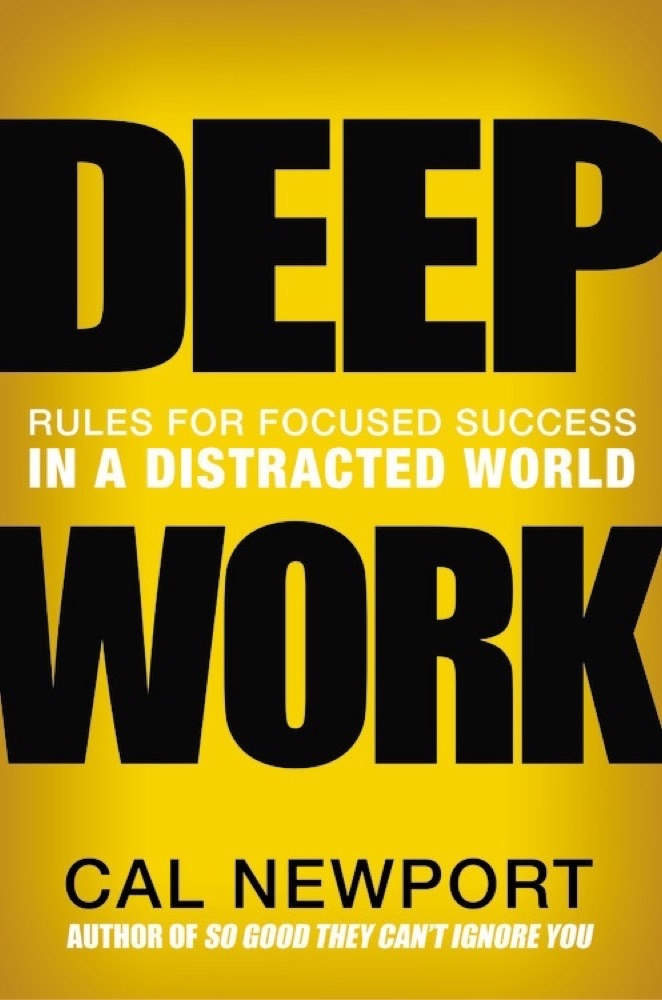 Deep Work: Rules for Focused Success in a Distracted World
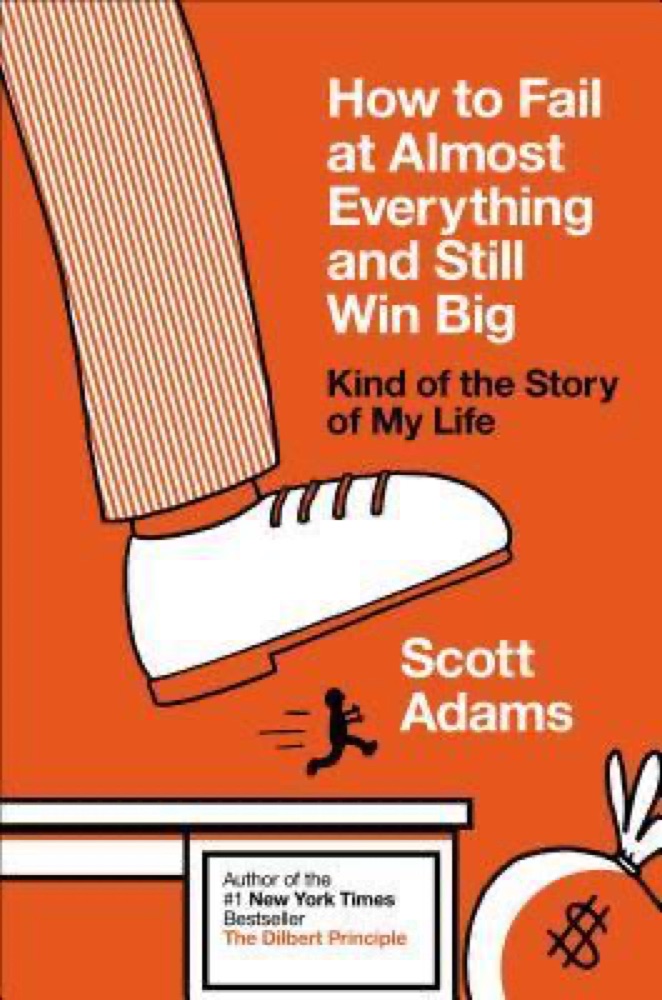 How to Fail at Almost Everything and Still Win Big: Kind of the Story of My Life
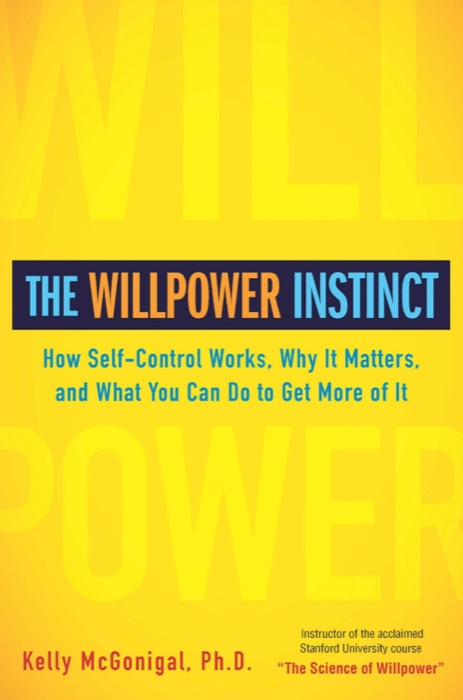 The Willpower Instinct: How Self-Control Works, Why It Matters, and What You Can Do to Get More of It
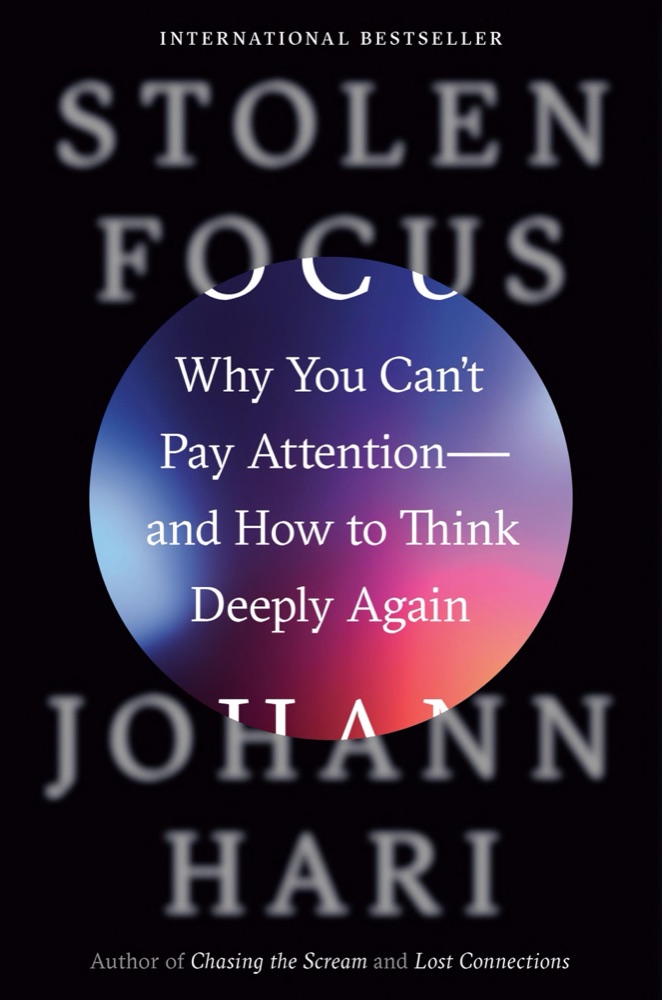 Stolen Focus: Why You Can't Pay Attention— and How to Think Deeply Again
 How to Keep House While Drowning
 Antifragile: Things That Gain from Disorder
 The Compound Effect: Jumpstart Your Income, Your Life, Your Success
 Do Over: Rescue Monday, Reinvent Your Work, and Never Get Stuck
 Discipline Equals Freedom: Field Manual
 Tribe Of Mentors: Transformative Wisdom From Icons and Innovators to Help You Navigate Life's Challenges
 Grit: The Power of Passion and Perseverance
 The 12 Week Year
 I Can't Make This Up: Life Lessons
 Algorithms to Live By: The Computer Science of Human Decisions
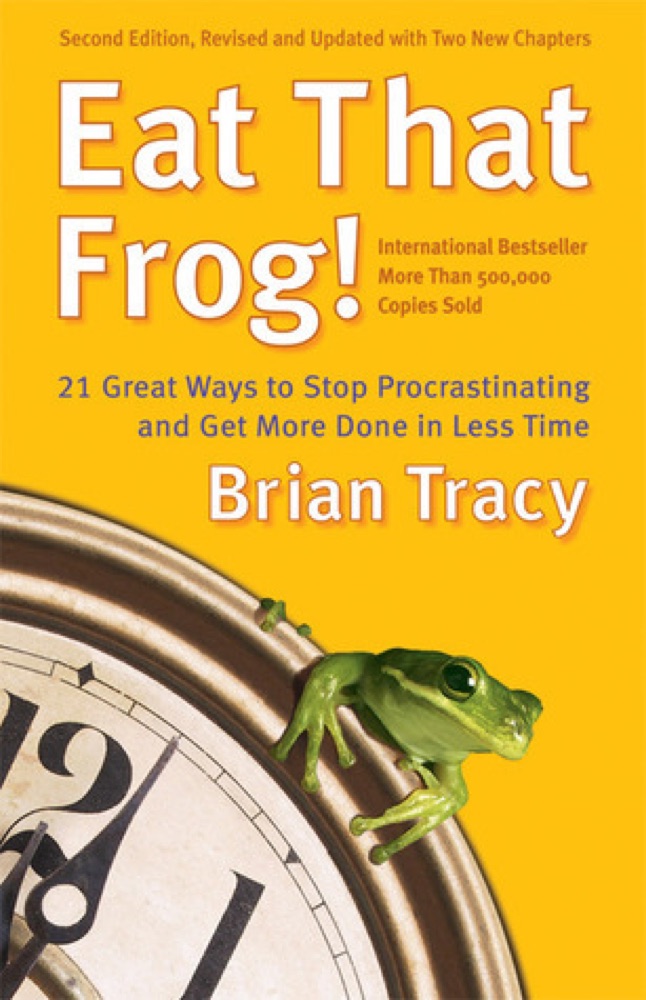 Eat That Frog! 21 Great Ways to Stop Procrastinating and Get More Done in Less Time
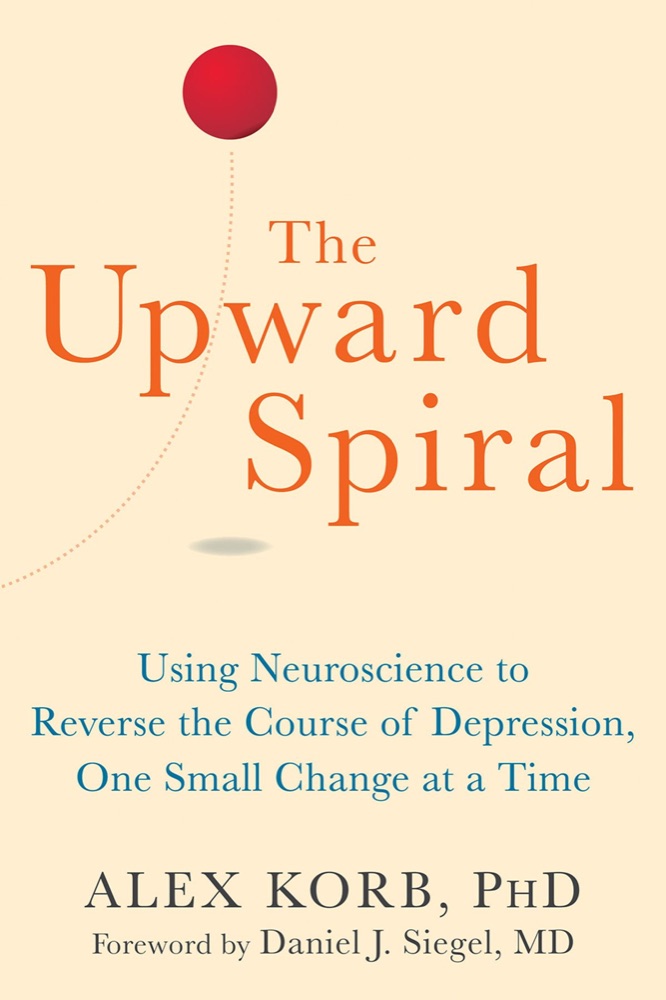 The Upward Spiral: Using Neuroscience to Reverse the Course of Depression, One Small Change at a Time
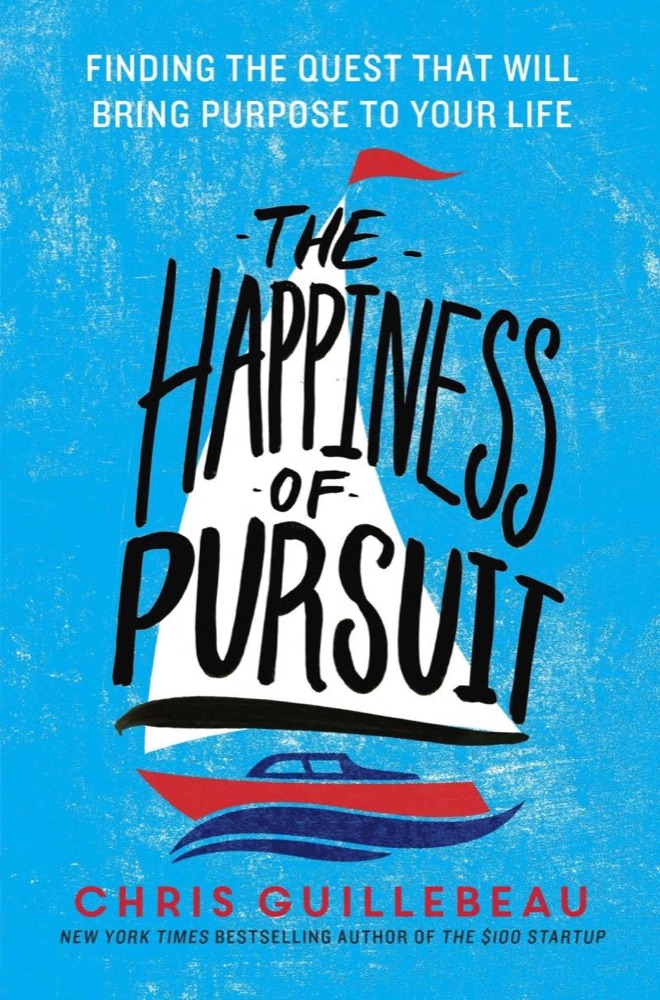 The Happiness of Pursuit: Finding the Quest That Will Bring Purpose to Your Life
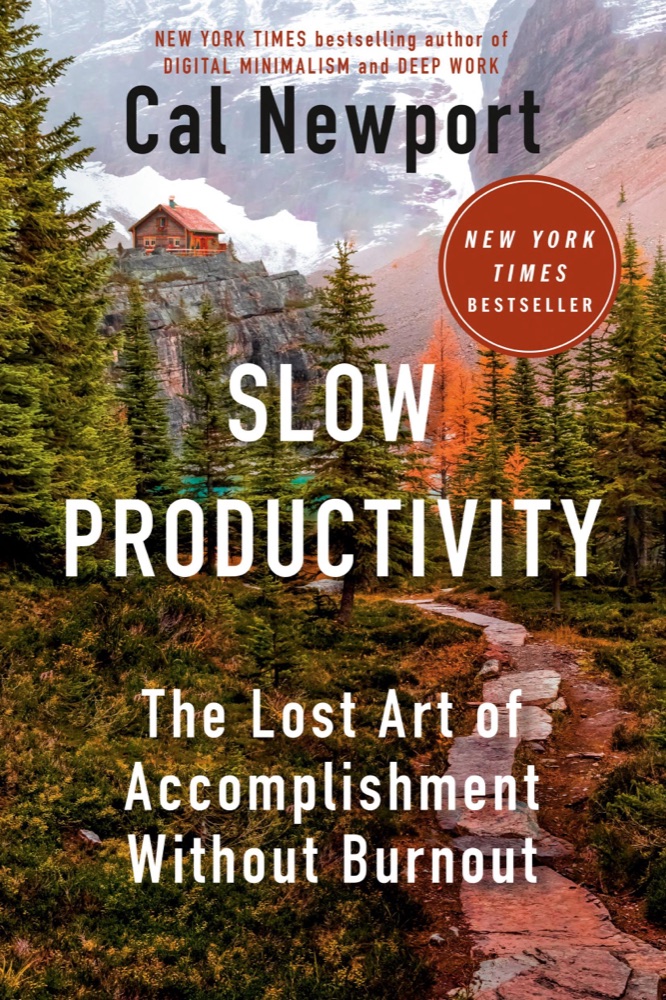 Slow Productivity: The Lost Art of Accomplishment Without Burnout
 How to Be a Bawse: A Guide to Conquering Life
 Be Useful: Seven Tools for Life
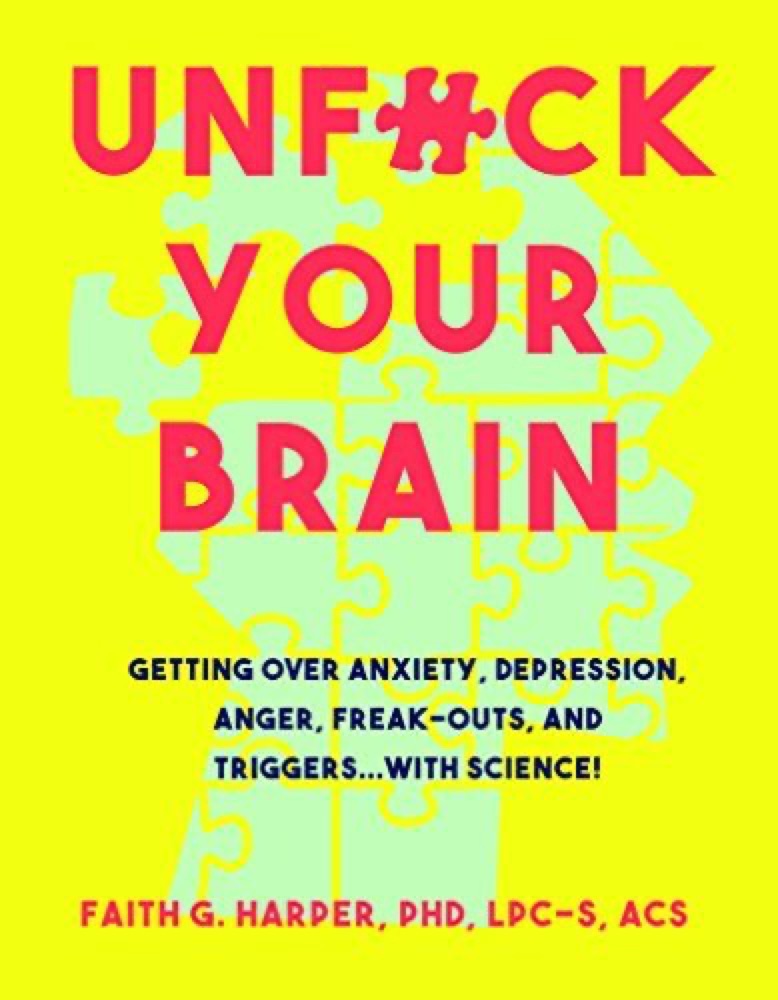 Unfuck Your Brain: Using Science to Get Over Anxiety, Depression, Anger, Freak-Outs, and Triggers
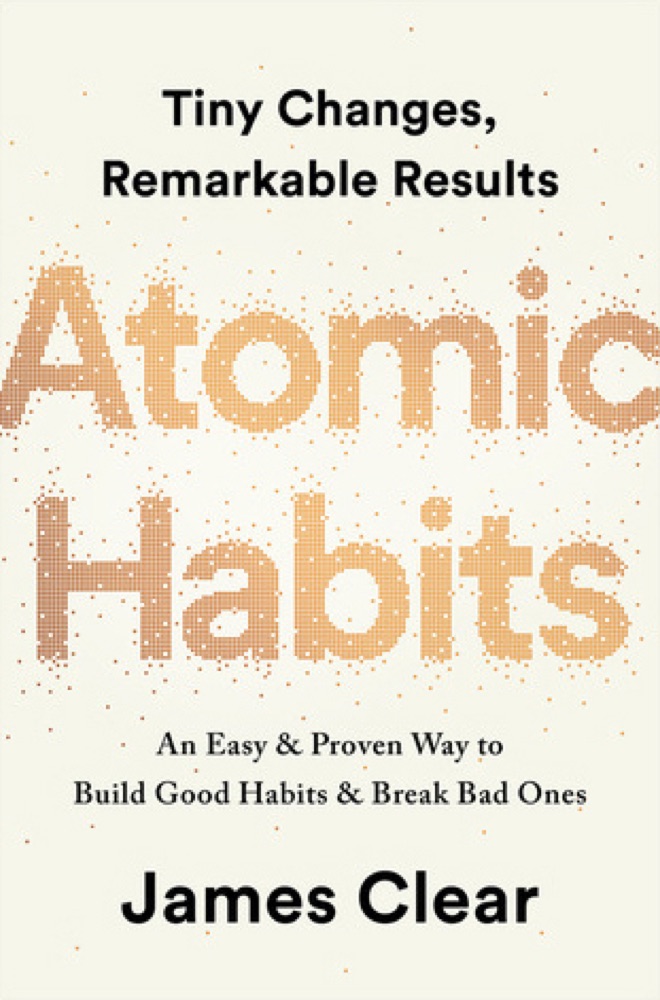 Atomic Habits: An Easy & Proven Way to Build Good Habits & Break Bad Ones
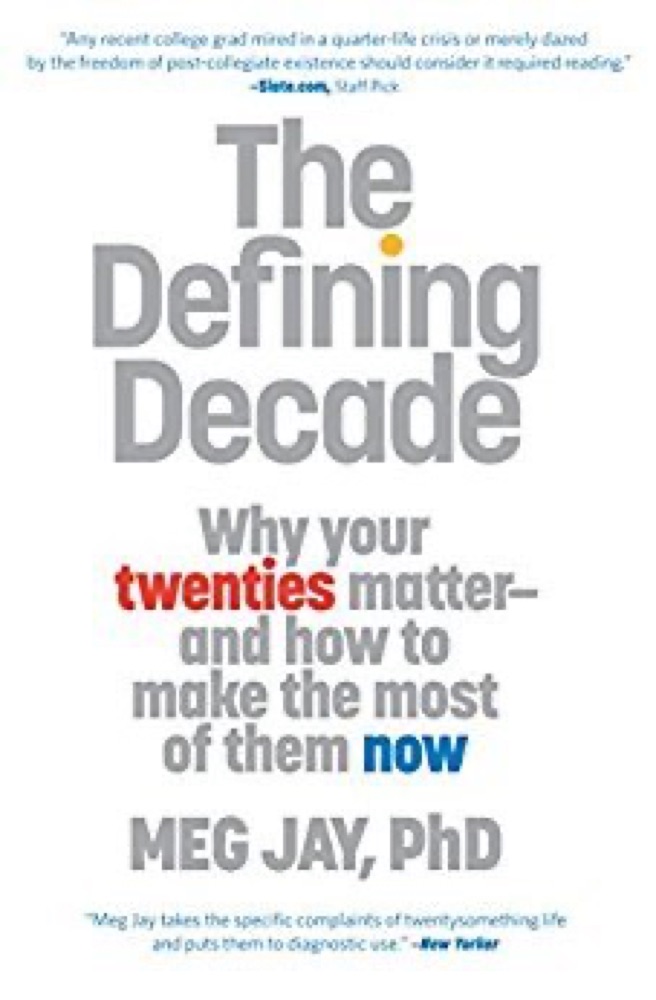 The Defining Decade: Why Your Twenties Matter—And How to Make the Most of Them Now
 The Art of Thinking Clearly
 How to Stay Sane
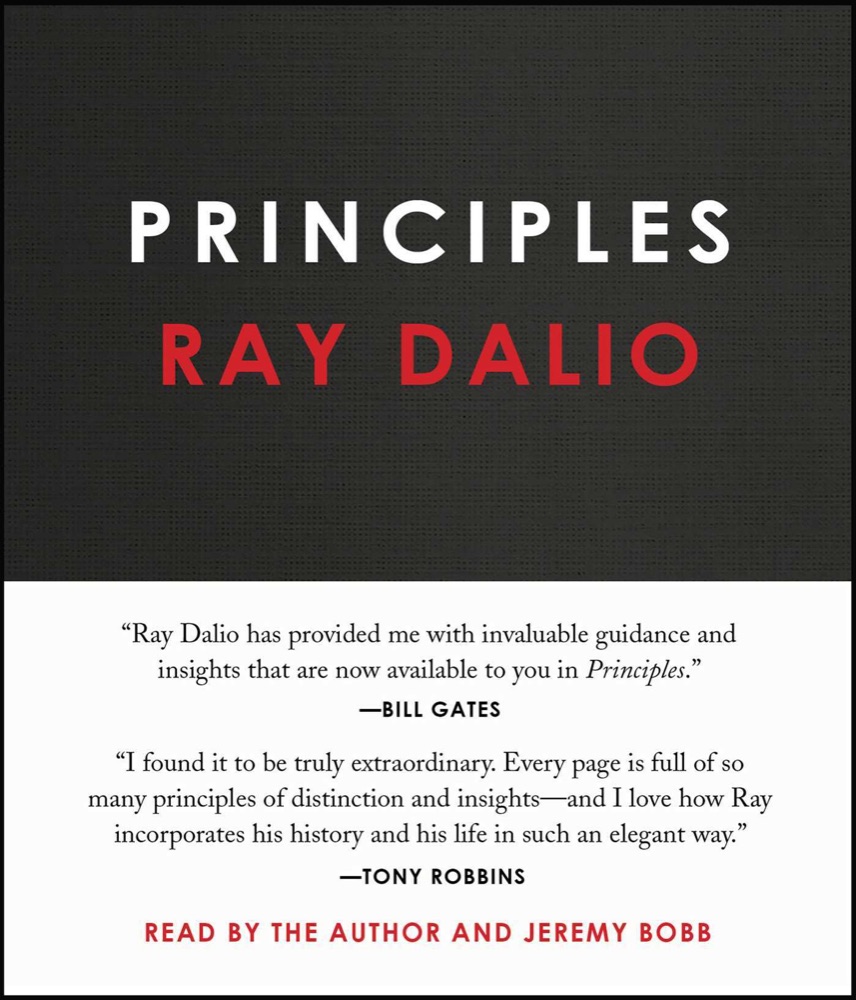 Principles: Life and Work
 Crazy Busy: A (Mercifully) Short Book about a (Really) Big Problem
 The Obstacle Is the Way: The Timeless Art of Turning Trials into Triumph
 Essentialism: The Disciplined Pursuit of Less
 QBQ! The Question Behind the Question: Practicing Personal Accountability in Work and in Life