
 Traffic: Why We Drive the Way We Do and What It Says About Us
Quotes from the Book
In English-language speech, we spend five times as much time producing vowels as consonants. In singing, that ratio can hit two hundred to one.
2
As you plunge into learning some art or skill, the world around you appears new and bursting with infinite horizons. Each day brims with new discoveries as you take your tentative first steps, slowly pushing the bounds of exploration. You make mistakes, but even these are empowering, because they are mistakes you have never made before.
1
What is admired is success, achievement, the quality of performance,” writes the psychologist Mihaly Csikszentmihalyi, “rather than the quality of experience.” But what if we don’t want to become virtuoso musicians or renowned artists? What if we only want to dabble in these things, to see if they might subtly change our outlook on the world or even, as we try to learn them, change us? What if we just want to enjoy them?
1
Everything must be for something. I tell someone I'm going on an eighty-mile bike ride, and they ask, "What are you training for?" I want to answer, "I don't know... life?" "What is admired is success, achievement, the quality of performance," write the psychologist Mihaly Csikszentmihalyi, "rather than the quality of experience." But what if we don't want to become virtuoso musicians or renowned artists? What if we only want to dabble in these things, to see if they might subtly change our outlook on the world or even, as we try to learn them, change us? What if we just want to enjoy them? The idea of undertaking new pursuits, ones that you may never be very good at, seems perverse in this age of single-minded peak performance.
1
That word, which has an almost entirely pejorative meaning today as a hopelessly superficial dabbler, is derived from the Italian dilettare, which means “to delight.” As the art historian Bruce Redford notes, “dilettante”—one who exhibits delight—entered English with the formation of the Society of Dilettanti, an eighteenth-century group of Englishmen who had returned from the grand tour brimming with enthusiasm for Continental art and culture. As the process of acquiring knowledge gradually became more specialized, Redford notes, the meaning of the word shifted. By the time George Eliot wrote Middlemarch in the early 1870s, the word had become an insult.
1
Children, in a very real sense, have beginners’ minds, open to wider possibilities. They see the world with fresher eyes, are less burdened with preconception and past experience, and are less guided by what they know to be true. They are more likely to pick up details that adults might discard as irrelevant. Because they’re less concerned with being wrong or looking foolish, children often ask questions that adults won’t ask.
1
cultivation, of that spirit of the novice: the naïve optimism, the hypervigilant alertness that comes with novelty and insecurity, the willingness to look foolish, and the permission to ask obvious questions—the unencumbered beginner’s mind.
Take the most notes on the first day. That’s when you see the most.
steep learning curve means you’re climbing faster. And the steepest learning curves come right away.
In the beginner’s mind there are many possibilities,” writes Shunryu Suzuki. “In the expert’s mind there are few.
A man…progresses in all things by making a fool of himself.*1
If you want to improve in chess,” wrote Ericsson, “you don’t do it by playing chess. You do it with solitary study of the grandmasters’ games.
Our confidence has been so shaken by this cult of expertise and performance that when we don't perceive ourselves to be experts at something, we're almost expected to outsource the task who someone who does.
Letting someone else's ideas about performance stop you from trying something means relinquishing your freedom.
We "overvalue performance," as one psychologist put it, "and undervalue the self." We're afraid of being just okay at things. This is a trap. "For to permit yourself to do only that which you're good at," writes the legal scholar Tim Wu, "is to be trapped in a cage whose bars are not steel but self-judgment.
We live in an age of high performance, in which everyone is supposed to be constantly maximizing their potential, living their "best life." Social media has made everything from marriage proposals to this morning's breakfast into exquisitely choreographed, unsubtly competitive rituals. The ethos of work—"the long arm of the job," as one scholar put it—pervades our leisure, to the extent that we even have any.
A gulf was opening. Unless you were a professional, you were a mere dilettante or an "amateur." And what did this loaded word originally signify? "To love," derived from the French aimer. With the increasing specialization of knowledge and professionalization of everyday life, suddenly being delighted by something, or loving something, was seen as vaguely disreputable.
We often interrupt people at the beginner stage, forgetting that talent can take time.
Watch on YouTube
About Tom Vanderbilt
We have collected 44 quotes from 2 books by Tom Vanderbilt on BookQuoters.
More about the author →More by Tom Vanderbilt
Traffic: Why We Drive the Way We Do and What It Says About Us
About the book
The best-selling author of Traffic and You May Also Like now gives us a thought-provoking, playful journey into the transformative joys that come with starting something new, no matter your age
Why do so many of us stop learning new skills as adults? Are we afraid to be bad at something? Have we forgotten the sheer pleasure of beginning from the ground up? Or is it simply a fact that you can't teach an old dog new tricks?
Inspired by his young daughter's insatiable need to know how to do almost everything, and stymied by his own rut of mid-career competence, Tom Vanderbilt begins a year of learning purely for the sake of learning. He tackles five main skills (and picks up a few more along the way), choosing them for their difficulty to master and their distinct lack of career marketability--chess, singing, surfing, drawing, and juggling. What he doesn't expect is that the circuitou
Book details
- First published
- 2021
- Author
- Tom Vanderbilt
- Genre
- Nonfiction
- Goodreads rating
- 3.67 (4k ratings)
The buzz
- The New York TimesReview in The New York Timesprofessional review (via Book Marks)
- The GuardianReview in The Guardianprofessional review (via Book Marks)
- Publishers WeeklyReview in Publishers Weeklyprofessional review (via Book Marks)
- BooklistReview in Booklistprofessional review (via Book Marks)
- Shelf AwarenessReview in Shelf Awarenessprofessional review (via Book Marks)
- CsmonitorReview in Csmonitorprofessional review (via Book Marks)
Keep reading
 Mastery
 Peak: Secrets from the New Science of Expertise
 The Element: How Finding Your Passion Changes Everything
 The Creative Habit: Learn It and Use It for Life
 Range: Why Generalists Triumph in a Specialized World
 Talent is Overrated: What Really Separates World-Class Performers from Everybody Else
 Grit: The Power of Passion and Perseverance
 The Art of Thinking Clearly
 Tools of Titans: The Tactics, Routines, and Habits of Billionaires, Icons, and World-Class Performers
 The Art of Impossible: A Peak Performance Primer
 Flow: The Psychology of Optimal Experience
 Barking Up the Wrong Tree: The Surprising Science Behind Why Everything You Know About Success Is (Mostly) Wrong
 Limitless: Upgrade Your Brain, Learn Anything Faster, and Unlock Your Exceptional Life
 Getting There: A Book of Mentors
 Tribe Of Mentors: Transformative Wisdom From Icons and Innovators to Help You Navigate Life's Challenges
 The Daily Laws: 366 Meditations
 Smartcuts: How Hackers, Innovators, and Icons Accelerate Success
 Creativity, Inc.: Overcoming the Unseen Forces That Stand in the Way of True Inspiration
 Ego Is the Enemy
 Antifragile: Things That Gain from Disorder
 Late Bloomers: The Power of Patience in a World Obsessed with Early Achievement
 What the Dog Saw and Other Adventures
 Creativity: Flow and the Psychology of Discovery and Invention
 Originals: How Non-Conformists Move the World
 Do Over: Rescue Monday, Reinvent Your Work, and Never Get Stuck
 Mindset: The New Psychology of Success
 The Artist's Way
 Think Like a Freak
 Excellent Advice for Living: Wisdom I Wish I'd Known Earlier
 Blink: The Power of Thinking Without Thinking
 Improv Wisdom: Don't Prepare, Just Show Up
 The Algebra of Happiness: Notes on the Pursuit of Success, Love, and Meaning
 Shop Class as Soulcraft: An Inquiry Into the Value of Work
 The Social Animal: The Hidden Sources of Love, Character, and Achievement
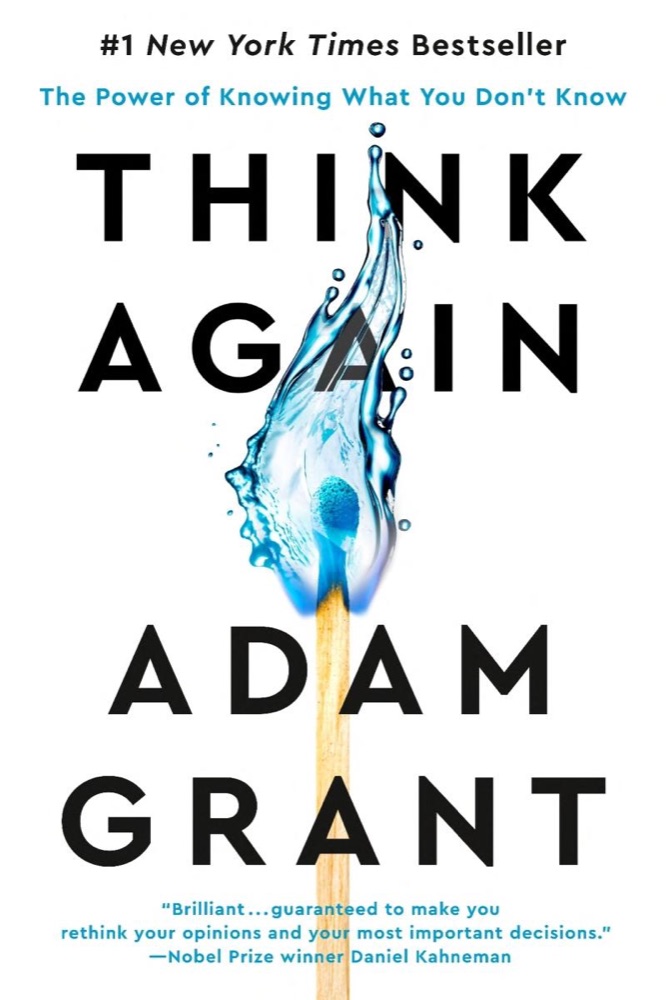 Think Again: The Power of Knowing What You Don't Know
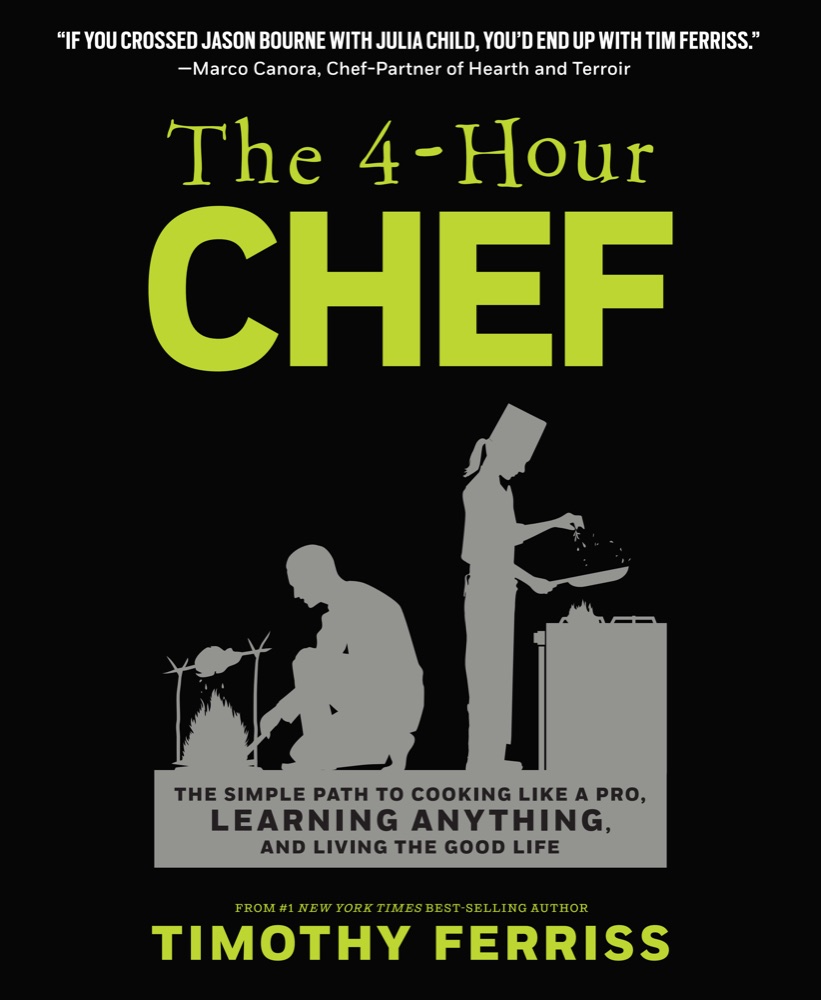 The 4-Hour Chef: The Simple Path to Cooking Like a Pro, Learning Anything, and Living the Good Life
 The Art of Creative Thinking
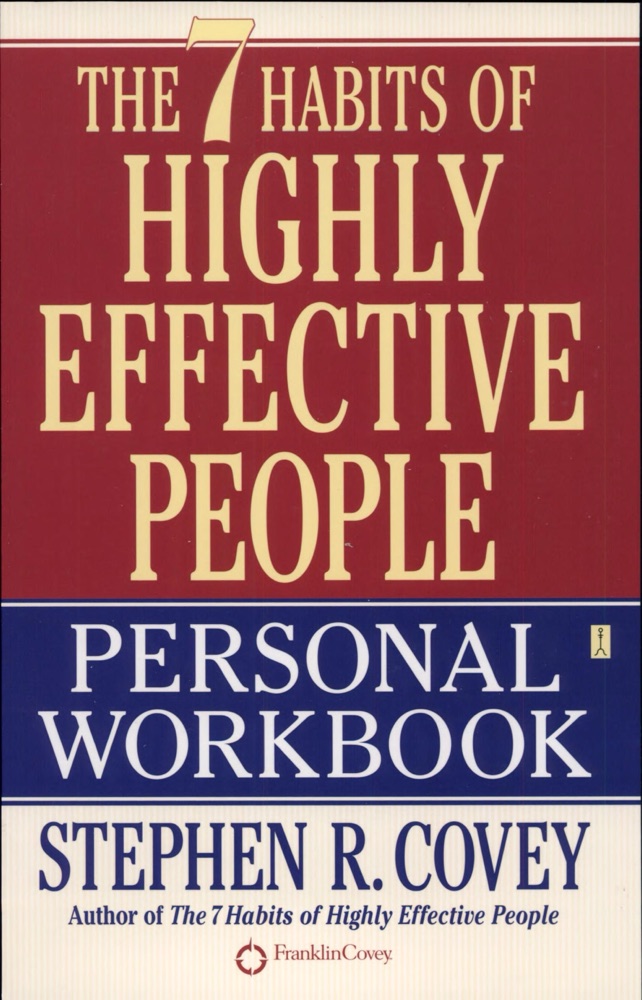 The 7 Habits of Highly Effective People: Personal Workbook
 A Mind for Numbers: How to Excel at Math and Science
 The Accidental Creative: How to Be Brilliant at a Moment's Notice
 Turning Pro
 Drive: The Surprising Truth About What Motivates Us
 High Performance Habits: How Extraordinary People Become That Way
 The Tao of Pooh
 Talk Like TED: The 9 Public-Speaking Secrets of the World's Top Minds
 Ignore Everybody: and 39 Other Keys to Creativity
 It's Not How Good You Are, It's How Good You Want To Be
 Principles: Life and Work
 The Practice: Shipping Creative Work
 Think and Grow Rich
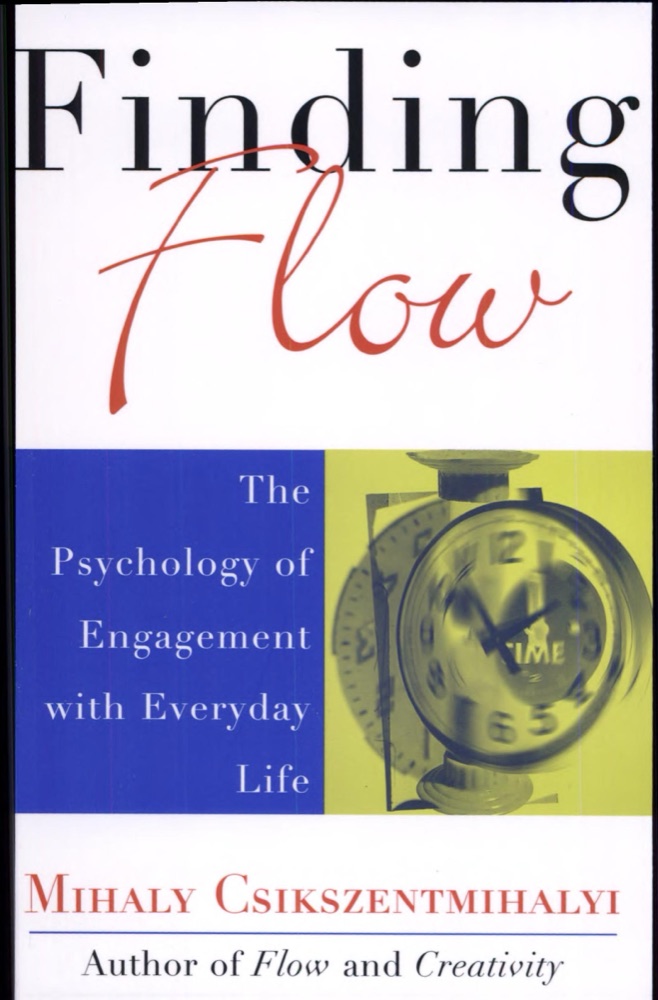 Finding Flow: The Psychology of Engagement with Everyday Life
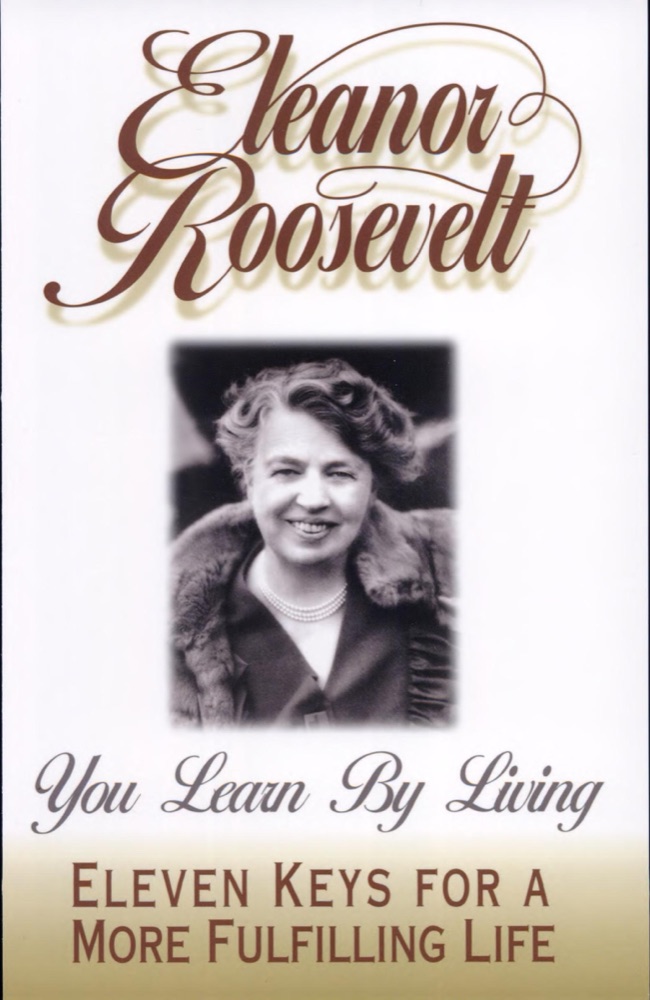 You Learn by Living: Eleven Keys for a More Fulfilling Life
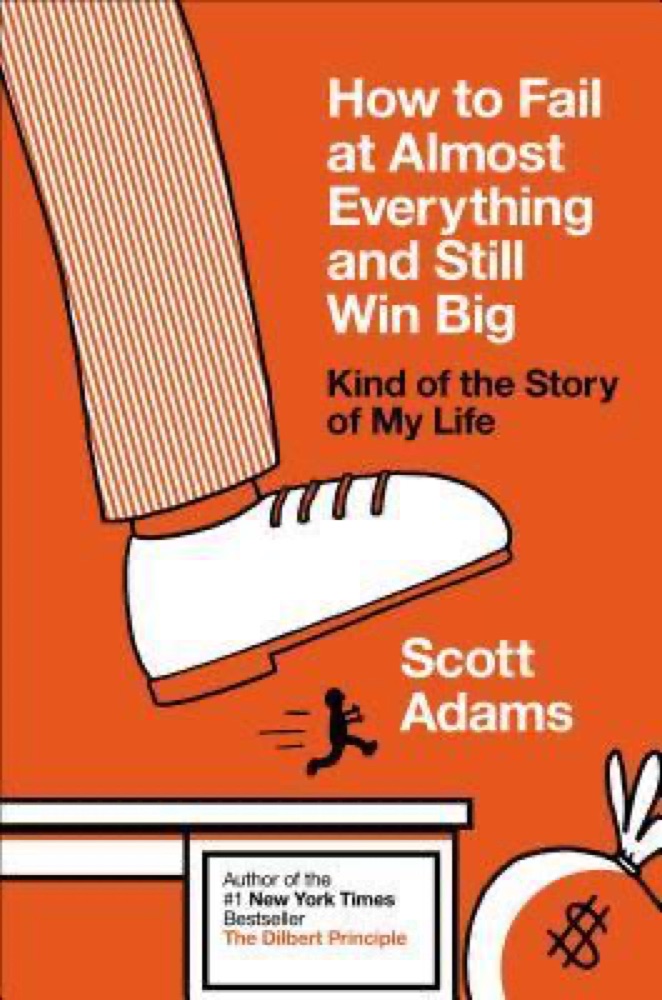 How to Fail at Almost Everything and Still Win Big: Kind of the Story of My Life
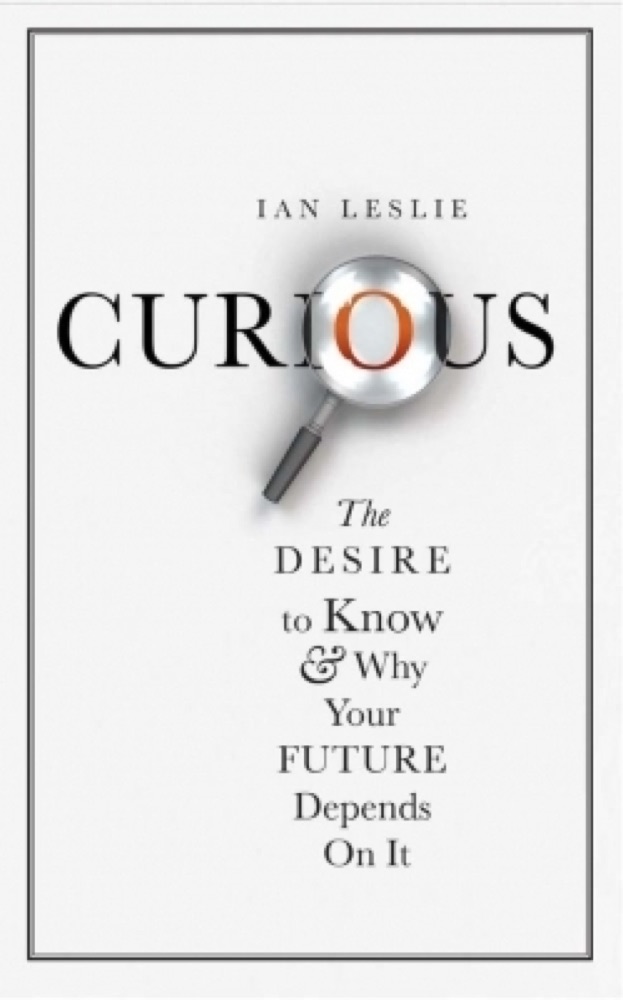 Curious: The Desire to Know and Why Your Future Depends On It
 Smarter Faster Better: The Secrets of Being Productive in Life and Business
 Do Epic Shit
 Show Your Work!: 10 Ways to Share Your Creativity and Get Discovered
 Shoe Dog: A Memoir by the Creator of NIKE