 Fluent in 3 Months: How Anyone at Any Age Can Learn to Speak Any Language from Anywhere in the World
Quotes from the Book
If you talk to a man in a language he understands, that goes to his head. If you talk to him in his language, that goes to his heart. —Nelson Mandela
21
An accurate accent is powerful because it is the ultimate gesture of empathy. It connects you to another person's culture in a way that words never can, because you have bent your body as well as your mind to match that person's culture. Anyone can learn "bawn-JURE" in a few seconds. To learn how bonjour fits your companion's mouth and tongue; to learn how to manipulate the muscles, the folds, and even the texture of your throat and lips to match your companion's -- this is an unmistakable, undeniable, and irresistable gesture of care.
8
Fluency, after all, isn’t the ability to know every word and grammatical pattern in a language; it’s the ability to communicate your thoughts without stopping every time you run into a problem.
7
Language learning is one of the most intensely personal journeys you can undertake. You are going into your own mind and altering the way you think.
4
Our capacity for visual memory is extraordinary; we only need to learn how to take advantage of it.
4
To paraphrase Rousseau, when we learn an accent, we are taking on the soul of that language. This isn’t work; it’s communion.
3
The difference between false memories and true ones is the same as for jewels: it is always the false ones that look the most real, the most brilliant. —Salvador Dalí
3
There is no such thing as a "hard" language; any idiot can speak whatever language his parents spoke when he was a child.
1
Das Aussprechen eines Wortes ist gleichsam ein Anschlagen einer Taste auf dem Vorstellungsklavier. Uttering a word is like striking a note on the keyboard of the imagination. —Ludwig Wittgenstein
1
The thread between these two goals—remembering now and remembering later—starts small and grows rapidly. You’ll begin with short intervals (two to four days) between practice sessions. Every time you successfully remember, you’ll increase the interval (e.g., nine days, three weeks, two months, six months, etc.), quickly reaching intervals of years. This keeps your sessions challenging enough to continuously drive facts into your long-term memory.
1
Extra repetition is known as overlearning, and it doesn’t help long-term memory at all. Can you remember a single fact from the last school test you crammed for? Can you even remember the test itself? If we’re going to invest our time in a language, we want to remember for months, years, or decades. If we can’t achieve this goal by working harder, then we’ll do it by working as little as possible.
1
Not only does your brain get stronger, it gets healthier, too. Bilingual brains are more resistant to the wear and tear of age. Studies show a marked delay in the onset of dementia and Alzheimer’s disease for bilinguals. On average, elderly bilinguals will show symptoms of dementia five years later than monolinguals, and if they’ve learned more than two languages, then the effects are even stronger.
By learning a language, you permanently change structures in your brain. Bilingual brains are measurably different from monolingual brains—certain brain regions are more developed—and recent studies show that you don’t need to be bilingual from birth to show these telltale signs of bilingualism. You just need to learn a language and maintain it; the better you learn it and the longer you maintain it, the more your brain will change. How does this affect you in your daily life? When you learn a language, you permanently improve your memory—you’ll be able to memorize faster and easier. You’ll multitask better. Bilingual people are better at focusing on tasks and ignoring distractions. They’re more creative. They’re better problem solvers. Bilingual students beat monolinguals in standardized tests of English, math, and science. All these advantages—collectively known as the bilingual effect—aren’t the result of natural, inborn intelligence. Most bilinguals never choose to be bilingual; they just happen to grow up in bilingual families. The bilingual effect is a kind of learned intelligence, and by picking up a new language, you’ll get it too.
I’ve heard that hard work never killed anyone, but I say why take the chance? —Ronald Reagan
you won’t need Republican to learn Russian,
As long as I could connect every new thing I learned to this universe, I had an easy time with math. And I noticed that classmates who had problems with math weren’t struggling with math; they were struggling with connections. They were trying to memorize equations, but no one had successfully shown them how those equations connect with everything they had already learned. They were doomed
Watch on YouTube
About Gabriel Wyner
We have collected 16 quotes from 1 book by Gabriel Wyner on BookQuoters.
More about the author →About the book
„Nic takového jako těžký jazyk neexistuje. Každý trouba dokáže mluvit jakoukoli řečí, kterou mluvili jeho rodiče, když byl malý“......řekl si operní zpěvák Gabriel Wyner a do svých třiceti let se naučil šesti jazykům.Nyní můžete i vy poznat kombinaci těch nejúčinnějších metod a moderních online aplikací, které konečně přinášejí do výuky jazyků technologický pokrok hodný 21. století. Kolikrát tedy budete člověkem?Stát se v dospělosti polyglotem se zdá nemožné, snad až podivínské – vždyť kolikrát jsme všichni začínali a snažili se vytrvat. Množství času a úsilí potřebné k memorování slovíček, vstřebání gramatiky a pochopení výjimek ale přece v dospělosti už nikdo nemá... A teď ta dobrá zpráva. Jde to i jinak. Gabriel Wyner dělá z ovládnutí cizí řeči zábavou, od které se nedokážete odtrhnout. Už teď gratulujeme k novému koníčku!Autor Navždy plynule vzal to nejlepší ze známých přístupů k uče
Book details
- First published
- 2014
- Author
- Gabriel Wyner
- Genre
- Nonfiction
- Goodreads rating
- 4.08 (14k ratings)
Keep reading
Fluent in 3 Months: How Anyone at Any Age Can Learn to Speak Any Language from Anywhere in the World
 Through the Language Glass: Why the World Looks Different in Other Languages
 The Language Instinct: How the Mind Creates Language
 The Unfolding of Language: An Evolutionary Tour of Mankind's Greatest Invention
 Moonwalking with Einstein: The Art and Science of Remembering Everything
 How We Learn: Why Brains Learn Better Than Any Machine . . . for Now
 Learning How to Learn: How to Succeed in School Without Spending All Your Time Studying; A Guide for Kids and Teens
 Mastery
 Limitless: Upgrade Your Brain, Learn Anything Faster, and Unlock Your Exceptional Life
 Because Internet: Understanding the New Rules of Language
 Babel
Babel
 The Mother Tongue: English and How It Got That Way
 The Word Exchange
 Talk Like TED: The 9 Public-Speaking Secrets of the World's Top Minds
 Make It Stick: The Science of Successful Learning
 In the Land of Invented Languages: Esperanto Rock Stars, Klingon Poets, Loglan Lovers, and the Mad Dreamers Who Tried to Build a Perfect Language
 Peak: Secrets from the New Science of Expertise
 Philosophical Investigations
 The Element: How Finding Your Passion Changes Everything
 Beginners: The Joy and Transformative Power of Lifelong Learning
 The 4-Hour Chef: The Simple Path to Cooking Like a Pro, Learning Anything, and Living the Good Life
 Babel-17
 Walking on Water: Reading, Writing, and Revolution
 Awareness: Conversations with the Masters
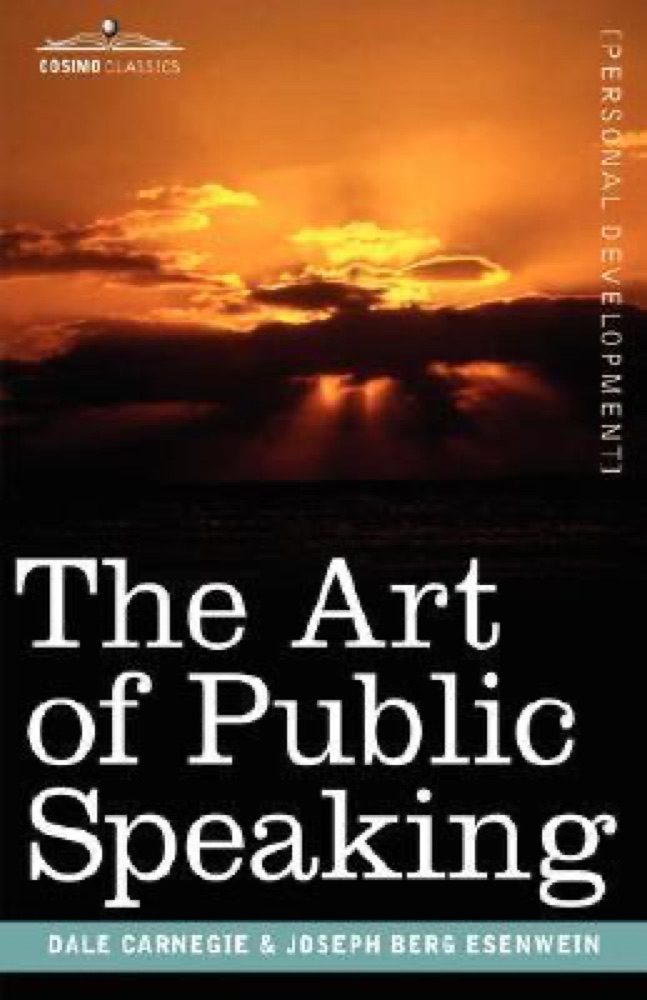 The Art of Public Speaking
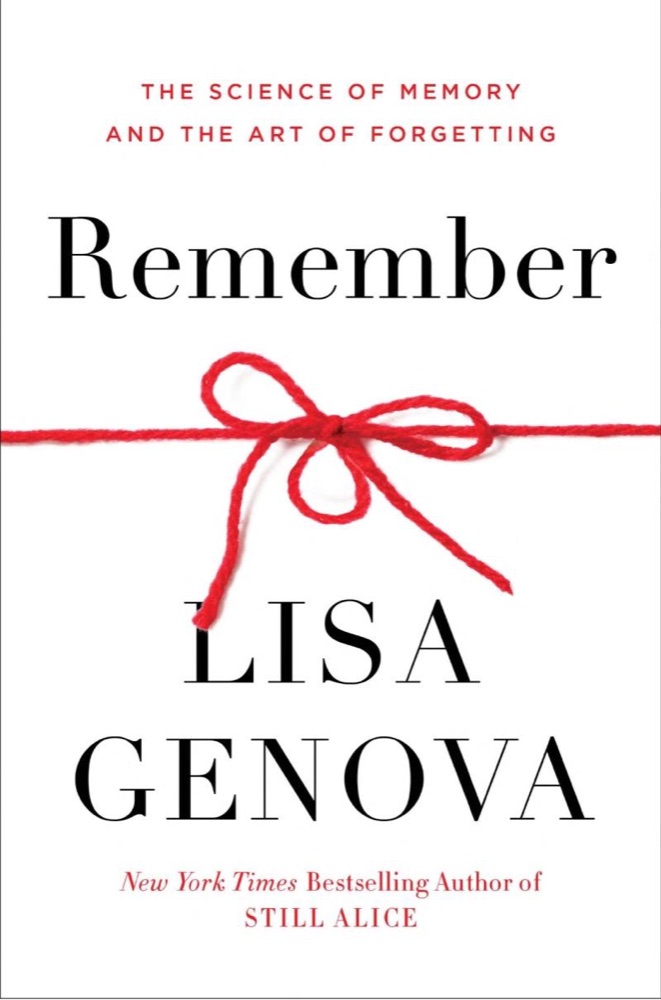 Remember: The Science of Memory and the Art of Forgetting
 The Stuff of Thought: Language as a Window into Human Nature
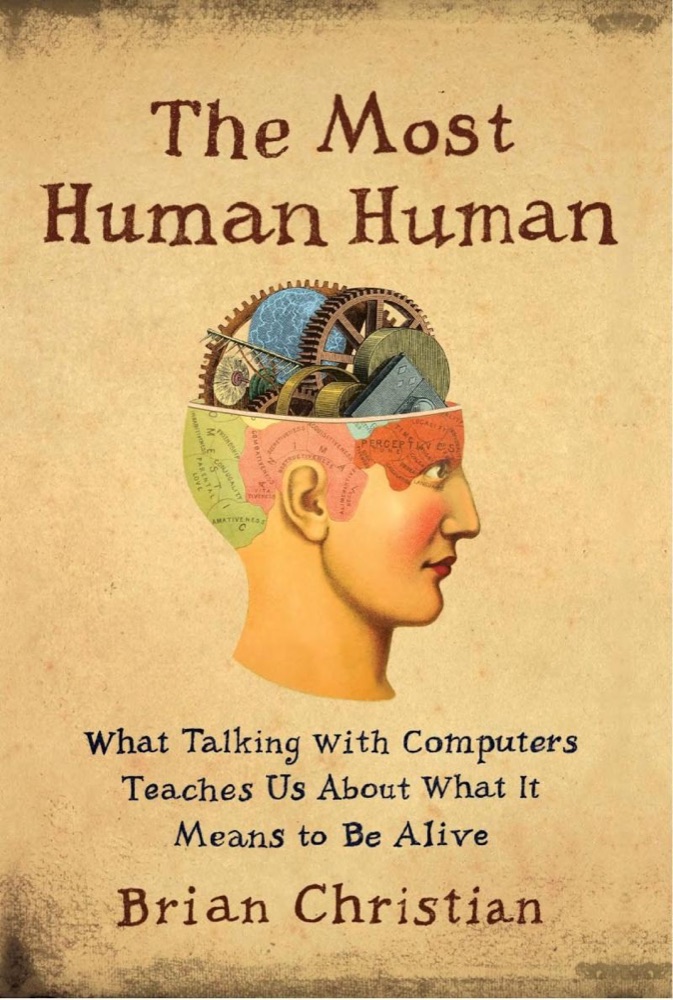 The Most Human Human: What Talking with Computers Teaches Us About What It Means to Be Alive
 Born a Crime: Stories From a South African Childhood
 Psycho-Cybernetics
 The Daily Laws: 366 Meditations
 Excellent Advice for Living: Wisdom I Wish I'd Known Earlier
 A Mind for Numbers: How to Excel at Math and Science
 TED Talks: The Official TED Guide to Public Speaking
 No Self, No Problem: How Neuropsychology Is Catching Up to Buddhism
 The Last Samurai
 How to Read a Book: The Classic Guide to Intelligent Reading
 Be Water, My Friend: The Teachings of Bruce Lee
 The Art of Thinking Clearly
 The 7 Habits of Highly Effective People: Personal Workbook
 Stories of Your Life and Others
 Tribe Of Mentors: Transformative Wisdom From Icons and Innovators to Help You Navigate Life's Challenges
 Lost in Translation: A Life in a New Language
 The Brain That Changes Itself: Stories of Personal Triumph from the Frontiers of Brain Science
 The Culture Map: Breaking Through the Invisible Boundaries of Global Business
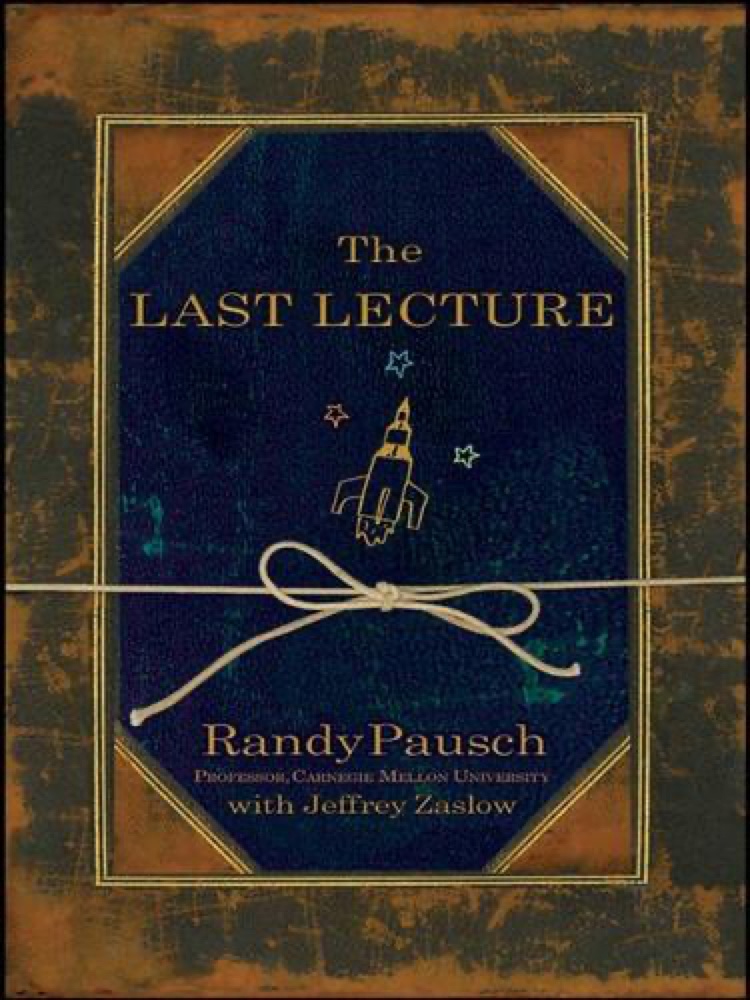 The Last Lecture
 Will
Will
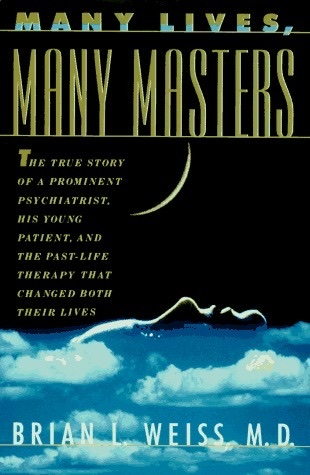 Many Lives, Many Masters: The True Story of a Prominent Psychiatrist, His Young Patient, and the Past Life Therapy That Changed Both Their Lives
 Running from Safety: An Adventure of the Spirit
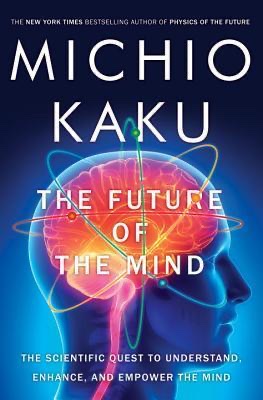 The Future of the Mind: The Scientific Quest to Understand, Enhance, and Empower the Mind
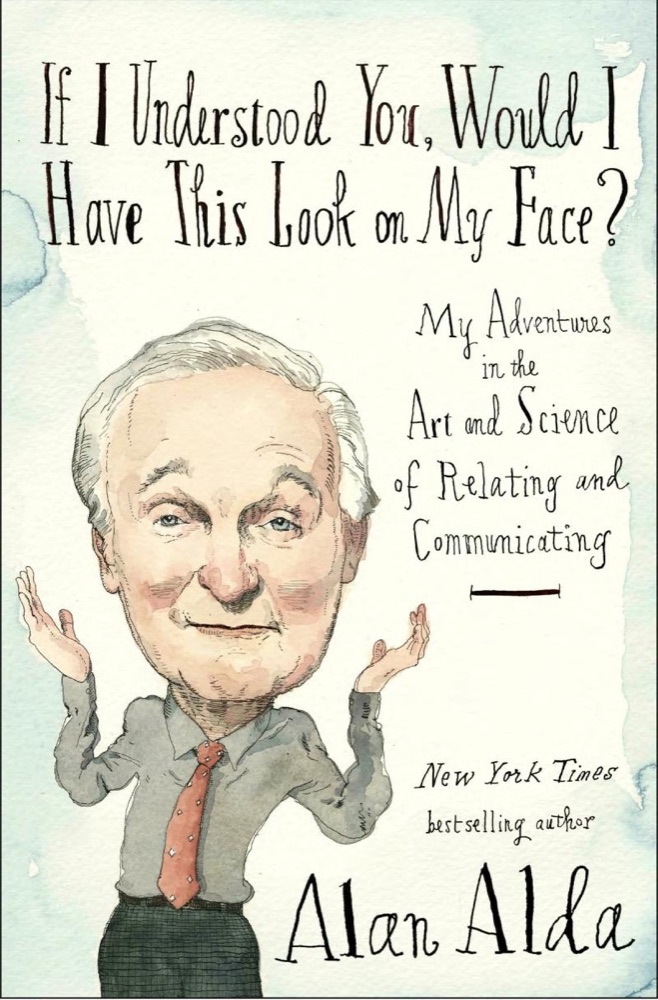 If I Understood You, Would I Have This Look on My Face?: My Adventures in the Art and Science of Relating and Communicating
 The Happiness Equation: Want Nothing + Do Anything = Have Everything
 The Master and His Emissary: The Divided Brain and the Making of the Western World
 The Social Animal: The Hidden Sources of Love, Character, and Achievement
 Let's Talk: ...About Making Your Life Exciting, Easier, And Exceptional
 A User's Guide to the Brain: Perception, Attention, and the Four Theaters of the Brain
 The Sorrows of an American