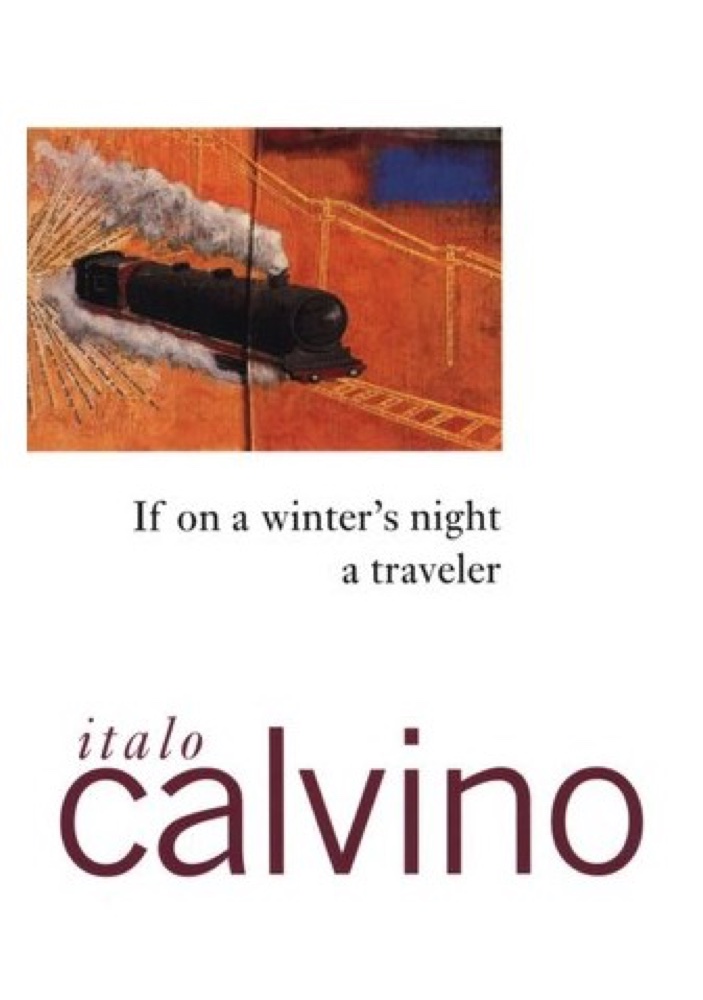
 If on a Winter's Night a Traveler
Quotes from the Book
There is nothing for it but for all of us to invent our own ideal libraries of classics. I would say that such a library ought to be composed half of books we have read and that have really counted for us, and half of books we propose to read and presume will come to count—leaving a section of empty shelves for surprises and occasional discoveries
42
If the spark doesn't come, that's a pity; but we do not read the classics out of duty or respect, but only out of love.
22
A classic is the term given to any book which comes to represent the whole universe, a book on a par with ancient talismans.
21
While the hemlock was being prepared, Socrates was learning a melody on the flute. “What use will that be to you?”, he was asked. “At least I will learn this melody before I die.
7
1. The classics are those books about which you usually hear people saying: ‘I’m rereading…’, never ‘I’m reading…’ At least this is the case with those people whom one presumes are ‘well read‘; it does not apply to the young, since they are at an age when their contact with the world, and with the classics which are part of that world, is important precisely because it is their first such contact. The iterative prefix ‘re-’ in front of the verb ‘read’ can represent a small act of hypocrisy on the part of people ashamed to admit they have not read a famous book. To reassure them, all one need do is to point out that however wide-ranging any person’s formative reading may be, there will always be an enormous number of fundamental works that one has not read.
6
1 )Classics are books which, the more we think we know them through hearsay, the more original, unexpected, and innovative we find them when we actually read them. 2)A classic is a work which constantly generates a pulviscular cloud of critical discourse around it, but which always shakes the particles off.
6
Reading a classic must also surprise us, when we compare it to the image we previously had of it. That is why we can never recommend enough a first-hand reading of the text itself, avoiding as far as possible secondary bibliography, commentaries, and other interpretations. Schools and universities should hammer home the idea that no book which discusses another book can ever say more than the original book under discussion; yet they actually do everything to make students believe the opposite. There is a reversal of values here which is very widespread, which means that the introduction, critical apparatus, and bibliography are used like a smokescreen to conceal what the text has to say and what it can only say if it is left to speak without intermediaries who claim to know more than the text itself.
4
All that can be done is for each of us to invent our own ideal library of our classics; and I would say that one half of it would consist of books we have read and that have meant something for us and the other half of books which we intend to read and which we suppose might mean something to us. We should also leave a section of empty spaces for surprises and chance discoveries.
3
Of course this happens when a classic text ‘works’ as a classic, that is when it establishes a personal relationship with the reader. If there is no spark, the exercise is pointless: it is no use reading classics out of a sense of duty or respect, we should only read them for love. Except at school: school has to teach you to know, whether you like it or not, a certain number of classics amongst which (or by using them as a benchmark) you will later recognise ‘your’ own classics
2
2. The classics are those books which constitute a treasured experience for those who have read and loved them; but they remain just as rich an experience for those who reserve the chance to read them for when they are in the best condition to enjoy them. For the fact is that the reading we do when young can often be of little value because we are impatient, cannot concentrate, lack expertise in how to read, or because we lack experience of life. This youthful reading can be (perhaps at the same time) literally formative in that it gives a form or shape to our future experiences, providing them with models, ways of dealing with them, terms of comparison, schemes for categorising them, scales of value, paradigms of beauty: all things which continue to operate in us even when we remember little or nothing about the book we read when young. When we reread the book in our maturity, we then rediscover these constants which by now form part of our inner mechanisms though we have forgotten where they came from. There is a particular potency in the work which can be forgotten in itself but which leaves its seed behind in us. The definition which we can now give is
2
And the principal tenet of Pasternak’s thought—that Nature and History do not belong to two different orders but form a continuum in which human lives find themselves immersed and by which they are determined—can be articulated better through narration than through theoretical propositions. In this way these reflections become one with the broad canvas of all the humanity and nature in the novel, they do not dominate or suffocate it. The result is that, as happens with all genuine storytellers, the book’s meaning is not to be sought in the sum of the ideas enunciated but in the totality of its images and sensations, in the flavour of life, in its silences. And all the ideological proliferations, these discussions which constantly flare up and die down, about nature and history, the individual and politics, religion and poetry, as though resuming old conversations with friends long gone, create a deep echo chamber for the strictly humble events the characters undergo, and come forth (to adopt a beautiful image used by Pasternak for the revolution) ‘like a sigh which has been held back too long’. Pasternak has breathed into his whole novel a desire for the kind of novel which no longer exists.
2
Classics are books which, the more we think we know them through hearsay, the more original, unexpected, and innovative we find them when we actually read them. Of course this happens when a classic text 'works' as a classic, that is when it establishes a personal relationship with the reader. If there is no spark, the exercise is pointess: it is no use reading classics out of a sense of duty or respect, we should only read them for love.
1
Agora deveria reescrever todo o artigo tornando bem claro que os clássicos servem para compreender quem somos e aonde chegámos e por isso os italianos são indispensáveis precisamente para os compararmos com os estrangeiros, e os estrangeiros são indispensáveis precisamente para os compararmos com os italianos. Depois deveria reescrevê-lo mais uma vez para não se pensar que os clássicos devem ser lidos porque “servem” para alguma coisa. A única razão que se pode aduzir é que ler os clássicos é melhor que não ler os clássicos. E se alguém objetar que não vale a pena ter tanto trabalho, citarei Cioran (não é um clássico, pelo menos por agora, mas sim um pensador contemporâneo que só neste momento se começa a traduzir em Itália): “Enquanto lhe preparavam a cicuta, Sócrates pôs-se a aprender uma ária na flauta. “Para que te servirá?” perguntaram-lhe. “Para saber esta ária antes de morrer””.
1
To be able to read the classics you have to know "from where" you are reading them; otherwise both the book and the reader will be lost in a timeless cloud.
1
In France they start to read Balzac at school, and judging by the number of editions in circulation people apparently continue to read him long after the end of their schooldays. But if there were an official survey on Balzac’s popularity in Italy, I am afraid he would figure very low down the list. Fans of Dickens in Italy are a small elite who whenever they meet start to reminisce about characters and episodes as though talking of people they actually knew. When Michel Butor was teaching in the United States a number of yean ago, he became so tired of people asking him about Émile Zola, whom he had never read, that he made up his mind to read the whole cycle of Rougon-Macquart novels. He discovered that it was entirely different from how he had imagined it: it turned out to be a fabulous, mythological genealogy and cosmogony, which he then described in a brilliant article.
1
It is not a young man’s response, which was more what we expected, but that of an elderly man of letters, which is all the more significant, perhaps, because it shows us the unexpected direction taken by Pasternak on his interior journey in his long period of silence. This last survivor of the Westernising, avant-garde poets of the 1920s has not detonated in the ‘thaw’ a display of stylistic fireworks long held in reserve; after the end of the dialogue with the international avant-garde, which had been the natural space for his poetry,
1
Una poesia vive anche per il potere d’irradiare ipotesi divagazioni associazioni d’idee in territori lontani, o meglio di richiamare e agganciare a sé idee di varia provenienza, organizzandole in una mobile rete di riferimenti e rifrazioni, come attraverso un cristallo.
1
Memory truly counts — for an individual, a society, a culture — only if it holds together the imprint of the past and the plan for the future, if it allows one to do things without forgetting what one wanted to do, and to become without ceasing to be, to be without ceasing to become.
Watch on YouTube
About Italo Calvino
We have collected 221 quotes from 11 books by Italo Calvino on BookQuoters.
More about the author →More by Italo Calvino
All books by Italo Calvino →
About the book
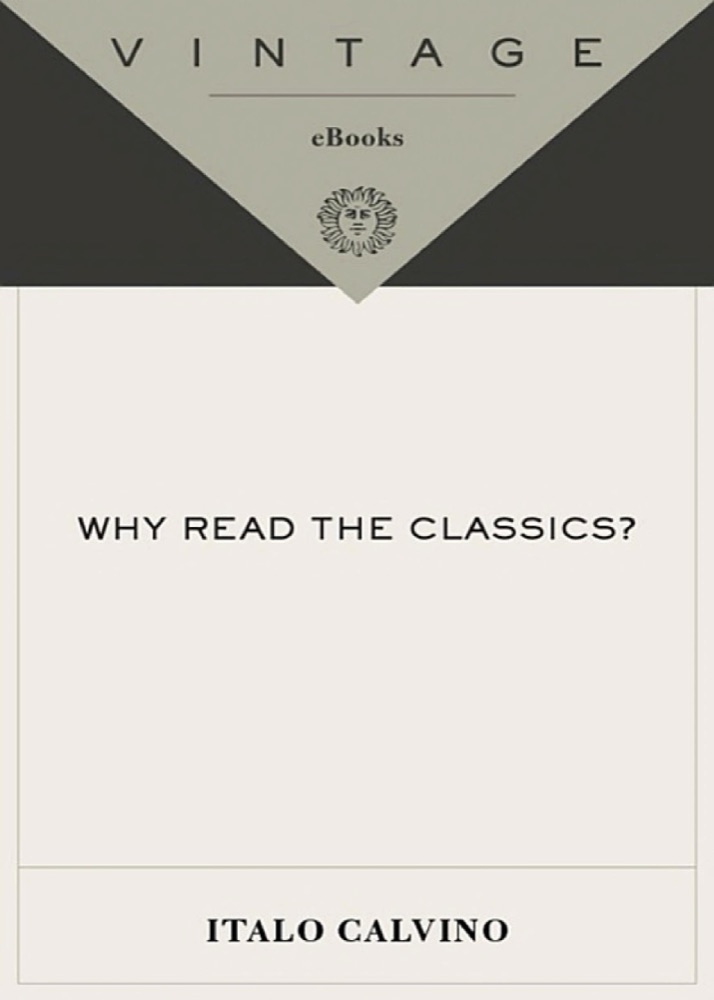
From the internationally acclaimed author of some of this century's most breathtakingly original novels comes this posthumous collection of thirty-six literary essays that will make any fortunate reader view the old classics in a dazzling new light.Learn why Lara, not Zhivago, is the center of Pasternak's masterpiece, Dr. Zhivago, and why Cyrano de Bergerac is the forerunner of modern-day science-fiction writers. Learn how many odysseys The Odyssey contains, and why Hemingway's Nick Adams stories are a pinnacle of twentieth-century literature. From Ovid to Pavese, Xenophon to Dickens, Galileo to Gadda, Calvino covers the classics he has loved most with essays that are fresh, accessible and wise. Why Read the Classics? firmly establishes Calvino among the rare likes of Nabokov, Borges, and Lawrence--writers whose criticism is as vibrant and unique as their groundbreaking fiction.
Book details
- First published
- 1991
- Author
- Italo Calvino
- Genre
- Nonfiction
- Goodreads rating
- 3.81 (3k ratings)
Keep reading
 An Experiment in Criticism
 Lectures on Literature
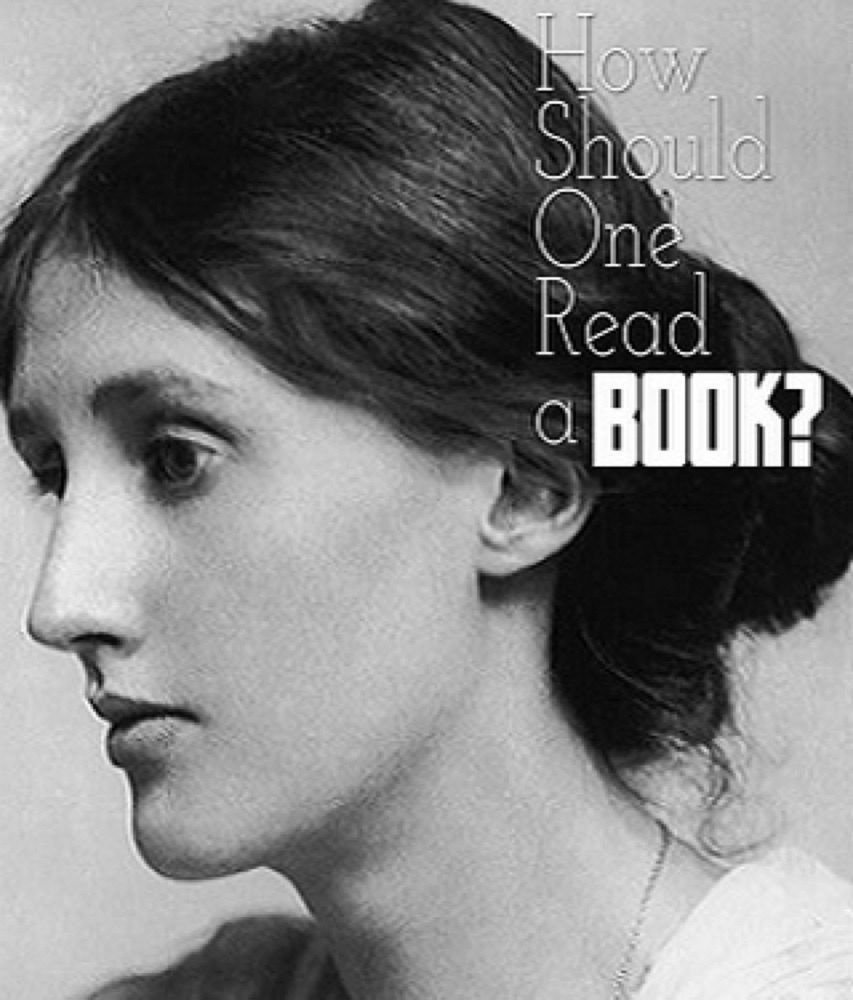 How Should One Read a Book?
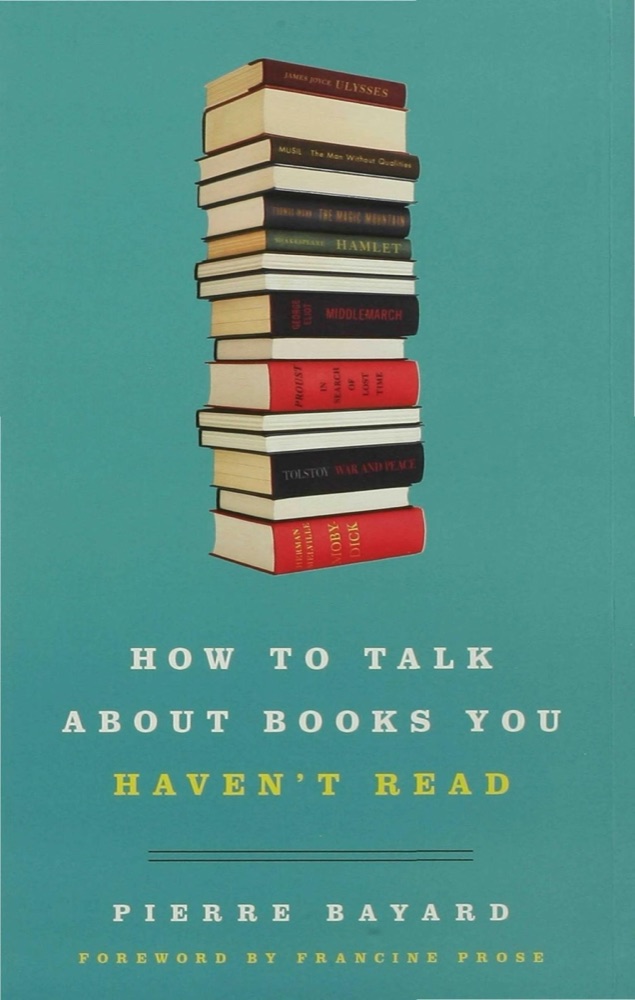 How to Talk About Books You Haven't Read
 How to Read a Book: The Classic Guide to Intelligent Reading
 Selected Non-Fictions
 How to Read Literature
 Aspects of the Novel
 Housekeeping vs. the Dirt
 The City of Dreaming Books
 The Year of Reading Dangerously
 A Novel Bookstore
 Days of Reading
 The View from the Cheap Seats: Selected Nonfiction
 What We See When We Read
 In Other Worlds: SF and the Human Imagination
 Education of a Wandering Man: A Memoir
 The Art of the Novel
 The Door-to-Door Bookstore
 The Discarded Image: An Introduction to Medieval and Renaissance Literature
 Packing My Library: An Elegy and Ten Digressions
 The Wave in the Mind: Talks and Essays on the Writer, the Reader and the Imagination
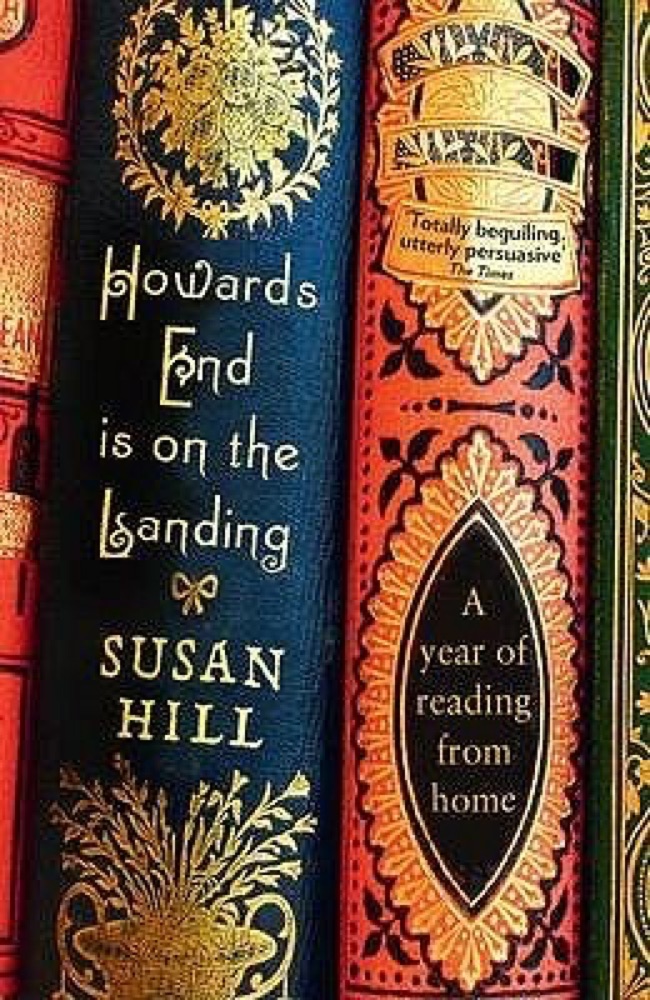 Howards End Is on the Landing: A Year of Reading from Home
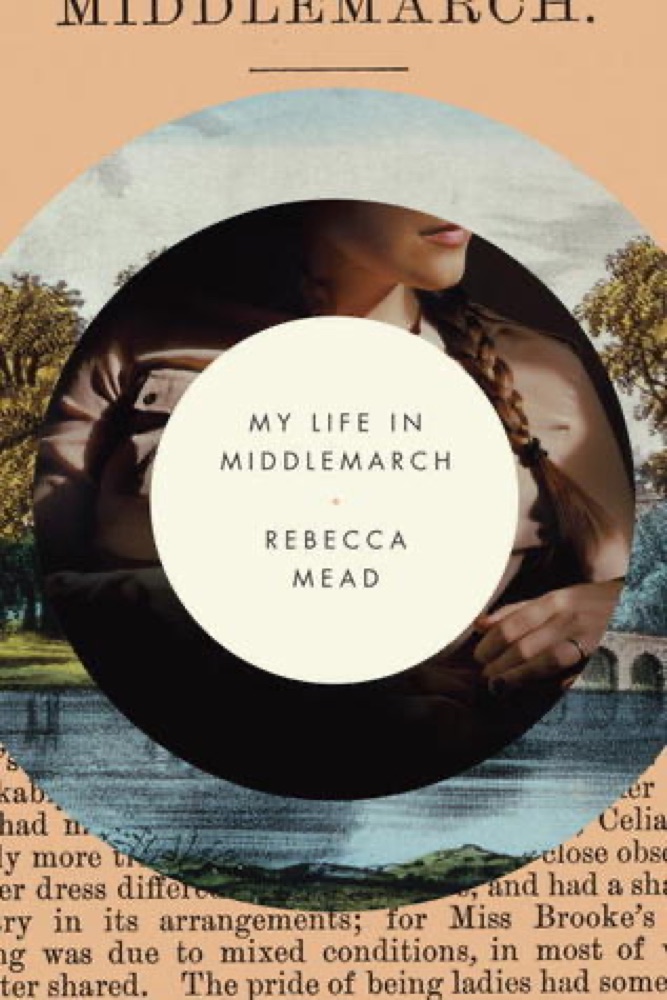 My Life in Middlemarch
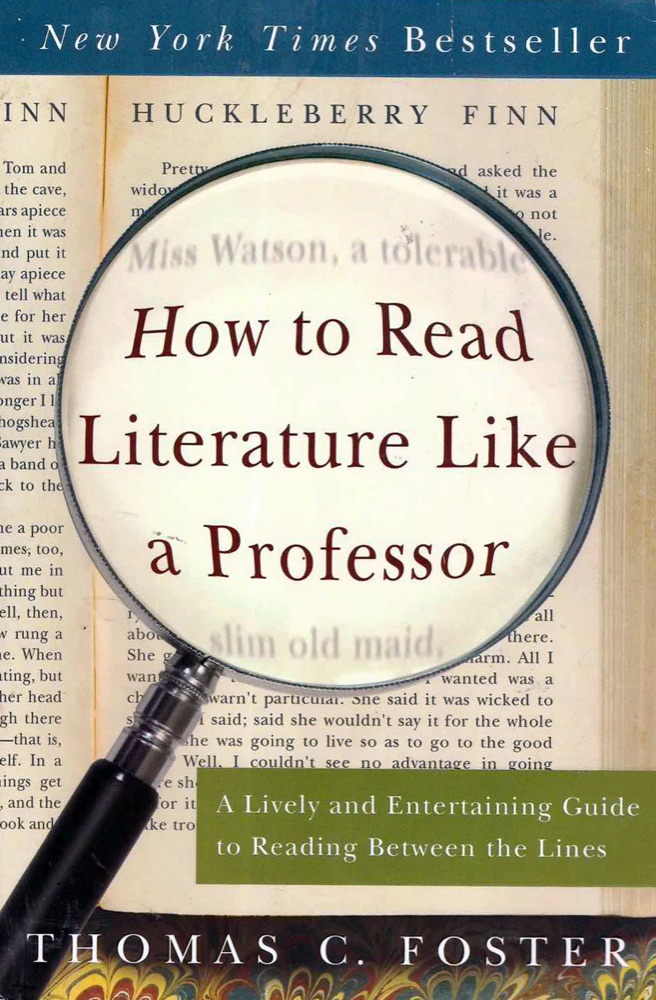 How to Read Literature Like a Professor
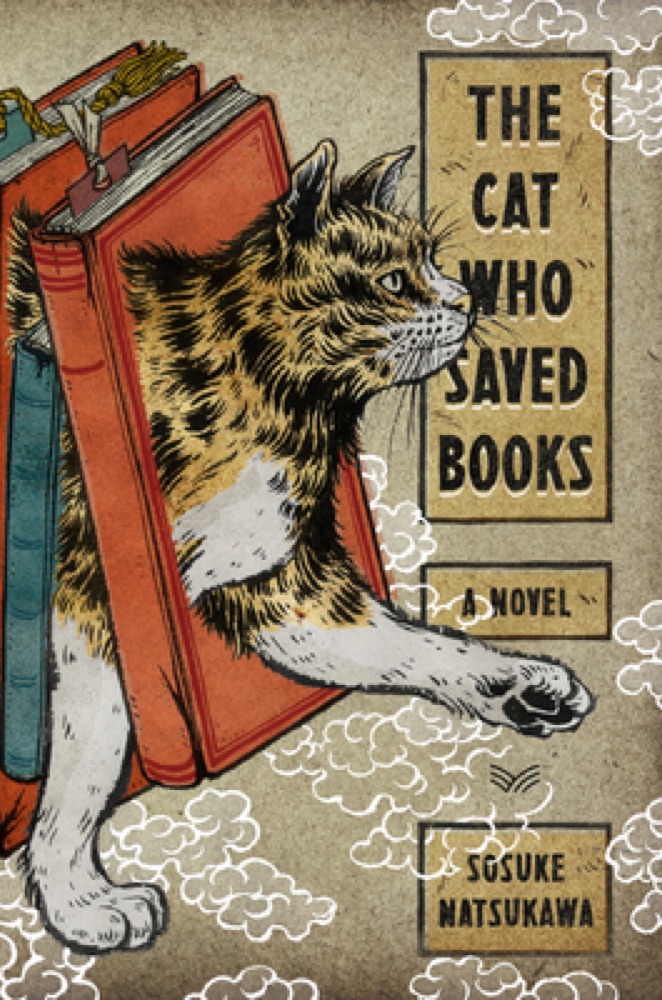 The Cat Who Saved Books
 The Curtain: An Essay in Seven Parts
If on a Winter's Night a Traveler
The Curtain: An Essay in Seven Parts
If on a Winter's Night a Traveler
 Reading Like a Writer: A Guide for People Who Love Books and for Those Who Want to Write Them
 How to Read Now
 Seven Nights
 Illuminations: Essays and Reflections
 The Book That Wouldn’t Burn
 This Craft of Verse
 How Reading Changed My Life
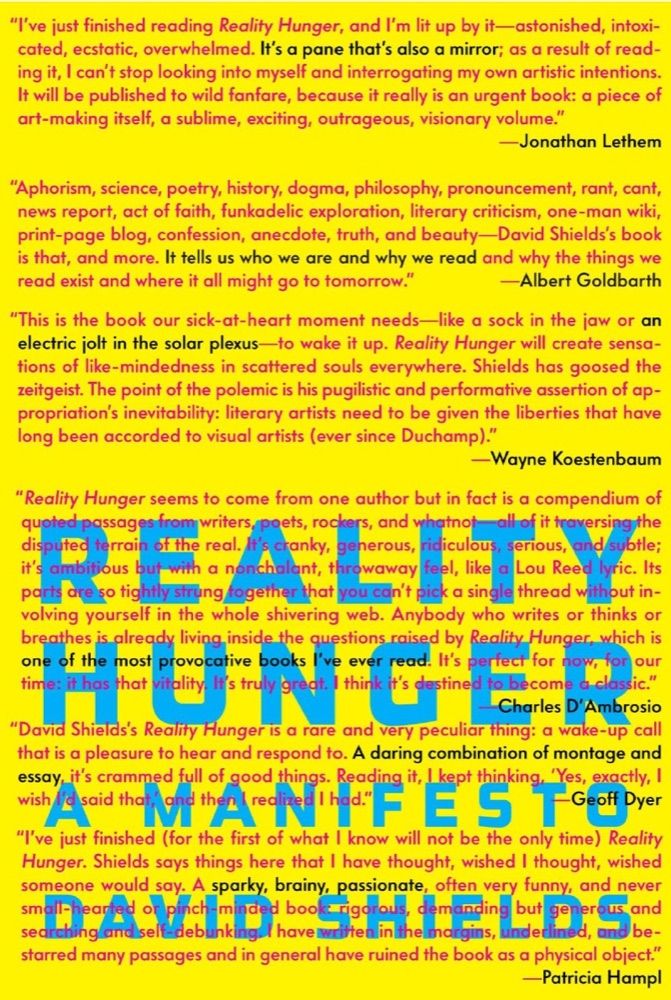 Reality Hunger: A Manifesto
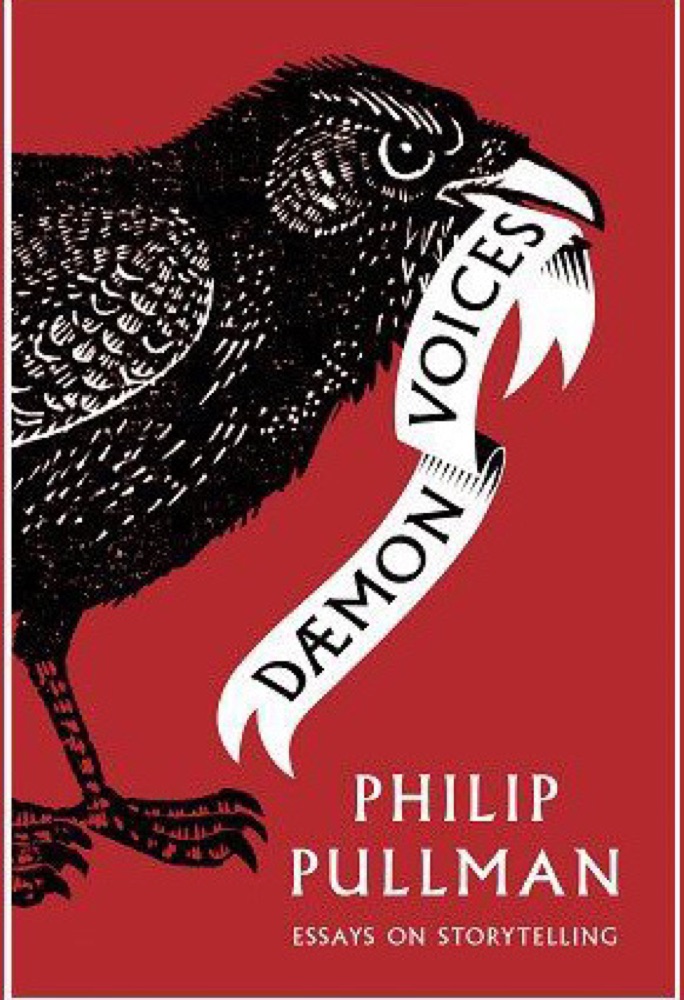 Dæmon Voices
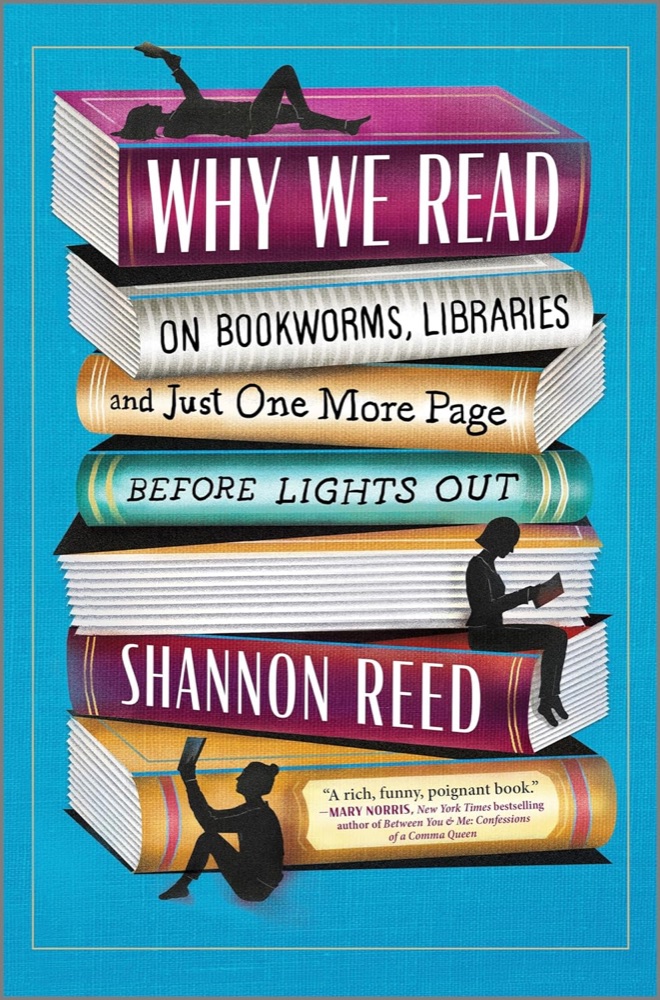 Why We Read: On Bookworms, Libraries, and Just One More Page Before Lights Out
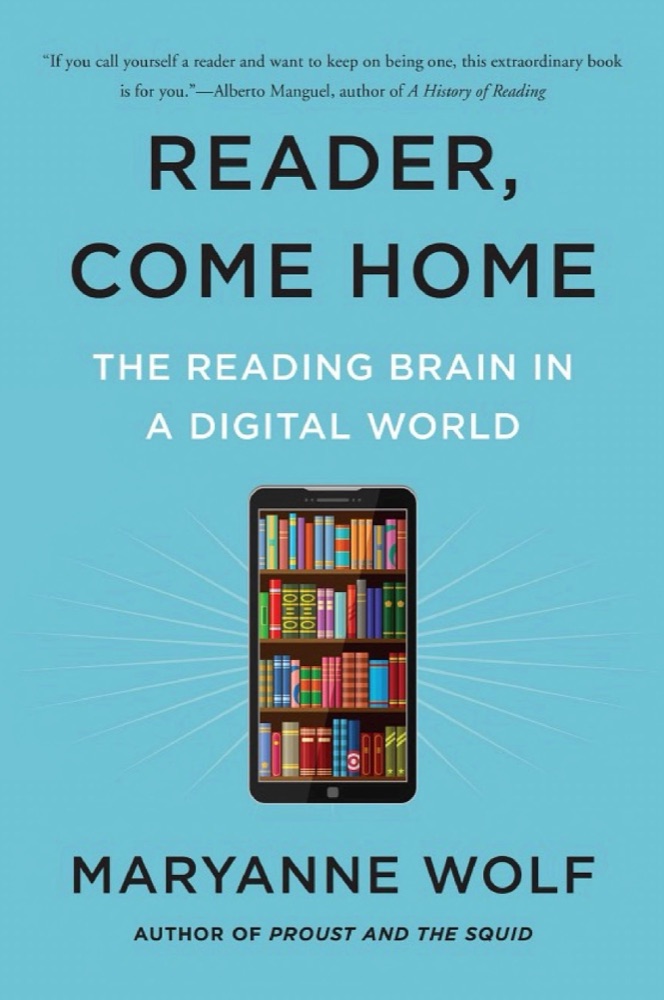 Reader, Come Home: The Reading Brain in a Digital World
 How Fiction Works
 Proust and the Squid: The Story and Science of the Reading Brain
 I'd Rather Be Reading: The Delights and Dilemmas of the Reading Life
 Lit!: A Christian Guide to Reading Books
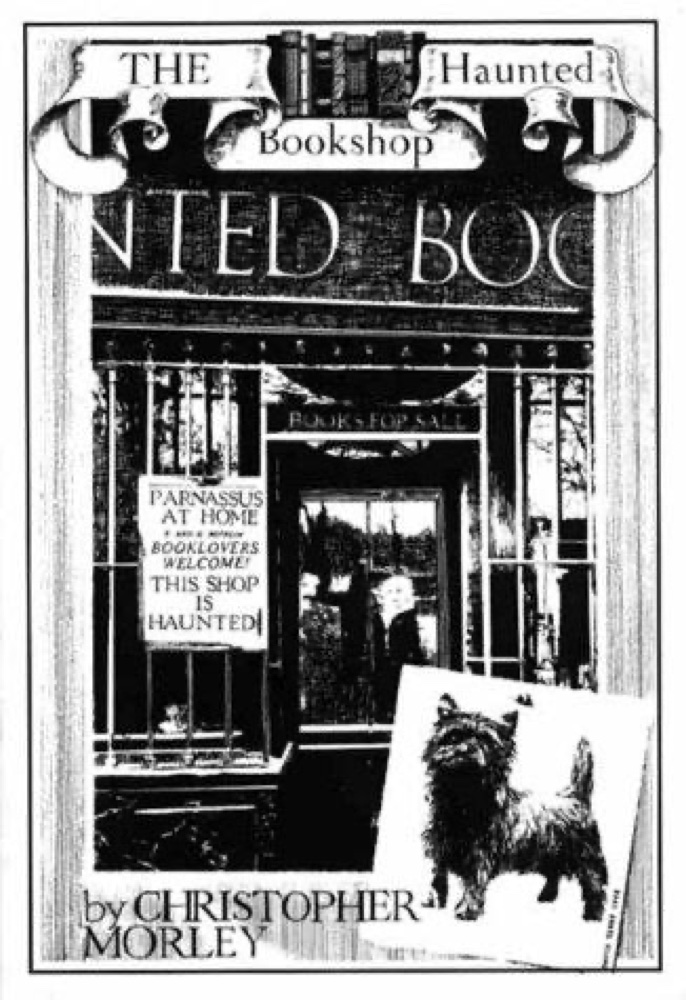 The Haunted Bookshop
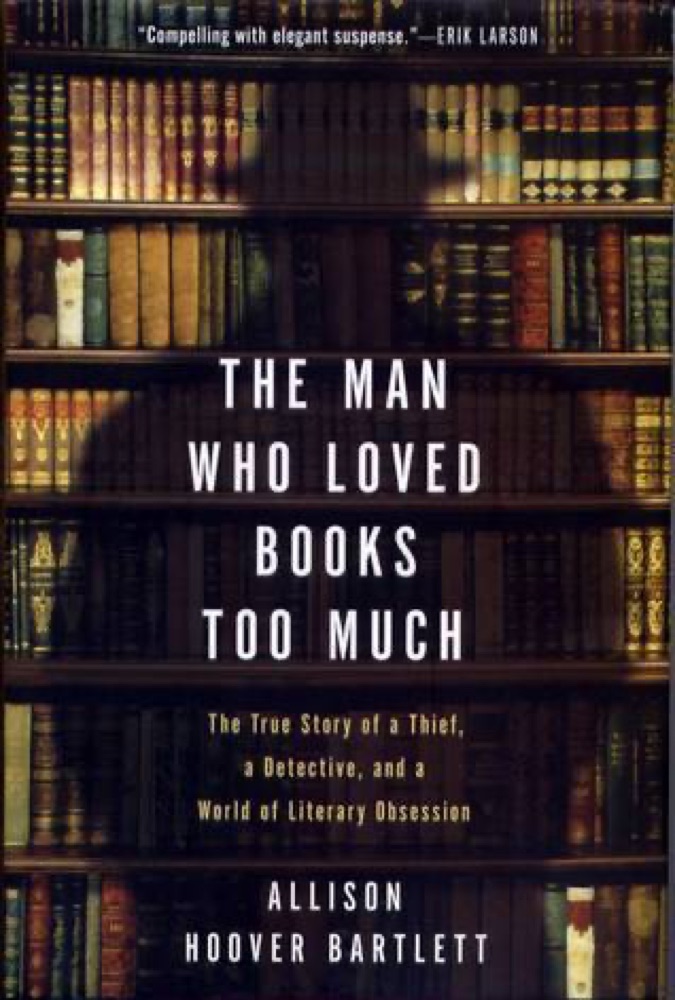 The Man Who Loved Books Too Much: The True Story of a Thief, a Detective, and a World of Literary Obsession
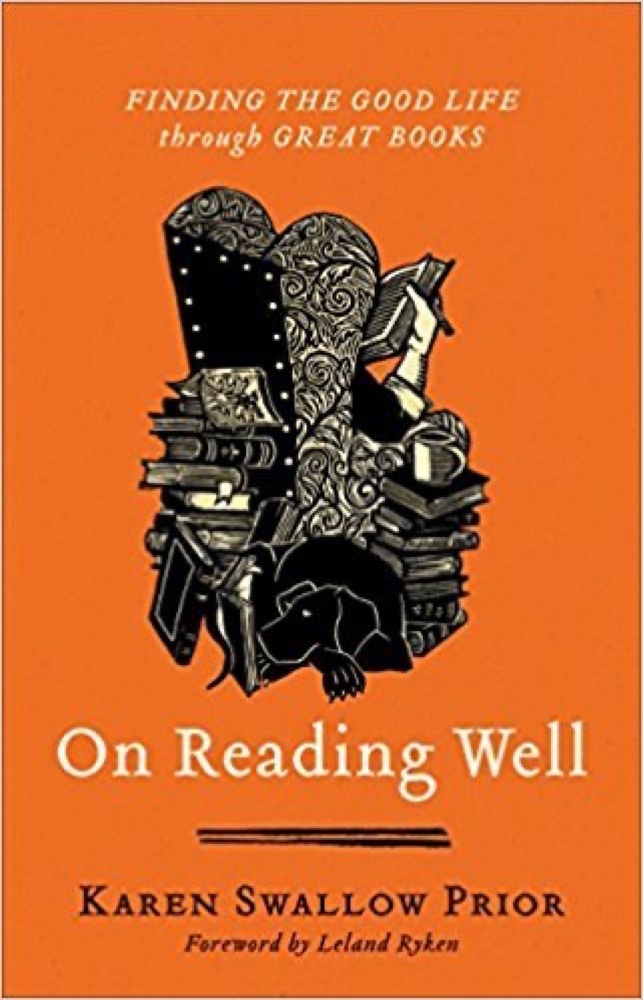 On Reading Well: Finding the Good Life through Great Books
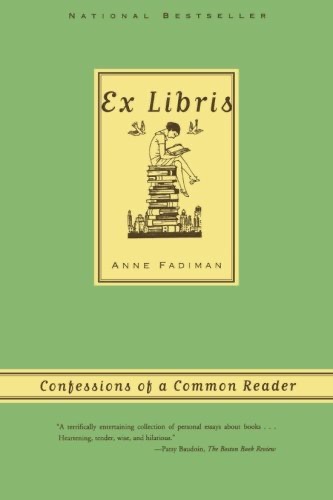 Ex Libris: Confessions of a Common Reader
 Honey for a Child's Heart
 The Language of the Night: Essays on Writing, Science Fiction, and Fantasy
 The Thirteenth Tale
 Sixpence House: Lost in a Town of Books
 The Club Dumas
 Madness, Rack, and Honey: Collected Lectures
 The Archive of the Forgotten
 Old Masters: A Comedy
 Literary Theory: An Introduction
 The Uncommon Reader
 The Storied Life of A.J. Fikry
 The Common Reader
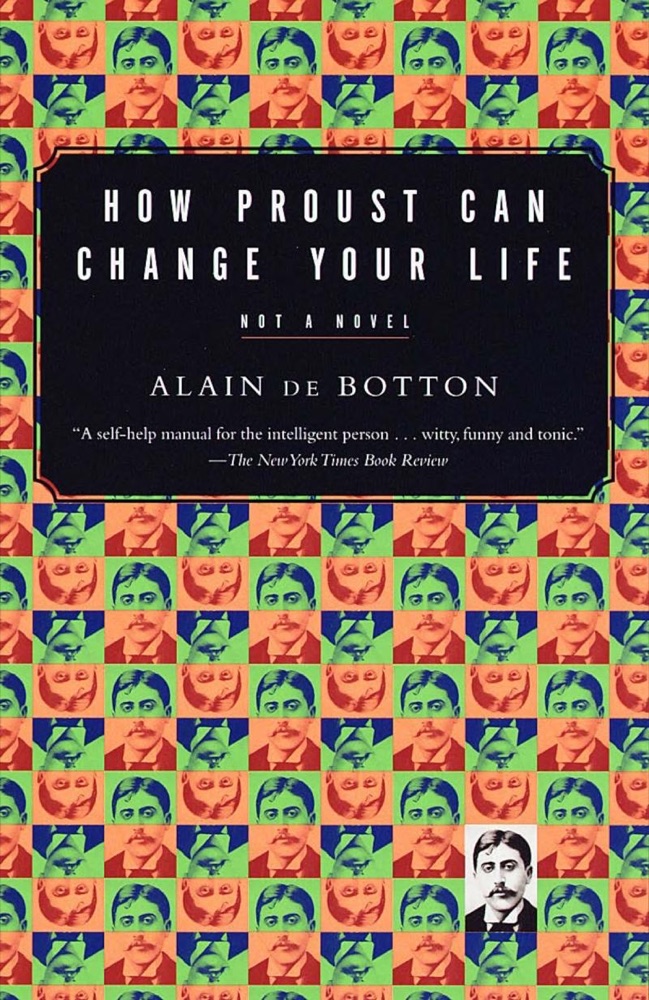 How Proust Can Change Your Life