
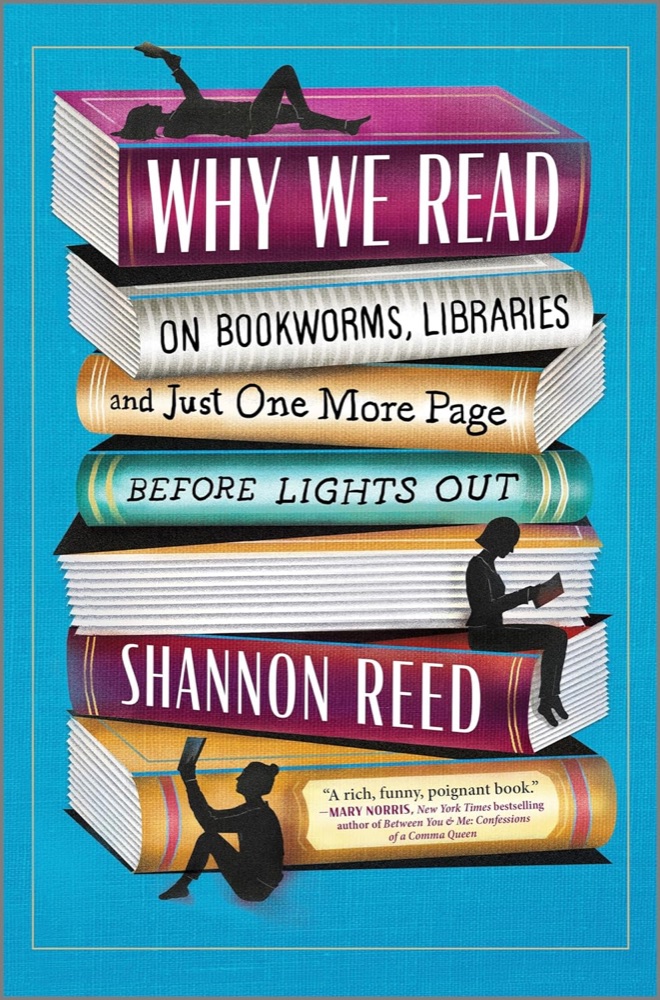
 Why We Read: On Bookworms, Libraries, and Just One More Page Before Lights Out
Quotes from the Book
It would be a good thing to buy books if one could also buy the time to read them; but one usually confuses the purchase of books with the acquisition of their contents.
23
We are creatures made as much by art as by experience and what we read in books is the sum of both.
8
Hell is other people, said Jean-Paul Sartre. Don’t take this the wrong way, but I think he means you.
7
In short, this was a period in which the phrase ‘you’re never alone with a good book’ started to sound less like a promise and more like a threat.
5
That's the trouble with stereotypes: they are not wholly disconnected from the truth.
4
Moby-Dick is a long, grueling, convoluted graft. And yet, as soon as I completed it, once I could hold it at arm's length and admire its intricacy and design, I knew Moby-Dick was obviously, uncannily, a masterwork. It wormed into my subconsious; I dreamed about it for nights afterwards. Whereas when I finished The Da Vinci Code, which had taken little less than twelve hours from cover to cover, I chicked it aside and thought: wow - I really ought to read something good.
4
On average, everyone has read The Da Vinci Code. You have probably read it. Even if you have not read it, statistically you have.
4
Somebody once described the Internet as a library where all the books have been taken off the shelves and dumped in the middle of the floor. Disorganisation, however, is not the issue. The Internet is the greatest library in the universe; unfortunately someone has removed all the ‘no talking’ signs.
4
Reading is a broad church. But it is still a church.
4
In the midst of nature’s savagery, human beings sometimes (rarely) succeed in creating small oases warmed by love. Small, exclusive, enclosed spaces governed only by love and shared subjectivity.
3
It occurred to me that I had been extraordinarily fortunate to have grown up in a prosperous country in an era when, for pretty much the first time in its history, I could read whatever I wanted, whenever I wanted to. And what had I done with this freedom? I had slowly, though unintentionally, abused it. My reading life had become an accumulation of bad habits, short cuts and lies.
3
Time fades away, in other words; it’s not any reason for us to give up trying to make it better.
3
Is it wrong to prefer books to people? Not at Christmas. A book is like a guest you have invited into your home, except you don't have to play Pictionary with it or supply it with biscuits and stollen.
3
The trouble with magical realism for me, as I suggested earlier, is that it is neither realistic nor magical.
2
When we find a painting or a novel or a musical we love, we are briefly connected to the best that human beings are capable of, in ourselves and others, and we are reminded that our path through the world must intersect with others. Whether we like it or not, we are not alone.
2
I felt the unmistakable certainty that I had been in the presence of great art, and that my heart had opened in reply.
2
The thing that chiefly struck me was the rarity of really bookish people.
2
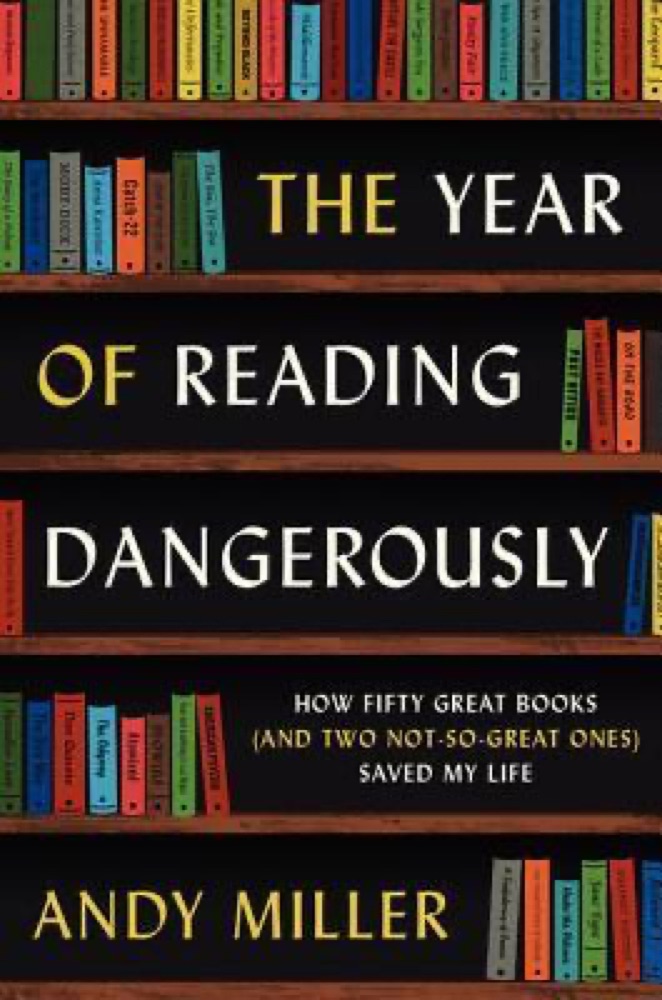
This book is entitled The Year of Reading Dangerously. It is the true story of the year I spent reading some of the greatest and most famous books in the world, and two by Dan Brown.
1
Let us adopt a symbologist approach to our subjects and see whether there are any invisible connections buried just beneath the surface. One anagram of "Herman Melville, Moby Dick" would be "Hmm-- a credible milky novel." Shuffle the letters of "Dan Brown's The Da Vinci Code", and we uncover this message: "B. was a contrived, hidden con." And rearranging "Andy Miller-- The Year of Reading Dangerously" proves what we have suspected for a while: "I am only a greying fatheaded Surrey nerd-- LOL." Dr. Langdon may be onto something.
1
Unfortunately I am afraid, as always, of going on. For to go on means going from here, means finding me, losing me, vanishing and beginning again, a stranger first, then little by little the same as always, in another place, where I shall say I have always been, of which I shall know nothing, being incapable of seeing, moving, thinking, speaking, but of which, little by little, in spite of these handicaps, I shall begin to know something, just enough for it to turn out to be the same place as always, the same which seems made for me and does not want me, which I seem to want and do not want, take your choice, which spews me out or swallows me up, I’ll never know, which is perhaps merely the inside of my distant skull where once I wandered, now am fixed, lost for tininess, or straining against the walls, with my head, my hands, my feet, my back, and ever murmuring my old stories, my old story, as if it were the first time. So there is nothing to be afraid of. And yet I am afraid, afraid of what my words will do to me, to my refuge, yet again. Is there really nothing new to try?
1
The writer in me was stirring again, pushing the editor aside.
1
However, although The Da Vinci Code did a whole heap of things defectively, it did one thing stupefyingly well - the plot. It was as though Brown had jettisoned all traces of style and credibility from his novel because he had realised, in a flash of Leonardo-like scientific insight, that style and credibility were the very properties preventing his theoretical story-balloon from taking flight. So they had been tossed over the side, along with beauty, truth and five hundred years of literary progress.
1
Douglas Adams never lost his faith in the realignment of the synapses that occurs every time we pick up a good book and start reading, find something that interests us or makes us turn to the next page, so much so that when we look up, the world has changed. This is the abiding miracle of the book. We choose what happens next.
When I was in my early twenties, it seemed like everyone I knew – every male, I should say – read Bukowski. These men of my acquaintance listened to the Go-Betweens, drank Guinness from a straight glass and loved Bukowski like little girls love ponies.
Watch on YouTube
About Andy Miller
We have collected 24 quotes from 1 book by Andy Miller on BookQuoters.
More about the author →About the book
A working father whose life no longer feels like his own discovers the transforming powers of great (and downright terrible) literature in this laugh-out-loud memoir.
Andy Miller had a job he quite liked, a family he loved, and no time at all for reading. Or so he kept telling himself. But, no matter how busy or tired he was, something kept niggling at him. Books. Books he'd always wanted to read. Books he'd said he'd read that he actually hadn't. Books that whispered the promise of escape from the daily grind. And so, with the turn of a page, Andy began a year of reading that was to transform his life completely.
This book is Andy's inspirational and very funny account of his expedition through literature: classic, cult, and everything in between. Beginning with a copy of Bulgakov's Master and Margarita that he happens to find one day in a bookstore, he embarks on a literary odyss
Book details
- First published
- 2012
- Author
- Andy Miller
- Genre
- Nonfiction
- Goodreads rating
- 3.31 (6k ratings)
Keep reading
Why We Read: On Bookworms, Libraries, and Just One More Page Before Lights Out
 Housekeeping vs. the Dirt
 Ex Libris: Confessions of a Common Reader
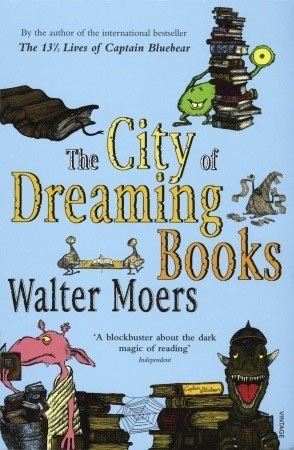 The City of Dreaming Books
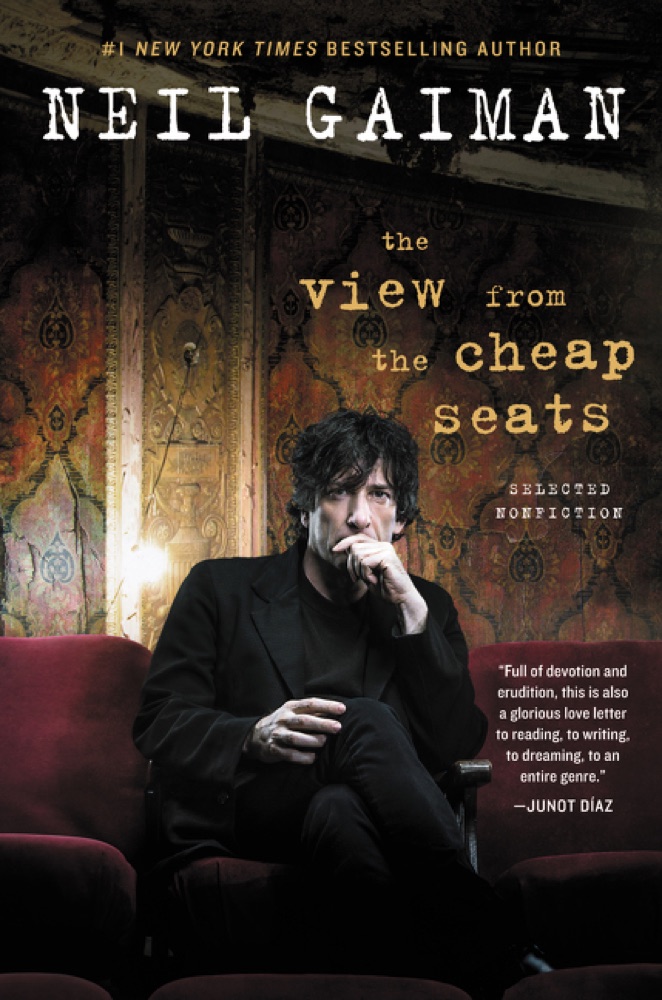 The View from the Cheap Seats: Selected Nonfiction
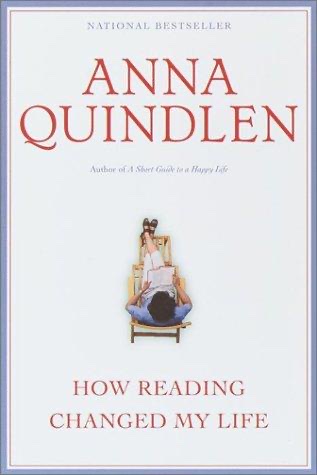 How Reading Changed My Life
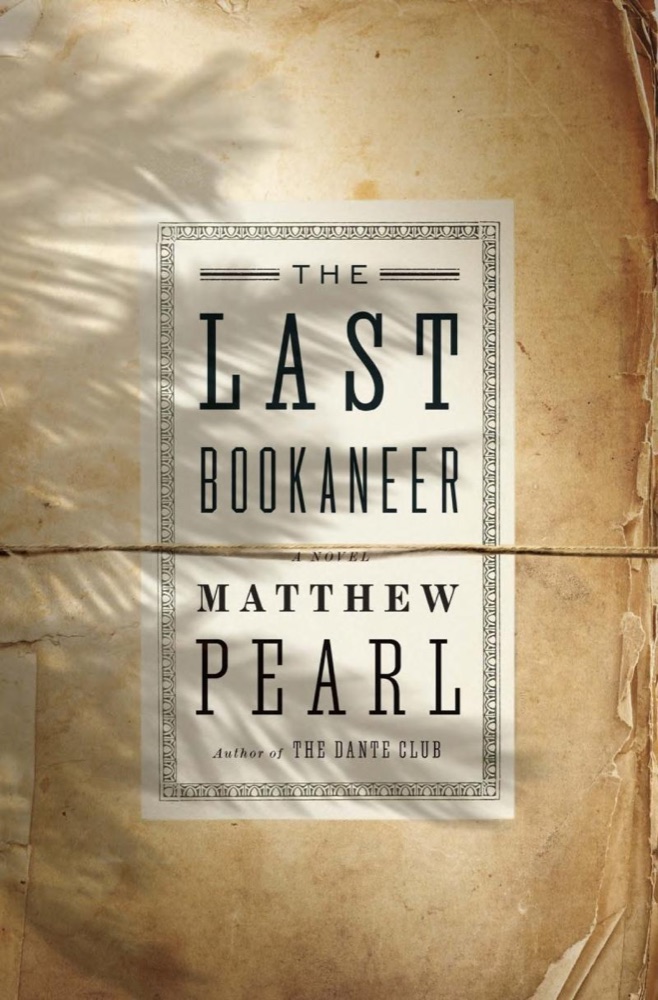 The Last Bookaneer
 The Haunted Bookshop
 The Door-to-Door Bookstore
 The Storied Life of A.J. Fikry
 Checkout 19
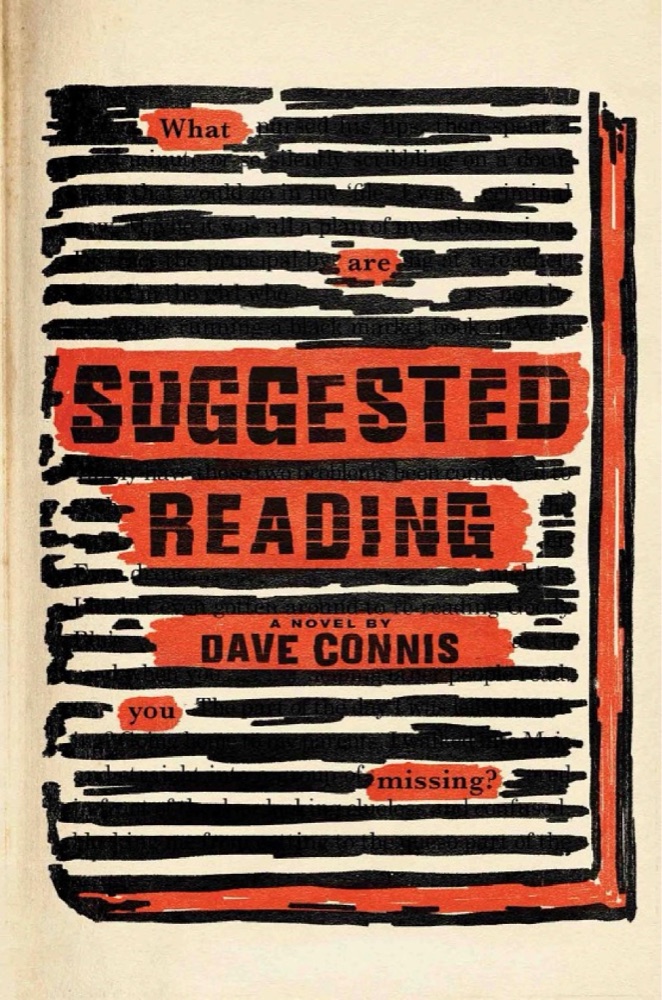 Suggested Reading
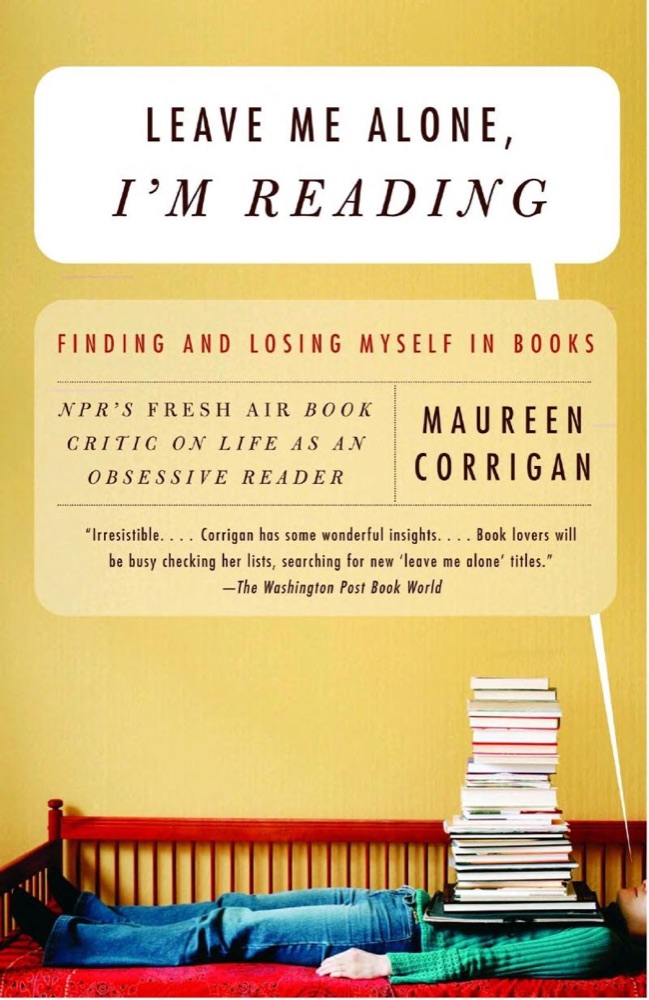 Leave Me Alone, I'm Reading: Finding and Losing Myself in Books
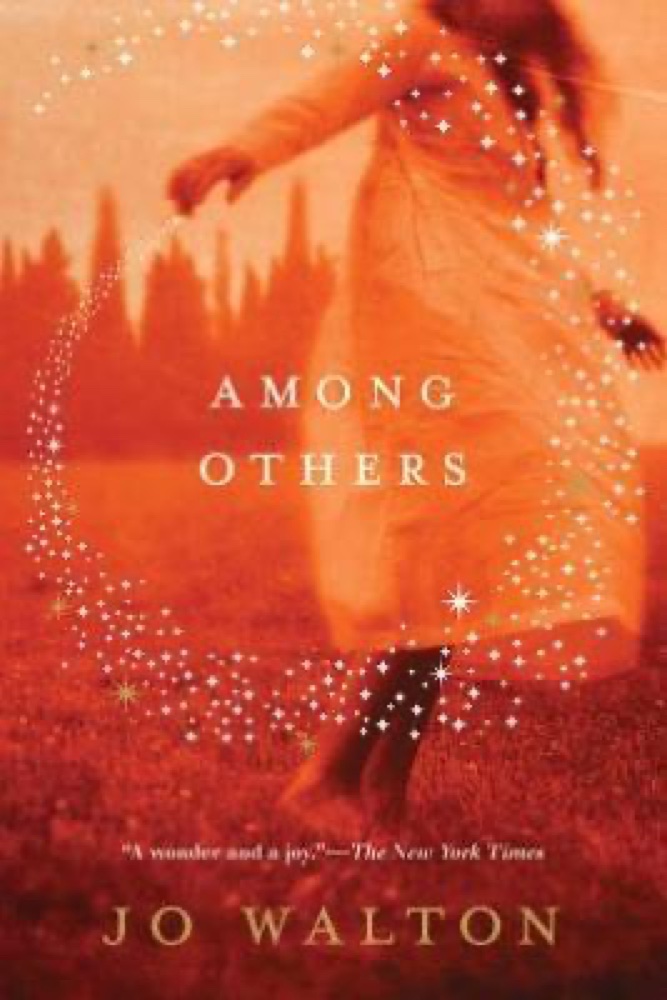 Among Others
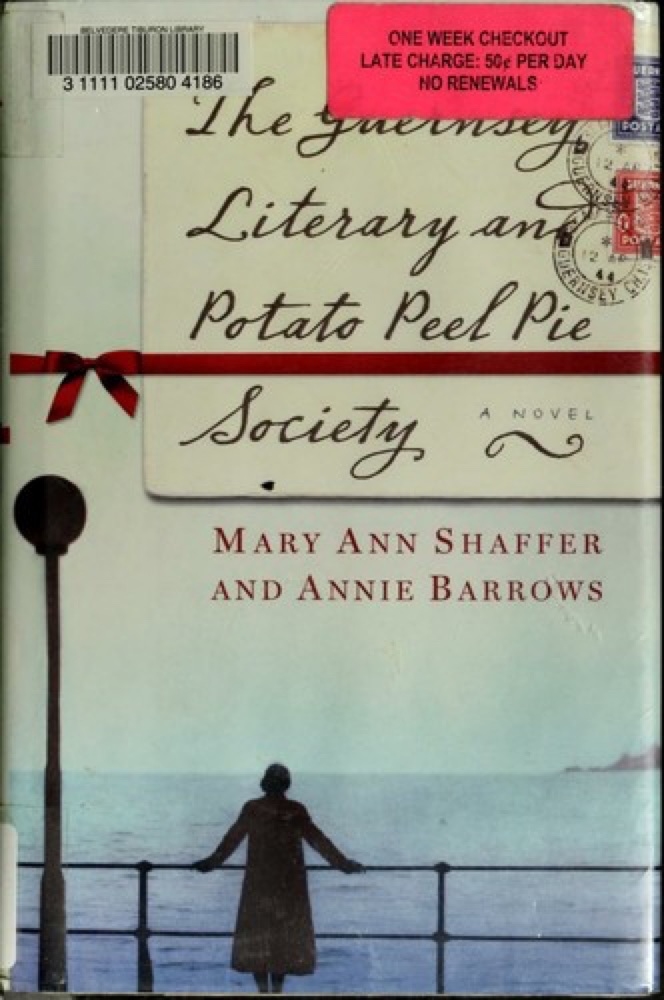 The Guernsey Literary and Potato Peel Pie Society
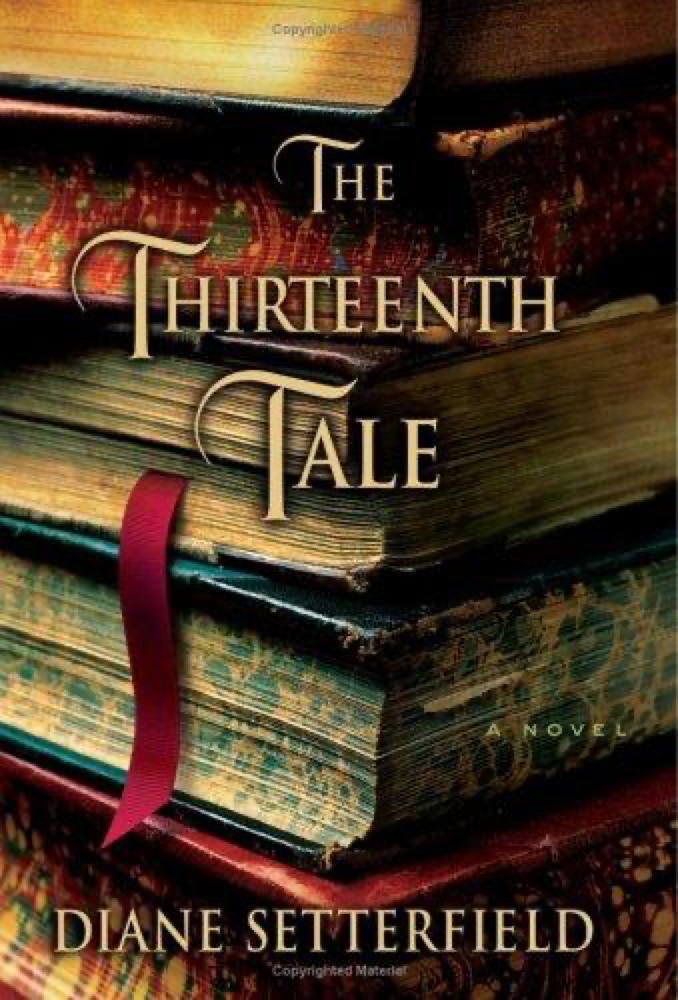 The Thirteenth Tale
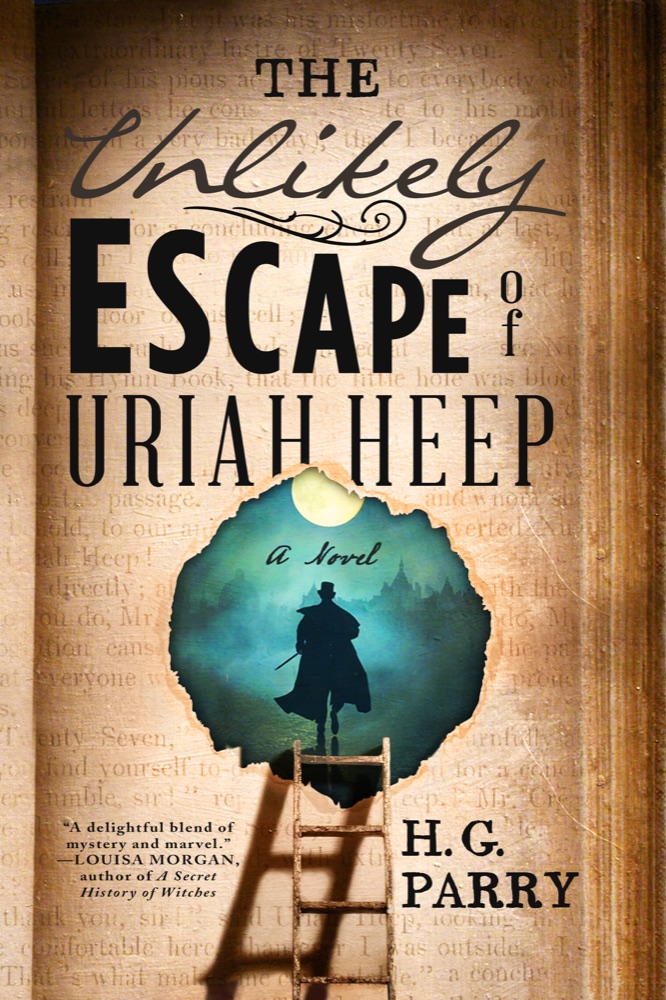 The Unlikely Escape of Uriah Heep
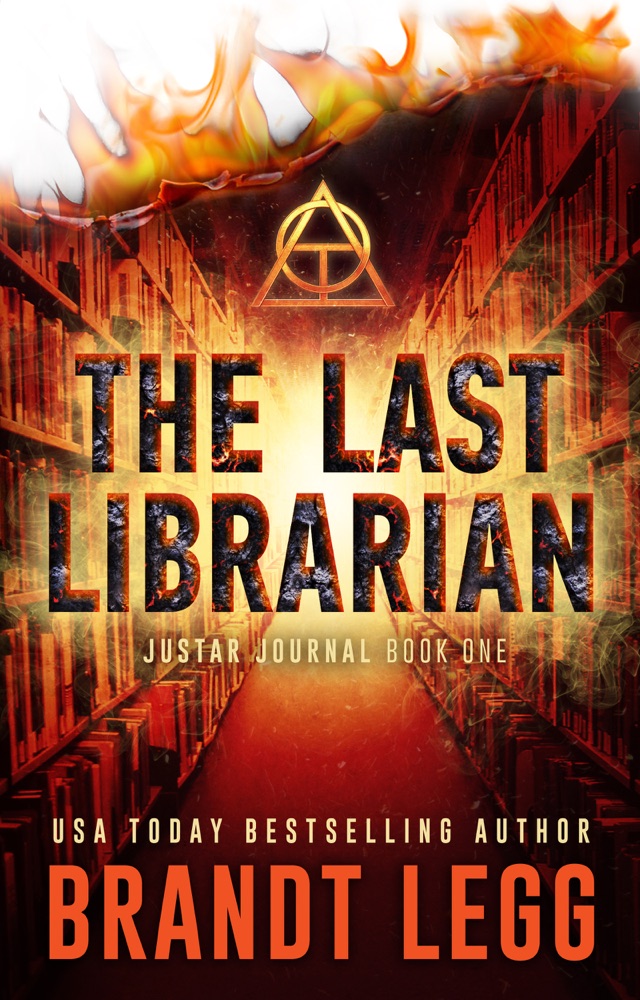 The Last Librarian
 Lectures on Literature
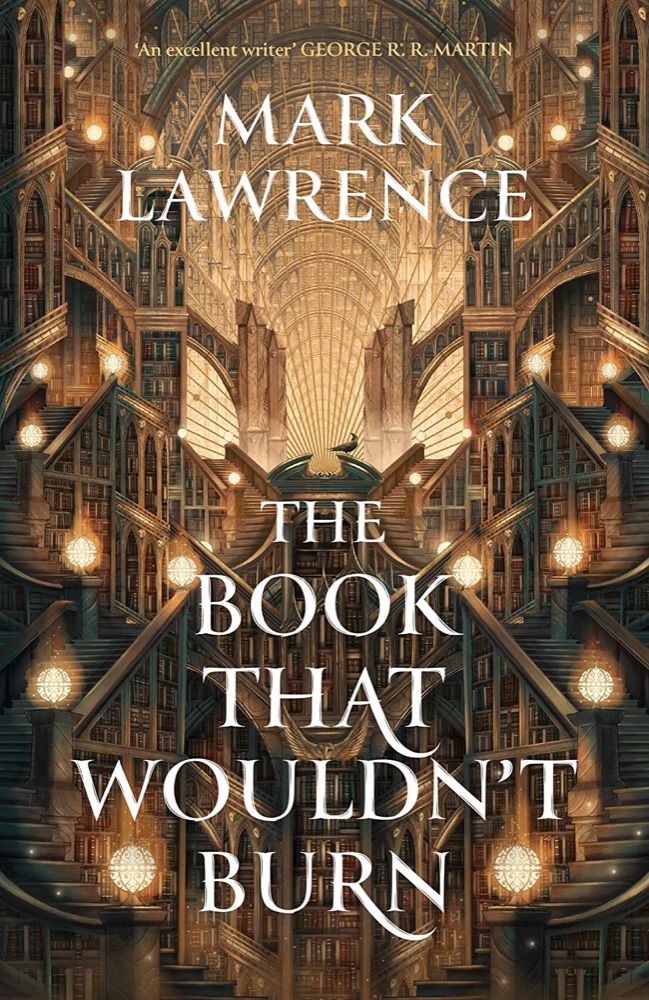 The Book That Wouldn’t Burn
 Stories: All-New Tales
 If on a Winter's Night a Traveler
 The Secret, Book & Scone Society
 The Wave in the Mind: Talks and Essays on the Writer, the Reader and the Imagination
 My Reading Life
 The Cat Who Saved Books
 The Uncommon Reader
 Finders Keepers
 Poison for Breakfast
 A Novel Bookstore
 Parnassus on Wheels
 Howards End Is on the Landing: A Year of Reading from Home
 Inkheart
 How to Be Alone
 How to Read Literature
 The Book of Form and Emptiness
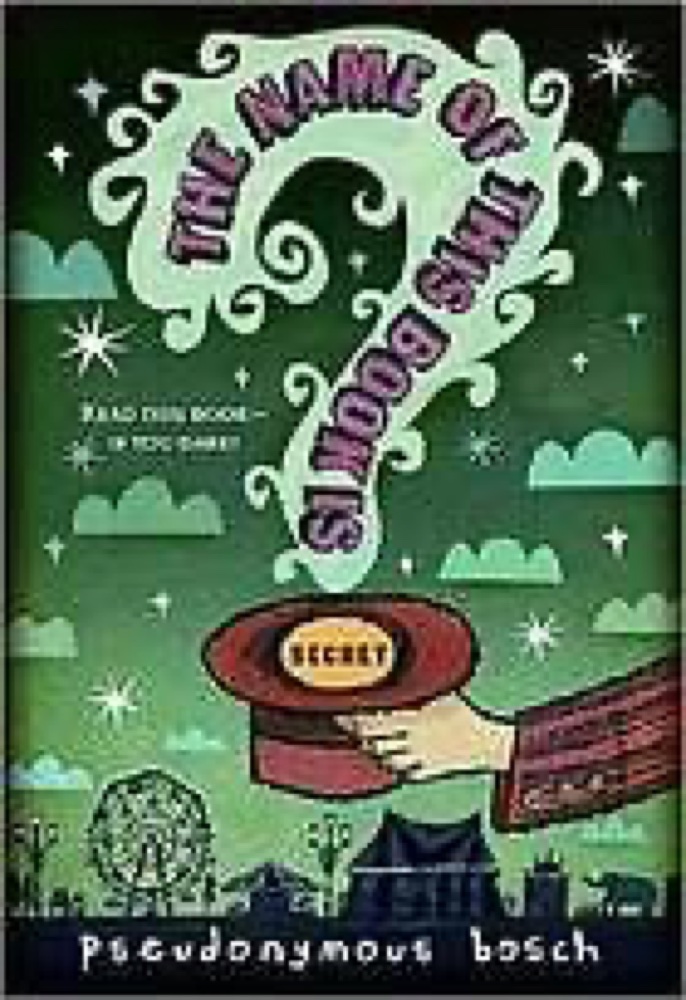 The Name of This Book Is Secret
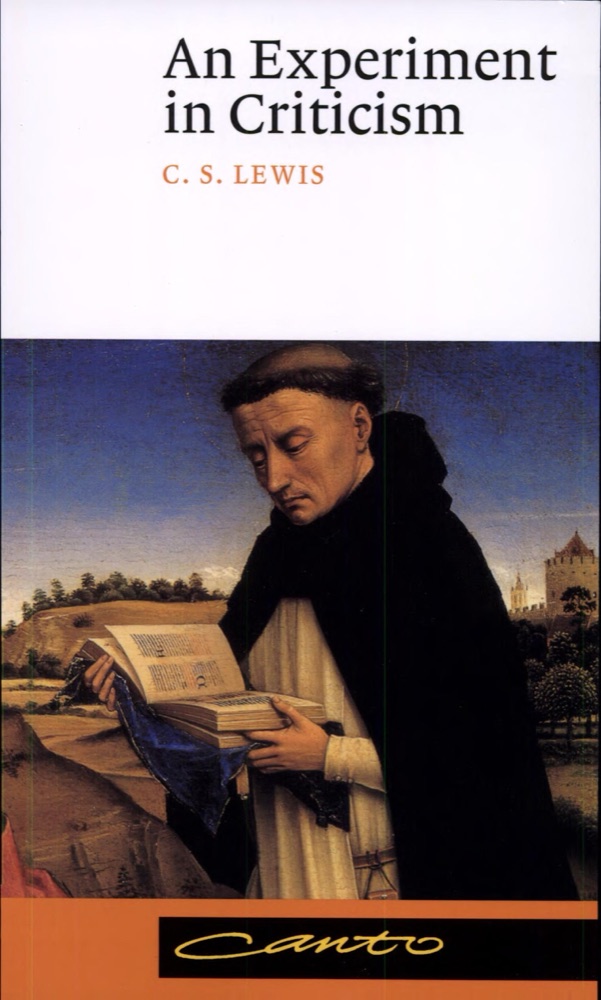 An Experiment in Criticism
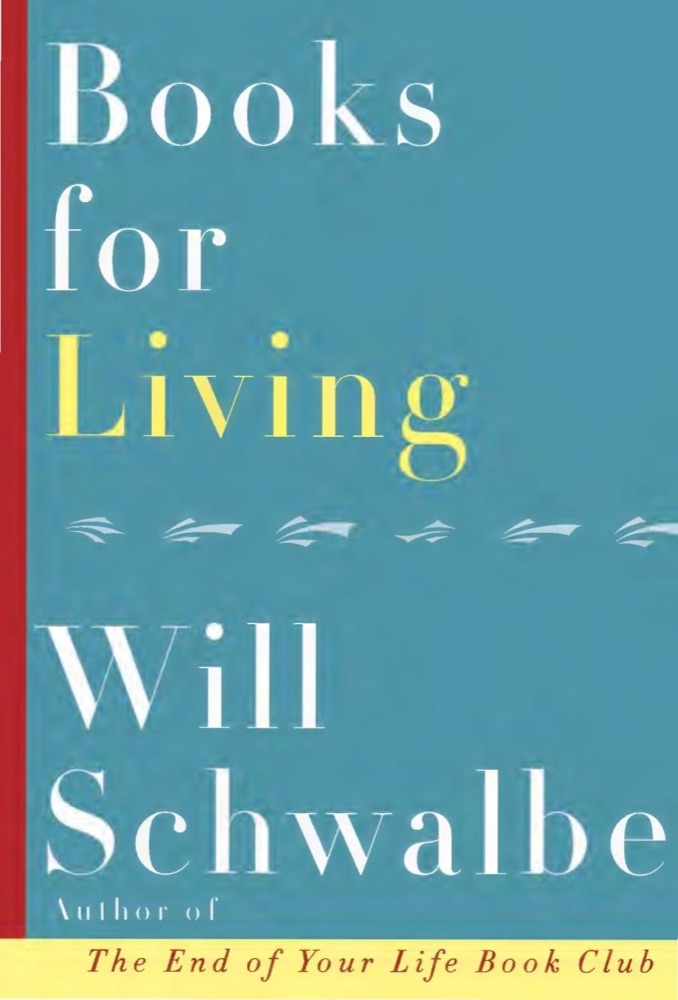 Books for Living
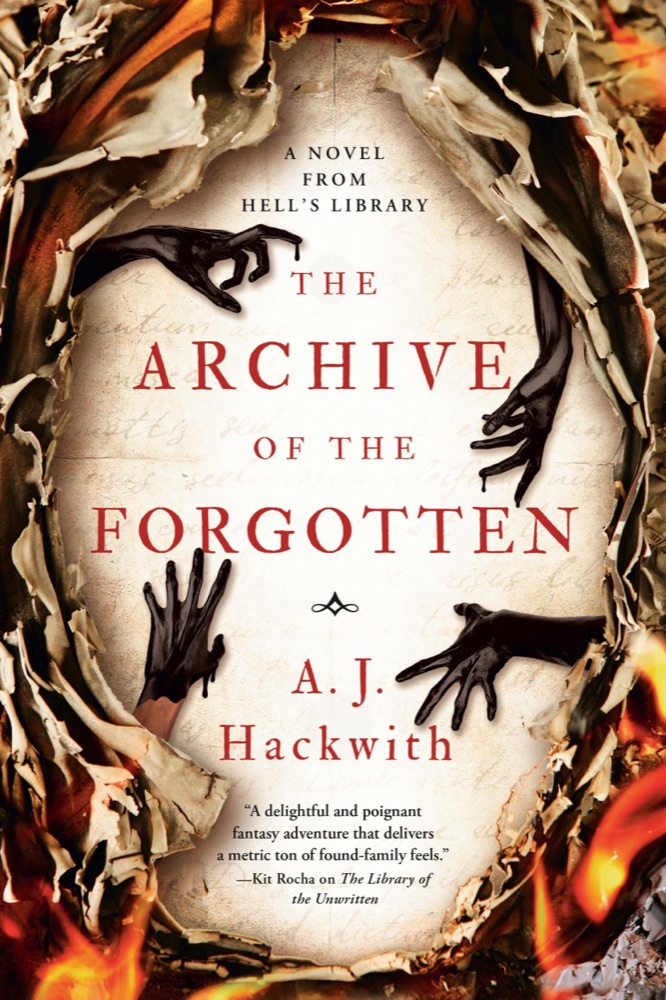 The Archive of the Forgotten
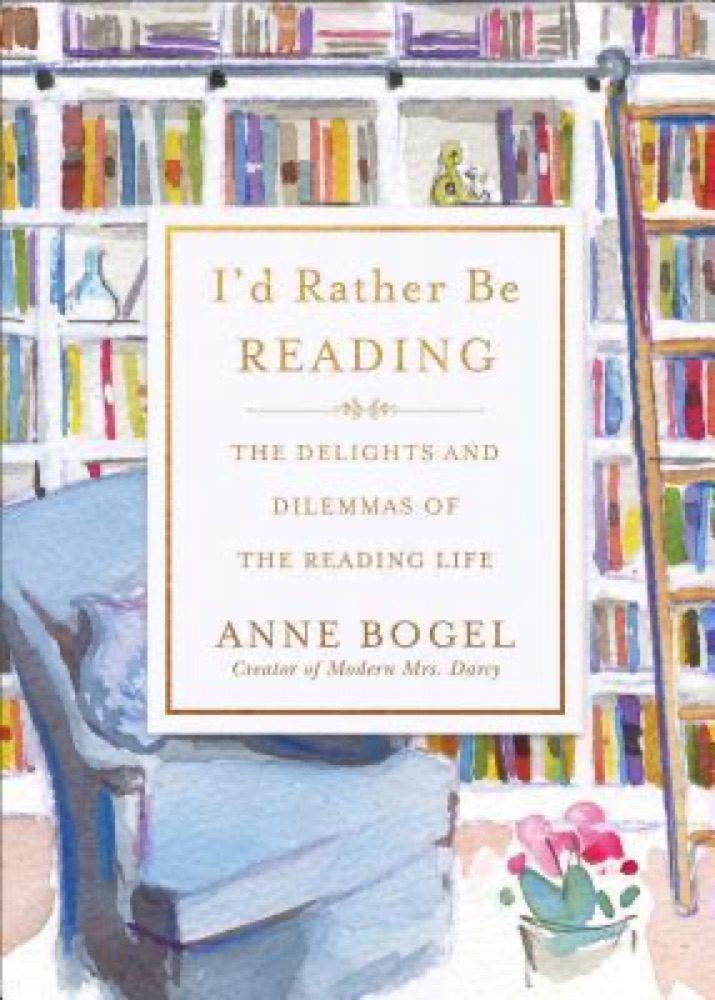 I'd Rather Be Reading: The Delights and Dilemmas of the Reading Life
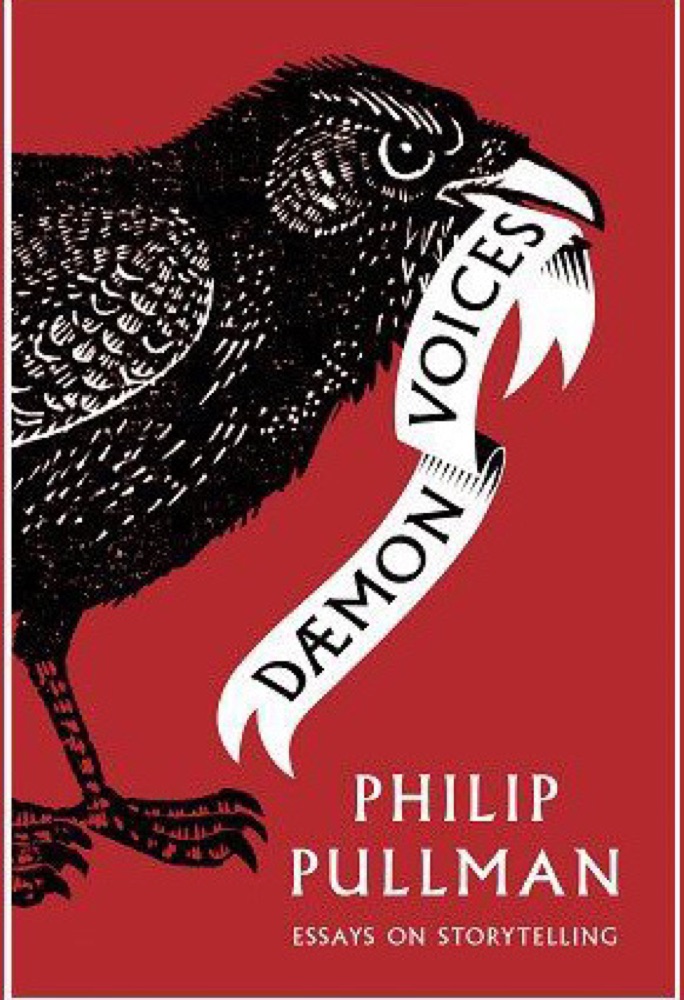 Dæmon Voices
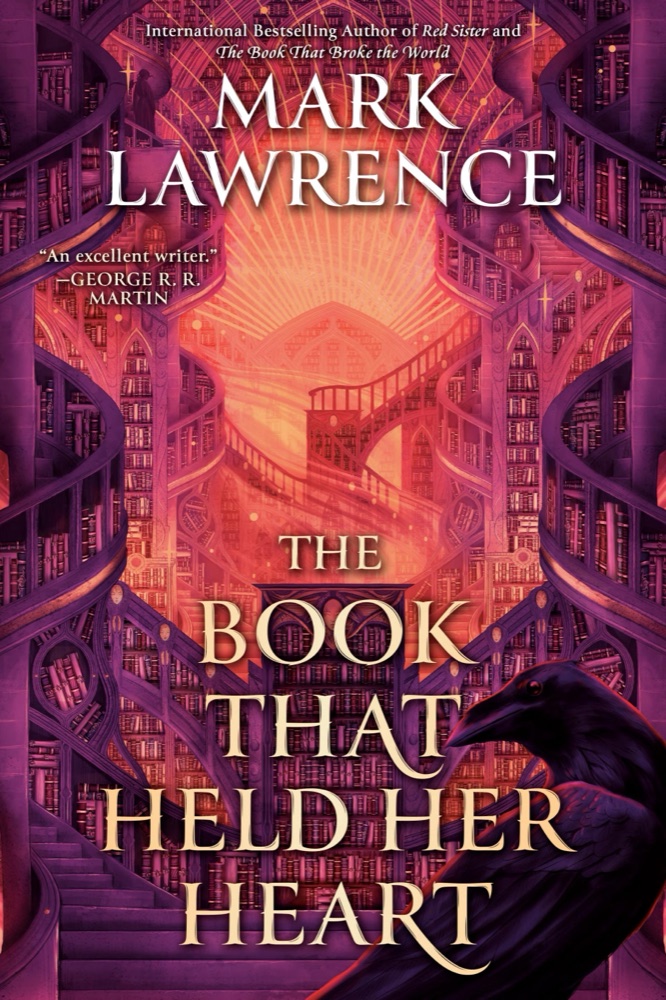 The Book That Held Her Heart
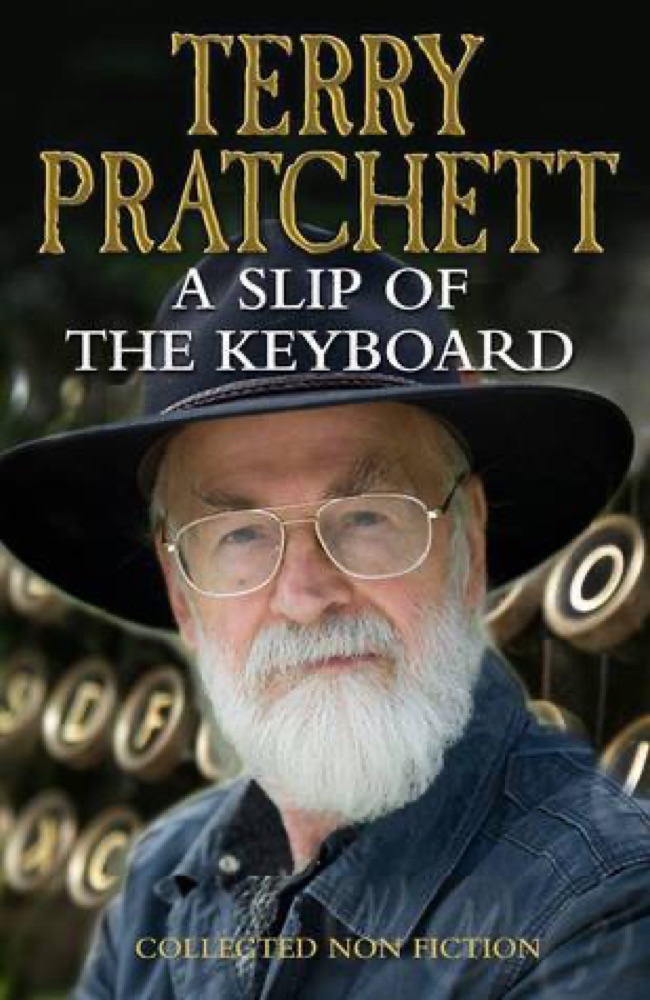 A Slip of the Keyboard: Collected Non-Fiction
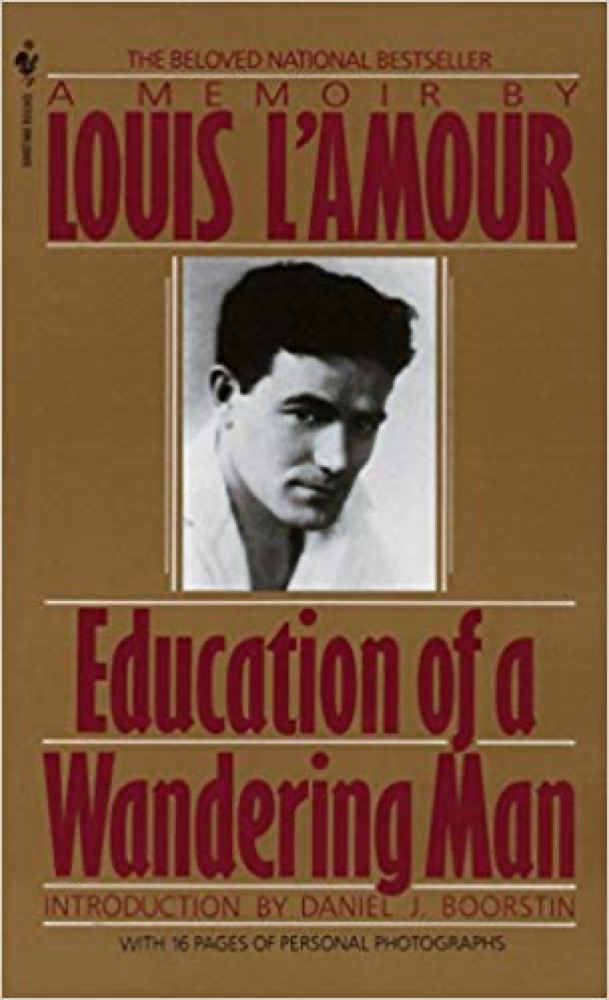 Education of a Wandering Man: A Memoir
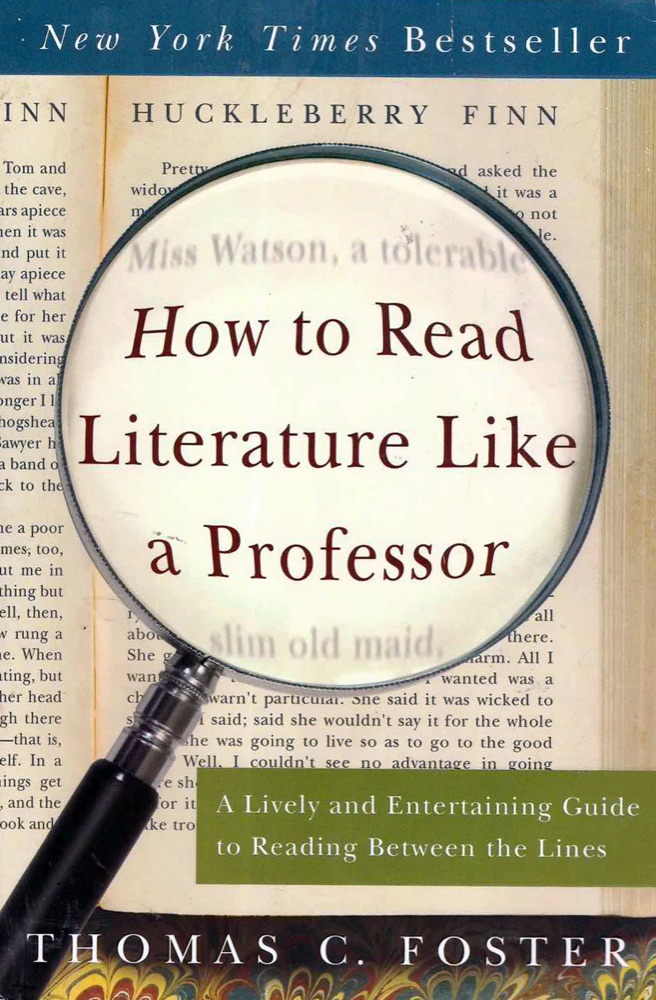 How to Read Literature Like a Professor
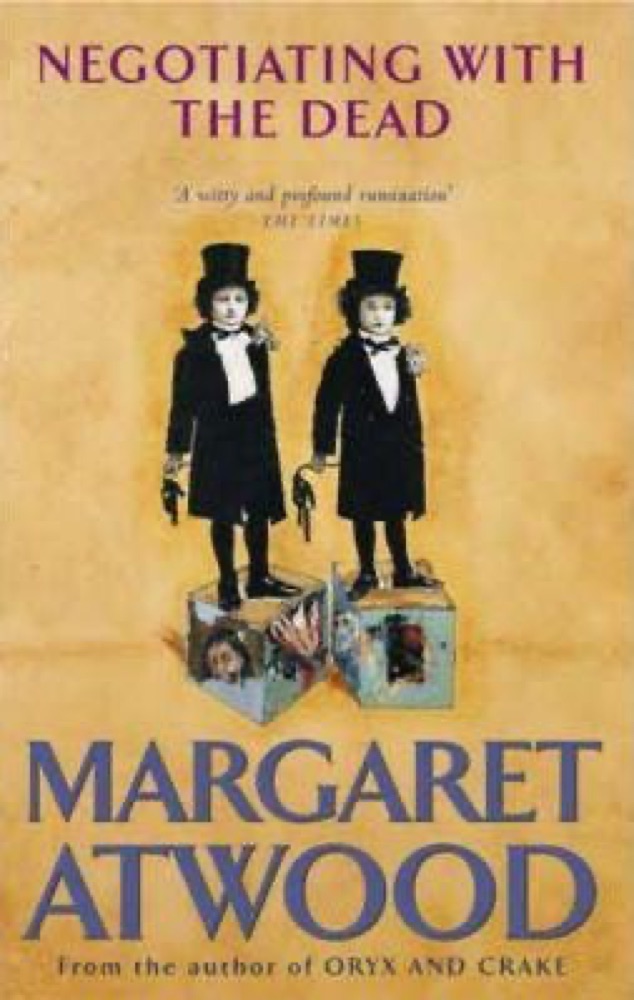 Negotiating with the Dead: A Writer on Writing
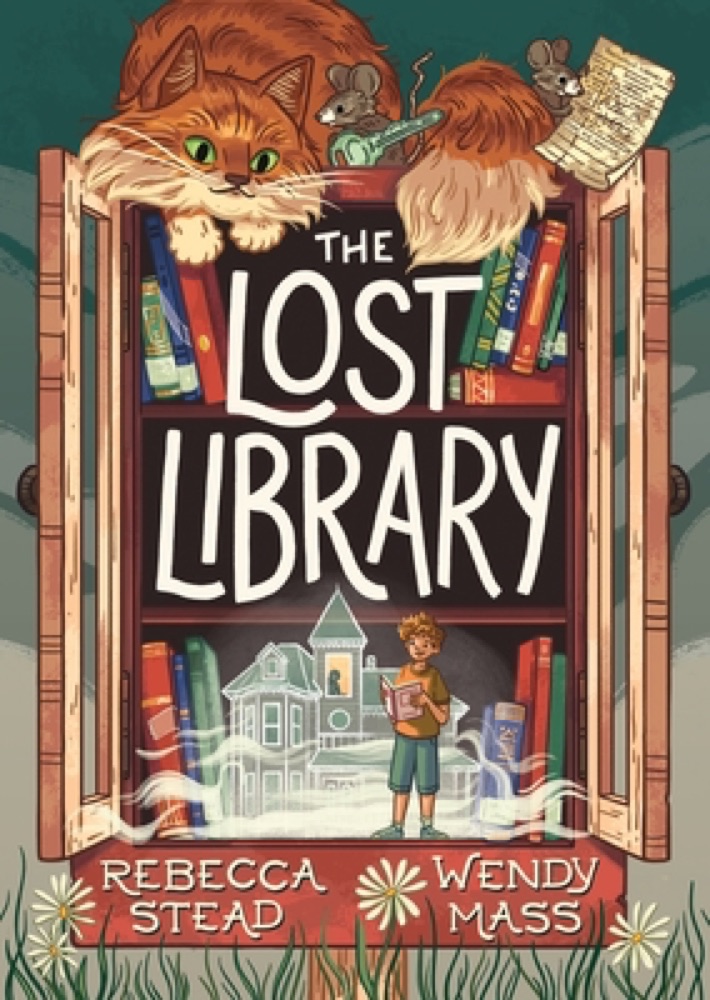 The Lost Library: A Kid-Friendly Mystery
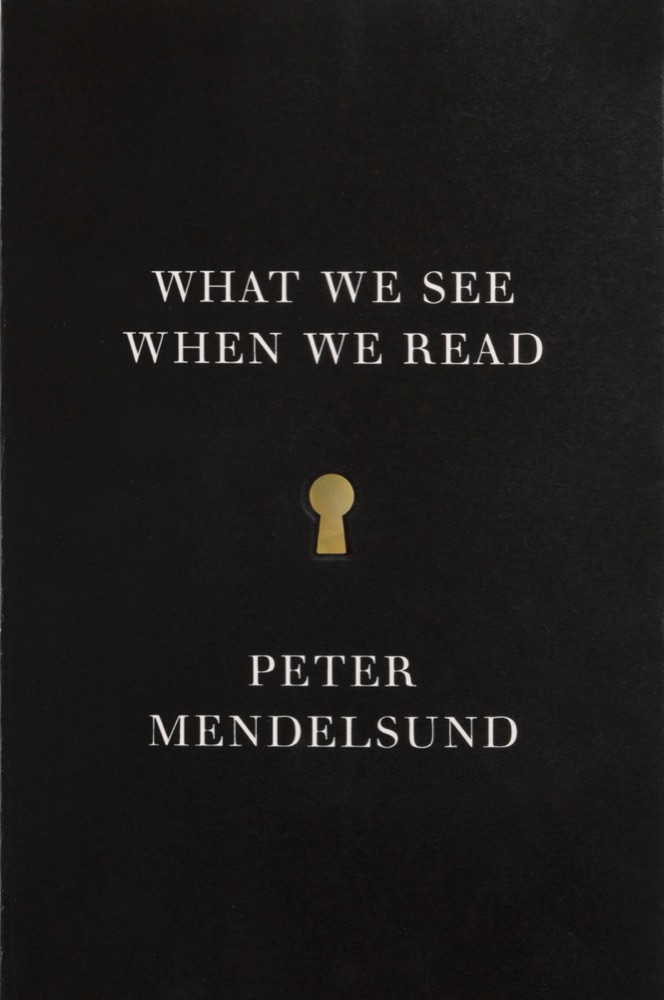 What We See When We Read
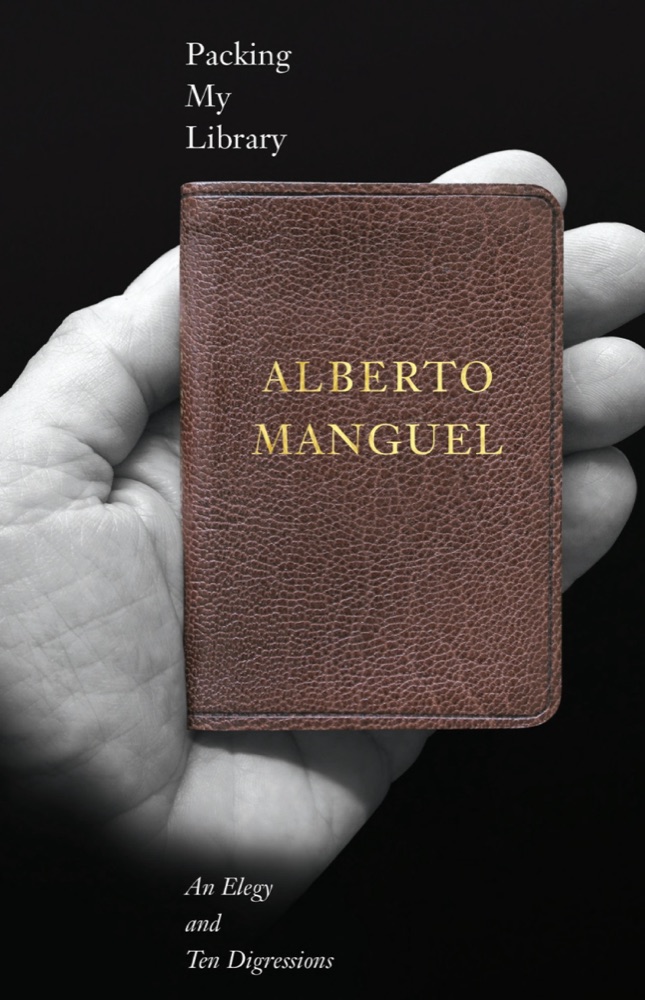 Packing My Library: An Elegy and Ten Digressions
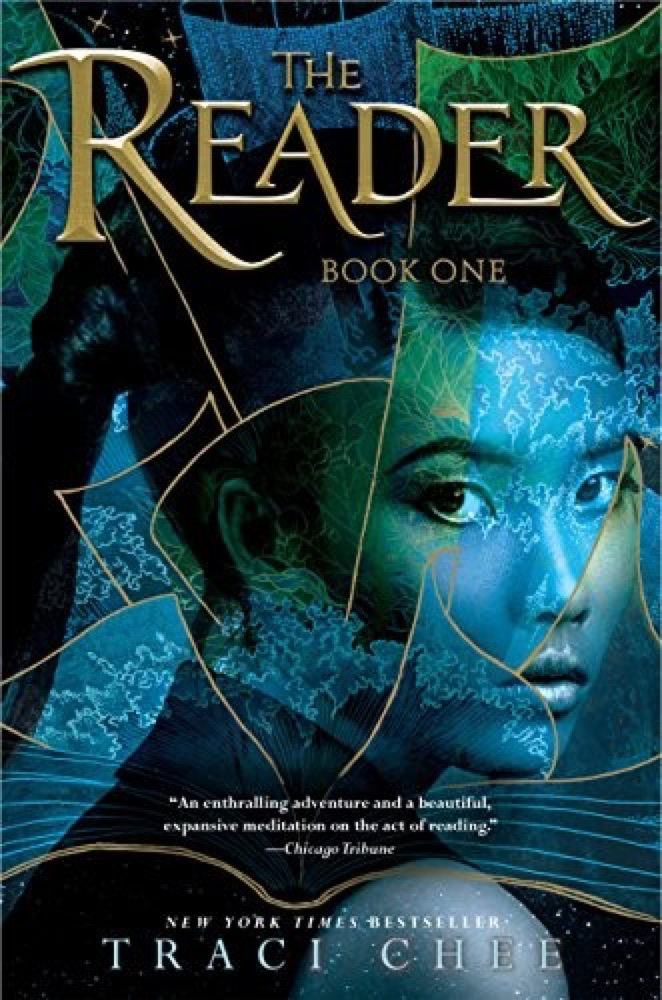 The Reader
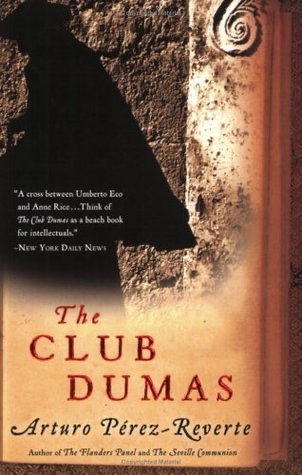 The Club Dumas
 Tibetan Peach Pie
 My Life in Middlemarch
 Reading Lolita in Tehran: A Memoir in Books
 The Rabbit Back Literature Society
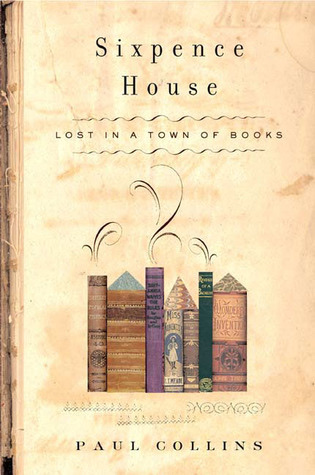 Sixpence House: Lost in a Town of Books
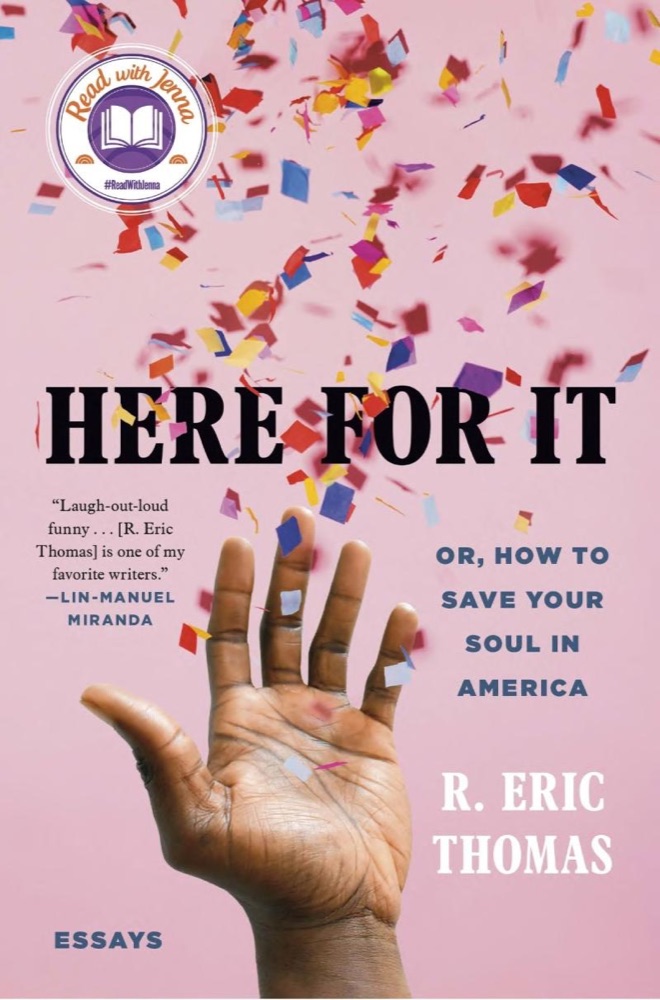 Here for It; Or, How to Save Your Soul in America: Essays
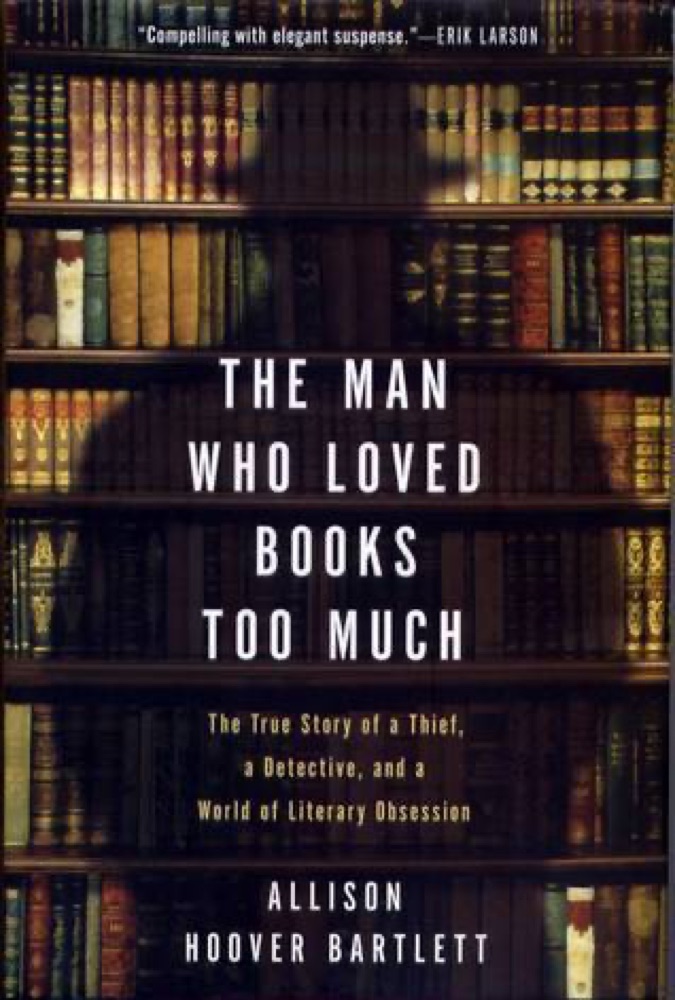 The Man Who Loved Books Too Much: The True Story of a Thief, a Detective, and a World of Literary Obsession
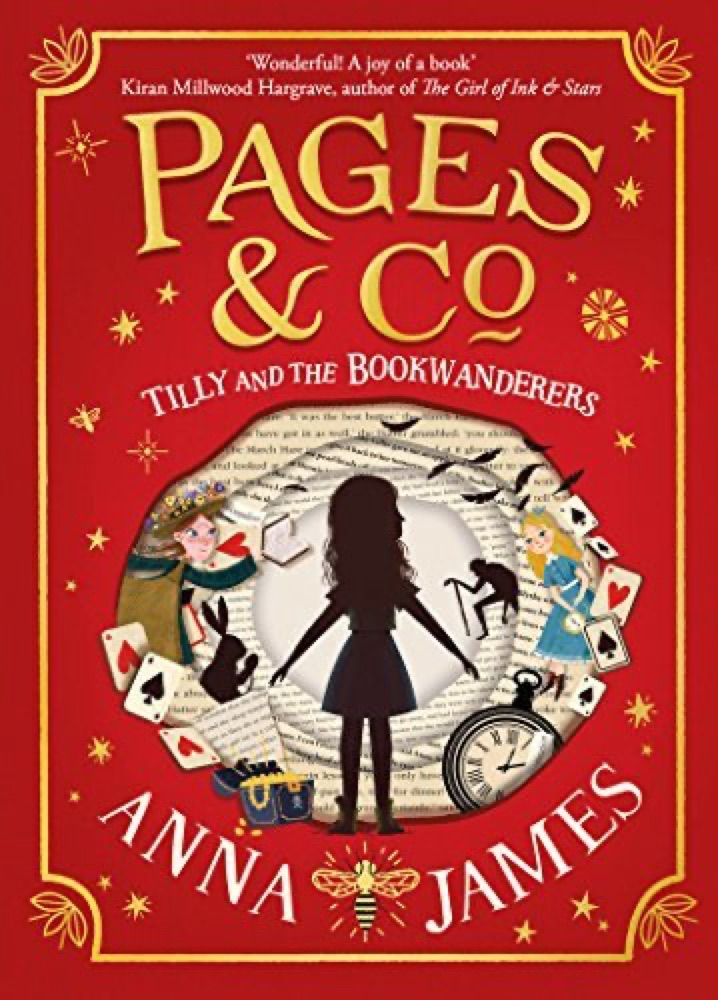 Tilly and the Bookwanderers