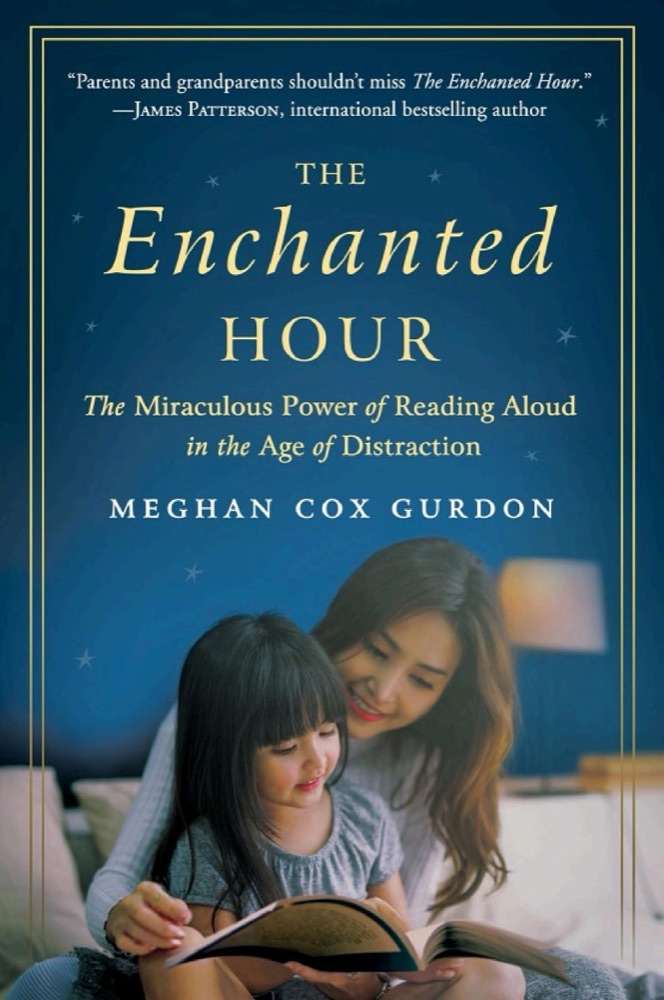
 The Enchanted Hour: The Miraculous Power of Reading Aloud in the Age of Distraction – A Neuroscience Guide for Parents on Brain Development and Family Bonds
Quotes from the Book
What is home? My favorite definition is "a safe place," a place where one is free from attack, a place where one experiences secure relationships and affirmation. It's a place where people share and understand each other. Its relationships are nurturing. The people in it do not need to be perfect; instead, they need to be honest, loving, supportive, recognizing a common humanity that makes all of us vulnerable.
403
No book is really worth reading at the age of 10 which is not equally worth reading at the age of 50.
15
This savoring of life is no small thing. The element of wonder is almost lost today with the onslaught of the media and gadgets of our noisy world. To let a child lose it is to make him blind and deaf to the best of life.
5
parents who read widely together with their children are going to be those who most influence their children,
3
Every child needs to see the possibilities of being human, watch the consequence of choices, and have their hearts stretched by goodness and courage in action.
3
Some children like how-to-do-it or all-about-everything type books, but I suspect parents like them best because they look so educational. These really should be in a separate category because they don't usually classify and literature but are more nearly manuals of information. Paul Hazard suggests that instead of pouring out so much knowledge on a child's soul that it is crushed, we should plant a seed of an idea that will develop from the inside.
3
What kind of books? "Sories that make for wonder. Stories that make for laughter. Stories that stir one within with and understanding of the true natures of courage, of love, of beauty. Stories that make one tingle with high adventure, with daring, with grim determination, with the capacity of seeing danger through to the end. Stories that bring our minds to kneel in reverence; stories that show the tenderness of true mercy, the strength of loyalty, the unmawkish respect for what is good.
3
In these questions are the three elements which open up any text: Fact-what does it say? Interpretation-what does it mean? Application-what does it mean to me?
2
Someone once said that the worst features of an era are accented in the children’s books of that period. Book by book our societal problems were dumped into children’s books. What editors called “realism” is really adult betrayal, violence, sexual indiscretions, alcoholism, and the Big D’s: death, divorce, disease, and drugs. Books with inconsequential plots and characters became thinly disguised “moralisms”—the kind of moralisms that come from a nonjudgmental culture urging readers to suspend judgment, to become understanding and noncondemning, and to realize their sexuality.
2
Literature is the royal road that enables us to enter the realm of the imagination.
2
Children have two basic needs, writes Erich Fromm in The Art of Loving: they need both milk and honey from their parents. Milk symbolizes the care given to physical needs: brush your teeth, drink your orange juice, eat your vegetables, get enough sleep. Honey symbolizes the sweetness of life, that special quality that makes life sing with enjoyment for all it holds. Fromm says, “Most parents are capable of giving milk, but only a minority of giving honey, too.” To give honey, one must love honey and have it to give. Good books are rich in honey, and hence the title of this book.
2
What kind of books? 'Stories that make for wonder. Stories that make for laughter. Stories that stir one within with and understanding of the true natures of courage, of love, of beauty. Stories that make one tingle with high adventure, with daring, with grim determination, with the capacity of seeing danger through to the end. Stories that bring our minds to kneel in reverence; stories that show the tenderness of true mercy, the strength of loyalty, the unmawkish respect for what is good.
2
Affirming, nurturing people influence others far beyond their intention simply because they provide rich soil in which individual personalities can grow.
1
We influence by what we are and by what we do. In one sense, it could be said that we influence others simply by being.
1
Since words are the way we communicate experiences, truth, and situations, who should know how to use them more creatively than people who are aware of their Creator? The world cries out for imaginative people who can spell out truth in words that communicate meaningfully to people in their human situation.
1
The surprise and beauty of words may break on a child like the dawning of a fresh world.
Reading should offer the solace of hope and goodness, of another world where truth and right triumph.
A good book is always an experience containing spiritual, emotional, and intellectual dimensions.
About Gladys M. Hunt
We have collected 18 quotes from 1 book by Gladys M. Hunt on BookQuoters.
More about the author →About the book
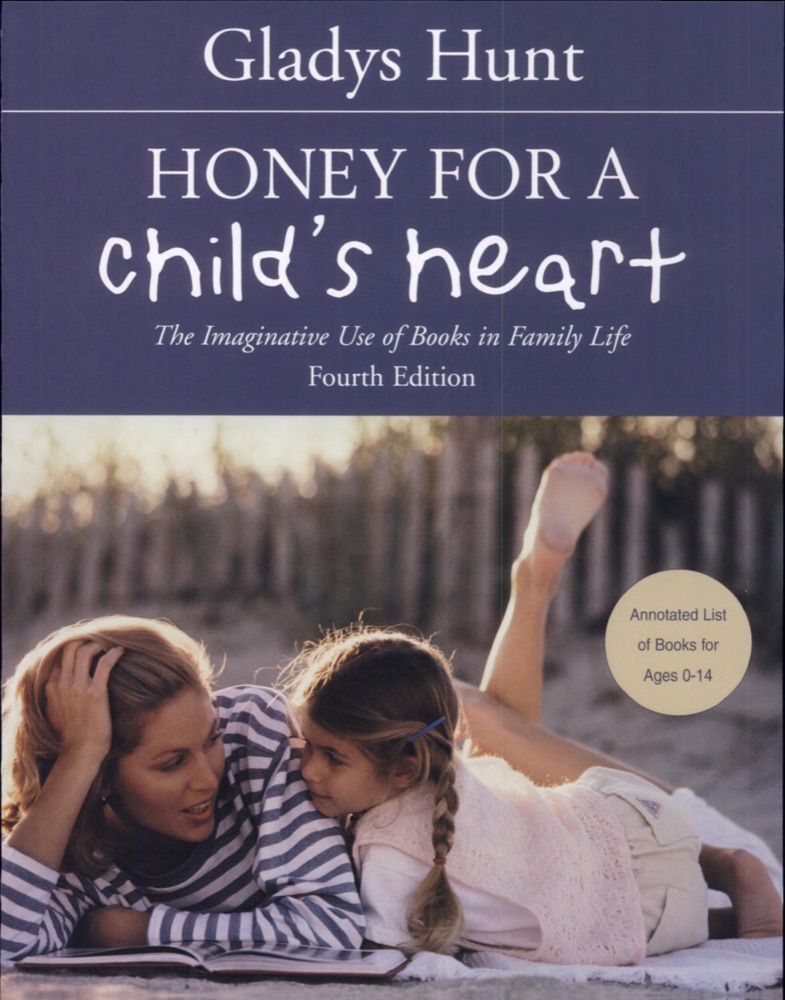
Family favorite now revised and updated, including an annotated list of books for ages 0-12
Everything parents need to know to find the best books for their children
Since its publication in 1969, this has been an essential guide for parents wanting to find the best books for their children. Now in its fourth edition, Honey for a Child’s Heart discusses everything from the ways reading affects both children’s view of the world and their imagination to how to choose good books. Illustrated with drawings from dozens of favorites, it includes an indexed and updated list of the best new books on the market and the classics that you want your children to enjoy. Author Gladys Hunt’s tastes are broad, her advice is rooted in experience, and her suggestions will enrich the cultural and spiritual life of any home.
Book details
- First published
- 1969
- Author
- Gladys M. Hunt
- Genre
- Nonfiction
- Goodreads rating
- 4.49 (5k ratings)
Keep reading
The Enchanted Hour: The Miraculous Power of Reading Aloud in the Age of Distraction – A Neuroscience Guide for Parents on Brain Development and Family Bonds
 The Read-Aloud Handbook
 The Read-Aloud Family: Making Meaningful and Lasting Connections with Your Kids
 The View from the Cheap Seats: Selected Nonfiction
 Why You Should Read Children's Books, Even Though You Are So Old and Wise
 The Cat Who Saved Books
 Reader, Come Home: The Reading Brain in a Digital World
 Books for Living
 On Reading Well: Finding the Good Life through Great Books
 The Door-to-Door Bookstore
 Why We Read: On Bookworms, Libraries, and Just One More Page Before Lights Out
 The Ogress and the Orphans
 How Reading Changed My Life
 The Year of Reading Dangerously
 The Secret, Book & Scone Society
 How to Read a Book: The Classic Guide to Intelligent Reading
 In Other Worlds: SF and the Human Imagination
 The Storied Life of A.J. Fikry
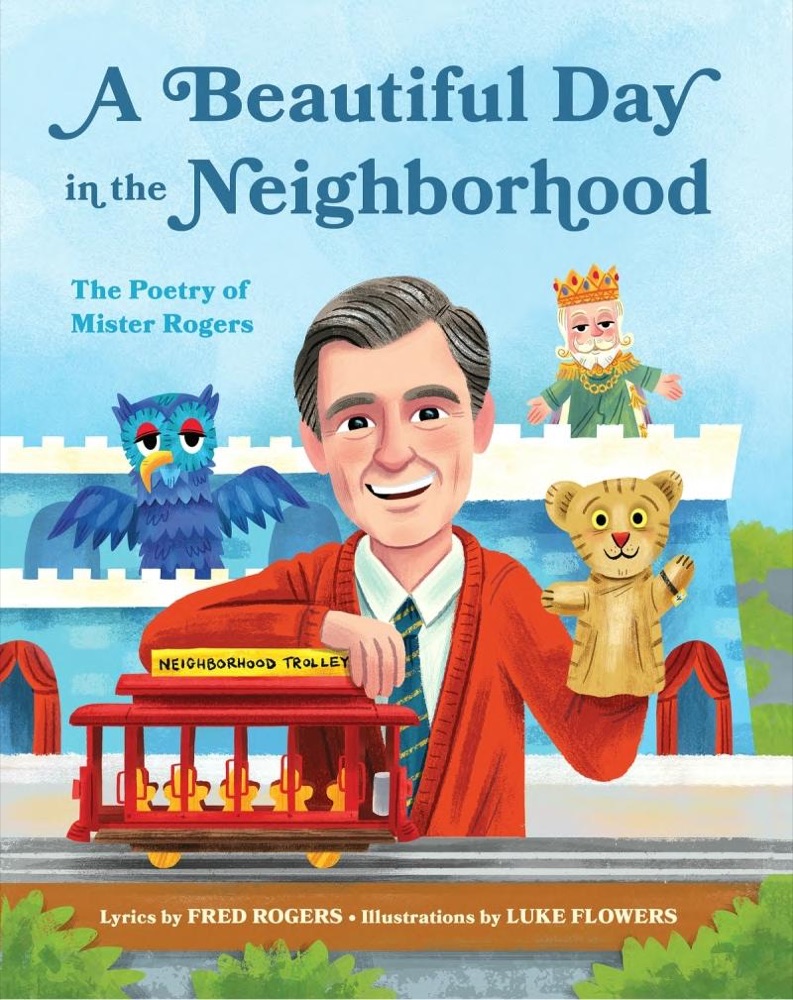 A Beautiful Day in the Neighborhood: The Poetry of Mister Rogers
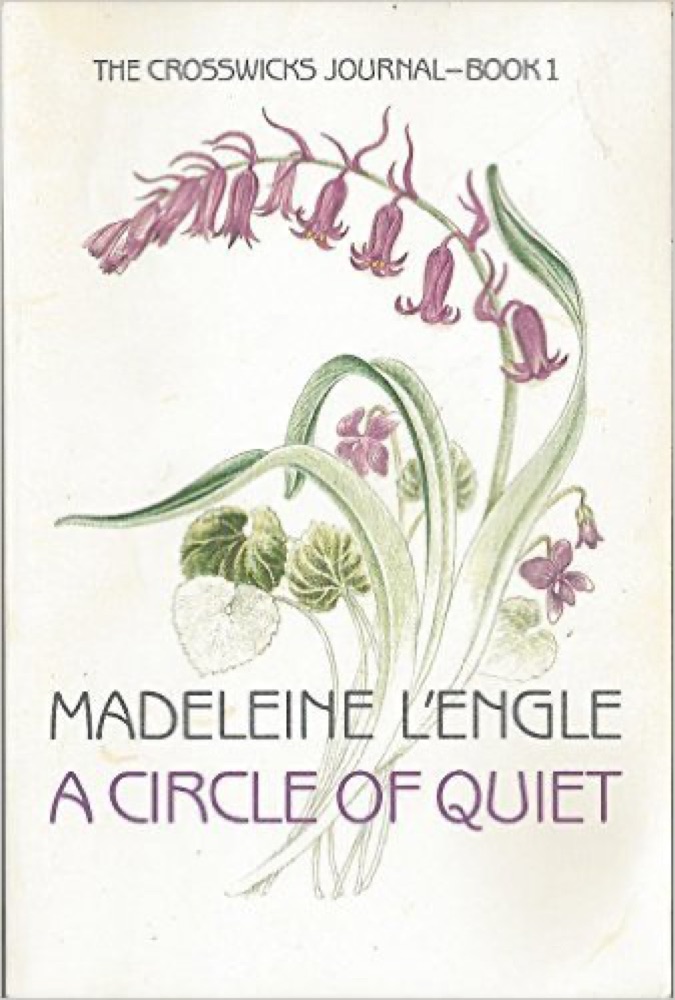 A Circle of Quiet
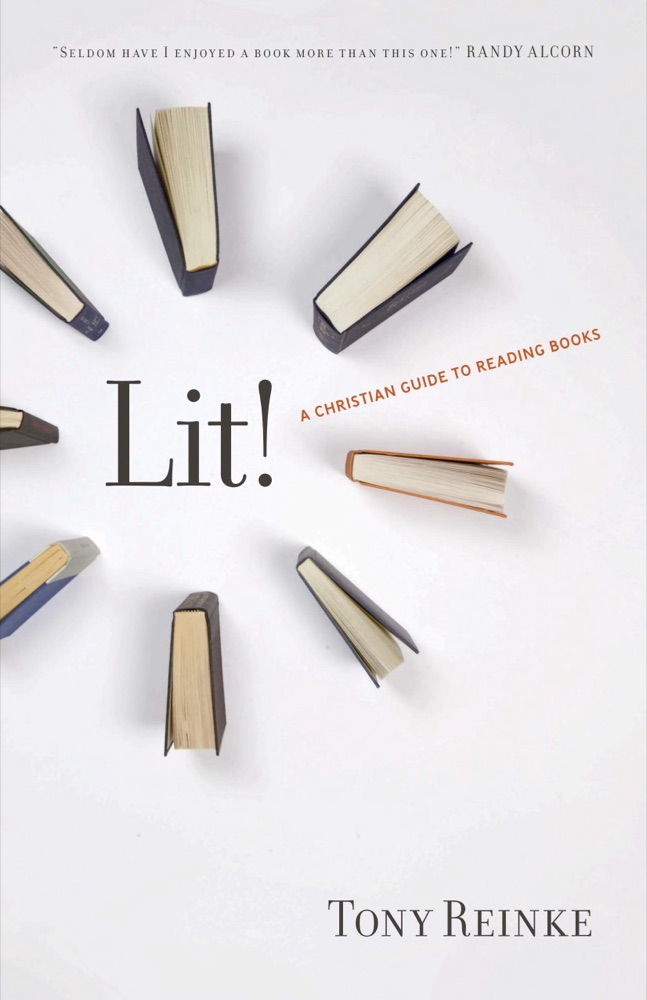 Lit!: A Christian Guide to Reading Books
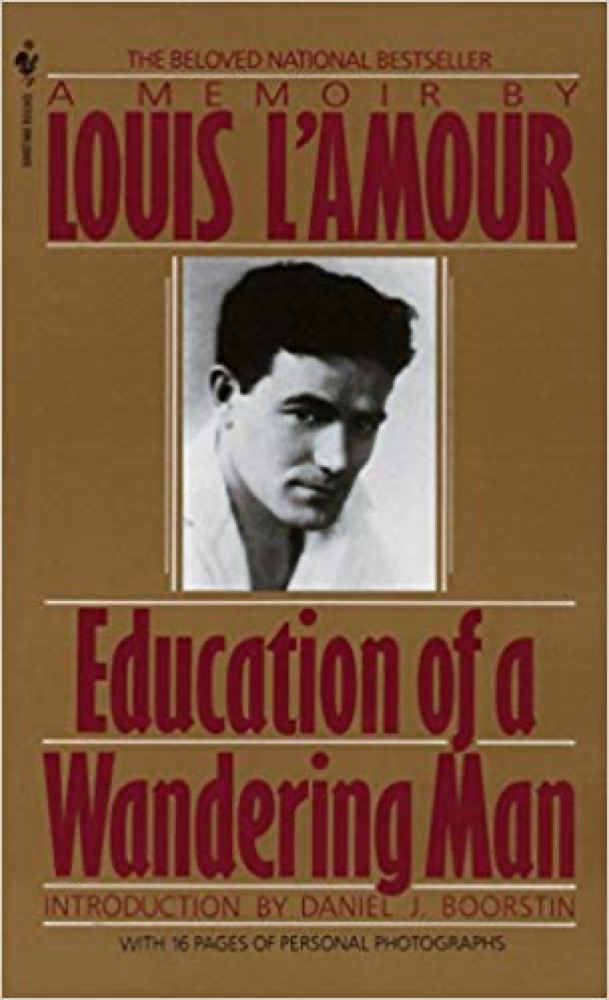 Education of a Wandering Man: A Memoir
 The Language of the Night: Essays on Writing, Science Fiction, and Fantasy
 The End of Your Life Book Club
 The Librarian of Auschwitz
 The Wave in the Mind: Talks and Essays on the Writer, the Reader and the Imagination
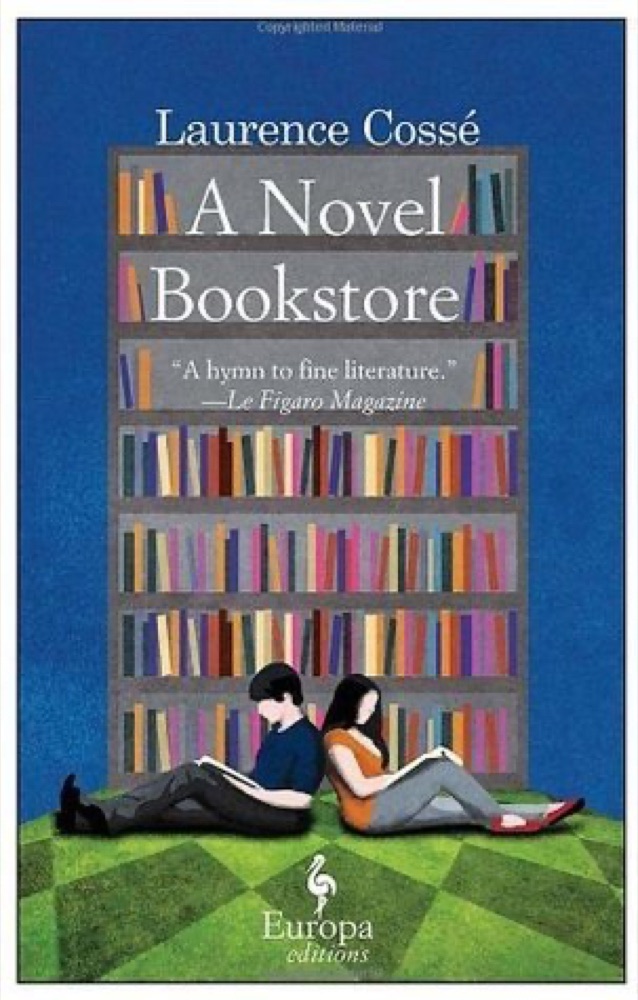 A Novel Bookstore
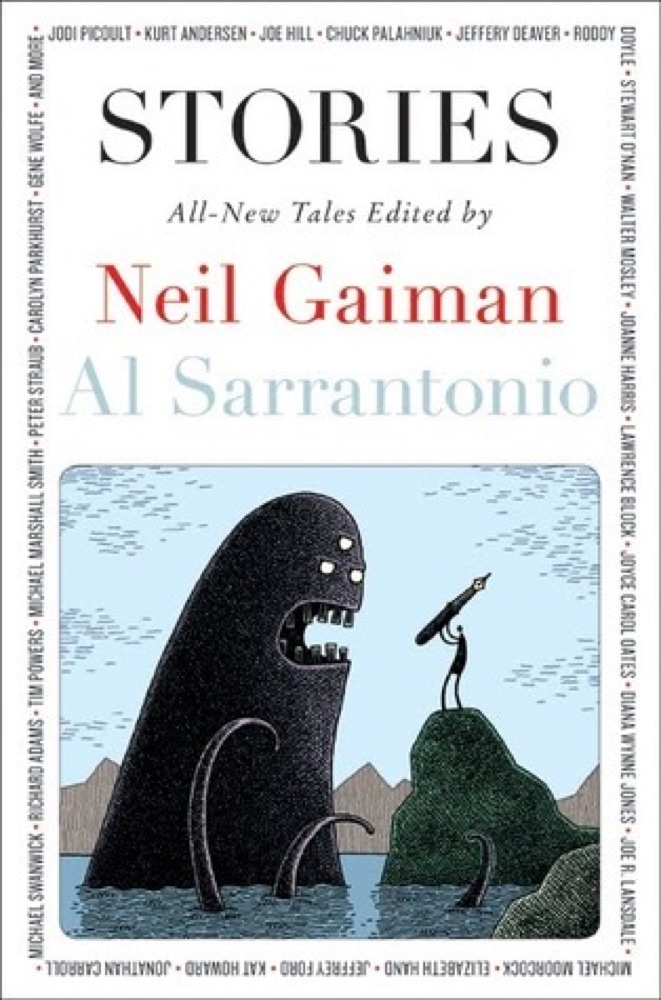 Stories: All-New Tales
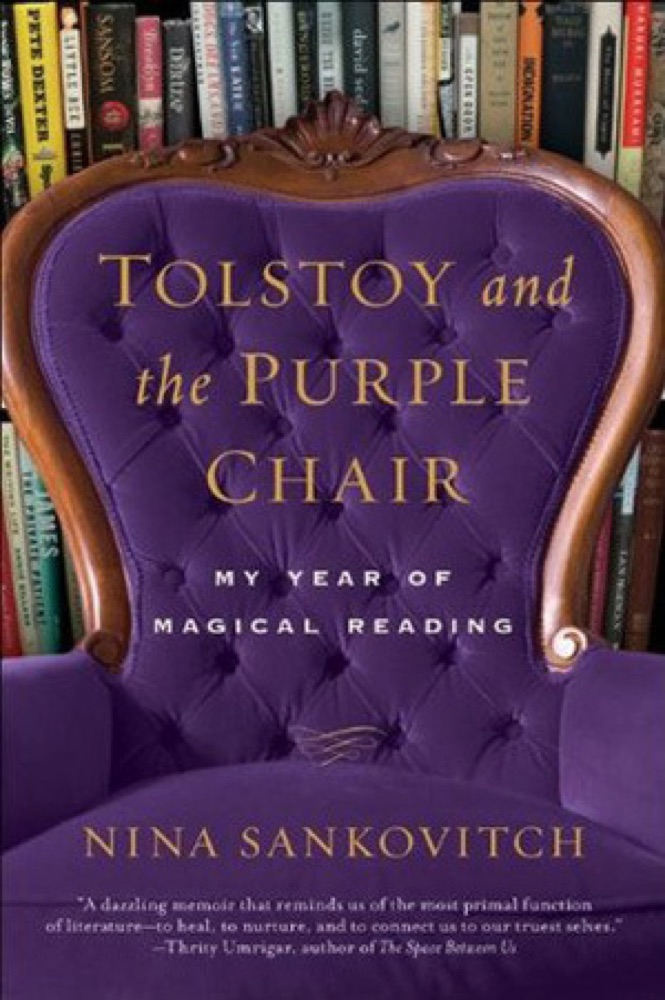 Tolstoy and the Purple Chair: My Year of Magical Reading
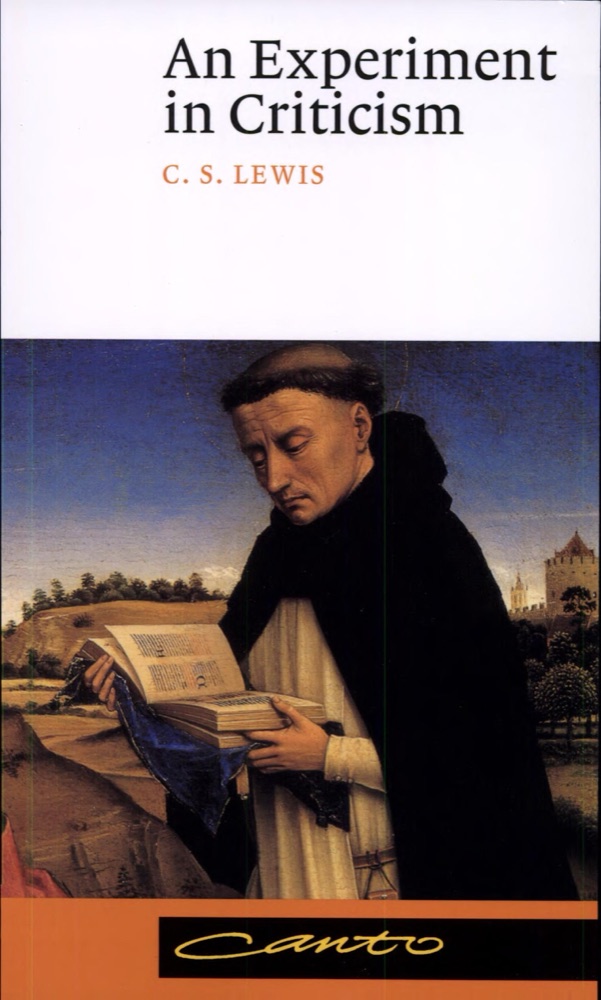 An Experiment in Criticism
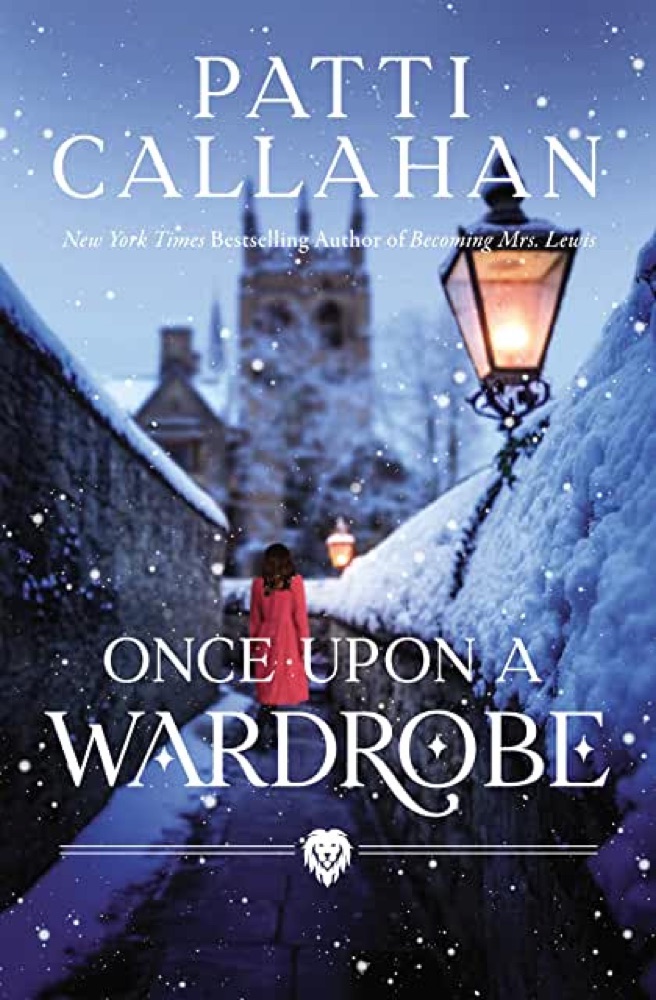 Once Upon a Wardrobe
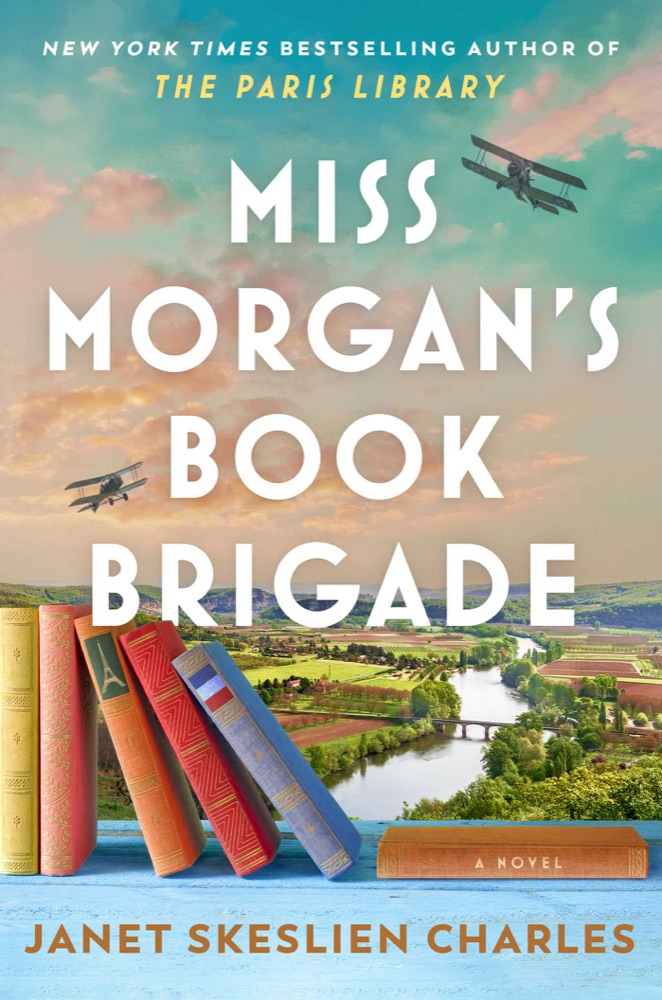 Miss Morgan's Book Brigade
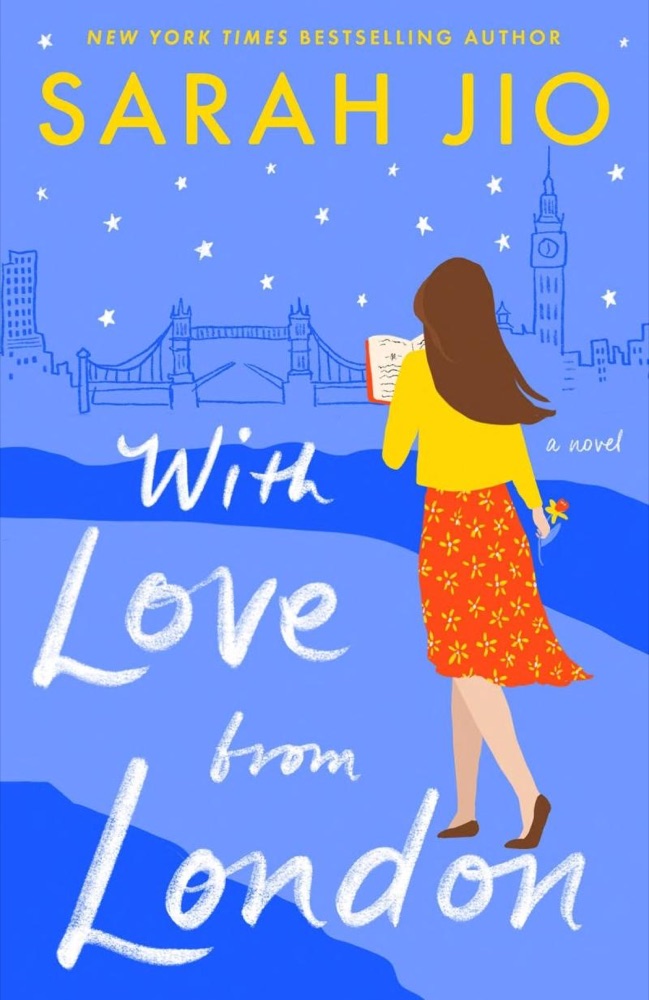 With Love from London
 Only Dull People Are Brilliant at Breakfast
 Judging a Book by Its Lover: A Field Guide to the Hearts and Minds of Readers Everywhere
 Tilly and the Bookwanderers
 The Book of Lost Names
 The Thirteenth Tale
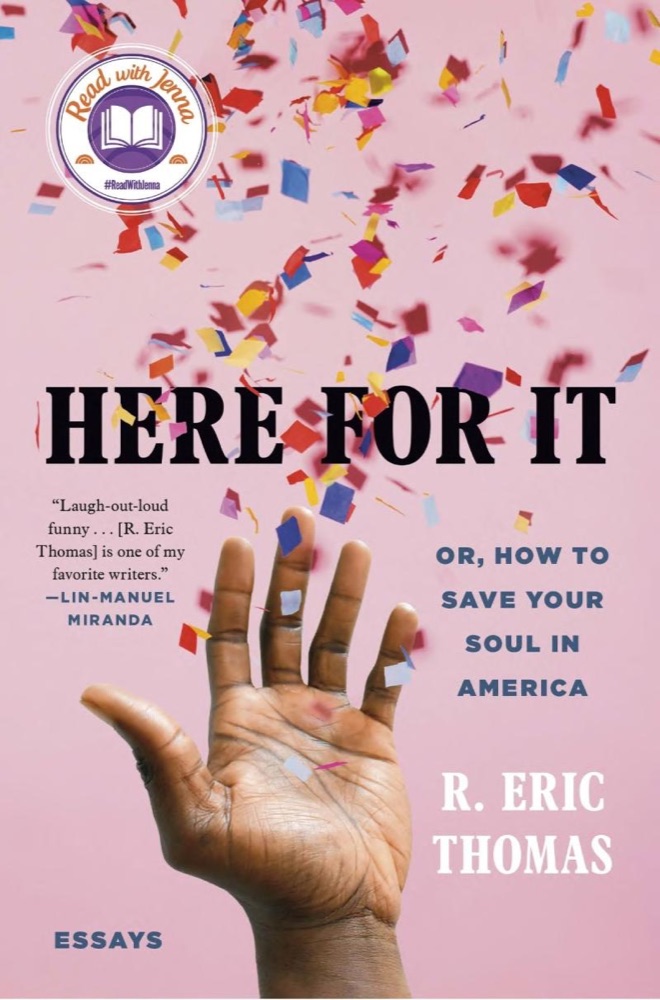 Here for It; Or, How to Save Your Soul in America: Essays
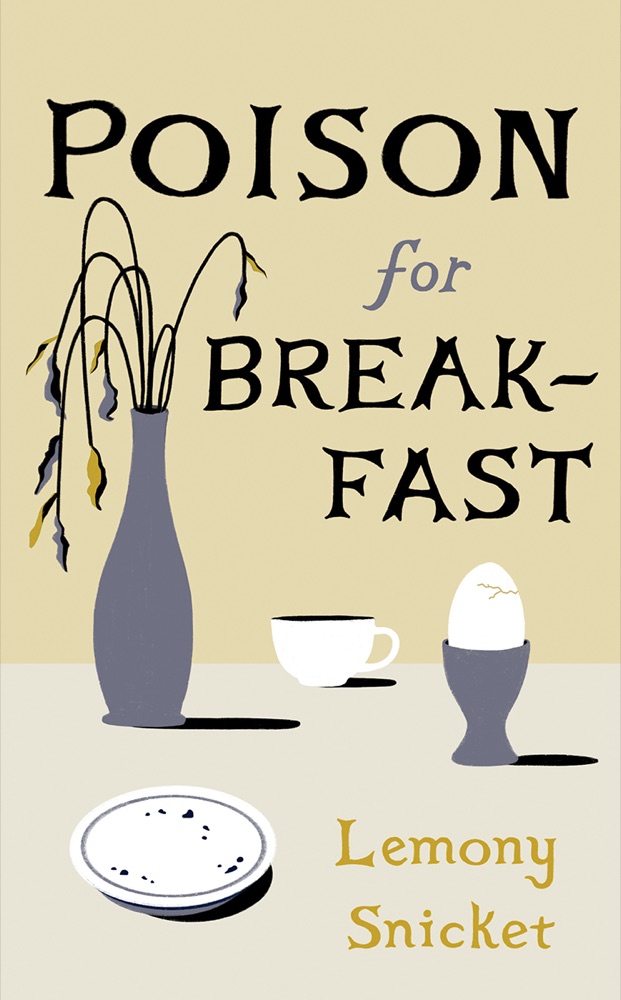 Poison for Breakfast
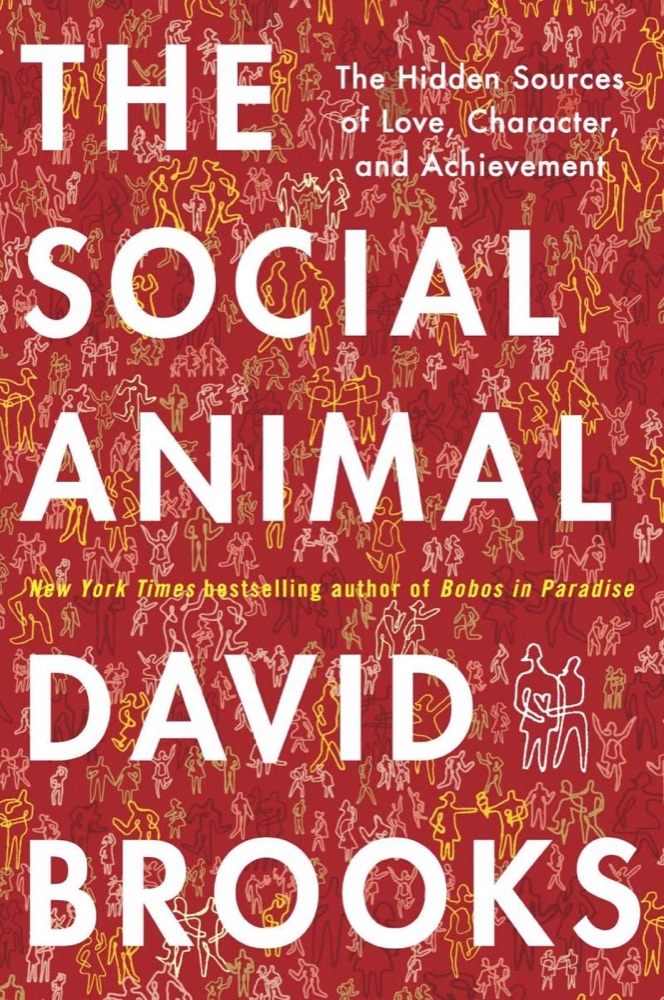 The Social Animal: The Hidden Sources of Love, Character, and Achievement
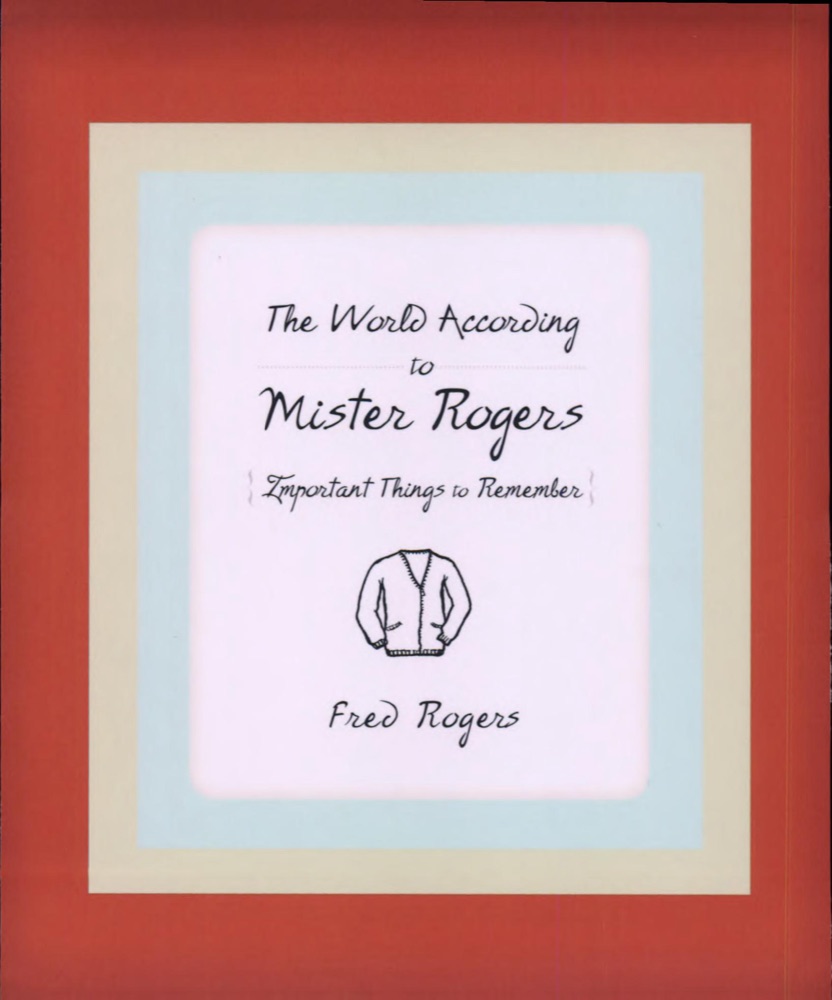 The World According to Mister Rogers: Important Things to Remember
 The Book of Form and Emptiness
 How to Read Literature
 Lectures on Literature
 The Rent Collector
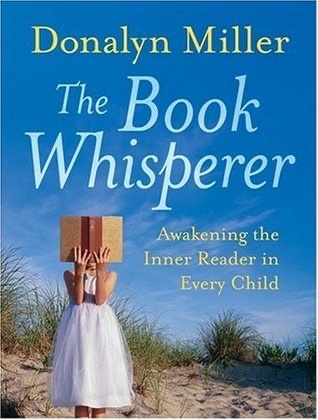 The Book Whisperer: Awakening the Inner Reader in Every Child
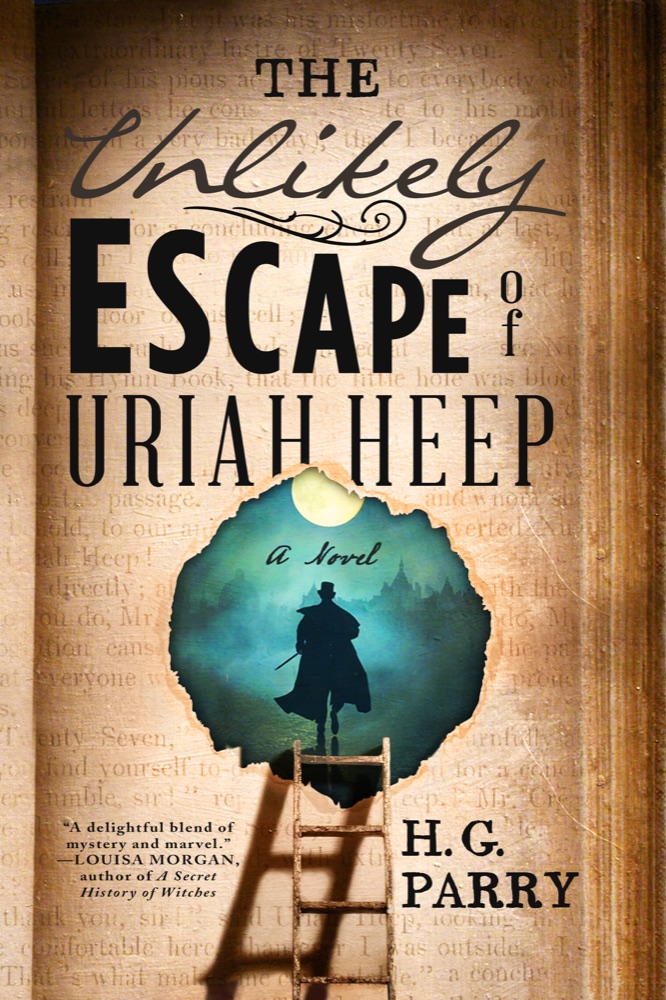 The Unlikely Escape of Uriah Heep
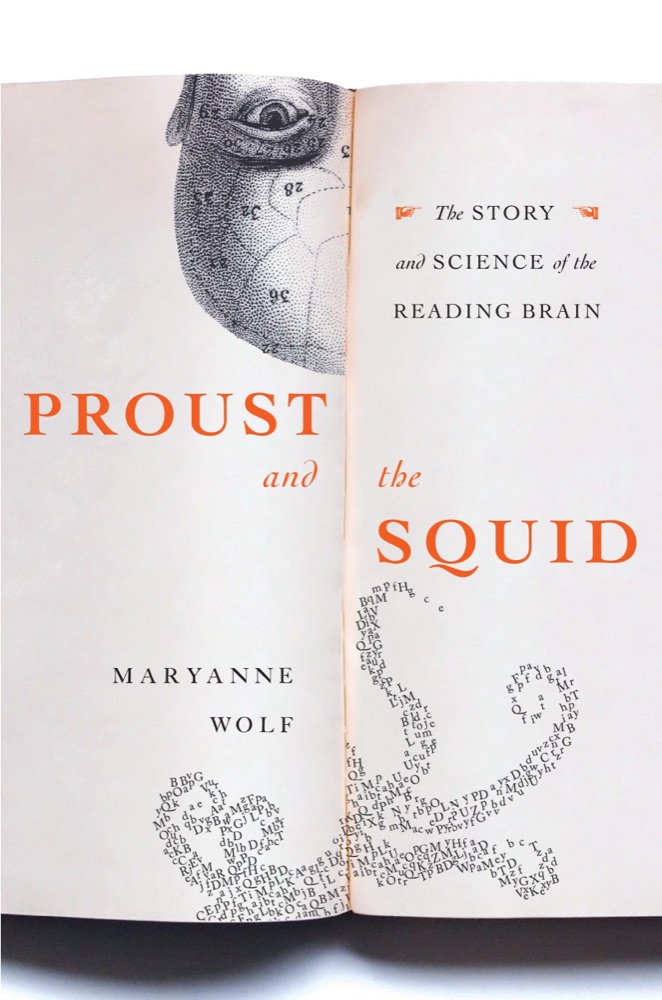 Proust and the Squid: The Story and Science of the Reading Brain
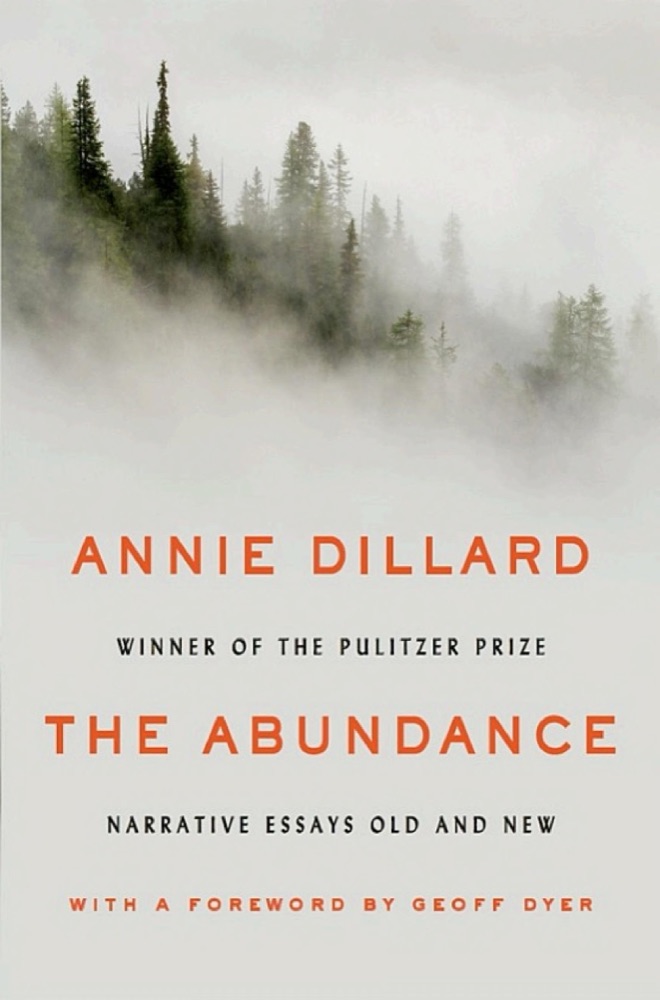 The Abundance
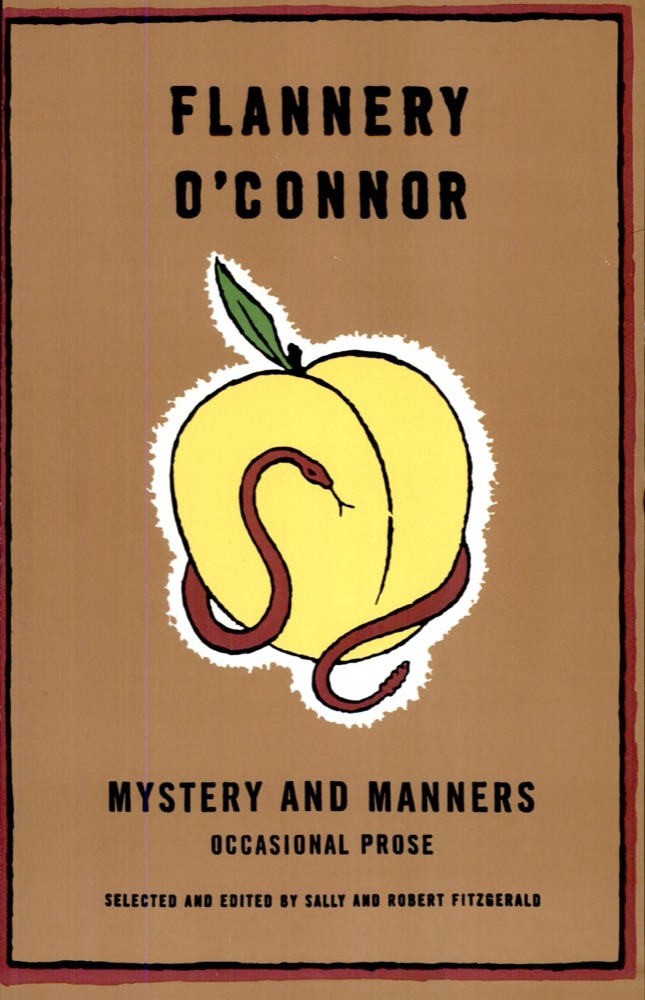 Mystery and Manners: Occasional Prose
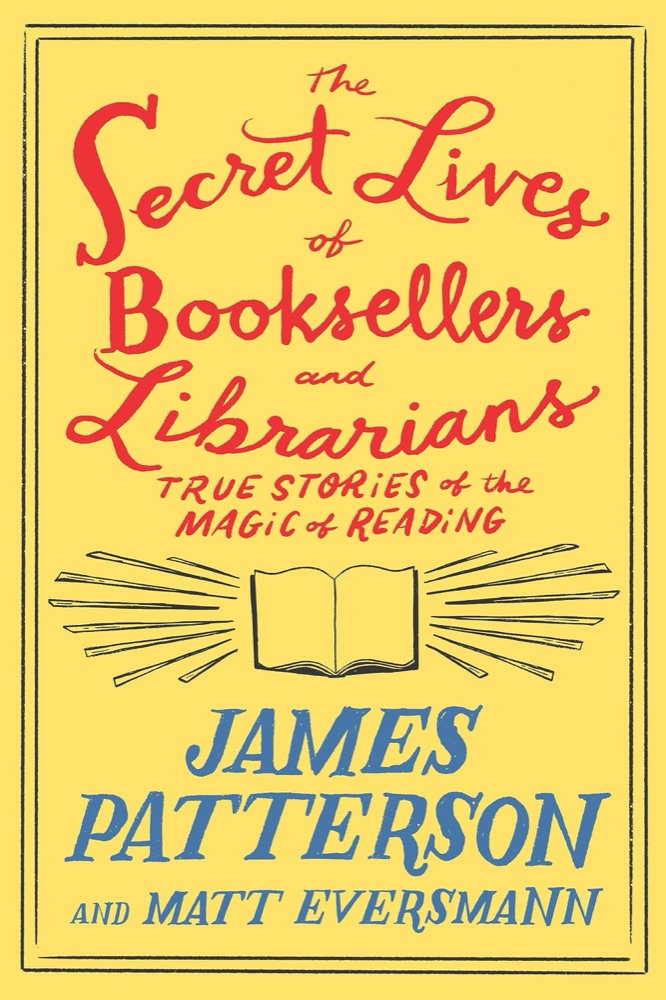 The Secret Lives of Booksellers and Librarians: True Stories of the Magic of Reading
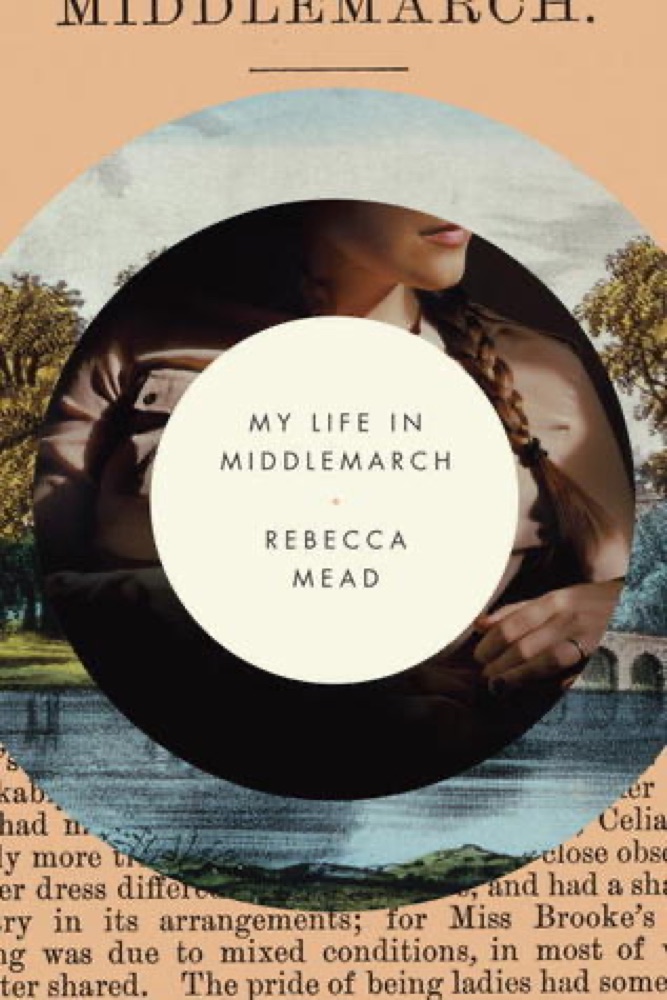 My Life in Middlemarch
 The Writer's Journey: Mythic Structure for Writers
 The Common Reader
 The Book That Held Her Heart
 Dæmon Voices
 How Should One Read a Book?
 The Last Librarian
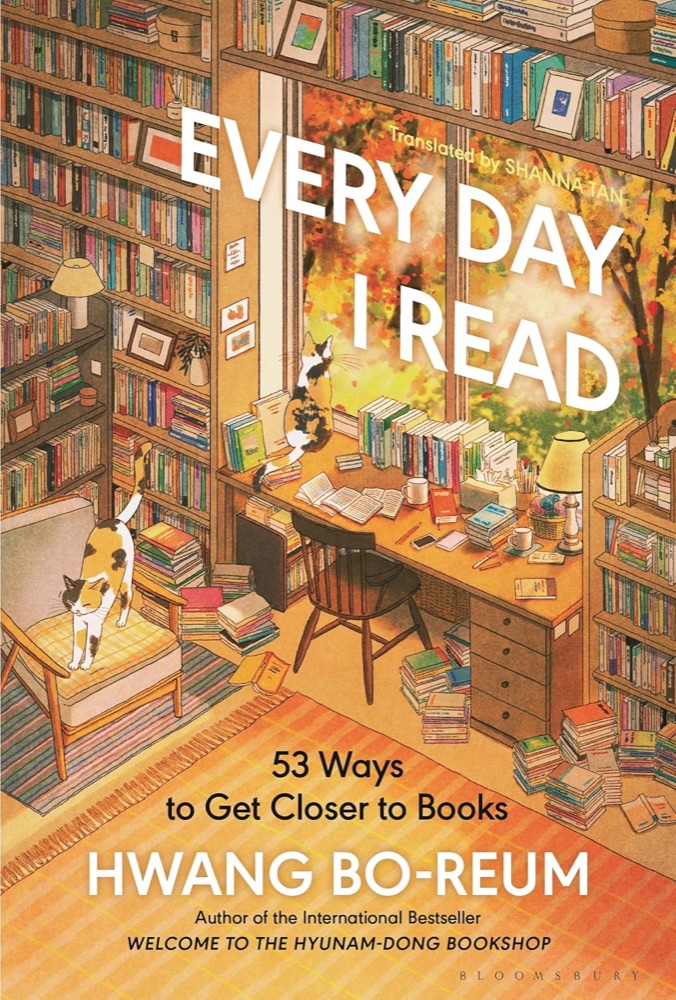 Every Day I Read: 53 Ways to Get Closer to Books