
 A History of Reading
Quotes from the Book
My library was to me an utterly private space that both enclosed and mirrored me.
5
The discovery of the art of reading is intimate, obscure, secret, almost impossible to explain, akin to falling in love.
4
I’ve often felt that my library explained who I was, gave me a shifting self that transformed itself constantly throughout the years.
3
When I'm in a library, any library, I have the sense of being translated into a purely verbal dimension by a conjuring trick I've never quite understood. I know that my full, true story is there, somewhere on the shelves, and all I need is time and the chance to find it. I never do. My story remains elusive because it is never the definitive story.
1
Every day, somewhere in the world, someone attempts (sometimes successfully) to stifle a book... And again and again, empires fall and literature continues.
1
What we put into words are the shadows of shadows, and every book confesses the impossibility of holding fully onto whatever it is that our experience seizes. All our libraries are the glorious records of that failure.
1
Pelo menos num sentido, contudo, toda a literatura é acção cívica: por ser memória. Toda a literatura preserva algo que, de outra forma, morreria no mesmo instante em que morrem a carne e os ossos do escritor. Ler é reclamar o direito a essa imortalidade humana, porque a memória da escrita é abrangente e ilimitada. Individualmente, os seres humanos lembram-se de pouca coisa: até memórias extraordinárias, como as de Ciro, rei dos persas, capaz de nomear cada soldado nos seus exércitos, nada são quando comparadas com os volumes que enchem as bibliotecas. Os nossos livros são relatos das nossas Histórias: das nossas epifanias e das nossas atrocidades. Nesse sentido, toda a literatura é testemunhal. Mas, entre os testemunhos, há reflexões acerca das tais epifanias e atrocidades, palavras que oferecem essas epifanias para que outros as partilhem, e palavras que envolvem e denunciam as atrocidades de tal modo que não se permita que ocorram em silêncio. São recordações de coisas melhores, de esperança, consolo e compaixão, e mostram que também delas somos, todos nós, capazes. Não alcançamos todas, nem qualquer delas, a todas as horas. Mas a literatura lembra-nos que elas existem, essas qualidades humanas, a seguir aos nossos horrores, tão certas como ao nascimento sucede a morte. Também elas nos definem. Claro que a literatura talvez não seja capaz de salvar ninguém da injustiça, nem das tentações da cobiça, nem das misérias do poder. Mas algo nela tem de ser perigosamente eficaz, se todos os ditadores, todos os governos totalitários, todos os funcionários ameaçados tentam livrar-se dela, queimando livros, proibindo livros, censurando livros, tributando livros, defendendo com palavras ocas a causa da literacia, insinuando que ler é uma actividade elitista.
1
There are certain readers for whom books exist in the moment of reading them, and later as memories of the read pages, but who feel that the physical incarnations of books are dispensable. Borges, for instance, was one of these. Those who never visited Borges’s modest flat imagined his library to be as vast as that of Babel. In fact, Borges kept only a few hundred books, and even these he used to give away as gifts to visitors. Occasionally, a certain volume had sentimental or superstitious value for him, but by and large what mattered to him were a few recalled lines, not the material object in which he had found them. For me, it has always been otherwise.
1
Reading is reclaiming the right to... human immortality, because the memory of writing is all-encompassing and limitless.
Dictionaries collect our words both to preserve them and to give them back to us, to allow us to see what names we have given to our experience throughout time, and also to discard some of those names and renew them in an ongoing ritual of baptism.... they confirm and invigorate the lifeblood of a language.
Every story is a palimpsest, composed of layers of tellings and retellings, and every time we think we are parroting a well-known anecdote the words shed their feathers and sprout new ones for the occasion.
Reading Kafka, I sense that the elicited questions are always just beyond my understanding.... They promise an answer but not now, perhaps next time, next page. Something in his writing... allows me approximations, intuitions, half-dreams, but never total comprehension.... Kafka offers me absolute uncertainties which fit so many of my own.
The myth that the artist needs suffering to create tells the story the wrong way round... the song comes afterwards, not in the writhing of misery but in the recollection of that misery and the respite from it provided by the writing.
A library undermines whatever order it might possess, with random pairings and casual fraternities.
An obsession is a pleasure that has attained the status of an idea.” I believe that to lend a book is an incitement to theft. Superstition and the art of libraries are tightly entwined. The search for others—to text, to email, to Skype, or to play with—establishes our own identities. We are, or we become, because someone acknowledges our presence. Perhaps all intercourse—with pictures, with books, with people, with the virtual inhabitants of cyberspace—breeds sadness because it reminds us that, in the end, we are alone. Because my childhood was largely nomadic, I liked to read about settled lives running their ordinary course. And yet, I was aware that without disruption there would be no adventure. “The gods weave misfortunes for men,” King Alcinous says in the Odyssey, “so that the generations to come will have something to sing about.” Don Quixote has attained the state of perfect readership, knowing his books by heart in the strictest sense of the word. Loss helps you remember, and loss of a library helps you remember who you truly are. “We must be grateful that we don’t know what the great books were that perished in Alexandria, because if we knew what they were, we’d be inconsolable.” Losing things is not so bad because you learn to enjoy not what you have but what you remember. You should grow accustomed to loss. Buenos Aires has always been a city of books, ever since its foundation. I remember the curious pride I felt when our history teacher told us that Buenos Aires had been founded with a library.
My Latin teacher would say, “We must be grateful that we don’t know what the great books were that perished in Alexandria, because if we knew what they were, we’d be inconsolable.
The literate and illiterate soldiers who sailed for the New World carried with them not only their mythologies and faith—mermaids and Amazons, giants and unicorns, the redeeming god who is nailed to a cross and the tale of the Virgin Mother—but also the printed books in which these stories were recorded or retold. It is moving to discover that in Christopher Columbus’s account of his f irst voyage across the Atlantic, upon reaching the coast of Guinea, the admiral saw three manatees swimming close to his ship and wrote that he saw “three mermaids emerge quite visibly from the sea, but,” he added with commendable honesty, “they are not as beautiful as they are made out to be.
Watch on YouTube
About Alberto Manguel
We have collected 56 quotes from 3 books by Alberto Manguel on BookQuoters.
More about the author →More by Alberto Manguel
A History of Reading
 The Library at Night
About the book
A best-selling author and world-renowned bibliophile meditates on his vast personal library and champions the vital role of all libraries In June 2015 Alberto Manguel prepared to leave his centuries-old village home in France’s Loire Valley and reestablish himself in a one-bedroom apartment on Manhattan’s Upper West Side. Packing up his enormous, 35,000‑volume personal library, choosing which books to keep, store, or cast out, Manguel found himself in deep reverie on the nature of relationships between books and readers, books and collectors, order and disorder, memory and reading. In this poignant and personal reevaluation of his life as a reader, the author illuminates the highly personal art of reading and affirms the vital role of public libraries. Manguel’s musings range widely, from delightful reflections on the idiosyncrasies of book lovers to deeper analyses of historic and cat
Book details
- First published
- 2018
- Author
- Alberto Manguel
- Genre
- Nonfiction
- Goodreads rating
- 3.89 (3k ratings)
Keep reading
The Library at Night
 The Archive of the Forgotten
 Ex Libris: Confessions of a Common Reader
 The City of Dreaming Books
 The Man Who Loved Books Too Much: The True Story of a Thief, a Detective, and a World of Literary Obsession
 The Year of Reading Dangerously
 The Book That Wouldn’t Burn
 Illuminations: Essays and Reflections
 The Last Bookaneer
 The Haunted Bookshop
 The Club Dumas
 The Last Librarian
 The World's Strongest Librarian: A Memoir of Tourette's, Faith, Strength, and the Power of Family
 Inkheart
 Selected Non-Fictions
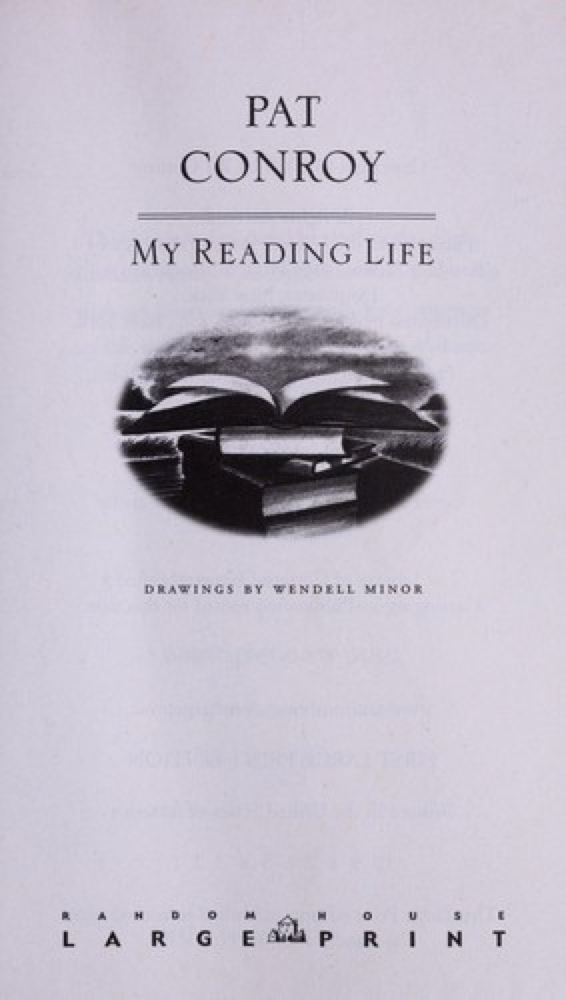 My Reading Life
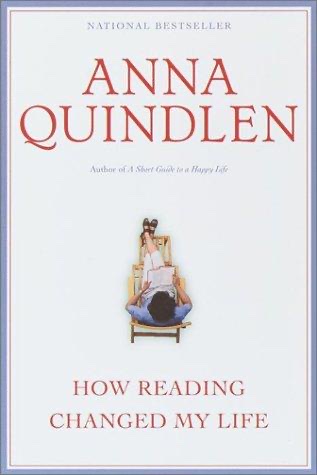 How Reading Changed My Life
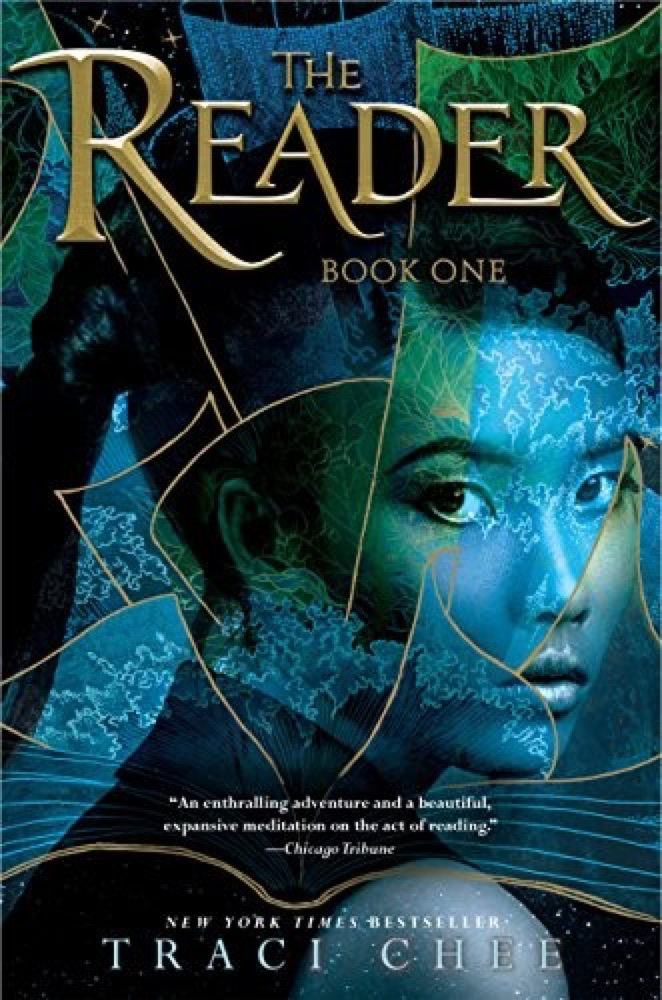 The Reader
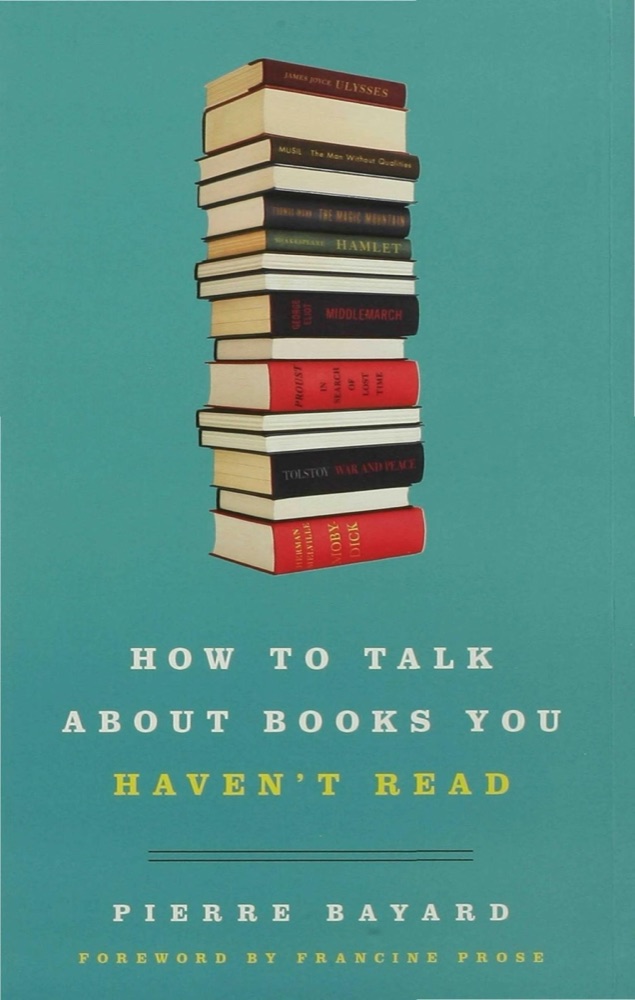 How to Talk About Books You Haven't Read
 If on a Winter's Night a Traveler
 The Library of Babel
 Checkout 19
 The Thirteenth Tale
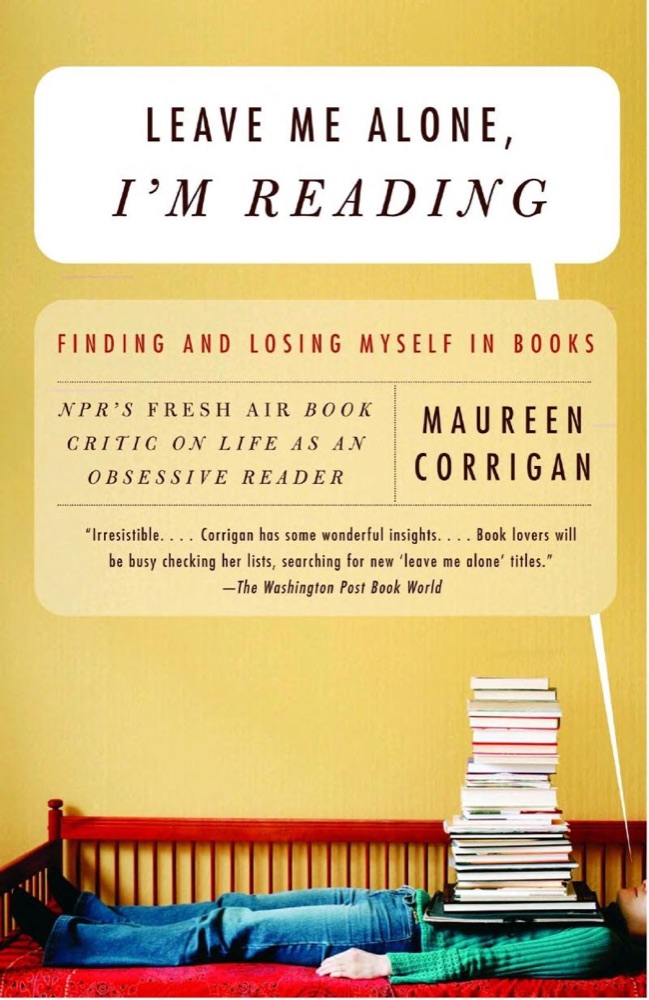 Leave Me Alone, I'm Reading: Finding and Losing Myself in Books
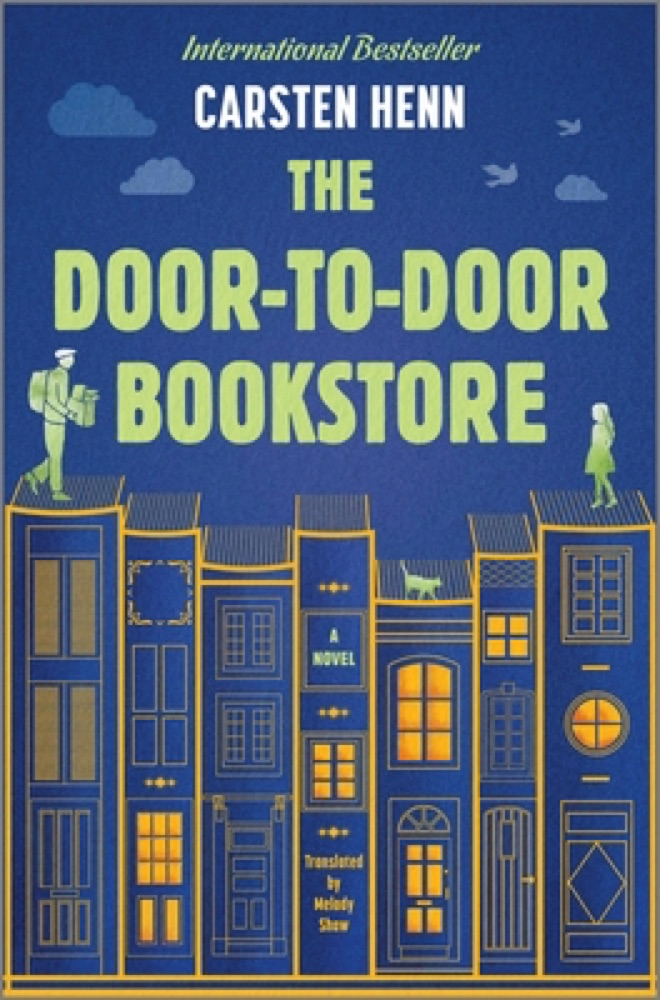 The Door-to-Door Bookstore
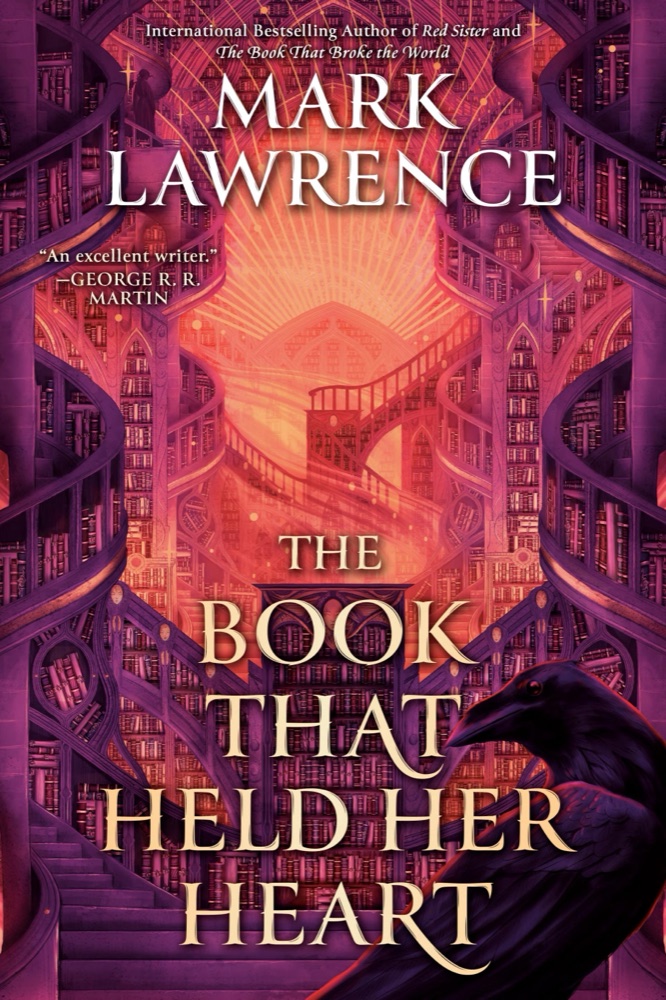 The Book That Held Her Heart
A History of Reading
The Book That Held Her Heart
A History of Reading
 The Storied Life of A.J. Fikry
 The Name of the Rose
 Miss Morgan's Book Brigade
 Why We Read: On Bookworms, Libraries, and Just One More Page Before Lights Out
 Suggested Reading
 The Secret, Book & Scone Society
 With Love from London
 The Book of Form and Emptiness
 The Paper Menagerie and Other Stories
 Time Regained
 Howards End Is on the Landing: A Year of Reading from Home
 A Stranger in Olondria
 Education of a Wandering Man: A Memoir
 The Cat Who Saved Books
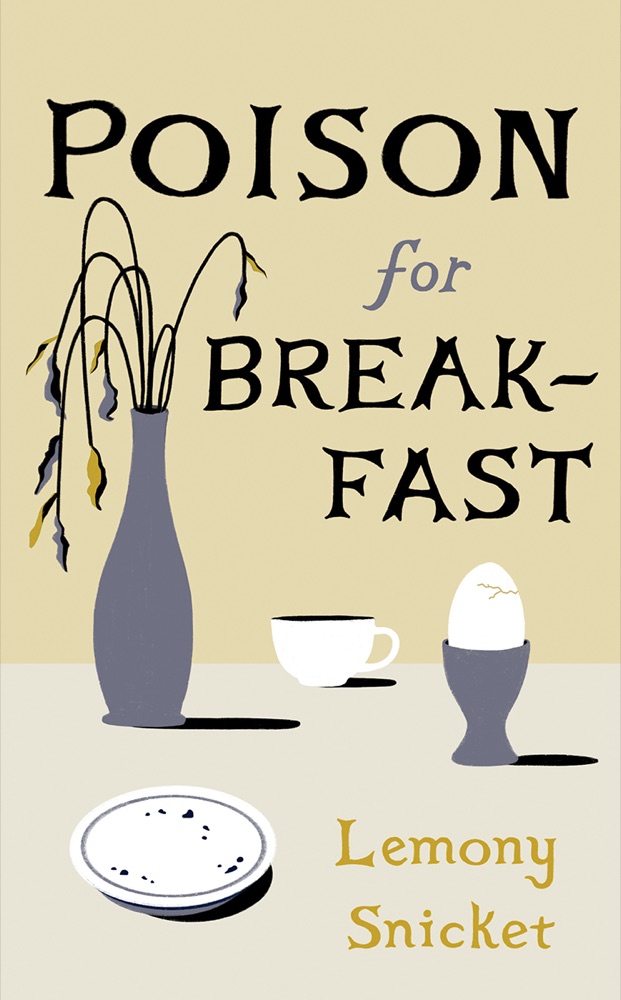 Poison for Breakfast
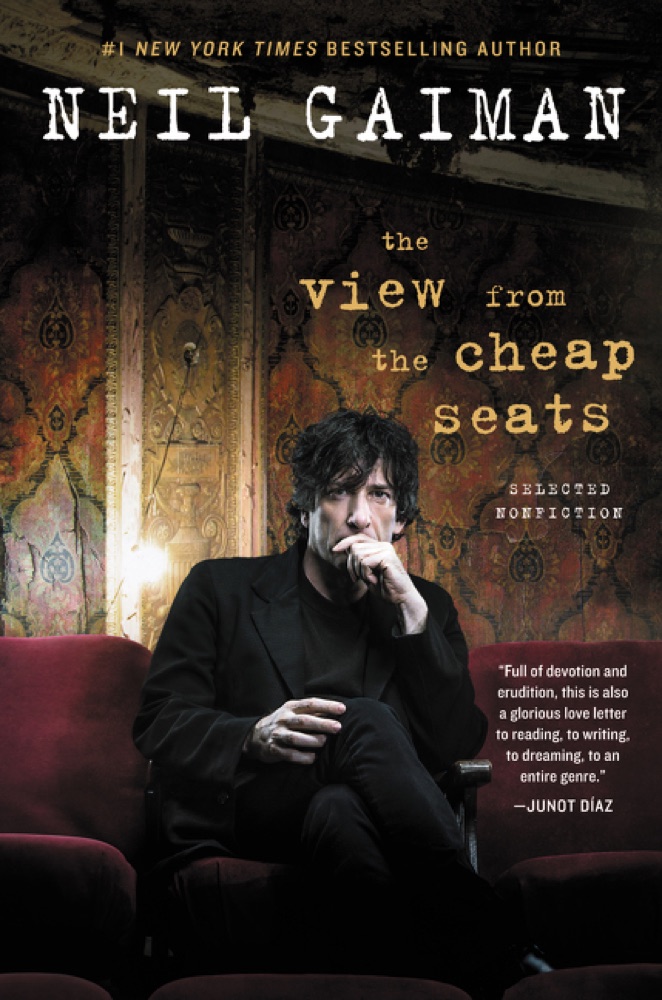 The View from the Cheap Seats: Selected Nonfiction
 The Yellow-Lighted Bookshop: A Memoir, a History
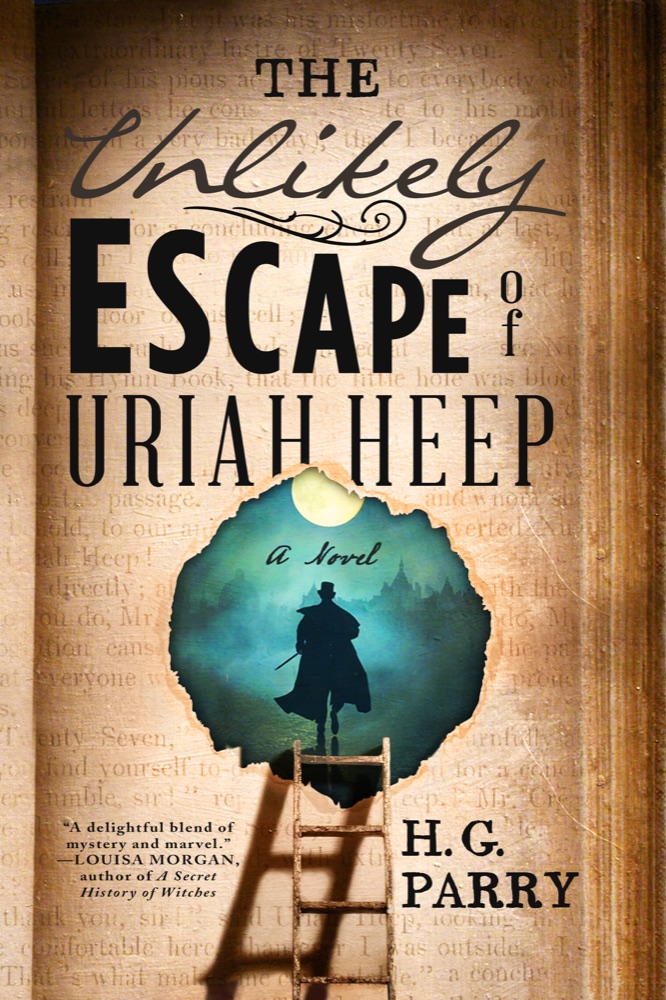 The Unlikely Escape of Uriah Heep
 Days of Reading
 What We See When We Read
 One Way Street And Other Writings
 Lectures on Literature
 How to Read Now
 The Summer Without Men
 A Novel Bookstore
 The Lost Library: A Kid-Friendly Mystery
 The Library of the Unwritten
 The Faraway Nearby
 The Paris Library
 Sixpence House: Lost in a Town of Books
 Mr. Penumbra's 24-Hour Bookstore
 Labyrinths: Selected Stories and Other Writings
 The Uncommon Reader