
 I'd Rather Be Reading: The Delights and Dilemmas of the Reading Life
Quotes from the Book
The act of reading makes me feel safe. Not the book itself--but the exercise of running my eyes over the words. The translation from symbol into meaning. The direct, pleasant diction of the voice inside my head. The influx of information. The transport to other lives, other worlds.
8
Life is so much better with books than without.
7
Reading a book is quiet, clear, and organized. It's not hard. It waits until I am ready, pauses when I need a break, and is still happy to repeat. Reading absolutely never says "Just forget it" when I need clarification. It doesn't care how I pronounce the words in my head (or aloud, for that matter). It never makes me feel worse and rarely makes me feel lonely. Reading gives me the world. And that, friends, is why I read.
7
Here’s the truth: we can read whatever we want, whenever we want.
2
I also think we underestimate just how weird—unexpected, unusual—a lot of famous books are. A long time spent in the public consciousness can sand down a book’s rough edges.
2
I think, therefore, I cry...
2
You have to read a book for some reason, and you're not that excited about it, but you're a good person, you're not going to say you read a book when you didn't. So you run your eyes over every single line. And yet, when you get to the end, much more quickly than you should've, you'd be hard-pressed to explain even the basics of the book. It has a main character, and that main character had a problem. Maybe? Things happened, and then the problem resolved. Probably...we didn't really read the book. We saw very page of the book.
1
Books are sly and can crack us open.
1
Read whatever you like, books about railroads or by Real Housewives, romances set in quaint New England towns in the fall, mysteries in which Queen Elizabeth II somehow stops a murder in between the whole being-queen thing. Tom Clancy. Danielle Steele. Whatever. Just keep reading.
1
You may not know this about me, but deep in my little rule following heart there is a rebel who doesn't like to be told what to do.
Lawson’s cookbooks are wide-ranging—there’s one for celebrations, another for Christmas in particular, one for Italian cooking, and an uncharacteristic volume about diet food—but her best ones are very British. So many meat pies, so many puddings, an intense fondness for passion fruit, rhubarb, and mincemeat.
I have many hills upon which I’m willing to die, but none is so deeply held as this: plays—dramas, comedies, playscripts, what have you—are supposed to be heard. Ideally, plays are to be enacted or performed, but if that’s not possible, they should at least be read aloud. It baffles me that anything less than this is accepted in our schools.
Marie opened Farmer Duck and took a big breath, but just then, Tyler appeared behind her. His index finger pointed upward. In the voice of an Old Testament prophet, he intoned, “It is there! On the shelf!” If he had said it with just a bit less assurance, or if his tiny finger hadn’t been pointing directly at the shelf that did, indeed, hold Old MacDonald Had a Farm, or if Jenny, her voice freed again, hadn’t said, “Oh, wow,” with quite such awe, we might’ve reasoned with him.
Take John Steinbeck’s The Grapes of Wrath. It’s a strange, sad, beautiful book, one that I think about surprisingly often. Being forced to read it in my sophomore year of high school introduced me to and gave me a way to think about American poverty, American striving, and the narrative uses of dialect for good or ill. I cannot say I liked the book—my mom and brother can still recollect my specific and bitter complaints about that dialect—but, on some level, I enjoyed it. It stayed with me.
I applaud comfort reads. We do not need to feel the brisk, salt-air wind of new adventure on our faces every time we pick up a book. Sometimes we do like a new adventure on the high seas, but it's also nice to take a trip to a place you've been to before and admire what's changed. Genre is the comforting solace we come home to in our reading lives.
I feel a familial affection for my fellow longtime, intense readers. We are kin. Quiet, introspective, tea-and-cozy-quilt-loving kin.
We read to escape, to learn, to find love, to feel seen. We read to encounter new worlds, to discover new recipes, to find connection across difference, or simply to pass a rainy afternoon. No matter the reason, books have the power to keep us safe, to challenge us, and perhaps most importantly, to make us more fully human.
Gawande is adept at depicting the confusion of aging and dying, particularly in how we’re conditioned to believe that to be ill, to be dying, is somehow a failure (even though, as he relentlessly notes, we all will experience illness and death), which was comforting.
The list of stupid things smart people have said and thought in the general category of Books is endless.
I think we sometimes forget that reading, even reading solely for pleasure, is real work. Perhaps the physical exertion isn’t much, but the demand on our minds is substantial.
in reading, I was never lonely, the way I sometimes felt in real life. Reading did not lead me astray. The words were clear, and if I didn't understand them, t wasn't because I didn't hear them correctly. No one cared if I reread (asked the book to repeat, that is) multiple times. And people mostly left me alone when my nose was buried in a book. Reading was always safe and always good company.
But reading! That I could do. When I read, I felt smart.
Watch on YouTube
About Shannon Reed
We have collected 22 quotes from 1 book by Shannon Reed on BookQuoters.
More about the author →About the book
A hilarious and incisive exploration of the joys of reading from a teacher, bibliophile and Thurber Prize finalist
We read to escape, to learn, to find love, to feel seen. We read to encounter new worlds, to discover new recipes, to find connection across difference, or simply to pass a rainy afternoon. No matter the reason, books have the power to keep us safe, to challenge us, and perhaps most importantly, to make us more fully human.
Shannon Reed, a longtime teacher, lifelong reader, and New Yorker contributor, gets it. With one simple goal in mind, she makes the case that we should read for pleasure above all else. In this whip-smart, laugh-out-loud-funny collection, Reed shares surprising stories from her life as a reader and the poignant ways in which books have impacted her students. From the varied novels she cherishes ( Gone Girl , Their Eyes Were Watching God ) to the one
Book details
- First published
- 2024
- Author
- Shannon Reed
- Genre
- Nonfiction
- Goodreads rating
- 3.68 (5k ratings)
Keep reading
I'd Rather Be Reading: The Delights and Dilemmas of the Reading Life
 Every Day I Read: 53 Ways to Get Closer to Books
 How Reading Changed My Life
 Books for Living
 The Year of Reading Dangerously
 Suggested Reading
 The Secret Lives of Booksellers and Librarians: True Stories of the Magic of Reading
 Ex Libris: Confessions of a Common Reader
 The Door-to-Door Bookstore
 The Cat Who Saved Books
 The Uncommon Reader
 Housekeeping vs. the Dirt
 My Reading Life
 Howards End Is on the Landing: A Year of Reading from Home
 The Guernsey Literary and Potato Peel Pie Society
 Leave Me Alone, I'm Reading: Finding and Losing Myself in Books
 The Storied Life of A.J. Fikry
 The Lost Library: A Kid-Friendly Mystery
 Judging a Book by Its Lover: A Field Guide to the Hearts and Minds of Readers Everywhere
 Poison for Breakfast
 The End of Your Life Book Club
 The Haunted Bookshop
 The Secret, Book & Scone Society
 The City of Dreaming Books
 The View from the Cheap Seats: Selected Nonfiction
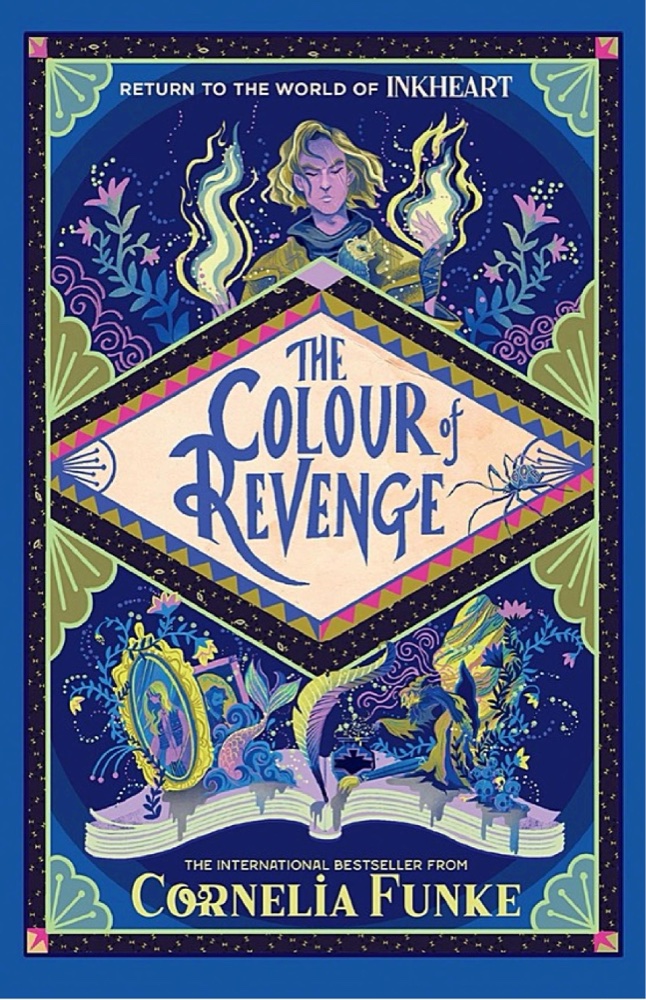 Inkheart
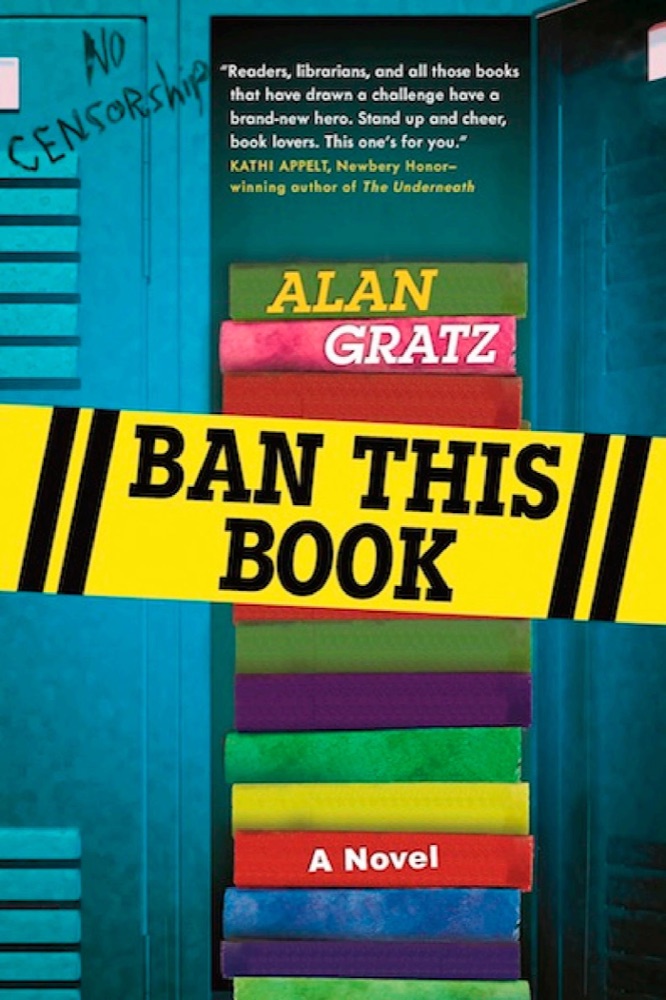 Ban This Book
 The Yellow-Lighted Bookshop: A Memoir, a History
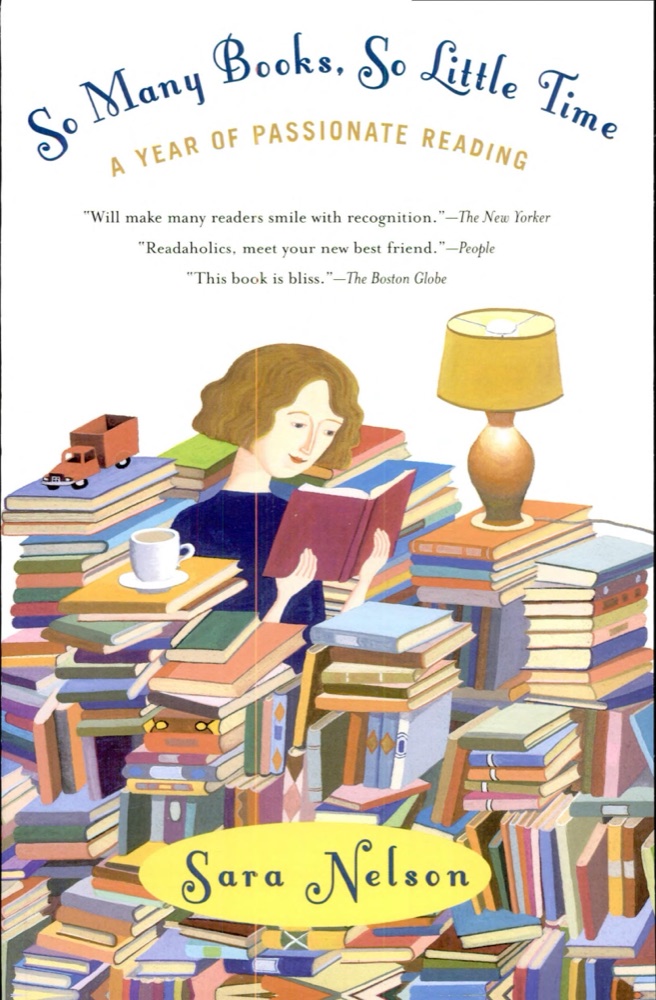 So Many Books, So Little Time: A Year of Passionate Reading
 Among Others
 With Love from London
 A History of Reading
 Mr. Penumbra's 24-Hour Bookstore
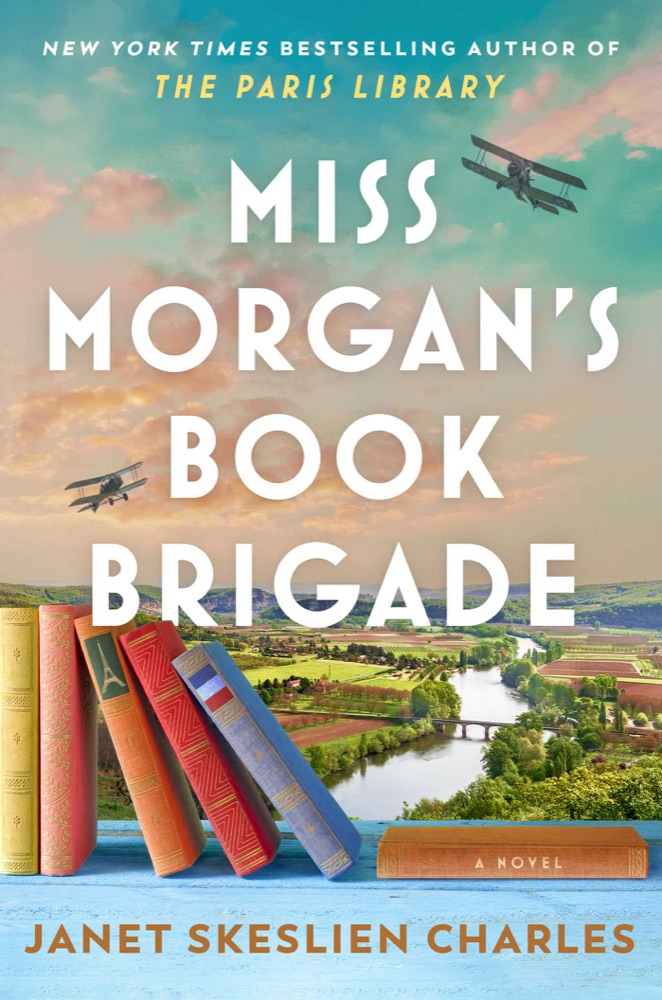 Miss Morgan's Book Brigade
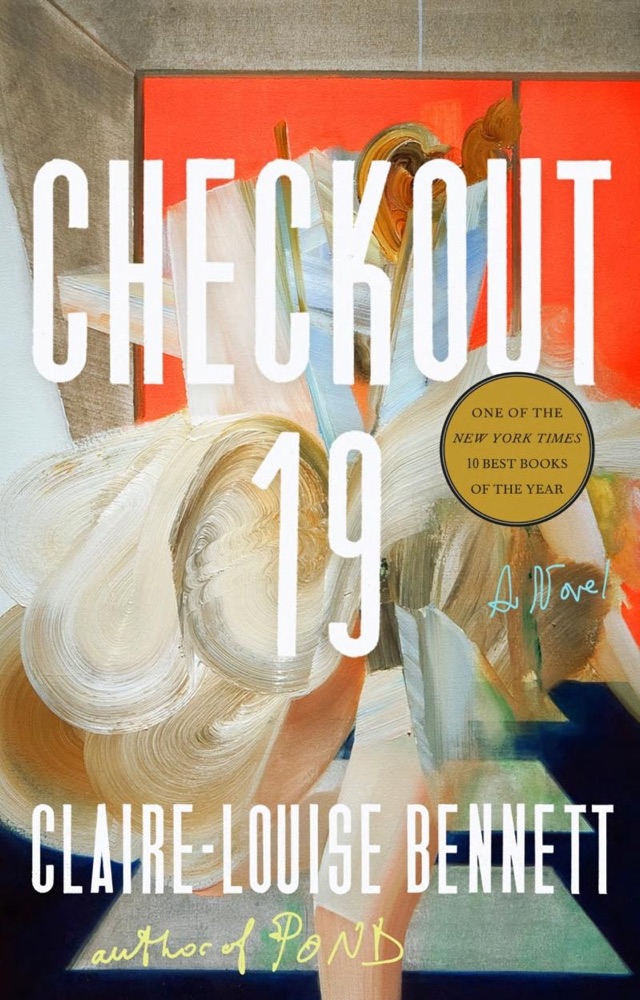 Checkout 19
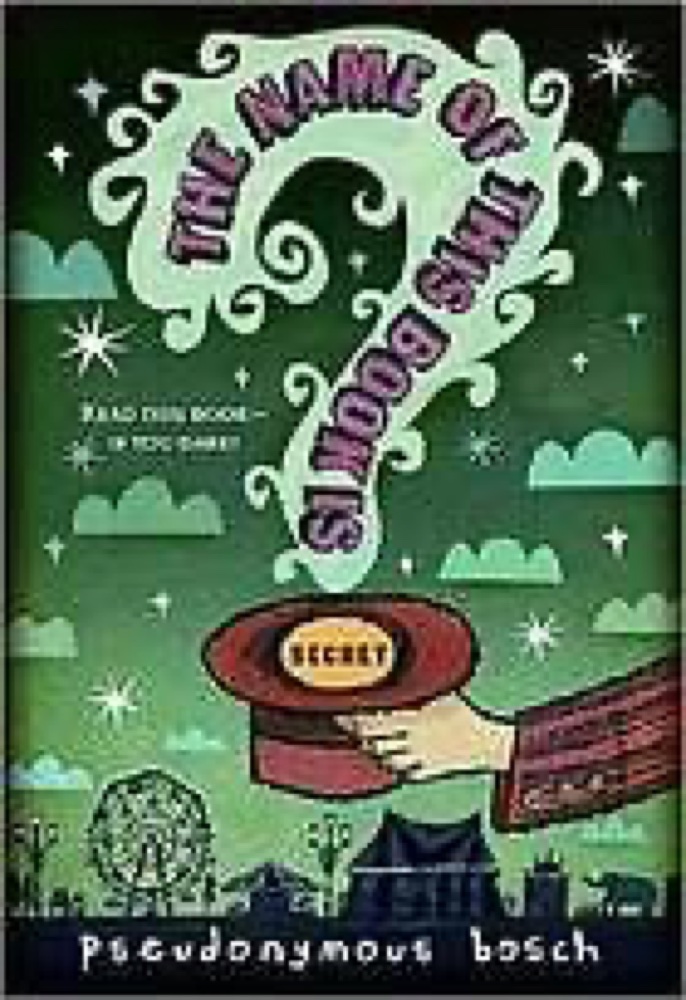 The Name of This Book Is Secret
 Battle of the Bookstores
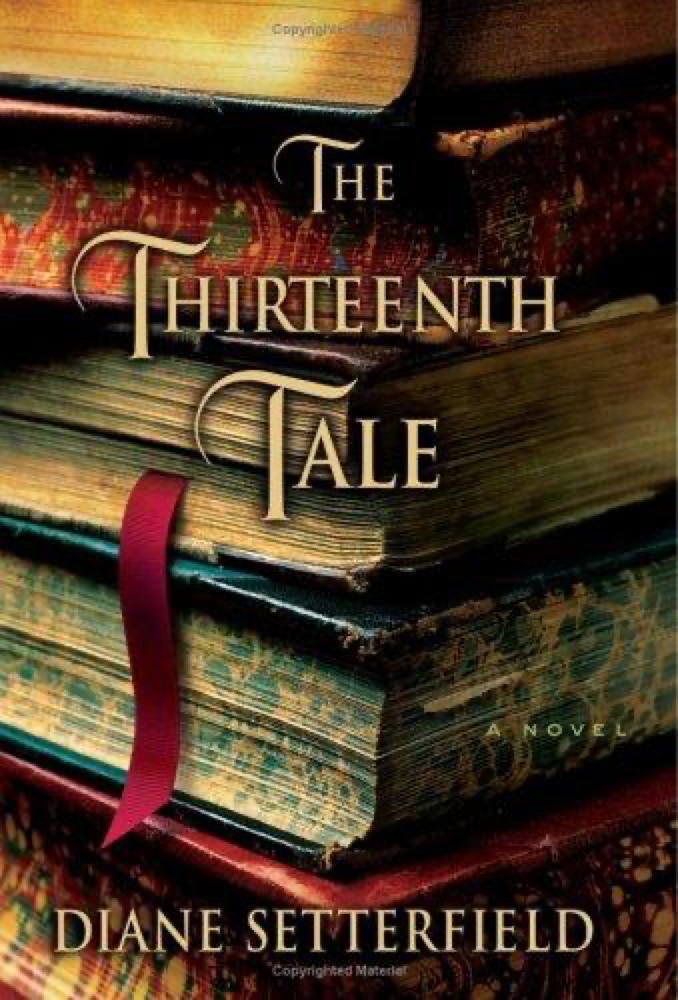 The Thirteenth Tale
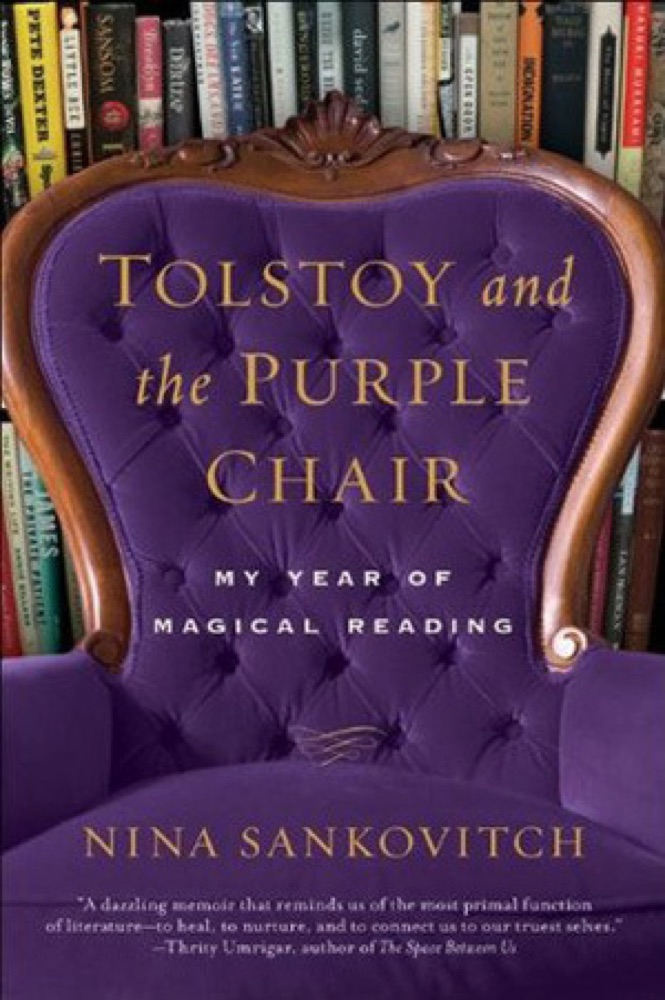 Tolstoy and the Purple Chair: My Year of Magical Reading
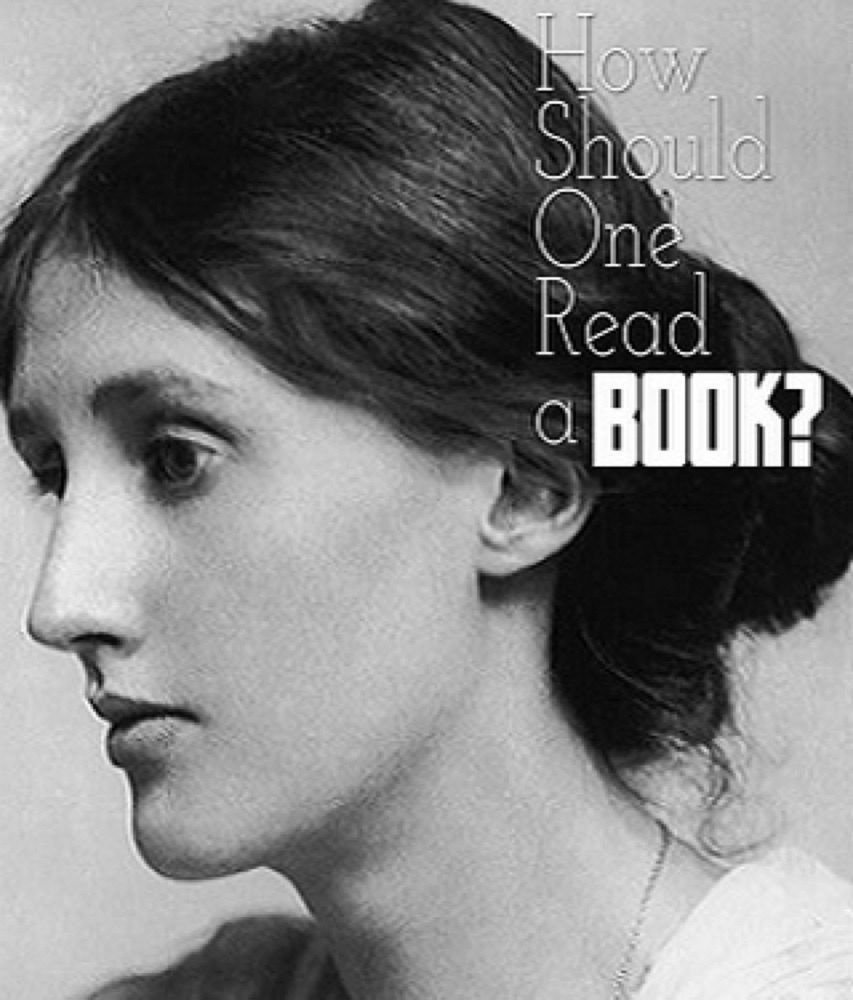 How Should One Read a Book?
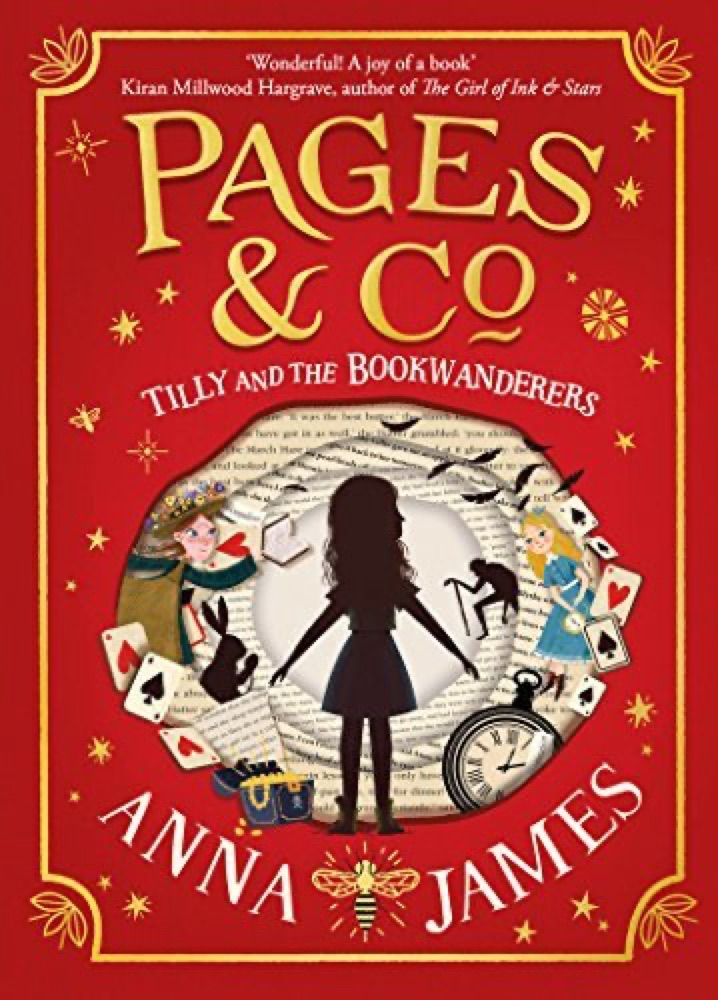 Tilly and the Bookwanderers
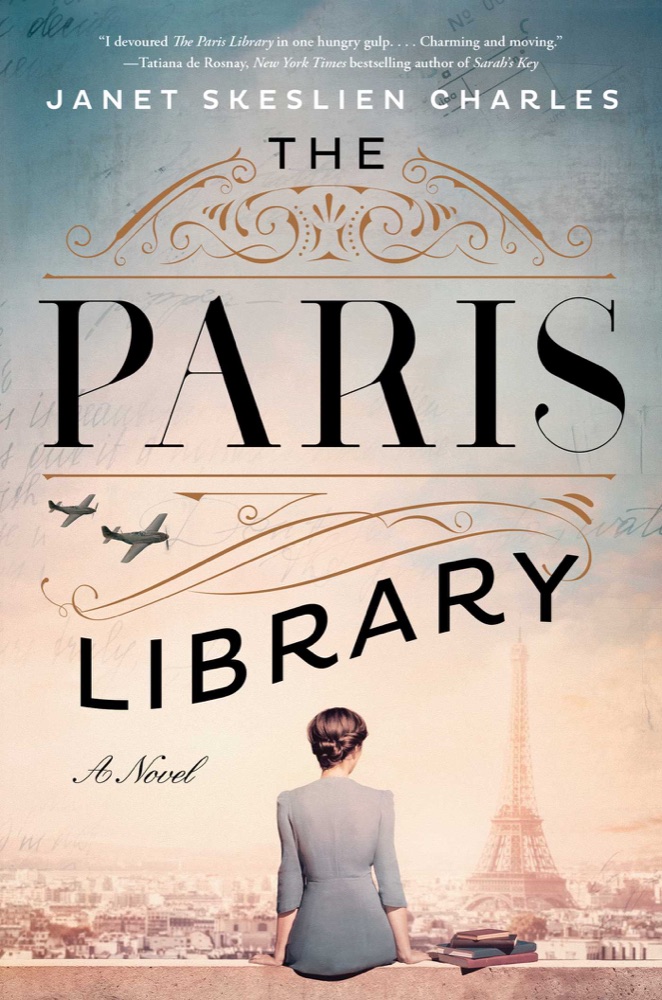 The Paris Library
 If on a Winter's Night a Traveler
 Education of a Wandering Man: A Memoir
 Reader, Come Home: The Reading Brain in a Digital World
 The Book Whisperer: Awakening the Inner Reader in Every Child
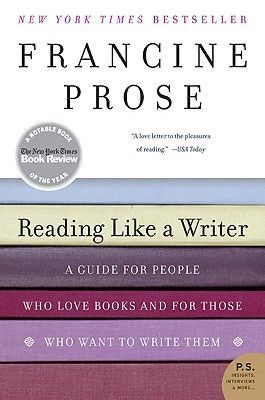 Reading Like a Writer: A Guide for People Who Love Books and for Those Who Want to Write Them
 Parnassus on Wheels
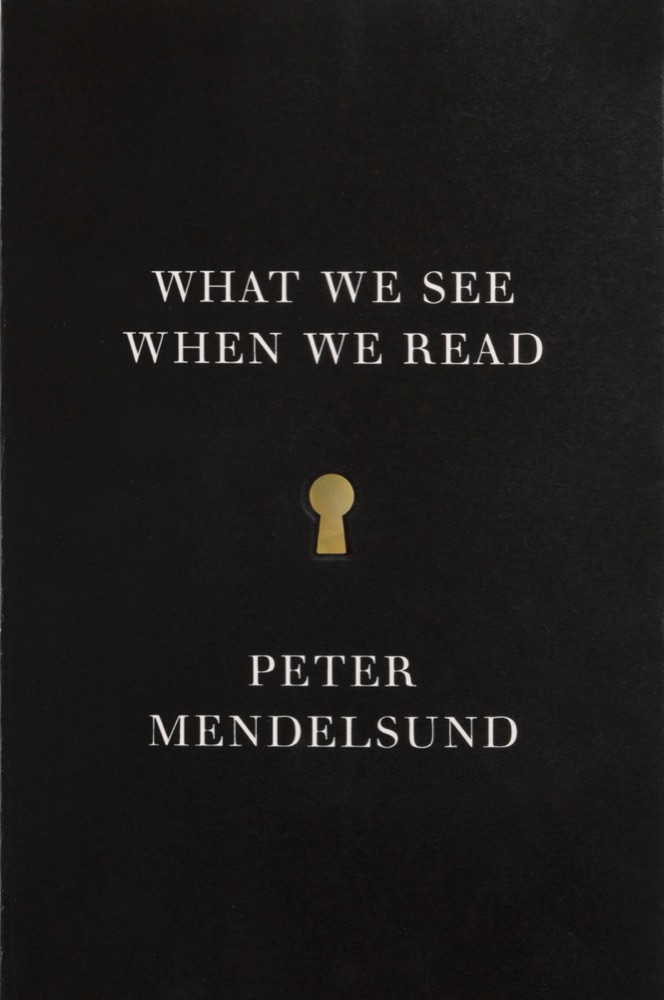 What We See When We Read
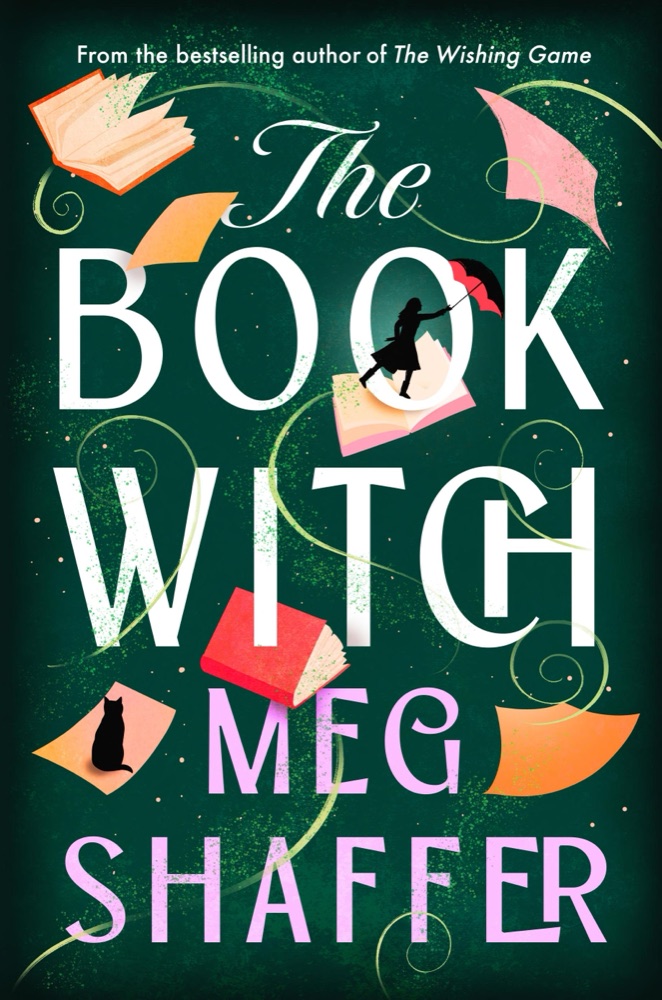 The Book Witch
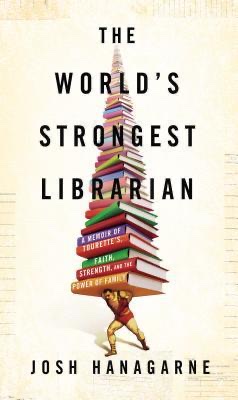 The World's Strongest Librarian: A Memoir of Tourette's, Faith, Strength, and the Power of Family
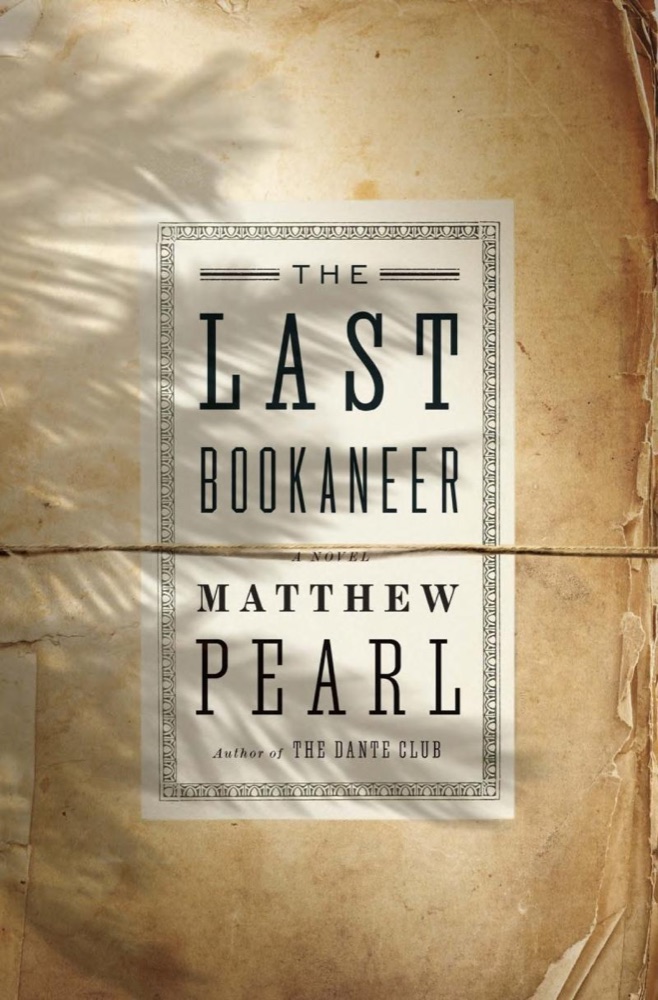 The Last Bookaneer
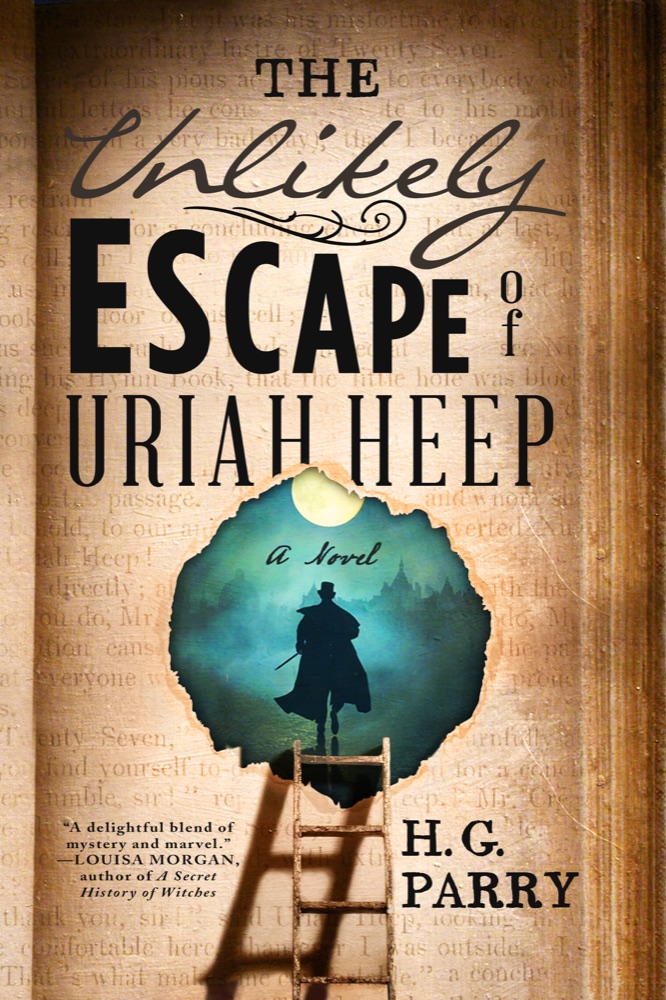 The Unlikely Escape of Uriah Heep
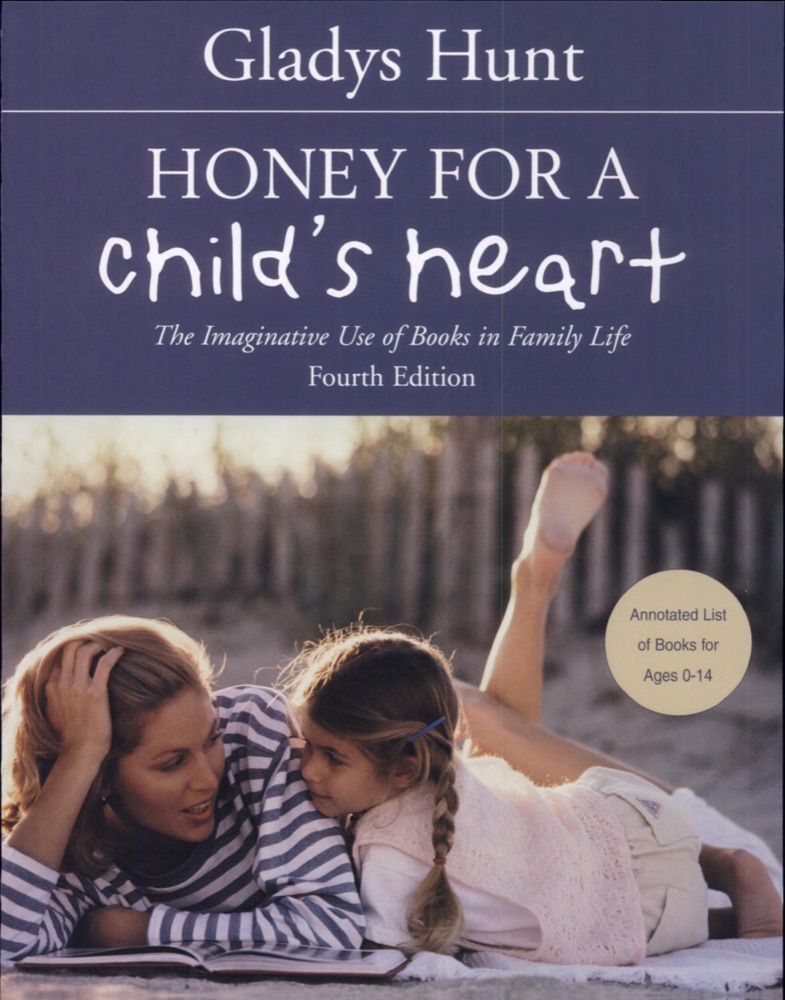 Honey for a Child's Heart
 Lectures on Literature
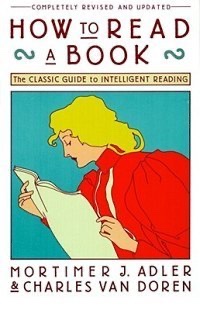 How to Read a Book: The Classic Guide to Intelligent Reading
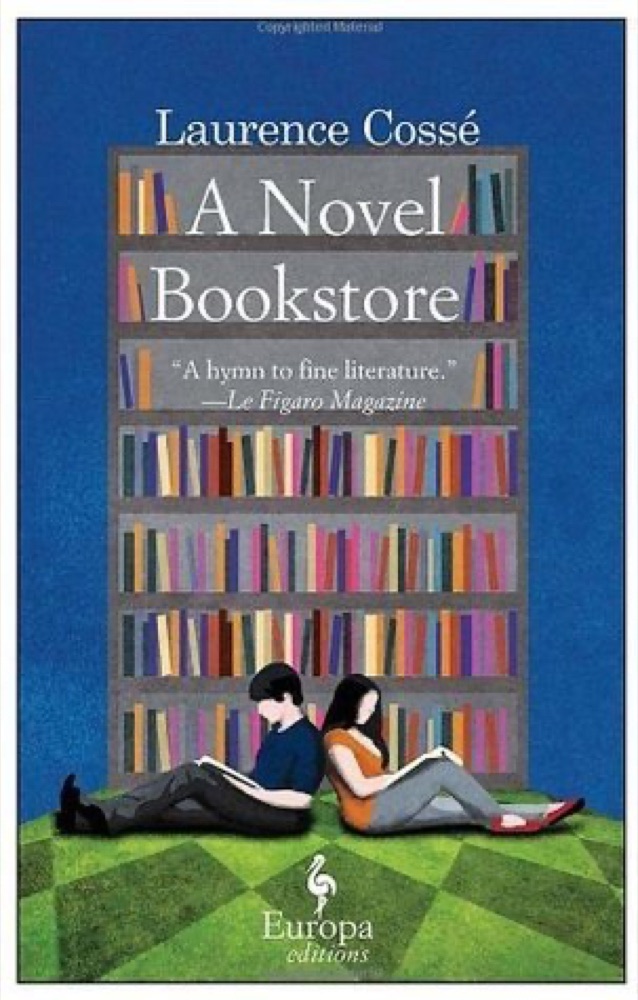 A Novel Bookstore
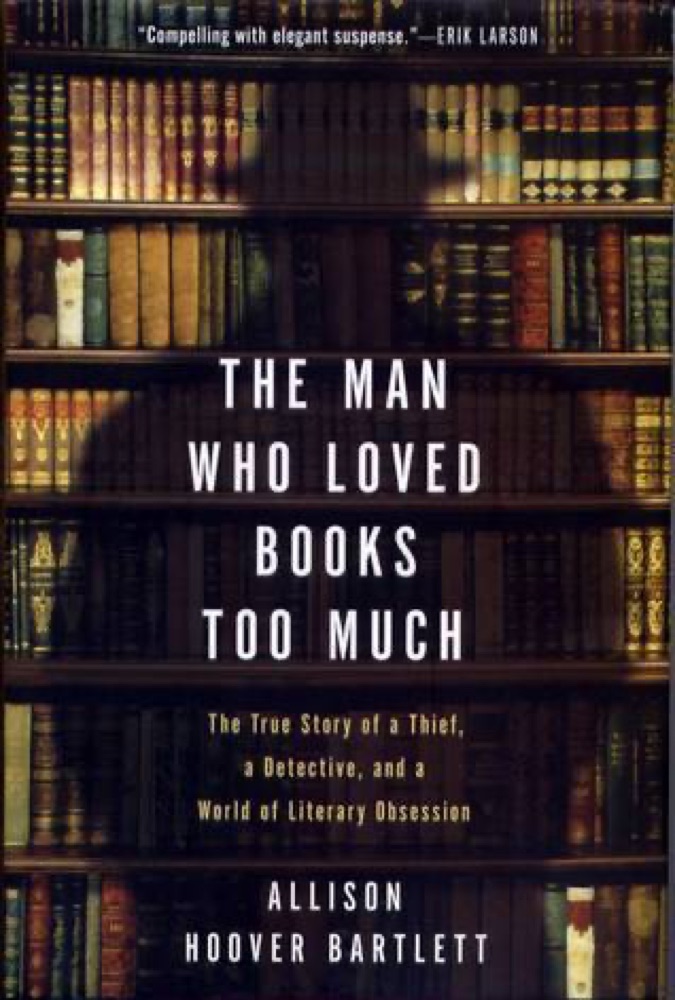 The Man Who Loved Books Too Much: The True Story of a Thief, a Detective, and a World of Literary Obsession
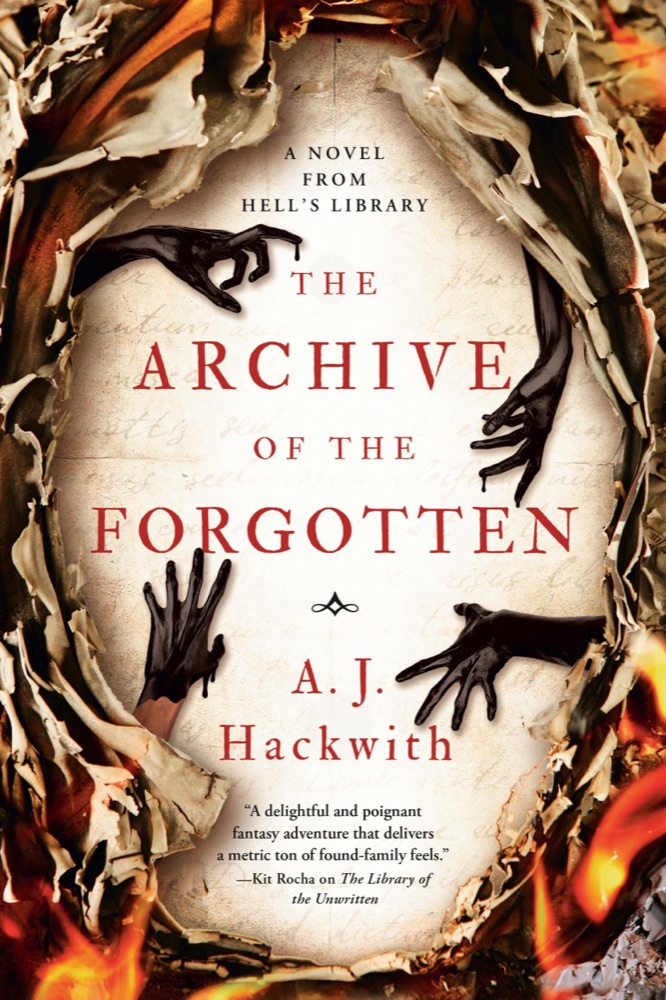 The Archive of the Forgotten
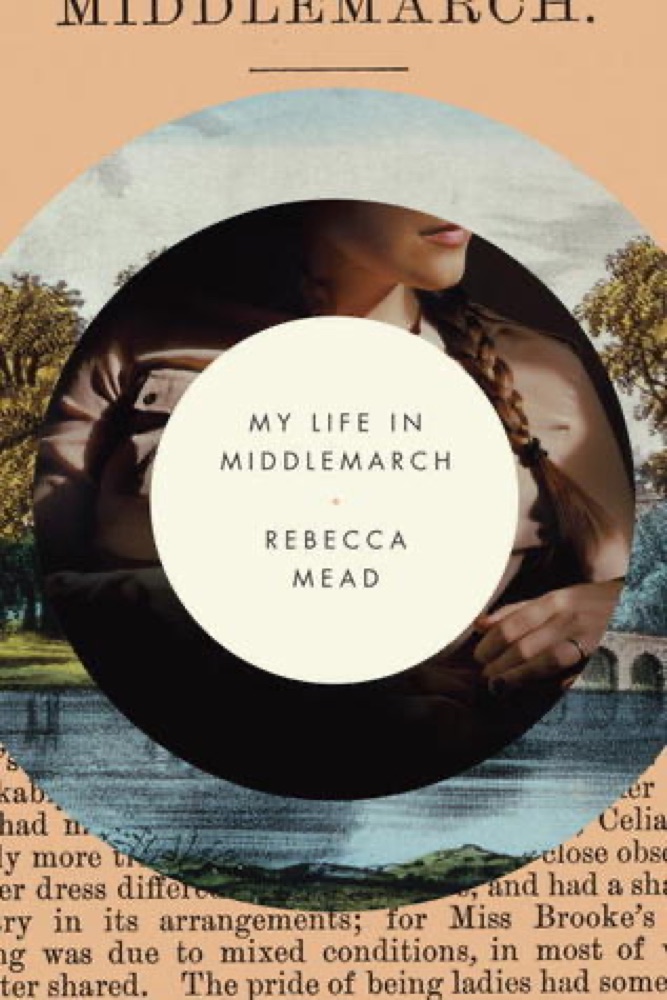 My Life in Middlemarch