
 The Storied Life of A.J. Fikry
Quotes from the Book
Literature is a source of pleasure, he said, it is one of the rare inexhaustible joys in life, but it's not only that. It must not be disassociated from reality. Everything is there. That is why I never use the word fiction. Every subtlety in life is material for a book. He insisted on the fact. Have you noticed, he'd say, that I'm talking about novels? Novels don't contain only exceptional situations, life or death choices, or major ordeals; there are also everyday difficulties, temptations, ordinary disappointments; and, in response, every human attitude, every type of behavior, from the finest to the most wretched. There are books where, as you read, you wonder: What would I have done? It's a question you have to ask yourself. Listen carefully: it is a way to learn to live. There are grown-ups who would say no, that literature is not life, that novels teach you nothing. They are wrong. Literature performs, instructs, it prepares you for life.
25
We have no time to waste on insignificant books, hollow books, books that are there to please... We want books that cost their authors a great deal, books where you can feel the years of work, the backache, the writer's block, the author's panic at the thought that he might be lost: his discouragement, his courage, his anguish, his stubbornness, the risk of failure that he has taken.
20
We want books that are written for those of us who doubt everything, who cry over the least little thing, who are startled by the slightest noise.
13
I had plenty of time,' he said, telling himself that was one of the saddest sentences there is.
7
He had no more imaginary space, nowhere he could escape to, no more expectations, all he could do was make himself available to the present moment, to what was immeasurable, the terrible profusion of moments that make up a day.
7
We want splendid books ... books that prove to us that love is at work in the world next to evil, right up against it, at times indistinctly, and that it always will be ...
6
And when I think there are people around me who complain they can't find anything good to read. What nonsense ... every month you and I discover a masterpiece.
6
There is nothing more difficult to master than repetition. If you do it badly, it's clumsy, stupid. When it's well done, it's like a little echo, like waves, poetry itself.
5
We want splendid books, books that immerse us in the splendor of reality and keep us there; books that prove to us that love is at work in the world next to evil, right up against it, at times indistinctly, and that it always will be, just the way that suffering will always ravage hearts. We want good novels...And even if there is only one such book per decade,...only one...every ten years, that would be enough. We want nothing else.
4
By definition, confusion is beneficial to mediocrity.
4
You have just confirmed to me that one of the most fortunate purposes of literature is to bring like-minded people together and get them talking.
3
Her strength, she would tell Van much later on, was nothing more nor less than the hope of, at last, attaining that goal which had become so important for her--not to succeed in doing something, but simply to do something good.
3
Culture contains everything. there would be no peaks without valleys, gentle slopes, and meadows, at lower altitudes. The genius of democracy is a love for everything, to offer everything, value everything, and let individual freedom express its preferences here as elsewhere...and the key word, where culture and art are concerned, is pleasure!
My grandfather left me a great deal more – a passion for literature and something additional, fundamental: the conviction that literature is important….Novels don’t contain only exceptional situations, life or death choices, or major ordeals; there are also everyday difficulties, temptations, ordinary disappointments; and, in response, every human attitude, every type of behavior, from the finest to the most wretched….There are grown-ups who will say no, that literature is not life, that novels teach you nothing. They are wrong. Literature informs, instructs, it prepares you for life.” (pg. 150)
Van, The Good Novel will not be an ordinary bookstore. That's our challenge. Our customers won't be ordinary customers. The people we'll see in our store will be people who never buy a book because it just came out, unless they adore the author already, but for other reasons that have nothing to do with its pub date, because they couldn't case less about that. . . .
In previous years, they might have spent hours in the cellar, on their feet, never seeing the time go by nor feeling their legs, and they would go back upstairs at closing time enthralled, radiant, a bit drunk, and there were more and more of them who, when they got back to Paris or Basel, would tell those around them, 'I only ever buy my books in Meribel now, once a year; obviously I've had to change my suitcase (my car / my leisure time / my life)' . . . .
About Laurence Cossé
We have collected 16 quotes from 1 book by Laurence Cossé on BookQuoters.
More about the author →About the book
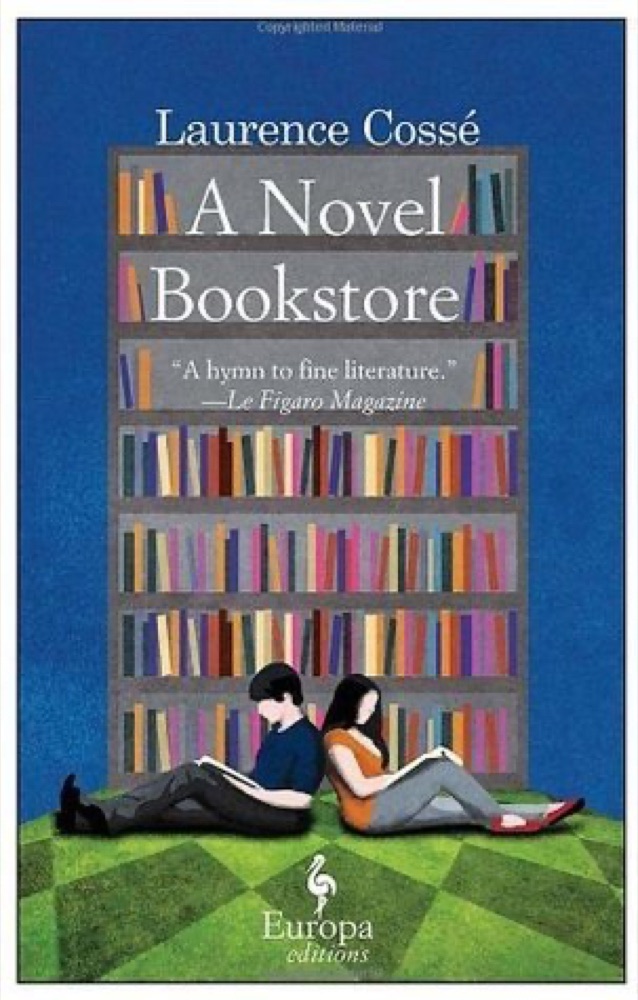
Ivan, a one-time world traveler, and Francesca, a ravishing Italian heiress, are the owners of a bookstore that is anything but ordinary. Rebelling against the business of bestsellers and in search of an ideal place where their literary dreams can come true, Ivan and Francesca open a store where the passion for literature is given free rein. Tucked away in a corner of Paris, the store offers its clientele a selection of literary masterpieces chosen by a top-secret committee of likeminded literary connoisseurs. To their amazement, after only a few months, the little dream store proves a success. And that is precisely when their troubles begin. At first, both owners shrug off the anonymous threats that come their way and the venomous comments concerning their store circulating on the Internet, but when three members of the supposedly secret committee are attacked, they decide to call the p
Book details
- First published
- 2009
- Author
- Laurence Cossé
- Genre
- Fiction
- Goodreads rating
- 3.50 (4k ratings)
Keep reading
The Storied Life of A.J. Fikry
 The Door-to-Door Bookstore
 The Year of Reading Dangerously
 The View from the Cheap Seats: Selected Nonfiction
 Aspects of the Novel
 Parnassus on Wheels
 The City of Dreaming Books
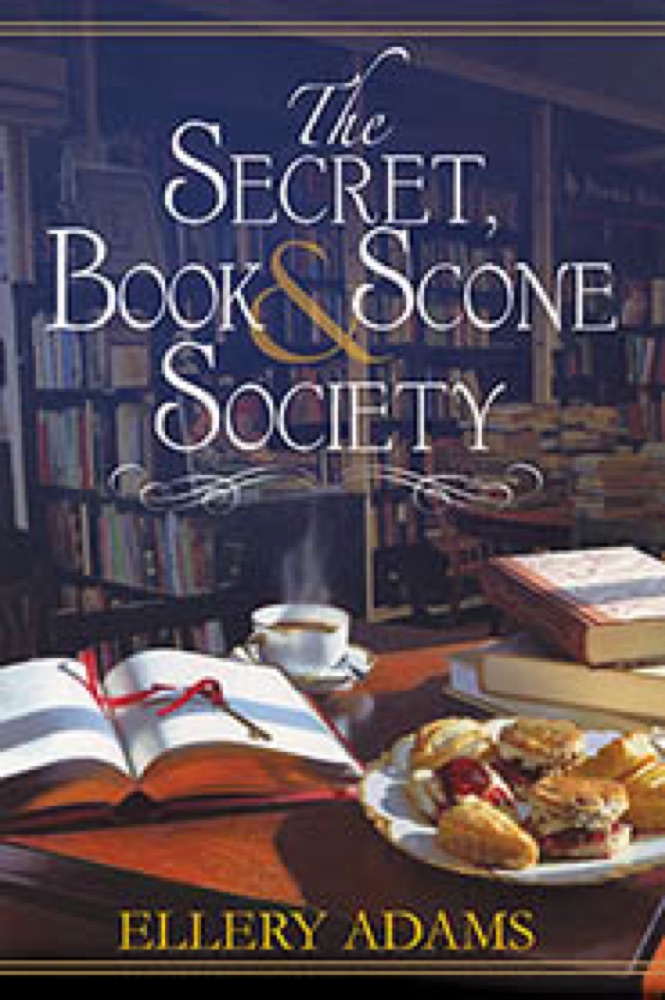 The Secret, Book & Scone Society
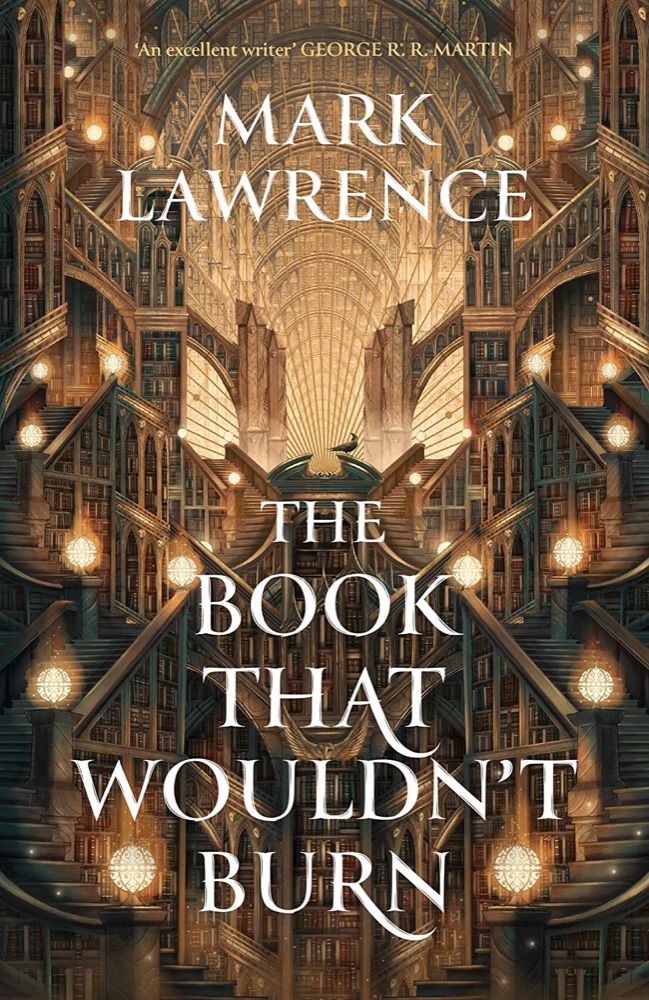 The Book That Wouldn’t Burn
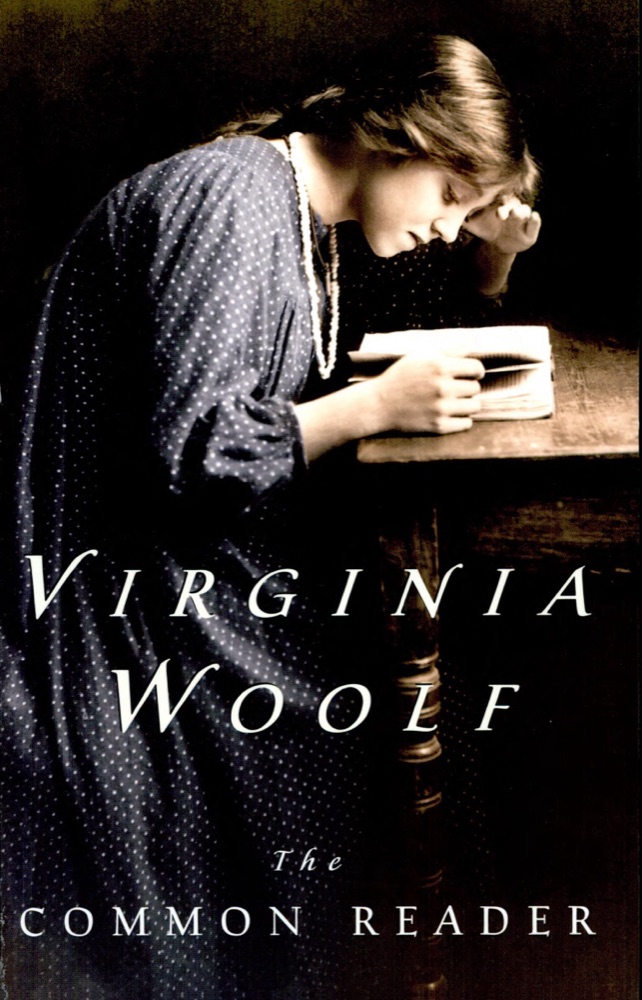 The Common Reader
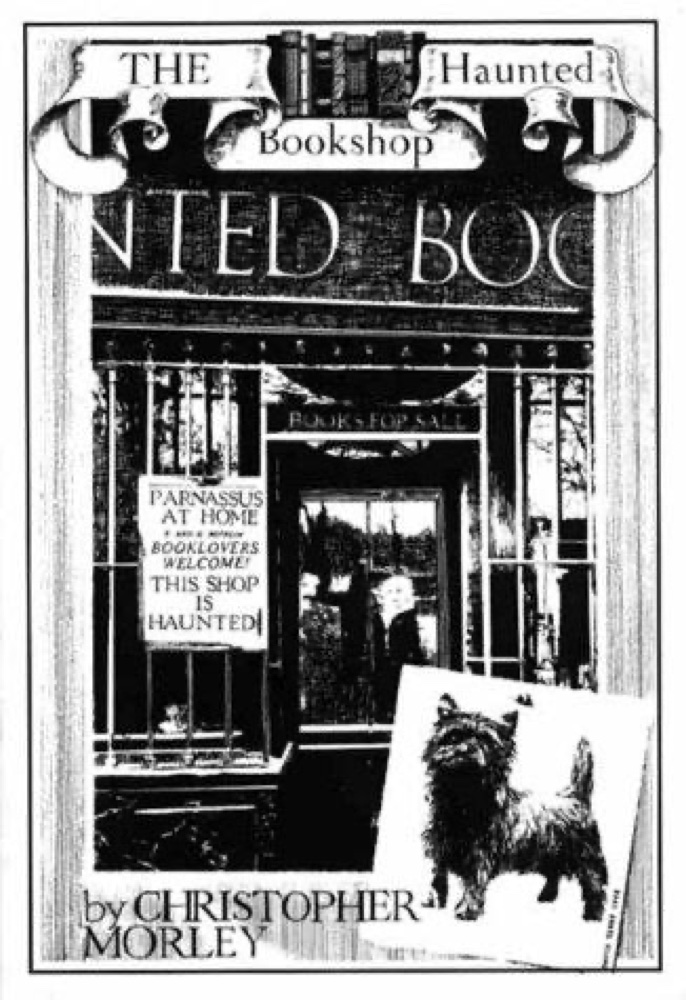 The Haunted Bookshop
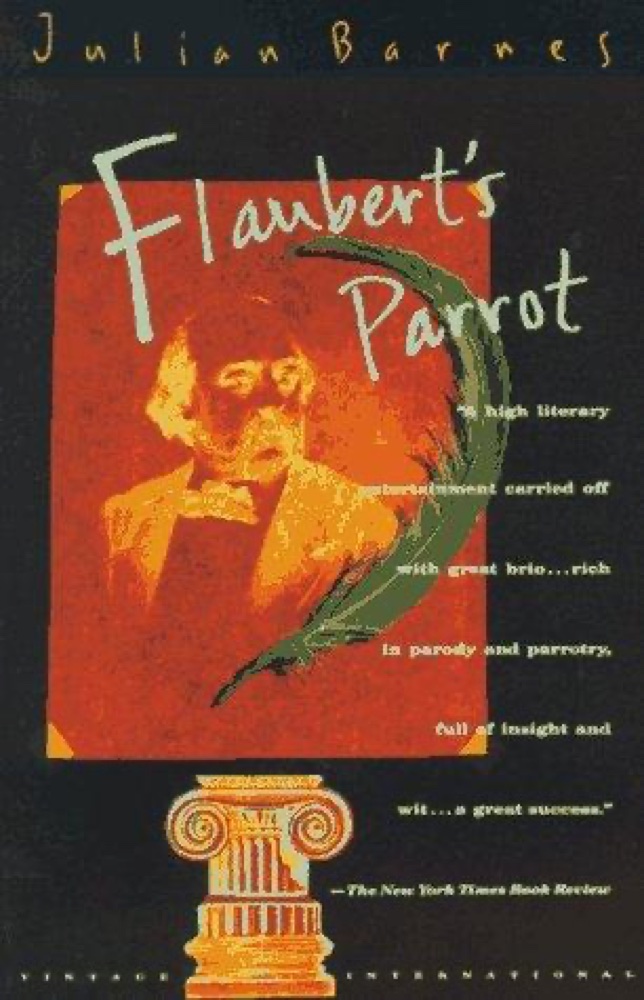 Flaubert's Parrot
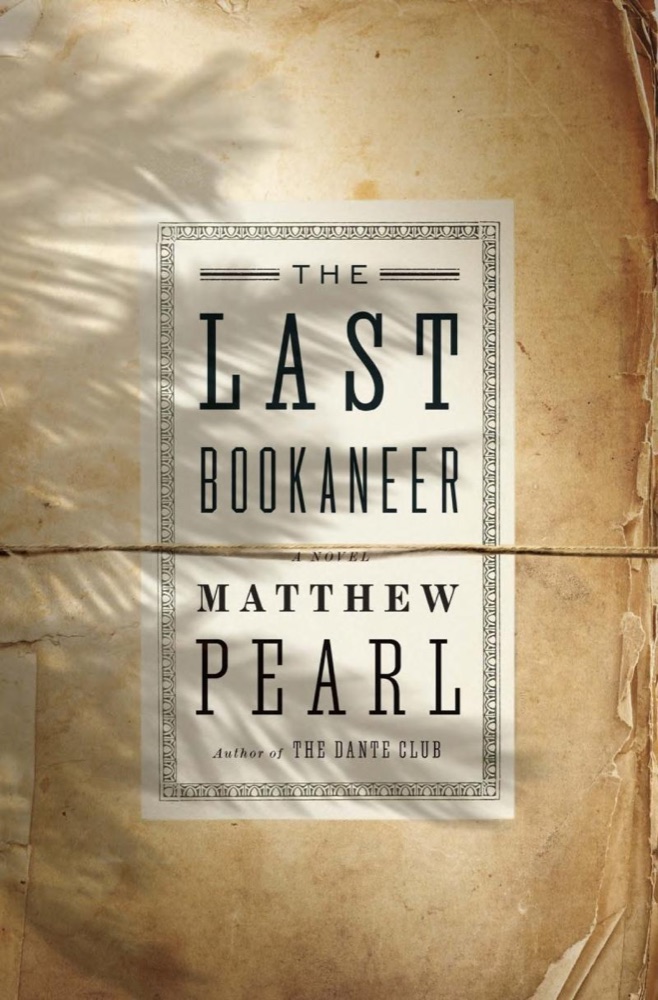 The Last Bookaneer
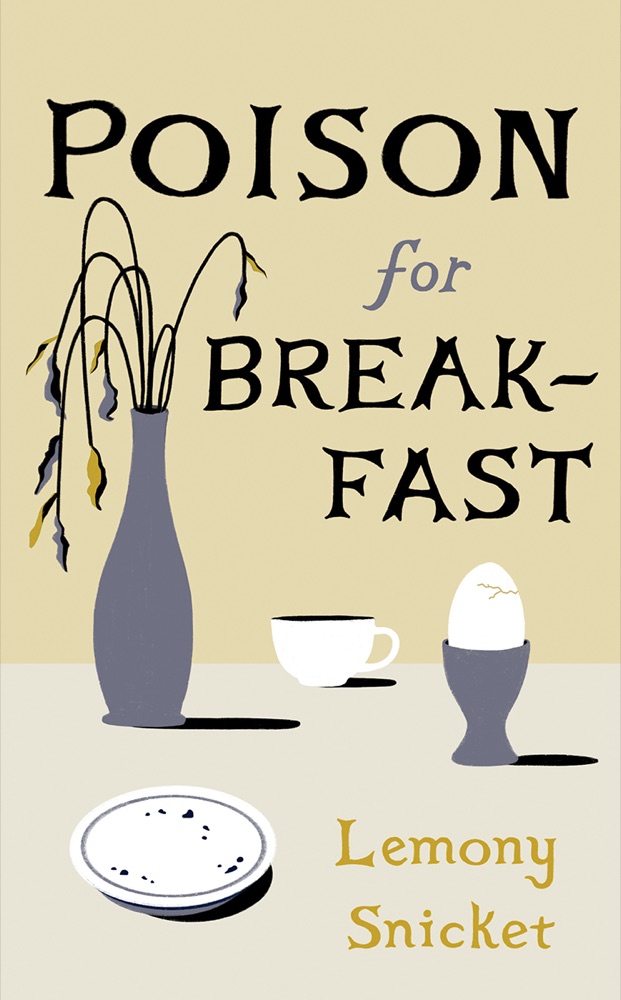 Poison for Breakfast
 The Last Librarian
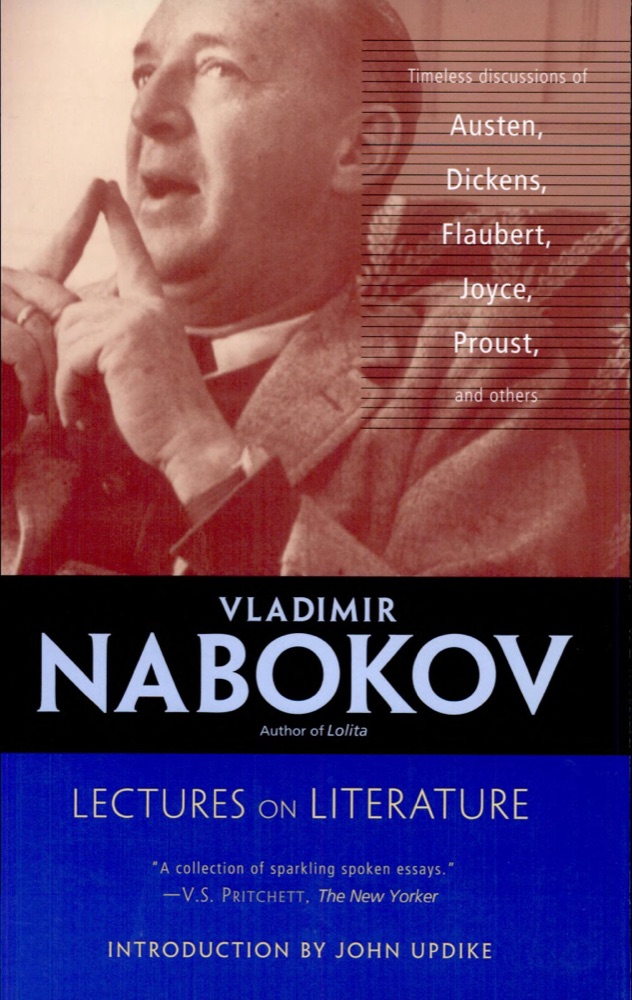 Lectures on Literature
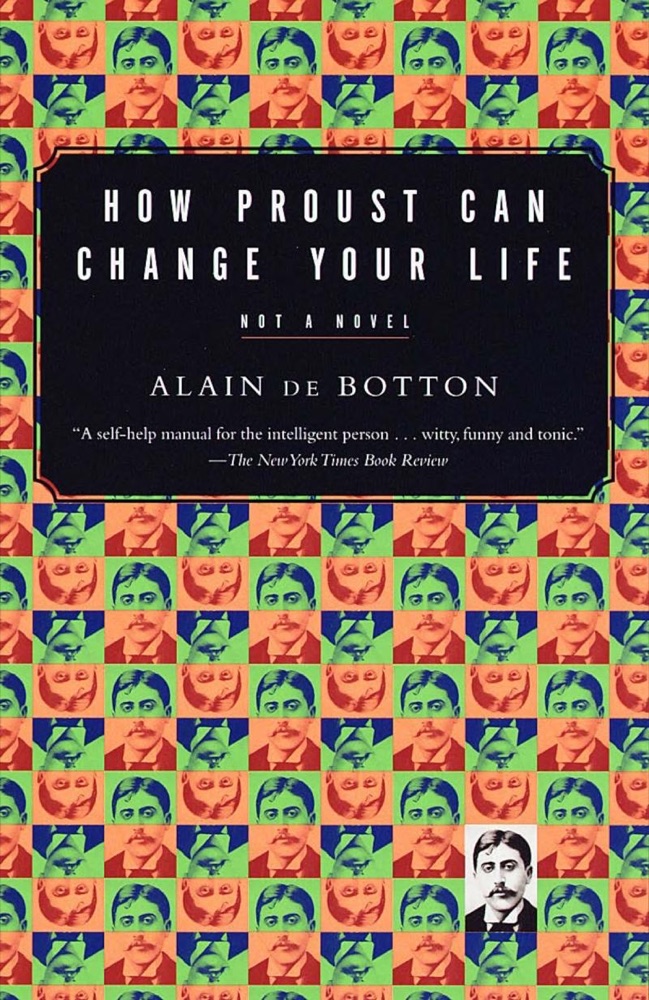 How Proust Can Change Your Life
 Selected Non-Fictions
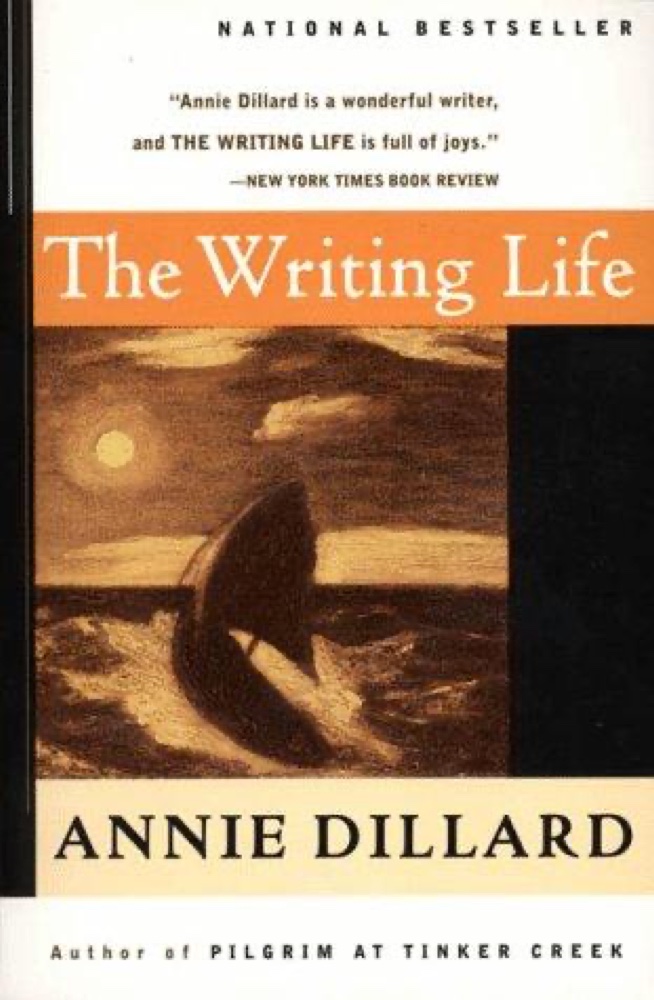 The Writing Life
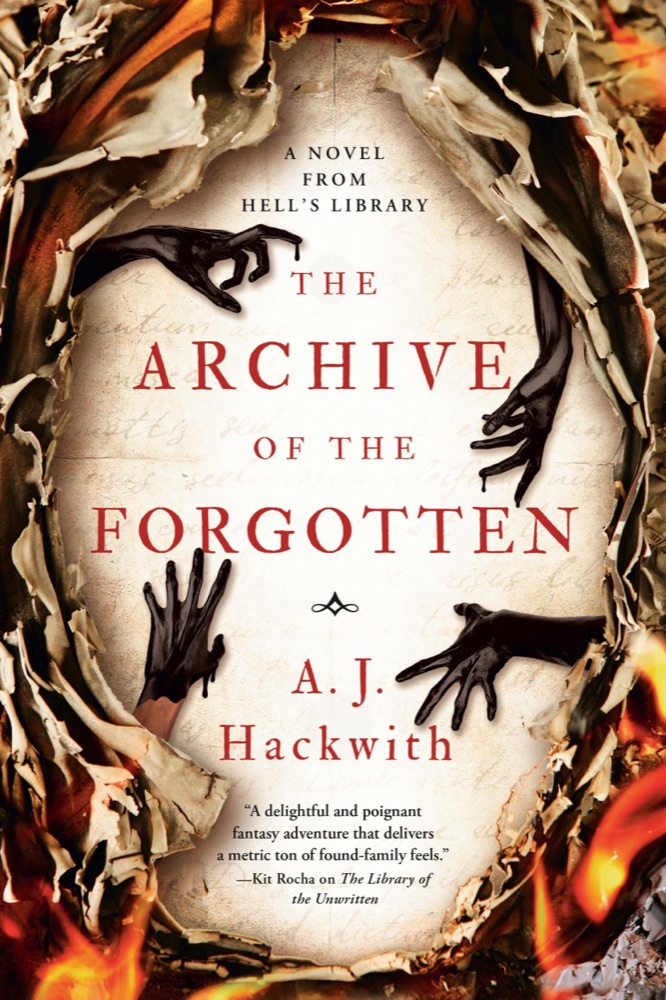 The Archive of the Forgotten
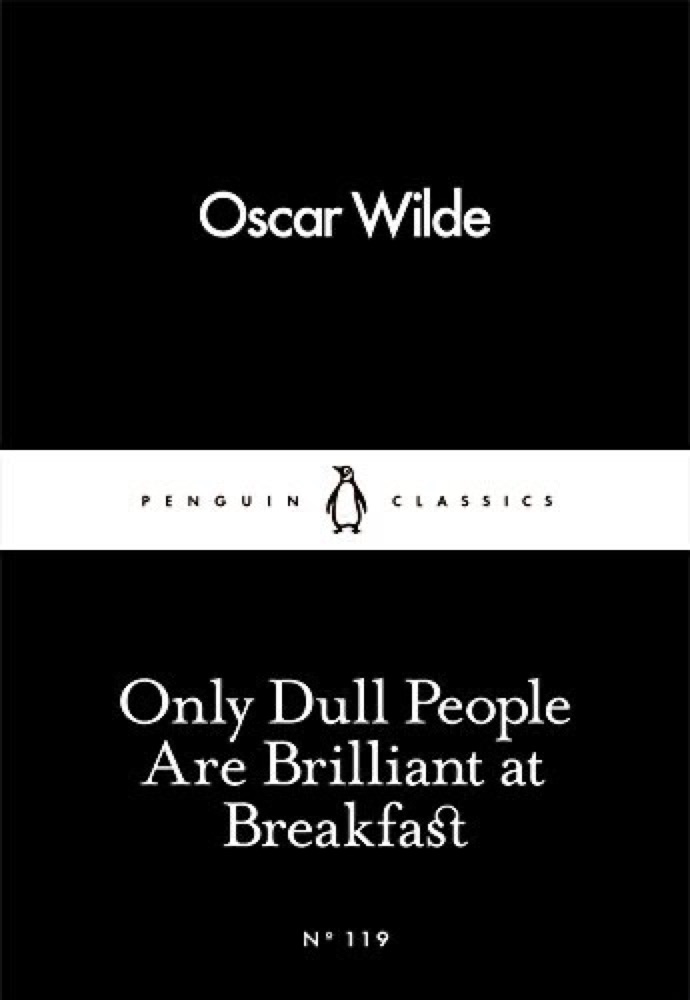 Only Dull People Are Brilliant at Breakfast
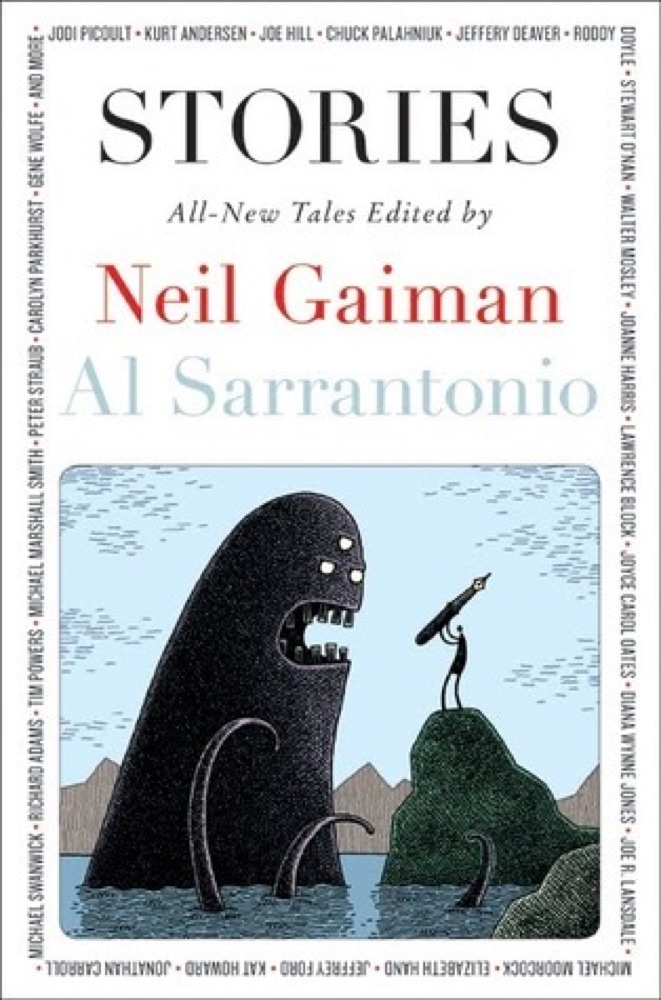 Stories: All-New Tales
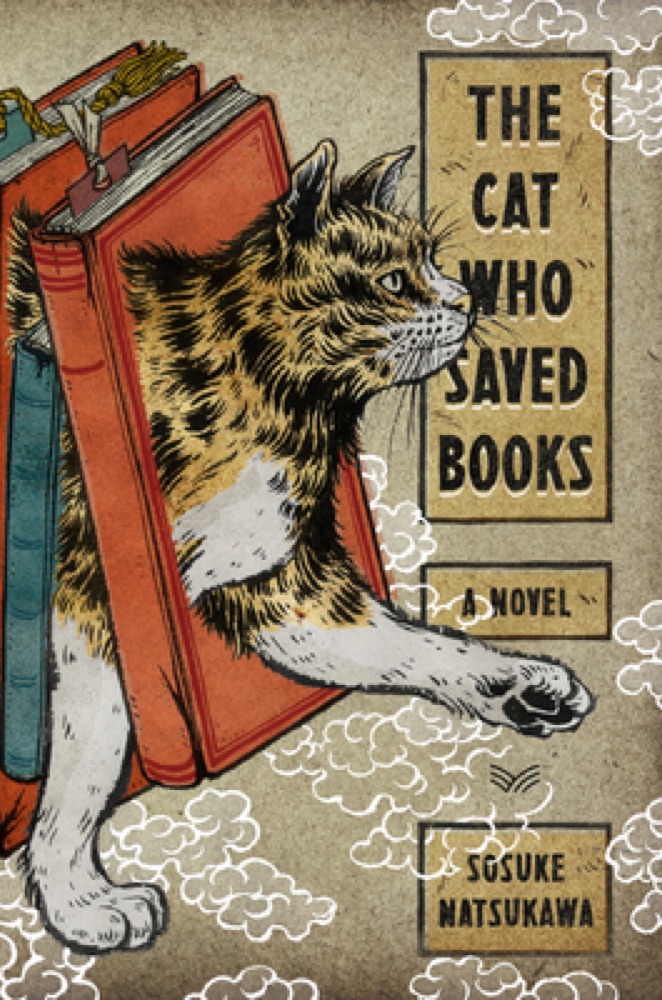 The Cat Who Saved Books
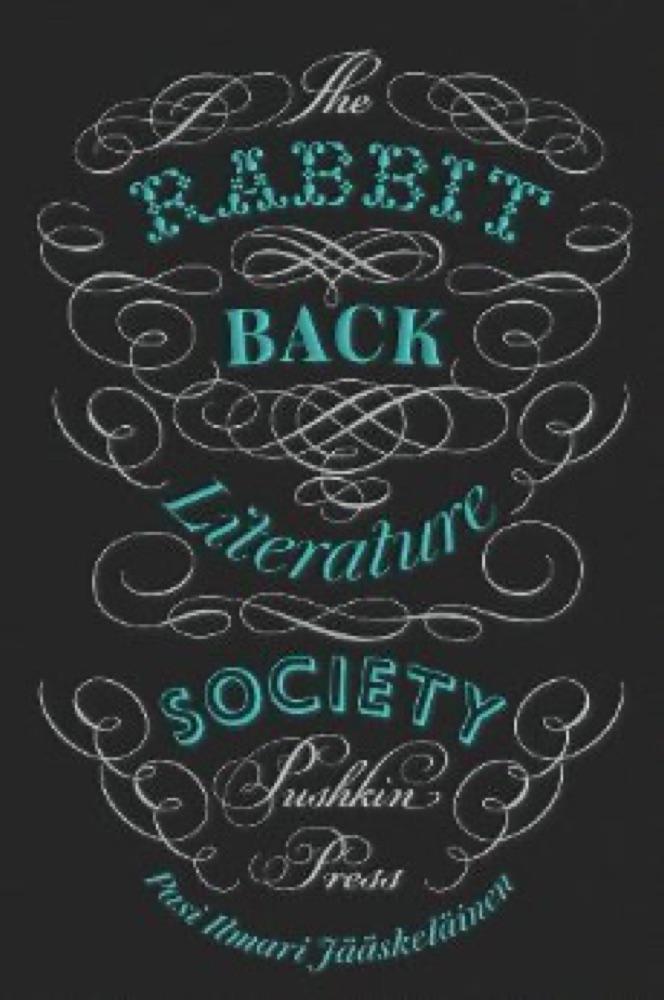 The Rabbit Back Literature Society
 Checkout 19
 The Wave in the Mind: Talks and Essays on the Writer, the Reader and the Imagination
 The Book That Held Her Heart
 How Should One Read a Book?
 Reading Lolita in Tehran: A Memoir in Books
 The Thirteenth Tale
 An Experiment in Criticism
 The Abundance
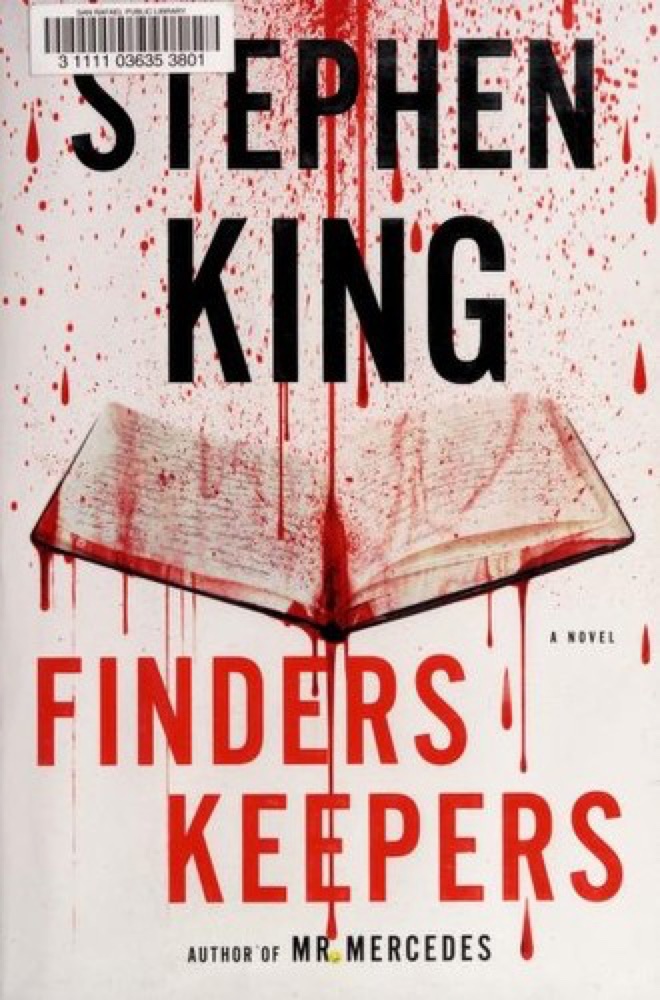 Finders Keepers
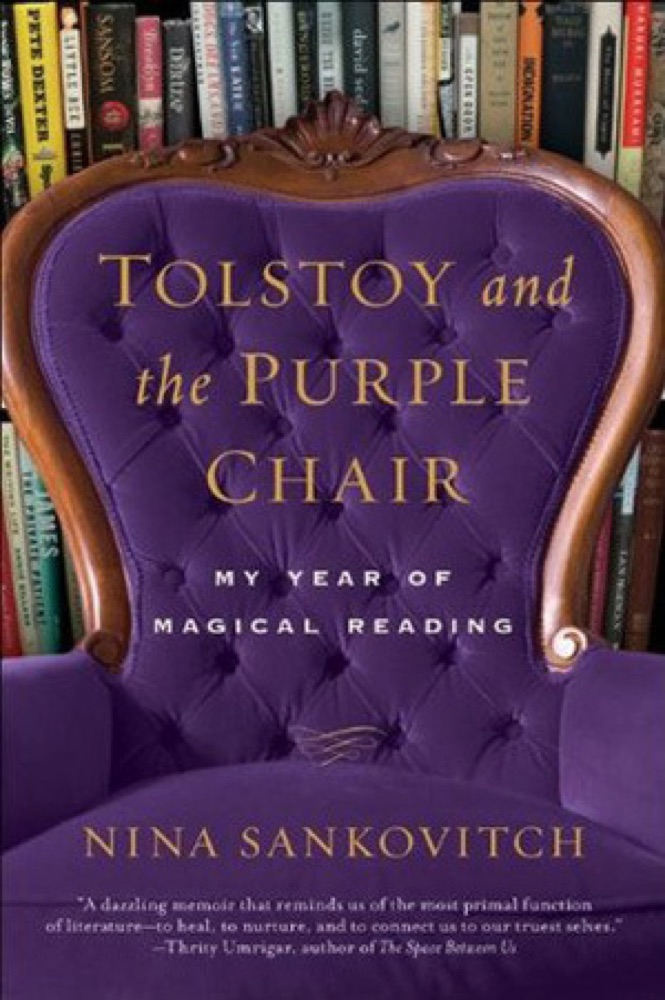 Tolstoy and the Purple Chair: My Year of Magical Reading
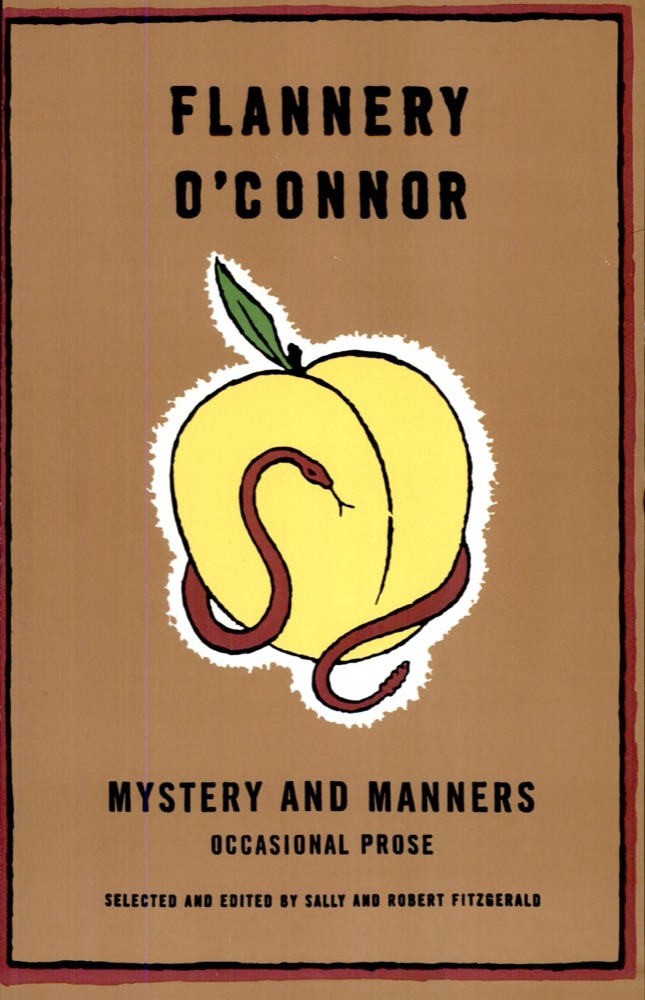 Mystery and Manners: Occasional Prose
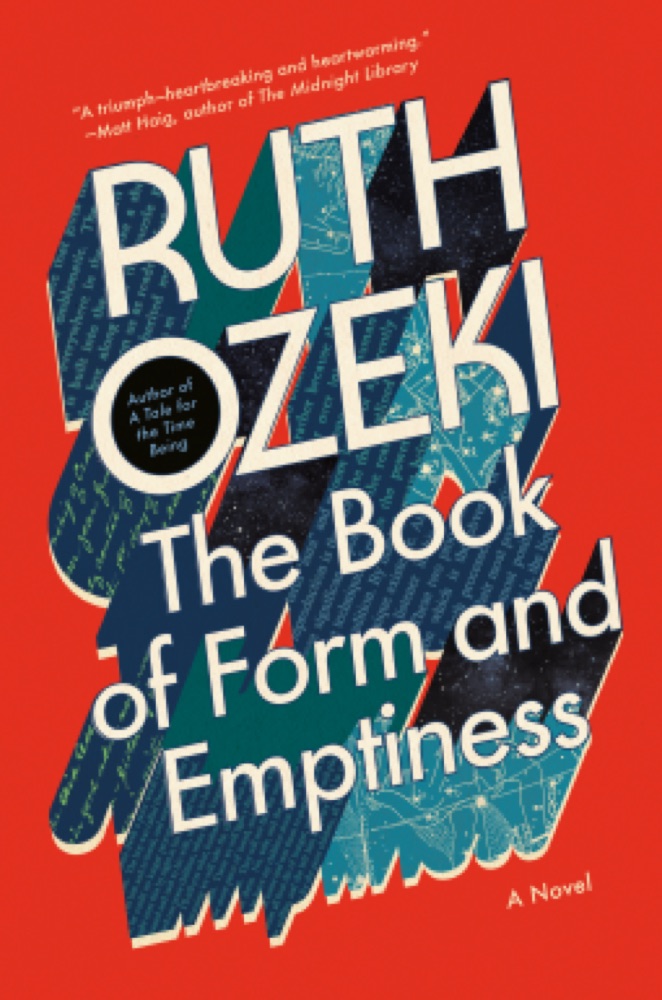 The Book of Form and Emptiness
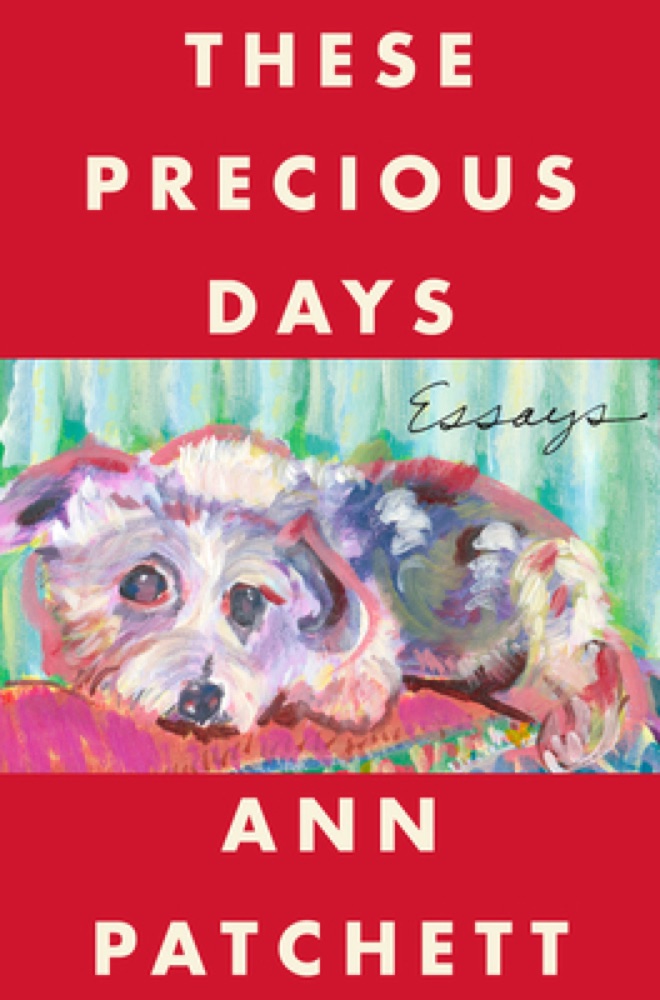 These Precious Days: Essays
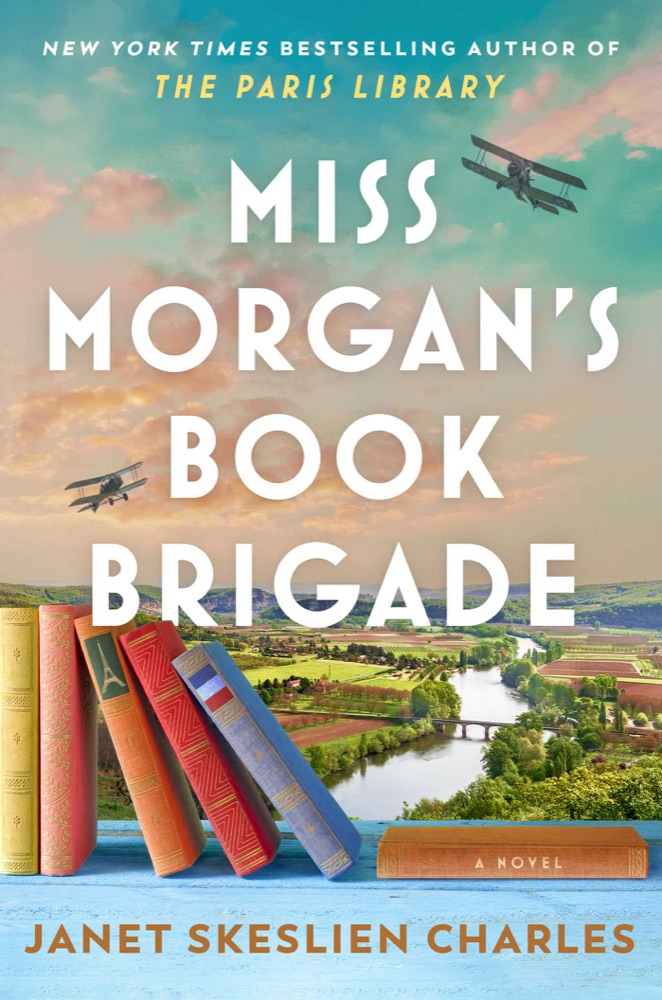 Miss Morgan's Book Brigade
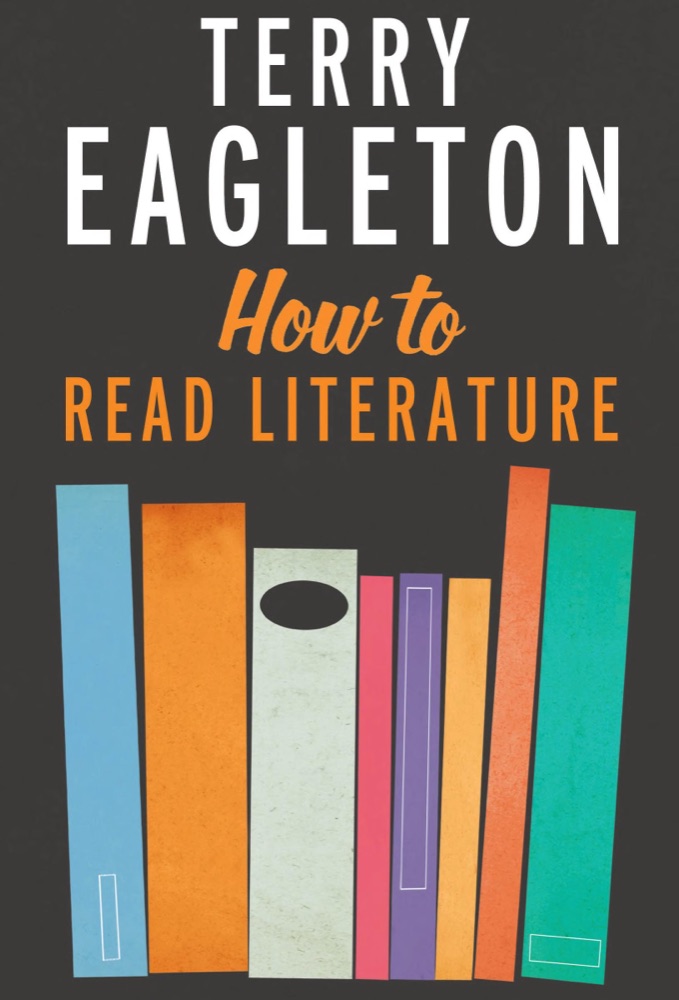 How to Read Literature
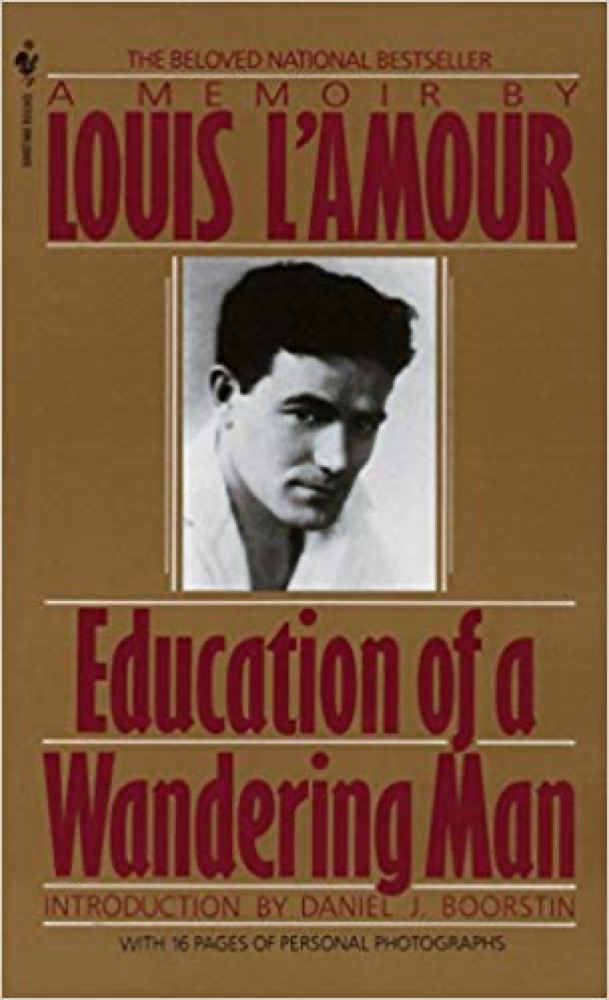 Education of a Wandering Man: A Memoir
 Monday or Tuesday
 Tilly and the Bookwanderers
 The Rent Collector
 If on a Winter's Night a Traveler
 Midnight at the Christmas Bookshop
 Dæmon Voices
 Battle of the Bookstores
 How to Read Literature Like a Professor
 The Unlikely Escape of Uriah Heep
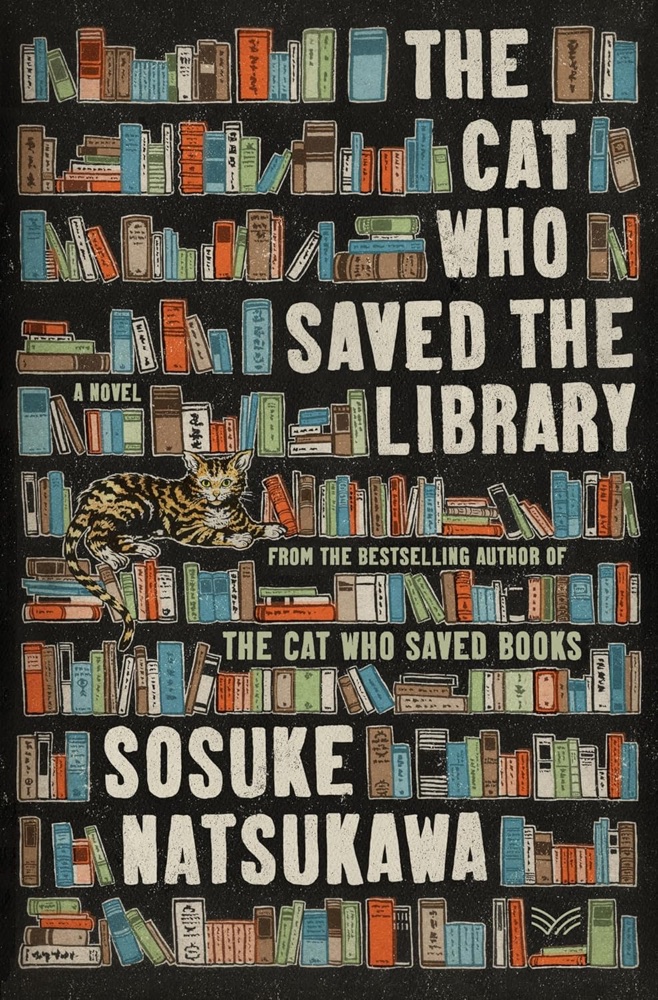 The Cat Who Saved the Library
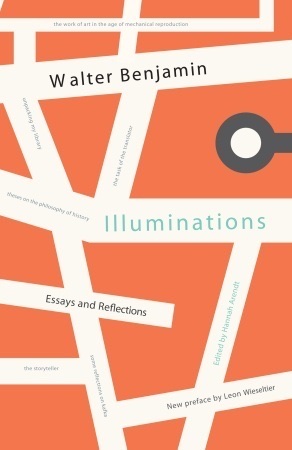 Illuminations: Essays and Reflections
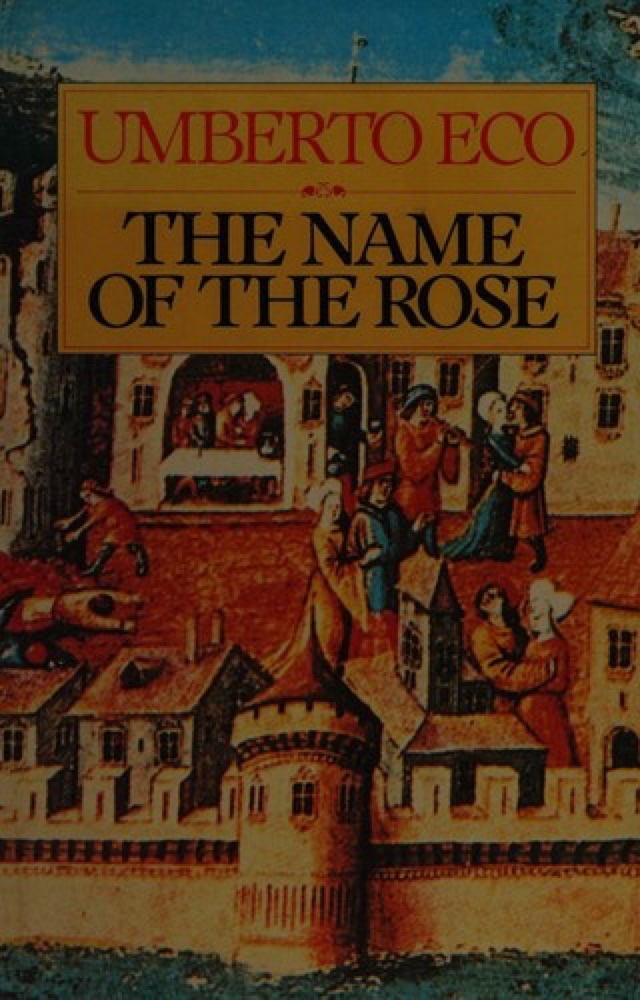 The Name of the Rose
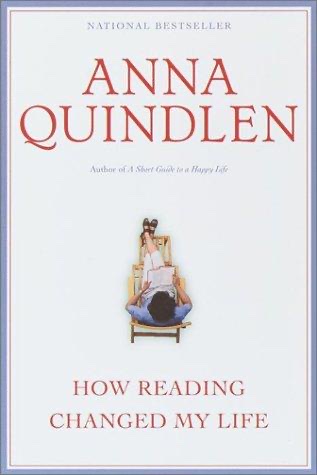 How Reading Changed My Life
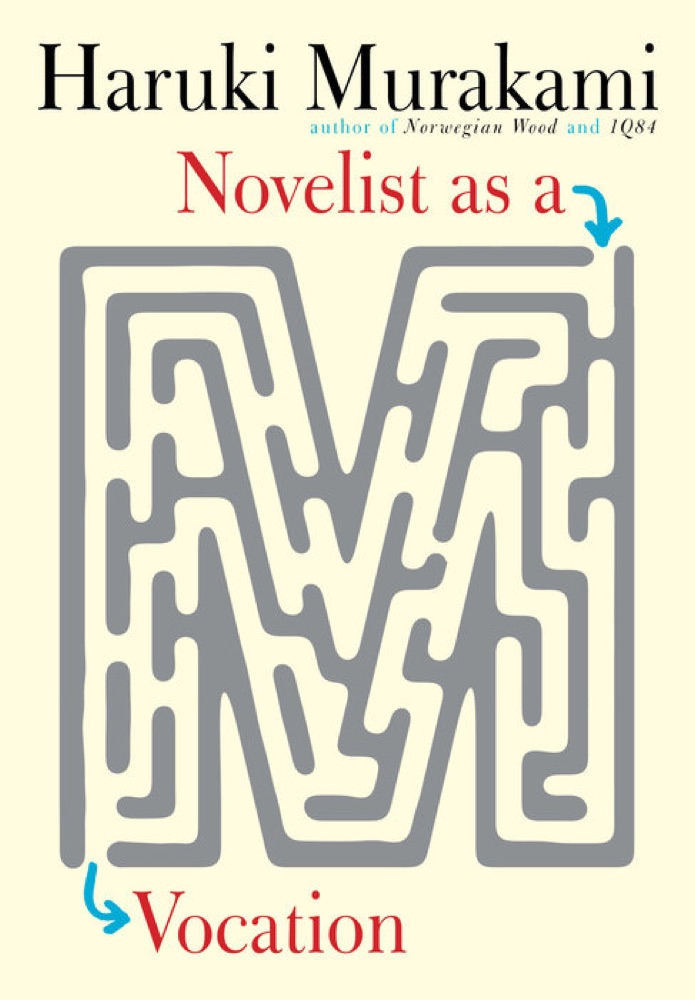 Novelist as a Vocation
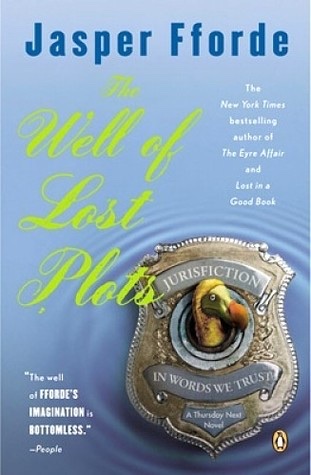 The Well of Lost Plots
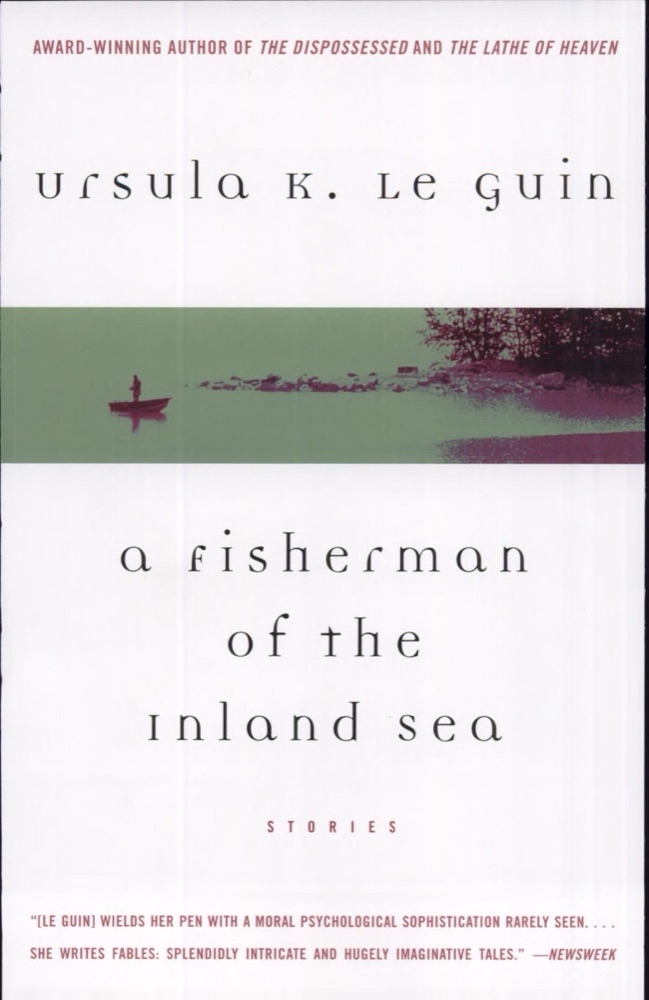 A Fisherman of the Inland Sea
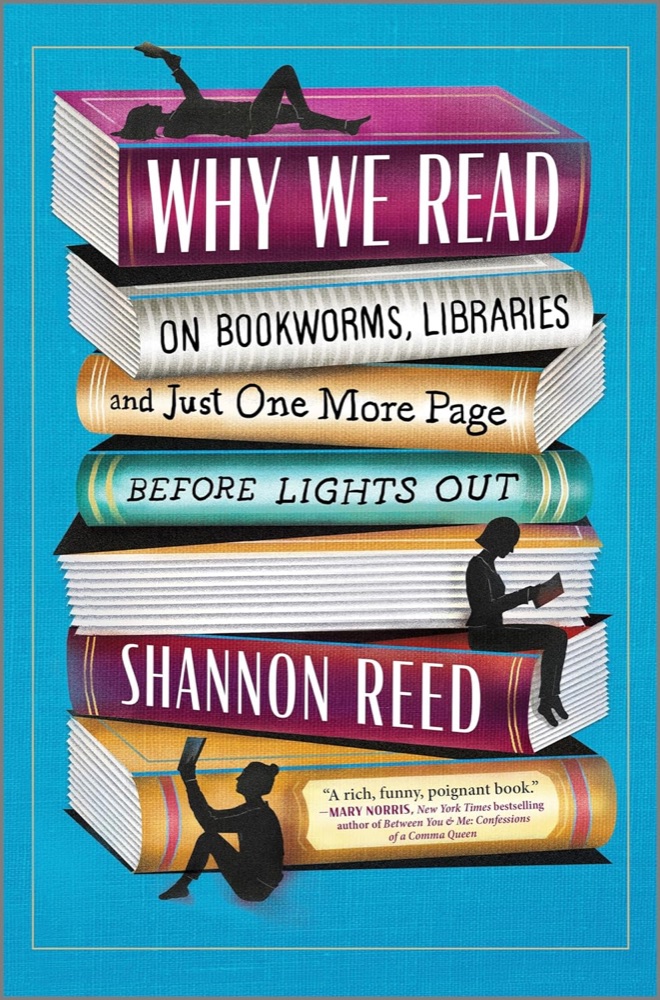 Why We Read: On Bookworms, Libraries, and Just One More Page Before Lights Out
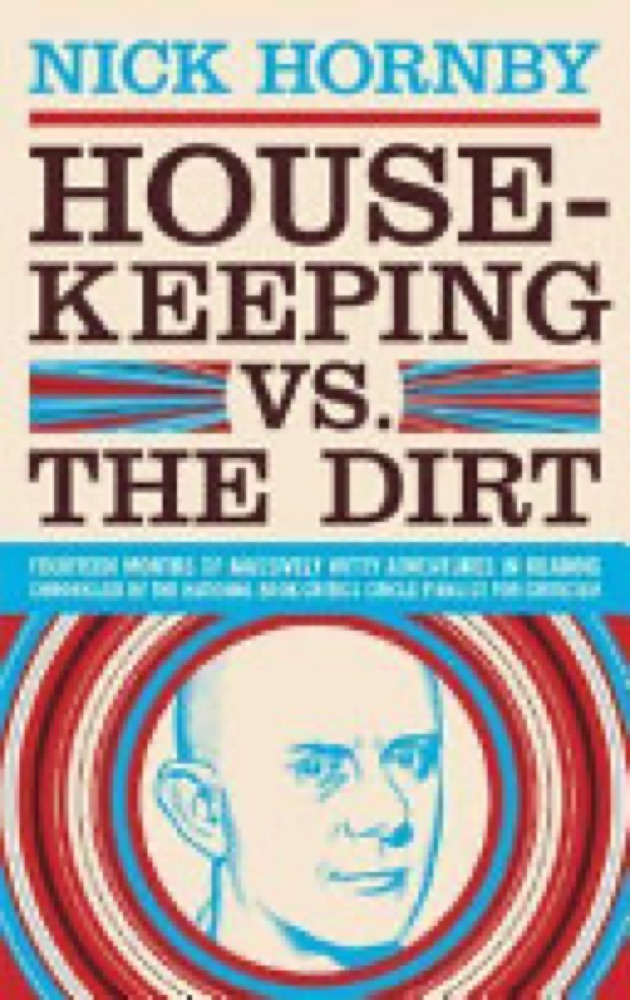 Housekeeping vs. the Dirt
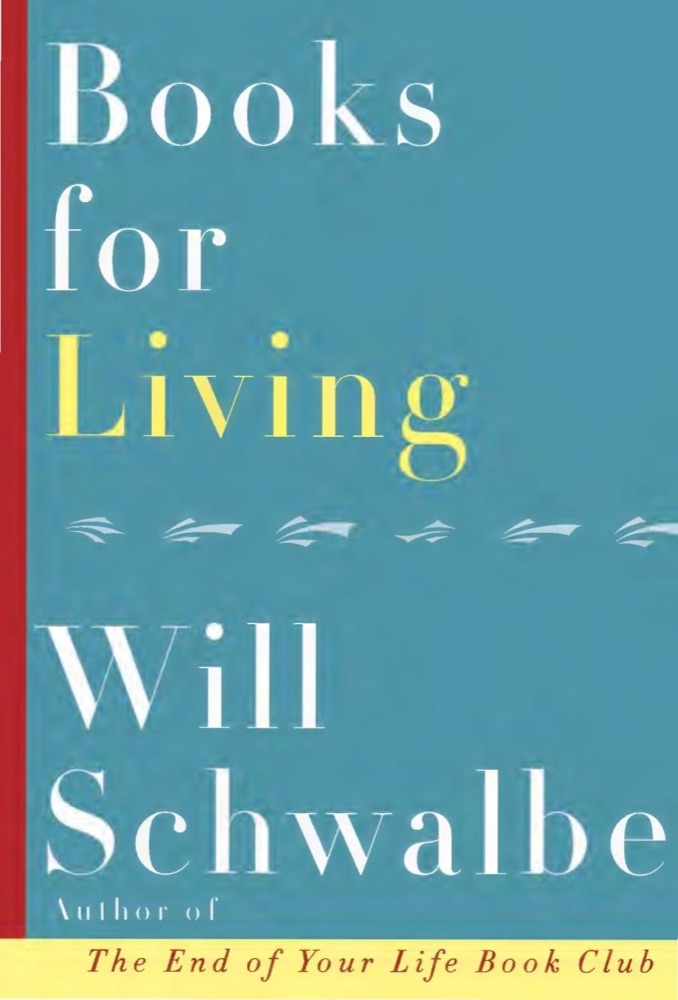 Books for Living
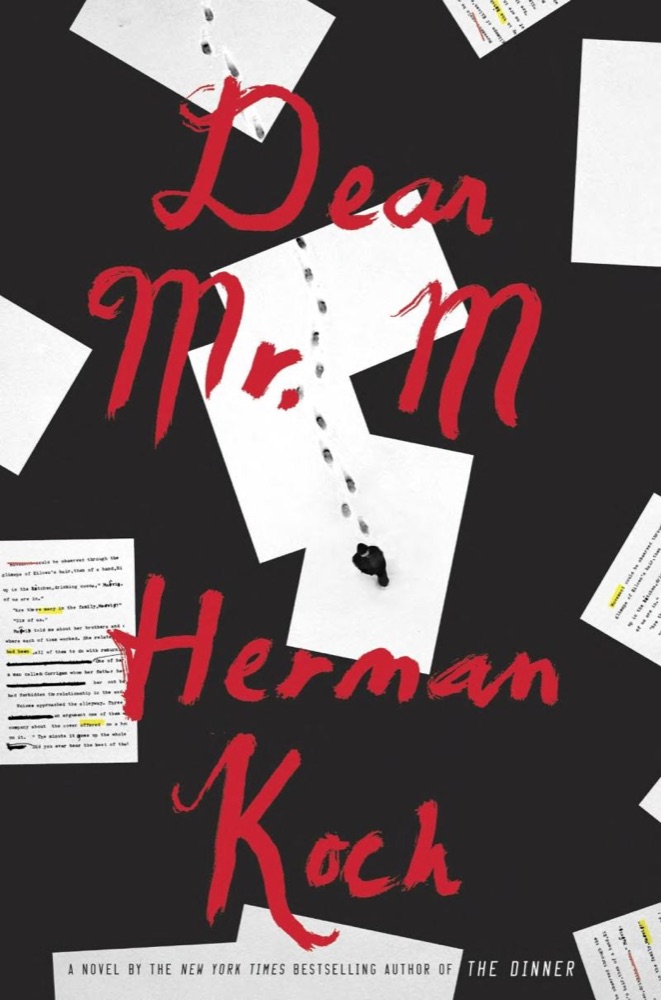 Dear Mr. M