
 America Is Not the Heart
Quotes from the Book
When artists bemoan the rise of political correctness in our cultural discourse, what they’re really bemoaning is the rise of this unexpected reader. They’re bemoaning the arrival of someone who does not read them the way they expect—often demand—to be read; often someone who has been framed in their work and in their lives as an object, not as a subject.
9
[T]he idea that some of us can simply opt out of politics—the idea that politics is something one chooses as a vocation, rather than something we have whether we choose it or not; something that encompasses the inevitable material realities that shape every atom of our lives: where we live, how we work, our relationship to justice—is a fantasy of epic proportions. This kind of nonpolitical storytelling—and the stunted readership it demands—asks us to uphold the lie that certain bodies, certain characters, certain stories, remain depoliticized, neutral, and universal.
9
When white readers claim to be made uncomfortable—as many I heard from claimed—by the presence of something like untranslated words in fiction, what they’re really saying is: I have always been the expected reader. A reader like this is used to the practice of reading being one that may performatively challenge them, much the way a safari guides a tourist through the “wilderness”—but ultimately always prioritizes their comfort and understanding.
7
Willful misreading is a violence. To warp the history of a place to serve one vision of the past—and therefore, preserve a specific vision of the present and future—is an obscenity, and yet we live in obscenities like this every day.
4
It feels impossibly hard and incalculably stupid to commit to that love, to bear it and be borne by it, but that is what I feel—it is the wellspring that reading leads me to, every time. Loving this world, loving being alive in it, means living up to that world; living up to that love. I can’t say I love this world or living in it if I don’t bother to know it; indeed, be known by it. It’s that mutual promise of knowing that reading holds us in—an inheritance that belongs to us, whether we accept it or not. Whether we read its pages or not. This book remains just one small part of that work: that inheritance, and that love.
3
How to we hold ourselves accountable -- the root of the word accountable meaning: how do we let the story of ourselves be told? How do we hold ourselves accountable to the things we've received and internalize: the knowledges and the unknowledges, the narratives, silences, and silences, that particularities? To hold ourselves accountable -- to truly hold ourselves, within the depth and vastness of our stories, and remain there, in their thrumming inconsolability-meaning that in our art, we bring to bear not our most powerful, authoritative, intelligent selves, but our most particular, our most precarious, our most dependent selves.
2
I’ve very often seen successful people of color framing their experiences of being the only person of color in their classrooms as narratives about struggle, rather than also being narratives about class and power;
2
I wanted to write about the reading culture I was seeing: the way it instrumentalized the books of writers of color to do the work that white readers should have always been doing themselves; the way our reading culture pats itself on the back for producing “important” and “relevant” stories that often ultimately reduce communities of color to their most traumatic episodes, thus creating a dynamic in which predominantly white American readers expect books by writers of color to “teach” them specific lessons—about historical trauma, farflung wars, their own sins—while the work of predominantly white writers gets to float, palely, in the culture, unnamed, unmarked, universal as oxygen.
2
Park reminds us that justice and violence are temporary friends, and that what actually makes justice meaningful are the same things that make life meaningful: love, repair, intimacy, connections, solidarity and the promise of the daily.
1
Monumentalizing is already an act of editing (And censoring) the past; it already allows us to pretend to have a different history. Those statues don't just teach us about our past -- they teach us how to read our past, and thereby how to live in our present.
1
The logic of empathy would have us believe so: it would have us believe that other people tell stories, which are there to make us feel things, the line between the two neatly delineated. The logic of empathy says "I felt your pain" but the logic of inheritance knows this transaction has always been corrupt at its core. The story I'm tell is not just something for you to feel sympathy for, rage against, be educated by: it's a story about you, too. This work has left a will, and we are all of us named in it: the inheritances therein belong to every ready, every writer, every citizen. So too, the world we get to make from it.
1
That our lives are often incomprehensible to us is not just a human fact, part of the mystery of being alive, the mystery of being in the world—it’s also a fundamental part of colonialism’s legacy.
1
The unfortunate influence of this style of reading has dictated that we go to writers of color for the gooey heart-porn of the ethnographic: to learn about forgotten history, harrowing tragedy, community-destroying political upheaval, genocide, trauma; that we expect those writers to provide those intellectual commodities the way their ancestors once provided spices, minerals, precious stones, and unprecious bodies.
1
Our practice taught me most of all to read like a free, mysterious person who was encountering free, mysterious things; to value the profound privacy and irregularity of my own thinking; to spend time in my head and the heads of others, and to see myself shimmer in many worlds—to let many worlds shimmer, lively, in me.
1
I realize now that being an unexpected reader has turned out to be the most valuable gift of my intellectual life. The fact that I was an unexpected reader—an interloper, in so many worlds—meant that I was very rarely in any assumed complicity with a writer or the world she created. It meant that I was almost always lost, and always foreign, and always had to make my way through with the only tool I had: continuing to read.
1
Being capable of engaging with both Austen’s work and the historical realities of its time period is not a mutually exclusive exercise, but a mutually formative one, the very stuff of being a reader in the first place. To insist otherwise only reinforces the false universalizing of our art that Morrison once called tantamount to a lobotomizing of our art. The people who think that upholding a heavily edited and whitewashed truth about an author’s historical context is the only viable way to truly protect and honor that author’s work, are in fact protecting and honoring something else entirely.
But what I thought then, and what I still think now, is this: the way we read now is, by and large, morally bankrupt and indefensible, and must change immediately, because we are indeed failing not just our writers and ourselves, but more pressingly our future—which will never look any different from our current daily feed of apocalypse if we don’t figure out a different way to read the world we live
wanted to write about the reading culture I was seeing: the way it instrumentalized the books of writers of color to do the work that white readers should have always been doing themselves; the way our reading culture pats itself on the back for producing “important” and “relevant” stories that often ultimately reduce communities of color to their most traumatic episodes, thus creating a dynamic in which predominantly white American readers expect books by writers of color to “teach” them specific lessons—about historical trauma, far-flung wars, their own sins—while the work of predominantly white writers gets to float, palely, in the culture, unnamed, unmarked, universal as oxygen.
The history of the word treaty begins with a violence, which then moves through something that deals with it—often writing. After which comes something like: healing. A remedy. All writing, then, and all art, is a kind of treaty—between the reader and the writing, between the art and the world, between the fire of the past that burnished us and the fire of the present that consumes us and the fire of the future we might forge. Honor the treaty. THE LIMITS OF WHITE FANTASY
Where are the monuments to the enslaved people who built the wealth Britain benefits from today or the indigenous peoples in the Caribbean who were massacred and dispossessed of their lands to create sugar plantations for European enjoyment? Where are the monuments to the Windrush generation that—like the Turkish Gastarbeiter in Germany, or North African workers in France—helped rebuild postwar Britain, yet decades later were wrongly detained, denied legal rights and benefits (such as medical care and housing), and threatened with deportation (with at least eighty-three individuals wrongly deported) by Britain's Conservative government, in what became known as the Windrush scandal in 2018? Where is the seemingly ferocious commitment to not editing or censoring when it comes to those figures? Where is that much-romanticized—and much-instrumentalized—love of history when it comes to understanding just whom that history is actually built and peopled by?
When we say we know what a monster is, when we say we know what a hero is, how do we come to know those things? What does the knowledge permit us to believe about our world, and how does that knowledge shape howe live in that world, let alone how we read and write in it?
I know there is a material difference between the politicized intellectual silence of a writing classroom or a literary reader and an institution's bureaucratic silence in the face of widespread sexual harassment of its students. They are not the same violence - but they are kindred. One silences the art; one silences the person who might make the art. And when the two are combined and given institutional power and status, those violences become environmental; they become a culture.
Writing like Didion's doesn't actually ever want to think of the "I" as made up of its inheritances, because then it would have to think of "I" as also made up of its indebtedness. And if the settler colonial "I" was ever tasked to focus on its debts rather than its dread, the whole tawdry American story would collapse in on itself.
Books will always have a certain historical pride of place in my life -- but it's also because of books that reading can have a more expansive meaning in that life, both practically and politically.
When I talk about how to read now, I'm not just talking about how to read books now; I'm talking about how to read the world now. How to read film, TV shows, our history, each other. How to dismantle the forms of interpretation we've inherited; how those ways of interpreting are everywhere and unseen.
What’s the alternative? Those who think that a core task of art is political instruction or moral uplift will wind up with some version of socialist realism or religious dogma. And those who think that the worth of art must be judged according to the moral and political commitments of its creator ultimately consign all art to the dustbin, since even the most avant-garde artists are creatures of their time.
All the “representation matters” rhetoric in the world means nothing if we do not address the fundamentally fucked-up relationship between writers of color and white audiences that persists in our contemporary reading culture.
About Elaine Castillo
We have collected 53 quotes from 2 books by Elaine Castillo on BookQuoters.
More about the author →More by Elaine Castillo
America Is Not the Heart
About the book
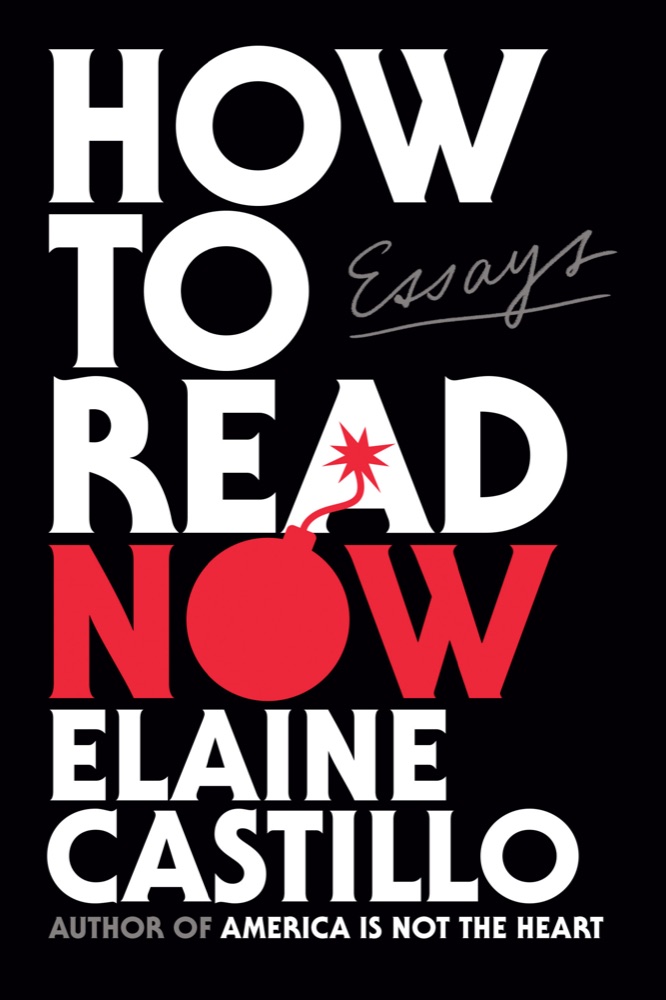
How to Read Now explores the politics and ethics of reading, and insists that we are capable of something better: a more engaged relationship not just with our fiction and our art, but with our buried and entangled histories. Smart, funny, galvanizing, and sometimes profane, Castillo attacks the stale questions and less-than-critical proclamations that masquerade as vital discussion: reimagining the cartography of the classics, building a moral case against the settler colonialism of lauded writers like Joan Didion, taking aim at Nobel Prize winners and toppling indie filmmakers, and celebrating glorious moments in everything from popular TV like The Watchmen to the films of Wong Kar-wai and the work of contemporary poets like Tommy Pico.
At once a deeply personal and searching history of one woman's reading life, and a wide-ranging and urgent intervention into our globalized conversa
Book details
- First published
- 2022
- Author
- Elaine Castillo
- Genre
- Nonfiction
- Goodreads rating
- 3.99 (2k ratings)
Keep reading
 The View from the Cheap Seats: Selected Nonfiction
 The Wave in the Mind: Talks and Essays on the Writer, the Reader and the Imagination
 Dæmon Voices
 How to Read Literature
 Read Dangerously: The Subversive Power of Literature in Troubled Times
 The Source of Self-Regard: Selected Essays, Speeches, and Meditations
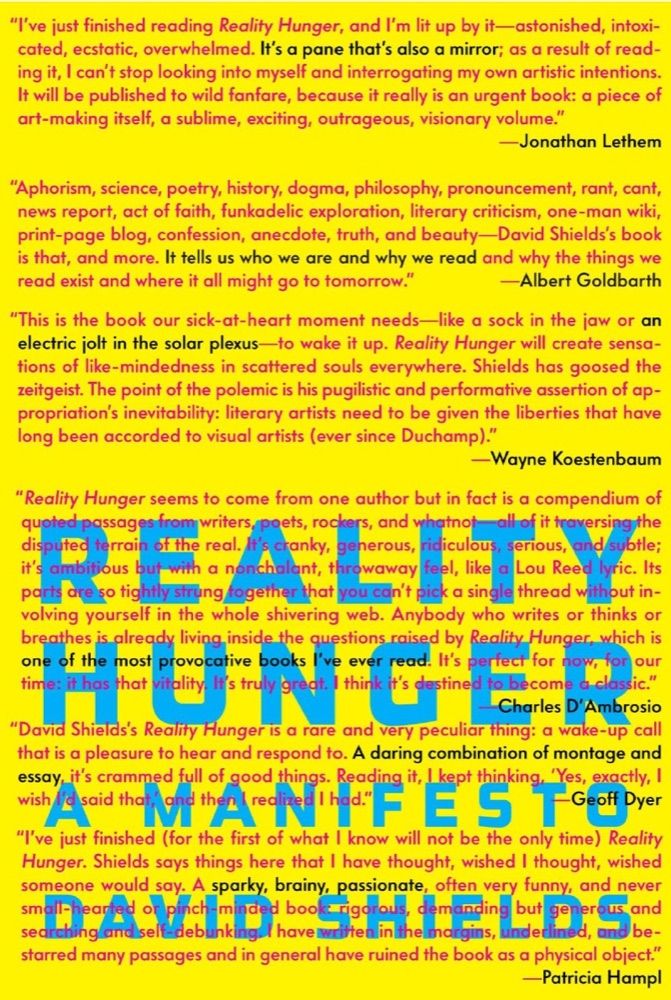 Reality Hunger: A Manifesto
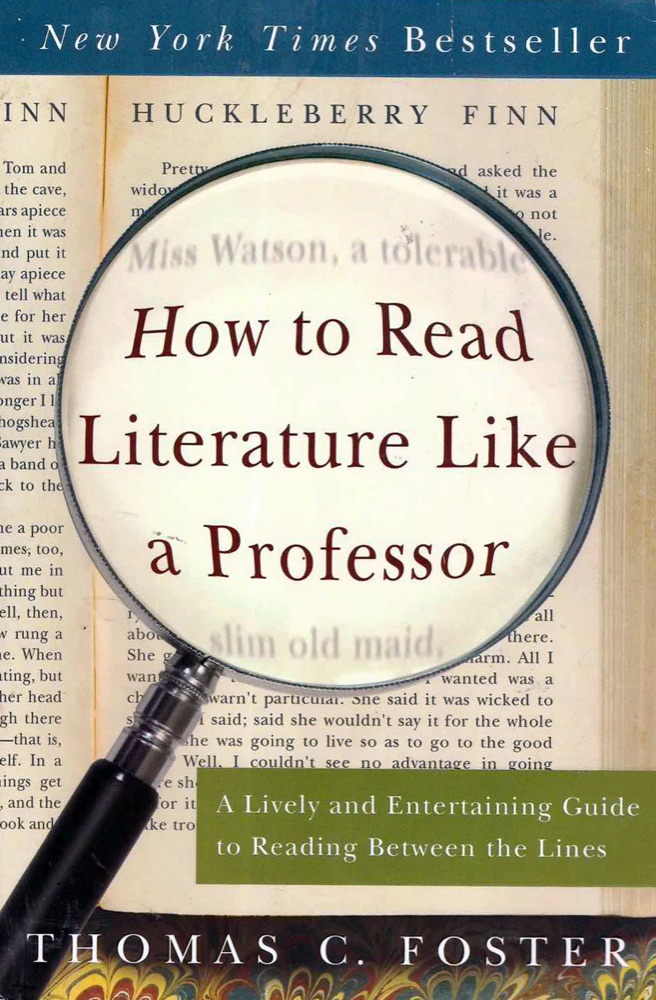 How to Read Literature Like a Professor
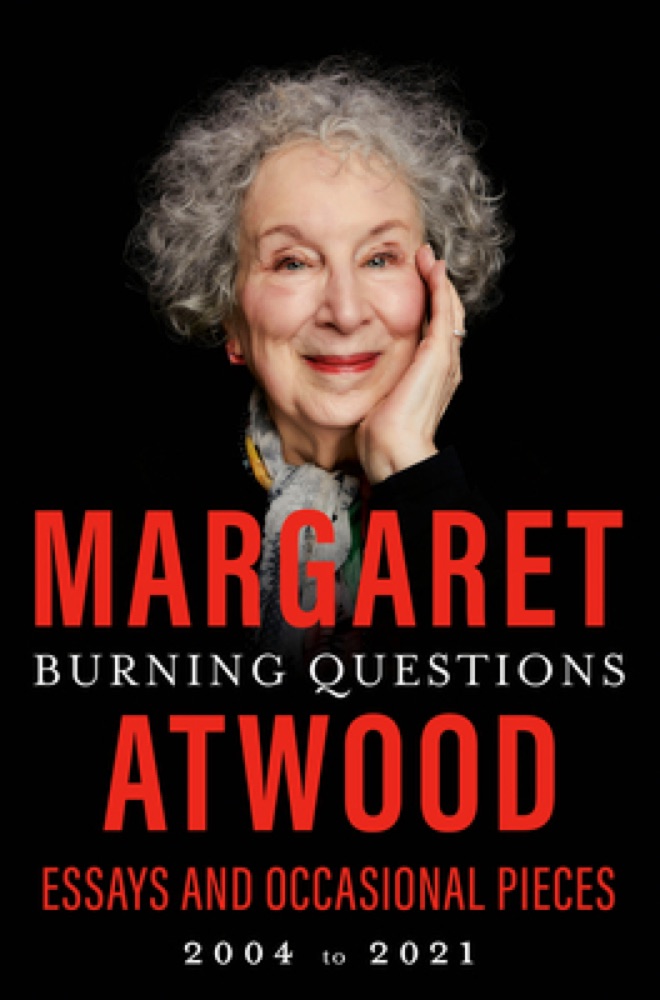 Burning Questions: Essays and Occasional Pieces, 2004 to 2021
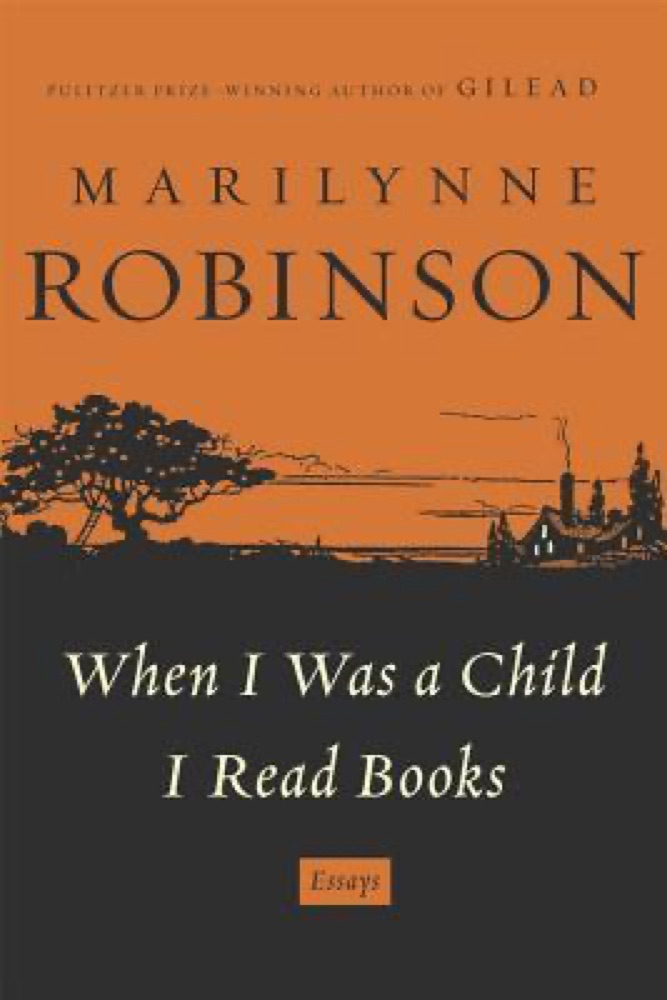 When I Was a Child I Read Books
 The Year of Reading Dangerously
 Body Work: The Radical Power of Personal Narrative
 An Experiment in Criticism
 The Language of the Night: Essays on Writing, Science Fiction, and Fantasy
 Negotiating with the Dead: A Writer on Writing
 Well-Read Black Girl: Finding Our Stories, Discovering Ourselves
 What We See When We Read
 The Message
 Reader, Come Home: The Reading Brain in a Digital World
 The Book That Wouldn’t Burn
 Lectures on Literature
 Monsters: A Fan's Dilemma
 Literary Theory: An Introduction
 Reading Lolita in Tehran: A Memoir in Books
 Reading Like a Writer: A Guide for People Who Love Books and for Those Who Want to Write Them
 How Should One Read a Book?
 Illuminations: Essays and Reflections
 The Archive of the Forgotten
 Mystery and Manners: Occasional Prose
 The Librarian of Burned Books
 Suggested Reading
 The Book of Form and Emptiness
 How to Be Alone
 Aspects of the Novel
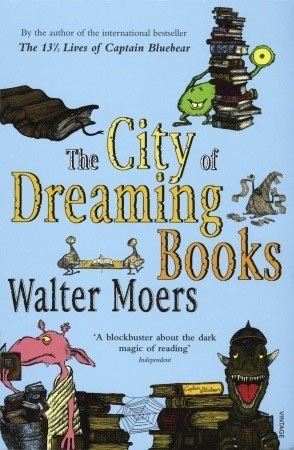 The City of Dreaming Books
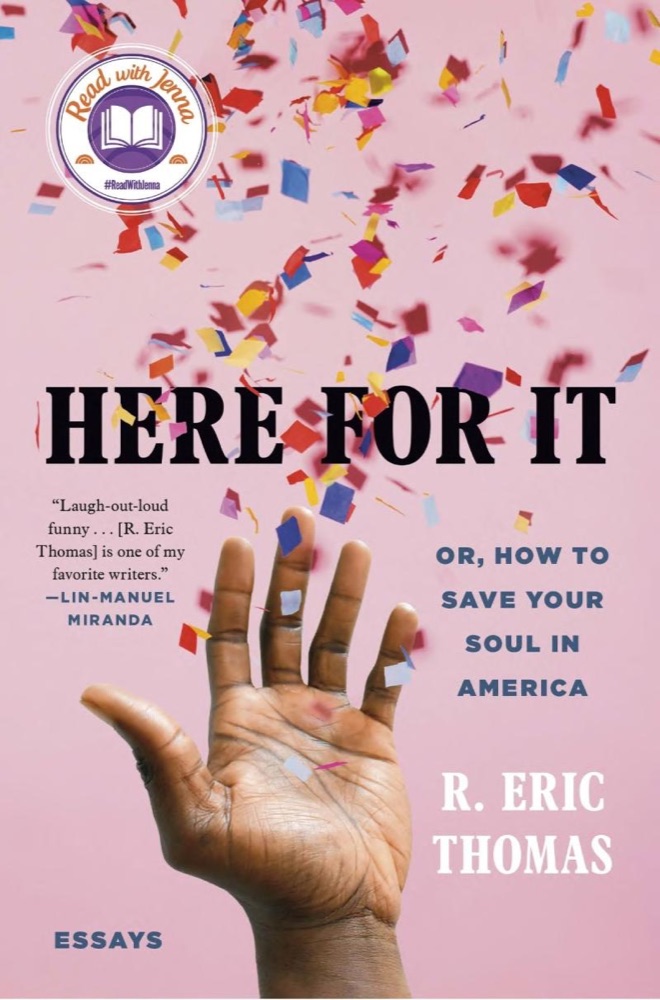 Here for It; Or, How to Save Your Soul in America: Essays
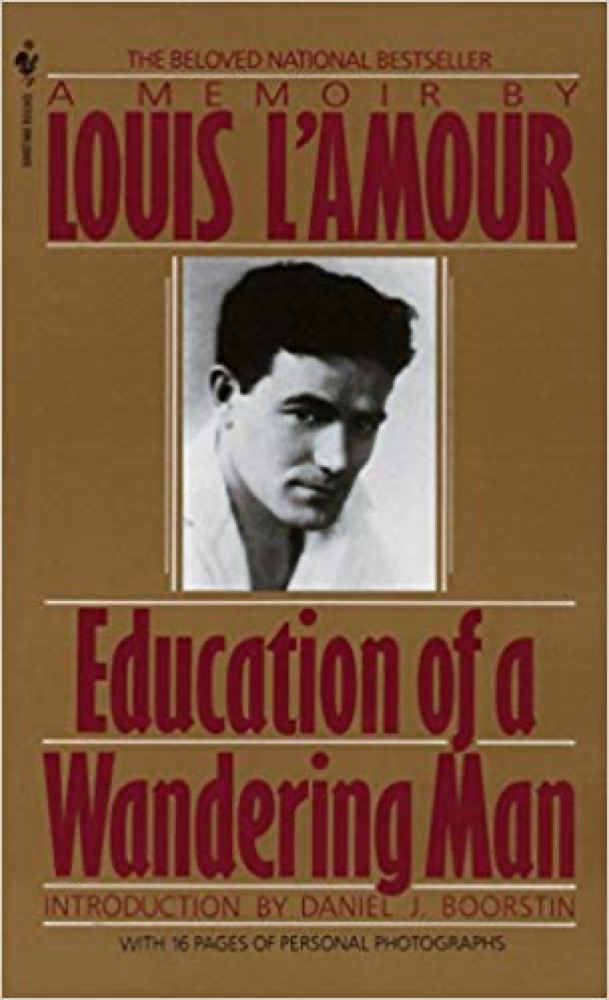 Education of a Wandering Man: A Memoir
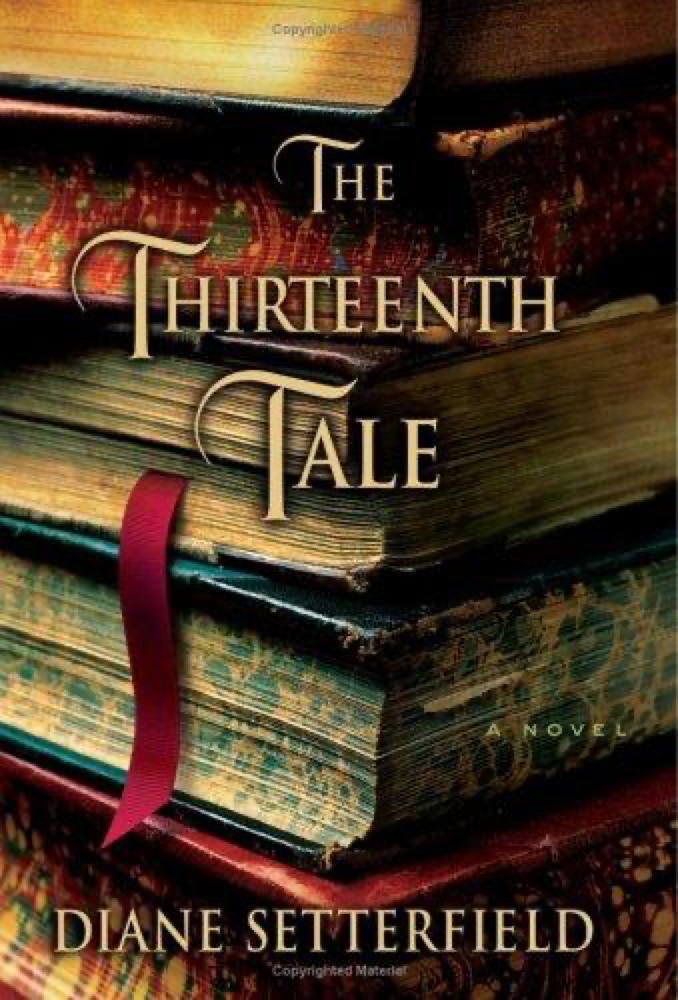 The Thirteenth Tale
 Gnomon
 The Book That Held Her Heart
 Culture and Imperialism
 The Mother of All Questions
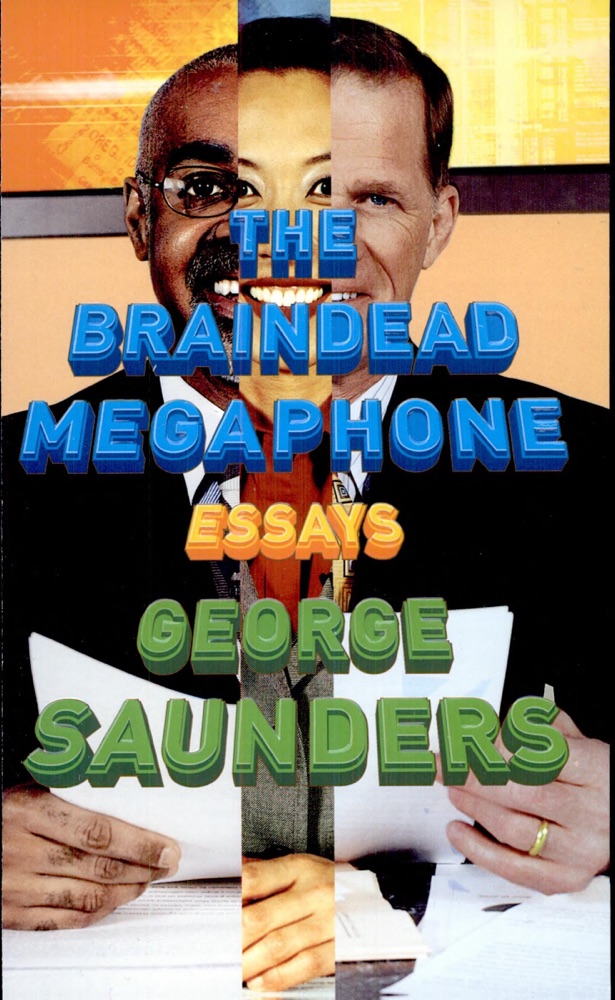 The Braindead Megaphone
 Housekeeping vs. the Dirt
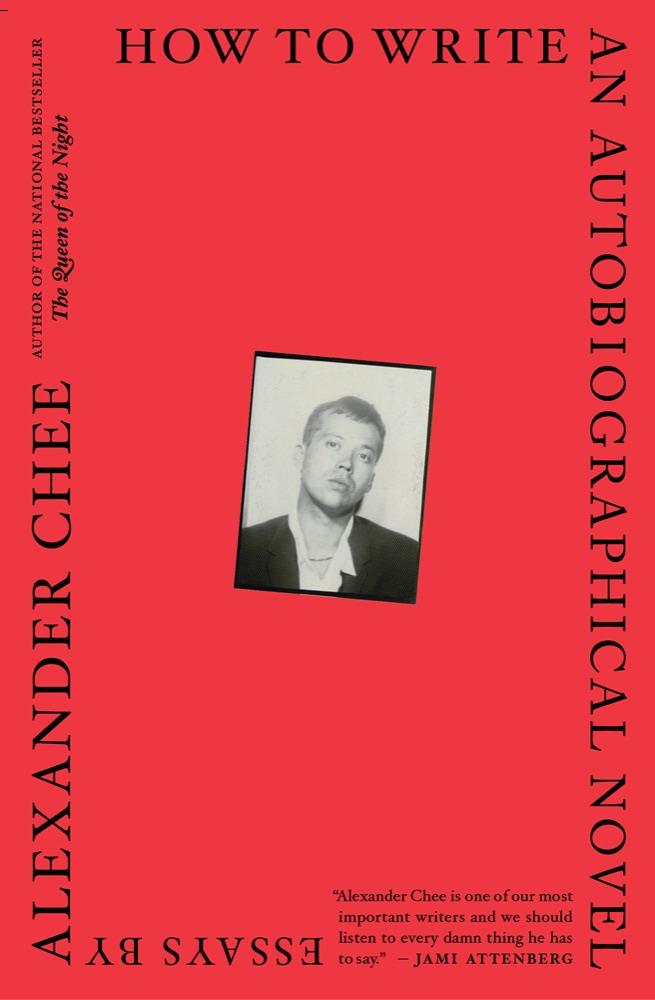 How to Write an Autobiographical Novel
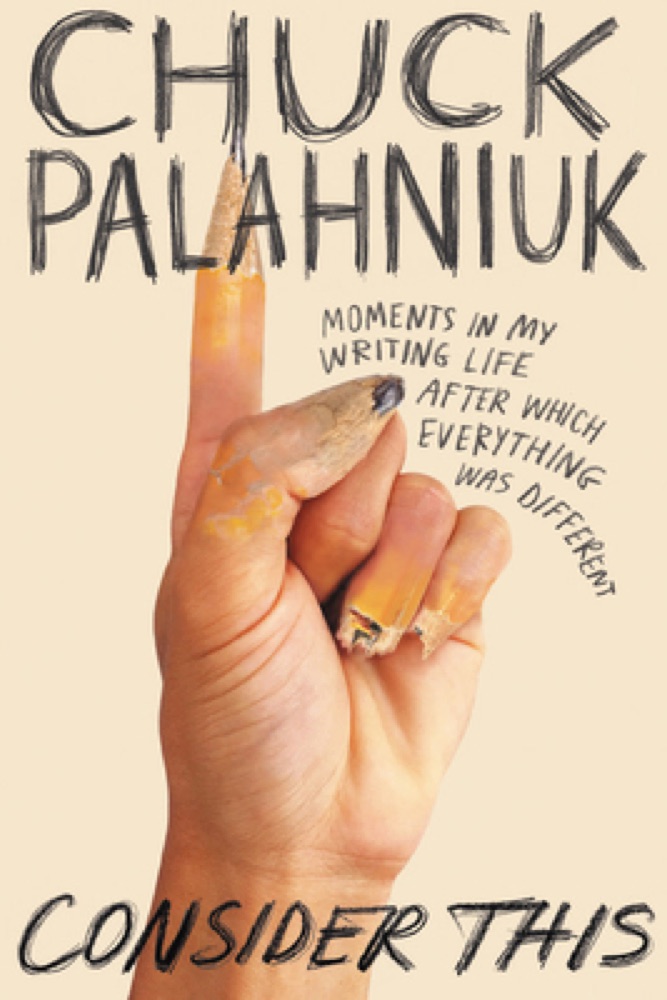 Consider This: Moments in My Writing Life After Which Everything Was Different
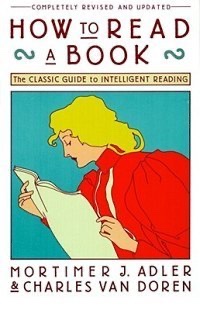 How to Read a Book: The Classic Guide to Intelligent Reading
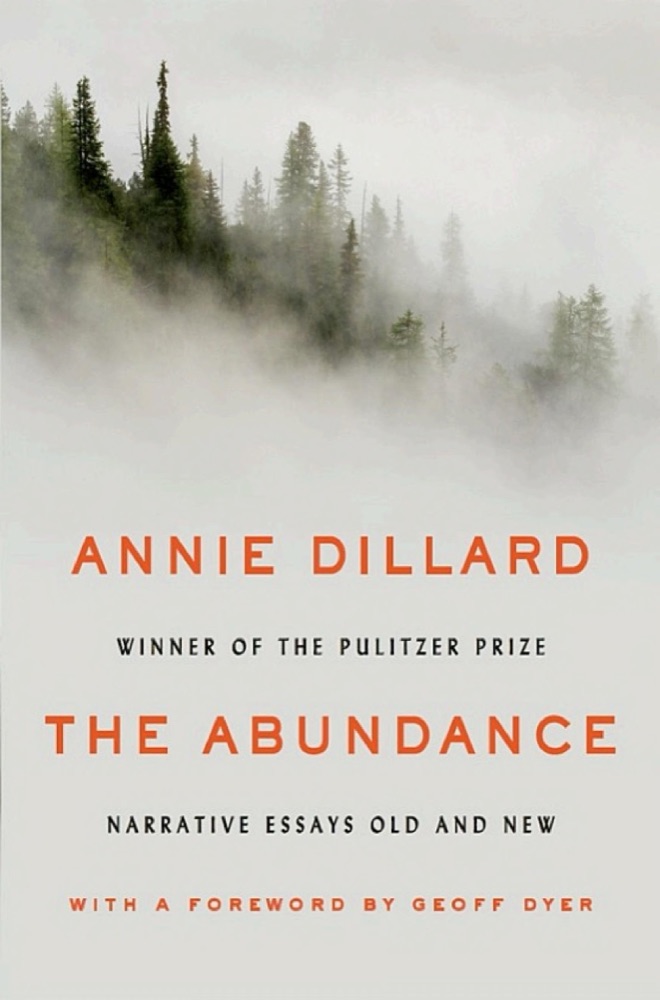 The Abundance
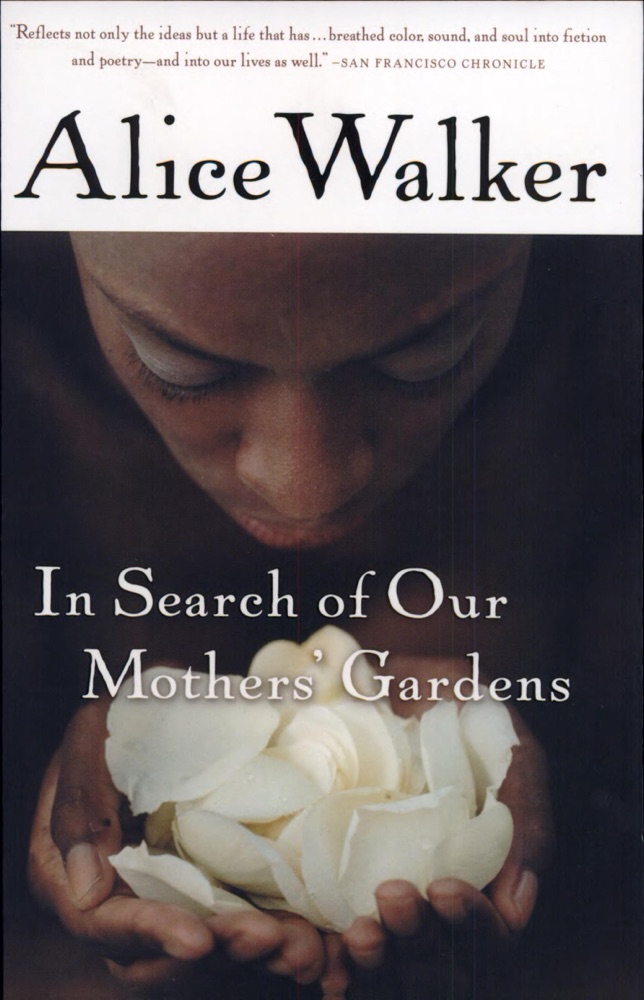 In Search of Our Mothers' Gardens: Womanist Prose
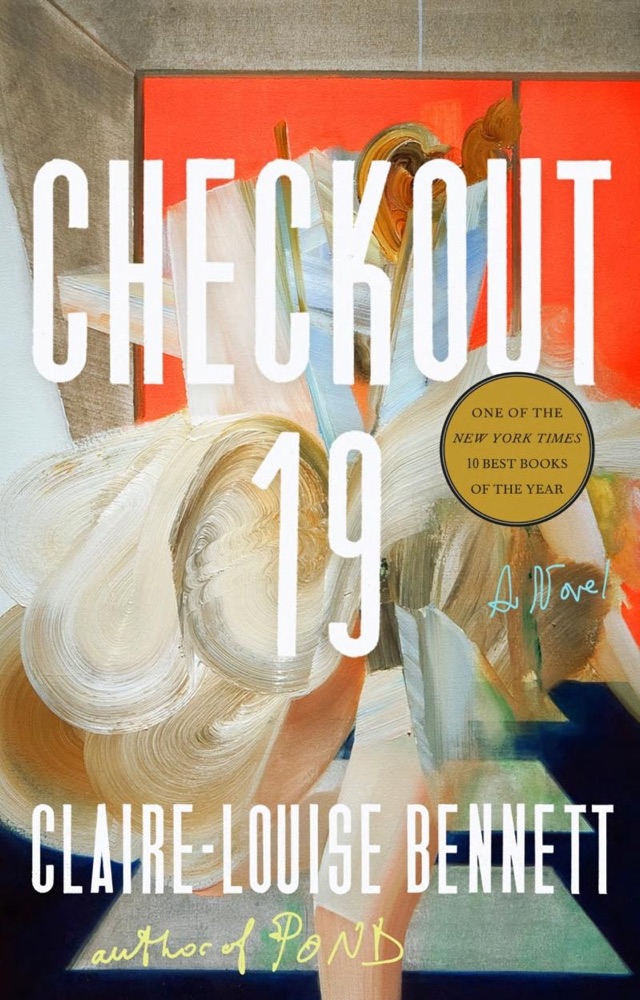 Checkout 19
 On Freedom: Four Songs of Care and Constraint
 My Life in Middlemarch
 The Book That Broke the World
 How Reading Changed My Life
 The Writing Life
 The Argonauts
 The Unlikely Escape of Uriah Heep
 The Last Librarian
 The Library of the Unwritten
 The Faraway Nearby