 High Fidelity
Quotes from the Book
Please stop patronizing those who are reading a book - The Da Vinci Code, maybe- because they are enjoying it. For a start, none of us know what kind of an effort this represents for the individual reader. It could be his or her first full-length adult novel; it might be the book that finally reveals the purpose and joy of reading to someone who has hitherto been mystified by the attraction books exert on others. And anyway, reading for enjoyment is what we should all be doing. I don't mean we should all be reading chick lit or thrillers (although if that's what you want to read, it's fine by me, because here's something no one else will tell you: if you don't read the classics, or the novel that won this year's Booker Prize, then nothing bad will happen to you; more importantly,nothing good will happen to you if you do); I simply mean that turning pages should not be like walking through thick mud. The whole purpose of books is that we read them, and if you find you can't, it might not be your inadequacy that's to blame. "Good" books can be pretty awful sometimes.
183
And what would happen if we never read the classics? There comes a point in life, it seems to me, where you have to decide whether you're a Person of Letters or merely someone who loves books, and I'm beginning to see that the book lovers have more fun.
55
I would like my personal reading map to resemble a map of the British Empire circa 1900.
37
All I know is that you can get very little from a book that is making you weep with the effort of reading it. You won’t remember it, and you’ll learn nothing from it, and you’ll be less likely to choose a book over Big Brother next time you have a choice.
18
Read anything, as long as you can't wait to pick it up again.
11
You see the profound effect literature can have on life? Who says it's all a waste of time? If only I could produce one book that left someone with that kind of ferocious grievance. If you have read one of my books, you probably feel cheated out of however much money it might have cost you, and you'll certainly begrudge the time you wasted on it. But even at my most bullish and self-aggrandizing, I can't quite make myself believe that I've actually wrecked someone's life. Any documentary evidence to the contrary will be gratefully received.
10
The trouble with influential books is that if you have absorbed the influence without ever reading the original, then it can sometimes be hard to appreciate the magnitude of its achievement.
4
Is the phrase "Deliciously politically incorrect" used with the same gay abandon in the U.S.? You come across it all the time here, and it usually means, quite simply, that a book or a movie or a TV program is racist and/or sexist and/or homophobic; there is a certain kind of cultural commentator who mysteriously associates these prejudices with a Golden Age during which we were allowed to do a lot of things that we are not allowed to do now. (The truth is that there's no one stopping them from doing anything. What they really object to is being recognized as the antisocial pigs that they really are.)
4
You may think that you don't want to read about the problems of being brought up Mennonite, but the great thing about books is that you'll read anything a good writer wants you to read.
2
I couldn't have written [What Good Are The Arts?] because I--and I'm not alone, by any means--do not have Carey's breadth of reading, nor his calm, wry logic, which enables him to demolish the arguments of just about everyone who has ever talked tosh about objective aesthetic principles. And this group, it turns out, includes anyone who has ever talked about objective aesthetic principles.
2
One of the problems, it seems to me, is that we have got it into our heads that books should be hard work, and that unless they're hard work, they're not doing us any good.
1
Kurkov loves his weltschmerz as much as the next guy--but he doesn't see why weltschmerz shouldn't come bundled up with a narrative that kicks a little bit of ass--the edge of the left cheek, say.
1
About Nick Hornby
We have collected 225 quotes from 9 books by Nick Hornby on BookQuoters.
More about the author →
About the book
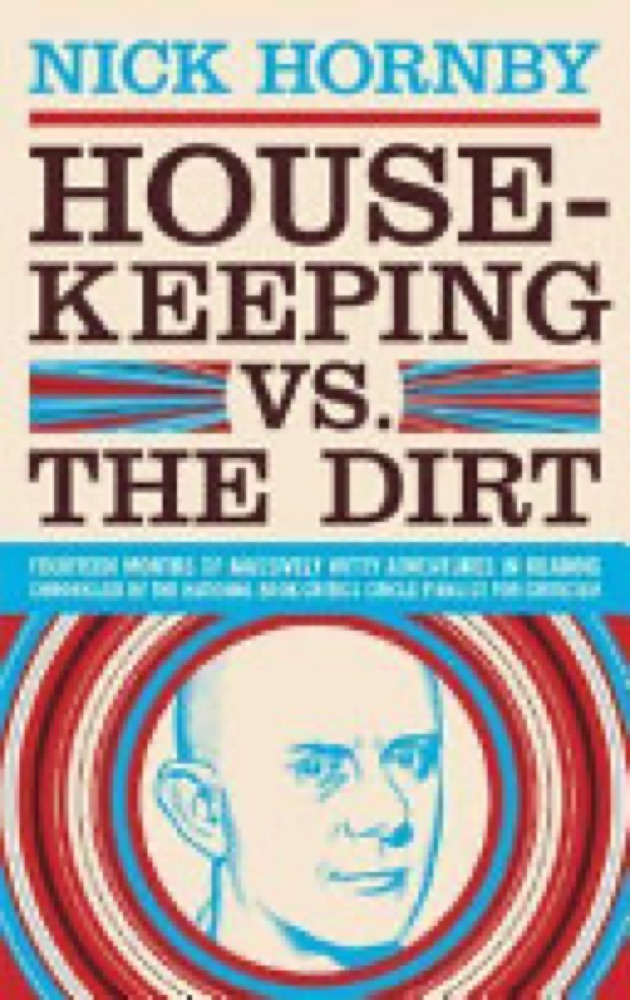
In this latest collection of essays following The Polysyllabic Spree, critic and author Nick Hornby continues the feverish survey of his swollen bookshelves, offering a funny, intelligent, and unblinkered account of the stuff he's been reading. Ranging from the middlebrow to the highbrow (with unrepenting dips into the lowbrow), Hornby's dispatches from his nightstand table serve as useful guides to contemporary letters, with revelations on contemporary culture, the intellectual scene, and English football, in equal measure.
Book details
- First published
- 2006
- Author
- Nick Hornby
- Genre
- Nonfiction
- Goodreads rating
- 3.87 (3k ratings)
Keep reading
 The Year of Reading Dangerously
 Why We Read: On Bookworms, Libraries, and Just One More Page Before Lights Out
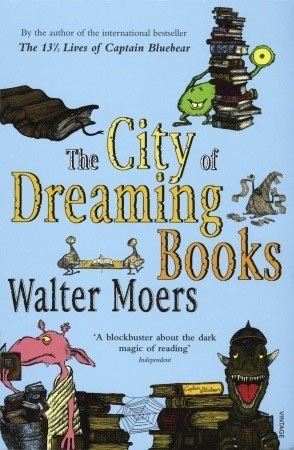 The City of Dreaming Books
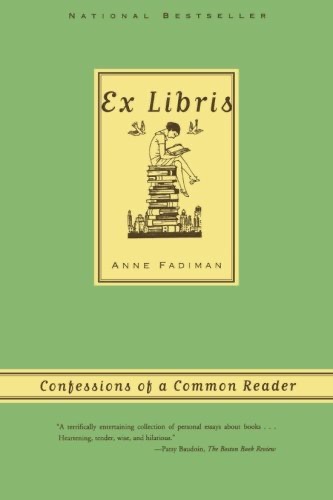 Ex Libris: Confessions of a Common Reader
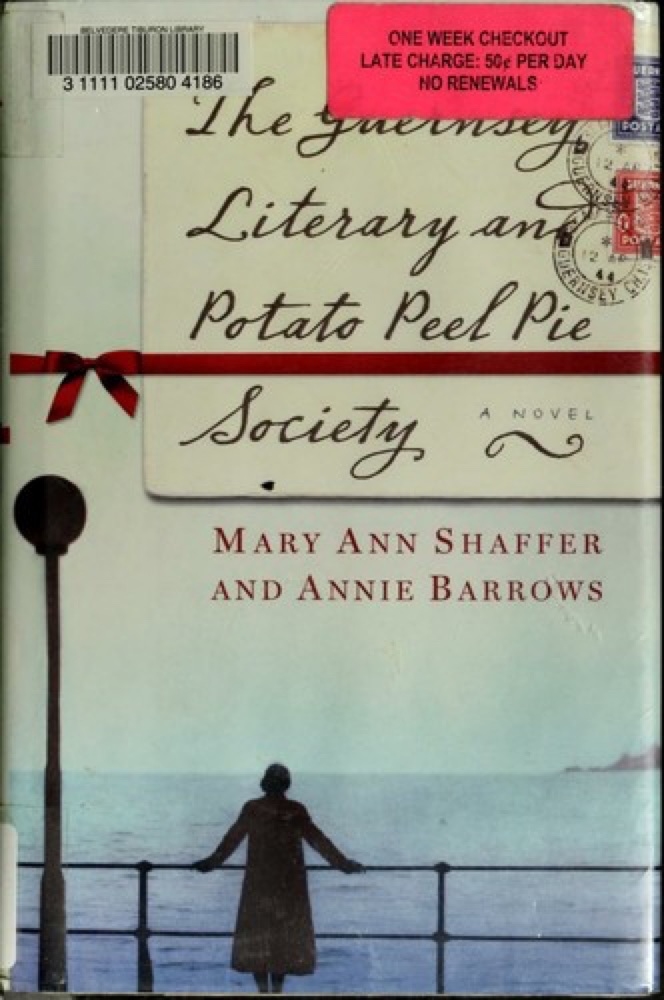 The Guernsey Literary and Potato Peel Pie Society
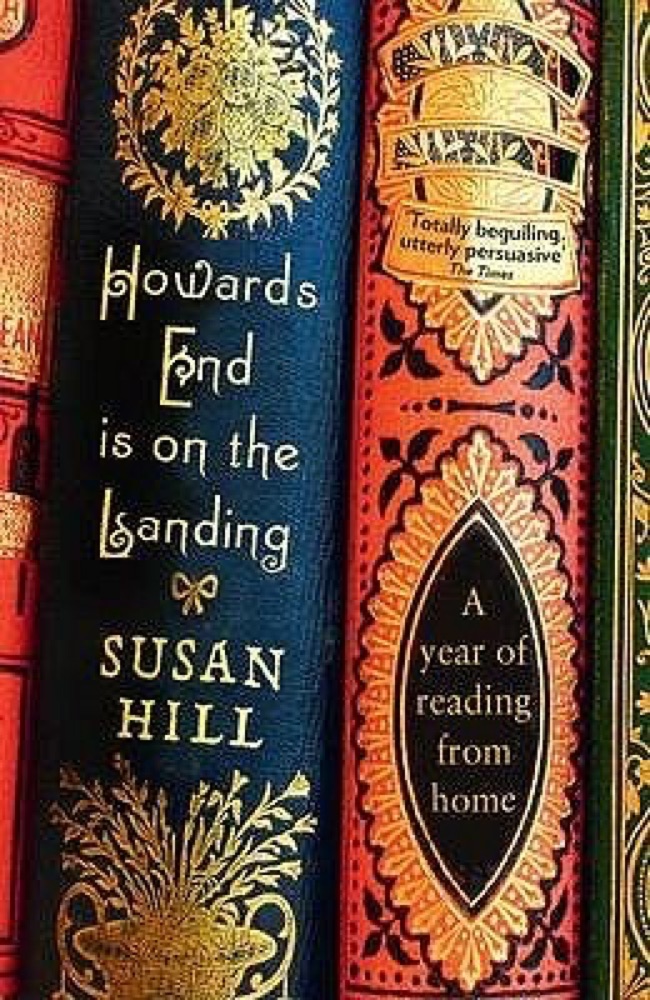 Howards End Is on the Landing: A Year of Reading from Home
 An Experiment in Criticism
 The Haunted Bookshop
 The View from the Cheap Seats: Selected Nonfiction
 I'd Rather Be Reading: The Delights and Dilemmas of the Reading Life
 Sixpence House: Lost in a Town of Books
 How Should One Read a Book?
 How to Read a Book: The Classic Guide to Intelligent Reading
 Lectures on Literature
 How to Read Literature
 Ban This Book
 Reading Like a Writer: A Guide for People Who Love Books and for Those Who Want to Write Them
 The Storied Life of A.J. Fikry
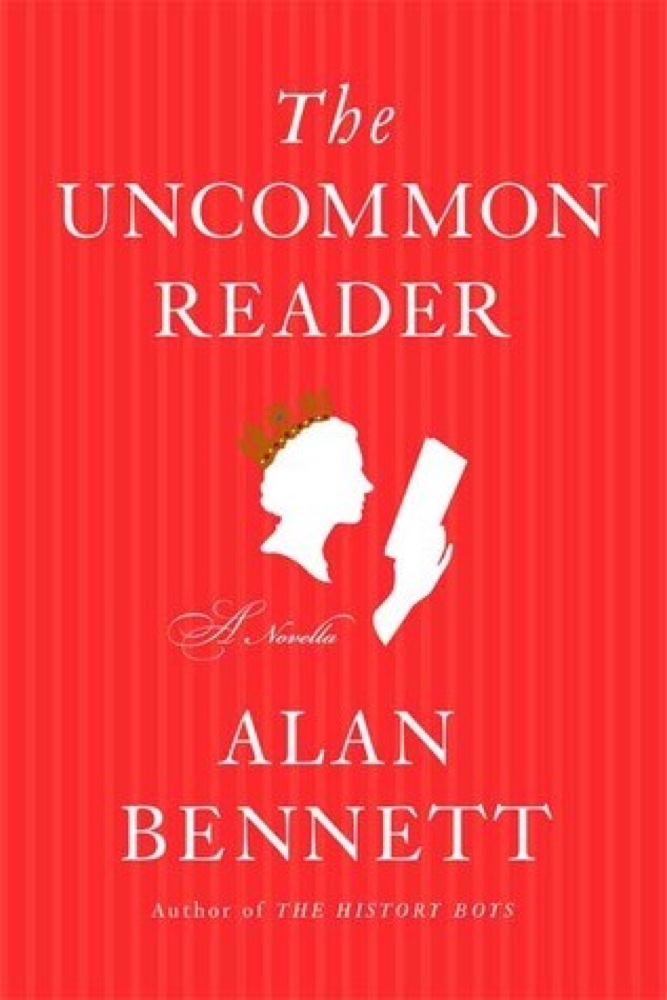 The Uncommon Reader
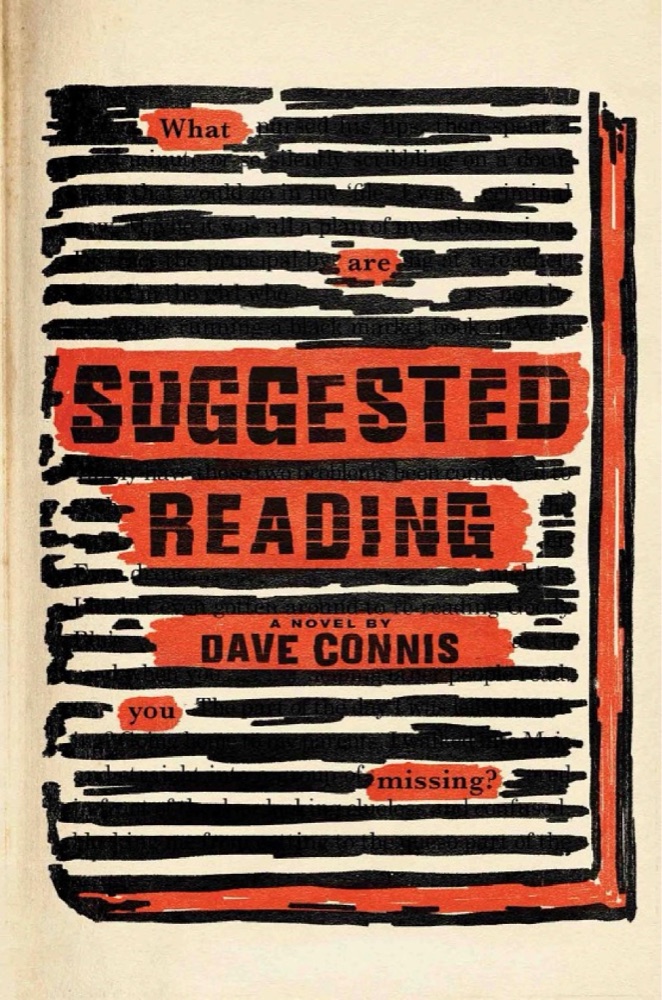 Suggested Reading
 The Name of This Book Is Secret
 Wild Girls
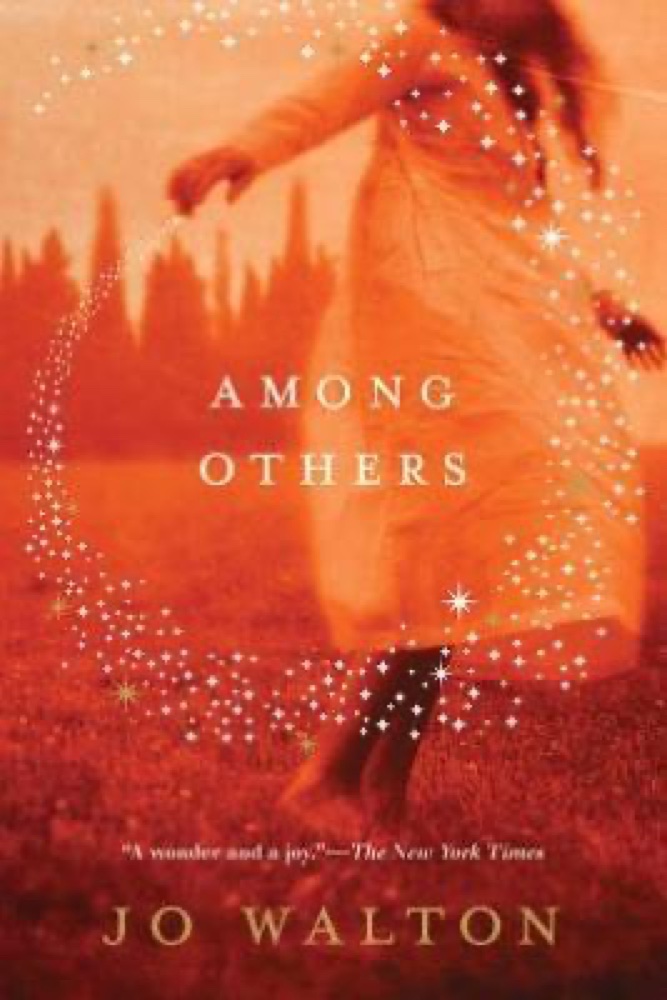 Among Others
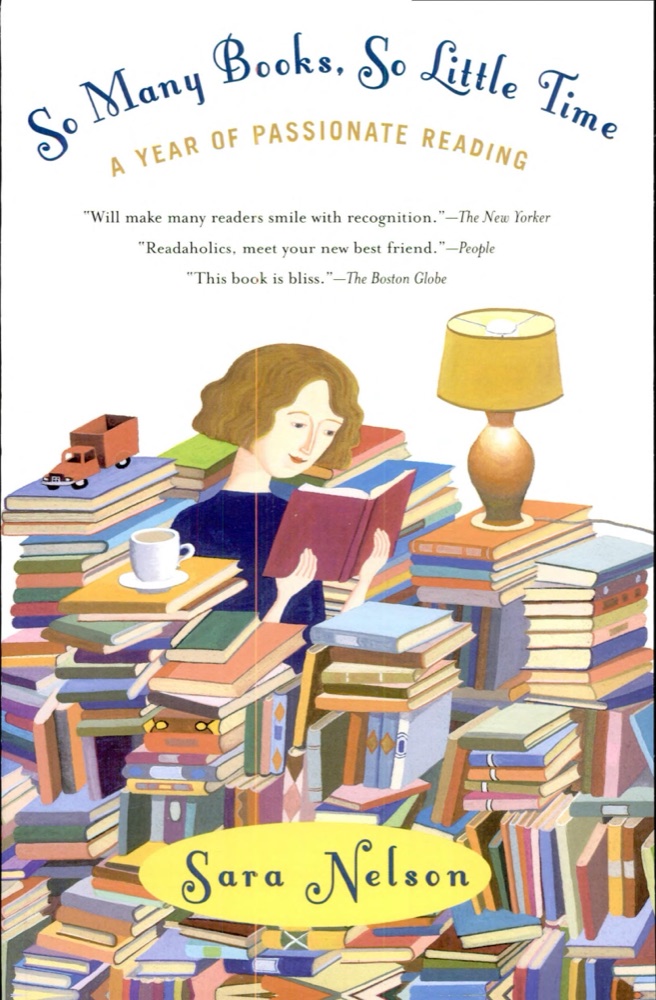 So Many Books, So Little Time: A Year of Passionate Reading
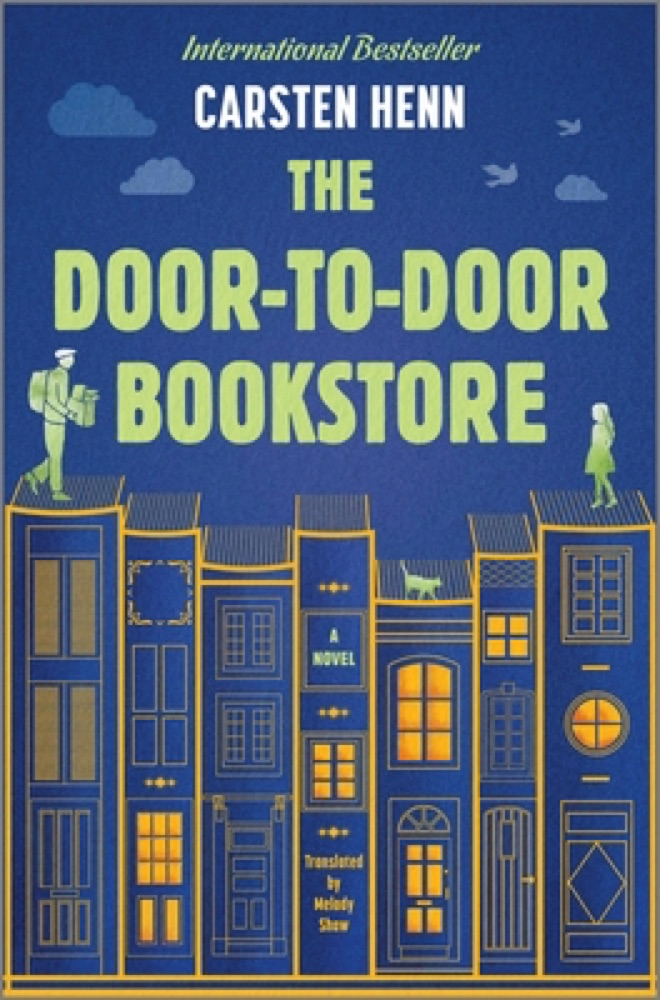 The Door-to-Door Bookstore
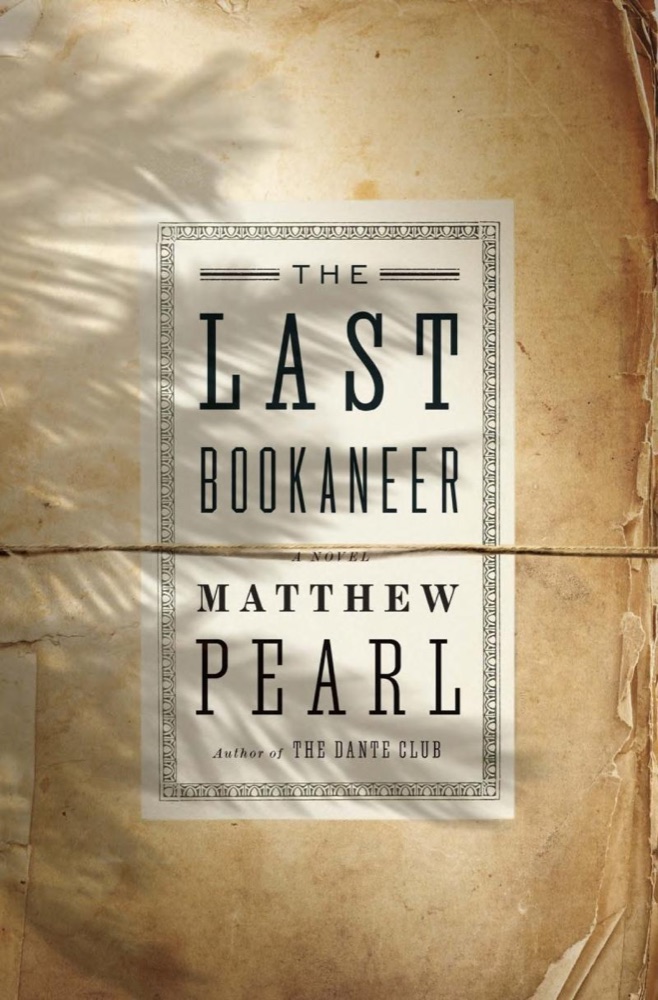 The Last Bookaneer
 If on a Winter's Night a Traveler
 The Wave in the Mind: Talks and Essays on the Writer, the Reader and the Imagination
 Judging a Book by Its Lover: A Field Guide to the Hearts and Minds of Readers Everywhere
 A Novel Bookstore
 The Cat Who Saved Books
 My Reading Life
 Parnassus on Wheels
 Dæmon Voices
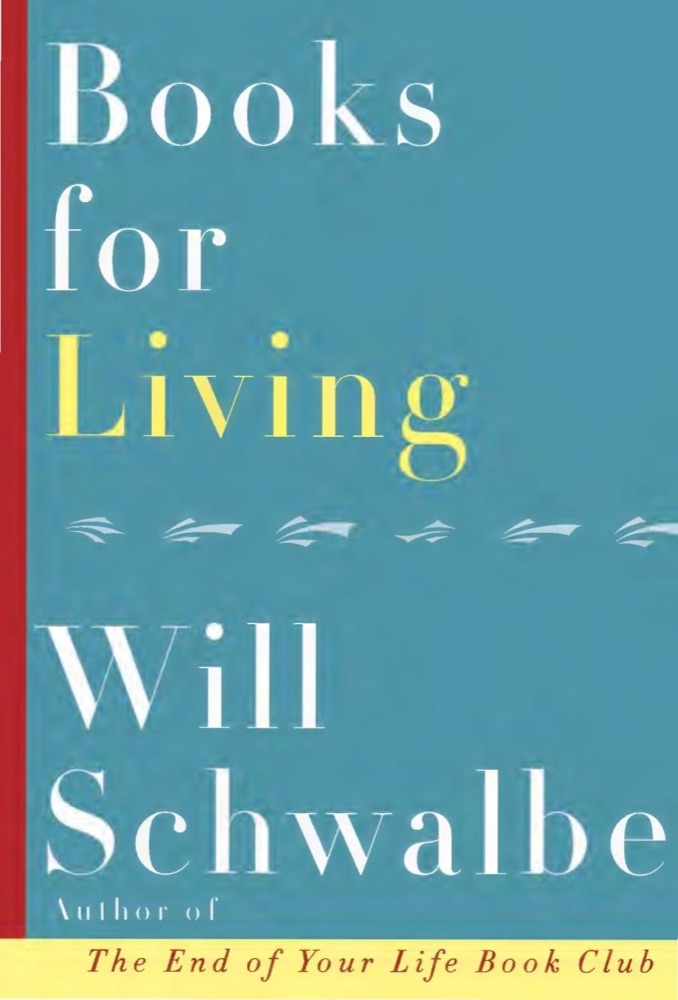 Books for Living
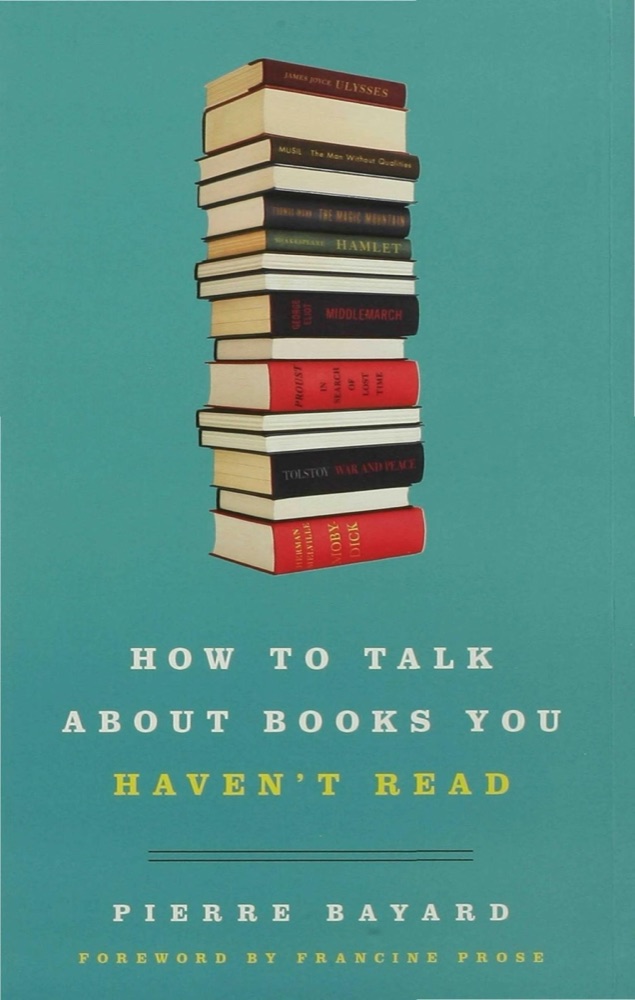 How to Talk About Books You Haven't Read
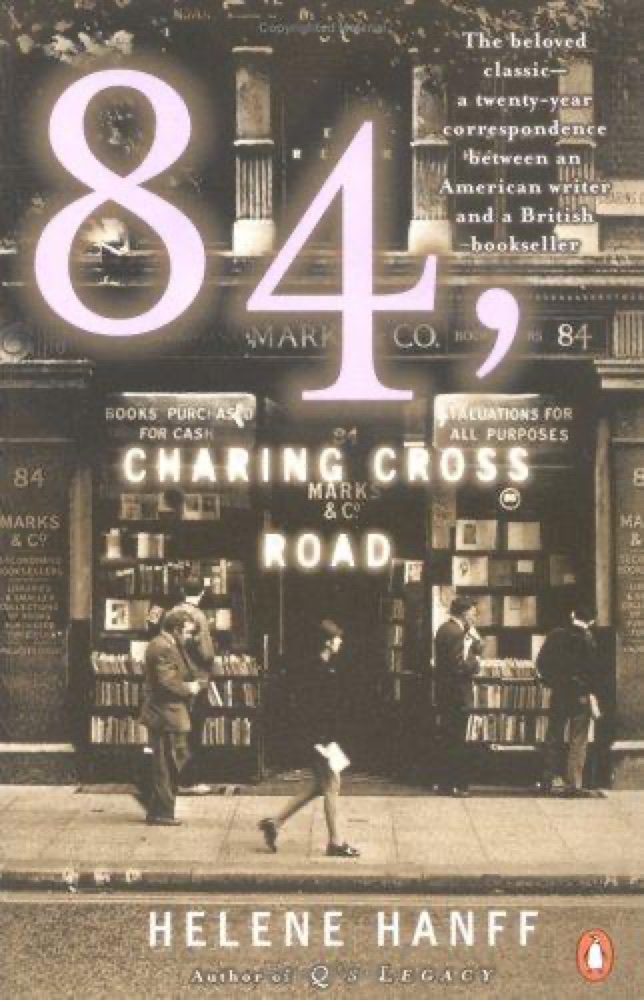 84, Charing Cross Road
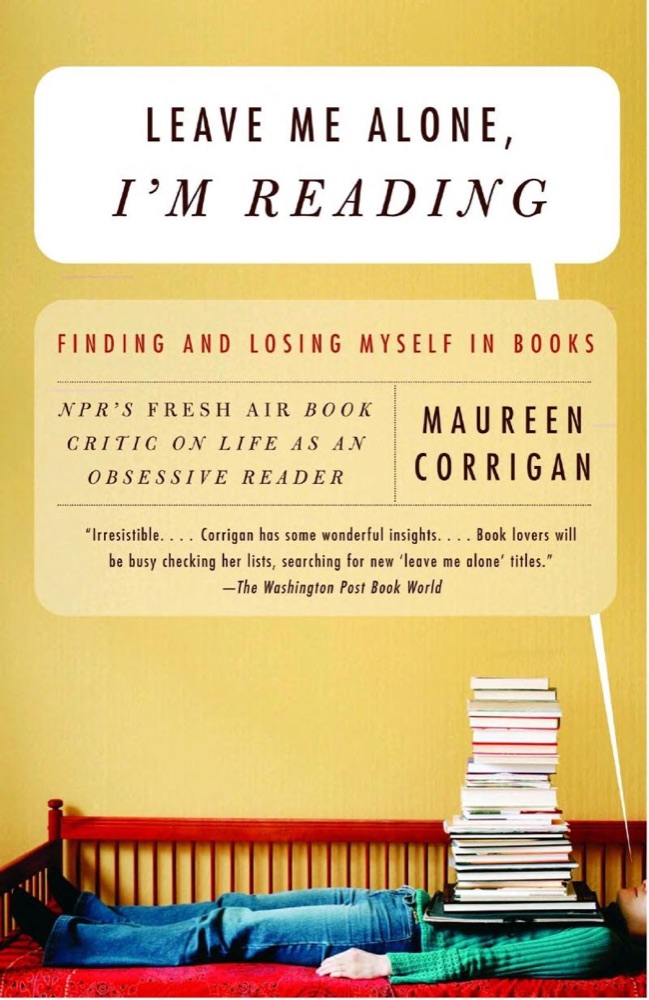 Leave Me Alone, I'm Reading: Finding and Losing Myself in Books
 Poison for Breakfast
 A Slip of the Keyboard: Collected Non-Fiction
 My Life in Middlemarch
 The Thirteenth Tale
 How to Read Now
 Finders Keepers
 Education of a Wandering Man: A Memoir
 How Reading Changed My Life
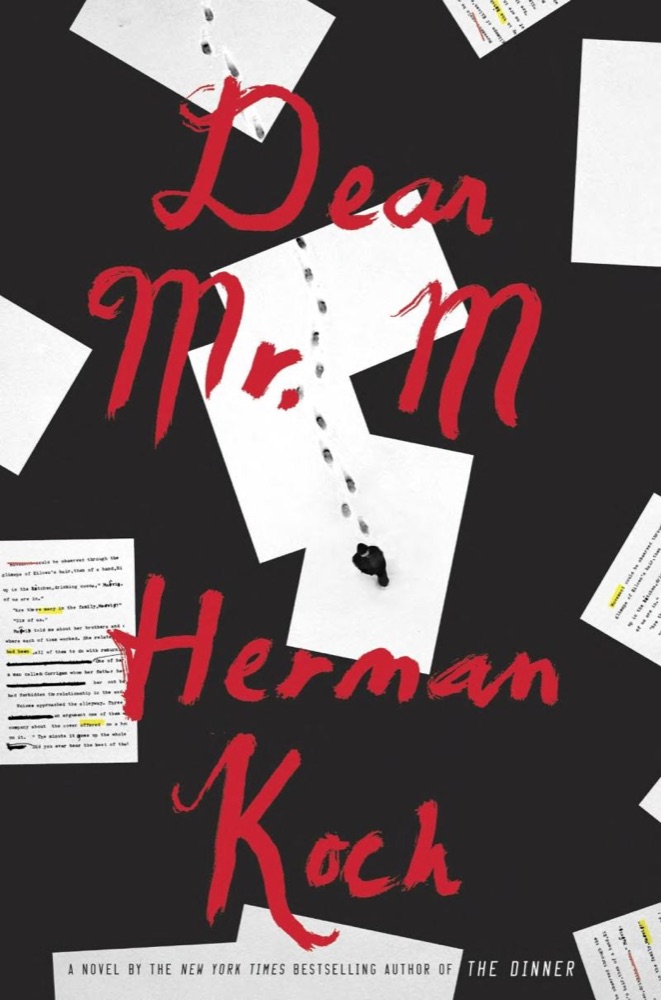 Dear Mr. M
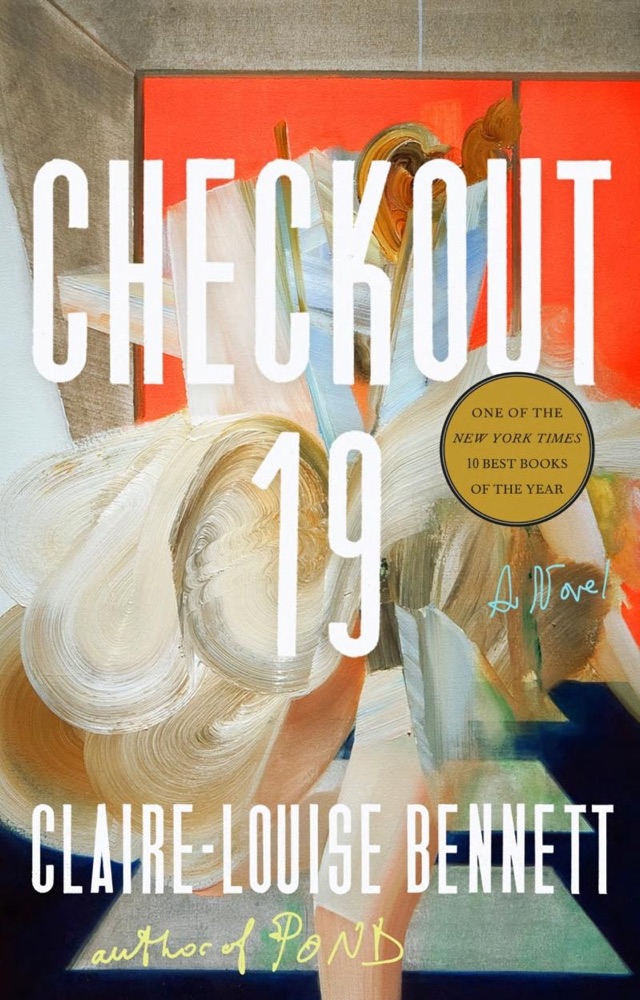 Checkout 19
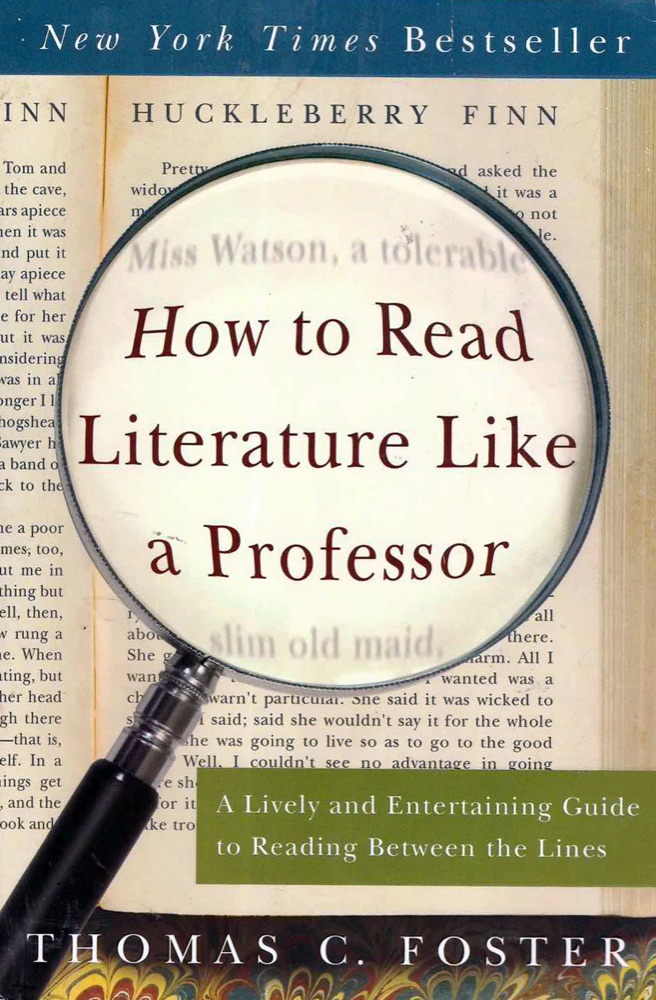 How to Read Literature Like a Professor
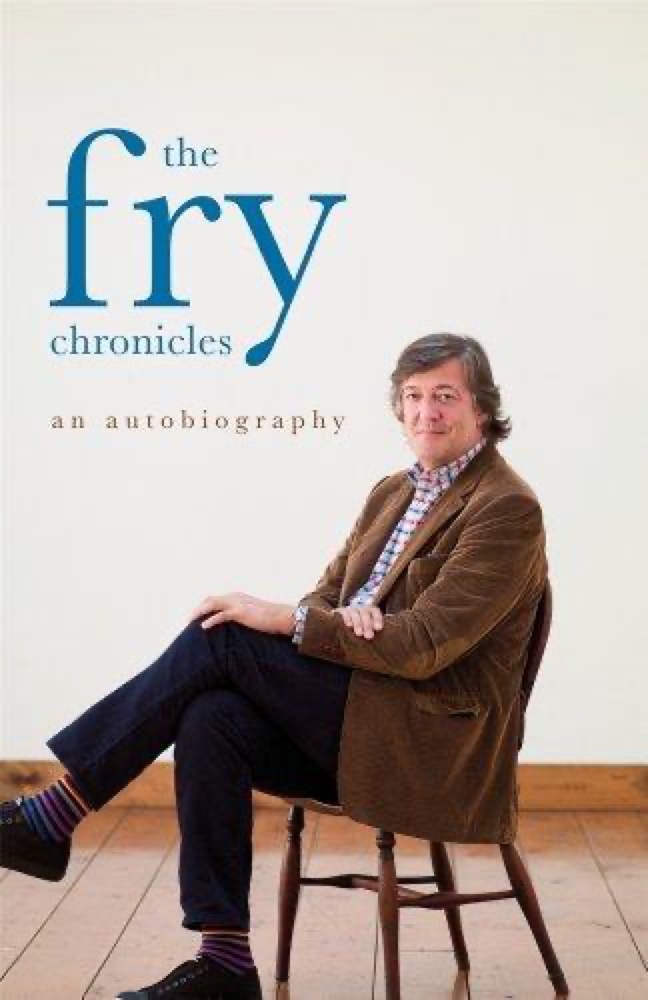 The Fry Chronicles
 The Anthologist
 The Secret Lives of Booksellers and Librarians: True Stories of the Magic of Reading
 The Book That Wouldn’t Burn
 Tilly and the Bookwanderers
 The Writing Life
 Stories: All-New Tales
 Aspects of the Novel
 How Not to Write a Novel: 200 Classic Mistakes and How to Avoid Them—A Misstep-by-Misstep Guide
 The Last Librarian
 First Among Sequels