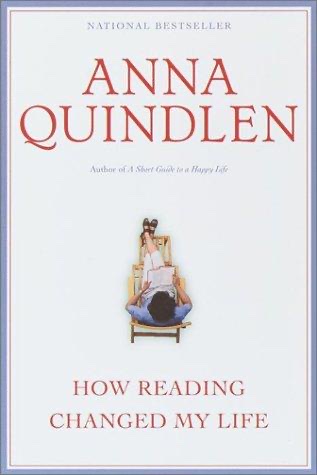
 How Reading Changed My Life
Quotes from the Book
Reading is sometimes thought of as a form of escapism, and it’s a common turn of phrase to speak of getting lost in a book. But a book can also be where one finds oneself; and when a reader is grasped and held by a book, reading does not feel like an escape from life so much as it feels like an urgent, crucial dimension of life itself.
71
What's your favorite book?' is a question that is usually only asked by children and banking identity-verification services--and favorite isn't, anyway, the right word to describe the relationship a reader has with a particularly cherished book. Most serious readers can point to one book that has a place in their life like the one that 'Middlemarch' has in mine.
6
Books gave us a way to shape ourselves—to form our thoughts and to signal to each other who we were and who we wanted to be.
3
If Art does not enlarge men’s sympathies, it does nothing morally,” Eliot once wrote. “The only effect I ardently long to produce by my writings, is that those who read them should be better able to imagine and to feel the pains and the joys of those who differ from themselves in everything but the broad fact of being struggling erring human creatures.
3
Being absolutely sure that one is right is part of growing up, and so is realizing, years later, that the truth might be more nuanced.
2
Middlemarch offers what George Eliot calls, in a wonderfully suggestive turn of phrase, "the home epic"- the momentous, ordinary journey traveled by most of us who have not even thought of aspiring to sainthood. The home epic has its own nostalgia - not for a country left behind but for a childhood landscape lost.
1
Some very eminent critics writing in the decades immediately after the novel's publication felt that Eliot failed to maintain sufficient critical distance in her depiction of Ladislaw--that she fell in love with her own creation in a way that shows a lack of artistic control and is even unseemly, like a hoary movie director whose lens lingers too long on the young flesh of a favored actress. Lord David Cecil calls Ladislaw 'a schoolgirl's dream, and a vulgar one at that,' while Leslie Stephen complained 'Ladislaw is almost obtrusively a favorite with his creator,' and depreciated him as 'an amiable Bohemian.
1
Eliot was scornful of idle women readers who imagined themselves the heroines of French novels, and of self-regarding folk who saw themselves in the most admirable character in a novel, and she hoped for more nuanced engagement from her own readers. Even so, all readers make books over in their own image, and according to their own experience.
1
THERE is no general doctrine which is not capable of eating out our morality if unchecked by the deep-seated habit of direct fellow-feeling with individual fellow-men,
In 1919, with Europe ravaged and eight and a half million young men dead, a meliorist view of history would have been especially hard to sustain.
meliorism”—the conviction that, through the small, beneficent actions and intentions of individuals, the world might gradually grow to be a better place.
It is undeniable, that unions formed in the maturity of thought and feeling, and grounded only on inherent fitness and mutual attraction, tended to bring women into more intelligent sympathy with men,
In all my imaginings about what it would mean to have her in my life, I had forgotten to include the prospect of joy.
Reading is often thought of as a form of escapism, and it's a common turn of phrase to speak of getting lost in a book. But a book can also be where one finds oneself...
A book may not tell us exactly how to live our own lives, but our own lives can teach us how to read a book.
Even so, all readers make books over in their own image, and according to their own experience. My Middlemarch is not the same as anyone else’s Middlemarch; it is not even the same as my Middlemarch of twenty-five years ago. Sometimes, we find that a book we love has moved another person in the same ways as it has moved ourselves, and one definition of compatibility might be when two people have highlighted the same passages in their editions of a favorite novel. But we each have our own internal version of the book, with lines remembered and resonances felt.
I could understand the impulse to make the novel more accessible. I want as many people as possible to read The Mill on the Floss too. But like paperback editions of classic novels issued with updated covers resembling those of Twilight, it seemed a pandering and misbegotten effort, as if no young reader today might possibly pick up a novel written one hundred and fifty years ago unless the book were in sexy neo-Gothic drag.
Watch on YouTube
About Rebecca Mead
We have collected 17 quotes from 1 book by Rebecca Mead on BookQuoters.
More about the author →About the book
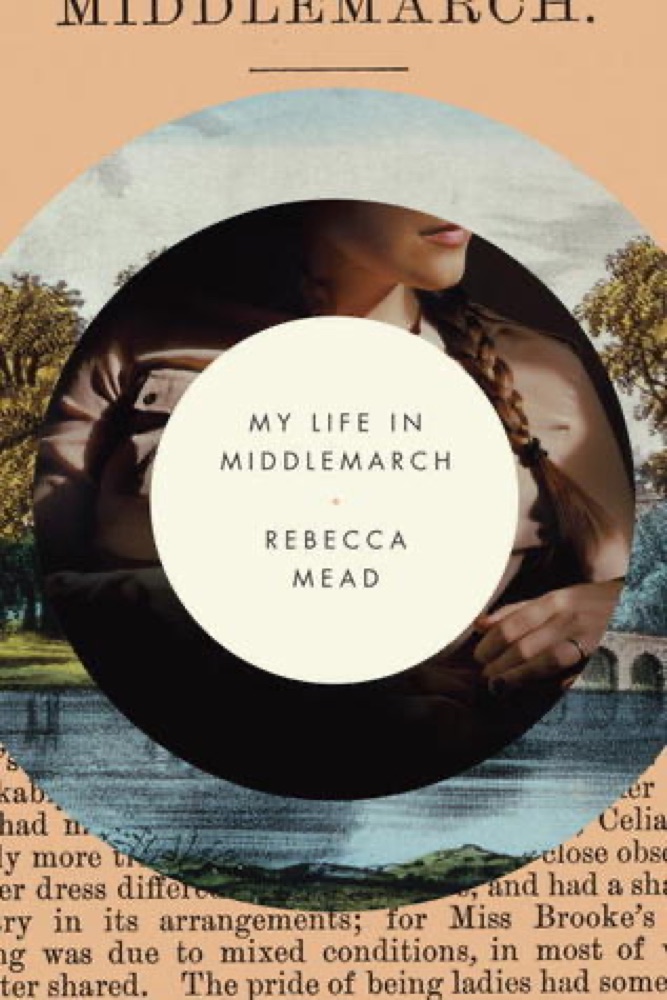
Rebecca Mead was a young woman in an English coastal town when she first read George Eliot's Middlemarch, regarded by many as the greatest English novel. After gaining admission to Oxford, and moving to the United States to become a journalist, through several love affairs, then marriage and family, Mead read and reread Middlemarch. The novel, which Virginia Woolf famously described as "one of the few English novels written for grown-up people," offered Mead something that modern life and literature did not.In this wise and revealing work of biography, reporting, and memoir, Rebecca Mead leads us into the life that the book made for her, as well as the many lives the novel has led since it was written. Employing a structure that deftly mirrors that of the novel, My Life in Middlemarch takes the themes of Eliot's masterpiece--the complexity of love, the meaning of marriage, the foundation
Book details
- First published
- 2014
- Author
- Rebecca Mead
- Genre
- Nonfiction
- Goodreads rating
- 3.65 (4k ratings)
Keep reading
How Reading Changed My Life
 The Year of Reading Dangerously
 An Experiment in Criticism
 Aspects of the Novel
 Leave Me Alone, I'm Reading: Finding and Losing Myself in Books
 Reading Lolita in Tehran: A Memoir in Books
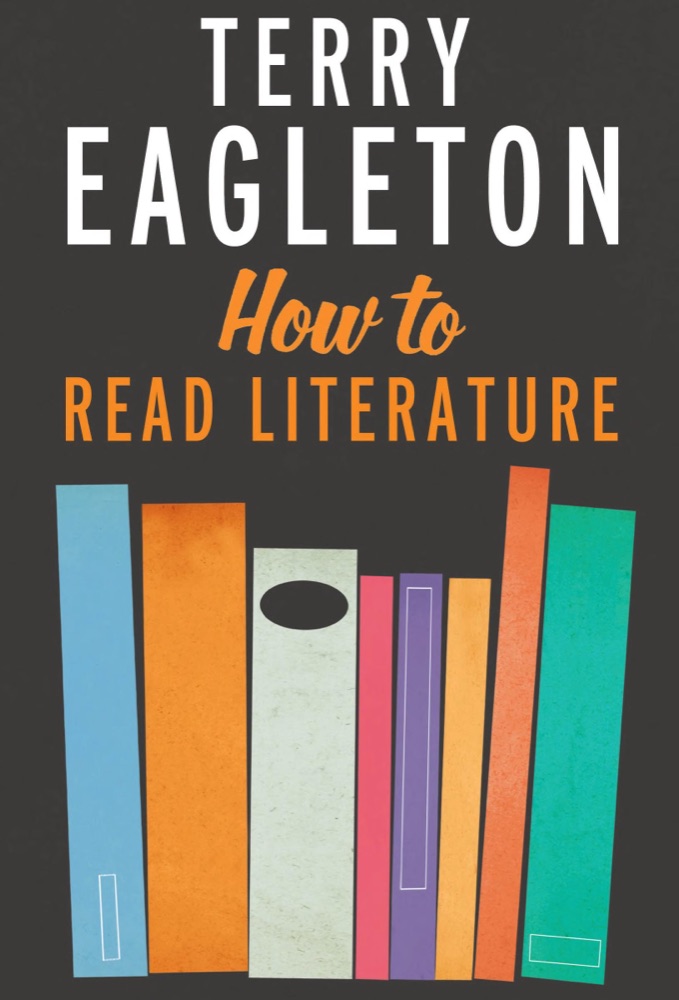 How to Read Literature
 How Should One Read a Book?
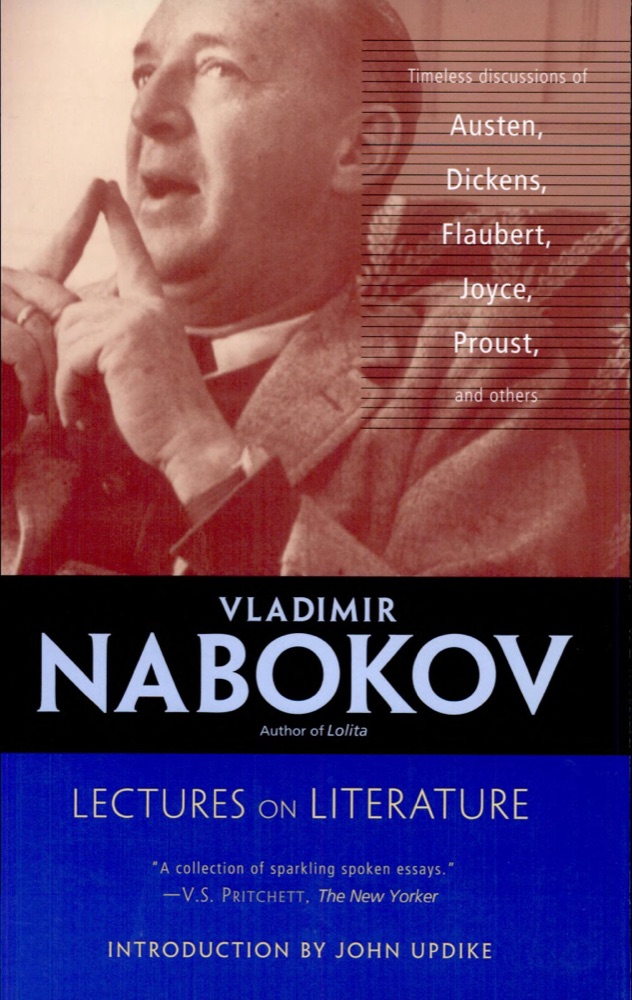 Lectures on Literature
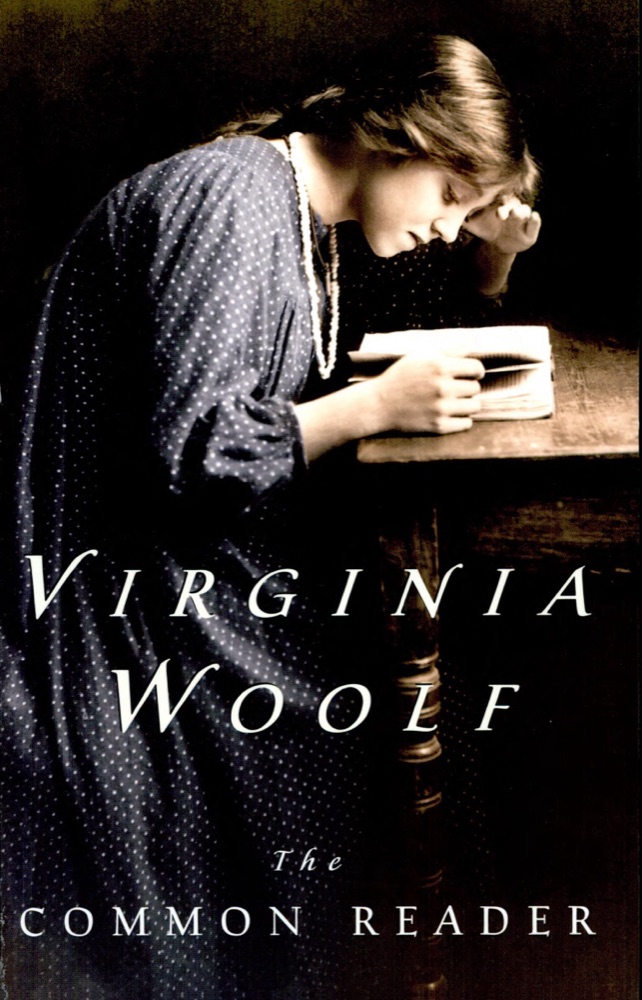 The Common Reader
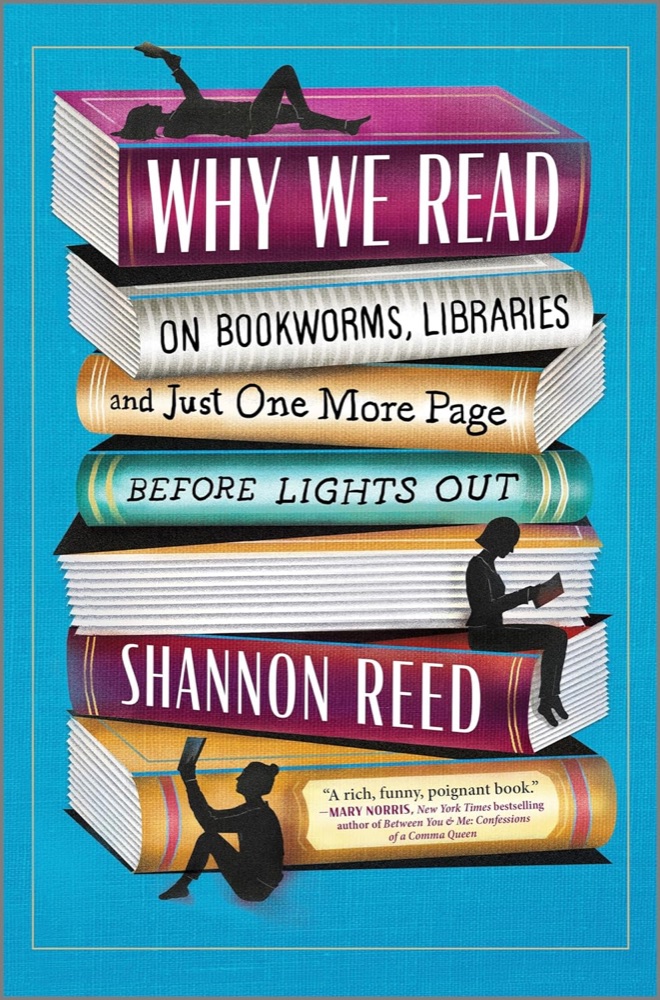 Why We Read: On Bookworms, Libraries, and Just One More Page Before Lights Out
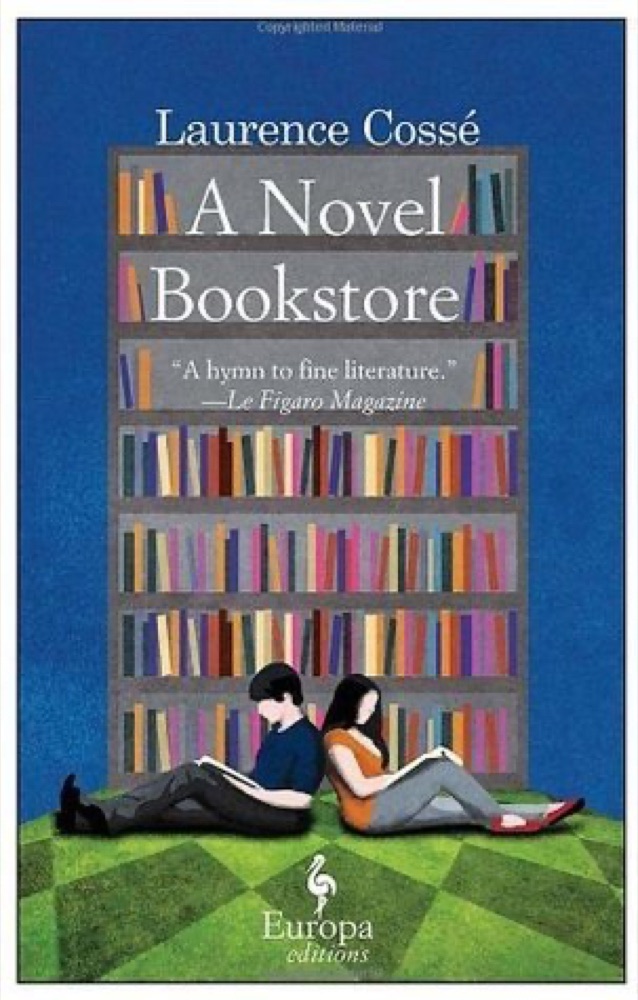 A Novel Bookstore
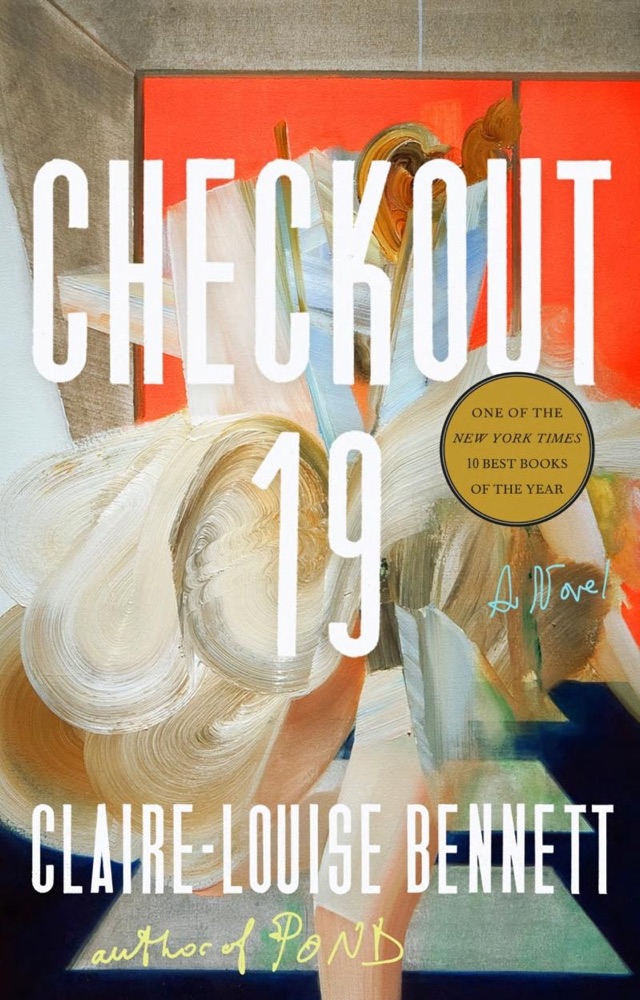 Checkout 19
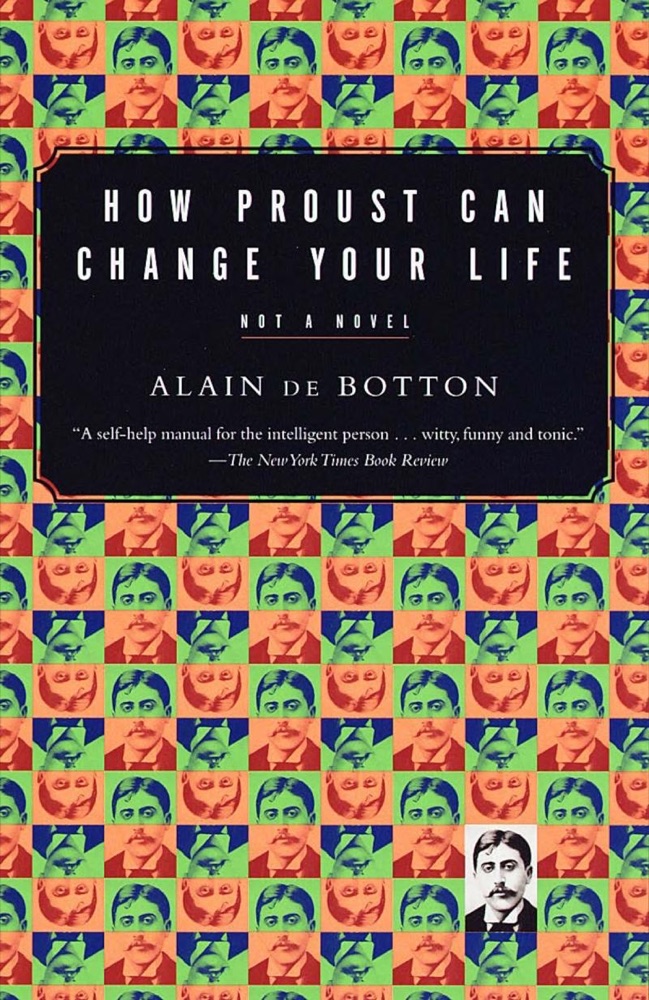 How Proust Can Change Your Life
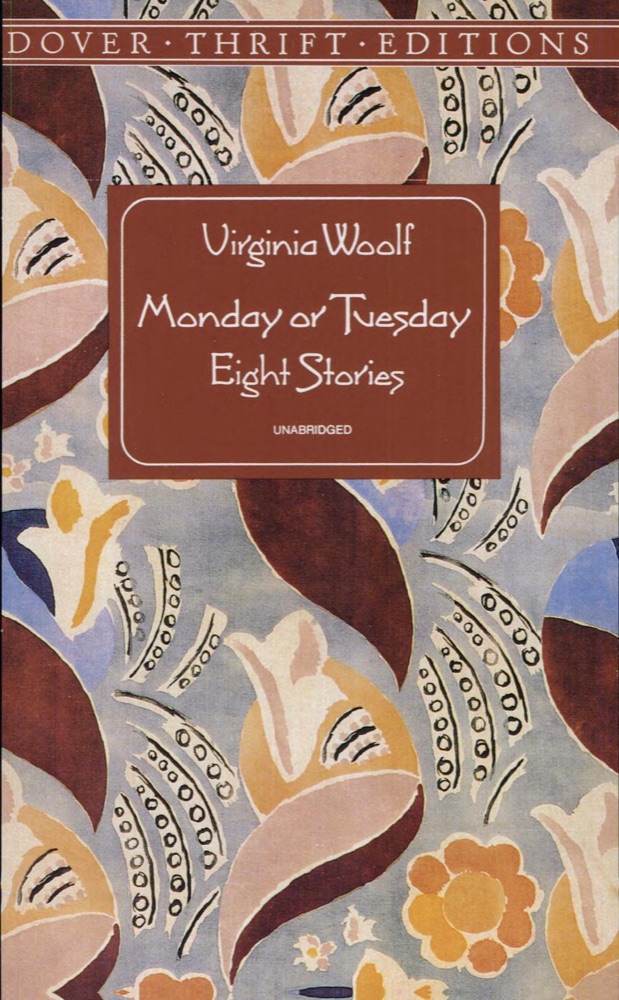 Monday or Tuesday
 The Last Bookaneer
 One Writer's Beginnings
 Experience
 The View from the Cheap Seats: Selected Nonfiction
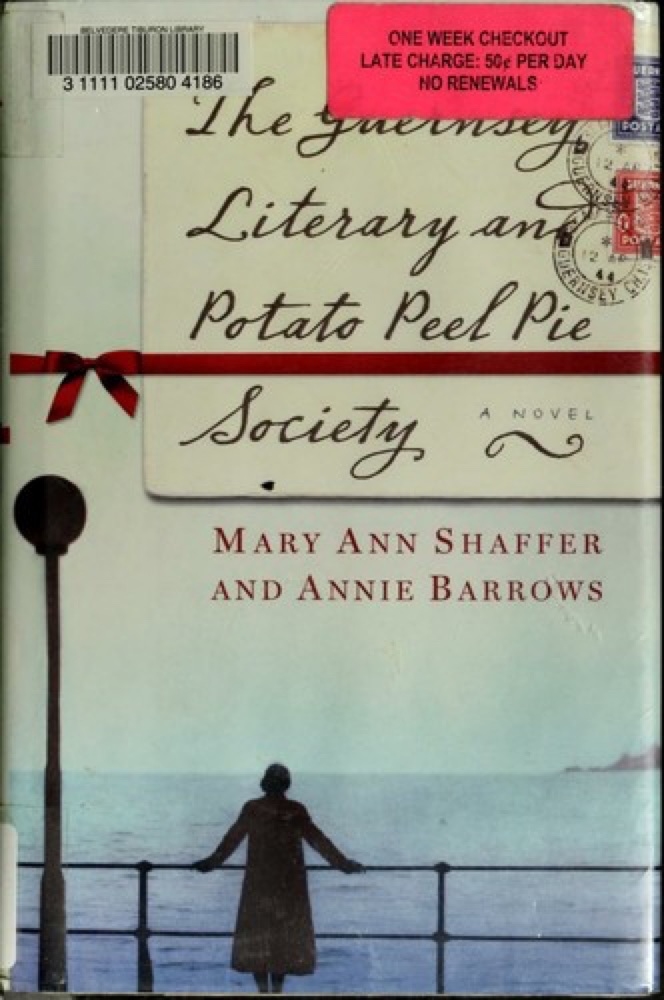 The Guernsey Literary and Potato Peel Pie Society
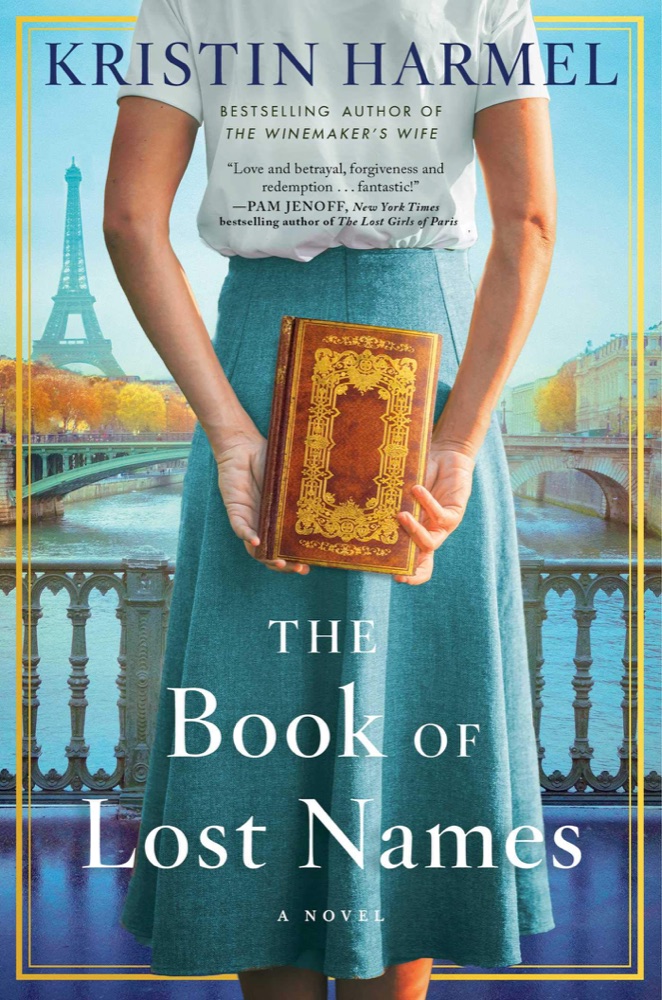 The Book of Lost Names
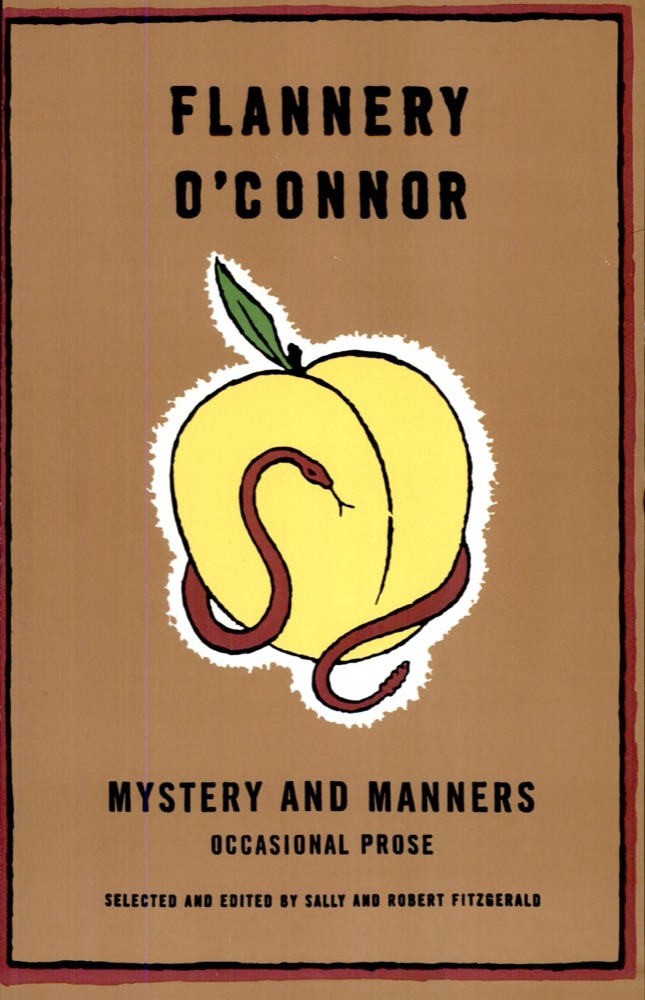 Mystery and Manners: Occasional Prose
 The Summer Without Men
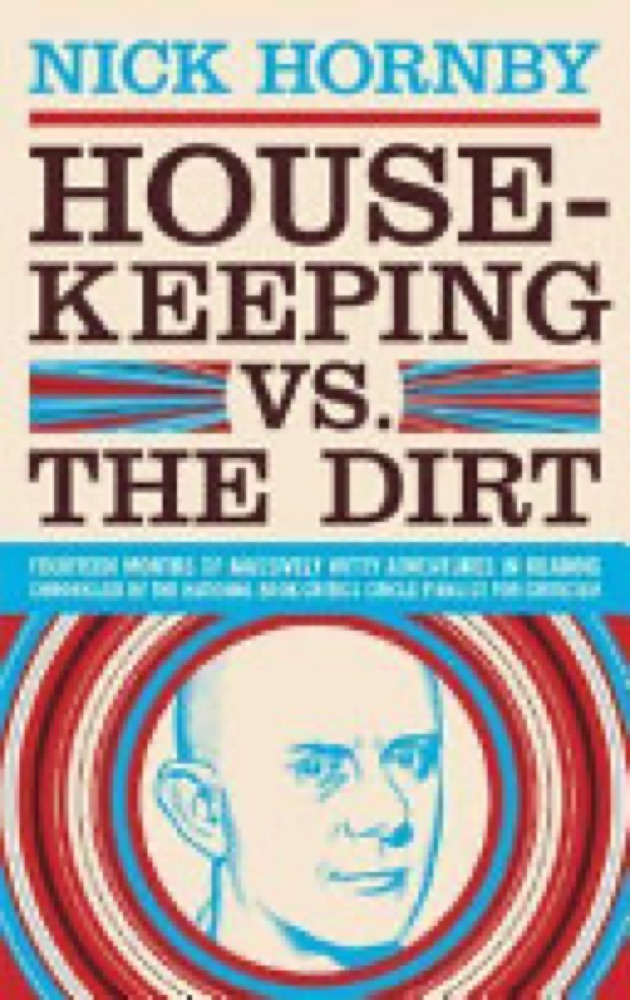 Housekeeping vs. the Dirt
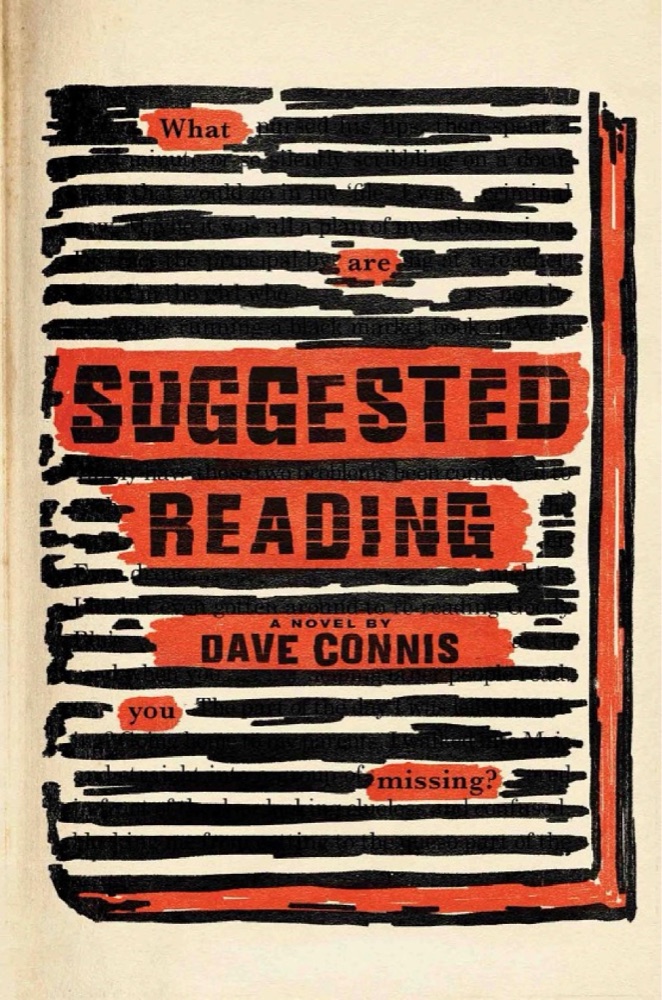 Suggested Reading
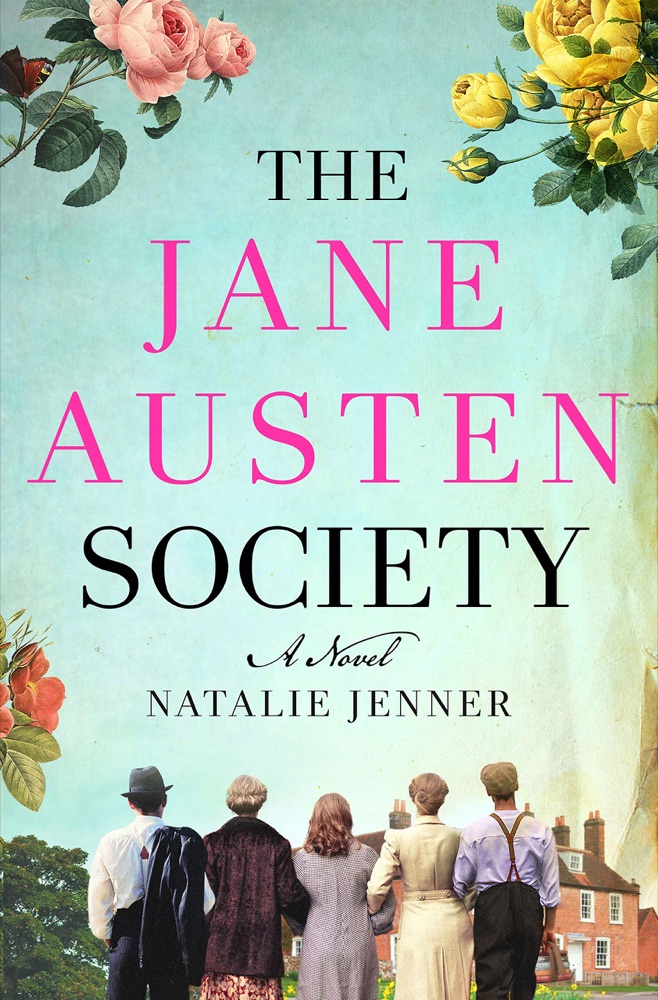 The Jane Austen Society
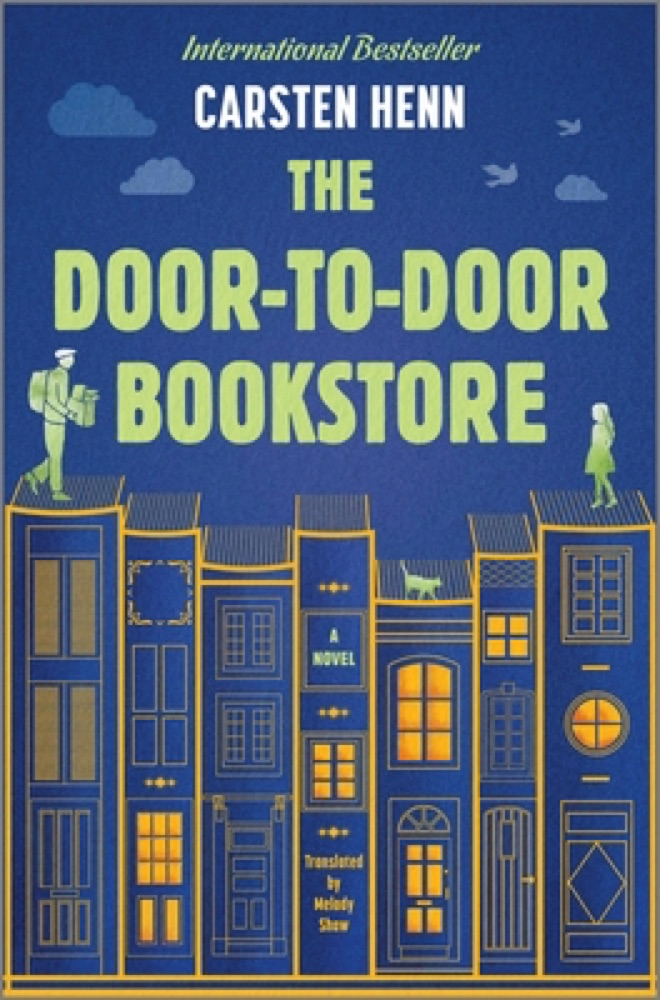 The Door-to-Door Bookstore
 The Uncommon Reader
 How to Be Alone
 The Swan Thieves
 Negotiating with the Dead: A Writer on Writing
 How to Read Now
 The Storied Life of A.J. Fikry
 When I Was a Child I Read Books
 On Reading Well: Finding the Good Life through Great Books
 Books for Living
 The Life of Charlotte Brontë
 Education of a Wandering Man: A Memoir
 The Wave in the Mind: Talks and Essays on the Writer, the Reader and the Imagination
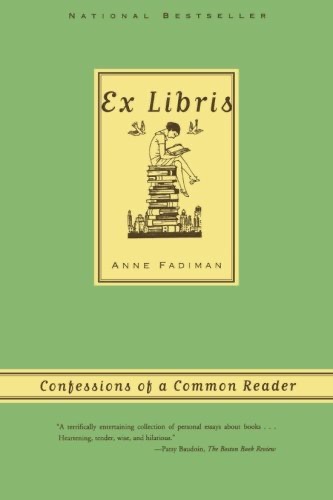 Ex Libris: Confessions of a Common Reader
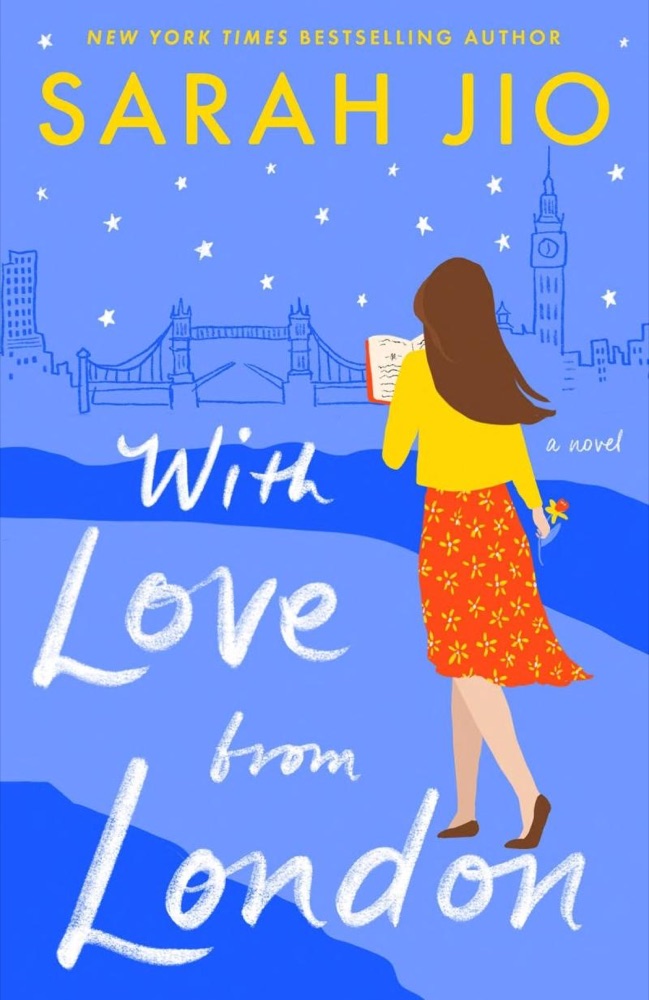 With Love from London
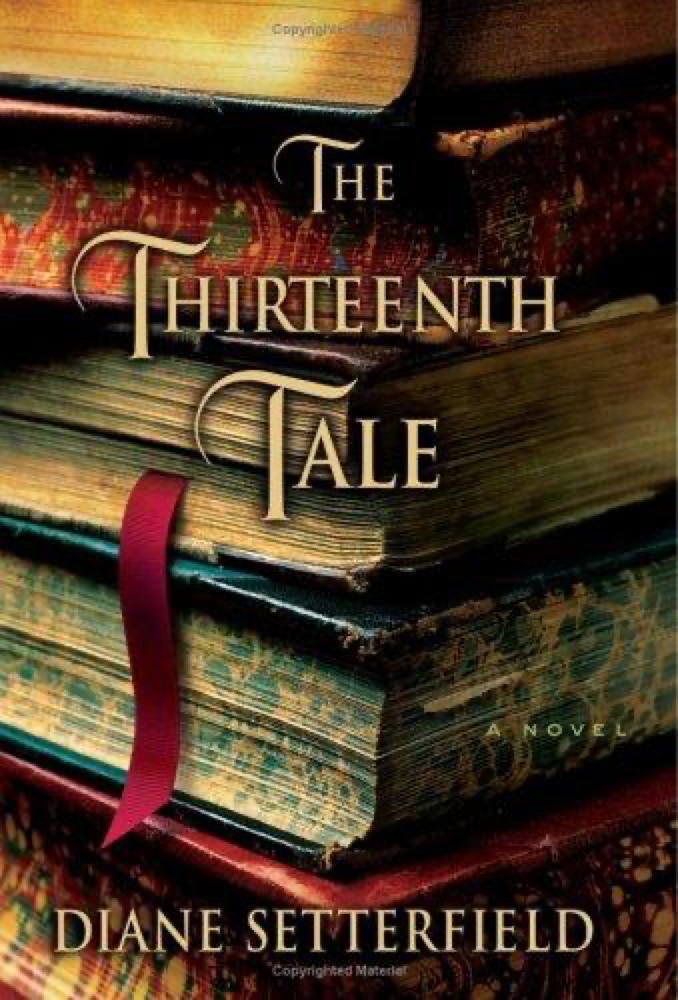 The Thirteenth Tale
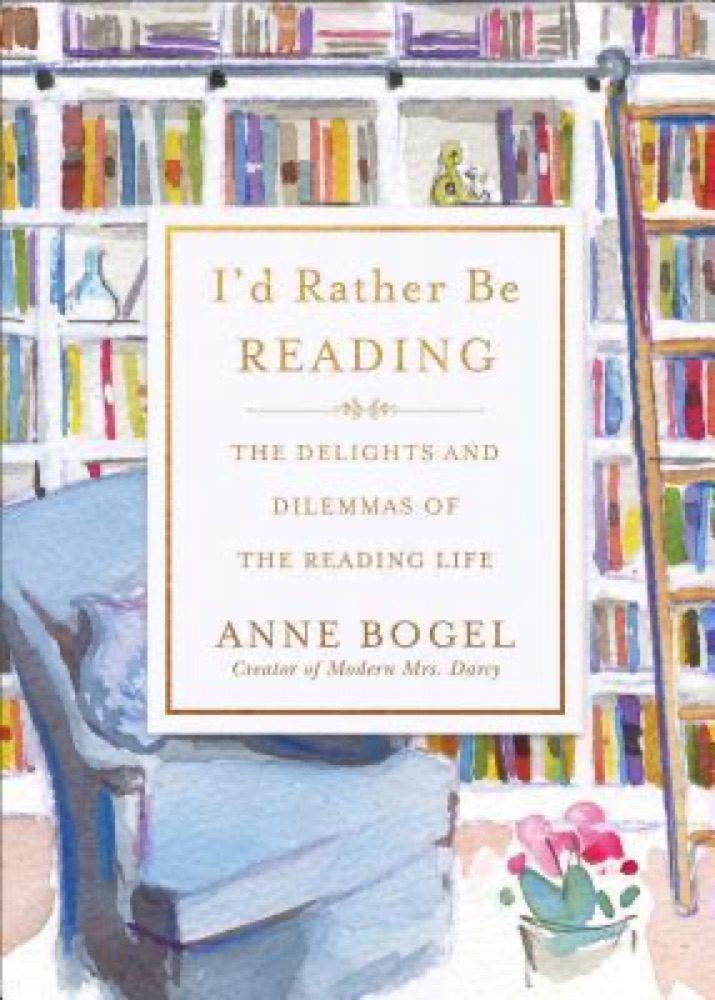 I'd Rather Be Reading: The Delights and Dilemmas of the Reading Life
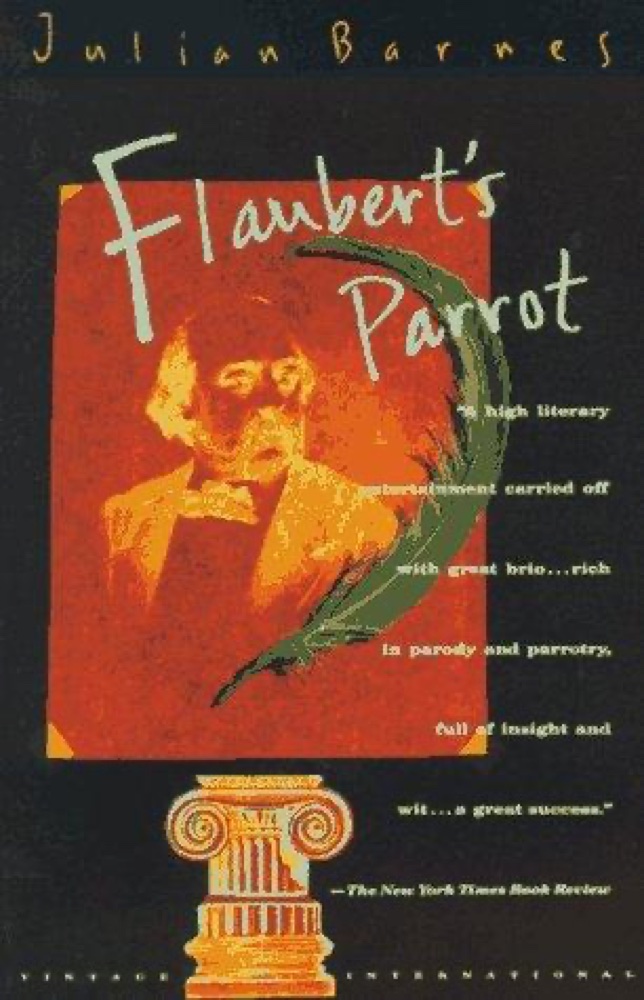 Flaubert's Parrot
 The Secret, Book & Scone Society
 Parnassus on Wheels
 Rite of Passage
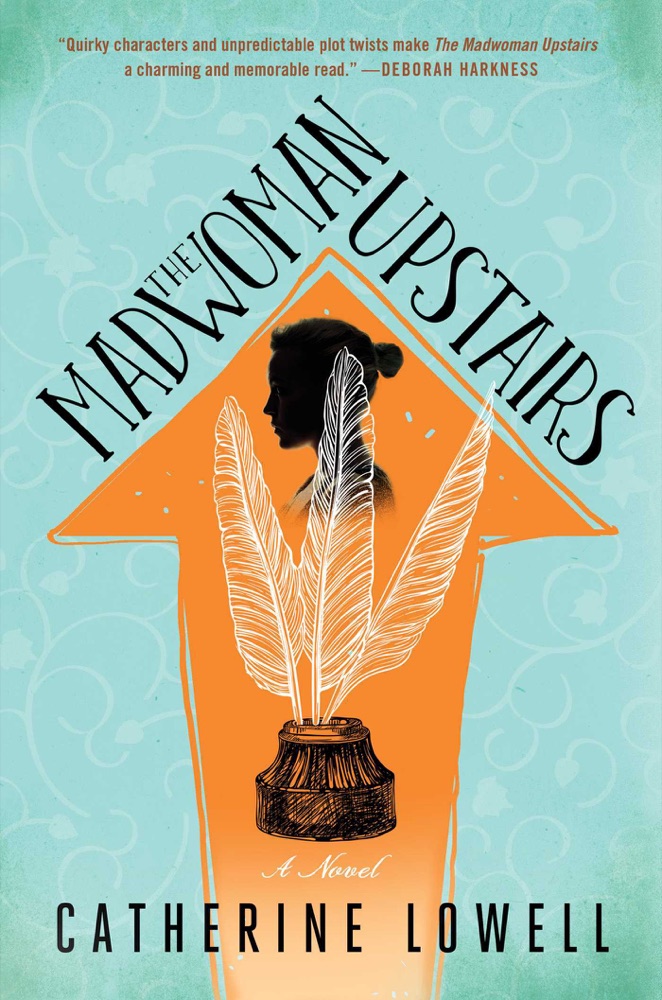 The Madwoman Upstairs
 Only Dull People Are Brilliant at Breakfast
 How to Read and Why
 An Unnecessary Woman
 Tilly and the Bookwanderers
 A Jane Austen Education: How Six Novels Taught Me About Love, Friendship, and the Things That Really Matter
 The Unlikely Escape of Uriah Heep
 Reading Like a Writer: A Guide for People Who Love Books and for Those Who Want to Write Them
 The City of Dreaming Books
 Somewhere Towards the End
 Poison for Breakfast
 Honey for a Child's Heart
 In Search of Lost Time