
 The City of Dreaming Books
Quotes from the Book
If a book cover has raised lettering, metallic lettering, or raised metallic lettering, then it is telling the reader: Hello. I am an easy-to-read work on espionage, romance, a celebrity, and/or murder. To readers who do not care for such things, this lettering tells them: Hello. I am crap.
Many people are partial to the notion that . . . all writers are somehow mere vessels for Truth and Beauty when they compose. That we are not really in control. This is a variation on that twee little fable that writers like to pass off on gullible readers, that a character can develop a will of his own and 'take over a book.' This makes writing sound supernatural and mysterious, like possession by faeries. The reality tends to involve a spare room, a pirated copy of MS Word, and a table bought on sale at Target. A character can no more take over your novel than an eggplant and a jar of cumin can take over your kitchen.
If you grew up in a rural area, you have seen how farmhouses come and go, but the dent left by cellars is permanent. There is something unbreakable in that hand-dug foundational gouge into the earth. Books are the cellars of civilization: when cultures crumble away, their books remain out of sheer stupid solidity.
Historically, dust jackets are a new concern for authors; you don't see them much before the 1920s. And dust jacket is a strange name for this contrivance, as if books had anything to fear from dust. If you store a book properly, standing up, then the jacket doesn't cover the one part of the book that is actually exposed to dust, which is the top of the pages. So a dust jacket is no such thing at all; it is really a sort of advertising wrapper, like the brown paper sheath on a Hershey's bar. On this wrapper goes the manufacturer's name, the ingredients--some blithering about unforgettable characters or gemlike prose or gripping narrative--and a brief summation of who does what to whom in our gripping, unforgettable, gemlike object.
Leatherbound books are an expensive form of wallpaper, and yet every English nobleman’s home seems to have had them. Their endless sets of the works of Cooper and Scott and Goethe, in finely tanned bindings with marbled endpapers, all end up with this sort of dealer sooner or later. I look through a set of Cooper and, without surprise, find uncut pages: these books were never actually read.
…I had a good title already. My book was originally called Loser: A Brief History of Notable Failures. But American publishers don’t like this. Losing is a bad thing in our country. It’s not allowed.
You see, literary culture is perpetually dead and dying; and when some respected writer discovers and loudly proclaims the finality of this fact, it is a forensic marker of their own decomposition. It means that they have artistically expired within the last ten years, and that they will corporeally expire within the next twenty.
What you mean to find matters less than what you do find.
I noticed you made a bee-line for their bookcases." It is the oldest and most incorrigible trait of the book-lover.
It really is an APPALLING thing to think of the people who have no books...It is only by books that most men and women can lift themselves above the sordidness of life. No books! Yet for the greater part of humanity that is the common lot. We may, in fact, divide our fellow-creatures into two branches - those who read books and those who do not.
Watch on YouTube
About Paul Collins
We have collected 10 quotes from 1 book by Paul Collins on BookQuoters.
More about the author →Book details
- Author
- Paul Collins
- Genre
- Nonfiction
- Goodreads rating
- 3.62 (3k ratings) →
Keep reading
The City of Dreaming Books
 Ex Libris: Confessions of a Common Reader
 The Haunted Bookshop
 The Year of Reading Dangerously
 The Last Bookaneer
 Howards End Is on the Landing: A Year of Reading from Home
 Housekeeping vs. the Dirt
 The Man Who Loved Books Too Much: The True Story of a Thief, a Detective, and a World of Literary Obsession
 The Book That Wouldn’t Burn
 The Diary of a Bookseller
 The Wave in the Mind: Talks and Essays on the Writer, the Reader and the Imagination
 Lectures on Literature
 The Archive of the Forgotten
 The Door-to-Door Bookstore
 84, Charing Cross Road
 The View from the Cheap Seats: Selected Nonfiction
 The Name of This Book Is Secret
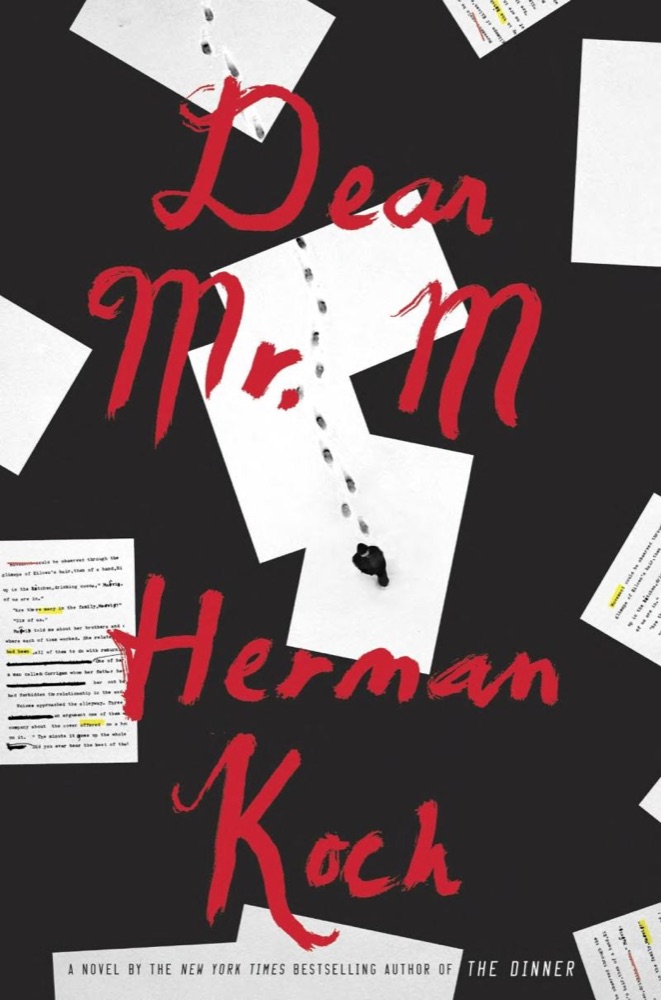 Dear Mr. M
 The Guernsey Literary and Potato Peel Pie Society
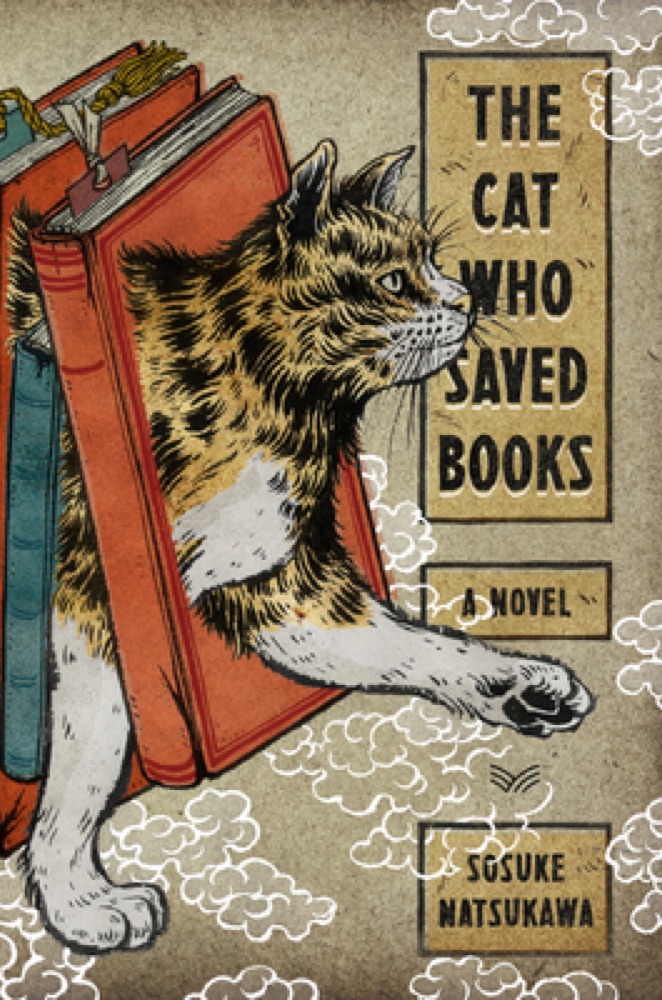 The Cat Who Saved Books
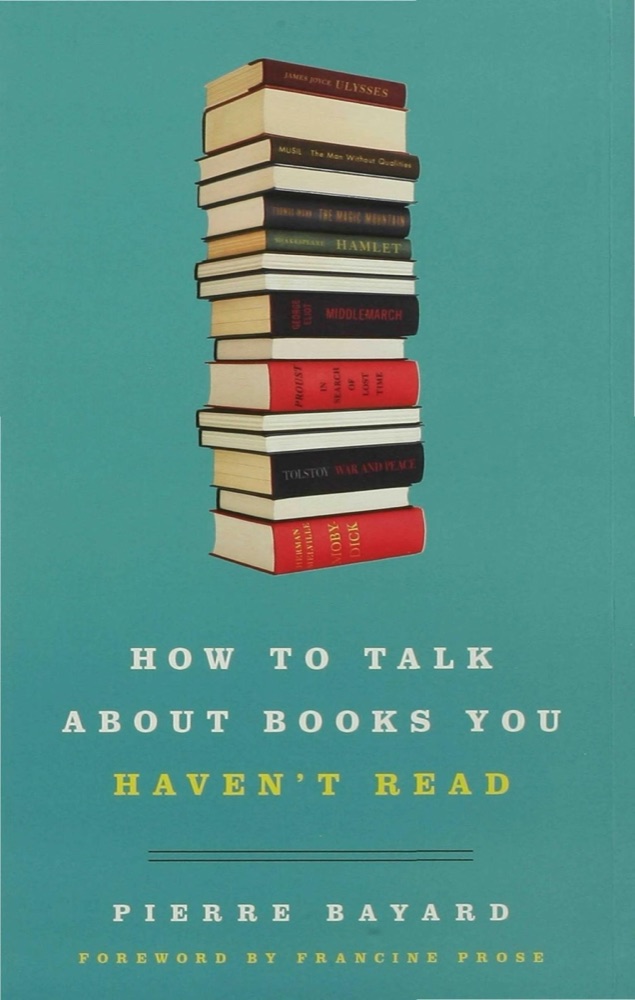 How to Talk About Books You Haven't Read
 The Last Librarian
 The Yellow-Lighted Bookshop: A Memoir, a History
 The Secret, Book & Scone Society
 How Should One Read a Book?
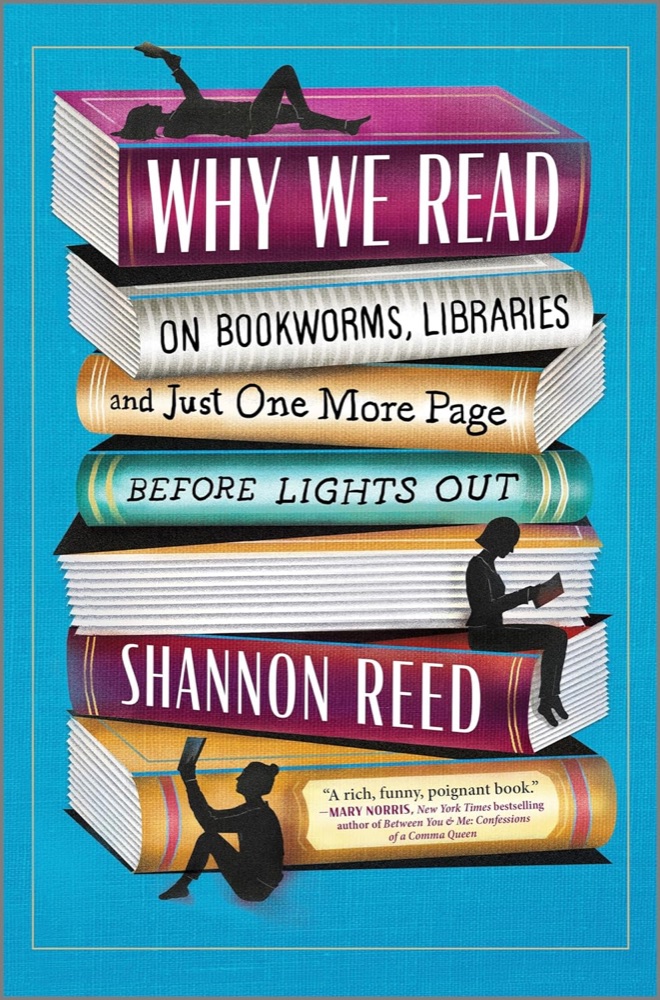 Why We Read: On Bookworms, Libraries, and Just One More Page Before Lights Out
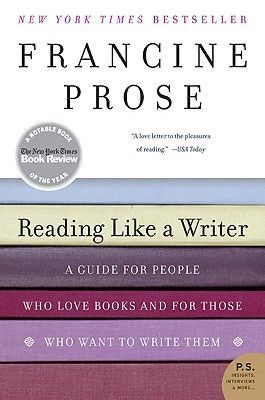 Reading Like a Writer: A Guide for People Who Love Books and for Those Who Want to Write Them
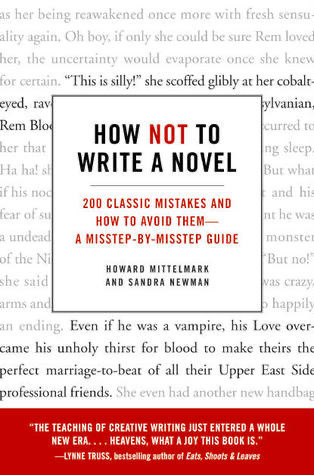 How Not to Write a Novel: 200 Classic Mistakes and How to Avoid Them—A Misstep-by-Misstep Guide
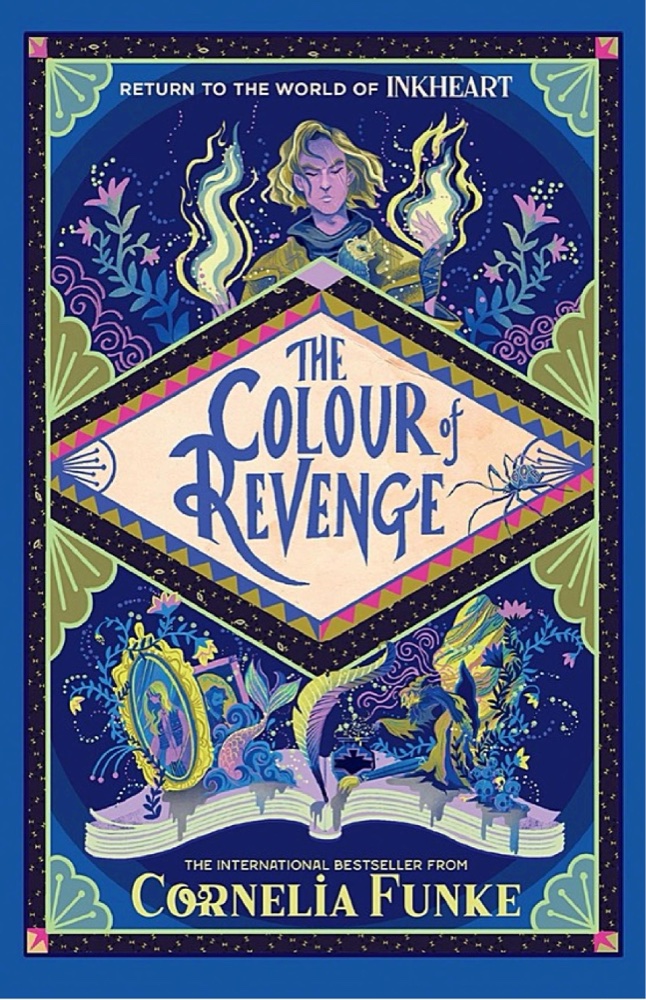 Inkheart
 The Rabbit Back Literature Society
 Checkout 19
 The Book of Air and Shadows
 Packing My Library: An Elegy and Ten Digressions
 Judging a Book by Its Lover: A Field Guide to the Hearts and Minds of Readers Everywhere
 If on a Winter's Night a Traveler
 The Secret Lives of Booksellers and Librarians: True Stories of the Magic of Reading
 A Slip of the Keyboard: Collected Non-Fiction
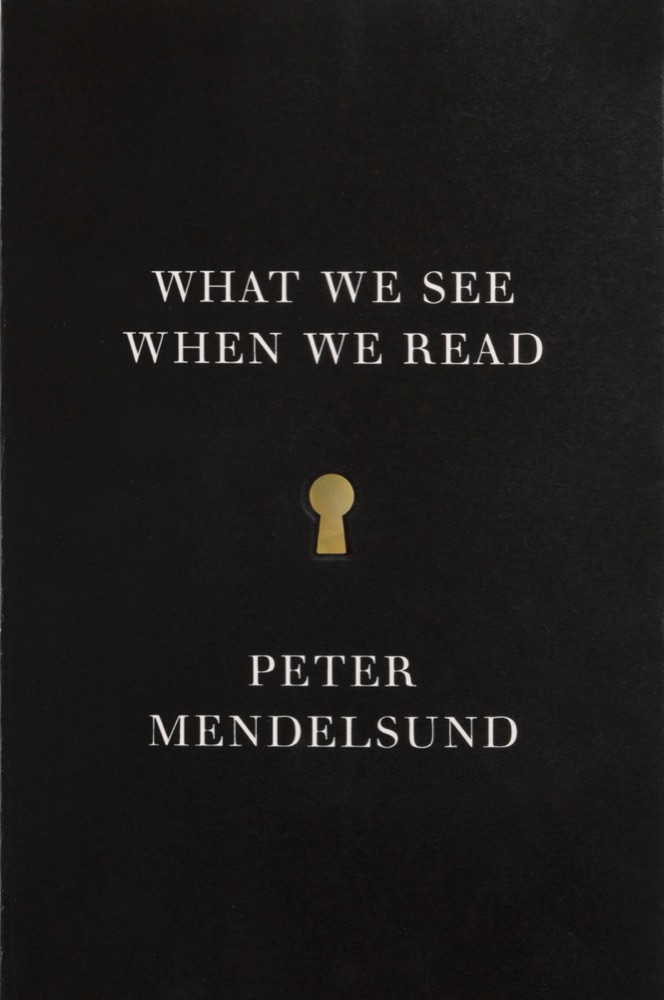 What We See When We Read
 An Experiment in Criticism
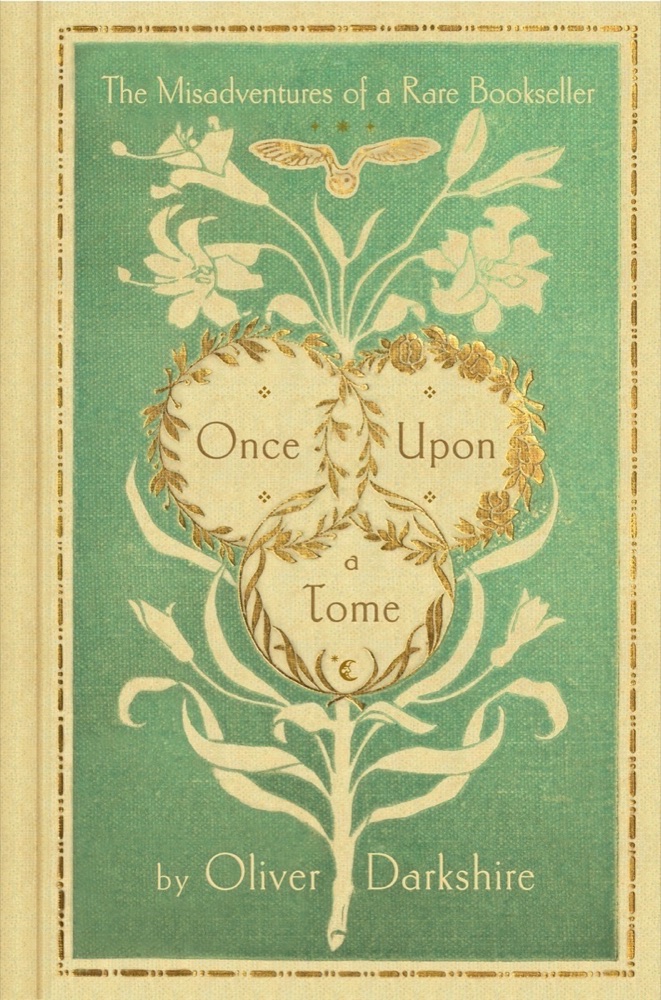 Once Upon a Tome: The Misadventures of a Rare Bookseller
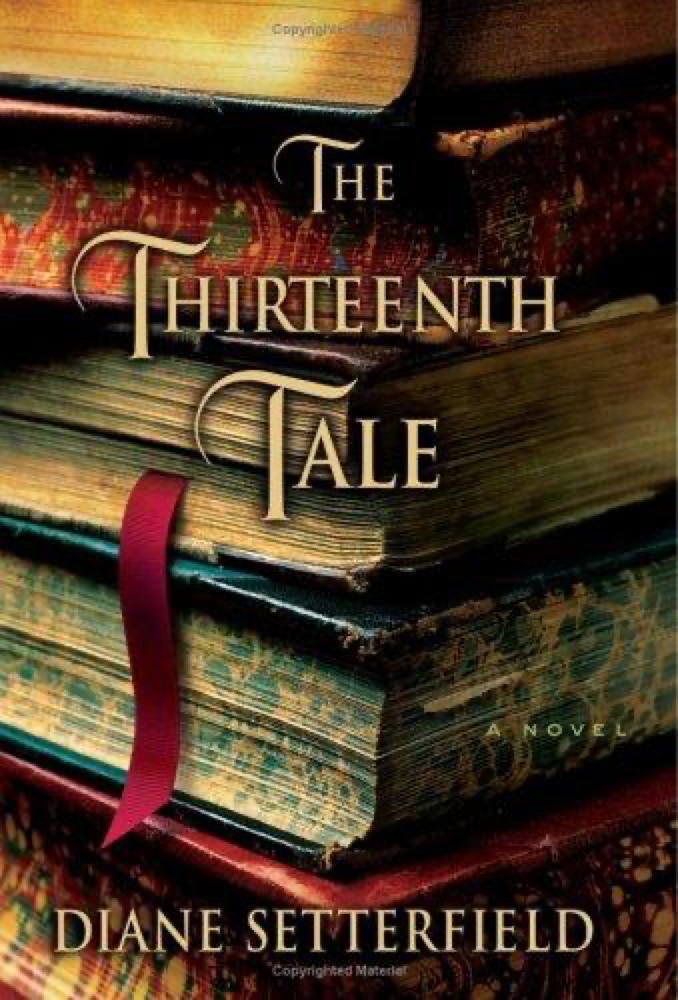 The Thirteenth Tale
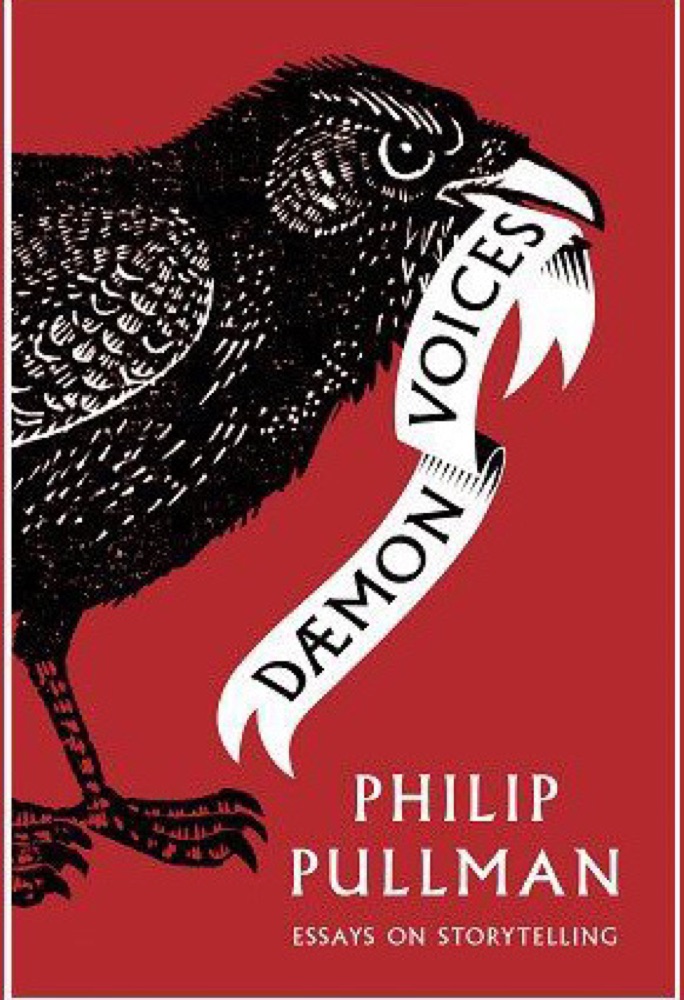 Dæmon Voices
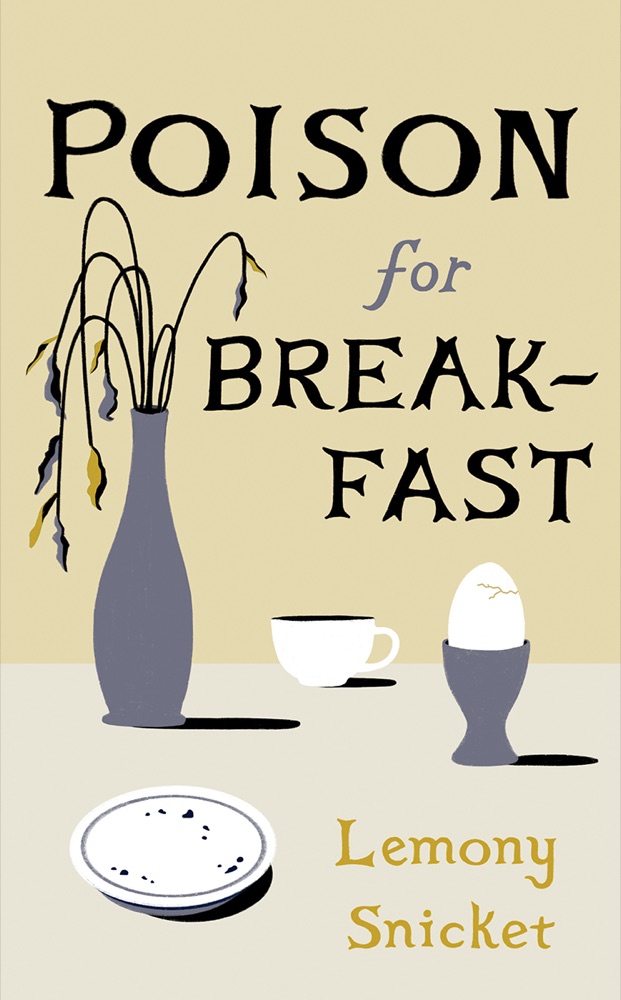 Poison for Breakfast
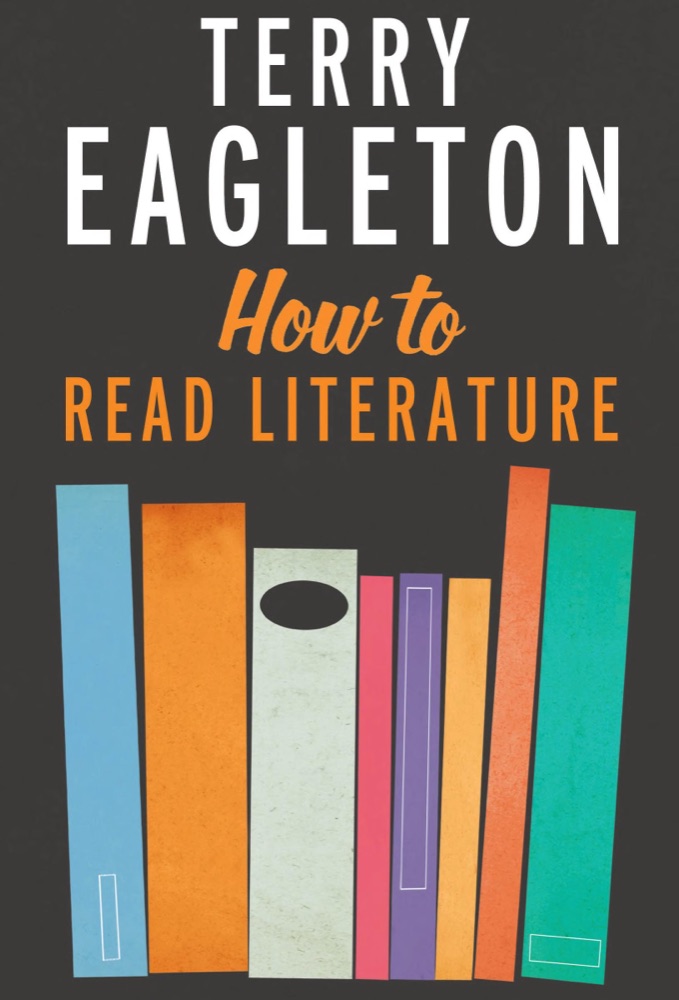 How to Read Literature
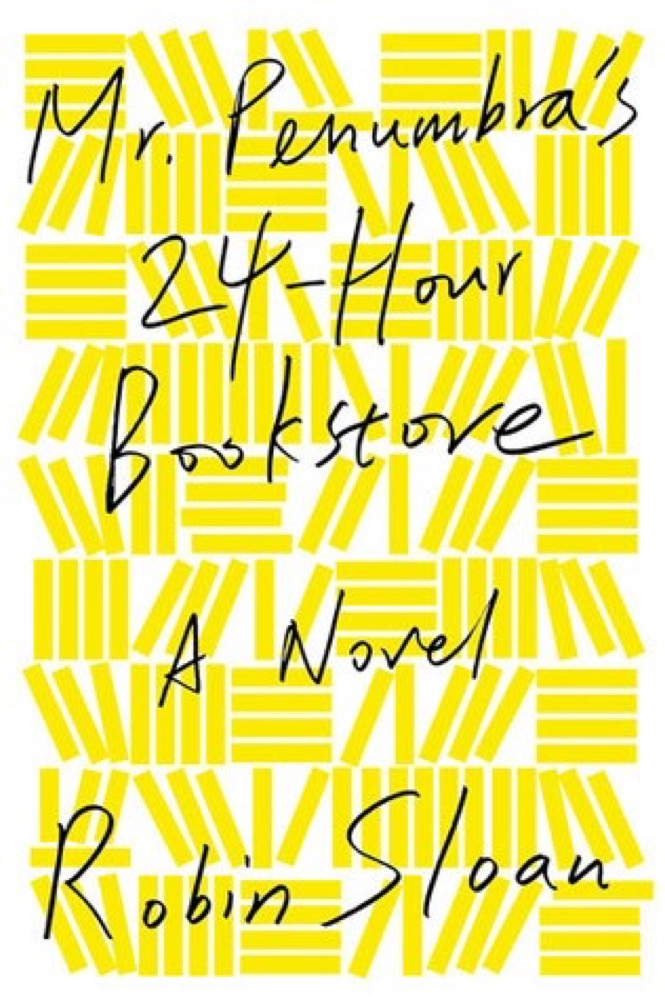 Mr. Penumbra's 24-Hour Bookstore
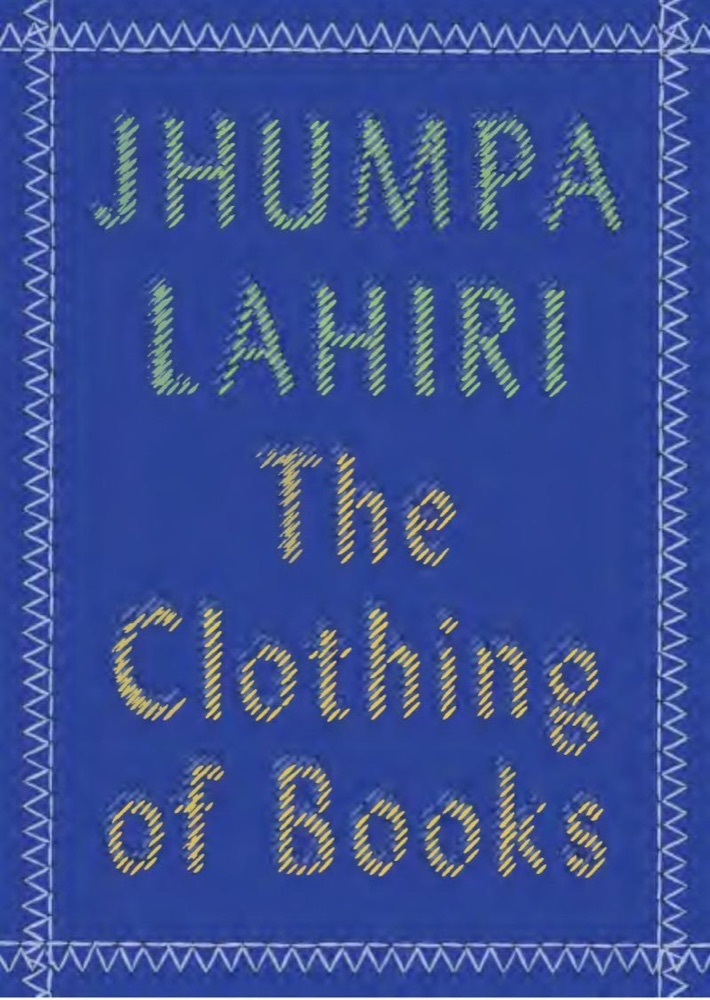 The Clothing of Books: An Essay
 The Reader
 The Storied Life of A.J. Fikry
 The Book That Held Her Heart
 The Uncommon Reader
 The Well of Lost Plots
 Negotiating with the Dead: A Writer on Writing
 The Book of Form and Emptiness
 Parnassus on Wheels
 The Club Dumas
 How to Read Literature Like a Professor
 Among Others
 The Writing Life
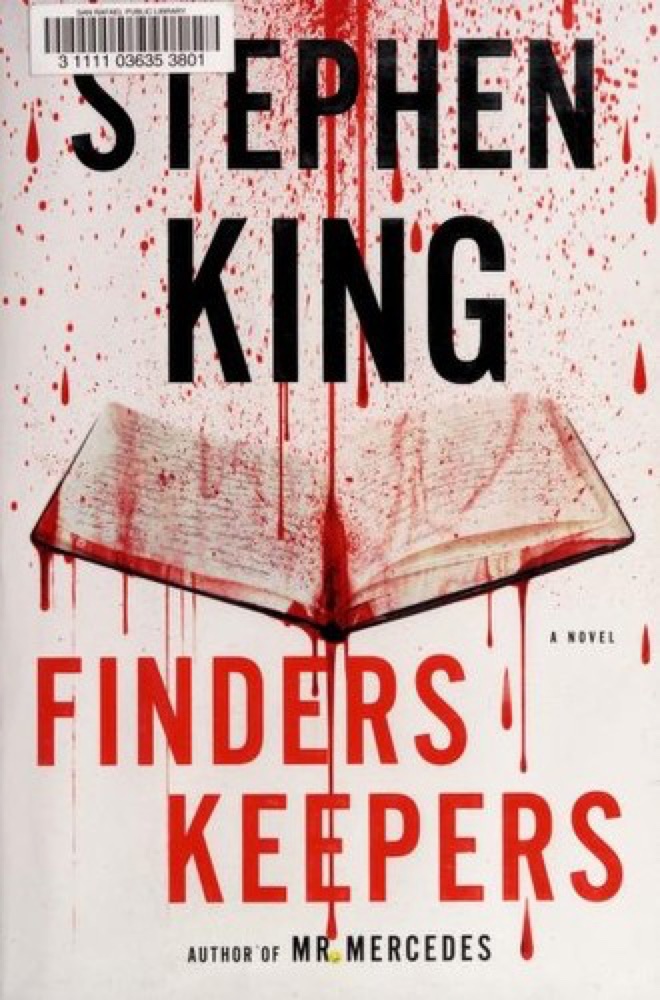 Finders Keepers
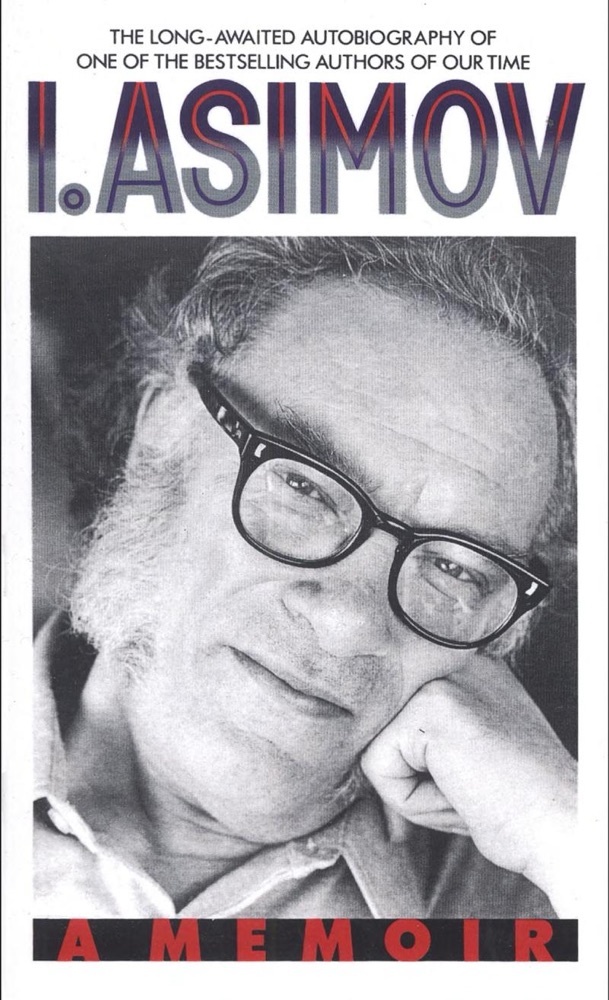 I. Asimov: A Memoir