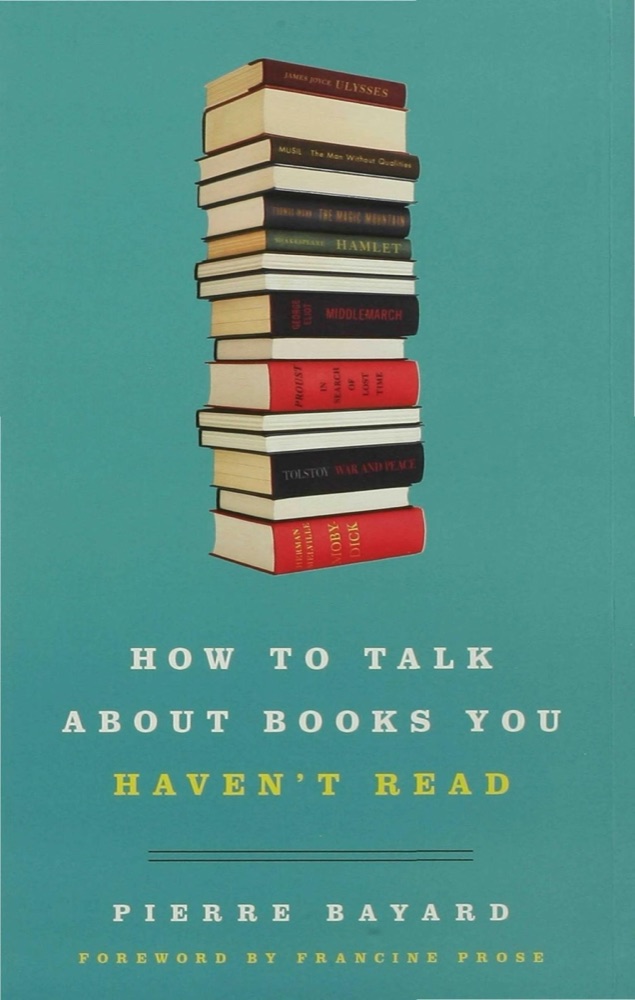

 How Should One Read a Book?
Quotes from the Book
The books we love offer a sketch of a whole universe that we secretly inhabit, and in which we desire the other person to assume a role. One of the conditions of happy romantic compatibility is, if not to have read the same books, to have read at least some books in common with the other person—which means, moreover, to have non-read the same books. From the beginning of the relationship, then, it is crucial to show that we can match the expectations of our beloved by making him or her sense the proximity of our inner libraries.
19
To speak without shame about books we haven’t read, we would thus do well to free ourselves of the oppressive image of cultural literacy without gaps, as transmitted and imposed by family and school, for we can strive toward this image for a lifetime without ever managing to coincide with it.
10
Reading is first and foremost non-reading. Even in the case of the most passionate lifelong readers, the act of picking up and opening a book masks the countergesture that occurs at the same time: the involuntary act of *not* picking up and *not* opening all the other books in the universe.
9
When we talk about books…we are talking about our approximate recollections of books… What we preserve of the books we read—whether we take notes or not, and even if we sincerely believe we remember them faithfully—is in truth no more than a few fragments afloat, like so many islands, on an ocean of oblivion…We do not retain in memory complete books identical to the books remembered by everyone else, but rather fragments surviving from partial readings, frequently fused together and further recast by our private fantasies. … What we take to be the books we have read is in fact an anomalous accumulation of fragments of texts, reworked by our imagination and unrelated to the books of others, even if these books are materially identical to ones we have held in our hands.
9
The paradox of reading is that the path toward ourselves passes through books, but that this must remain a passage. It is a traversal of books that a good reader engages in - a reader who knows that every book is the bearer of part of himself and can give him access to it, if only he has the wisdom to not end his journey there.
7
Our relation to books is a shadowy space haunted by the ghosts of memory, and the real value of books lies in their ability to conjure these specters.
4
There is more than one way not to read, the most radical of which is not to open a book at all. For any given reader, however dedicated he might be, such total abstention necessarily holds true for virtually everything that has been published, and thus in fact this constitutes our primary way of relating to books. We must not forget that even a prodigious reader never has access to more than an infinitesimal fraction of the books that exist.
4
As may be seen, there is only one sensible piece of advice to give to those who find themselves having to talk to an author about one of his books without having read it: praise it without going into detail. An author does not expect a summary or a rational analysis of his book and would even prefer you not to attempt such a thing. He expects only that, while maintaining the greatest possible degree of ambiguity, you will tell him you like what he wrote.
4
The title of the work, its place in the collective library, the nature of the person who tells us about it, the atmosphere established in the written or spoken exhange, among many other instances, offer alternatives to the book itself that allow us to talk about ourselves without dwelling upon the work too closely.
4
It is only by maintaining a reasonable distance from the book that we may be able to appreciate its true meaning.
3
Fictional characters exert a great deal of influence over our choices in love by representing inaccessible ideals to which we try to make others conform, usually without success. But more subtly, too, the books we love offer a sketch of a whole universe that we secretly inhabit, and in which we desire the other person to assume a role.
2
What we are able to say about our intimate relation with a book will have more force if we have not thought about it excessively. Instead, we need only let our unconscious express itself within us and give voice, in this privileged moment of openness in language, to the secret ties that bind us to the book, and therefore to ourselves.
2
We might use the term inner library to characterize that set of books . . . around which every personality is constructed, and which then shapes each person’s individual relationship to books and to other people. Specific titles figure in these private libraries, but . . . they are primarily composed of fragments of forgotten and imaginary books through which we apprehend the world.
L’auteur n’attend nullement un résumé ou un commentaire argumenté de son livre et il est même préférable que ceux-ci ne lui soient pas donnés, il attend seulement, en préservant la plus grande ambiguïté possible, qu’on lui dise avoir aimé ce qu’il a écrit.
Alors même que je suis en train de lire, je commence à oublier ce que j’ai lu et ce processus est inéluctable, il se prolonge jusqu’au moment où tout se passe comme si je n’avais pas lu le livre et où je rejoins le non-lecteur que j’aurais pu rester si j’avais été mieux avisé. Dire que l’on a lu un livre fait alors surtout figure de métonymie. On n’a jamais lu, d’un livre, qu’une partie plus ou moins grande, et cette partie même est condamnée, à plus ou moins long terme, à la disparition. Plus que de livres ainsi, nous nous entretenons, avec nous-même et les autres, de souvenirs approximatifs, remaniés en fonction des circonstances du temps présent.
Watch on YouTube
About Pierre Bayard
We have collected 15 quotes from 1 book by Pierre Bayard on BookQuoters.
More about the author →About the book
If cultured people are expected to have read all the significant works of literature, and thousands more are published each year, what are we supposed to do in those inevitable social situations where we're forced to talk about books we haven't read? In this delightfully witty, provocative book, a huge hit in France that has drawn attention from critics and readers around the world, literature professor and psychoanalyst Pierre Bayard argues that not having read a book need not be an impediment to having an interesting conversation about it. (In fact, he says, in certain situations reading the book is the worst thing you could do). Using examples from such writers as Graham Greene, Oscar Wilde, Montaigne, and Umberto Eco, he describes the varieties of "non-reading"—from books that you've never heard of to books that you've read and forgotten—and offers advice on how to turn a sticky soc
Book details
- First published
- 2020
- Author
- Pierre Bayard
- Genre
- Nonfiction
- Goodreads rating
- 3.44 (5k ratings)
Keep reading
How Should One Read a Book?
 An Experiment in Criticism
 Lectures on Literature
 How to Read a Book: The Classic Guide to Intelligent Reading
 What We See When We Read
 The Year of Reading Dangerously
 Days of Reading
 Packing My Library: An Elegy and Ten Digressions
 If on a Winter's Night a Traveler
 The Door-to-Door Bookstore
 I'd Rather Be Reading: The Delights and Dilemmas of the Reading Life
 The View from the Cheap Seats: Selected Nonfiction
 Why Read the Classics?
 Housekeeping vs. the Dirt
 Ex Libris: Confessions of a Common Reader
 Why We Read: On Bookworms, Libraries, and Just One More Page Before Lights Out
 The Haunted Bookshop
 How Reading Changed My Life
 The City of Dreaming Books
 Lit!: A Christian Guide to Reading Books
 The Last Bookaneer
 The Cat Who Saved Books
 Sixpence House: Lost in a Town of Books
 So Many Books, So Little Time: A Year of Passionate Reading
 How to Read Literature
 The Uncommon Reader
 Howards End Is on the Landing: A Year of Reading from Home
 The Wave in the Mind: Talks and Essays on the Writer, the Reader and the Imagination
 Aspects of the Novel
 The Book That Wouldn’t Burn
 How to Read Now
 The Storied Life of A.J. Fikry
 Judging a Book by Its Lover: A Field Guide to the Hearts and Minds of Readers Everywhere
 Books for Living
 Reading Like a Writer: A Guide for People Who Love Books and for Those Who Want to Write Them
 Leave Me Alone, I'm Reading: Finding and Losing Myself in Books
 The Archive of the Forgotten
 The Man Who Loved Books Too Much: The True Story of a Thief, a Detective, and a World of Literary Obsession
 A Novel Bookstore
 The Library at Night
 Reader, Come Home: The Reading Brain in a Digital World
 Every Day I Read: 53 Ways to Get Closer to Books
 Selected Non-Fictions
 The Secret Lives of Booksellers and Librarians: True Stories of the Magic of Reading
 The Book That Held Her Heart
 Illuminations: Essays and Reflections
 The Lost Library: A Kid-Friendly Mystery
 How to Read Literature Like a Professor
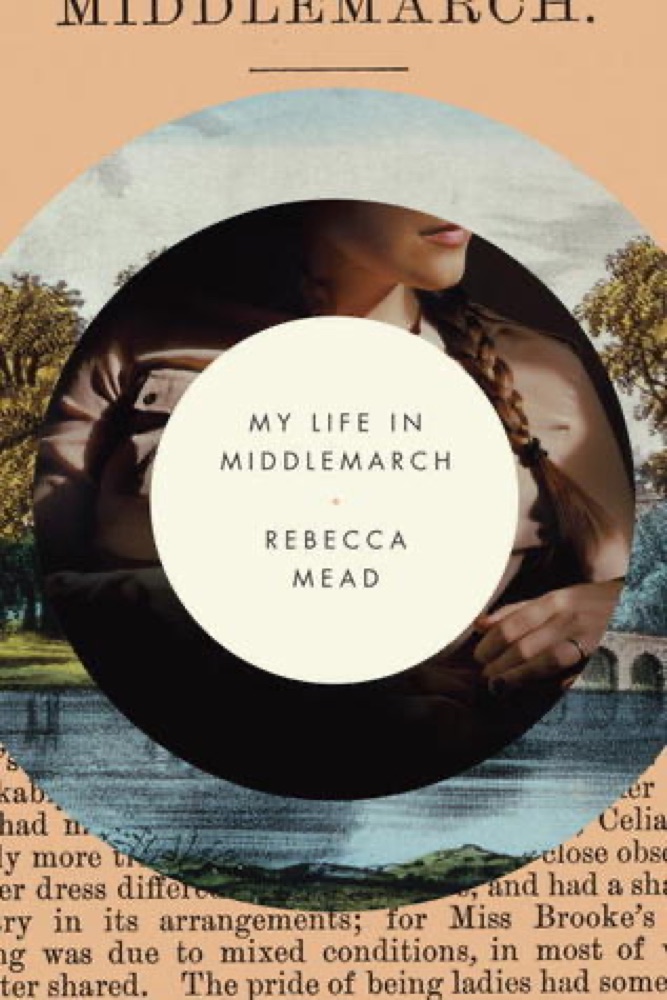 My Life in Middlemarch
 The Yellow-Lighted Bookshop: A Memoir, a History
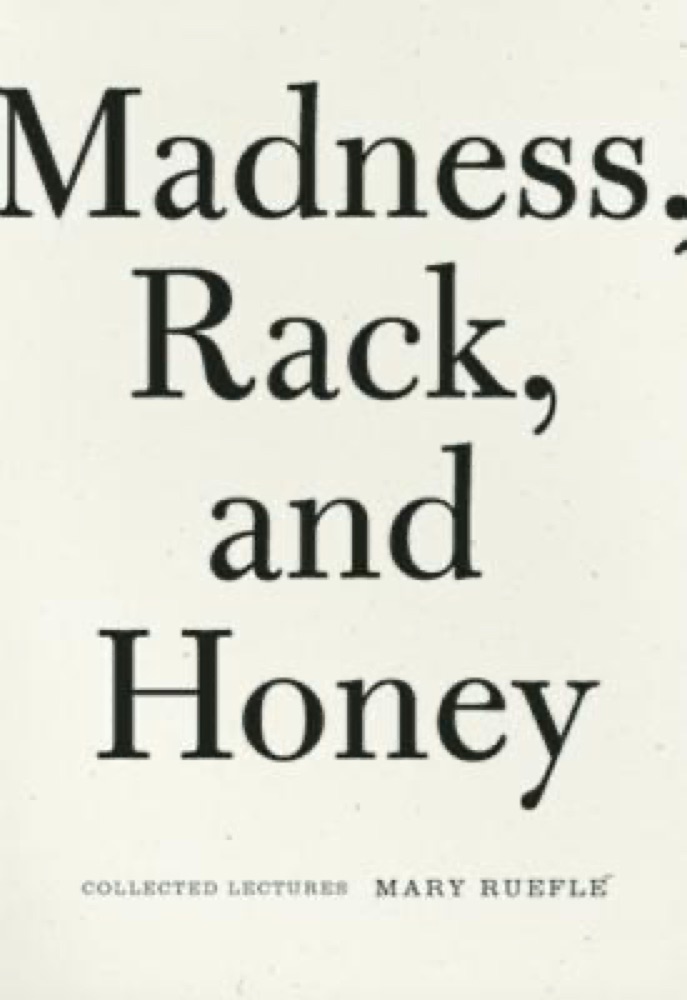 Madness, Rack, and Honey: Collected Lectures
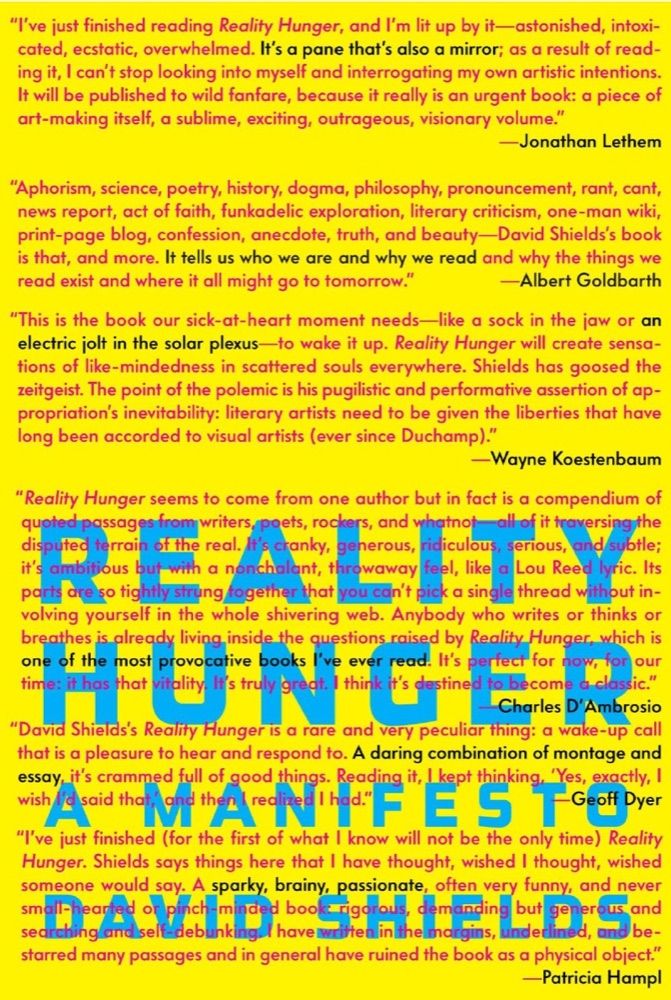 Reality Hunger: A Manifesto
 The Thirteenth Tale
 Poison for Breakfast
 The Rabbit Back Literature Society
 Dæmon Voices
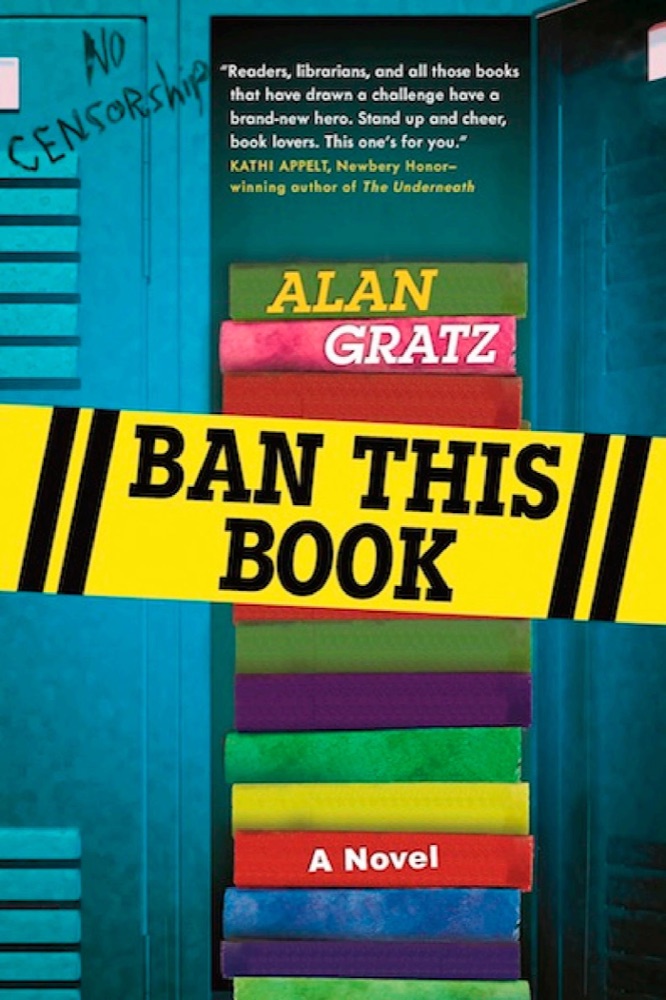 Ban This Book
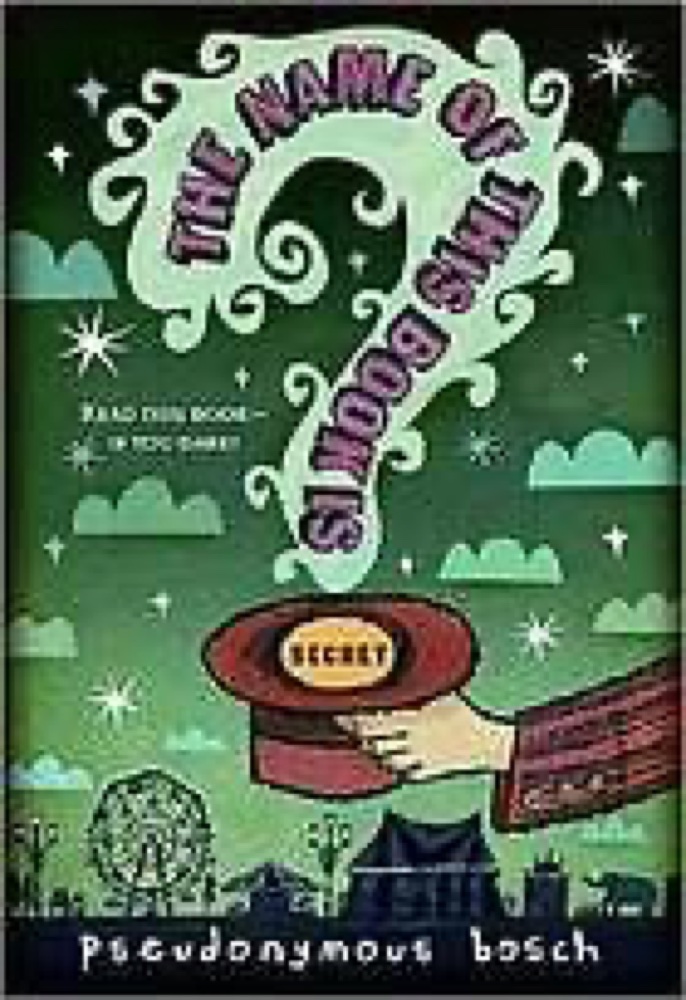 The Name of This Book Is Secret
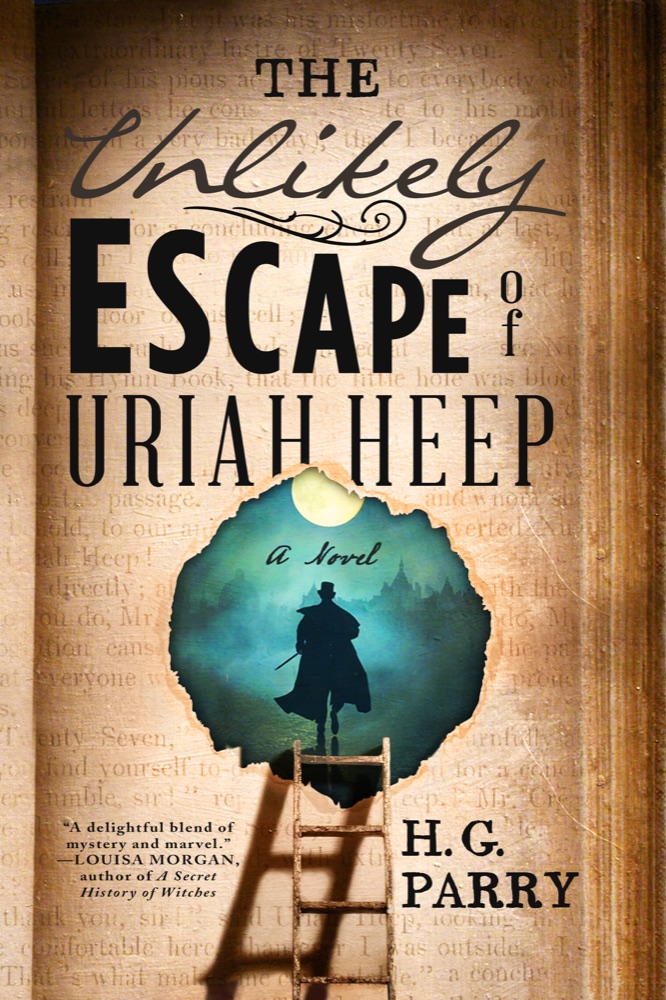 The Unlikely Escape of Uriah Heep
 The Last Librarian