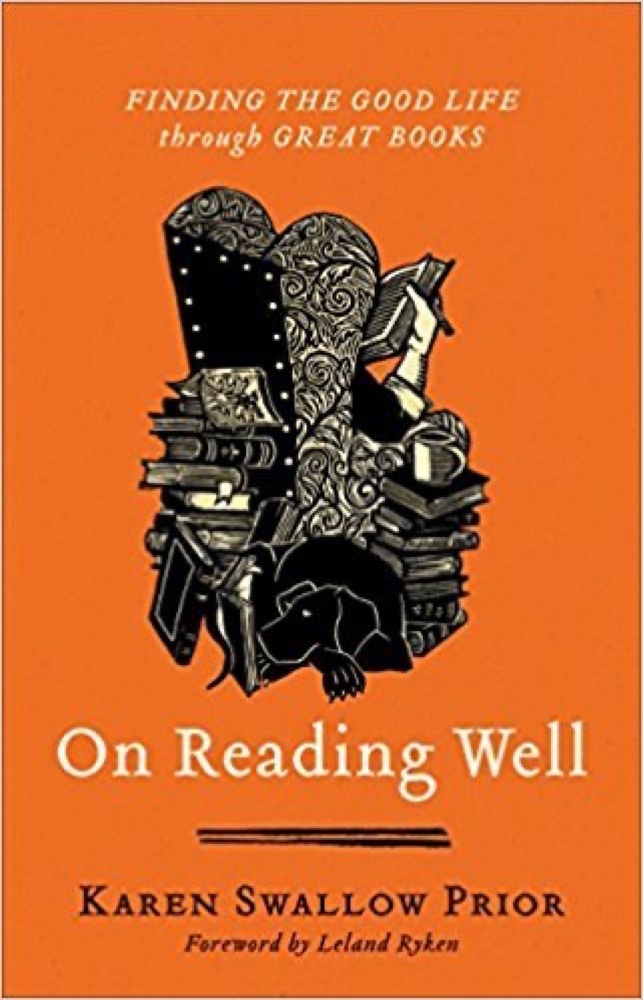
Quotes from the Book
Reading well adds to our life—not in the way a tool from the hardware store adds to our life, for a tool does us no good once lost or broken, but in the way a friendship adds to our life, altering us forever.
16
To read well is not to scour books for lessons on what to think. Rather, to read well is to be formed in how to think.
8
Indeed, there is something in the very form of reading—the shape of the action itself—that tends toward virtue. The attentiveness necessary for deep reading (the kind of reading we practice in reading literary works as opposed to skimming news stories or reading instructions) requires patience. The skills of interpretation and evaluation require prudence. Even the simple decision to set aside time to read in a world rife with so many other choices competing for our attention requires a kind of temperance.
7
Despair has encouraged some to place more faith in political leaders than in biblical principles. In turn, some Christians, disillusioned over what other believers have said or done, have chosen to disavow their family of faith, giving in to despair. To despair over politics—regardless of which side of the political divide one lands on—as many Christians have done in the current apocalyptic political climate, is to forget that we are but wayfarers in this land. Choosing hope—whether amid the annihilation of the world or merely a political breakdown—is virtuous.
6
A book that requires nothing from you might offer the same diversion as that of a television sitcom, but it is unlikely to provide intellectual, aesthetic, or spiritual rewards long after the cover is closed.
5
Just as water, over a long period of time, reshapes the land through which it runs, so too we are formed by the habit of reading good books well.
3
Excellence is an art won by training and habituation: we do not act rightly because we have virtue or excellence, but we rather have these because we have acted rightly; “these virtues are formed in man by his doing the actions”; we are what we repeatedly do.
3
I retell in the pages of Booked how, by reading widely, voraciously, and indiscriminately, I learned spiritual lessons I never learned in church or Sunday school, as well as emotional and intellectual lessons that I would never have encountered within the realm of my lived experience.
3
What does it mean to practice faith well? While our works cannot save us, our habits can strengthen our faith.
2
Our actions, our decisions, and even the very perceptions we register in our consciousness have been primed by the larger story—of our family, our community, our culture—in which we imagine ourselves.
2
Similarly, we can hardly attain human excellence if we don’t have an understanding of human purpose. Human excellence occurs only when we glorify God, which is our true purpose.
1
Seeing who we really are--which requires seeing ourselves in relationship to God--is true humility. Humility is taking our place, no matter how small (or big), and fulfilling that place with a heart overflowing with love.
1
Humility is not, therefore, simply a low regard for oneself; rather, it is a proper view of oneself that is low in comparison to God and in recognition of our own fallenness. "Humility is thinking less about yourself, not thinking less of yourself.
1
The marital relationship is singular in the way each partner shapes and forms the other. The good habits practiced by one partner contribute to the positive formation of the other. The same is true of bad habits. This mutuality doubles the effects of one person’s habits, whether positively or negatively.
1
Certainly, some reading material merits a quick read, but habitual skimming is for the mind what a steady diet of fast food is for the body.
1
But the cultivation and expression of virtue (and vice) and the formation of conscience is not merely an individual act but also a communal one. In addition to shaping individual experience and character, great literature has a role in forming the communal conscience and public virtue. We can understand a great deal about culture—its strengths, its weakness, its blind spots, and its struggles—when we examine the literature it not only produces but reveres.
1
The fullness of literary language echoes meaning—and reminds us that there is, in fact, meaning.
1
If sex “is about persons being bodies together,”8 then chastity is about the right bodies being together at the right time. Chastity, then, is “not the mere absence of sex but an active conforming of one’s body to the arc of the gospel.
Cultivating and exercising wisdom is harder than consulting a rule book.
Although very different, both satirical and allegorical language employ two levels of meaning: the literal meaning and the intended meaning. In satire, the intended meaning is the opposite of the stated words; in allegory, the intended meaning is symbolized by the stated words. Satire points to error, and allegory points to truth, but both require the reader to discern meaning beyond the surface level. In this way, allegory and satire—and less obviously, all literary language—reflect the transcendent nature of the human condition and the “double-willed self” described by Paul in Romans 7:19.
There is only one thing worse than being chastened: that is, not being chastened.
Seventeenth-century Puritan divine Richard Baxter writes, “It is not the reading of many books which is necessary to make a man wise or good; but the well reading of a few, could he be sure to have the best.
(The sheer delight to be found in reading other readers’ marginalia is unforgettably rendered in Billy Collins’s poem, “Marginalia.”10)
Virtue requires judgment, and judgment requires prudence. Prudence is wisdom in practice.
Both skill and virtue are always concerned with what is harder, because success in what is harder is superior.
The ability to understand figurative language, in which “a word is both itself and something else,” is unique to human beings and, as one cognitive psychologist explains, “fundamental to how we think” in that it is the means by which we can “escape the literal and immediate.”27 We see this quality most dramatically in satire and allegory. Although very different, both satirical and allegorical language employ two levels of meaning: the literal meaning and the intended meaning. In satire, the intended meaning is the opposite of the stated words; in allegory, the intended meaning is symbolized by the stated words. Satire points to error, and allegory points to truth, but both require the reader to discern meaning beyond the surface level. In this way, allegory and satire—and less obviously, all literary language—reflect the transcendent nature of the human condition and the “double-willed self” described by Paul in Romans 7:19.
Since therefore the knowledge and survey of vice is in this world so necessary to the constituting of human virtue, and the scanning of error to the confirmation of truth, how can we more safely, and with less danger, scout into the regions of sin and falsity than by reading all manner of tractates and hearing all manner of reason? And this is the benefit which may be had of books promiscuously read.
Economic plenty seems to impose materialistic limits on imagination and people devote themselves to recreation, entertainment, and physical pleasure. Freedom consequently becomes trivial. . . . Everyone lives in about the same way, and it may be difficult even to think of a different way.
Therefore, even as you seek books that you will enjoy reading, demand ones that make demands on you: books with sentences so exquisitely crafted that they must be reread, familiar words used in fresh ways, new words so evocative that you are compelled to look them up, and images and ideas so arresting that they return to you unbidden for days to come.
Watch on YouTube
About Karen Swallow Prior

We have collected 29 quotes from 1 book by Karen Swallow Prior on BookQuoters.
More about the author →About the book
Reading great literature well has the power to cultivate virtue. Great literature increases knowledge of and desire for the good life by showing readers what virtue looks like and where vice leads. It is not just what one reads but how one reads that cultivates virtue. Reading good literature well requires one to practice numerous virtues, such as patience, diligence, and prudence. And learning to judge wisely a character in a book, in turn, forms the reader's own character.
Acclaimed author Karen Swallow Prior takes readers on a guided tour through works of great literature both ancient and modern, exploring twelve virtues that philosophers and theologians throughout history have identified as most essential for good character and the good life. In reintroducing ancient virtues that are as relevant and essential today as ever, Prior draws on the best classical and Christian thinkers,
Book details
- First published
- 2018
- Author
- Karen Swallow Prior
- Genre
- Nonfiction
- Goodreads rating
- 4.34 (3k ratings)
Keep reading
 The Intellectual Life: Its Spirit, Conditions, Methods
 How to Read a Book: The Classic Guide to Intelligent Reading
 The Wisdom of Life
 The Common Reader
 Twilight of the Idols
 Lit!: A Christian Guide to Reading Books
 Standing for Something: 10 Neglected Virtues That Will Heal Our Hearts and Homes
 An Experiment in Criticism
 The Social Animal: The Hidden Sources of Love, Character, and Achievement
 How Proust Can Change Your Life
 How to Be Perfect: The Correct Answer to Every Moral Question
 Only Dull People Are Brilliant at Breakfast
 Essays
 Finding Flow: The Psychology of Engagement with Everyday Life
 Mystery and Manners: Occasional Prose
 How to Read Literature Like a Professor
 Reflections on the Psalms
 The Art of Living: The Classical Manual on Virtue, Happiness and Effectiveness
 A Circle of Quiet
 Stillness Is the Key
 The Socrates Express: In Search of Life Lessons from Dead Philosophers
 The Abundance
 How to Use Your Enemies
 The Perennial Philosophy
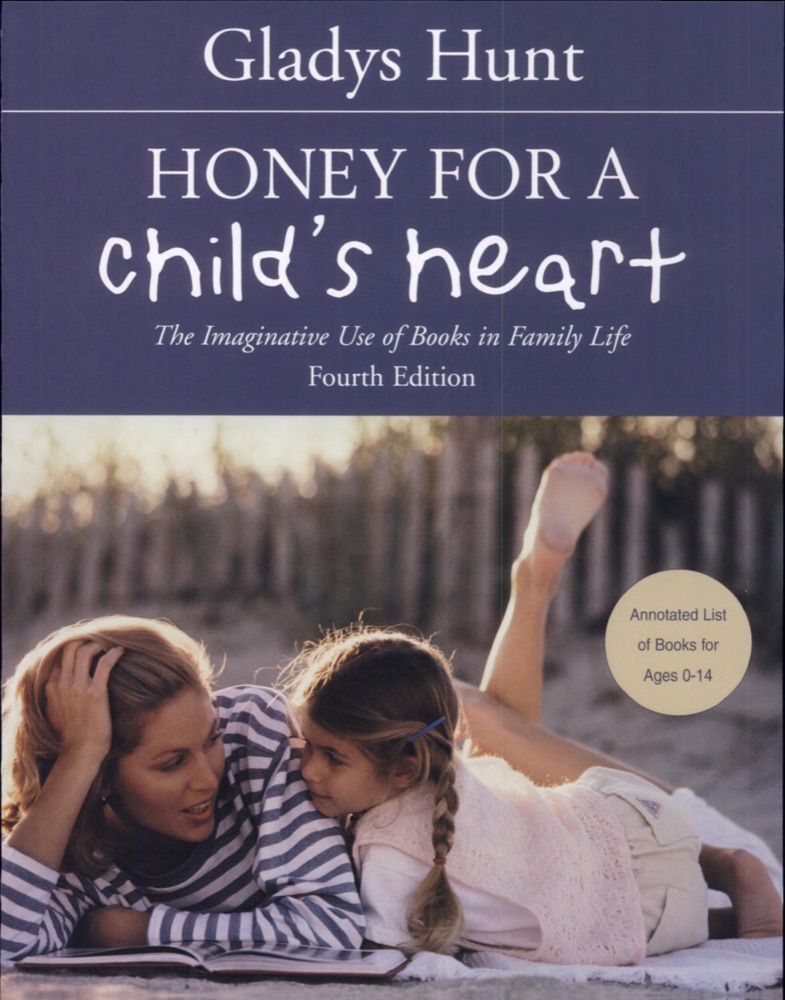 Honey for a Child's Heart
 Becoming Wise: An Inquiry into the Mystery and Art of Living
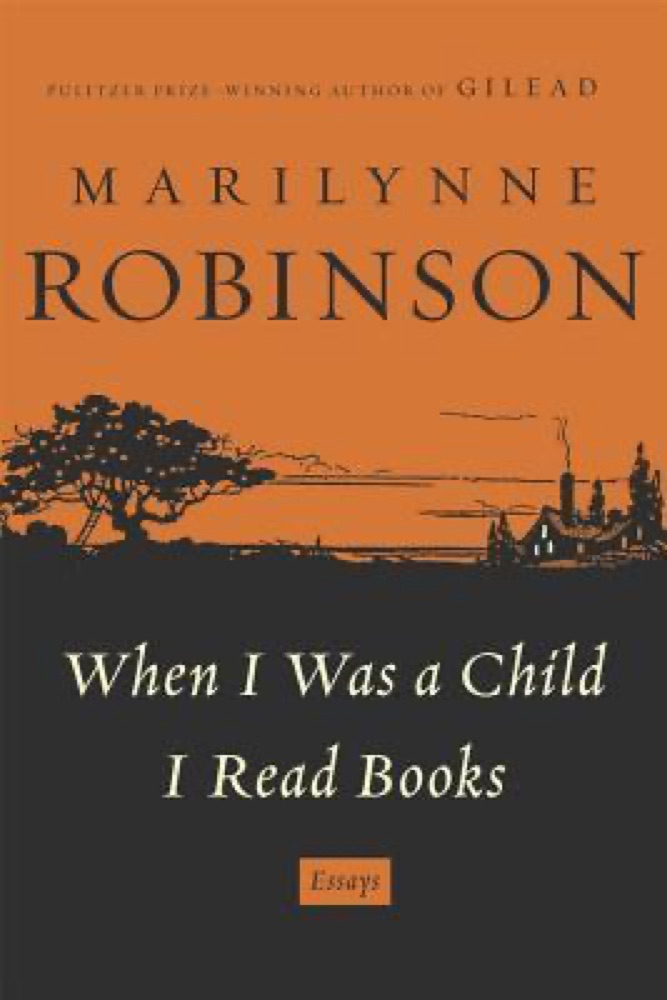 When I Was a Child I Read Books
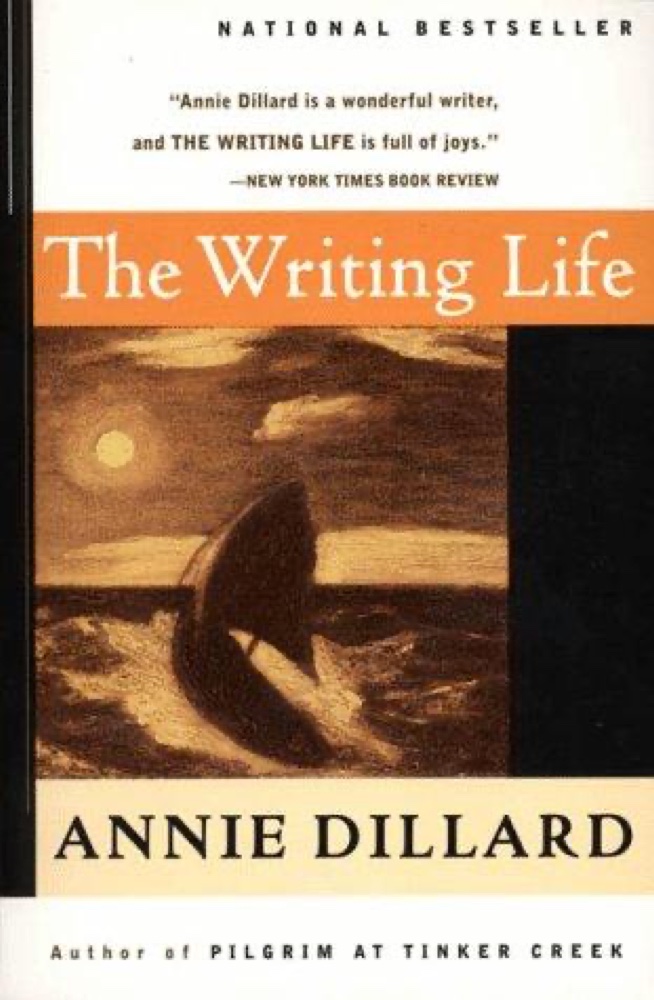 The Writing Life
 The Swerve: How the World Became Modern
 How to Read Literature
 The Varieties of Religious Experience
 A Calendar of Wisdom: Daily Thoughts to Nourish the Soul
 Reader, Come Home: The Reading Brain in a Digital World
 Stoicism and the Art of Happiness
 The Consolations of Philosophy
 The Nicomachean Ethics
 The 7 Habits of Highly Effective People: Personal Workbook
 Books for Living
 The Will to Power
 Aphorisms on Love and Hate
 The Essays of Ralph Waldo Emerson
 Flaubert's Parrot
 Aspects of the Novel
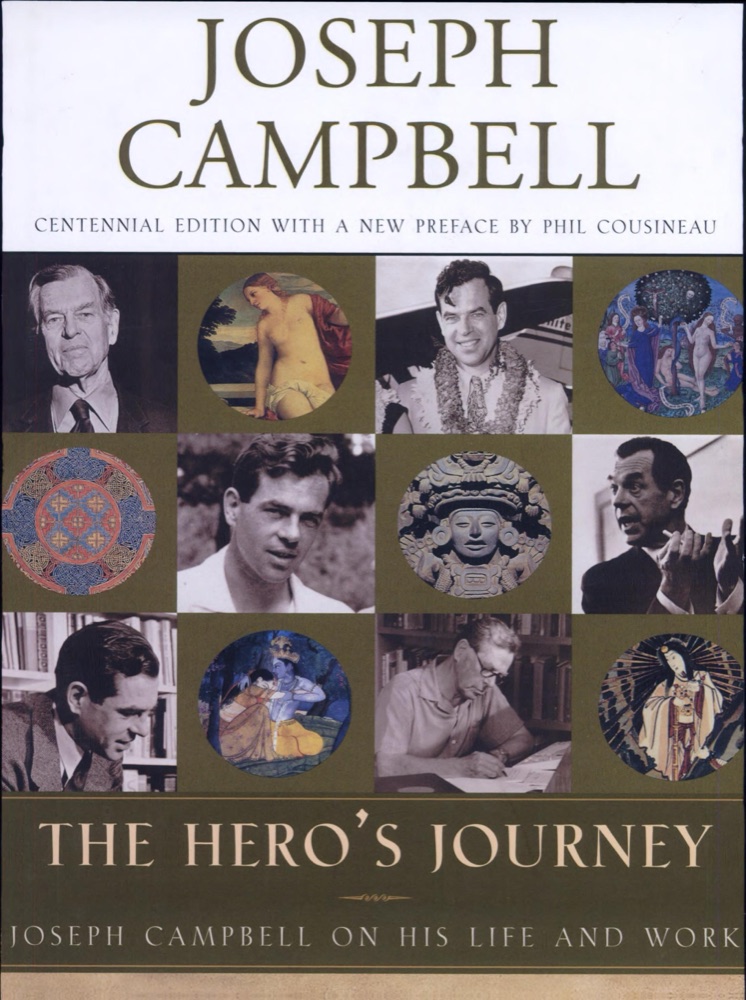 The Hero's Journey: Joseph Campbell on His Life & Work
 Creativity: Flow and the Psychology of Discovery and Invention
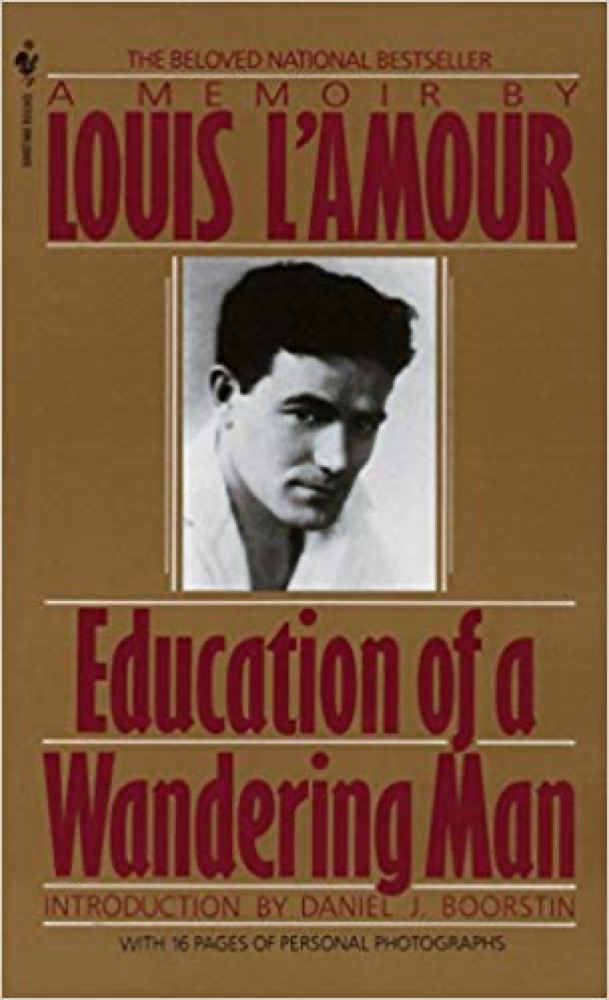 Education of a Wandering Man: A Memoir
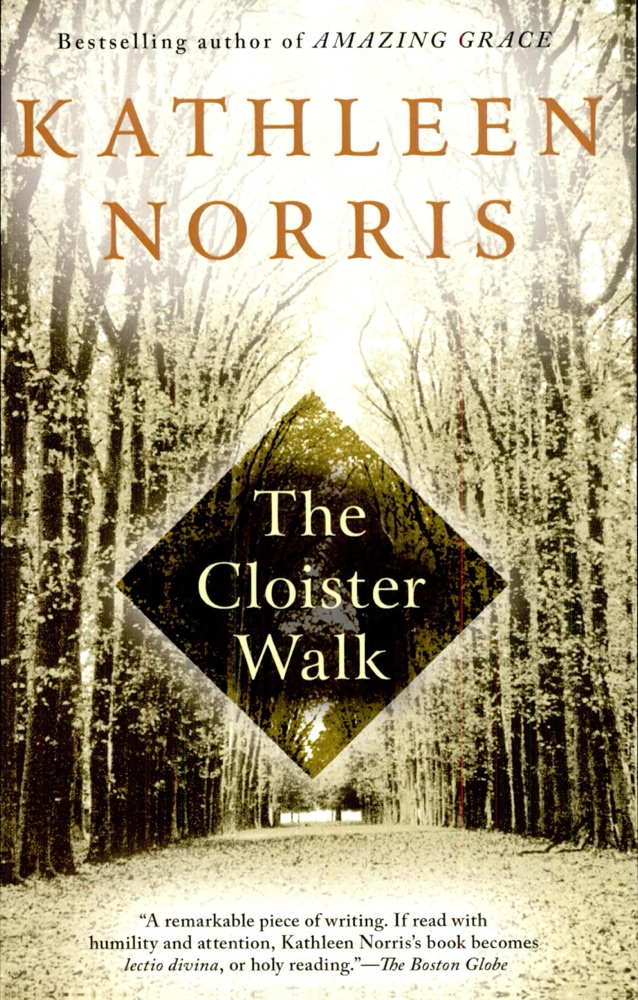 The Cloister Walk
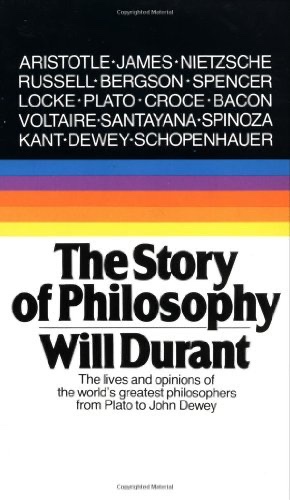 The Story of Philosophy: The Lives and Opinions of the World's Greatest Philosophers
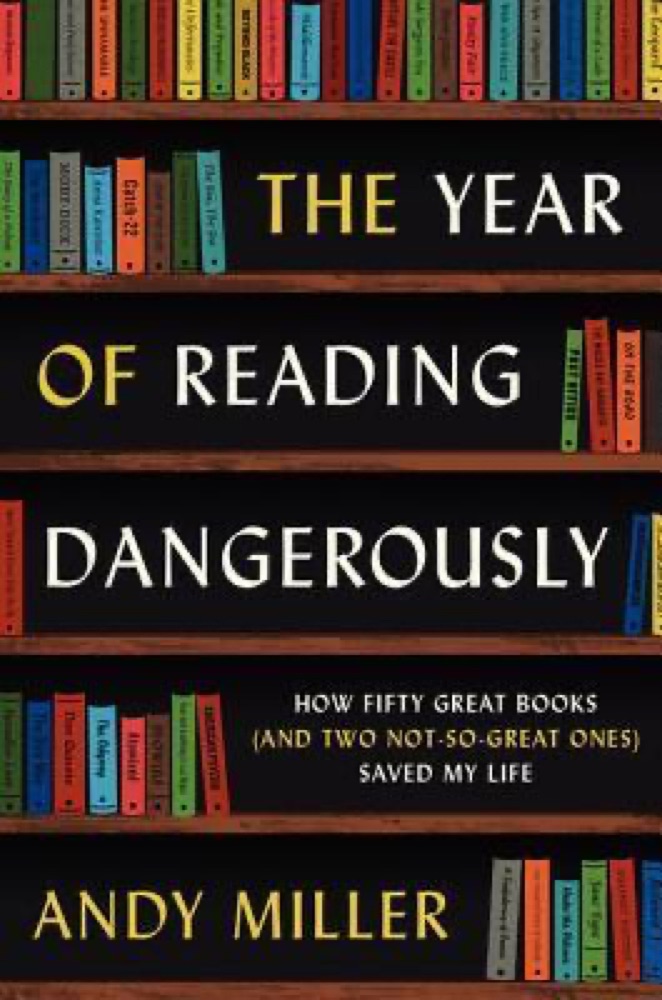 The Year of Reading Dangerously
 Ethics
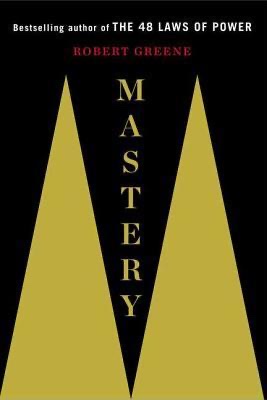 Mastery
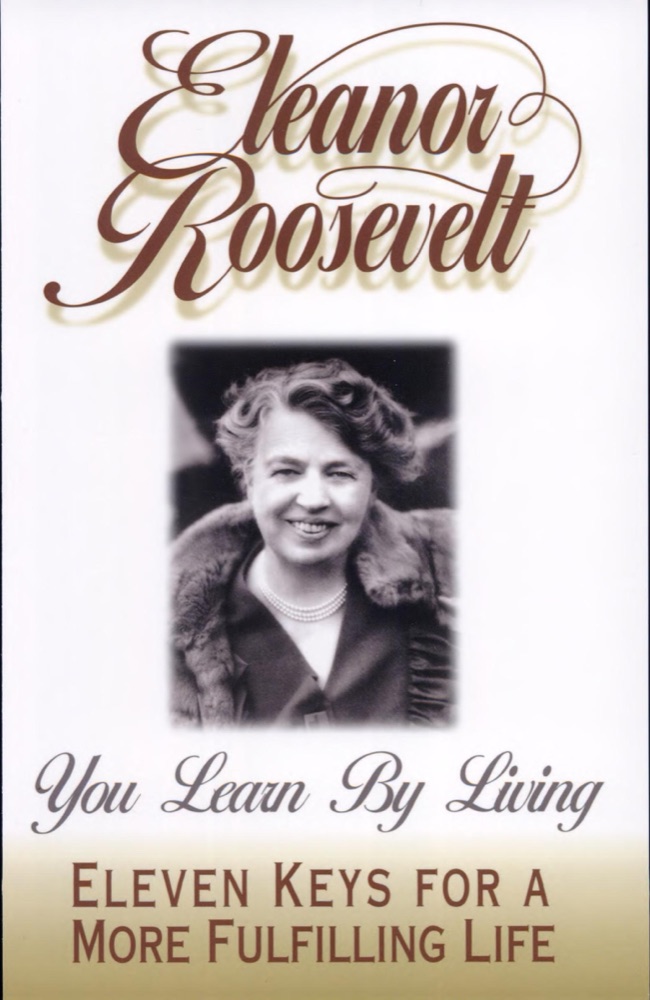 You Learn by Living: Eleven Keys for a More Fulfilling Life
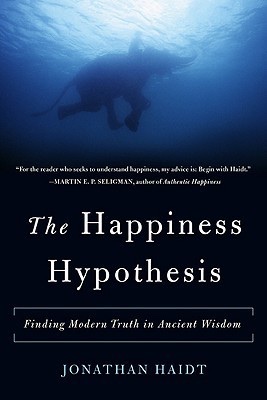 The Happiness Hypothesis: Finding Modern Truth in Ancient Wisdom
 The Rent Collector
 The Spinoza Problem
 Self-Reliance and Other Essays
 Ethics for the New Millennium
 Care of the Soul: A Guide for Cultivating Depth and Sacredness in Everyday Life
 The Essential Writings of Ralph Waldo Emerson