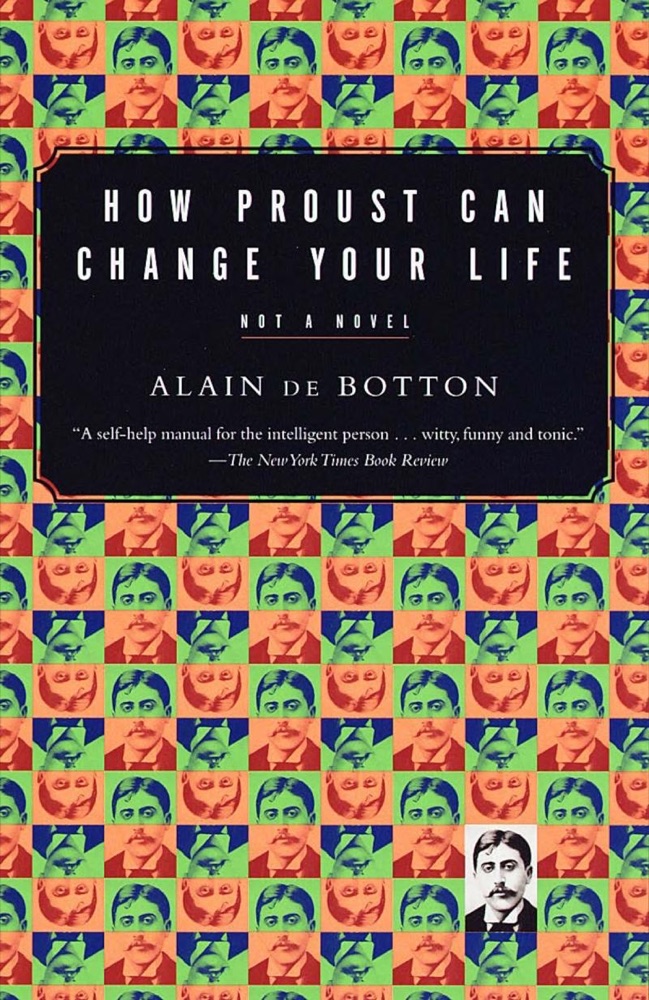

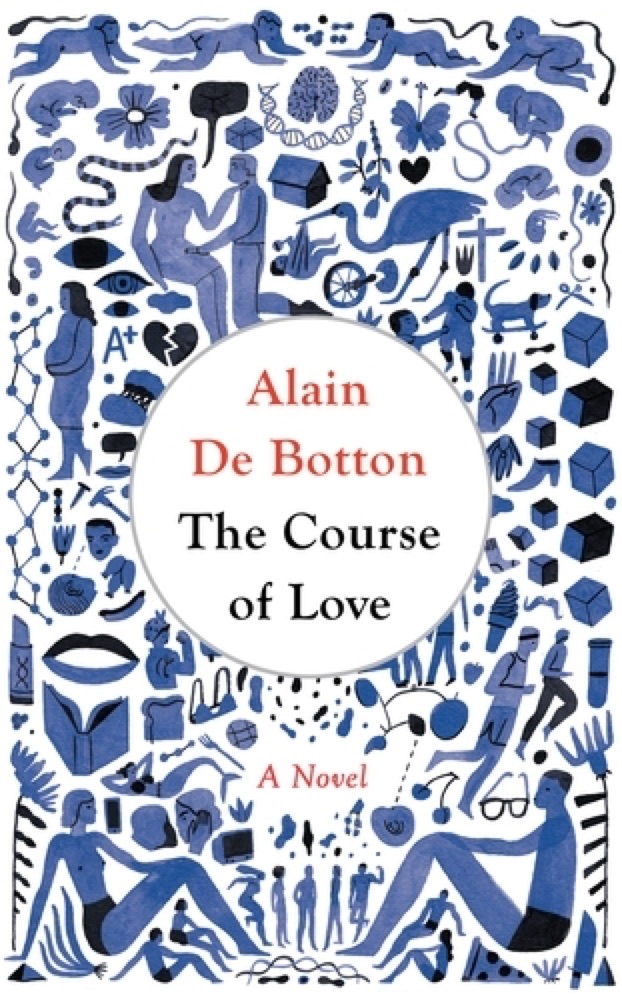
 The Course of Love
Quotes from the Book
We don't really learn anything properly until there is a problem, until we are in pain, until something fails to go as we had hoped ... We suffer, therefore we think.
170
There may be significant things to learn about people by looking at what annoys them most.
89
When two people part, it is the one who is not in love who makes the tender speeches.
50
Because the rhythm of conversation makes no allowance for dead periods, because the presence of others calls for continuous responses, we are left to regret the inanity of what we say, and the missed opportunity of what we do not.
46
Love is an incurable disease. In love, there is permanent suffering. Those who love and those who are happy are not the same.
41
Though we sometimes suspect that people are hiding things from us, it is not until we are in love that we feel an urgency to press our inquiries, and in seeking answers, we are apt to discover the extent to which people disguise and conceal their real lives.
35
The lesson? To respond to the unexpected and hurtful behavior of others with something more than a wipe of the glasses, to see it as a chance to expand our understanding.
31
Our dissatisfactions may be the result of failing to look properly at our lives rather than the result of anything inherently deficient about them.
25
The problem with clichés is not that they contain false ideas, but rather that they are superficial articulations of very good ones.
24
In reality, every reader is, while he is reading, the reader of his own self. The writer’s work is merely a kind of optical instrument which he offers to the reader to enable him to discern what, without this book, he would perhaps never have experienced in himself. And the recognition by the reader in his own self of what the book says is the proof of its veracity.
23
There is no man, however wise, who has not at some period of his youth said things, or even lived in a way which was so unpleasant to him in later life that he would gladly, if he could, expunge it from his memory. But he shouldn’t regret this entirely, because he cannot be certain that he has indeed become a wise man – so far as any of us can be wise – unless he has passed through all the fatuous or unwholesome incarnations by which that ultimate stage must be reached. I know there are young people . . . whose teachers have instilled in them a nobility of mind and moral refinement from the very beginning of their schooldays. They perhaps have nothing to retract when they look back upon their lives; they can, if they choose, publish a signed account of everything they have ever said or done; but they are poor creatures, feeble descendants of doctrinaires, and their wisdom is negative and sterile. We cannot be taught wisdom, we have to discover it for ourselves by a journey which no one can undertake for us, an effort which no one can spare us.
19
think that life would suddenly seem wonderful to us if we were threatened to die as you say. Just think of how many projects, travels, love affairs, studies, it—our life—hides from us, made invisible by our laziness which, certain of a future, delays them incessantly. But let all this threaten to become impossible for ever, how beautiful it would become again! Ah! if only the cataclysm doesn’t happen this time, we won’t miss visiting the new galleries of the Louvre, throwing ourselves at the feet of Miss X, making a trip to India. The cataclysm doesn’t happen, we don’t do any of it, because we find ourselves back in the heart of normal life, where negligence deadens desire. And yet we shouldn’t have needed the cataclysm to love life today. It would have been enough to think that we are humans, and that death may come this evening.
17
One cannot read a novel without ascribing to the heroine the traits of the one we love.
15
When Proust urges us to evaluate the world properly, he repeatedly reminds us of the value of modest scenes.
14
It might be a Proustian slogan: n’allez pas trop vite. And an advantage of not going by too fast is that the world has a chance of becoming more interesting in the process.
13
The value of a novel is not limited to its depiction of emotions and people akin to those in our own life; it stretches to an ability to describe these far better than we would have been able, to put a finger on perceptions that we recognize as our own, but could not have formulated on our own.
12
Pain is surprising; we cannot understand why we have been abandoned in love... why we are unable to sleep at night.... Identifying reasons for such discomforts does not spectacularly absolve us of pain, but it may form the principal basis of a recovery. While assuring us that we are not uniquely cursed, understanding grants us a sense of the boundaries to, and bitter logic behind, our suffering. 'Griefs, at the moment when they change into ideas, lose some of their power to injure our heart.' - Proust
12
There is a danger of developing a blanket distaste for modern life which could have its attractions but lack the all-important images to help us identify them.
12
Q: Did he think that love could last forever? A: Well, no, but the limits to eternity didn’t lie specifically with love. They lay in the general difficulty of maintaining an appreciative relationship with anything or anyone that was always around.
10
It is difficult when reading the description of certain fictional characters not at the same time to imagine the real-life acquaintances who they most closely, if often unexpectedly, resemble.
9
Look not just at the Roman campagna, the pageantry of Venice, and the proud expression of Charles I astride his horse, but also have a look at the bowl on the sideboard, the dead fish in your kitchen, and the crusty bread loaves in the hall.
8
The moral? That life can be a stranger substance than a cliche life, that goldfinches should occasionally do things differently from their parents, and that there are persuasive reasons for calling a loved one Plouplou, Missou, or poor little wolf.
8
It should not be Illiers-Combray that we visit: a genuine homage to Proust would be to look at our world through his eyes, not look at his world through our eyes.
8
Our best chance of contentment lies in taking up the wisdom offered to us in coded form through our coughs, allergies, social gaffes, and emotional betrayals, and avoid the ingratitude of those who blame the peas, the bores, the time, and the weather.
8
Reading Proust nearly silenced Virginia Woolf. She loved his novel, but loved it rather too much. There wasn’t enough wrong with it—a crushing recognition when one considers Walter Benjamin’s assessment of why people become writers: because they are unable to find a book already written that they are completely happy with. And
8
The incident emphasizes once more that beauty is something to be found, rather than passively encountered, that it requires us to pick up on certain details, to identify the whiteness of a cotton dress, the reflection of the sea on the hull of a yacht, or the contrast between the color of a jockey’s coat and his face.
8
The problem with cliches is not that they contain false ideas, but rather that they are superficial articulations of very good ones. The sun is often on fire at sunset and the moon discreet, but if we keep saying this every time we encounter a sun or a moon, we will end up believing that this is the last rather than the first word to be said on the subject. Cliches are detrimental insofar as they inspire us to believe that they adequately describe a situation while merely grazing its surface.
7
Why is this painful journey so indispensable to the acquisition of true wisdom?…It is as if the mind were a squeamish organ that refused to entertain difficult truths unless encouraged to do so by difficult events. “Happiness is good for the body,” Proust tells us, “but it is grief which develops the strengths of the mind.” These griefs put us through a form of mental gymnastics which we would have avoided in happier times. Indeed, if a genuine priority is the development of our mental capacities, the implication is that we would be better off being unhappy than content, better off pursuing tormented love affairs than reading Plato or Spinoza. (Proust writes) A woman whom we need and who makes us suffer elicits from us a whole gamut of feelings far more profound and more vital than does a man of genius who interests us.
7
They therefore have no opportunity to suffer the interval between desire and gratification which the less privileged endure, and which, for all its apparent unpleasantness, has the incalculable benefit of allowing people to know and fall deeply in love with paintings in Dresden, hats, dressing gowns, and someone who isn’t free this evening.
7
To make it into a discipline is to give too large a role to what is only an incitement. Reading is on the threshold of the spiritual life; it can introduce us to it: it does not constitute it.
6
Watch on YouTube
About Alain de Botton
We have collected 333 quotes from 12 books by Alain de Botton on BookQuoters.
More about the author →More by Alain de Botton
All books by Alain de Botton →
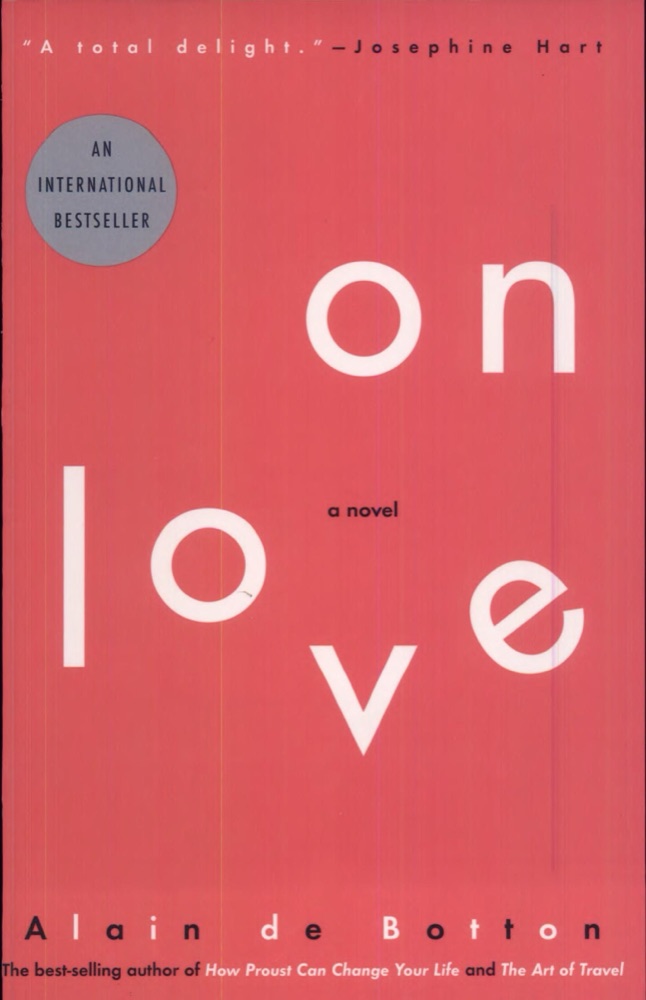
About the book
For anyone who ever wondered what Marcel Proust had in mind when he wrote the one-and-a-quarter-million words of In Search of Lost Time (while bedridden, no less), Alain de Botton has the answer. For, in this stylish, erudite and frequently hilarious book, de Botton dips deeply into Proust’s life and work—his fiction, letter, and conversations—and distills from them that rare self-help manual: one that is actually helpful.
Here, tendered in prose almost as luminous as it’s subject’s, is advice on cultivating friendships, suffering successfully, recognizing love and understanding why you should never sleep with someone on the first date. And here, too, is a generously perceptive literary biography that suggests that the master is as relevant today as he was in fin de siècle Paris. At once slyly ironic and genuinely wise, How Proust Can Change Your Life is an unqualified delight.
Book details
- First published
- 1998
- Author
- Alain de Botton
- Genre
- Philosophy
- Goodreads rating
- 3.76 (19k ratings)
Keep reading
 In Search of Lost Time
 The Consolations of Philosophy
 Aspects of the Novel
 Figuring
 The Common Reader
 Aphorisms on Love and Hate
 Time Regained
 Only Dull People Are Brilliant at Breakfast
 Flaubert's Parrot
 Status Anxiety
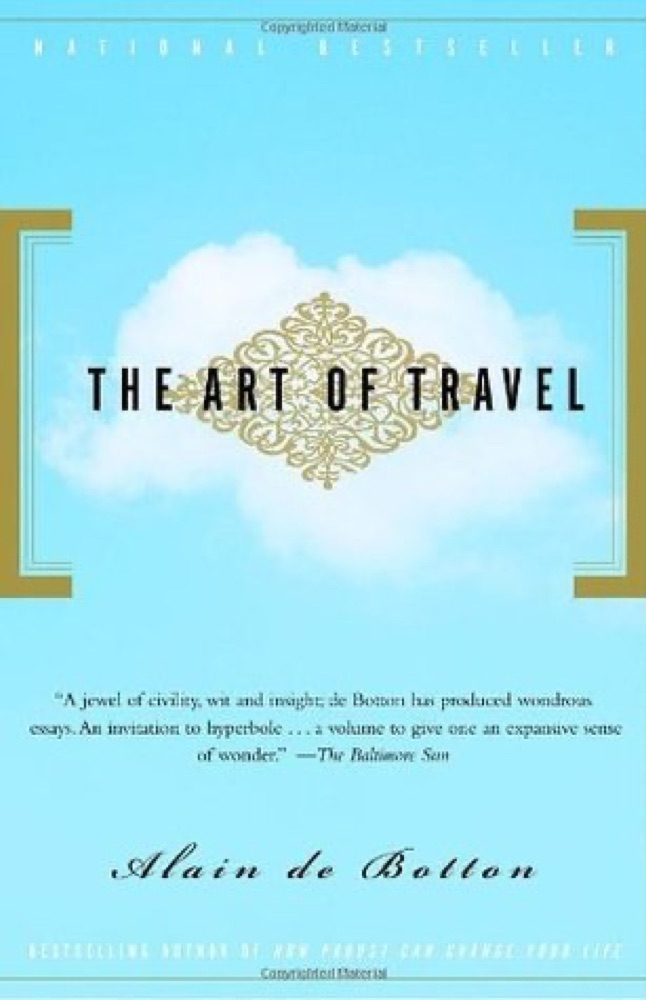 The Art of Travel
 Reading Lolita in Tehran: A Memoir in Books
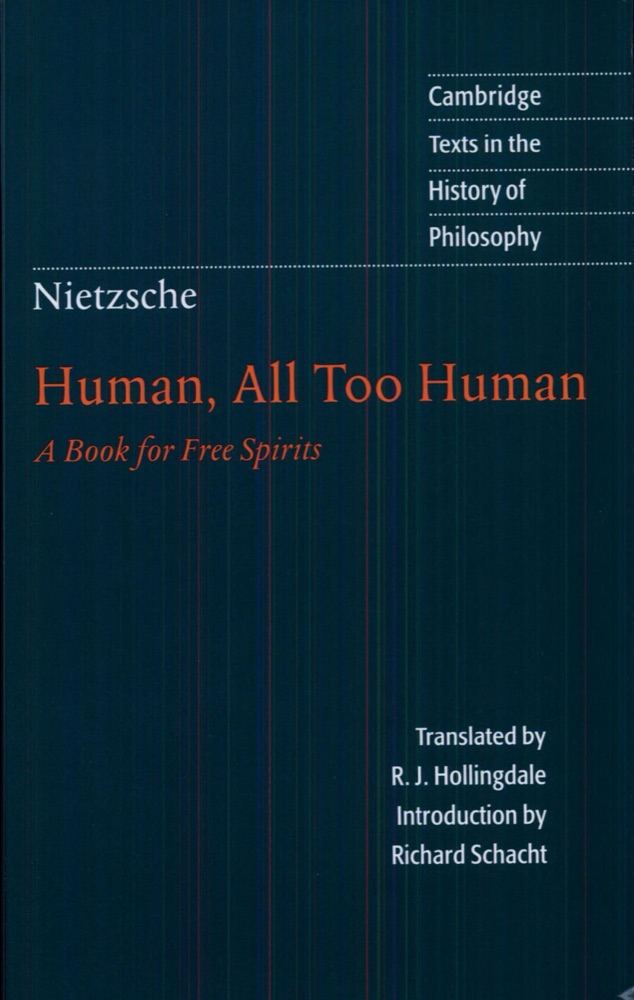 Human, All Too Human
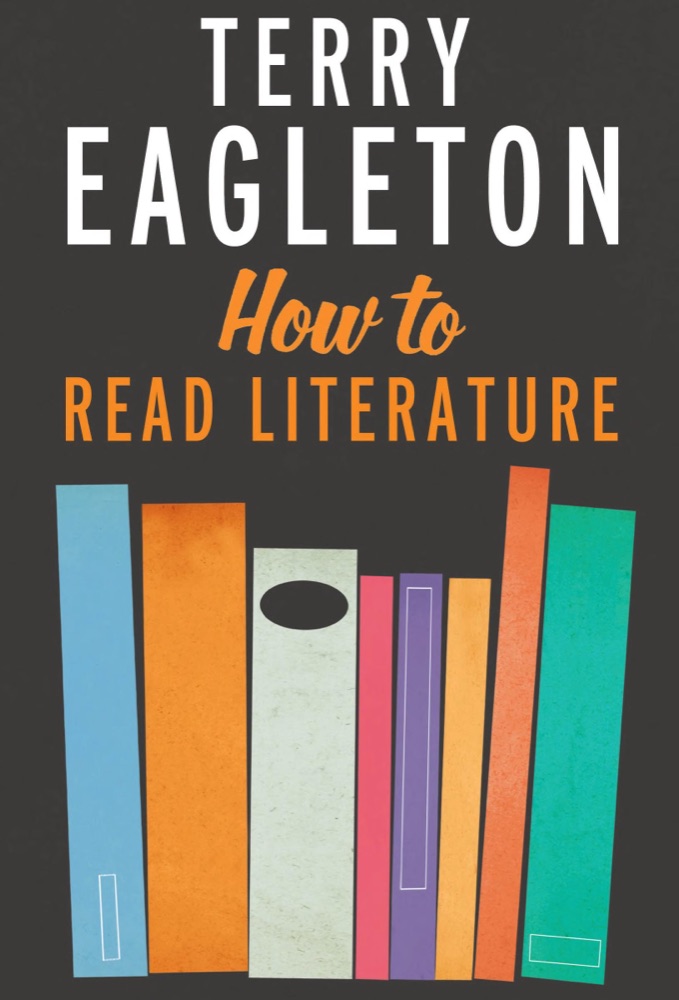 How to Read Literature
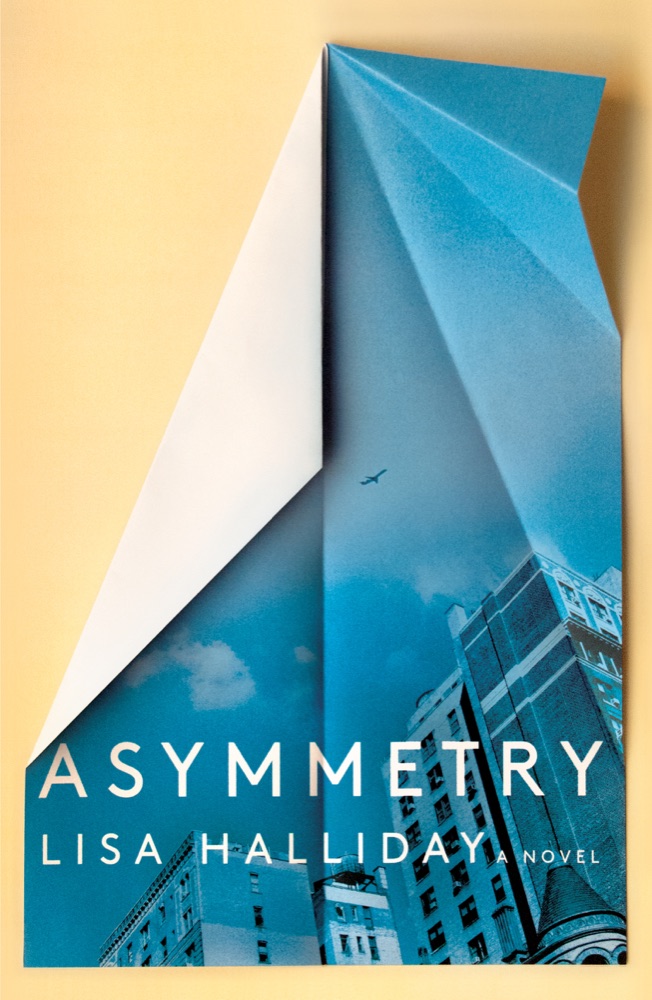 Asymmetry
 Mystery and Manners: Occasional Prose
 The Fall of Babel
 The Guermantes Way
 Illuminations: Essays and Reflections
 The Shadow of the Wind
 In the Light of What We Know
 The Summer Without Men
 The Abundance
 Cultural Amnesia: Necessary Memories from History and the Arts
 Middlemarch
 The Great Mistake
 Daniel Deronda
 The Magic Mountain
 Six Characters in Search of an Author
 On Such a Full Sea
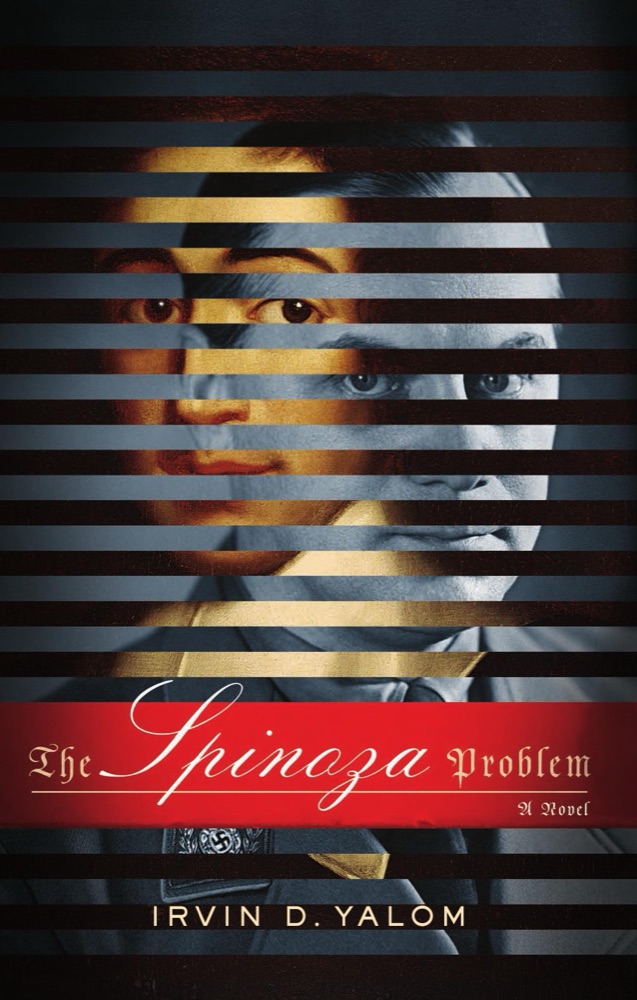 The Spinoza Problem
 Identity
 Death in Venice and Other Tales
 Twilight of the Idols
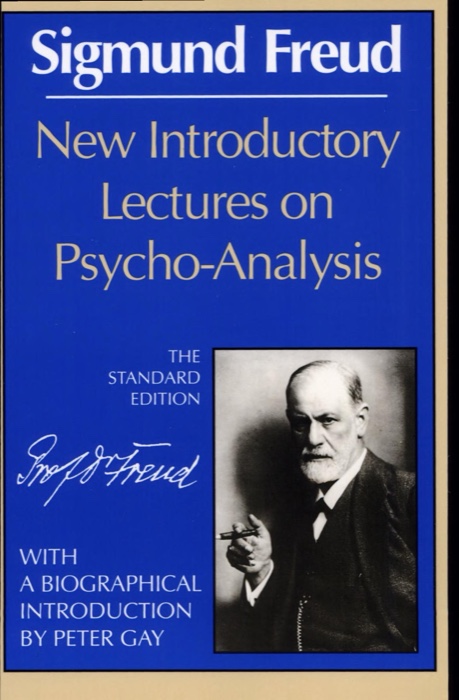 Introductory Lectures on Psychoanalysis
 The Book That Broke the World
 Adam Bede
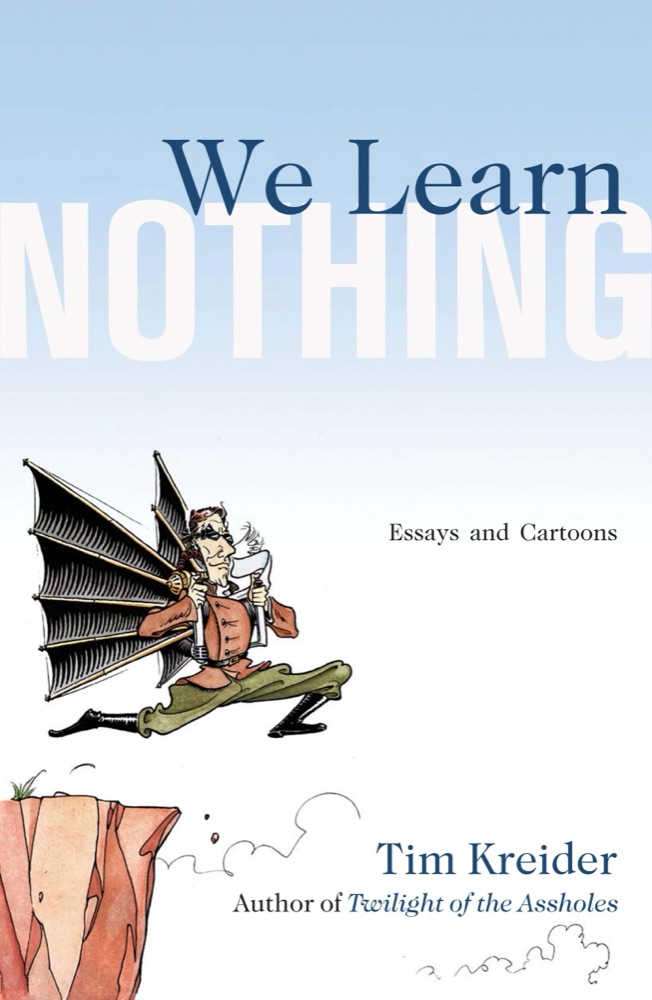 We Learn Nothing
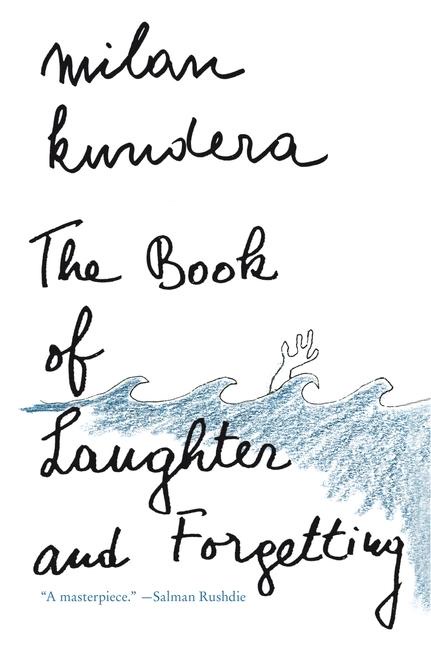 The Book of Laughter and Forgetting
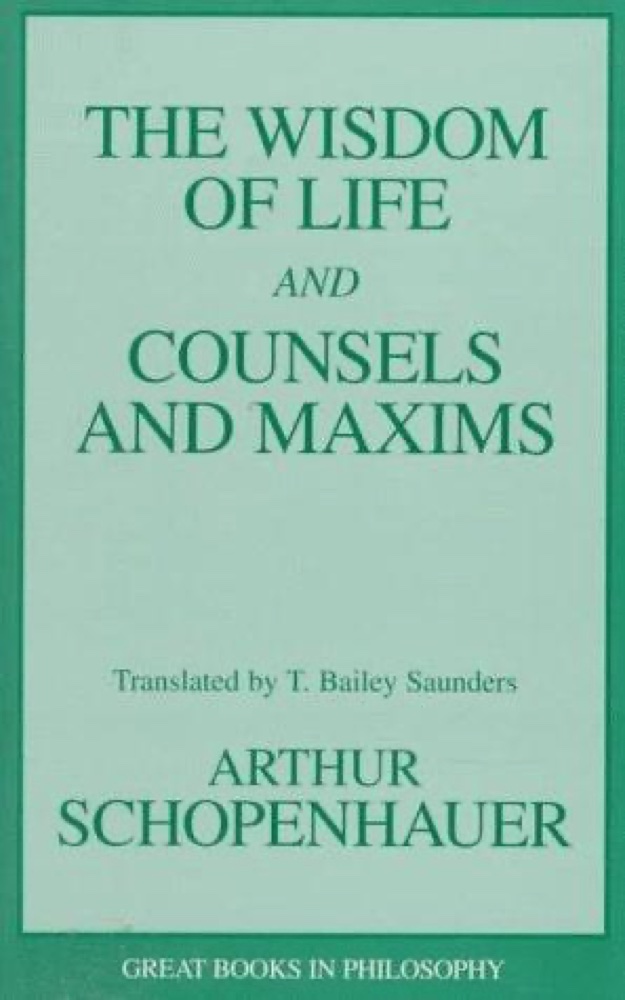 The Wisdom of Life
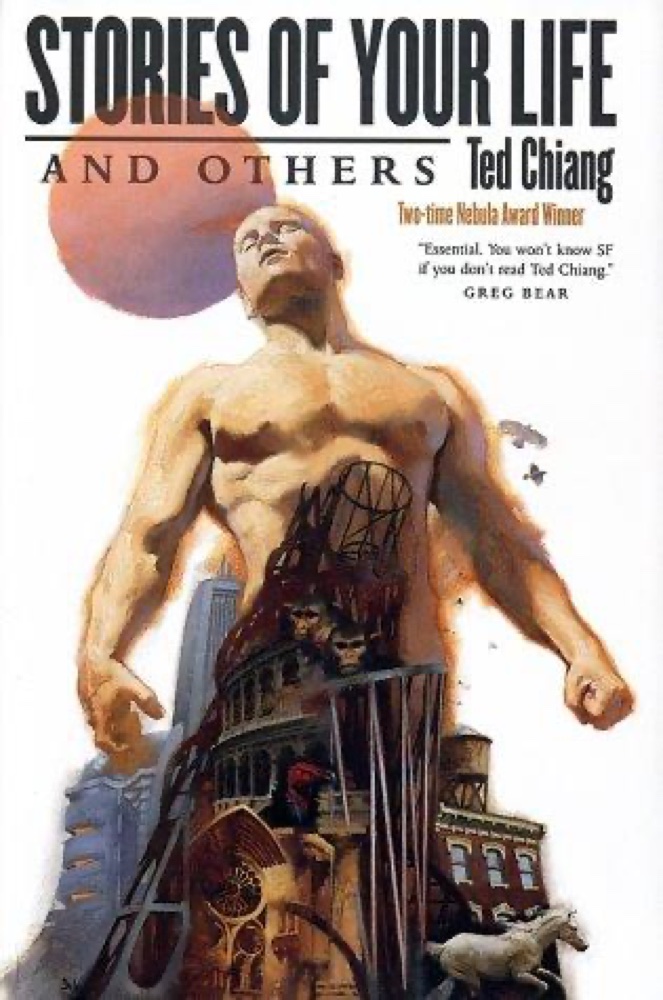 Stories of Your Life and Others
 No One Writes Back
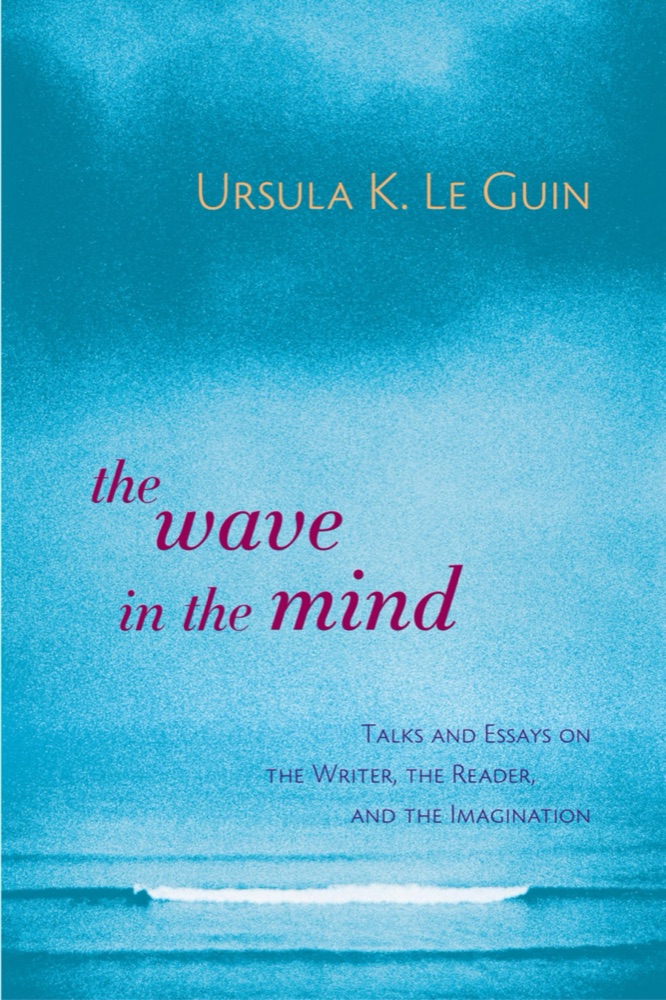 The Wave in the Mind: Talks and Essays on the Writer, the Reader and the Imagination
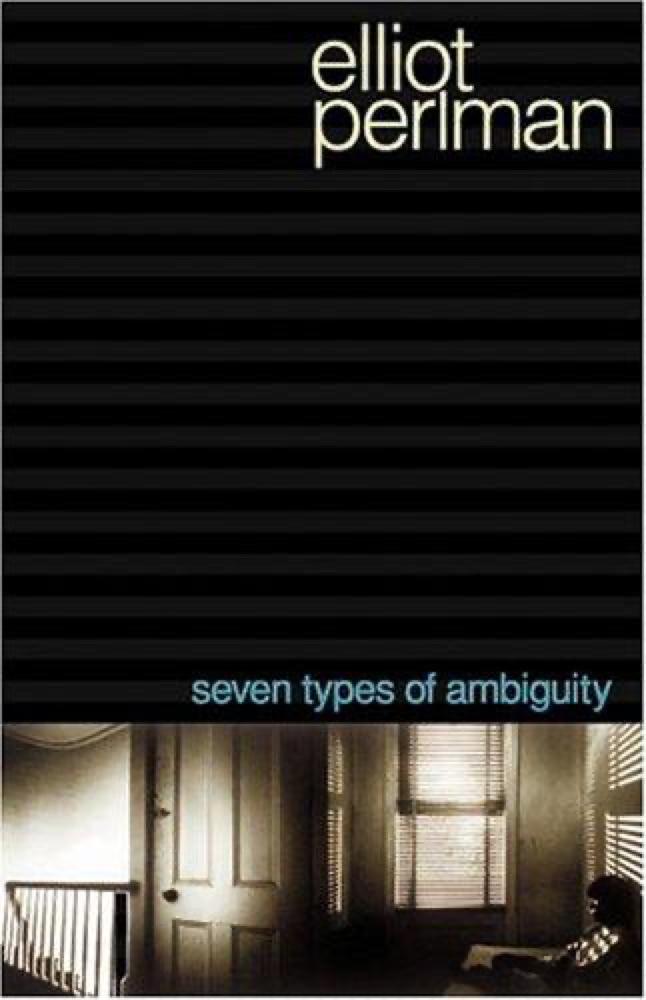 Seven Types of Ambiguity
 The Rebel Angels
 Stumbling on Happiness
 The Letters of Vincent van Gogh
 Missing Out: In Praise of the Unlived Life
 Why Fish Don’t Exist: A Story of Loss, Love, and the Hidden Order of Life
 The Story of the Lost Child
 The Razor's Edge
 Monday or Tuesday
 The Argonauts
 The Essays of Ralph Waldo Emerson
 Monsters: A Fan's Dilemma
 The Socrates Express: In Search of Life Lessons from Dead Philosophers
 Girl with Curious Hair
 Elizabeth Finch
 On the Suffering of the World
 Care of the Soul: A Guide for Cultivating Depth and Sacredness in Everyday Life