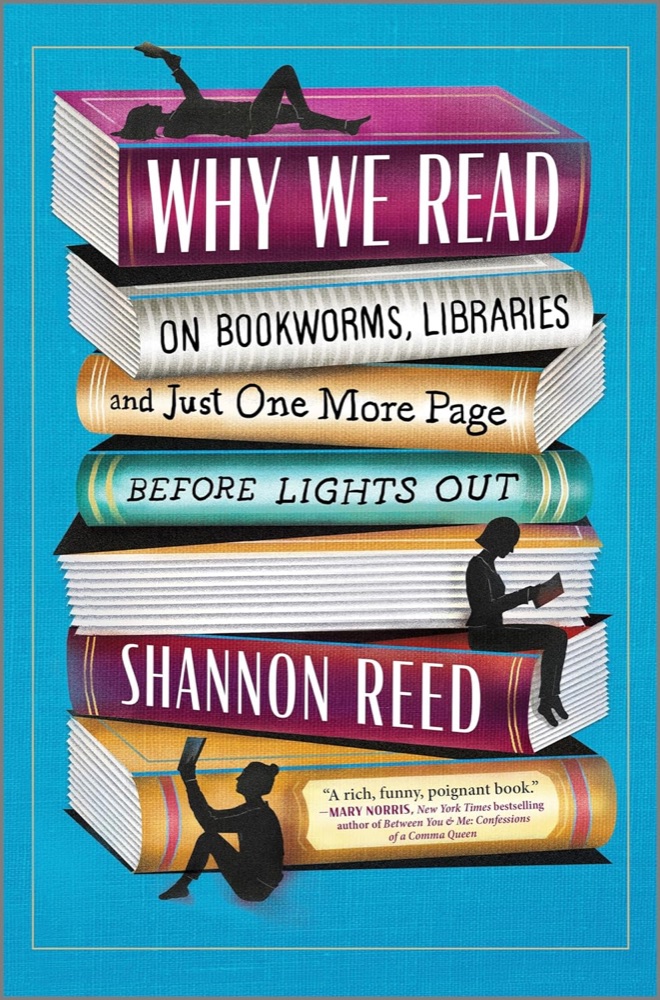
 Why We Read: On Bookworms, Libraries, and Just One More Page Before Lights Out
Quotes from the Book
A good book, when we return to it, will always have something new to say. It's not the same book, and we're not the same reader
93
People read for a multiplicity of reasons. Nearly forty years in, I can tell you why I inhale books like oxygen: I'm grateful for my one life, but I'd prefer to live a thousand --and my favorite books allow me to experience more on the page than I ever could in my actual life.
64
When we share our favorite titles, we can't help but share ourselves as well. Shakespeare said the eyes are the windows to the soul, but we readers know one's bookshelves reveal just as much.
39
I feel certain of this: I wouldn’t be the person I am today if I weren’t a reader.
24
We can’t know what a book will mean to us until we read it. And so we take a leap and choose.
20
Sometimes I fantasize about getting my hands on my library records. . . my recurring bookworm dream is to peruse my personal library history like it's a historical document. My bookshelves show me the books I've bought or been given. . . But my library books come into my house and go out again, leaving behind only memories and a jotted line in a journal (if I'm lucky). I long for a list that captures these ephemeral reads - all the books I've borrowed in a lifetime of reading, from last week's armful spanning back to when I was a seven-year-old kid with my first library card. I don't need many details - just the titles and dates would be fine - but oh, how I'd love to see them. Those records preserve what my memory has not. I remember the highlights of my grade-school checkouts, but much is lost to time. How I'd love to see the complete list of what I chose to read in second grade, or sixth, or tenth.
17
You accept that it’s time to cull your personal library. You lovingly handle each book, determining if it brings you joy. It does. They all do. You are full of bookish joy, but still woefully short on shelf space.
16
Every reader goes through this rite of passage: the transition from having books chosen for us to choosing books for ourselves. When given the choice, some choose not to read. But you, dear reader, moved from being told what to read to choosing for yourself. From reading on assignment, perhaps to please someone else, to reading at your own leisure to please only yourself. When faced with the task of establishing your own reading life, you did it, or maybe you’re still in the middle of doing it.
15
A book twin is a joy, and I highly recommend finding one, if you can.
14
Reading is often viewed as a solitary act; that’s one of the reasons I love it, and it’s certainly my favorite escape and introvert coping strategy of choice.
13
I can tell you why I inhale books like oyxgen: I am grateful for my one life, but I'd prefer to live a thousand—and my favorite books allow me to experience more on the page than I ever could in my actual life.
11
You’re sad because whatever you read next can’t possibly be as good as the book you just finished. You despair because nothing you read can possibly be as good, ever again.
11
With apologies to Kathleen Kelly, what I’ve come to learn is this: if my real life reminds me of something I read in a book, I’m reading well—and I’m probably living well, too.
10
As a devoted reader, I lovingly give countless hours to finding the right books for me. I don’t think those hours are wasted; part of the fun of reading is planning the reading. But I’ve learned that sometimes, despite my best efforts, a book unexpectedly finds me and not the other way around. And when it does, it’s okay to reshuffle my To Be Read list and go with it.
8
Should is a dangerous word, a warning sign that we’re crossing an important boundary and veering into book bossiness. Should is tangled up with guilt, frustration, and regret; we use it all the time, many of us to speak of the ways we wish we could be more, do more, or just be different. Or that we wish our friends could be different, and they would if they knew what was good for them. Should is bossy.
8
When I find myself in a dreaded reading slump, nothing boosts me out of it faster than revisiting an old favorite. Old books, like old friends, are good for the soul. But they're not just comfort reads. No, a good book is exciting to return to, because even though I've been there before, the landscape is always changing. I notice something new each time I read a great book. As Italo Calvino wrote, "A classic is a book that has never finished saying what it has to say." Great books keep surprising me with new things.
8
To readers, those books—the ones we buy and borrow and trade and sell—are more than objects. They are opportunities beckoning us. When we read, we connect with them (or don’t) in a personal way.
7
We are readers. Books are an essential part of our lives and of our life stories. For us, reading isn’t just a hobby or a pastime; it’s a lifestyle. We’re the kind of people who understand the heartbreak of not having your library reserves come in before you leave town for vacation and the exhilaration of stumbling upon the new Louise Penny at your local independent bookstore three whole days before the official publication date. We know the pain of investing hours of reading time in a book we enjoyed right up until the final chapter’s truly terrible resolution, and we know the pleasure of stumbling upon exactly the right book at exactly the right time.
7
You're looking for a book that reminds you why you read in the first place. One written well and that will feel like it was written just for you—one that will make you think about things in a new way, or feel things you didn't expect a book to make you feel, or see things in a new light. A book you won't want to put down, whose characters you don't want to tell good-bye. A book you will close feeling satisfied and grateful, thinking, Now, that was a good one.
7
If I could read only great books for the rest of my days, I would be happy. But finding those books—for myself or any other reader—isn't so easy. A "great" book means different things to different people. When we talk about reading, we often focus on the books themselves, but so much of the reading life is about the reader as an active participant. To put a great book in your hands, here's what I need to know: When you turn to the written word, what are you looking for? What themes speak to you? What sorts of places do you want to vicariously visit? What types of characters do you enjoy meeting on the page? What was the last story you wished would never end? Which was the last volume you hurled across the room? Without the details of what "great" means to you, and without knowing what kind of reader you are, the question might be simple, but it's impossible to answer. To hand you a great book, I don't just need to know about books; I need to know you.
6
Your favorite book becomes a movie, and you’re terrified to see it because you’re fond of the way you picture the characters and hear their voices in your head.
5
A “great” book means different things to different people.
5
You accidentally buy two of the same book at the book sale.
4
With apologies to Kathleen Kelly, what I've come to learn is this: if my real life reminds me of something I read in a book , I'm reading well -- and I'm probably living well, too.
4
The ideas I got from books formed the interior architecture of my mind. As I read, unbeknownst to me, my brain was busily constructing a framework from the ideas in the pages, a framework I would continue building on and refining for years to come.
3
I’m constantly on the lookout for like-minded readers, those kindred spirits whose circles overlap my own on the Venn diagram of reading tastes.
3
A great book. That’s all you want. But reading is personal. We can’t know what a book will mean to us until we read it. And so we take a leap and choose.
3
Shakespeare said the eyes are the windows to the soul, but we readers know one’s bookshelves reveal just as much.
3
I was dismayed when I once read that more books are published on any given Tuesday than I could read in an entire year, and that’s just one Tuesday—and one year. From the vast array of titles, how am I to find the books I will love, the ones that will feel like they’re meant for me?
3
Choosing my next book sometimes feels like a complicated dance. With so many books to read, how can I possibly decide what to read? What to read now? What to read next?
3
Watch on YouTube
About Anne Bogel
We have collected 30 quotes from 1 book by Anne Bogel on BookQuoters.
More about the author →About the book
For so many people, reading isn't just a hobby or a way to pass the time--it's a lifestyle. Our books shape us, define us, enchant us, and even sometimes infuriate us. Our books are a part of who we are as people, and we can't imagine life without them.
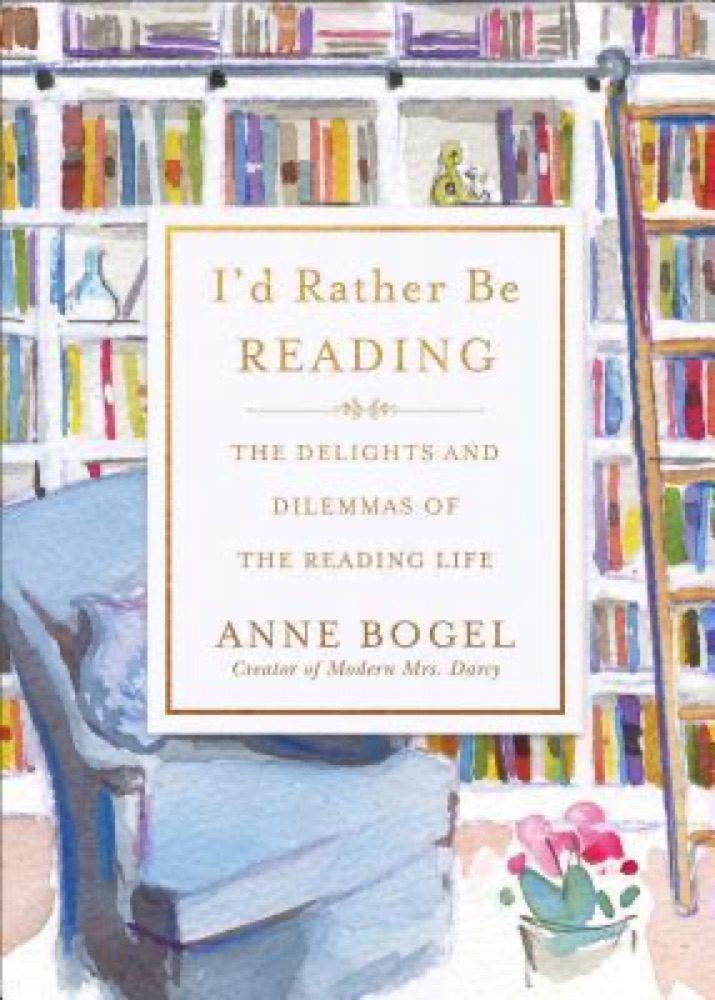
I'd Rather Be Reading is the perfect literary companion for everyone who feels that way. In this collection of charming and relatable reflections on the reading life, beloved blogger and author Anne Bogel leads readers to remember the book that first hooked them, the place where they first fell in love with reading, and all of the moments afterward that helped make them the reader they are today. Known as a reading tastemaker through her popular podcast What Should I Read Next?, Bogel invites book lovers into a community of like-minded people to discover new ways to approach literature, learn fascinating new things about books and publ
Book details
- First published
- 2018
- Author
- Anne Bogel
- Genre
- Nonfiction
- Goodreads rating
- 4.01 (21k ratings)
Keep reading
Why We Read: On Bookworms, Libraries, and Just One More Page Before Lights Out
 Every Day I Read: 53 Ways to Get Closer to Books
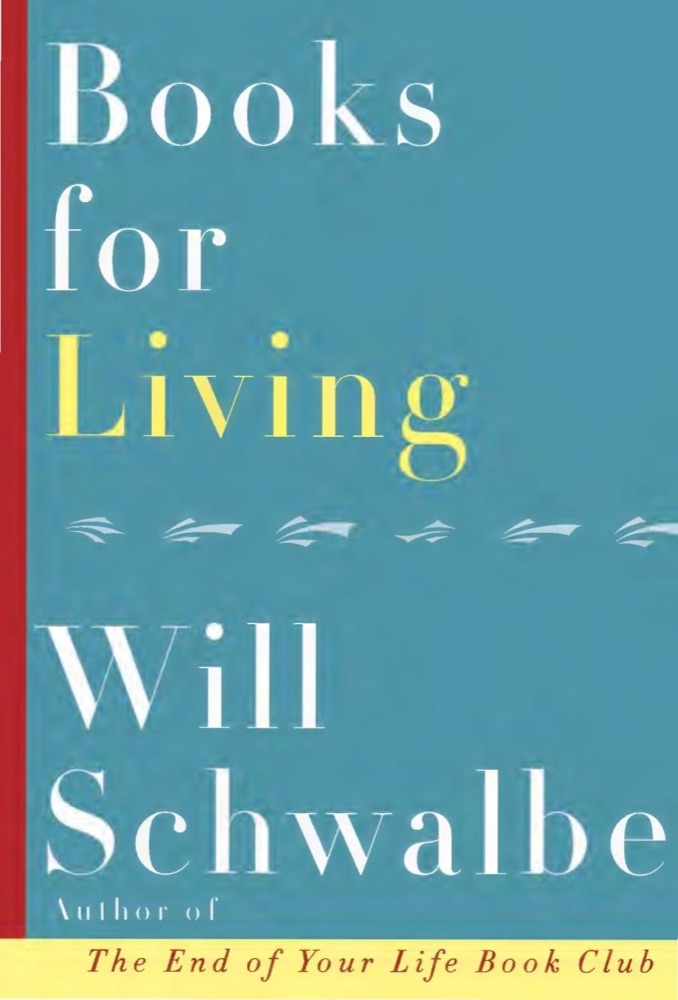 Books for Living
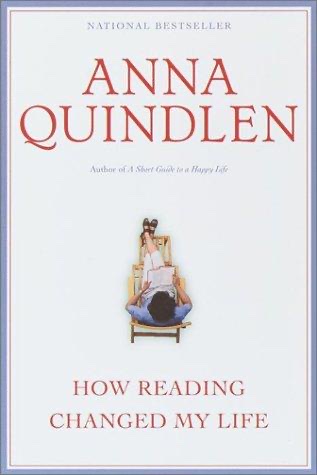 How Reading Changed My Life
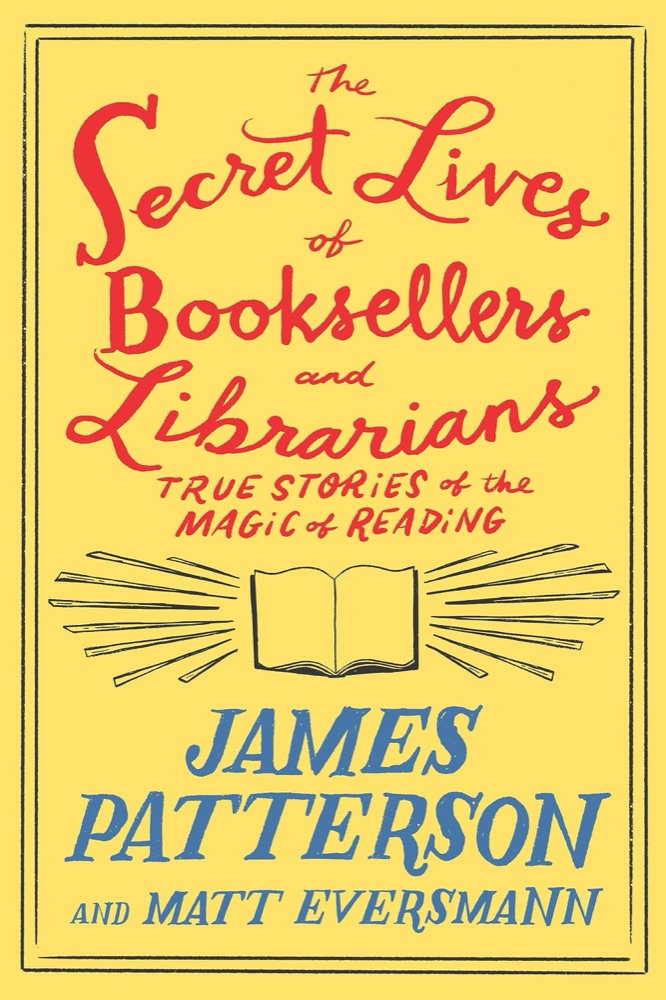 The Secret Lives of Booksellers and Librarians: True Stories of the Magic of Reading
 The Yellow-Lighted Bookshop: A Memoir, a History
 Judging a Book by Its Lover: A Field Guide to the Hearts and Minds of Readers Everywhere
 The Year of Reading Dangerously
 Howards End Is on the Landing: A Year of Reading from Home
 Ex Libris: Confessions of a Common Reader
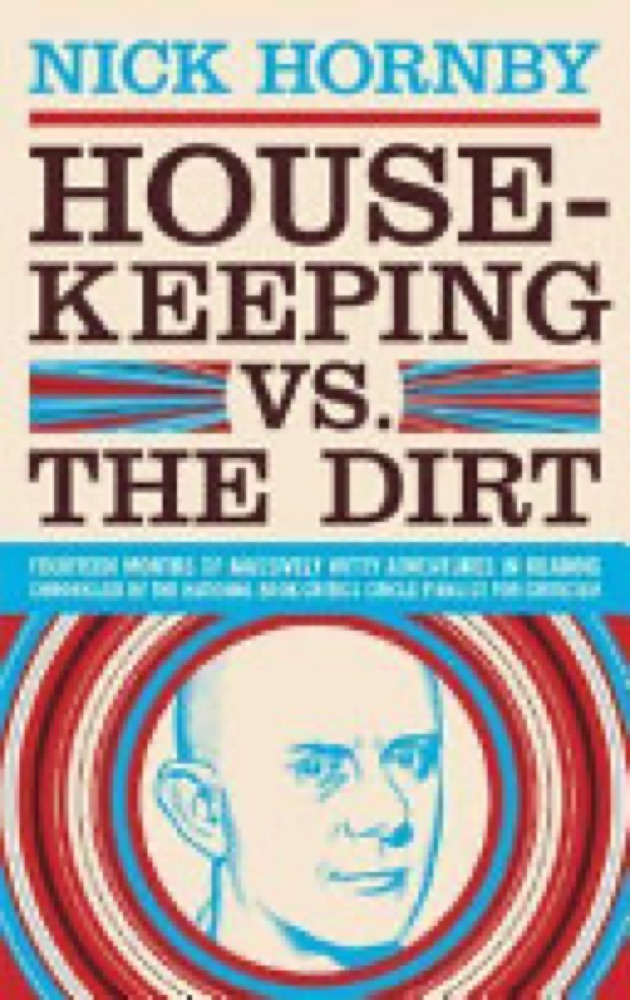 Housekeeping vs. the Dirt
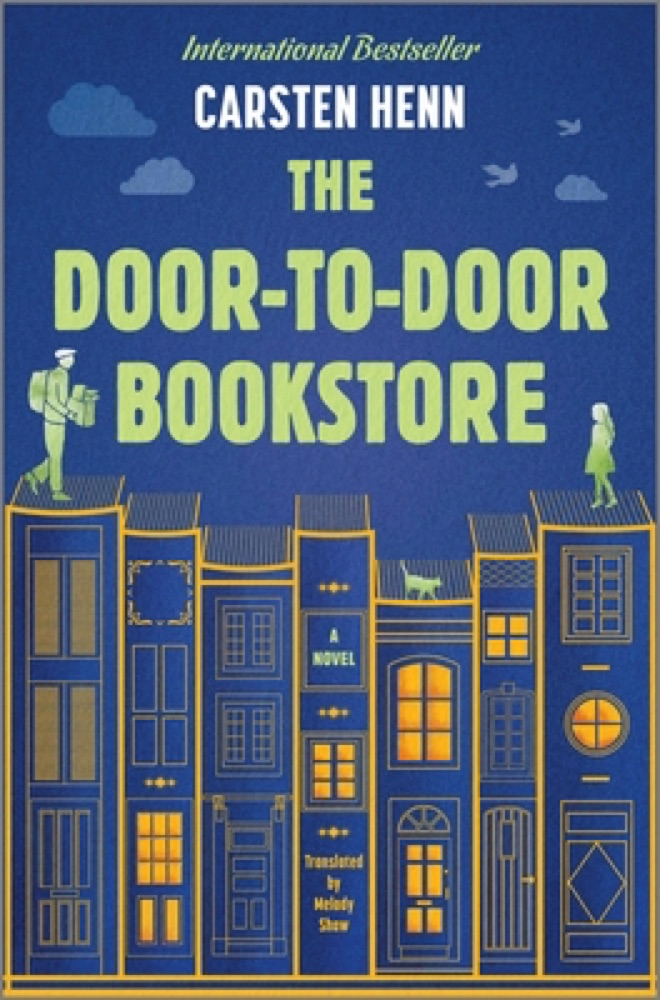 The Door-to-Door Bookstore
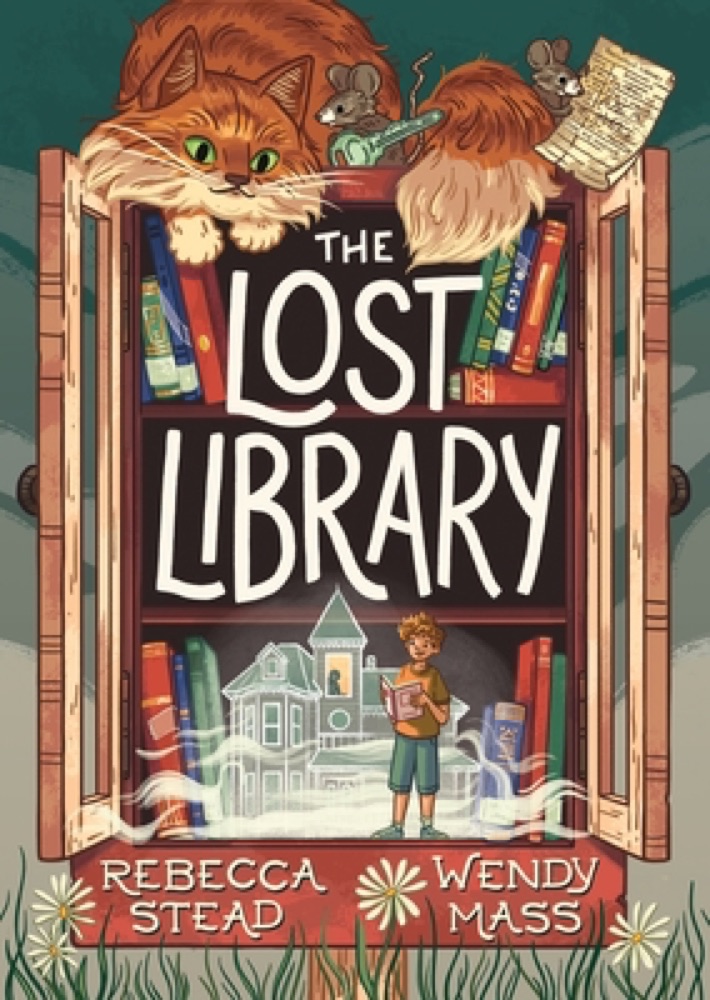 The Lost Library: A Kid-Friendly Mystery
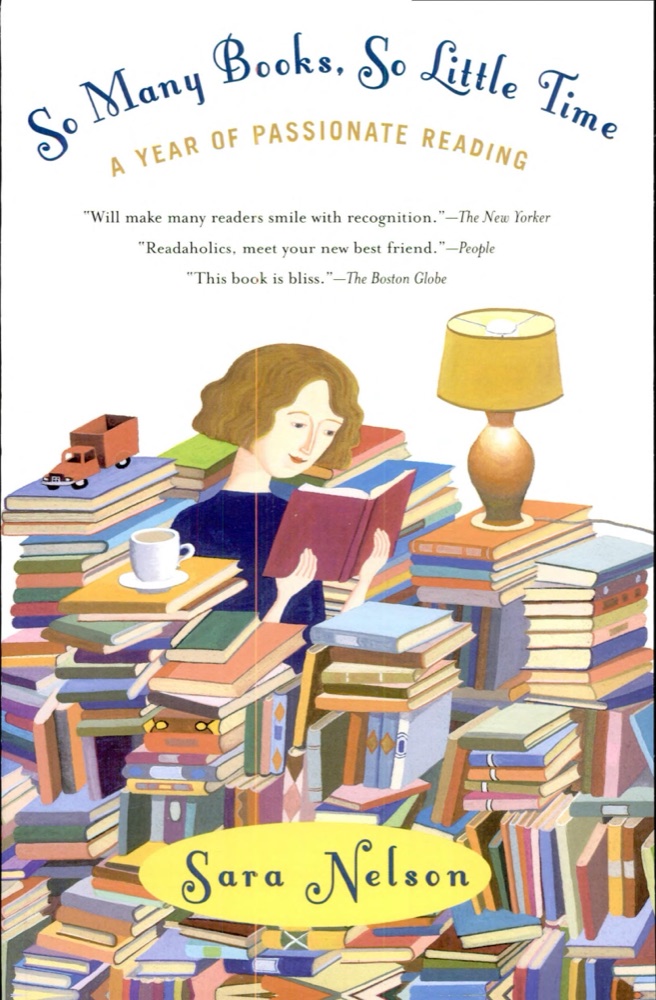 So Many Books, So Little Time: A Year of Passionate Reading
 My Reading Life
 The Man Who Loved Books Too Much: The True Story of a Thief, a Detective, and a World of Literary Obsession
 The Cat Who Saved Books
 The Uncommon Reader
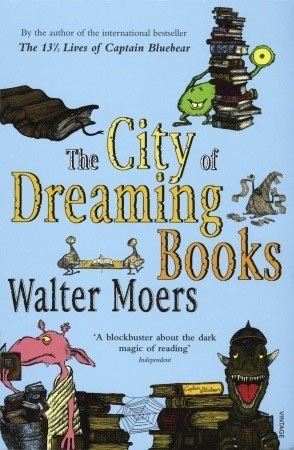 The City of Dreaming Books
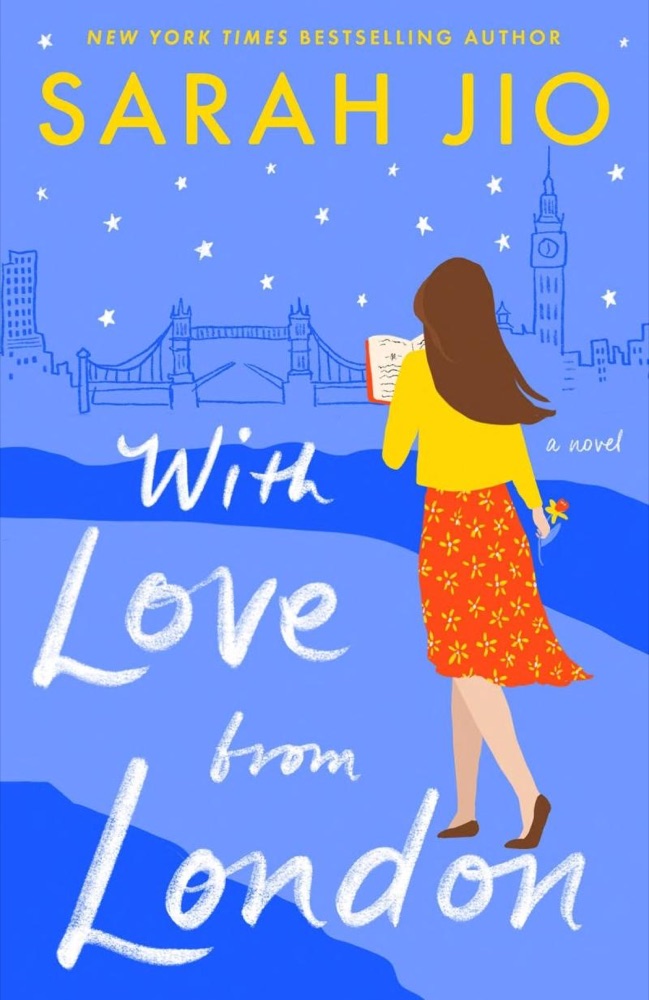 With Love from London
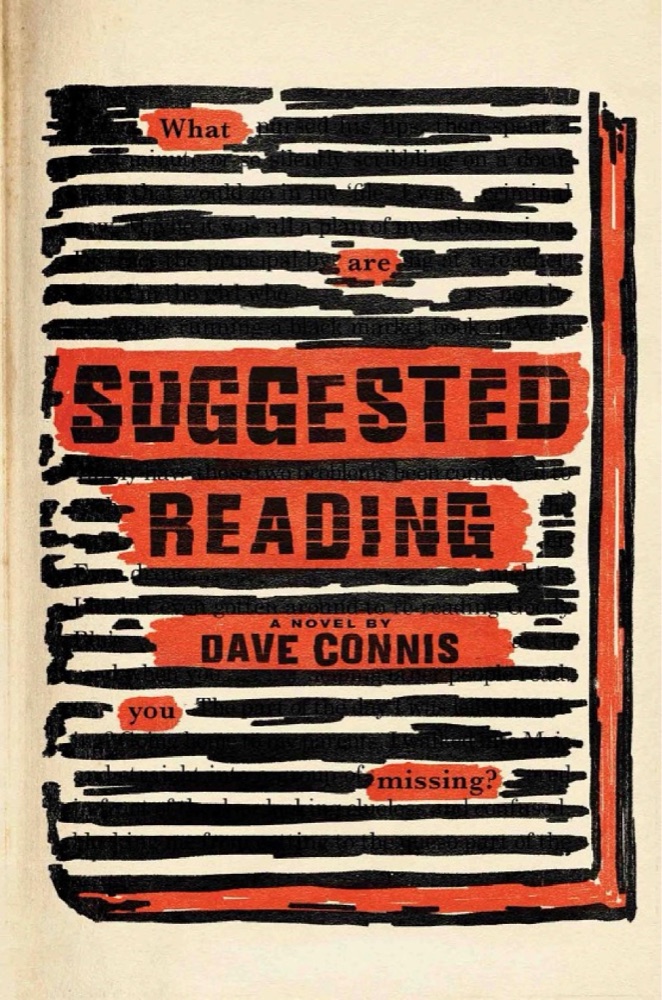 Suggested Reading
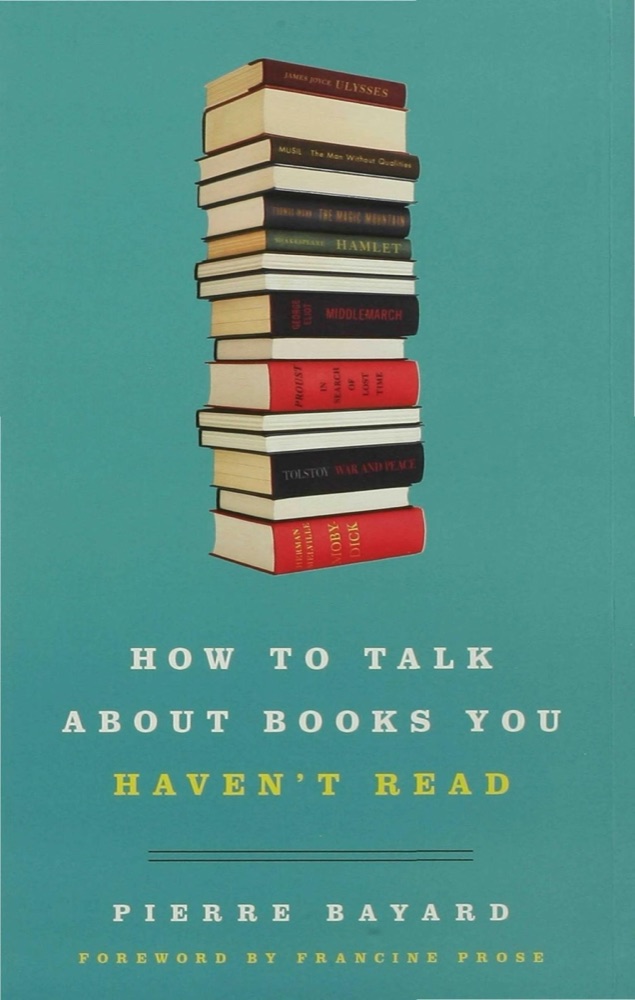 How to Talk About Books You Haven't Read
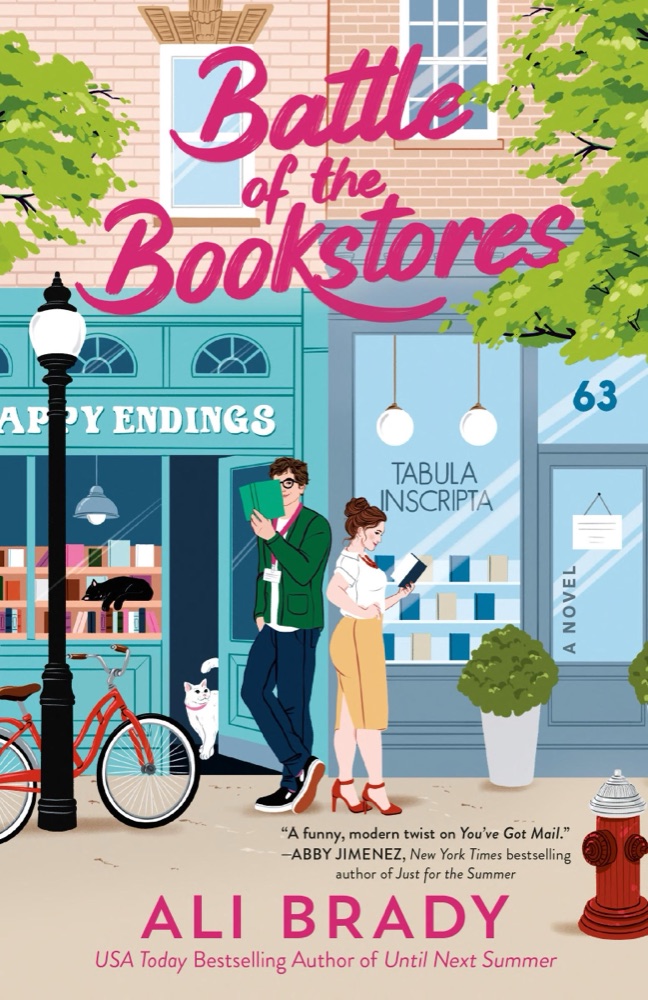 Battle of the Bookstores
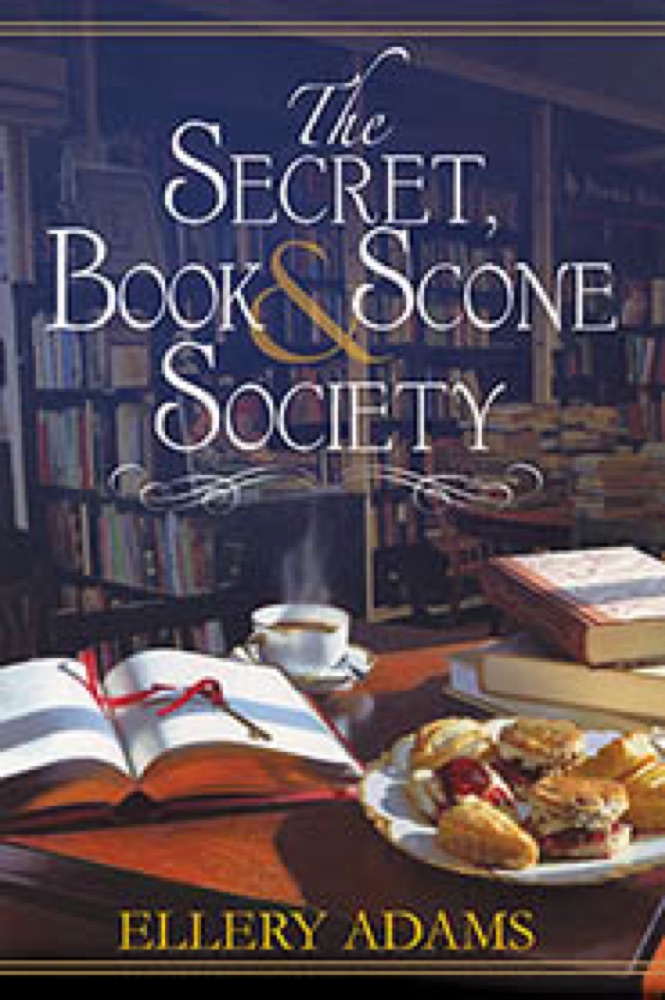 The Secret, Book & Scone Society
 The Storied Life of A.J. Fikry
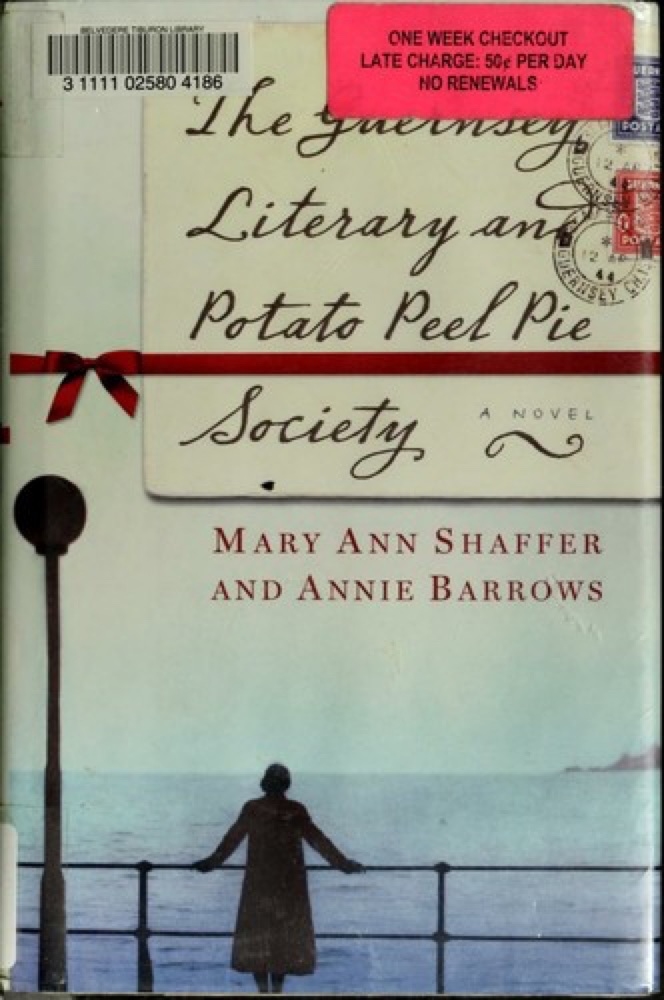 The Guernsey Literary and Potato Peel Pie Society
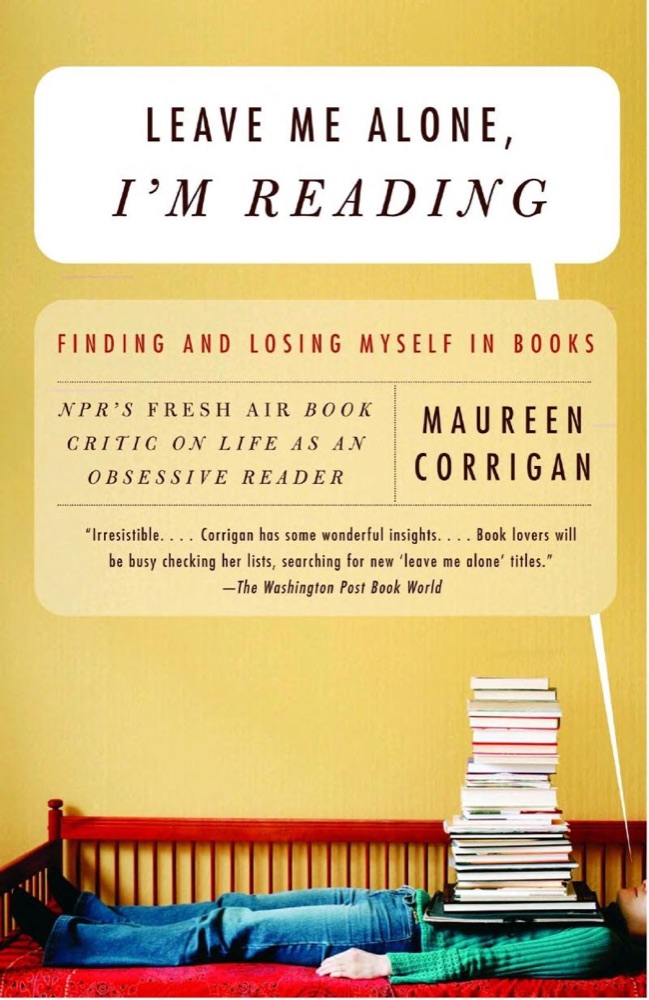 Leave Me Alone, I'm Reading: Finding and Losing Myself in Books
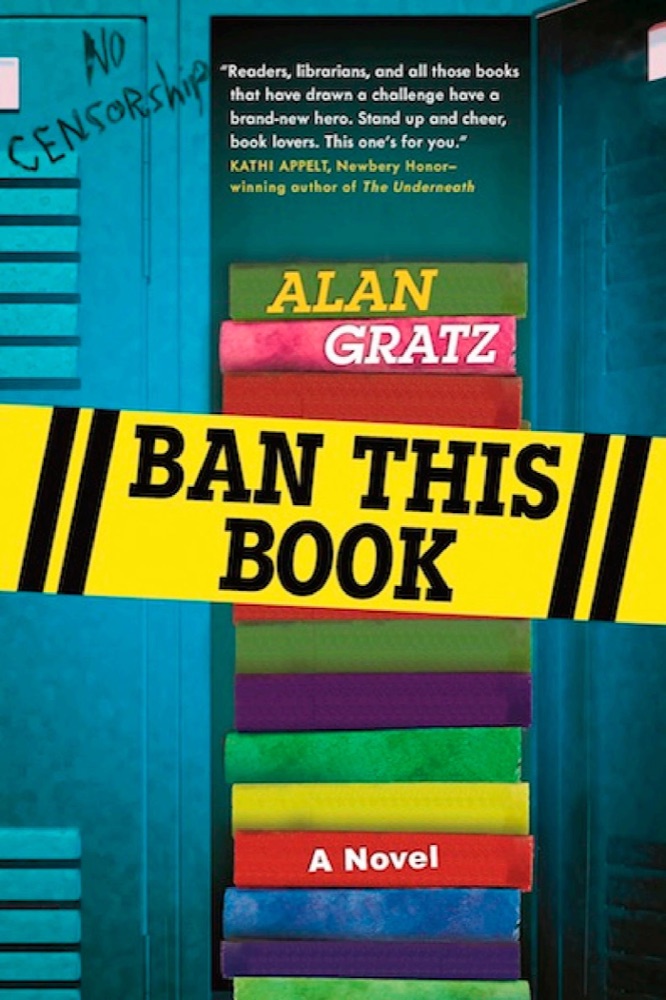 Ban This Book
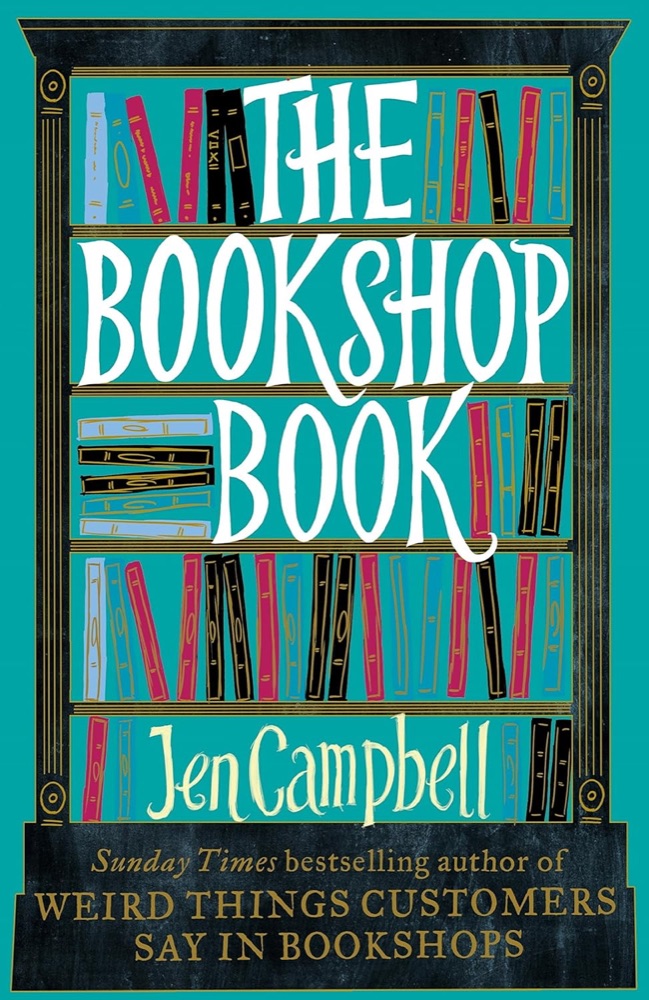 The Bookshop Book
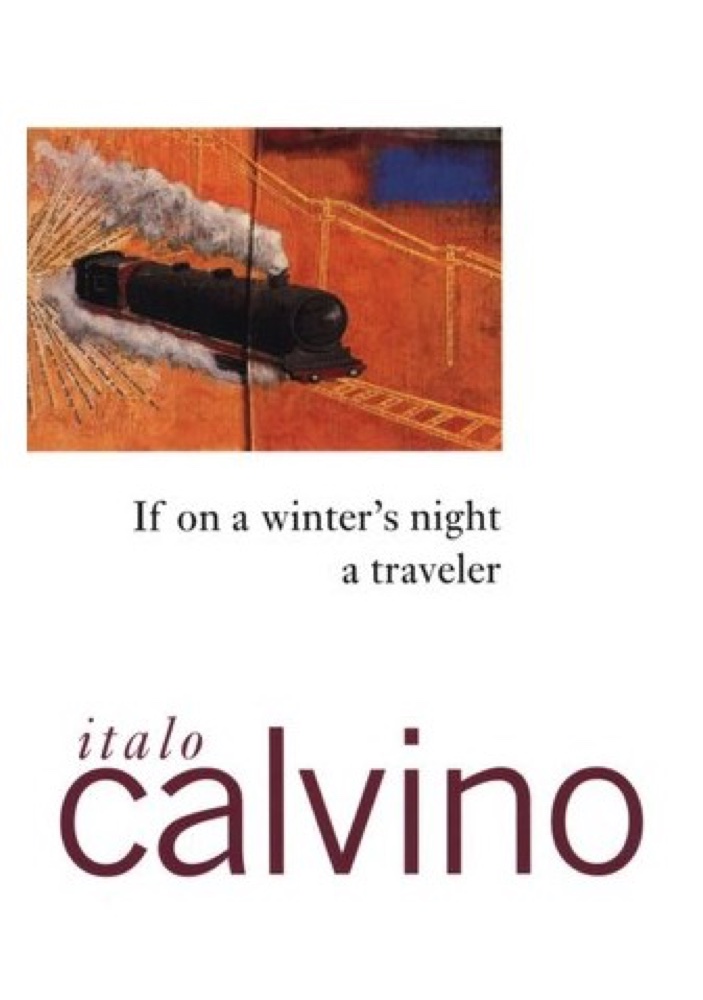 If on a Winter's Night a Traveler
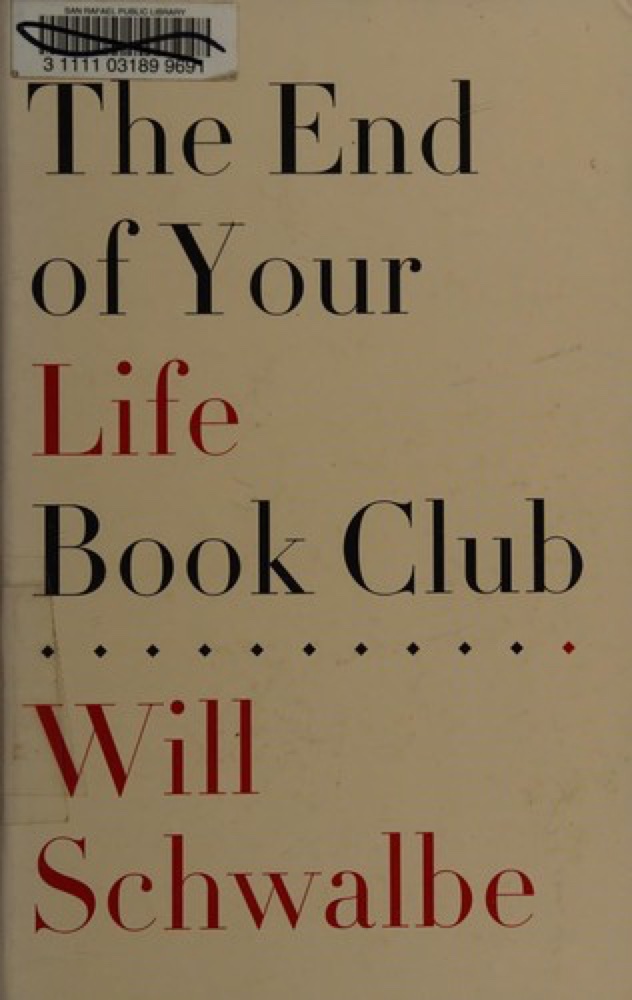 The End of Your Life Book Club
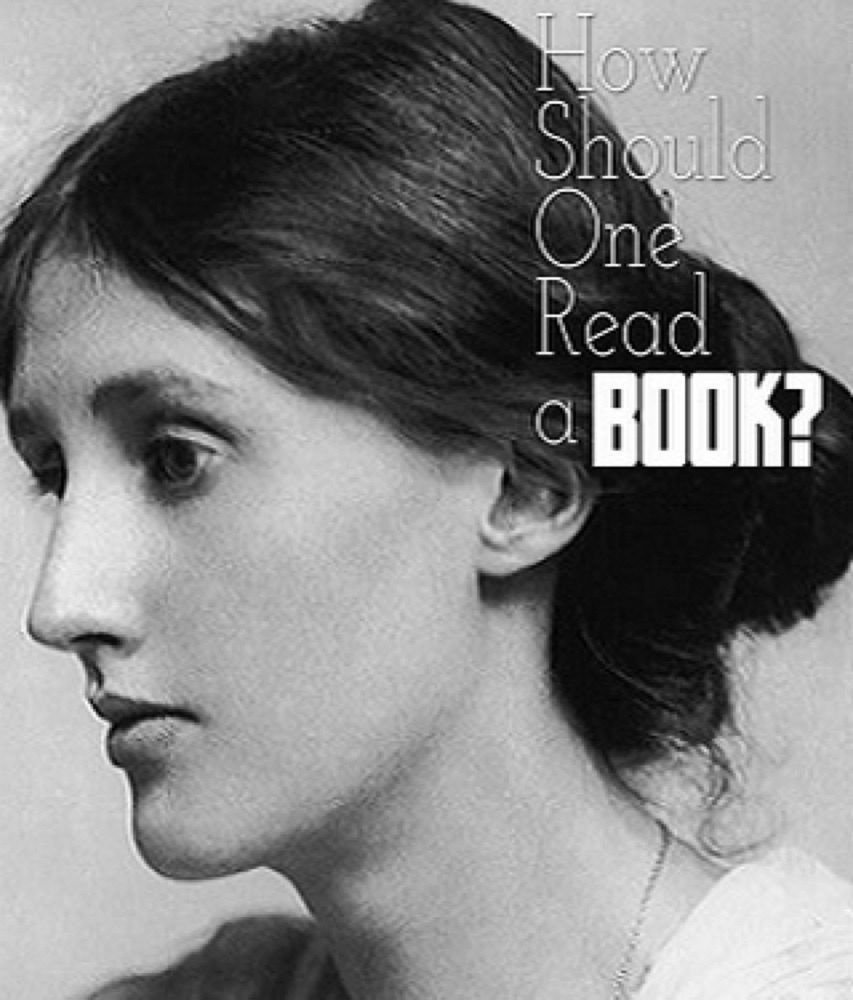 How Should One Read a Book?
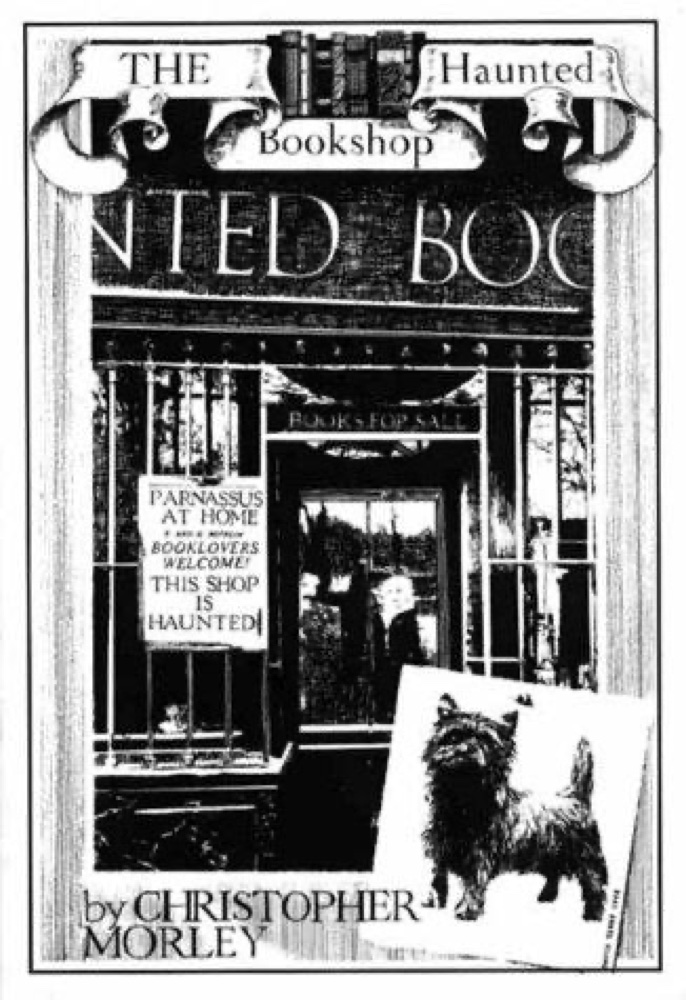 The Haunted Bookshop
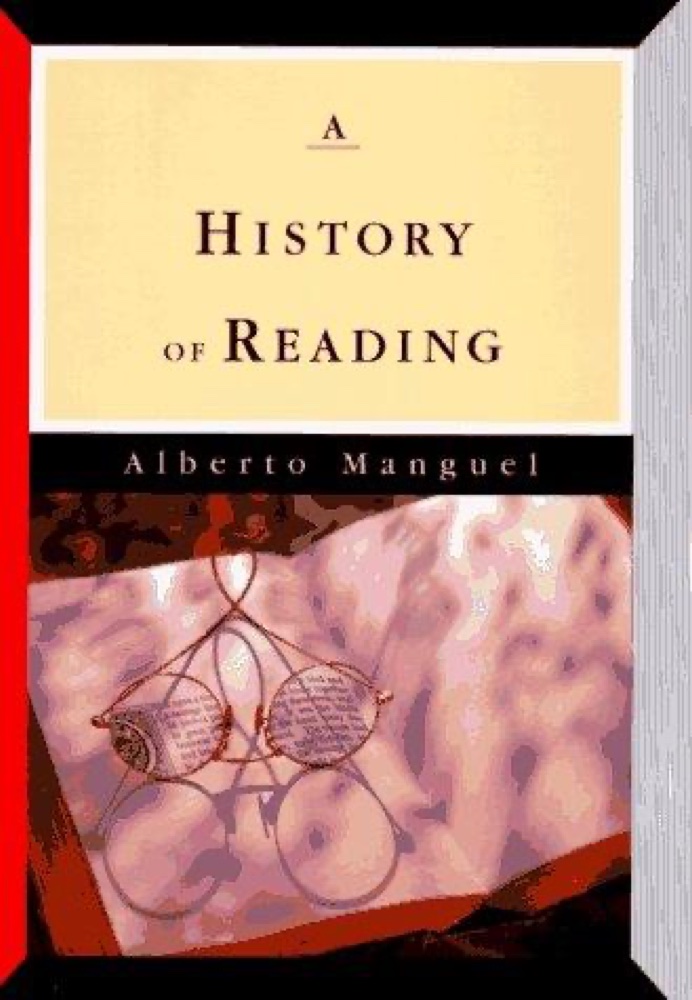 A History of Reading
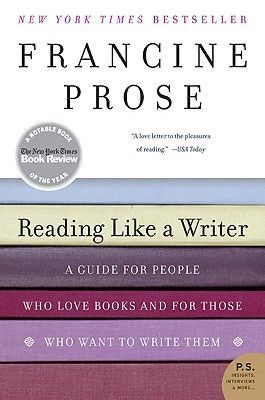 Reading Like a Writer: A Guide for People Who Love Books and for Those Who Want to Write Them
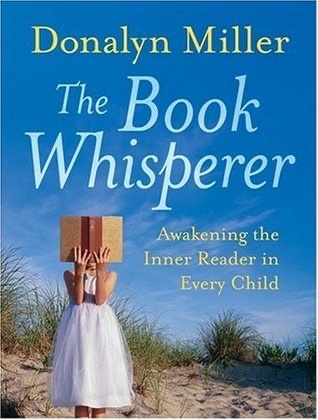 The Book Whisperer: Awakening the Inner Reader in Every Child
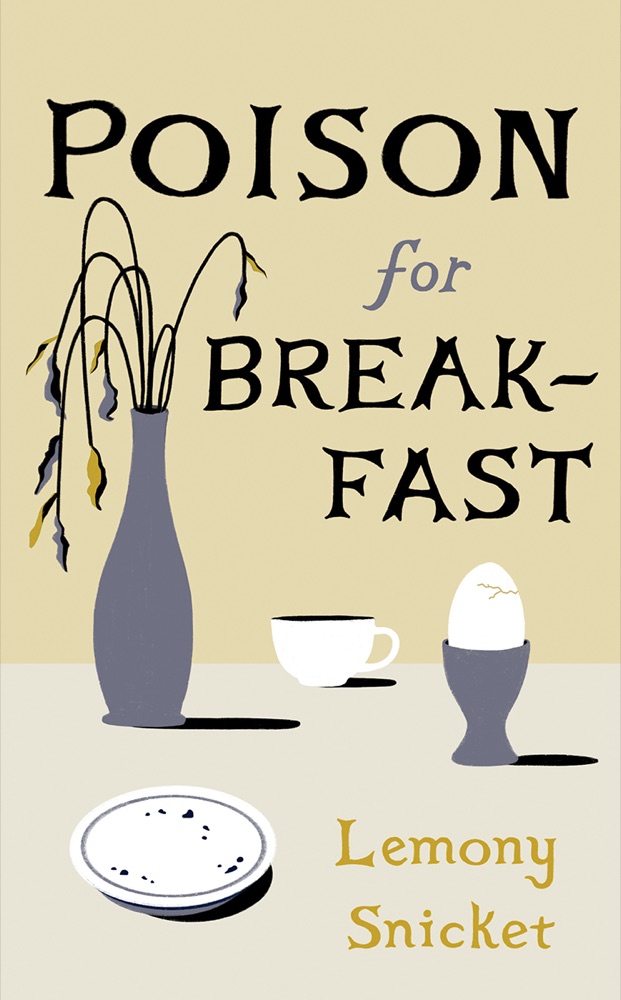 Poison for Breakfast
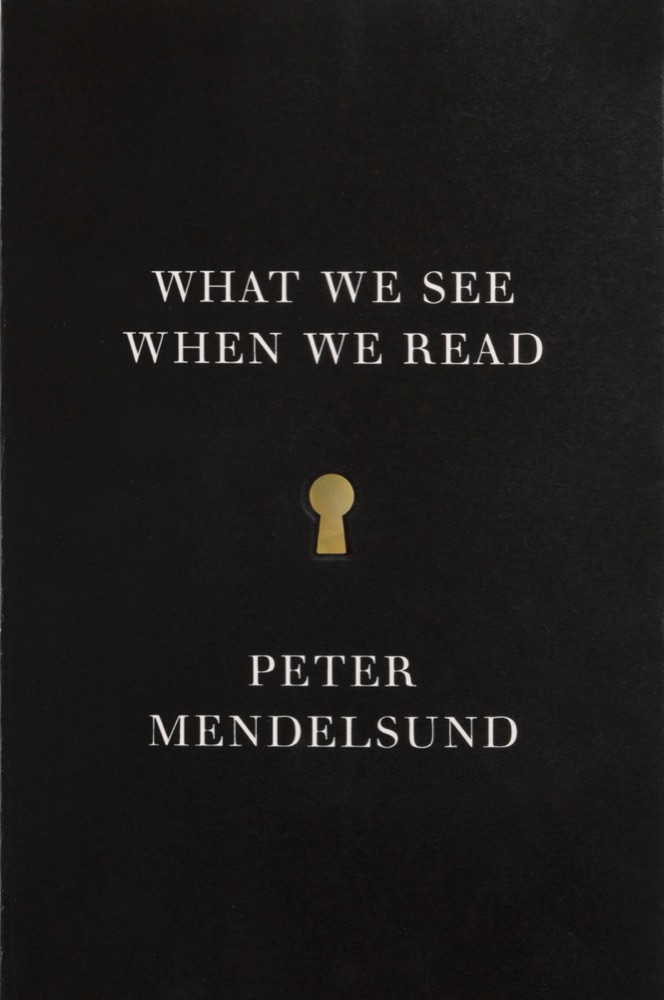 What We See When We Read
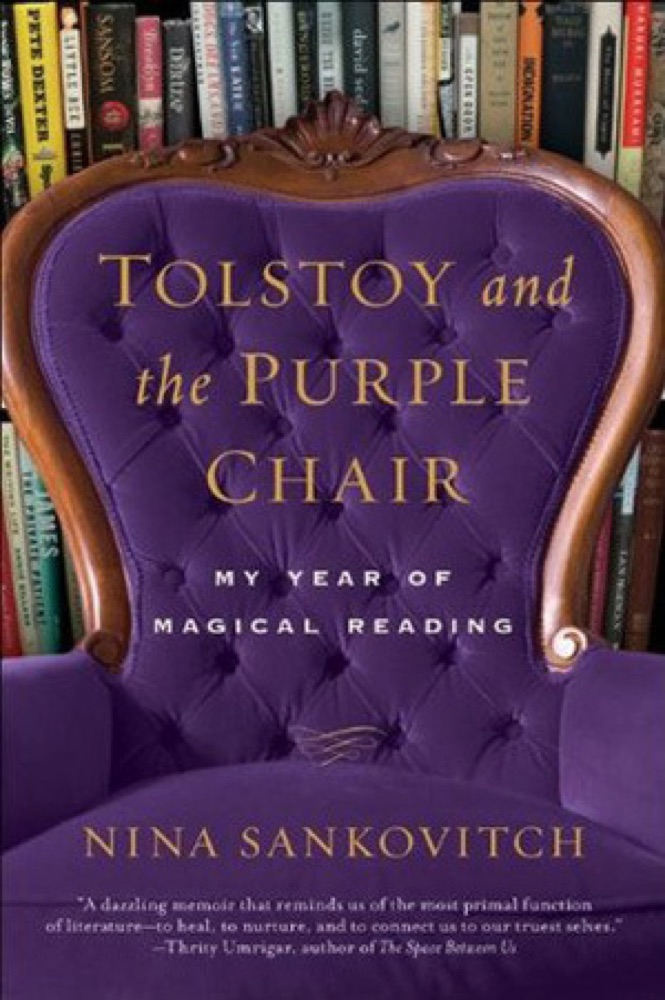 Tolstoy and the Purple Chair: My Year of Magical Reading
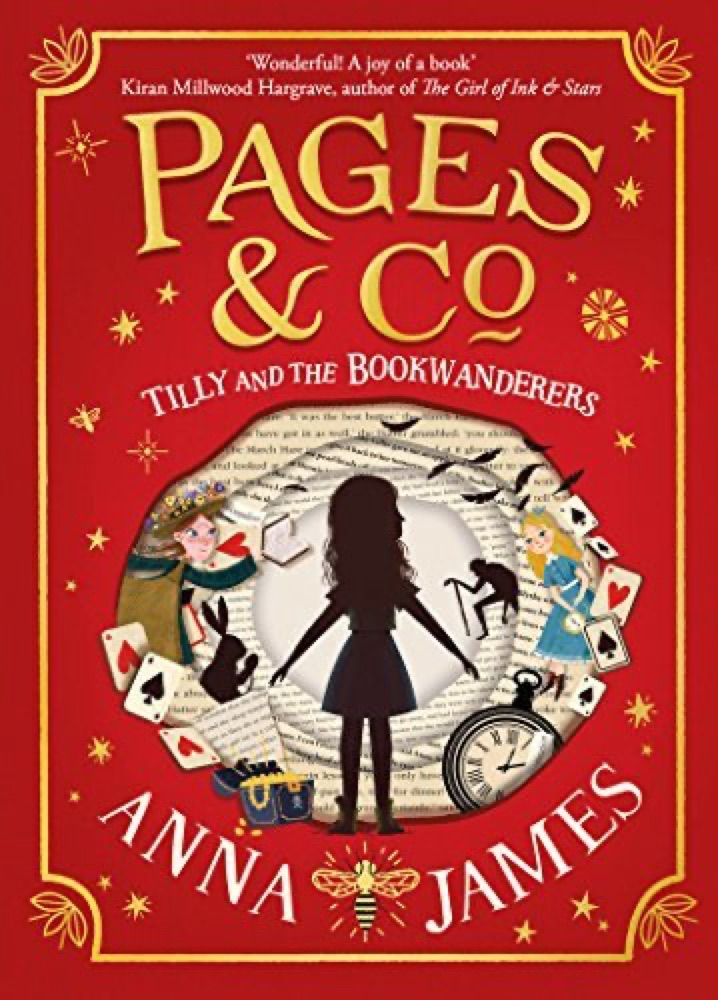 Tilly and the Bookwanderers
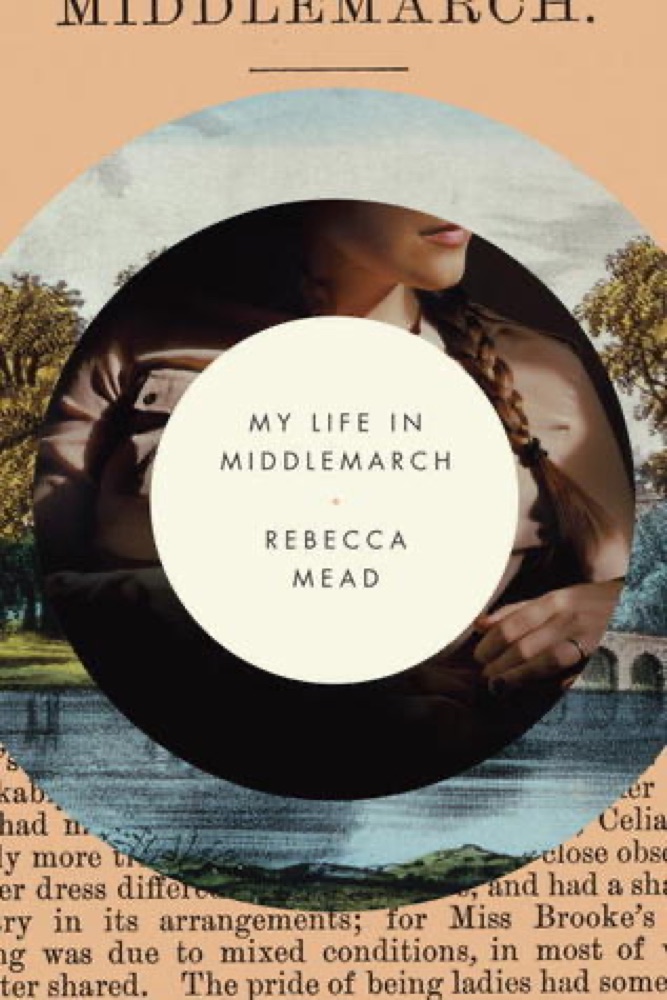 My Life in Middlemarch
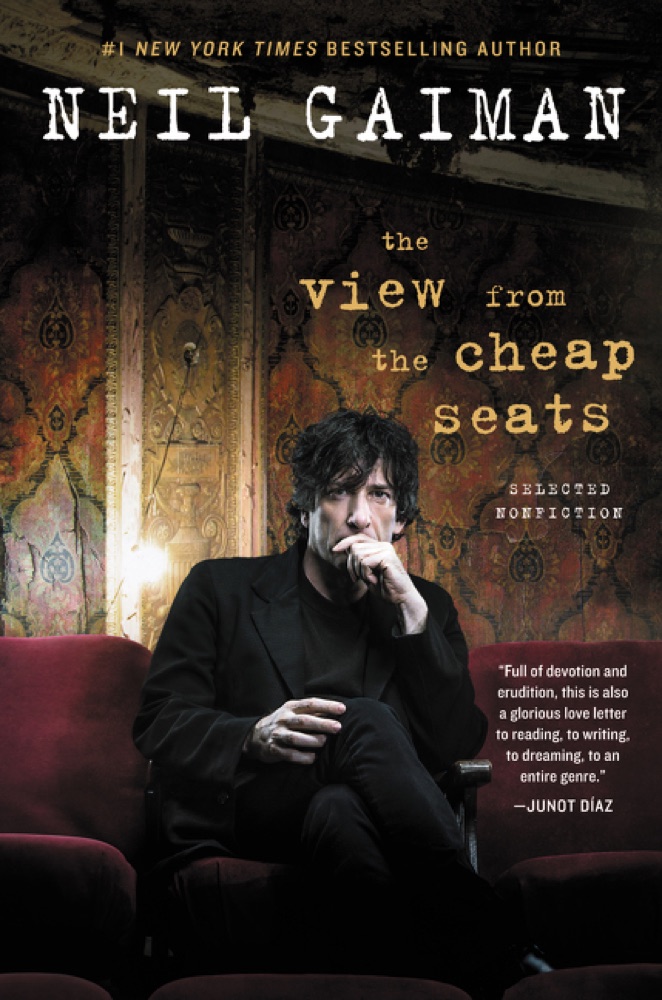 The View from the Cheap Seats: Selected Nonfiction
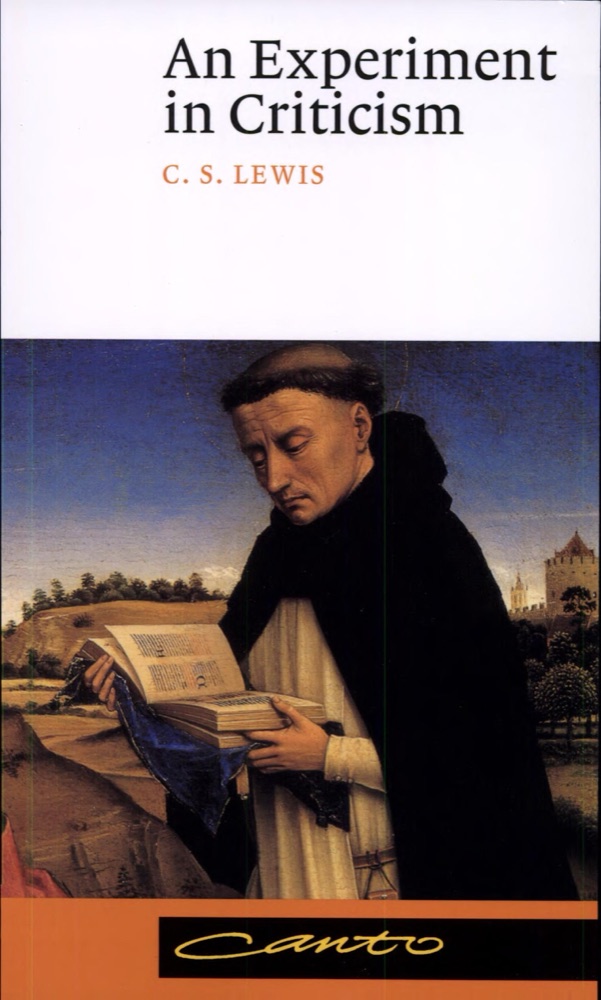 An Experiment in Criticism
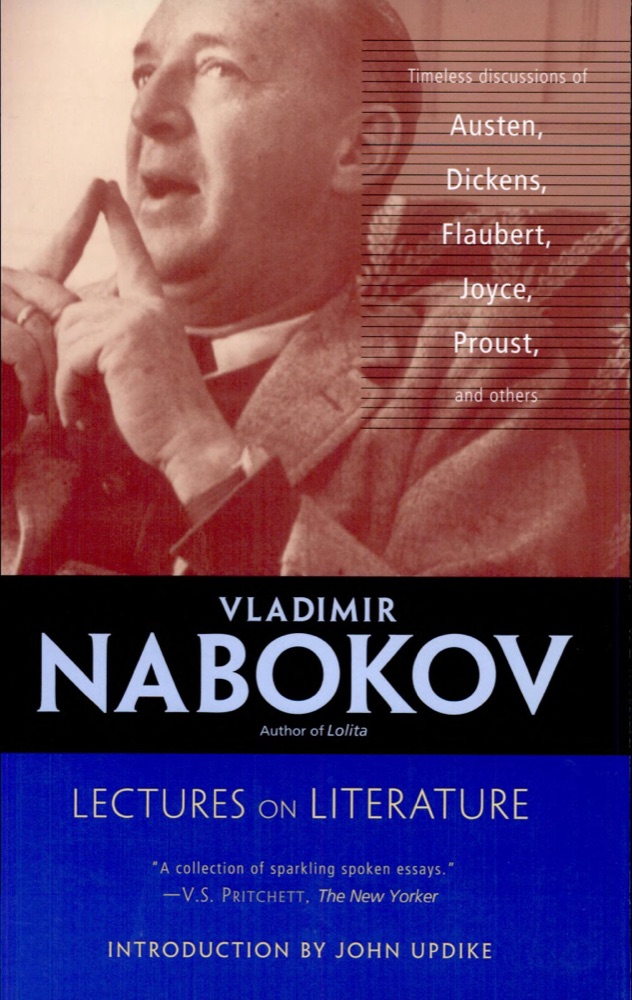 Lectures on Literature
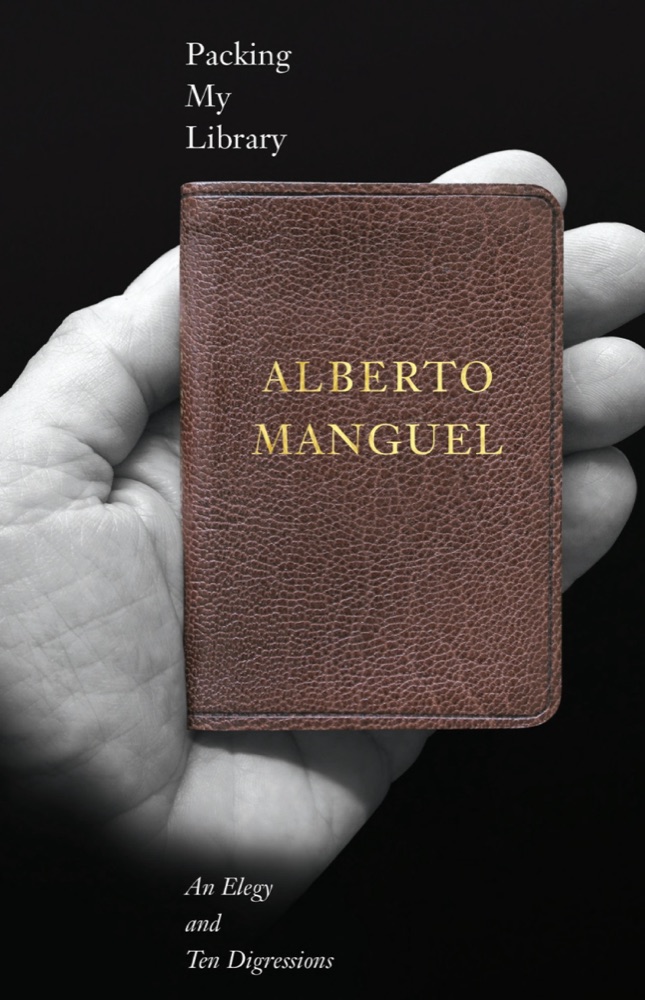 Packing My Library: An Elegy and Ten Digressions
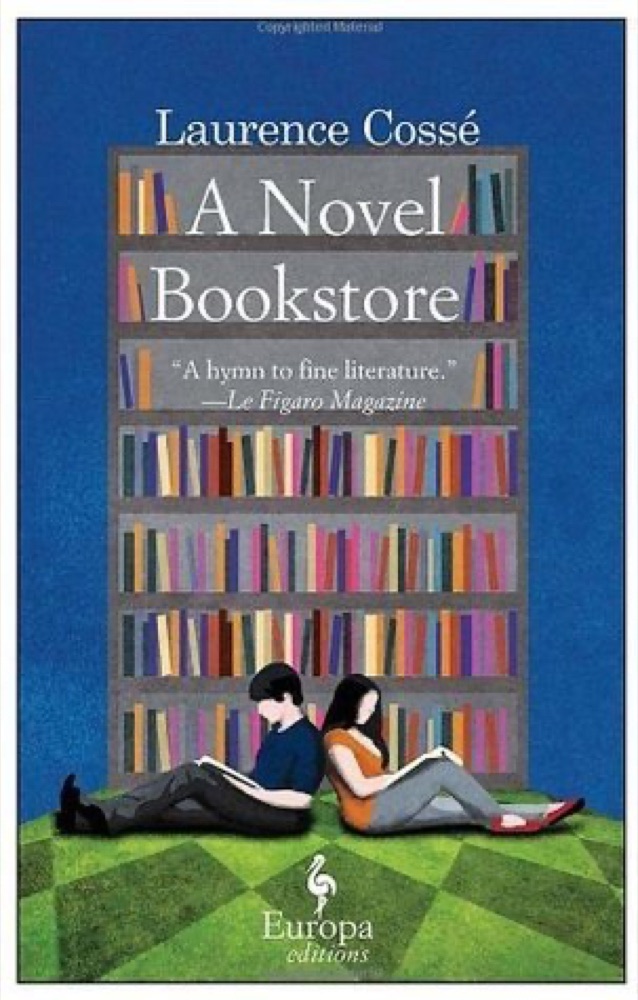 A Novel Bookstore
 The Last Bookaneer
 The Library at Night
 Inkheart
 The Book Witch
 Among Others
 Reader, Come Home: The Reading Brain in a Digital World
 The Thirteenth Tale
 Sixpence House: Lost in a Town of Books
 Lit!: A Christian Guide to Reading Books
 Mr. Penumbra's 24-Hour Bookstore
 The Paris Library
 Honey for a Child's Heart
 Miss Morgan's Book Brigade
 Book Love: Developing Depth, Stamina, and Passion in Adolescent Readers