 Once Upon a River
Quotes from the Book
People disappear when they die. Their voice, their laughter, the warmth of their breath. Their flesh. Eventually their bones. All living memory of them ceases. This is both dreadful and natural. Yet for some there is an exception to this annihilation. For in the books they write they continue to exist. We can rediscover them. Their humor, their tone of voice, their moods. Through the written word they can anger you or make you happy. They can comfort you. They can perplex you. They can alter you. All this, even though they are dead. Like flies in amber, like corpses frozen in the ice, that which according to the laws of nature should pass away is, by the miracle of ink on paper, preserved. It is a kind of magic.
There is something about words. In expert hands, manipulated deftly, they take you prisoner. Wind themselves around your limbs like spider silk, and when you are so enthralled you cannot move, they pierce your skin, enter your blood, numb your thoughts. Inside you they work their magic.
All morning I struggled with the sensation of stray wisps of one world seeping through the cracks of another. Do you know the feeling when you start reading a new book before the membrane of the last one has had time to close behind you? You leave the previous book with ideas and themes -- characters even -- caught in the fibers of your clothes, and when you open the new book, they are still with you.
I have always been a reader; I have read at every stage of my life, and there has never been a time when reading was not my greatest joy. And yet I cannot pretend that the reading I have done in my adult years matches in its impact on my soul the reading I did as a child. I still believe in stories. I still forget myself when I am in the middle of a good book. Yet it is not the same. Books are, for me, it must be said, the most important thing; what I cannot forget is that there was a time when they were at once more banal and more essential than that. When I was a child, books were everything. And so there is in me, always, a nostalgic yearning for the lost pleasure of books. It is not a yearning that one ever expects to be fulfilled.
Of course I loved books more than people.
There are too many books in the world to read in a single lifetime; you have to draw the line somewhere.
A good story is always more dazzling than a broken piece of truth.
What better place to kill time than a library?
What better way to get to know someone than through her choice and treatment of books?
All children mythologise their birth. It is a universal trait. You want to know someone? Heart, mind and soul? Ask him to tell you about when he was born. What you get won’t be the truth: it will be a story. And nothing is more telling than a story.
A birth is not really a beginning. Our lives at the start are not really our own but only the continuation of someone else's story.
Politeness. Now there's a poor man's virtue if ever there was one. What's so admirable about inoffensiveness, I should like to know. After all, it's easily achieved. One needs no particular talent to be polite. On the contrary, being nice is what's left when you've failed at everything else. People with ambition don't give a damn what other people think about them.
Do they sense it, these dead writers, when their books are read? Does a pinprick of light appear in their darkness? Is their soul stirred by the feather touch of another mind reading theirs? I do hope so.
But silence is not a natural environment for stories. They need words. Without them they grown pale, sicken and die. And then they haunt you.
For me to see is to read. It has always been that way.
My gripe is not with lovers of the truth but with truth herself. What succor, what consolation is there in truth, compared to a story? What good is truth, at midnight, in the dark, when the wind is roaring like a bear in the chimney? When the lightning strikes shadows on the bedroom wall and the rain taps at the window with its long fingernails? No. When fear and cold make a statue of you in your bed, don't expect hard-boned and fleshless truth to come running to your aid. What you need are the plump comforts of a story. The soothing, rocking safety of a lie.
Our lives are so important to us that we tend to think the story of them begins with our birth. First there was nothing, then I was born...Yet that is not so. Human lives are not pieces of string that can be separated out from a knot of others and laid out straight. Families are webs. Impossible to touch one part of it without setting the rest vibrating. Impossible to understand one part without having a sense of the whole. - Vida Winter
As for you, you are alive. But it's not the same as living.
Once upon a time there was a fairy godmother, but the rest of the time there was none. This story is about one of those other times.
I don't pretend reality is the same for everyone.
The hours between eight in the evening and one or two in the morning have always been my magic hours. Against the blue candlewick bedspread the white pages of my open book, illuminated by a circle of lamplight, were the gateway to another world.
One gets so used to one's own horrors, one forgets how they must seem to other people.
Everybody has a story. It's like families. You might not know who they are, might have lost them, but they exist all the same. You might drift apart or you might turn your back on them, but you can't say you haven't got them. Same goes for stories.
Sometimes when you open the door to the past, what you confront is your destiny.
One needs no particular talent to be polite. On the contrary, being nice is what's left when you've failed at everything else.
I've nothing against people who love truth. Apart from the fact that they make dull companions.
When I was a child, books were everything. And so there is in me, always, a nostalgic, yearning for the lost pleasure of books. It is not a yearning that one ever expects to be fulfilled.
She was a do-gooder, which means that all the ill she did, she did without realizing it.
When one is nothing, one invents. It fills a void.
Did you know?
- It was Diane Setterfield's debut novel.
- The book reached number one on The New York Times bestseller list shortly after its release.
- Charlotte Bronte's "Jane Eyre" recurs throughout the novel as a literary touchstone.
- The novel is structured in sections titled Beginnings, Middles, and Endings.
- It was adapted into a BBC television film in 2013 starring Vanessa Redgrave and Olivia Colman.
About Diane Setterfield
Diane Setterfield is a British author, born in Englefield, Berkshire, who taught French literature before turning to writing. "The Thirteenth Tale" (2006) was her debut novel and became an international bestseller.
More about the author →More by Diane Setterfield
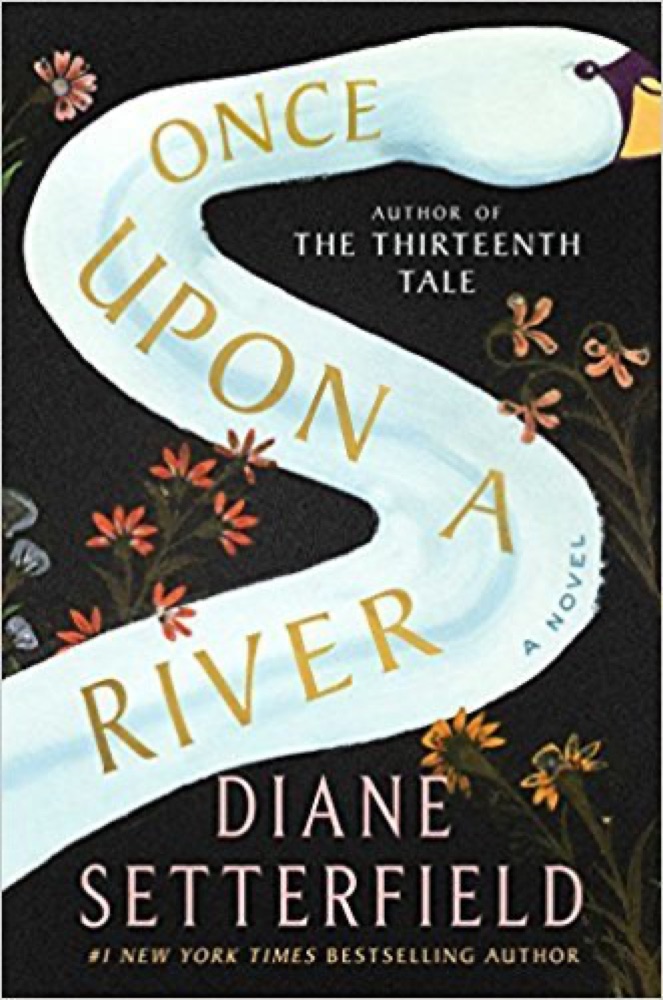
Once Upon a River
About the book
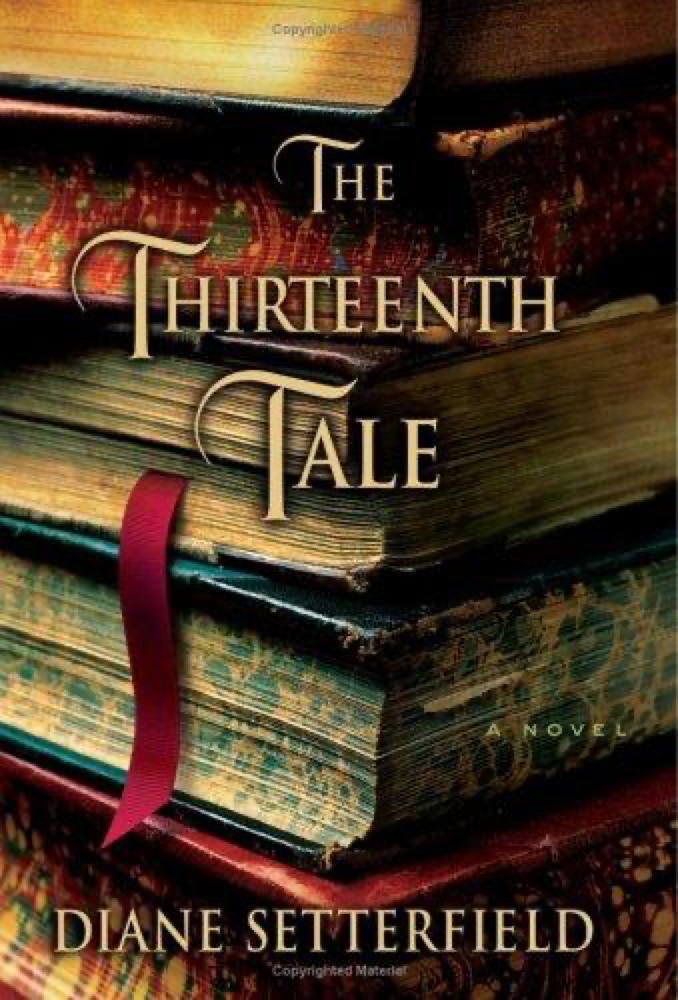
"The Thirteenth Tale" is the 2006 debut novel of British author Diane Setterfield, a Gothic mystery about biography and buried family secrets. Margaret Lea, a reserved amateur biographer who works in her father's antiquarian bookshop, receives a summons from Vida Winter, England's most famous and most secretive living novelist, who is dying and wishes at last to tell the truth about her life. As Winter unspools the dark story of the Angelfield family and its twins, Margaret is drawn into a tale of decay and concealment that forces her to confront a grief of her own.
The novel is steeped in the traditions of nineteenth-century fiction, and Charlotte Bronte's "Jane Eyre" is woven through it as a touchstone. Setterfield explores the bond and rivalry of twins, the mythologizing of one's own origins, the power of storytelling to both reveal and disguise the truth, and the ways loss shapes a life. Its atmosphere of crumbling houses, ghosts, and reclusive figures places it firmly within the Gothic mode while framing the whole around the act of writing a biography.
The book was a commercial success on both sides of the Atlantic, reaching number one on The New York Times bestseller list shortly after publication and establishing Setterfield as a novelist. Praised for its immersive, old-fashioned storytelling, it was adapted for television by the BBC in 2013. It remains Setterfield's best-known work and a favorite among readers drawn to literary mysteries and Gothic atmosphere.
Key characters
- Margaret LeaAmateur biographer and bookshop worker who narrates the present-day story
- Vida WinterReclusive, celebrated novelist who hires Margaret to write her true biography
- The Angelfield twinsTwin girls at the heart of Vida Winter's hidden family history
- Margaret's fatherAntiquarian bookseller with whom Margaret works and lives
Book details
- First published
- 2006
- Length
- 406 pages
- Reading time
- 9 hours
- Author
- Diane Setterfield
- Genre
- Historical
- Goodreads rating
- 3.98 (330k ratings) →
- First line
- “It was November. Although it was not yet late, the sky was dark when I turned into Laundress Passage.”
Movie & TV adaptations
- IMDb
If you liked this, read…
- 1Jane EyreThe Gothic governess-and-secrets novel that Setterfield's book explicitly echoes
- 2RebeccaA brooding Gothic mystery centered on a grand house and its concealed past
- 3The HistorianAnother atmospheric literary mystery built around research into a hidden story
Keep reading
 Stories: All-New Tales
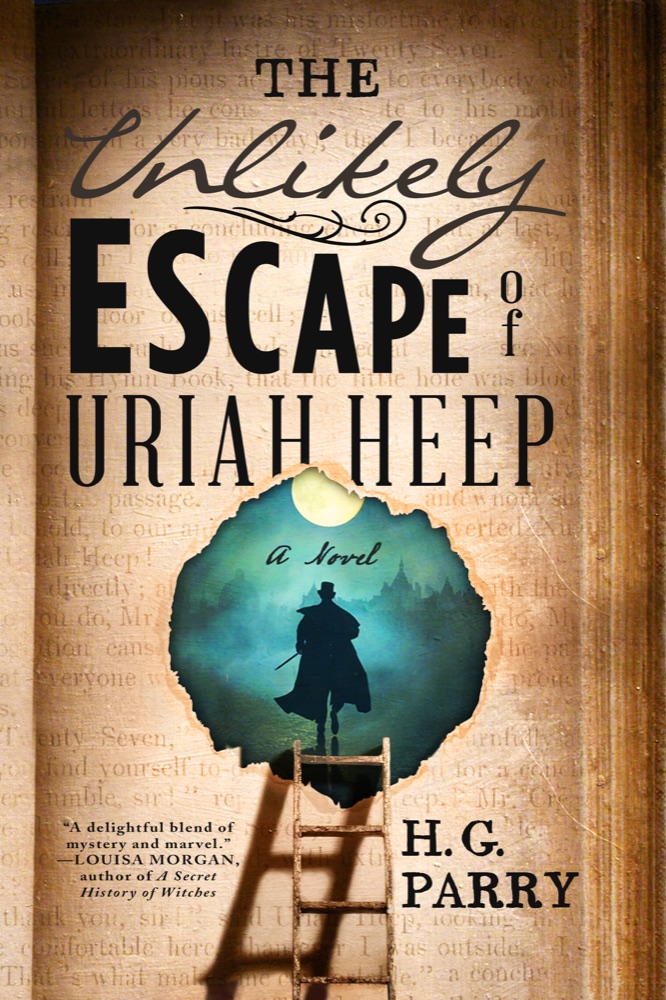 The Unlikely Escape of Uriah Heep
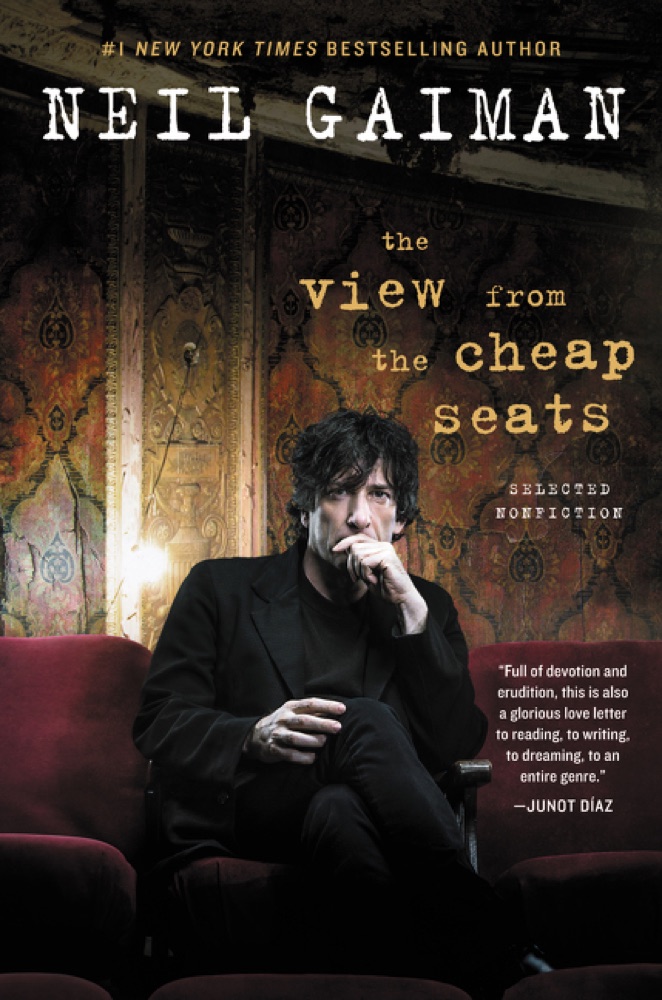 The View from the Cheap Seats: Selected Nonfiction
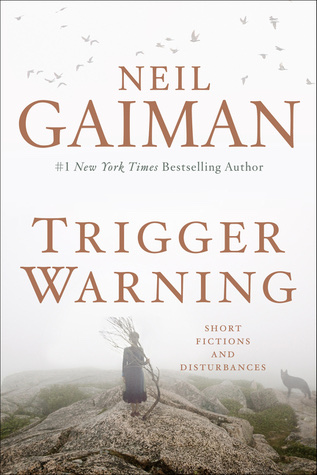 Trigger Warning: Short Fictions and Disturbances
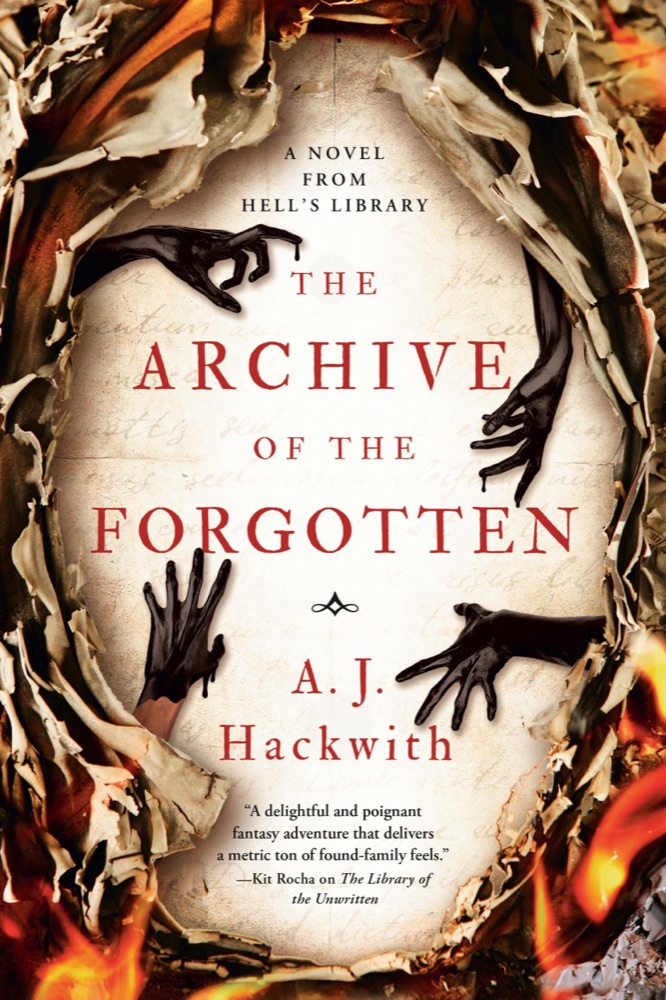 The Archive of the Forgotten
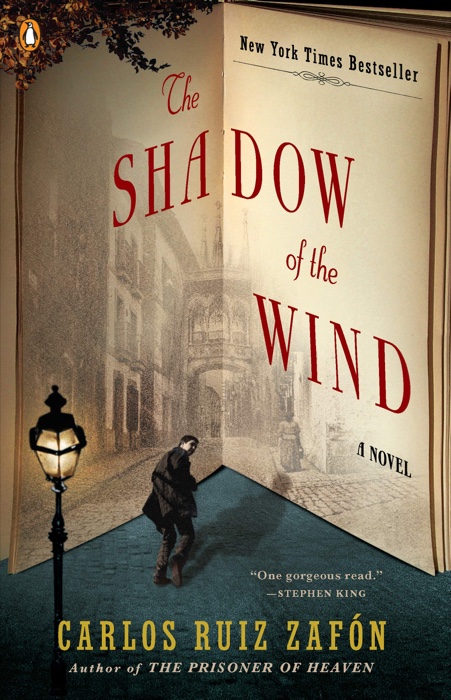 The Shadow of the Wind
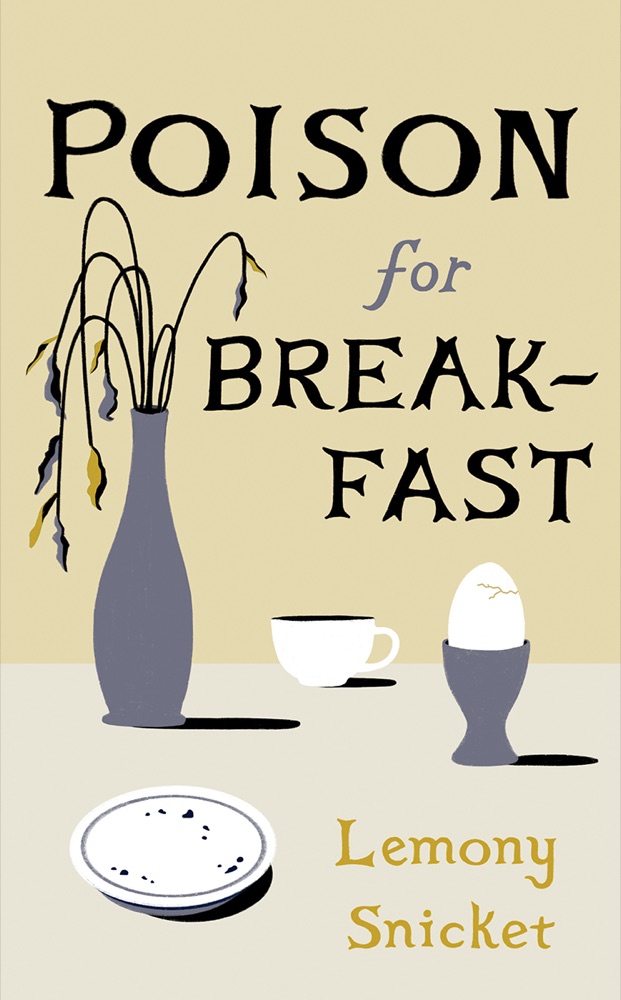 Poison for Breakfast
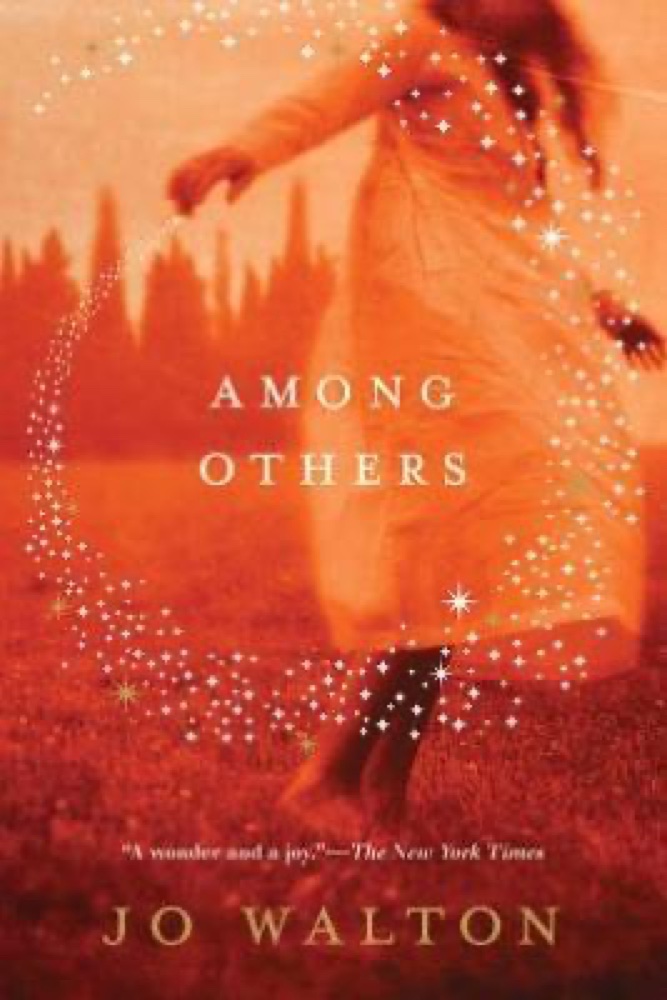 Among Others
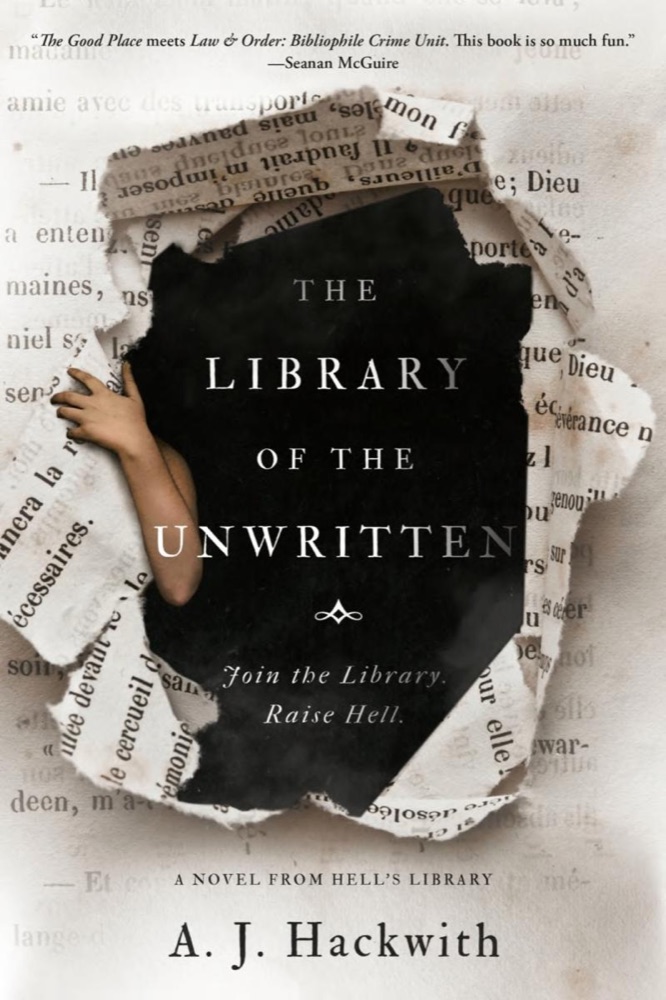 The Library of the Unwritten
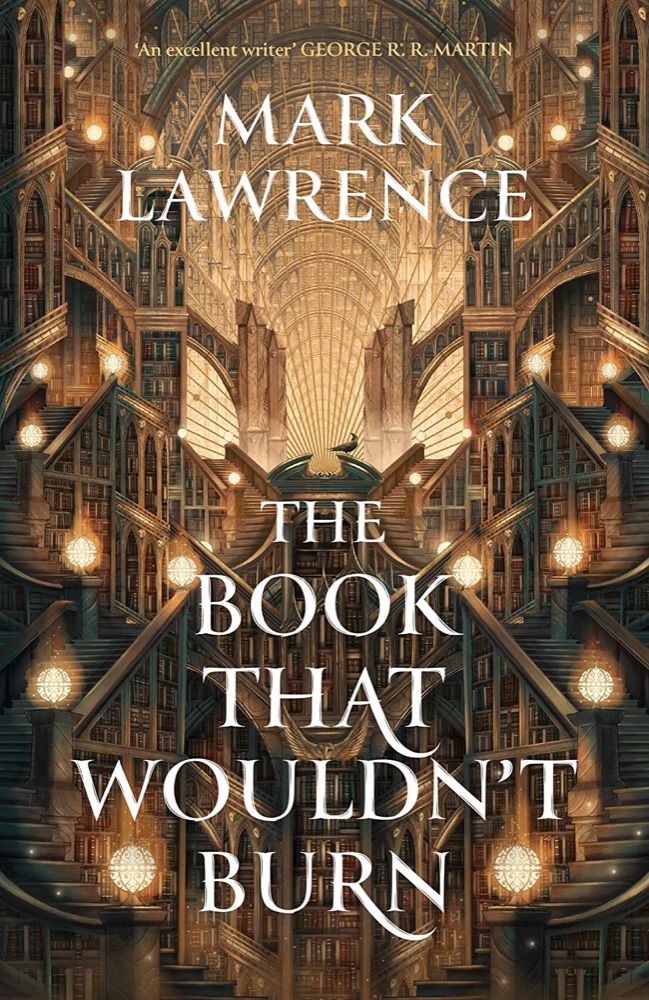 The Book That Wouldn’t Burn
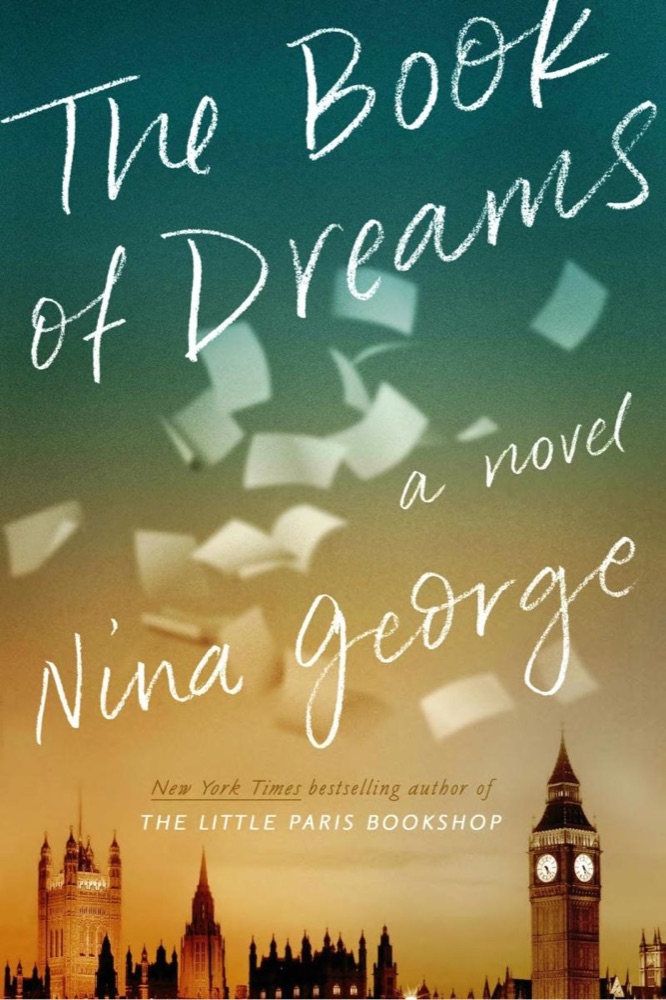 The Book of Dreams
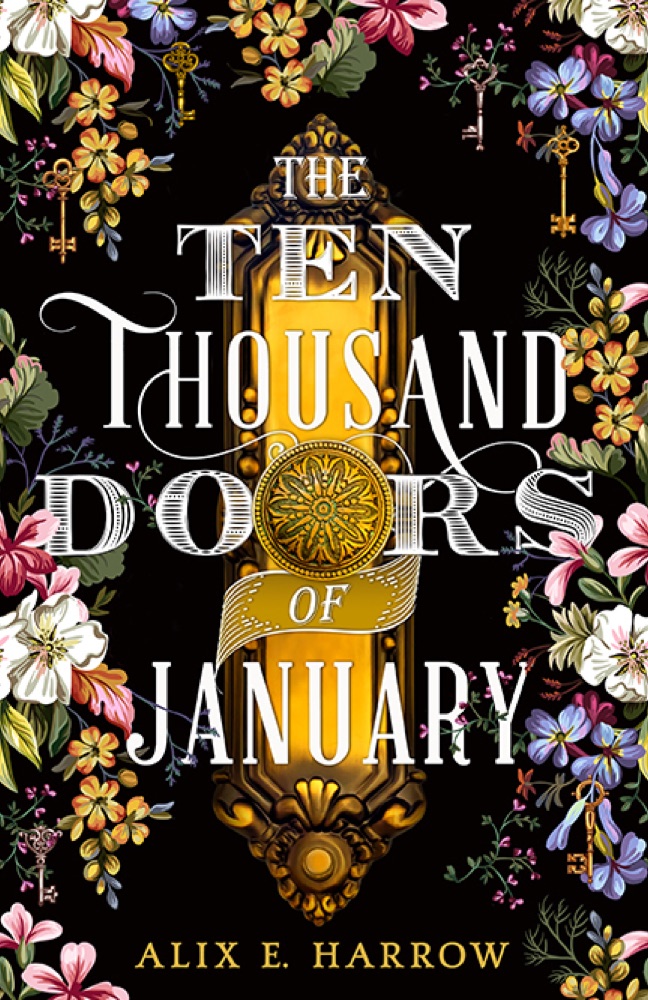 The Ten Thousand Doors of January
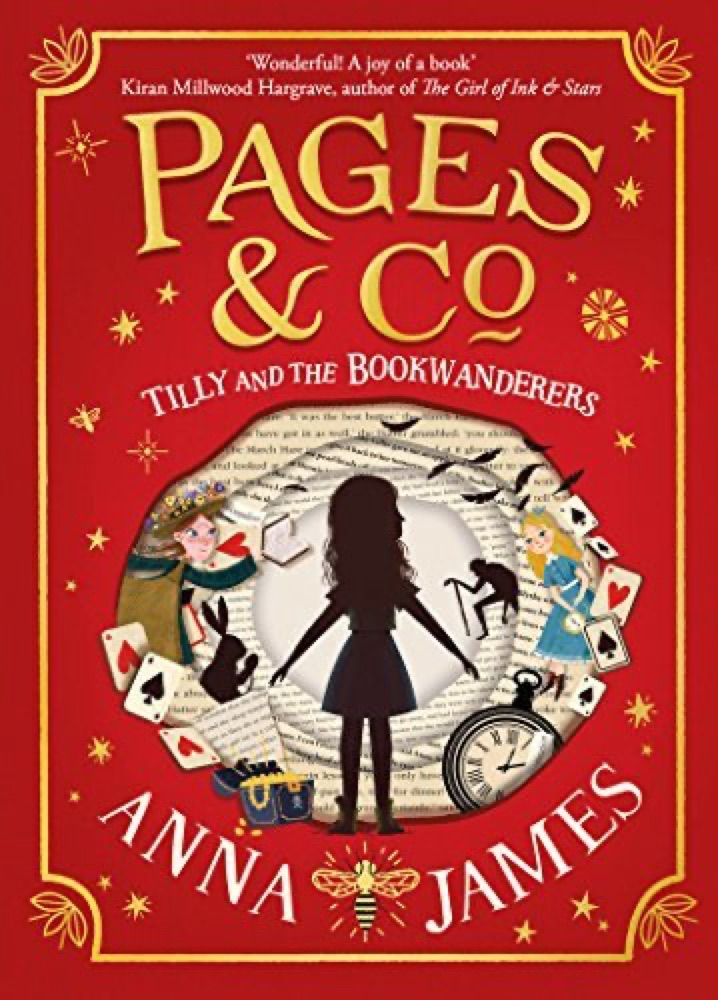 Tilly and the Bookwanderers
 The Angel's Game
 The Secret History
 The Distant Hours
 The Storied Life of A.J. Fikry
 The Summer Without Men
 The Book of Form and Emptiness
 A Tale of Love and Darkness
 The Enchanted
 Kafka on the Shore
 Lighthousekeeping
 An Unnecessary Woman
 Afterworlds
 The Storyteller
 The Rent Collector
 The Secret, Book & Scone Society
 The Faraway Nearby
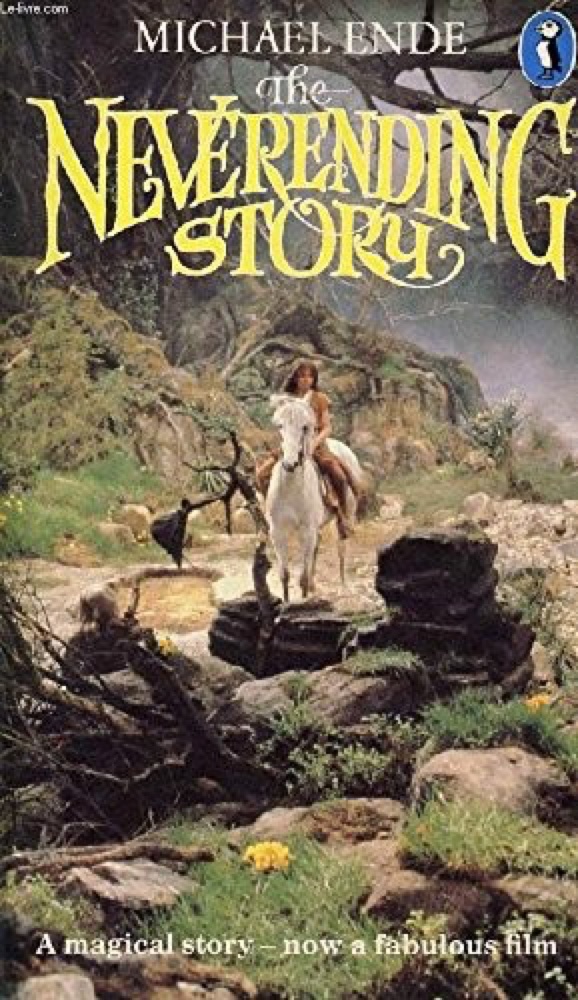 The Neverending Story
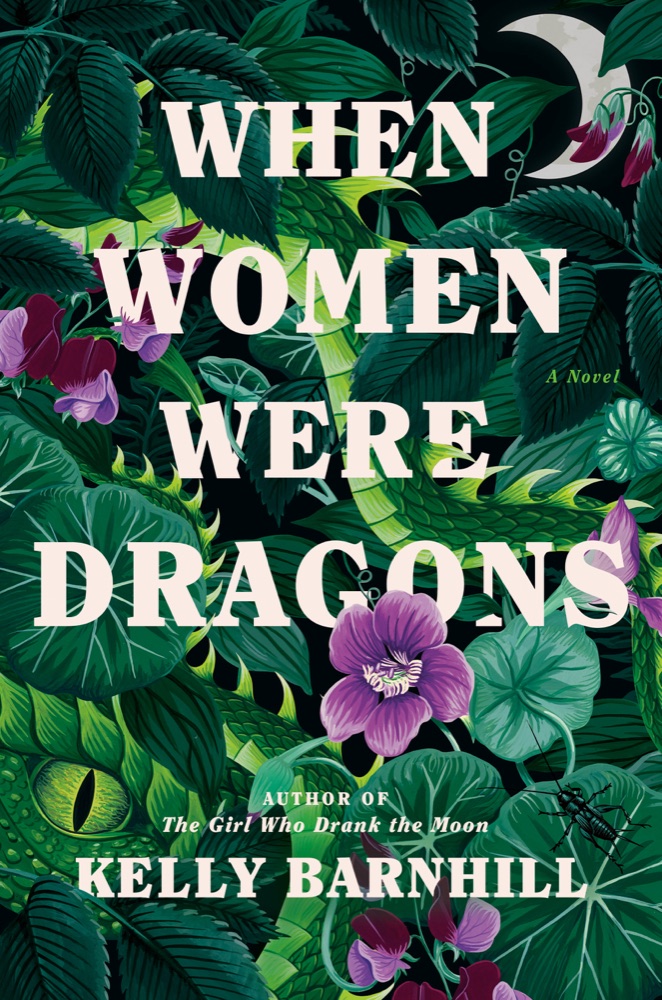 When Women Were Dragons
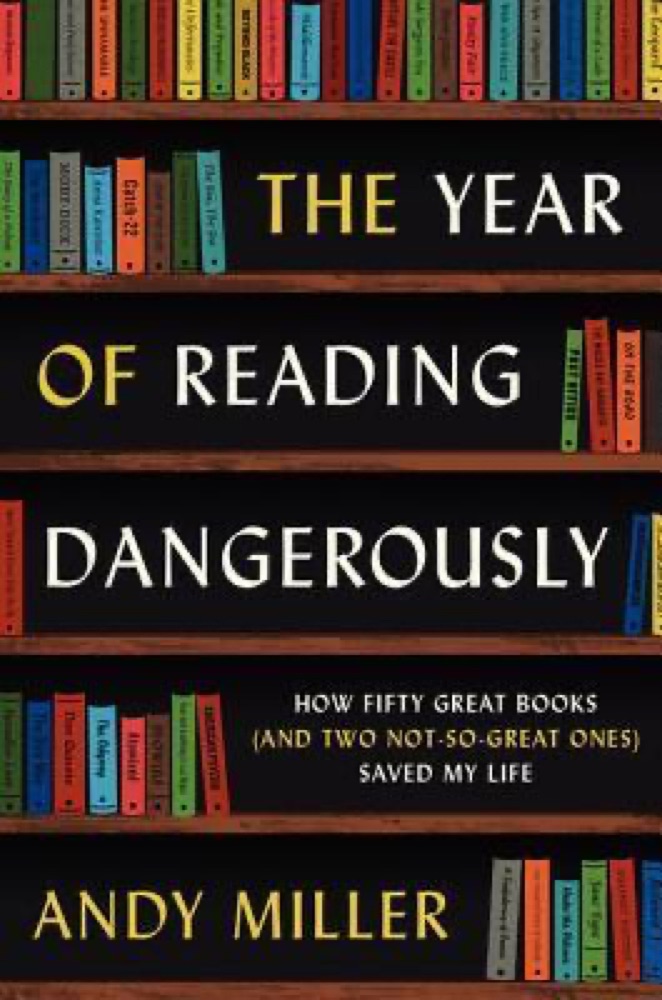 The Year of Reading Dangerously
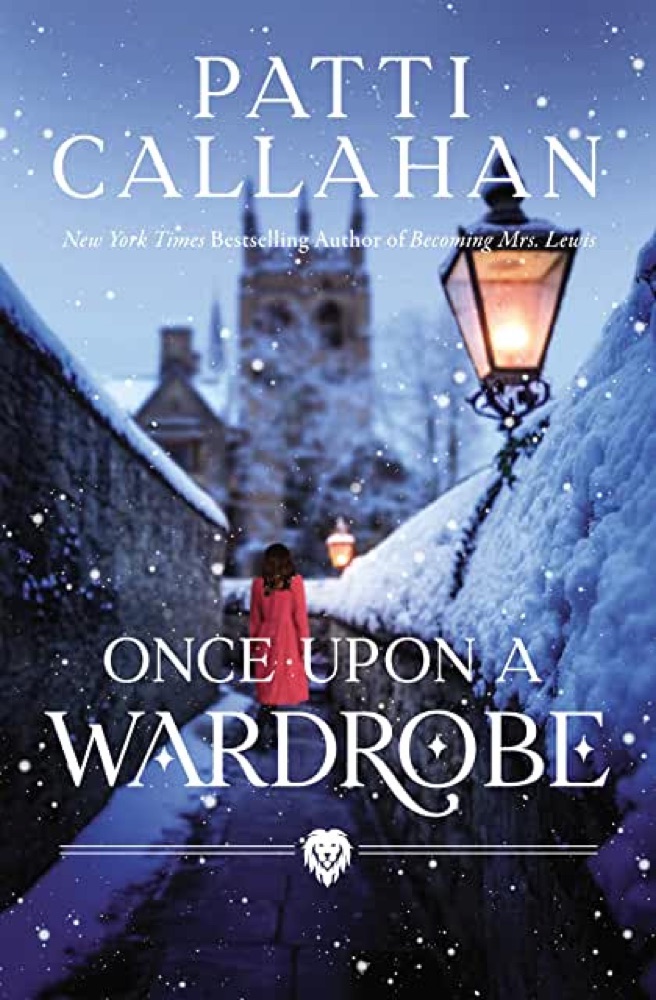 Once Upon a Wardrobe
 The Paper Menagerie and Other Stories
 The Very Best of Charles de Lint
 The Onion Girl
 Dæmon Voices
 Off the Page
 Radiance
 A Tale for the Time Being
 The Reader
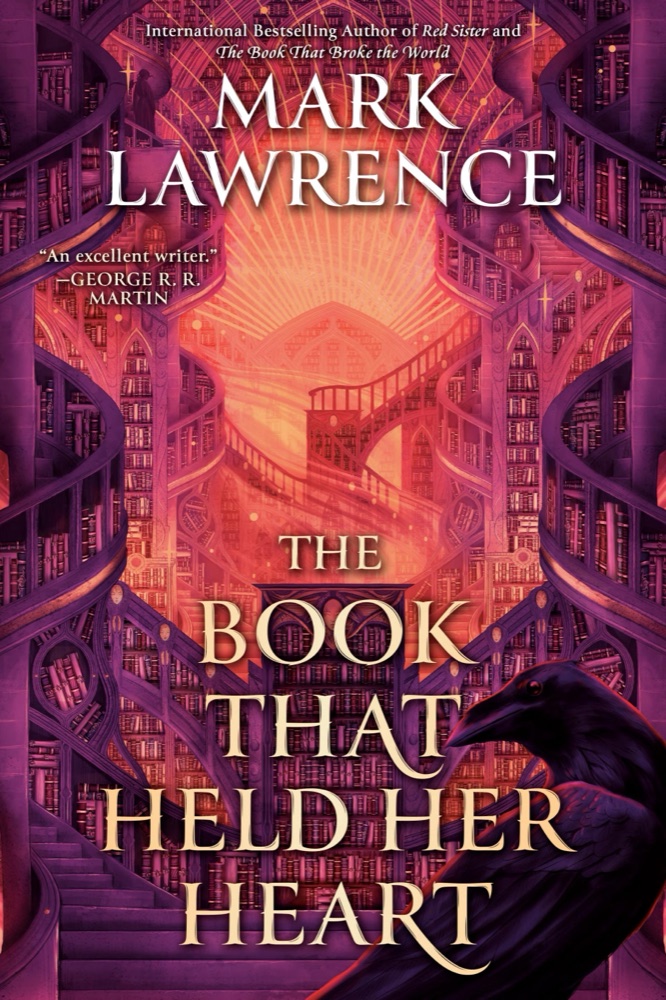 The Book That Held Her Heart
 The Dream of Perpetual Motion
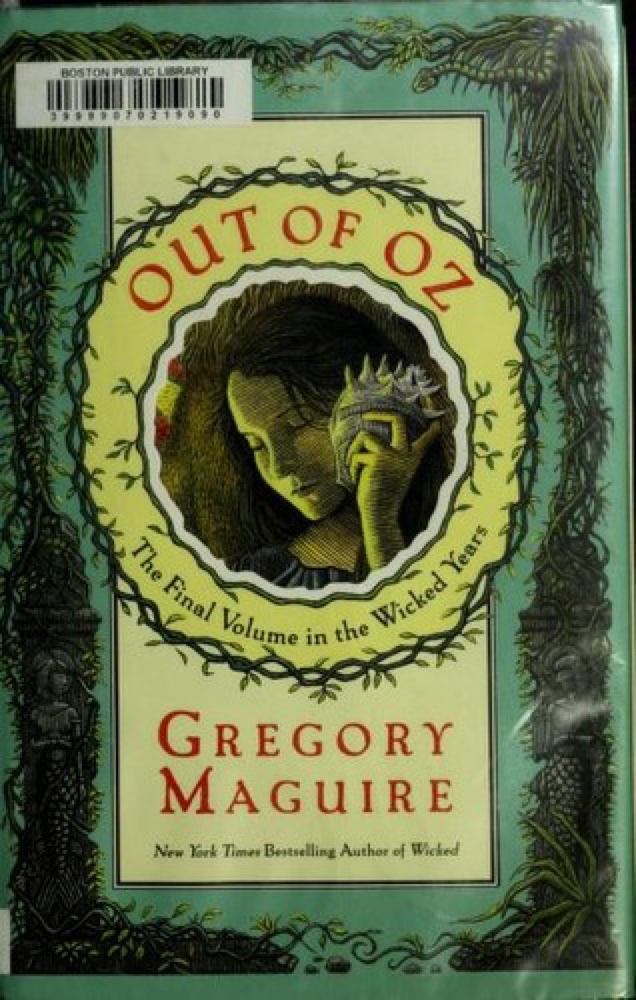 Out of Oz
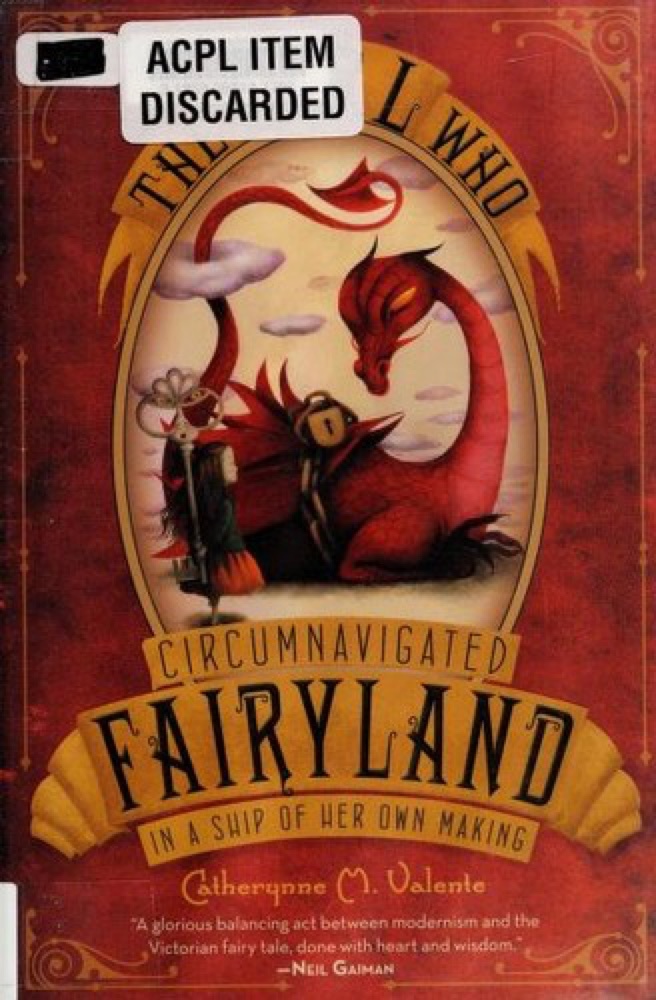 The Girl Who Circumnavigated Fairyland in a Ship of Her Own Making
 Haunted
 Tress of the Emerald Sea
 Too Much Happiness: Stories
 The Madwoman Upstairs
 The Guernsey Literary and Potato Peel Pie Society
 Library of Souls
 How to Read Literature Like a Professor
 Amelia Unabridged
 Children of the Mind
 Negotiating with the Dead: A Writer on Writing
 Arm of the Sphinx
 The Story of My Life
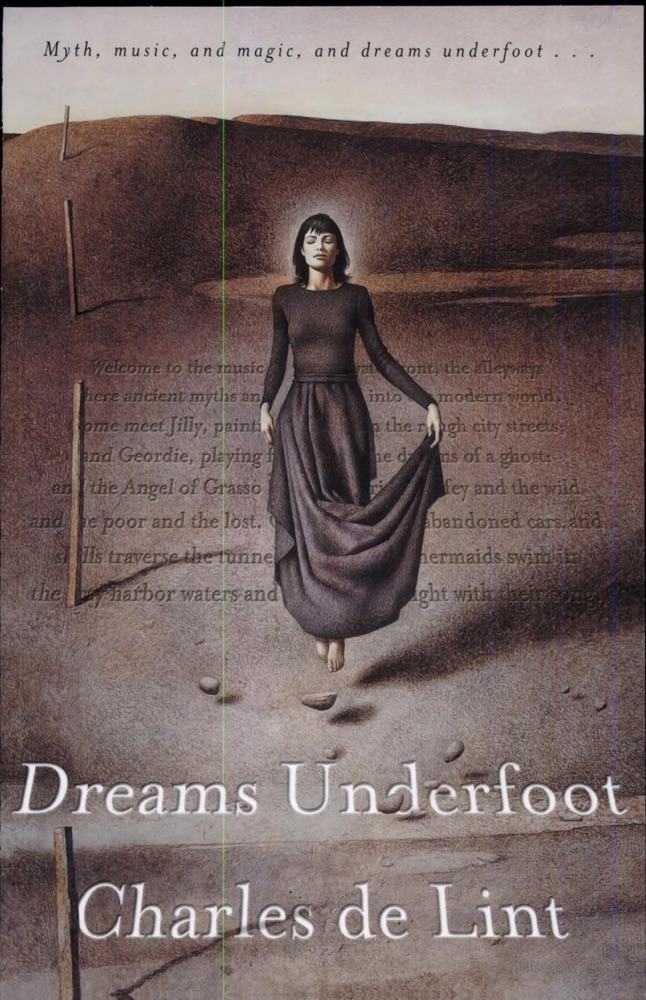 Dreams Underfoot
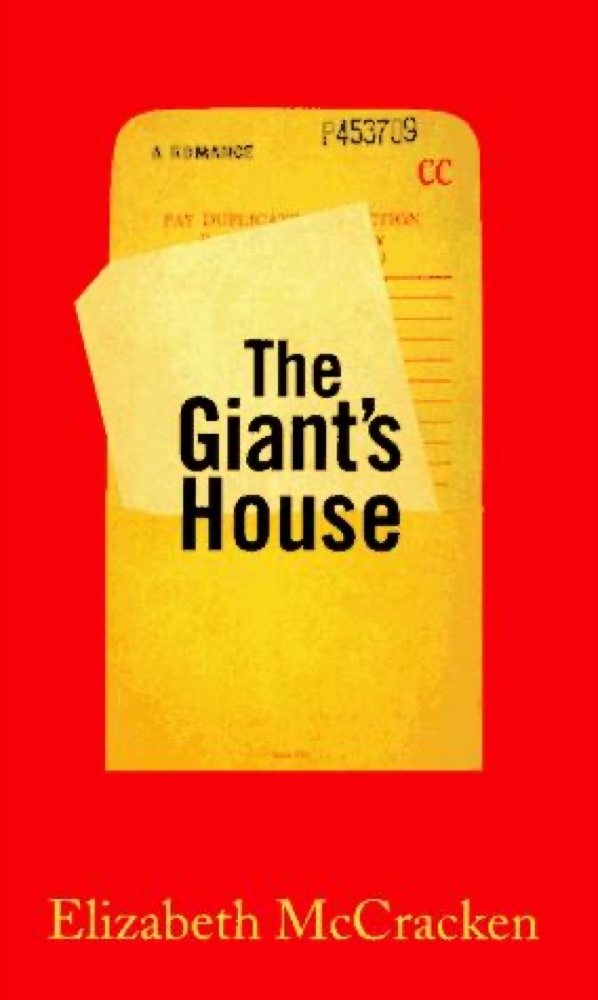 The Giant's House
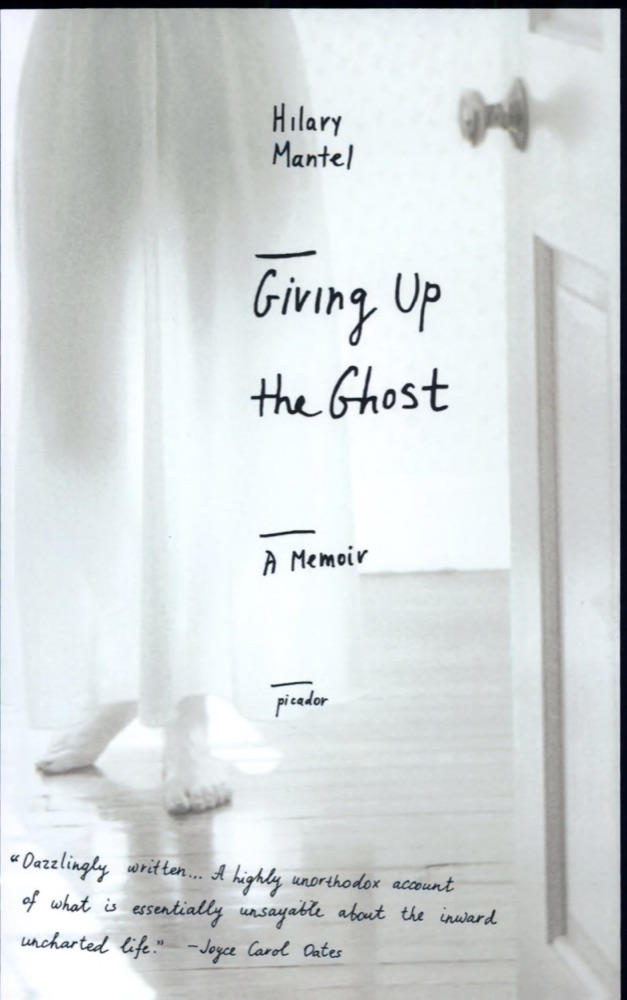 Giving Up the Ghost