
 12 Ways Your Phone Is Changing You
Quotes from the Book
If we neglect Scripture in order to read only other books, we not only cut ourselves from the divine umbilical cord that feeds our souls, we also cut ourselves from the truth that makes it possible for us to benefit from the truth, goodness, and beauty in the books that we read.
10
Currently, the Library of Congress houses eighteen million books. American publishers add another two hundred thousand titles to this stack each year. This means that at the current publishing rate, ten million new books will be added in the next fifty years. Add together the dusty LOC volumes with the shiny new and forthcoming books, and you get a bookshelf-warping total of twenty-eight million books available for an English reader in the next fifty years! But you can read only 2,600 - because you are a wildly ambitious book devourer. ... For every one book that you choose to read, you must ignore ten thousand other books simply because you don't have the time (or money!).
5
Stories arrest us. Parents use stories to capture the attention of active children. Preachers use stories to capture the attention of sleepy adults.
5
Reading is a discipline, and all disciplines require self-discipline, and self-discipline is the one thing our sinful flesh will resist.
4
We get one chance at this life. We have one body, one mind, and one life to live. Reading provides us with a vicarious experience of others' lives.
4
In a world so easily satisfied with images, it’s too easy to waste our lives watching mindless television and squandering our free time away with entertainment. We have a higher calling. God has called us to live our lives by faith and not by sight—and this can mean nothing less than committing our lives to the pursuit of language, revelation, and great books.
3
A wide gap separates a reader who simply consumes books from a reader who diligently seeks wisdom.
3
Fundamentally, literacy is a spiritual discipline that must overcome the spiritual darkness that veils us. If we ever hope to spiritually benefit from our reading, the Holy Spirit must intrude upon our lives and remove our blindfolds so that we can behold the radiant glory of Jesus Christ (John 1:9). Once we see His glory, our literacy—how we read books—is permanently and forever changed.
2
Literature helps to humanize us. It expands our range of experiences. It fosters awareness of ourselves and the world. It enlarges our compassion for people. It awakens our imaginations. It expresses our feelings and insights about God, nature, and life. It enlivens our sense of beauty. And it is a constructive form of entertainment.
2
Don’t allow unfinished books to pile up in a mountain of guilt. Show patience with a book, but cut the ties when necessary and move on.
2
as a word-centered people we must learn to prize language in a visually-dominated world. If our hearts prioritize images over language, our hunger for books will erode.
1
Once I began developing an appreciation for fantasy and imaginative literature like Homer’s The Iliad and The Odyssey, C. S. Lewis’s series The Chronicles of Narnia, and of course J. R. R. Tolkien’s The Lord of the Rings, I discovered that my appreciation for Revelation has grown and the weight of its images have pressed heavier on my soul. As I have read imaginative literature, my imagination has developed. As my imagination has developed, I have found myself reading Revelation more patiently, allowing the images to emerge in my mind until I feel the full spiritual shock of their intended voltage.
1
Illuminated by the gospel, we now perceive and enjoy God’s truth, goodness, and beauty—whether it’s in the blazing sun of the inspired Word of God, in the moonlight of creation, or in the starlight of great books.
1
Scripture is the ultimate grid by which we read every book. Scripture is perfect, sufficient, and eternal. All other books, to some degree, are imperfect, deficient, and temporary. That means that when we pick books from the bookstore shelves, we read those imperfect books in light of the perfect Book, the deficient books in light of the sufficient Book, and the temporary books in light of the eternal Book.
1
Regardless of how many books we read, we cling to the old rugged cross. When books overwhelm us, and our intellectual limitations discourage us, we recall the gospel. In the good news of Jesus Christ, overwhelmed readers find peace, and joy, and the courage to keep reading.
1
Almost all men are infected with the disease of desiring to obtain useless knowledge,” Calvin
1
Books are great tools, but they are disappointing gods. And once books become idols, those idols will leave us deeply unsatisfied.
1
Reading is an act of contemplation, perhaps the only act in which we allow ourselves to merge with the consciousness of another human being.
1
My annual goal is to read seventy-five books, which may sound like a lot.
1
All the elements and forms that are essential to religion (a concept of God, a sense of guilt, a desire for redemption, sacrifice, priesthood, temple, cult, prayer, etc.), though corrupted, nevertheless do also occur in pagan religions. . . . Hence Christianity is not only positioned antithetically toward paganism; it is also paganism’s fulfillment. Christianity is the true religion, therefore also the highest and purest; it is the truth of all religions. What in paganism is the caricature, the living original is here. What is appearance there is essence here. What is sought there can be found here.
1
The lesson I have learned is that a failure to cultivate the imagination leads to an unintended neglect of the imaginative literature of Scripture, and this in turn leads to some degree of spiritual atrophy. For Christians, the stories of Revelation are not optional reading. Nor are they child's play. Imaginative literature--the kind of literature that invites us to see in our imaginations what we cannot see with our eyes--is an important part of the Christian's literary diet. It challenges our idols. It challenges what is false and trivial in our lives.
1
O prăpastie mare îl separă pe cititorul care pur și simplu consumă cărți de cel care caută înțelepciunea cu sârguință. Consumatorii de cărți se uită la acestea ca la „lucruri ce trebuie citite”. Căutătorii de înțelepciune privesc cărțile ca pe un combustibil pentru meditarea lentă și deliberată.
Pe măsură ce motoarele de căutare online devin mecanisme foarte rafinate de găsire a informației, memoria noastră internă ajunge tot mai puțin necesară. Noi luăm decizii mai mult pe baza accesului la aceste provizii exterioare de informație, și mai puțin pe baza unei visterii interne de înțelepciune cultivată.
Idolii distracției și plăcerii fac ca disciplina lecturii cărților să fie o bătălie dusă cu firea noastră pământească. Mai degrabă vrem să evităm disciplina și să ne ocupăm de lucruri mai ușoare, cum ar fi mesajele e-mail, navigarea pe internet și filmele. Neglijăm cărțile pentru că inimile noastre resping disciplina necesară ca să le putem citi. Iar aceasta este o problemă spirituală, una care ține de lipsa disciplinei personale, nu de lipsa timpului. Câtă vreme nu aplicăm Evanghelia eliberatoare din păcat în inimile noastre – și nu lovim cu ea în idolii de acolo – s-ar putea să nu ajungem niciodată să cultivăm în noi disciplina de sine necesară pentru lectura cărților. Firea noastră pământească se războiește în interiorul nostru. Dacă nu ucidem idolii leneviei și ai mulțumirii de sine, acești idoli vor ucide creșterea noastră în acest domeniu.
Dumnezeu este reflectat în tot ce este adevărat, bun și frumos în această lume. Este rezonabil să ne gândim că Dumnezeu găsește plăcere în toate acele oglindiri ale Sale fără a aproba în mod necesar starea spirituală a păcătosului. Tot așa, cititorii creștini se pot bucura de frumusețea din literatura autorilor necreștini pentru că acea literatură reflectă frumusețea lui Dumnezeu, indiferent de starea personală morală și spirituală a autorului.
Abilitatea de a ne bucura de frumusețea artistică fără a ne însuși gândirea autorului și fără a susține integritatea morală a artistului, este ceva ce Dumnezeu însuși poate face.
Fără a fi supuse Evangheliei, toate căutările după Dumnezeu sunt în final sufocate de păcat, adevărul despre Dumnezeu revelat în creație este suprimat, iar impulsul către închinare este exprimat prin închinarea zadarnică la aur, argint și idoli de piatră.
Mount Sinai demands that we distinguish between temporary books and the eternal Book, between a decomposing paperback from the pen of a sinner and a smoking stone tablet from the finger of God. If we fail to make this distinction, if we fail to prioritize the eternal Word over temporary books, our reading will never be distinctly Christian.
Watch on YouTube
About Tony Reinke
We have collected 56 quotes from 2 books by Tony Reinke on BookQuoters.
More about the author →More by Tony Reinke
12 Ways Your Phone Is Changing You
About the book
Whether books are your addiction or your phobia, Lit! offers up solid advice to help you think about reading in fresh ways.
With all the practical suggestions built on a firm gospel foundation, this book will help you flourish in the essential skills necessary for a balanced reading diet of Scripture, serious works of theology, and moving devotional works, but without overlooking the importance of how-to books from expert practitioners, the storytelling genius of historians, and rich novels written by skilled artists of fiction.
Literature scholar Leland Ryken calls Lit! “a triumph of scholarship,” but mostly it’s a practical and unpretentious book about the most urgent skills you need to enjoy a luminously literate life in honor of God.
Book details
- First published
- 2011
- Author
- Tony Reinke
- Genre
- Nonfiction
- Goodreads rating
- 4.17 (3k ratings)
Keep reading
 On Reading Well: Finding the Good Life through Great Books
 An Experiment in Criticism
 How to Read a Book: The Classic Guide to Intelligent Reading
 How Should One Read a Book?
 The Year of Reading Dangerously
 The Haunted Bookshop
 The City of Dreaming Books
 The Cat Who Saved Books
 The View from the Cheap Seats: Selected Nonfiction
 Reflections on the Psalms
 The Name of the Rose
 Honey for a Child's Heart
 How to Talk About Books You Haven't Read
 Reader, Come Home: The Reading Brain in a Digital World
 Books for Living
 The Book That Wouldn’t Burn
 The Abundance
 Days of Reading
 The Wave in the Mind: Talks and Essays on the Writer, the Reader and the Imagination
 The Intellectual Life: Its Spirit, Conditions, Methods
 Why We Read: On Bookworms, Libraries, and Just One More Page Before Lights Out
 Stand a Little Taller: Counsel and Inspiration for Each Day of the Year
 Lectures on Literature
 The Swerve: How the World Became Modern
 The Writing Life
 How to Read Literature Like a Professor
 The Last Bookaneer
 Mystery and Manners: Occasional Prose
 The Book That Held Her Heart
 The Door-to-Door Bookstore
 What We See When We Read
 Every Day I Read: 53 Ways to Get Closer to Books
 The Storied Life of A.J. Fikry
 Women Who Read Are Dangerous
 The Weight of Glory
 Walking on Water: Reflections on Faith and Art
 Think: The Life of the Mind and the Love of God
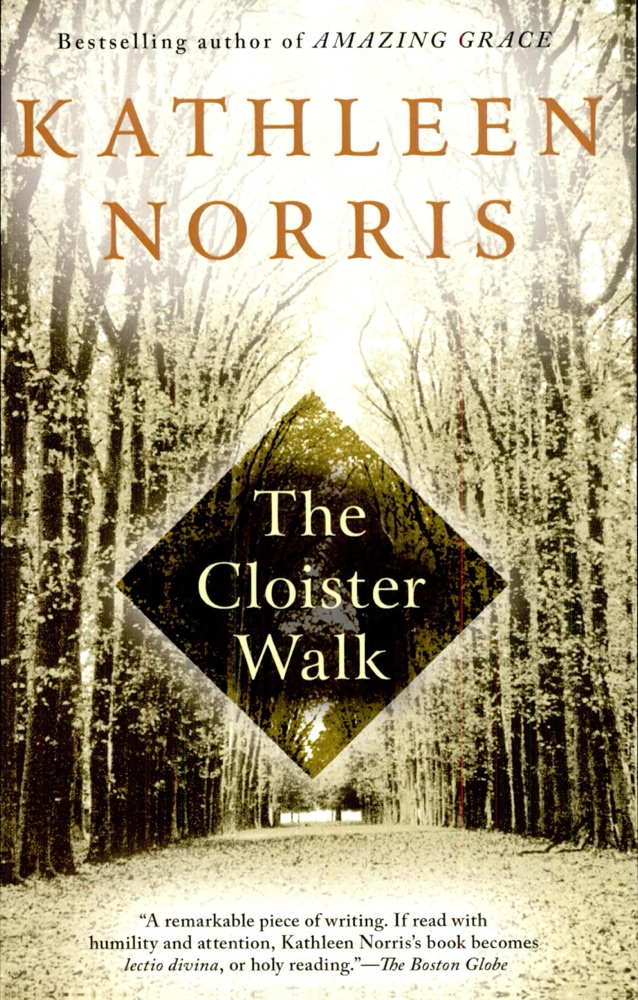 The Cloister Walk
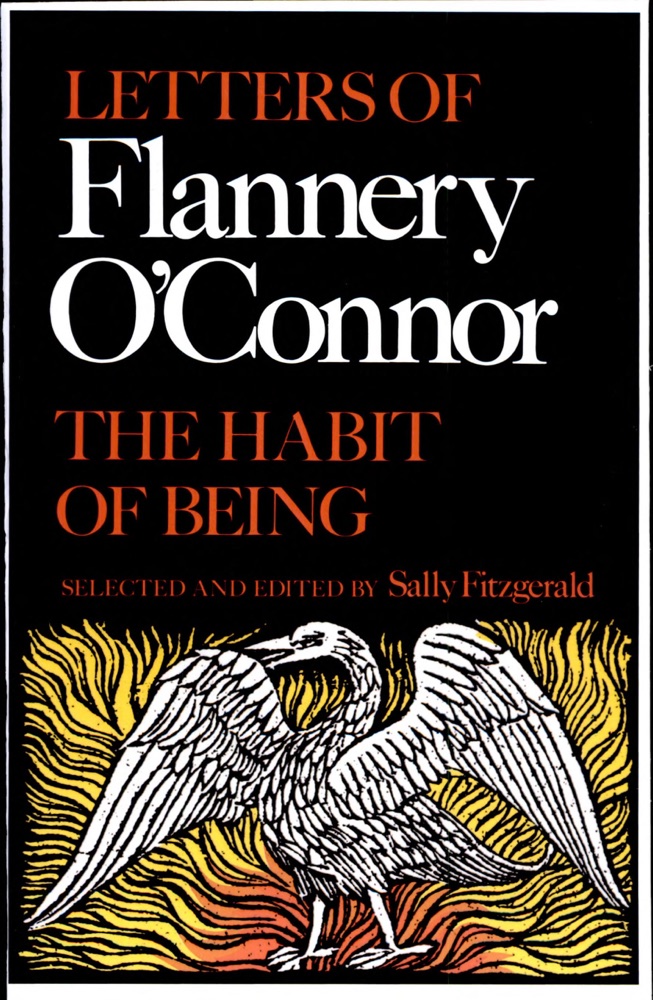 The Habit of Being: Letters of Flannery O'Connor
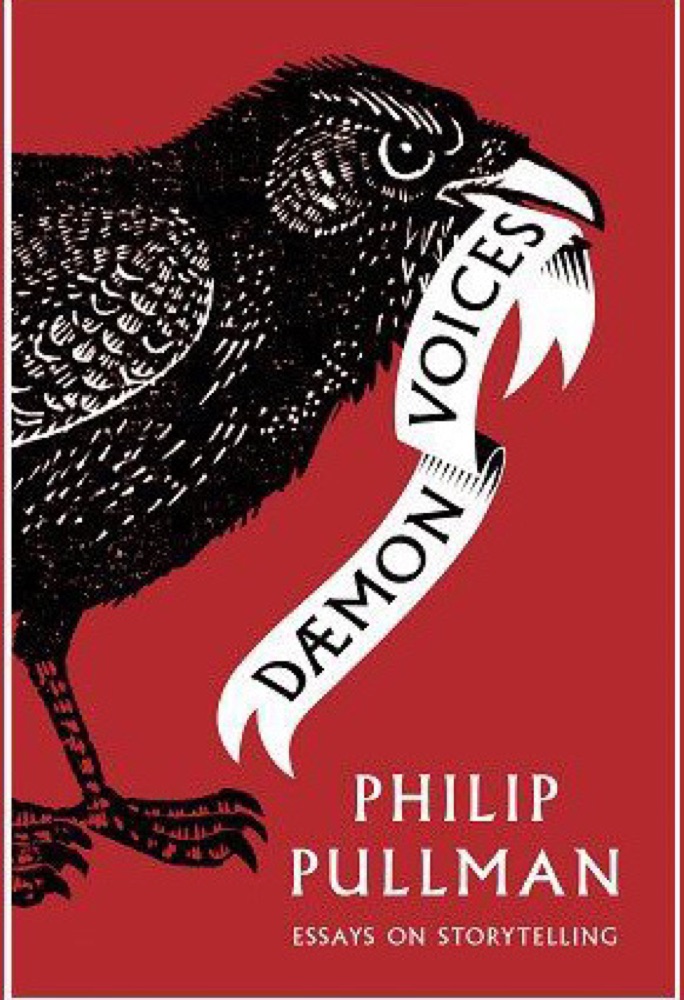 Dæmon Voices
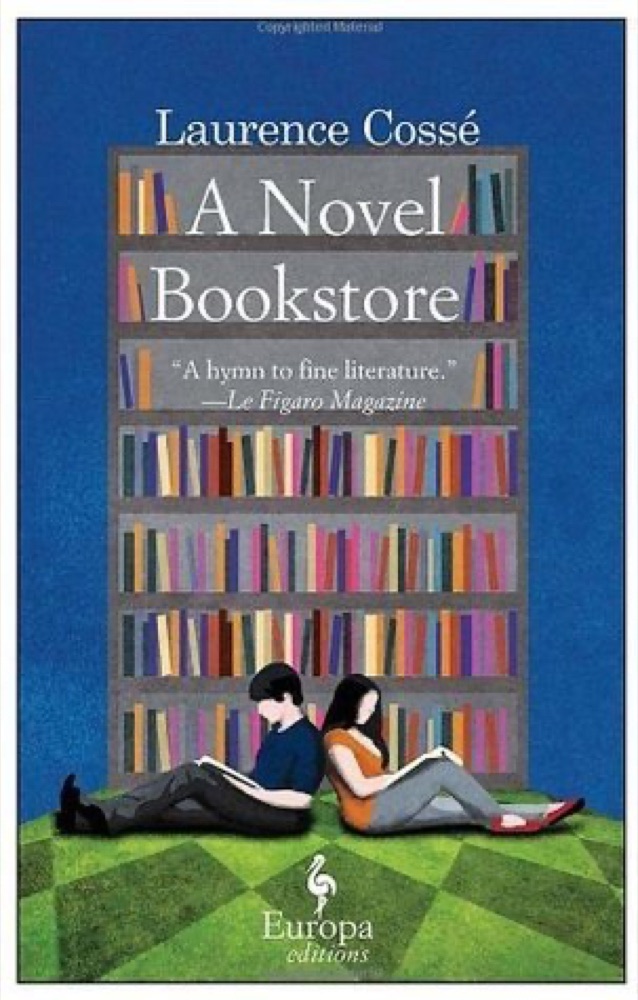 A Novel Bookstore
 Ex Libris: Confessions of a Common Reader
 The Secret, Book & Scone Society
 Education of a Wandering Man: A Memoir
 The Bible Jesus Read
 The Book of Form and Emptiness
 Packing My Library: An Elegy and Ten Digressions
 The Common Reader
 On Christian Doctrine
 The Rabbit Back Literature Society
 How to Read Literature
 Selected Non-Fictions
 Lectures to My Students
 Housekeeping vs. the Dirt
 Celebration of Discipline: The Path to Spiritual Growth
 When I Was a Child I Read Books
 Suggested Reading
 The Wisdom of Life
 The Librarian of Auschwitz
 My Reading Life