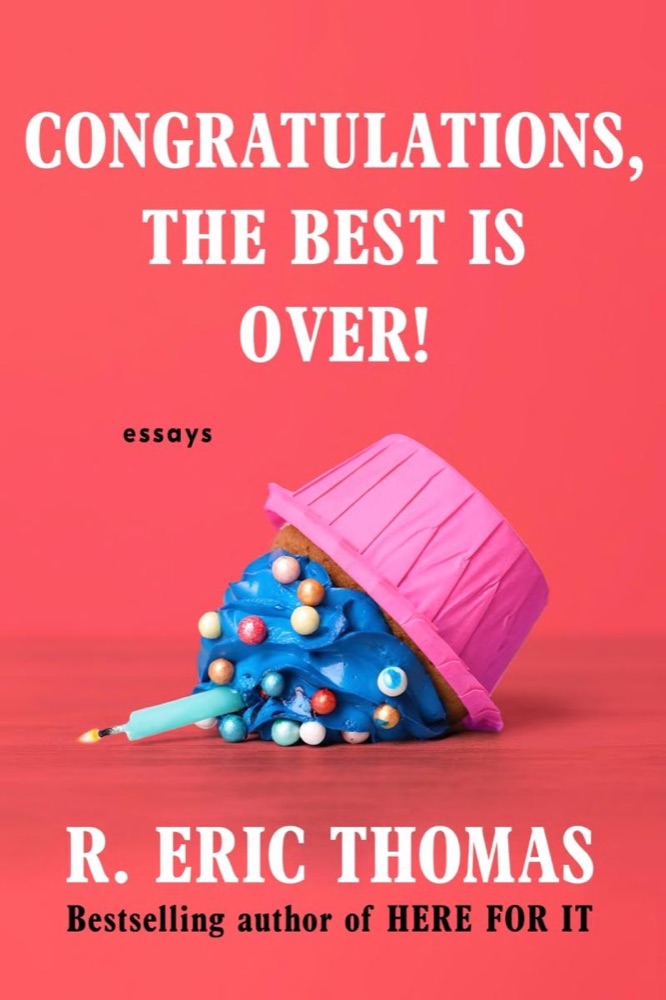
 Congratulations, the Best is Over!
Quotes from the Book
When the fact of your being is used as a weapon against you, the process of relearning who you are and what your value is, is a long one.
12
You say you want a happy ending, but neither of those words is really what you're searching for. For instance, you will not live to see a just world. But you will live to see acts of justice.
11
If our religions aren't about the business of achieving justice in our time, in this world, for everyone, what are they doing?
10
Perhaps the thing that is even more overflowing with possibility than a crush, is love. In whatever form it takes, from whatever context it is drawn. With a crush after all there are sort of only two outcomes when you get down to it. It will bloom or it will whither, but love, love seems to have infiinite possible beginnings, endings, permutations, subtle shifts, and seismic changes. Love, I've learned, is different every time you look at it. Love is every possible love story all at once.
9
Every story, whether truth or fiction, is an invitation to imagination, but even more so, it’s an invitation to empathy. The storyteller says, “I am here. Does it matter?” The words that I found in these books were a person calling out from a page, “I am worthy of being heard and you are worthy of hearing my story.
8
The thing is, the promise of church is community, salvation, and a relationship with God. If the gay music minister and the person with AIDS cannot be part of the church, where do they find God?
6
Even from an early age, my parents imbued in us the knowledge that although life wasn't just, we could always do something about it.
6
When one tells a story, one has to choose where to stop. So, for every story, there’s an infinite number of endings, a library’s worth of endings, every book a new chance. Perhaps, for us, for all of us, there are so many endings that they can’t all be heartbreaking and baffling. There must be a place to stop that is just a step into a new possibility.
5
Everybody loves Elmo, right? Elmo is a closer. Elmo gets all the Glengarry leads. Elmo stares into the abyss and the abyss whispers, “Tickle me.
4
For years, I thought that the way to keep myself from getting burned was to set myself on fire first or to snuff out my light.
4
...the thing about success is that it doesn't seem like a natural result of unsuccessfulness.
4
The storyteller says, 'I am here. Does it matter?' The words that I found in these books were a person calling out from a page, 'I am worthy of being heard and you are worthy of hearing my story.' It seems simple but it's a bold declaration.
4
I am mouthy, and I get easily annoyed, and I don't know how to shoot a bow and arrow, so dystopias are a solid no from me. I'm basically Peeta from The Hunger Games, except gay. I am here for the baked goods and then basically I'm going to be dead weight. Cut your losses.
4
When I first learned about the Dewey decimal system, I assumed it was an impartial way of defining and filing the breadth of knowable information. I came to understand that the intention of the filer and the perspective that they carry play a huge role in how Dewey, and any other system, is employed.
3
The Monster at the End of This Book is a lighthearted book about anxiety—anxiety about being confronted with the kind of person you really are (LOL!), anxiety about the inevitable passage of time (LOL), anxiety about being trapped by forces beyond your control (lol), anxiety about a deep, dreadful uncertainty (…meep).
3
How are we supposed to live without a meteor bearing down on us? How are we supposed to find the best parts of humanity without a brutal regime at the door? How are we supposed to tell the people we love that we love them if we're not five minutes from being destroyed? That's the challenge of being alive.
3
SEVENTY-FIVE: You're exactly who you need to be. Each of you. It may not feel like it; it may seem like it would be much easier being anyone else. You may look back at the person you were at one point and wish that you could instead be the person you are now at that far distant, unreachable point in the past. But you had to be who you were to get to who you are. Every page in the story is successive; they're all numbered and bound like a book.
3
The feeling of being alone, I’ve found, is the poison that has no taste. It seeps in slowly and easily; it never seems unusual. Isolation presents as an undesired state but nothing serious, nothing permanent, until the lonely nights become lonely months.
3
For all of love’s complications, I think every couple’s story starts with two strangers who, if they want to survive, must move heaven and hell to reach each other.
2
One of the most fascinating things about the Dewey decimal system is that while there are distinct categories for every subject imaginable, it also allows for internal referencing, acknowledging that while a book may be about one subject and exist in one place, it also has a corollary placement elsewhere. At the same time. And that’s okay. I understood that a book could be many things at once, without conflict or contradiction, long before I realized it about people. Or, at least, long before I admitted it.
2
We are not going to band together and listen to a bunch of scientists to save humanity like Jake Gyllenhaal in a disaster movie. Sorry. You know how I know? Because a bunch of scientists are telling us how to save the world right now, and half the world isn’t listening to them.
2
There’s a Nayyirah Waheed quote: “If someone does not want me, it is not the end of the world. But if I do not want me, the world is nothing but endings.
2
Another thing I liked about the Dewey decimal system was that it could sometimes function as a secret code. Every once in a while during my high school years, I would hesitantly and cautiously type “gay” into a search bar in a card catalog. Just “gay,” as if more specificity would kill me right on the spot. Libraries were the only space I felt remotely comfortable even acknowledging the question—which didn’t yet even have words or language, just the faint outline of the punctuation. And where if not a library could I go to understand the unknown, to expand my world, to make sense out of gibberish? I would type “gay” and then survey the titles that came up and then click the window closed without ever doing any further exploring. I didn’t know what I thought I might find if I actually went to the aisle where the books were. A very quiet gay bar, perhaps? I figured it wasn’t worth the risk. But as I closed the screen, I memorized the Dewey decimal number of the section where, I presumed, a mirror ball sprinkled stardust across the aging carpet and the rows of books waiting to be opened.
2
The world begins at a kitchen table. No matter what, we must eat to live.
2
I laugh and remember that I’ll be dead before dystopia really starts to take hold.
2
I think my goal was for people to read it and say, “You are very funny, and racism is bad.
2
The library is the place where I could borrow first Grover’s philosophical tome, then a couple of Choose Your Own Adventures I could cheat at, and later a stack of mysteries I could spoil for myself, all attempts to look for some other way of understanding who I was.
2
But they were relentless because they were trying to create the world that they wanted their children to live in.
2
Who am I doing this for and do they want what I want?
2
Watch on YouTube
About R. Eric Thomas
We have collected 46 quotes from 2 books by R. Eric Thomas on BookQuoters.
More about the author →More by R. Eric Thomas
Congratulations, the Best is Over!
About the book
From the creator of Elle's "Eric Reads the News," a poignant and hilarious memoir-in-essays about growing up seeing the world differently, finding his joy, and every awkward, extraordinary stumble along the way.
R. Eric Thomas didn't know he was different until the world told him so. Everywhere he went—whether it was his rich, mostly white, suburban high school, his conservative black church, or his Ivy League college in a big city—he found himself on the outside looking in.
In essays by turns hysterical and heartfelt, Eric redefines what it means to be an "other" through the lens of his own life experience. He explores the two worlds of his childhood: the barren urban landscape where his parents' house was an anomalous bright spot, and the verdant school they sent him to in white suburbia. He writes about struggling to reconcile his Christian identity with his sexuality, about th
Book details
- First published
- 2020
- Author
- R. Eric Thomas
- Genre
- Nonfiction
- Goodreads rating
- 4.00 (14k ratings)
Keep reading
 These Precious Days: Essays
 The Bassoon King: My Life in Art, Faith, and Idiocy
 Make It Scream, Make It Burn
 Everything Sad Is Untrue
 Like Streams to the Ocean: Notes on Ego, Love, and the Things That Make Us Who We Are
 Almond
 Poison for Breakfast
 The Absolutely True Diary of a Part-Time Indian
 Knife: Meditations After an Attempted Murder
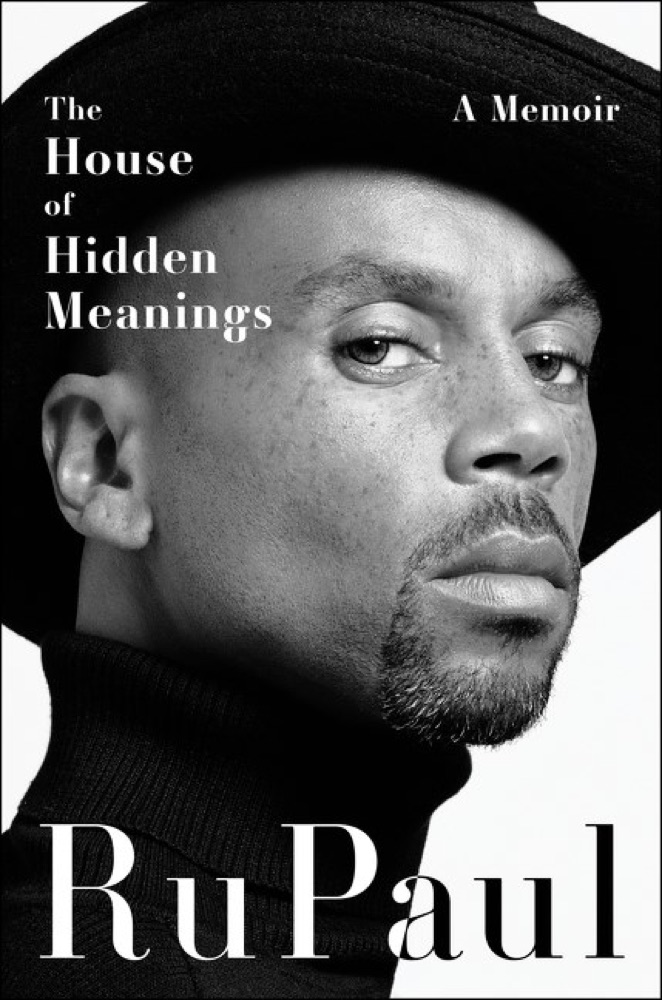 The House of Hidden Meanings
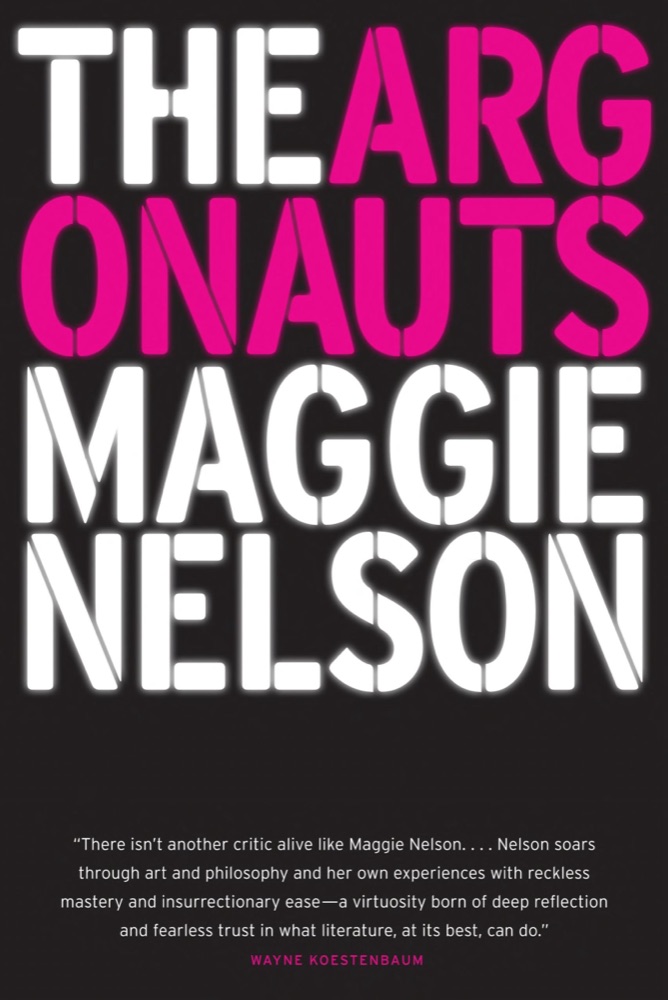 The Argonauts
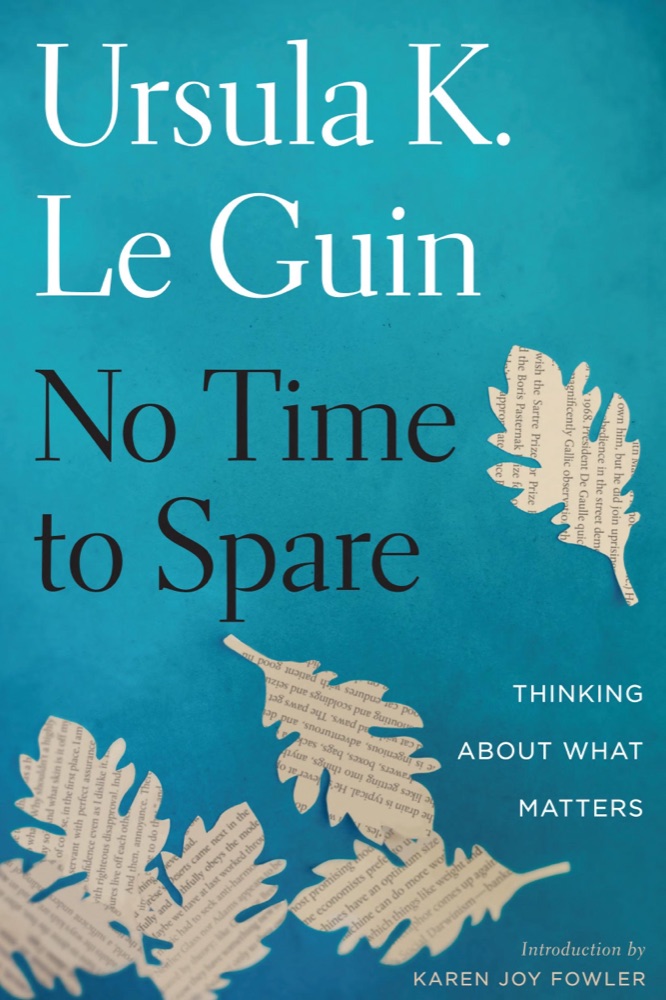 No Time To Spare: Thinking About What Matters
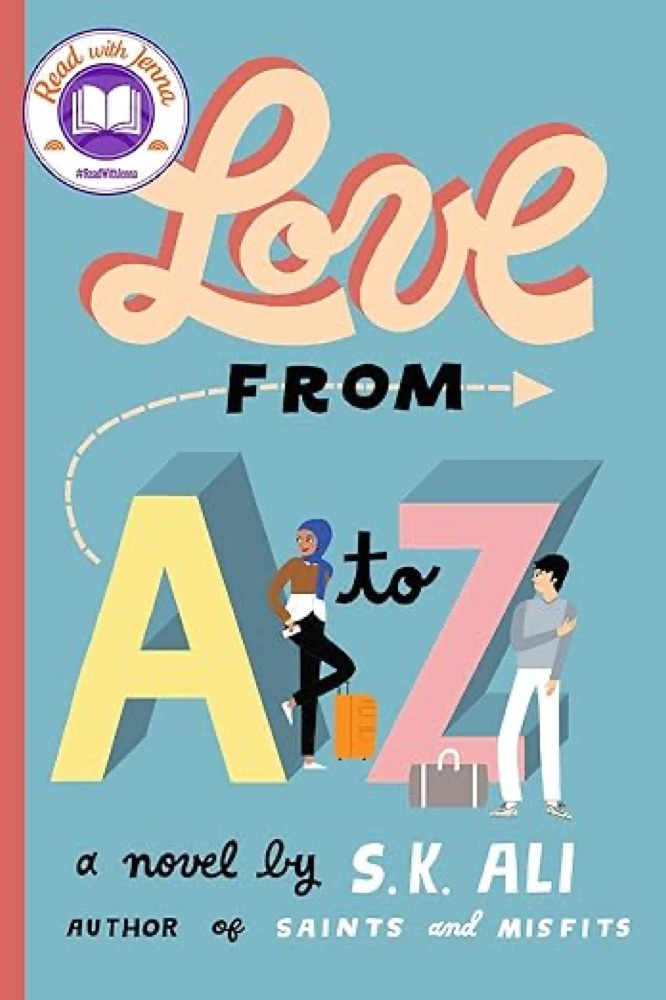 Love from A to Z
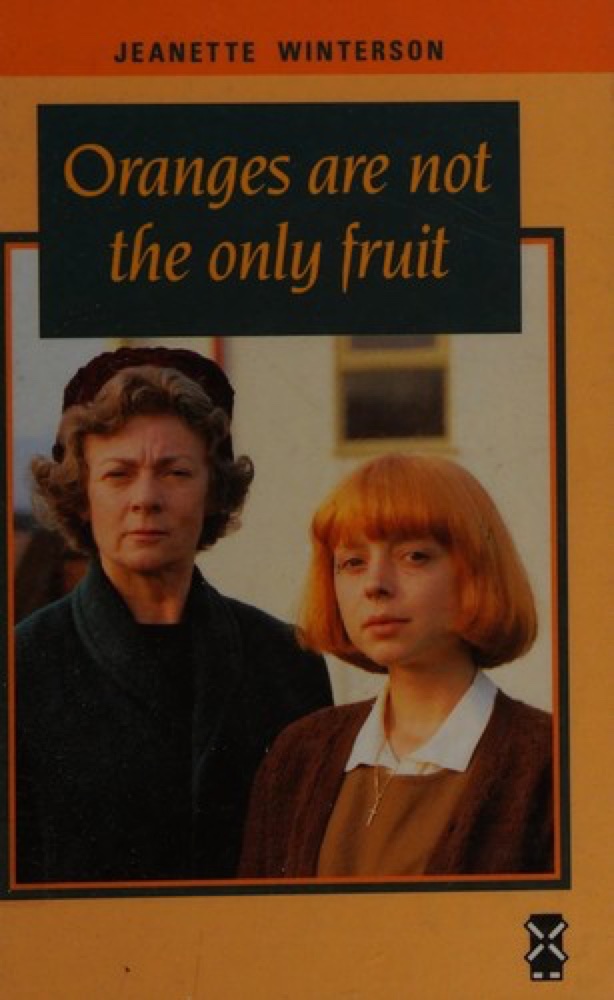 Oranges Are Not the Only Fruit
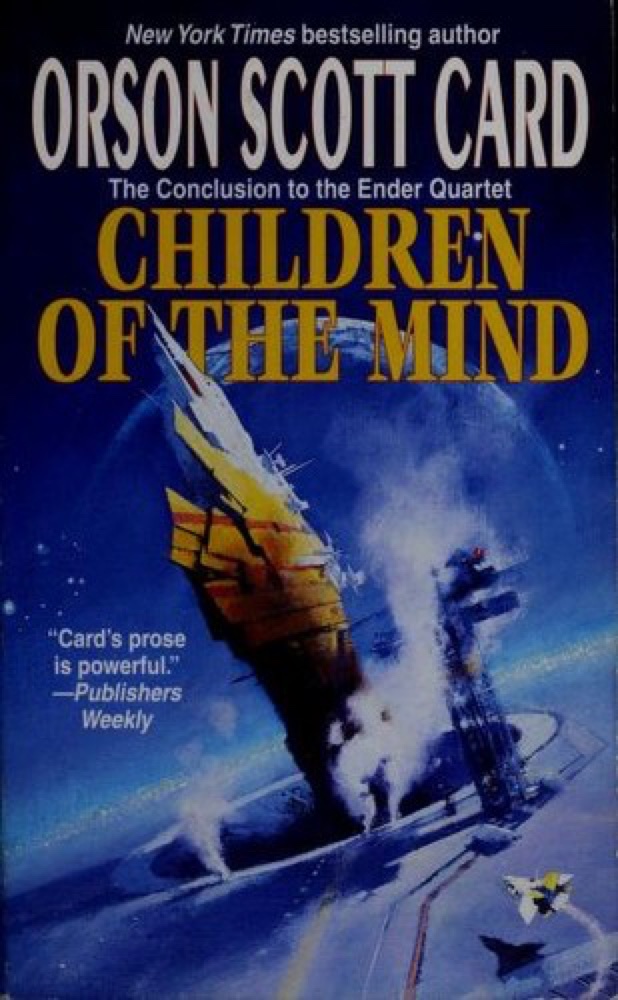 Children of the Mind
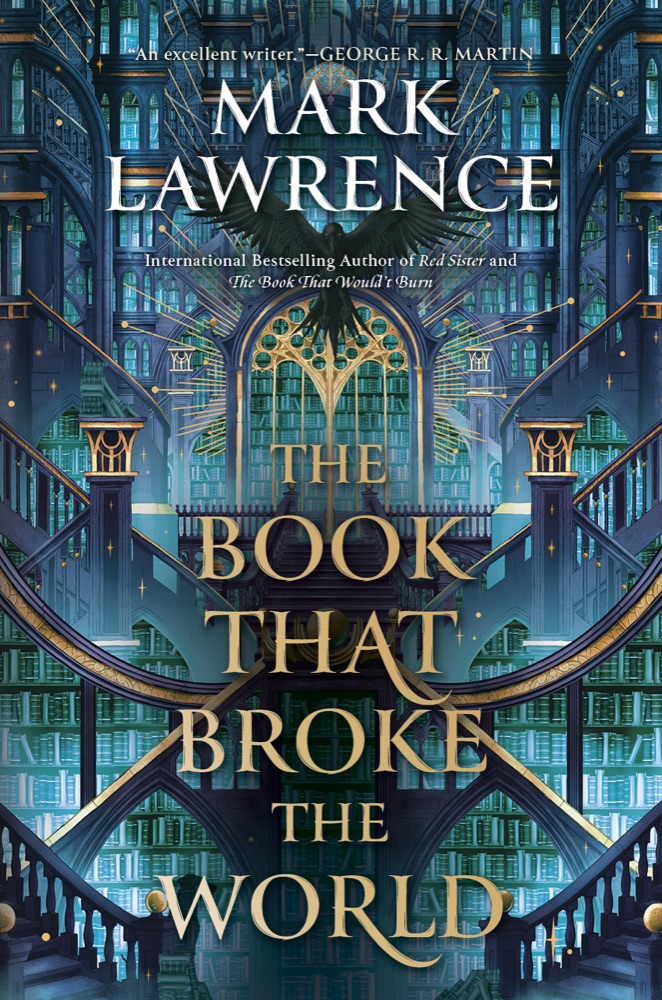 The Book That Broke the World
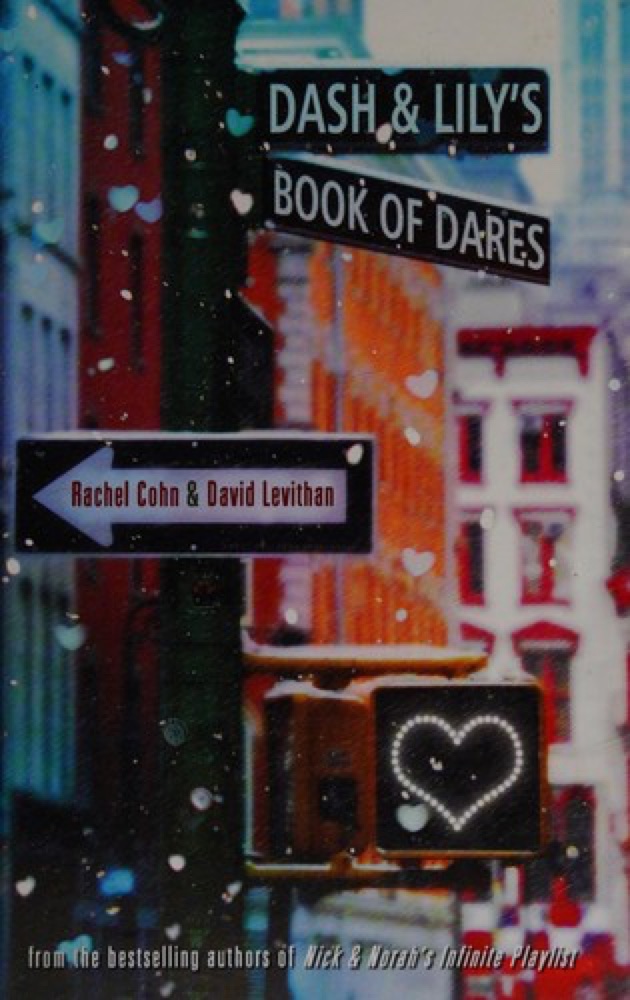 Dash & Lily's Book of Dares
 Wide Awake
 Bruiser
 Becoming
 Surrender: 40 Songs, One Story
 The Tender Bar
 Encyclopedia of an Ordinary Life
 Every Exquisite Thing
 The View from the Cheap Seats: Selected Nonfiction
 Asymmetry
 Tell Me More: Stories About the 12 Hardest Things I'm Learning to Say
 The Rent Collector
 A Sudden Light
 No One Writes Back
 Why Be Happy When You Could Be Normal?
 Dust Tracks on a Road
 Anthropology of an American Girl
 A Circle of Quiet
 What You Are Looking for Is in the Library
 Off the Page
 Believe Me: A Memoir of Love, Death, and Jazz Chickens
 Hard-Boiled Wonderland and the End of the World
 Special Topics in Calamity Physics
 Almost Everything: Notes on Hope
 Kafka on the Shore
 Chances Are...
 Hell of a Book
 The Girl Who Soared Over Fairyland and Cut the Moon in Two
 My Government Means to Kill Me
 The Book of Dreams
 The Storied Life of A.J. Fikry
 The Apocalypse of Elena Mendoza
 The World and Other Places: Stories
 On Connection
 The Book of Tomorrow
 Here I Am
 Arm of the Sphinx
 Have You Seen Luis Velez?
 The Golden Notebook
 Life Will Be the Death of Me: . . . and you too!
 The Anthropocene Reviewed: Essays on a Human-Centered Planet
 Struck by Lightning: The Carson Philips Journal
 The Hour I First Believed
 Where Am I Now?