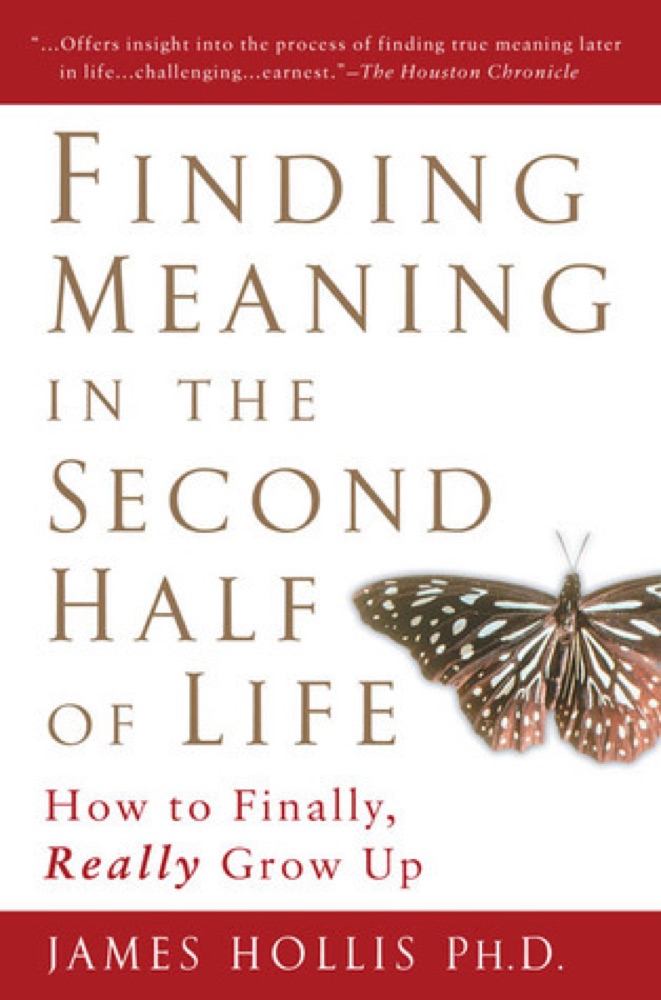
 Finding Meaning in the Second Half of Life: How to Finally, Really Grow Up
Quotes from the Book
Primed to expect that our lives will follow a predictable path, we’re thrown when they don’t. We have linear expectations but nonlinear realities... We’re all comparing ourselves to an ideal that no longer exists and beating ourselves up for not achieving it.
10
Just as people live life out of order, they go through transitions out of order. While some people experience these phases sequentially, others experience them in reverse; others start in the middle and work their way out. Some finish one stage before going on to a new one; others move on to a new phase, then double back to the one they thought they had finished. Many get stuck in one phase for a very long time.
5
Chaos is not noise, it’s signal; disorder is not a mistake, it’s a design element. If we view these periods as aberrations, we risk their becoming missed opportunities. If we view them as openings, we just might open up to them. Transitions are not going away; the key to benefiting from them is to not turn away. Don’t shield your eyes when the scary parts start; that’s when the heroes are made.
3
Jung called this practice counterbalancing one-sidedness. Our lives become too tilted toward one aspect of our identity and too tilted away from others. We’re all familiar with these scenarios. We become so obsessed with our work we neglect our family; we become so consumed with caring for children we overlook ourselves; we become so focused on serving others we ignore our loved ones. The more purely one thing we are, the more in danger we are of overlooking other things.
3
Life is the story you tell yourself. But how you tell that story—are you a hero, victim, lover, warrior, caretaker, believer—matters a great deal. How you adapt that story—how you revise, rethink, and rewrite your personal narrative as things change, lurch, or go wrong in your life—matters even more.
2
Each of us carries around an unspoken set of assumptions that dictate how we expect our lives will unfold. These expectations come from all corners and influence us more than we admit.
2
What happens when we misplace the plot of our lives?
2
As a rule, I found that each person is especially good at one of these three phases and especially bad at one. Each of us has a transition superpower, if you will, and a transition kryptonite. Our research suggests that people gravitate to the phase they’re naturally adept at and bog down in the one they’re weakest at. If you’re comfortable saying goodbye, you might knock that off quickly and move on to the next challenge; but if you’re conflict averse and don’t like to disappoint people, you might remain in a situation that’s toxic far longer than you should. The same applies to the messy middle: Some people thrive in chaos; others are paralyzed by it. As for new beginnings, some people embrace the novelty; others dread it—they like things the way they were.
2
An autobiographical occasion is any moment when we are encouraged or obliged to reimagine who we are. It’s a narrative event, when our existing life story is altered or redirected in some way, forcing us to revisit our preexisting identity and modify it for our life going forward. And nearly everyone goes through such moments.
2
These three essential ideas, as powerful as they are, aren’t the only means we use to live with harmony, fulfillment, and joy. They correspond to another set of tools: the three strands of our narrative identity. The first is our me story—the one in which we’re the hero, the doer, the creator; we exercise agency and, in return, feel fulfilled. The next is our we story—the one in which we’re part of a community, a family, a team; we belong to a group and, in turn, feel needed. The third is our thee story—the one in which we’re serving an ideal, a faith, a cause; we give of ourselves to others and, by extension, feel part of something larger.
2
The A is agency—autonomy, freedom, creativity, mastery; the belief that you can impact the world around you. The B is belonging—relationships, community, friends, family; the people that surround and nurture you. The C is cause—a calling, a mission, a direction, a purpose; a transcendent commitment beyond yourself that makes your life worthwhile.
2
The most healthful narrative,” he continued, “is the third one.” It’s called the oscillating family narrative. We’ve had ups and downs in our family. Your grandfather was vice president of the bank, but his house burned down. Your aunt was the first girl to go to college, but she got breast cancer. Children who know that lives take all different shapes are much better equipped to face life’s inevitable disruptions.
2
We all need to be the hero of our own story.
1
Twelve-step programs have long stressed that the key is giving up any illusion of control—to admit that we’re wrong, weak, or full of it, and then relinquish authority to a higher power.
1
The messy middle is all about what happens when we’re in the state of in between. It involves a complicated alchemy of giving up old ways and experimenting with new ones, moving beyond what’s past and beginning to define what’s coming. In butterfly-speak, it’s cocooning; in hero-speak, it’s getting lost.
1
them the ABCs of meaning. The A is agency—autonomy, freedom, creativity, mastery; the belief that you can impact the world around you. The B is belonging—relationships, community, friends, family; the people that surround and nurture you. The C is cause—a calling, a mission, a direction, a purpose; a transcendent commitment beyond yourself that makes your life worthwhile.
1
My definition: A transition is a vital period of adjustment, creativity, and rebirth that helps one find meaning after a major life disruption. But how do you enter this mysterious state? Does it happen inevitably or do you somehow have to decide? And if so, how do you do that?
1
Man’s Search for Meaning has gone on to sell over twelve million copies. Frankl’s message was that even in the face of unimaginable bleakness, humans can find hope. “You do not have to suffer to learn, but if you don’t learn from suffering . . . then your life becomes truly meaningless.” The key, he said, is to imagine a better time, to have a reason to live. He quotes Nietzsche: “He who has a why to live for can bear almost any how.
1
The number of disruptors a person can expect to experience in an adult life is around three dozen. That’s an average of one every twelve to eighteen months.
1
All family narratives take one of three shapes,” Marshall explained. First is the ascending family narrative: We came from nothing, we worked hard, we made it big. Next, the descending narrative: We used to have it all. Then we lost everything. “The most healthful narrative,” he continued, “is the third one.” It’s called the oscillating family narrative. We’ve had ups and downs in our family. Your grandfather was vice president of the bank, but his house burned down. Your aunt was the first girl to go to college, but she got breast cancer. Children who know that lives take all different shapes are much better equipped to face life’s inevitable disruptions.
1
A hallmark of our time is that life is not predictable. It does not unfold in passages, stages, phases, or cycles. It is nonlinear—and getting more so every day. It’s also more manageable, more forgiving of missteps, and more open to personalization, if you know how to navigate the new outbreak of twists and turns.
Nonlinearity suggests that instead of resisting upheavals and uncertainties like these, we should accept them. Yours is not the only life that seems to be following its own inscrutable path. Everyone else’s is, too.
In our culture these days, happiness gets all the attention, but meaning is arguably more important … Happiness is fleeting while meaning is enduring; happiness concentrates on the self while meaning concentrates on things larger than the self; happiness focuses on the present while meaning focuses on stitching together the past, present, and future.
That led to a new consensus shape in the West: life as a series of stages.
We all need to be the hero of our own story. That’s why we need fairy tales. They teach us how to allay our fears, and help us sleep at
William James, the father of modern psychology, said it best nearly a century and a half ago, and his wisdom has been sadly forgotten. Life is in the transitions. His point is even more true today: We can’t ignore these central times of life; we can’t wish or will them away. We have to accept them, name them, mark them, share them, and eventually convert them into a new and vital fuel for remaking our life stories. The
The once routine expectation that people will have one job, one relationship, one faith, one home, one body, one sexuality, one identity from adolescence to assisted living is deader than it’s ever been. This is what it means to live a nonlinear life, and it has profound consequences for decisions we all make every day.
Looking back over your entire life story with all its chapters, scenes, and challenges, do you discern a central theme? Looking back over your life story in a slightly different way, what shape embodies your life?
Please tell me the story of your life in fifteen minutes.” Most people took more than an hour. Next I asked about major life moments: high point, low point, turning point; a meaningful experience; a major transition they handled well, another they handled poorly.
Watch on YouTube
About Bruce Feiler
We have collected 29 quotes from 1 book by Bruce Feiler on BookQuoters.
More about the author →About the book
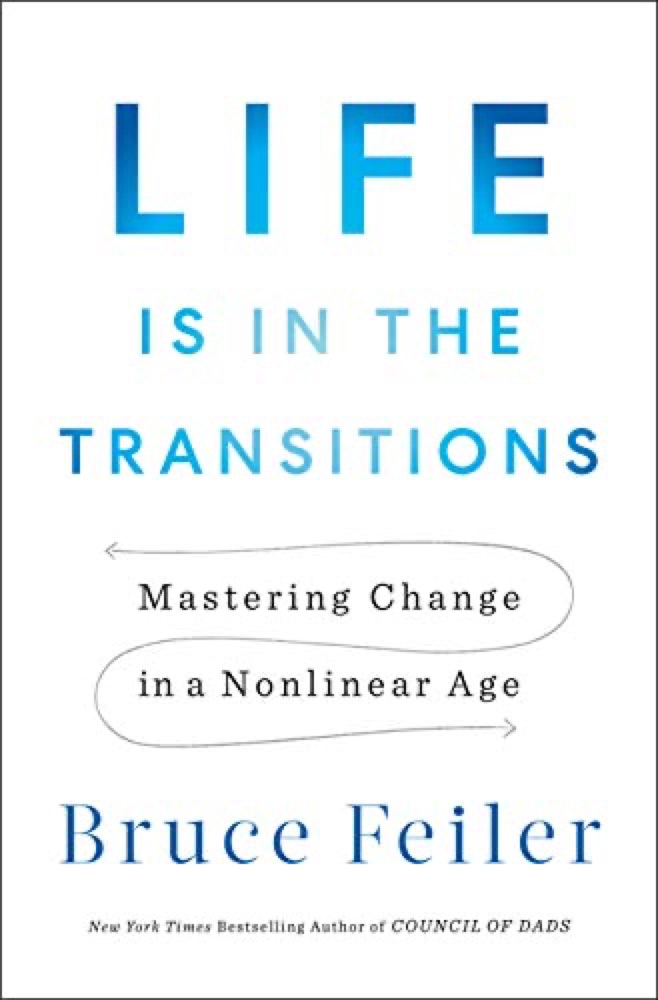
A New York Times bestseller! A pioneering and timely study of how to navigate life's biggest transitions with meaning, purpose, and skillBruce Feiler, author of the New York Times bestsellers The Secrets of Happy Families and Council of Dads , has long explored the stories that give our lives meaning. Galvanized by a personal crisis, he spent the last few years crisscrossing the country, collecting hundreds of life stories in all fifty states from Americans who’d been through major life changes—from losing jobs to losing loved ones; from changing careers to changing relationships; from getting sober to getting healthy to simply looking for a fresh start. He then spent a year coding these stories, identifying patterns and takeaways that can help all of us survive and thrive in times of change.What Feiler discovered was a world in which transitions are becoming more plentiful and mastering
Book details
- First published
- 2020
- Author
- Bruce Feiler
- Genre
- Nonfiction
- Goodreads rating
- 3.94 (3k ratings)
Keep reading
Finding Meaning in the Second Half of Life: How to Finally, Really Grow Up
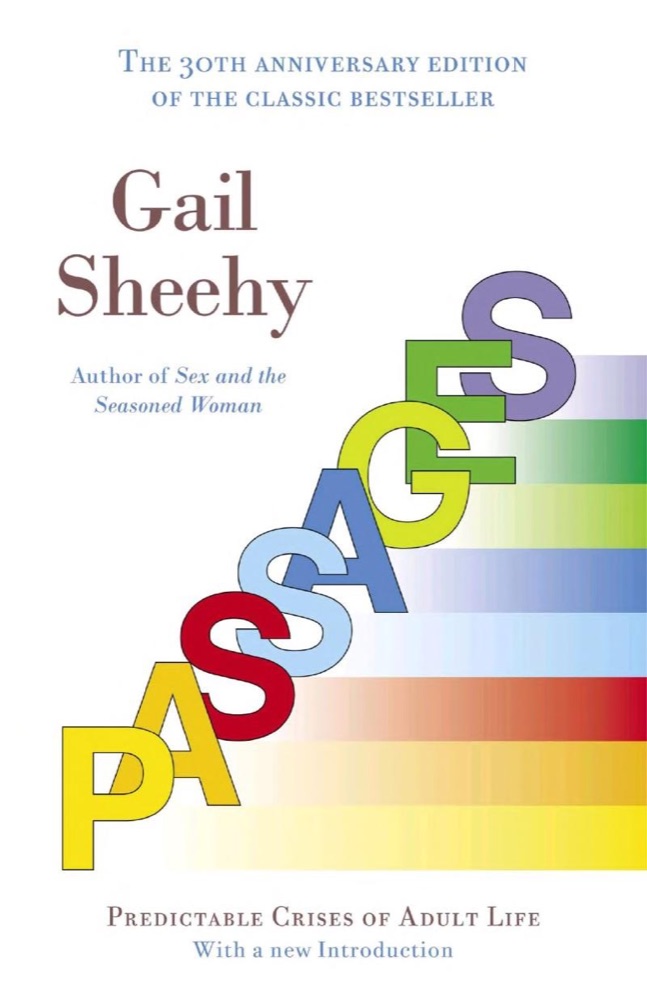 Passages: Predictable Crises of Adult Life
 A Million Miles in a Thousand Years: What I Learned While Editing My Life
 101 Essays That Will Change The Way You Think
 Like Streams to the Ocean: Notes on Ego, Love, and the Things That Make Us Who We Are
 Life Reimagined: The Science, Art, and Opportunity of Midlife
 The Path: What Chinese Philosophers Can Teach Us About the Good Life
 Kitchen Table Wisdom: Stories that Heal
 Hourglass: Time, Memory, Marriage
 Finding Your Element: How to Discover Your Talents and Passions and Transform Your Life
 The Color of Everything: A Journey to Quiet the Chaos Within
 Any Ordinary Day
 The Second Mountain
 Emergent Strategy: Shaping Change, Changing Worlds
 The Light We Carry: Overcoming in Uncertain Times
 Player One: What Is to Become of Us
 Inheritance: A Memoir of Genealogy, Paternity, and Love
 Option B: Facing Adversity, Building Resilience, and Finding Joy
 I Miss You When I Blink: Essays
 Atlas of the Heart: Mapping Meaningful Connection and the Language of Human Experience
 I Guess I Haven't Learned That Yet: Discovering New Ways of Living When the Old Ways Stop Working
 12 Rules for Life: An Antidote to Chaos
 The 7 Habits of Highly Effective People: Personal Workbook
 Will
Will
 On Fire: The 7 Choices to Ignite a Radically Inspired Life
 How to Be Here: A Guide to Creating a Life Worth Living
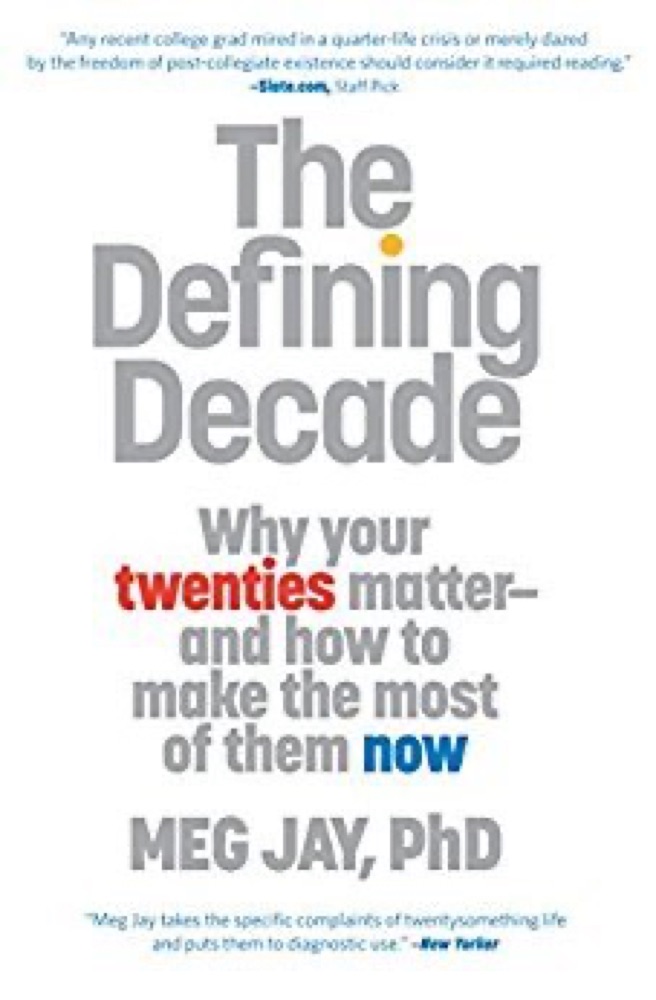 The Defining Decade: Why Your Twenties Matter—And How to Make the Most of Them Now
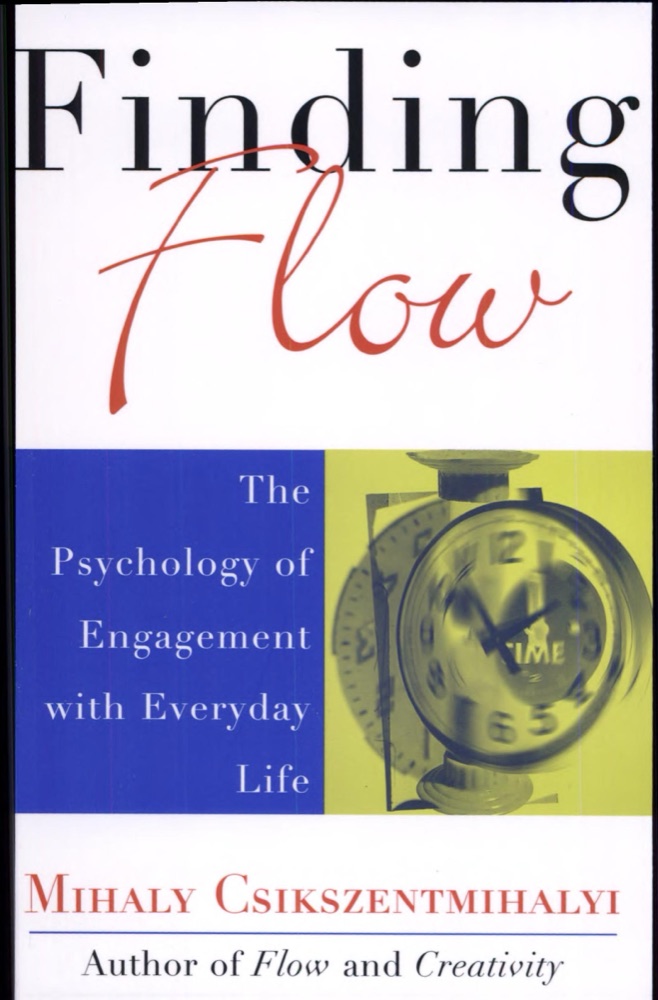 Finding Flow: The Psychology of Engagement with Everyday Life
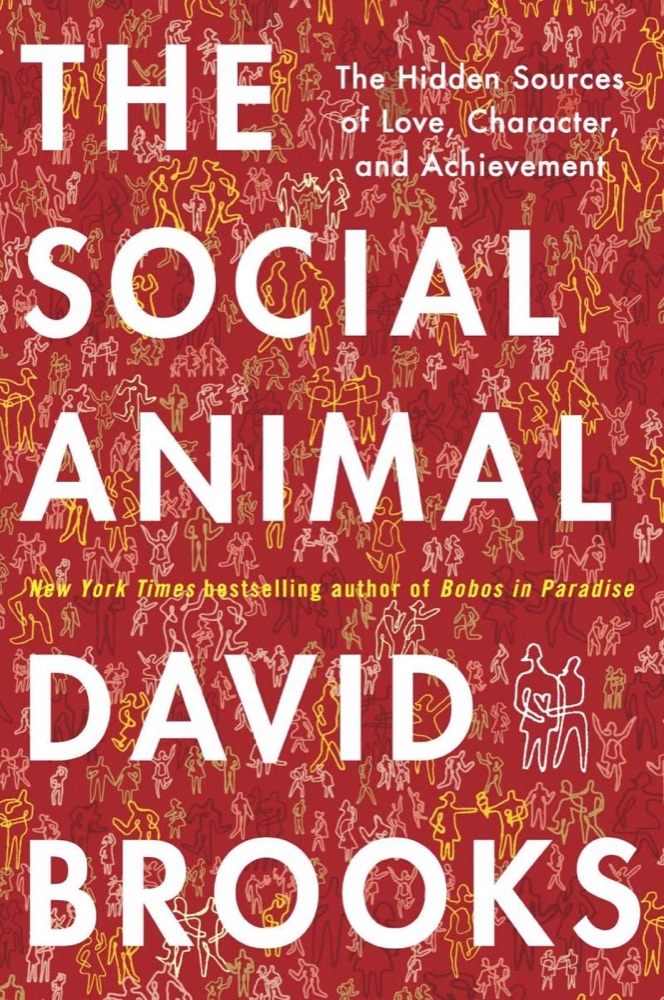 The Social Animal: The Hidden Sources of Love, Character, and Achievement
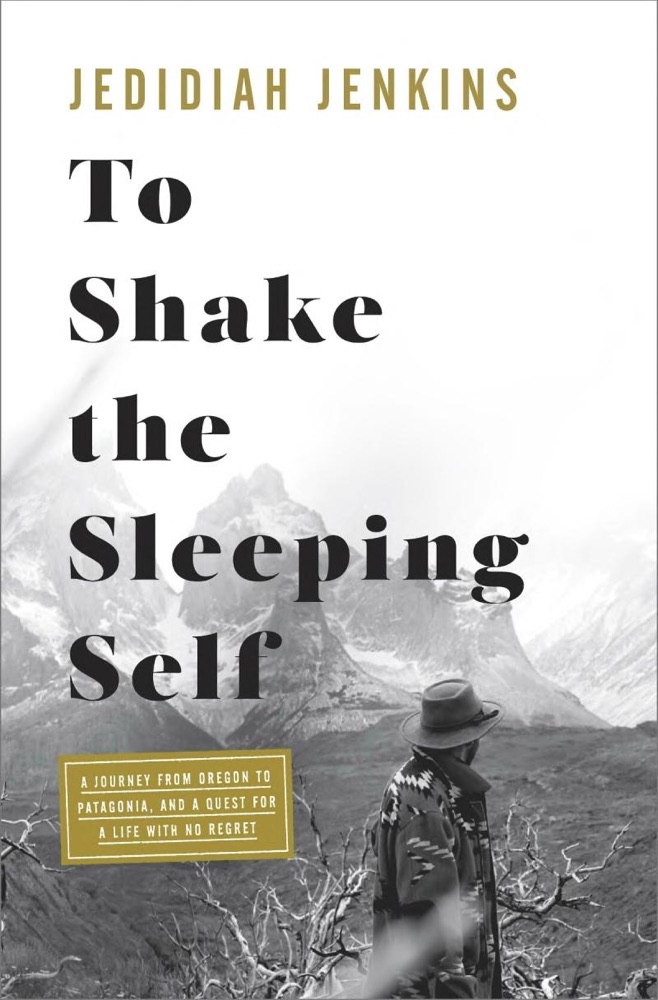 To Shake the Sleeping Self: A Journey from Oregon to Patagonia, and a Quest for a Life with No Regret
 Becoming Better Grownups: Rediscovering What Matters and Remembering How to Fly
 Greenlights
 Stitches: A Handbook on Meaning, Hope, and Repair
 Personality Isn't Permanent: Break Free from Self-Limiting Beliefs and Rewrite Your Story
 What Happened To You?: Conversations on Trauma, Resilience, and Healing
 Creativity: Flow and the Psychology of Discovery and Invention
 The Perfectionist's Guide to Losing Control: A Path to Peace and Power
 Selfie: How the West Became Self-Obsessed
 Maybe You Should Talk to Someone: A Therapist, Her Therapist, and Our Lives Revealed
 The Path Made Clear: Discovering Your Life's Direction and Purpose
 What It Takes to Heal: How Transforming Ourselves Can Change the World
 The 7 Habits Of Highly Effective Teens
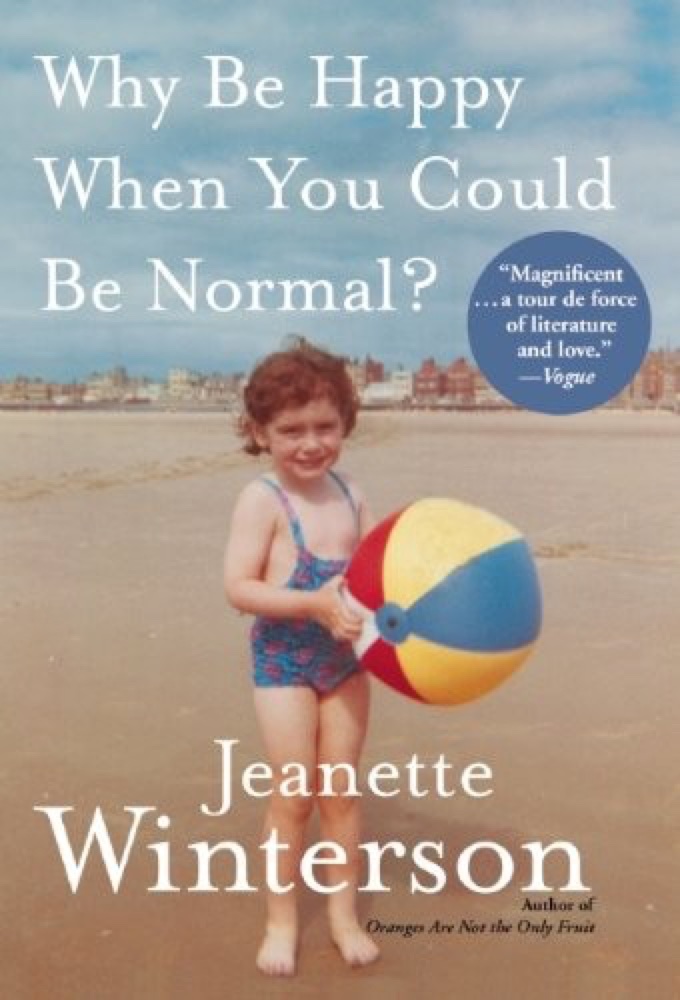 Why Be Happy When You Could Be Normal?
 How to Stay Sane in an Age of Division
 Living Beautifully with Uncertainty and Change
 We Are the Luckiest: The Surprising Magic of a Sober Life
 The Bassoon King: My Life in Art, Faith, and Idiocy
 The Promise of a Pencil: How an Ordinary Person Can Create Extraordinary Change
 My Life on the Road
 The Book of Secrets: Unlocking the Hidden Dimensions of Your Life
 Maps of Meaning: The Architecture of Belief
 How to Stay Sane
 Tribe Of Mentors: Transformative Wisdom From Icons and Innovators to Help You Navigate Life's Challenges
 Uh-oh: Some Observations from Both Sides of the Refrigerator Door
 The Stories We Tell: Every Piece of Your Story Matters
 Build the Life You Want: The Art and Science of Getting Happier
 The Comfort Book
 A Joseph Campbell Companion: Reflections on the Art of Living