
 Still Writing: The Perils and Pleasures of a Creative Life
Quotes from the Book
Oh, child! Somewhere inside you, your future has already unfurled like one of those coiled-up party streamers, once shiny, shaken loose, floating gracefully for a brief moment, now trampled underfoot after the party is over. The future you’re capable of imagining is already a thing of the past. Who did you think you would grow up to become? You could never have dreamt yourself up. Sit down. Let me tell you everything that’s happened. You can stop running now. You are alive in the woman who watches you as you vanish.
18
I've become convinced that our lives are shaped less by the mistakes we make than when we make them. There is less elasticity now. Less time to bounce back. And so I heed the urgent whisper and move with greater and greater deliberation.
12
From Carl Jung: “Until you make the unconscious conscious, it will direct your life, and you will call it fate.
7
You know,” my aunt says, “I once had a terribly difficult period that lasted twenty-four years.” Wait. Twenty-four years? “And it was so important to realize that I didn’t know what was on the other side of the darkness. Every so often there was a sliver of light that shot the whole world through with mystery and wonder, and reminded me: I didn’t have all the information.” —
5
I cannot bring myself to even idly wish any of it—not even the most painful parts—away. Eighteen years. Change even one moment, and the whole thing unravels. The narrative thread doesn’t stretch in a line from end to end, but rather, spools and unspools, loops around and returns again and again to the same spot.
4
Sometimes I think I have organized the inner crowd. For a brief, breathtaking moment, I feel completely whole. I understand that I am composed of many selves that make up a single chorus. To listen to the music this chorus makes, to recognize it as music, as something noble, varied, patterned, sublime--that is the work of a lifetime.
4
Years vanish. Months collapse. Time is like a tall building made of playing cards. It seems orderly until a strong gust of wind comes along and blows the whole thing skyward. Imagine it: an entire deck of cards soaring like a flock of birds.
4
We did not spend our days gazing into each other’s eyes. We did that gazing when we made love or when one of us was in trouble, but most of the time our gazes met and entwined as they looked at a third thing. Third things are essential to marriages, objects or practices or habits or arts or institutions or games or human beings that provide a site of joint rapture or contentment. Each member of a couple is separate; the two come together in double attention. Lovemaking is not a third thing but two-in-one. John Keats can be a third thing, or the Boston Symphony Orchestra, or Dutch interiors, or Monopoly. For many couples, children are a third thing.” —
4
Let everything happen to you: beauty and terror,” Rilke wrote. Nearly
3
Our shared vocabulary—our own language—will die with us. We are the treasure itself: fathoms deep, in the world we have made and made again.
2
Third things are essential to marriages, objects or practices or habits or arts or institutions or games or human beings that provide a site of joint rapture or contentment. Each member of a couple is separate; the two come together in double attention. Lovemaking is not a third thing but two-in-one. John Keats can be a third thing, or the Boston Symphony Orchestra, or Dutch interiors, or Monopoly.
2
Apparently, using two spaces after a period has become anachronistic. But tell that to my right thumb. —
2
How do you suppose time works? A slippery succession of long hours adding up to ever-shorter days and years that disappear like falling dominoes?
2
While in Aspen, I was on a panel one evening with Andre Dubus III, who spoke of what happens when a memoir devolves into self-pity: “Wah, wah, wah. Should we call the wambulance?
2
How can I tell her that her lists will not protect her?
1
Let the young soul look back upon its life and ask itself: what until now have you truly loved, what has raised up your soul, what ruled it and at the same time made it
1
But I think that at the moment of my death, I’d like to be looking at those pictures of everyone I have ever loved.
1
I believe he doesn’t regret it. But still, has being with me stopped him from being him?
1
There is no other life than this. You would not have stumbled into the vastly imperfect, beautiful, impossible present.
1
I want a stable man in my life. One who will be there, but will give me enough room to be free, to breathe, to live. And one I can love, but not sacrifice my soul for.
1
The constitutional disease from which I suffer,” wrote the philosopher and psychologist William James, “is what the Germans call Zerrissenheit, or torn-to-pieces-hood. The days are broken in pure zig-zag and interruption.
1
I want to bless that young couple as they cross Union Square. I want to deliver some kind of benediction upon them as—drunk on love—they meander the narrow streets of Alphabet City. I want to suggest that there will come a time when they will need something more than love.
1
Each fork in the road: the choice to stay home, to go out, to catch the flight, or cancel it, to take the 1 train, to stop at the bar on the corner. The chance encounters, split-second decisions that make the design—that are the design.
1
Adjectives have become verbs: I favorited it. Verbs have become nouns. How many likes do you have? Time is moving at such an accelerated rate that completing sentences now seems baroque.
1
But when the self—not a fictional character—is the landscape of the story, we can’t afford to be blind to our own themes and the strands weaving through them. And so we must make a map, even as the ground shifts beneath us. This is, of course, not only a literary problem. —
1
Form serves us best when it works as an obstruction to baffle us and deflect our intended course. It may be that when we no longer know what to do we have come to our real work and that when we no longer know which way to go we have begun our real journey. The mind that is not baffled is not employed. The impeded stream is the one that sings.” —
1
For years we had the persistent sensation in our life and art - John Updike's phrase - that we were just beginning.
1
Watch on YouTube
About Dani Shapiro
We have collected 108 quotes from 4 books by Dani Shapiro on BookQuoters.
More about the author →More by Dani Shapiro
Still Writing: The Perils and Pleasures of a Creative Life
 Inheritance: A Memoir of Genealogy, Paternity, and Love
 Devotion
About the book
The best-selling novelist and memoirist delivers her most intimate and powerful work: a piercing, life-affirming memoir about marriage and memory, about the frailty and elasticity of our most essential bonds, and about the accretion, over time, of both sorrow and love.
Hourglass is an inquiry into how marriage is transformed by time--abraded, strengthened, shaped in miraculous and sometimes terrifying ways by accident and experience. With courage and relentless honesty, Dani Shapiro opens the door to her house, her marriage, and her heart, and invites us to witness her own marital reckoning--a reckoning in which she confronts both the life she dreamed of and the life she made, and struggles to reconcile the girl she was with the woman she has become.
What are the forces that shape our most elemental bonds? How do we make lifelong commitments in the face of identities that are conti
Book details
- First published
- 2017
- Author
- Dani Shapiro
- Genre
- Biography
- Goodreads rating
- 3.84 (6k ratings)
Keep reading
 Asymmetry
 These Precious Days: Essays
 First Person Singular: Stories
 Night Side of the River
 The World and Other Places: Stories
 The Dream of Perpetual Motion
 Sexing the Cherry
 You Could Make This Place Beautiful
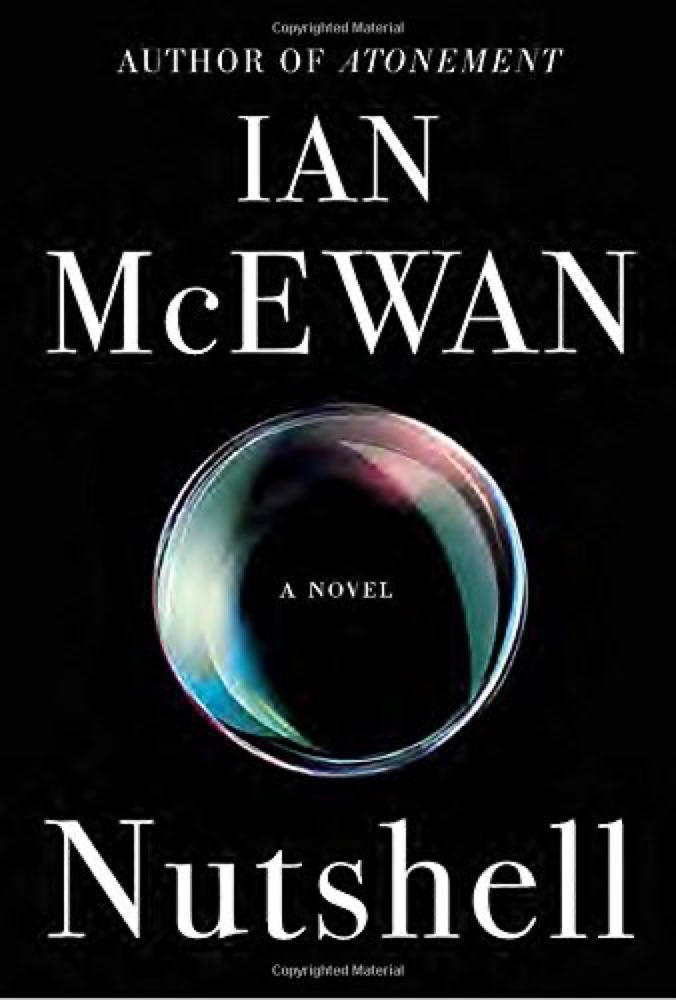 Nutshell
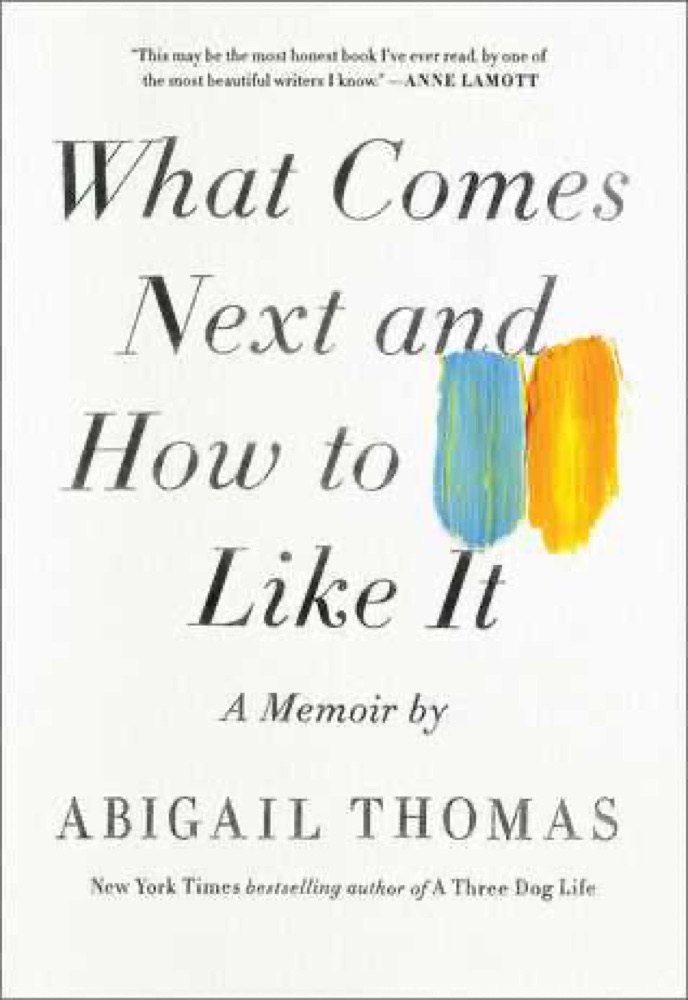 What Comes Next and How to Like It
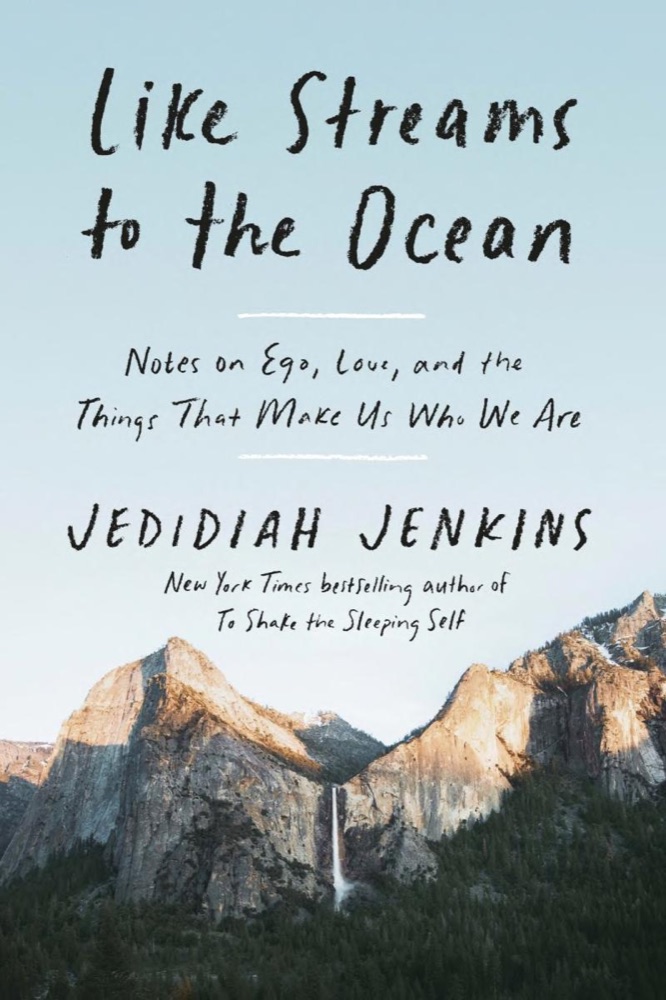 Like Streams to the Ocean: Notes on Ego, Love, and the Things That Make Us Who We Are
 M Train
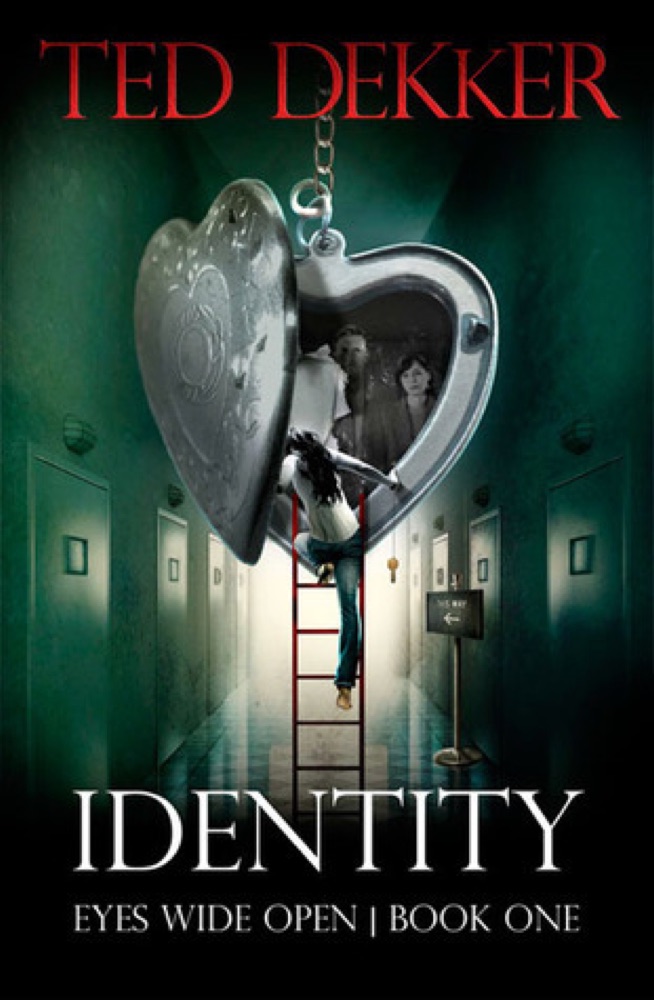 Identity
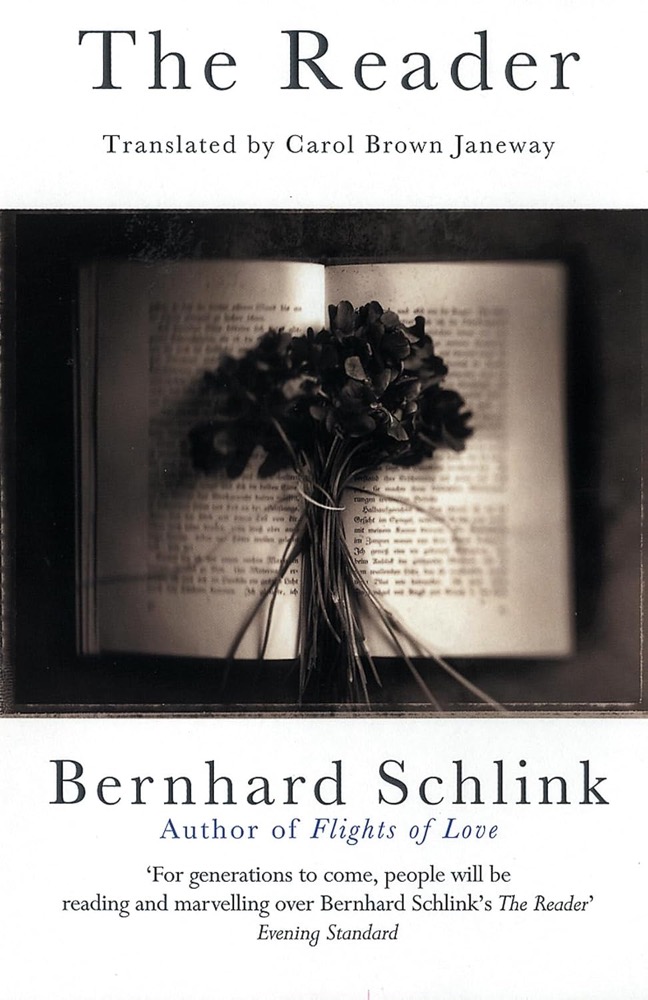 The Reader
 What I Loved
Inheritance: A Memoir of Genealogy, Paternity, and Love
What I Loved
Inheritance: A Memoir of Genealogy, Paternity, and Love
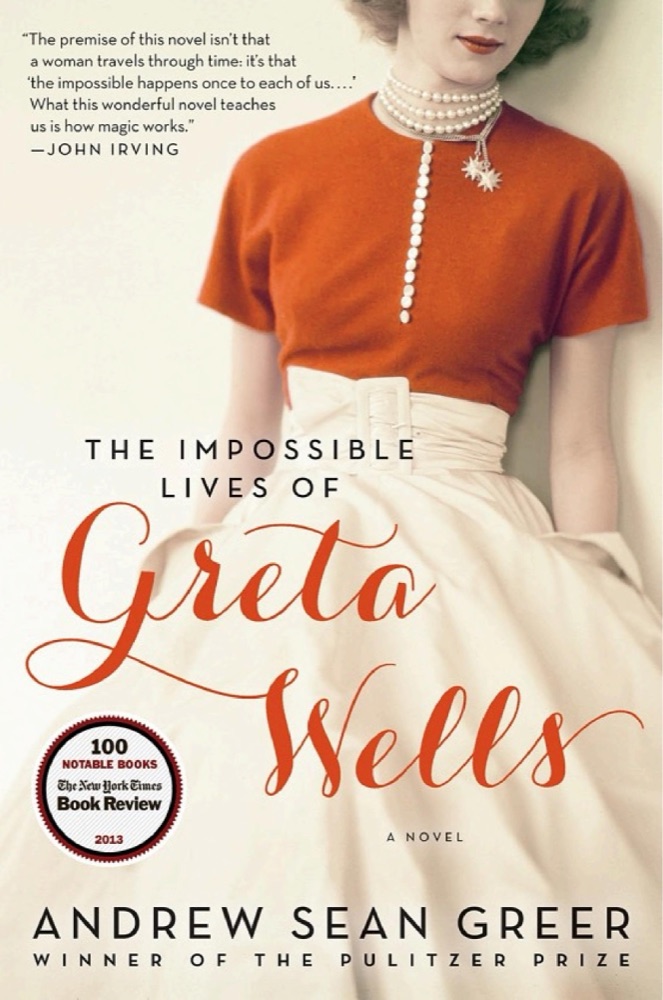 The Impossible Lives of Greta Wells
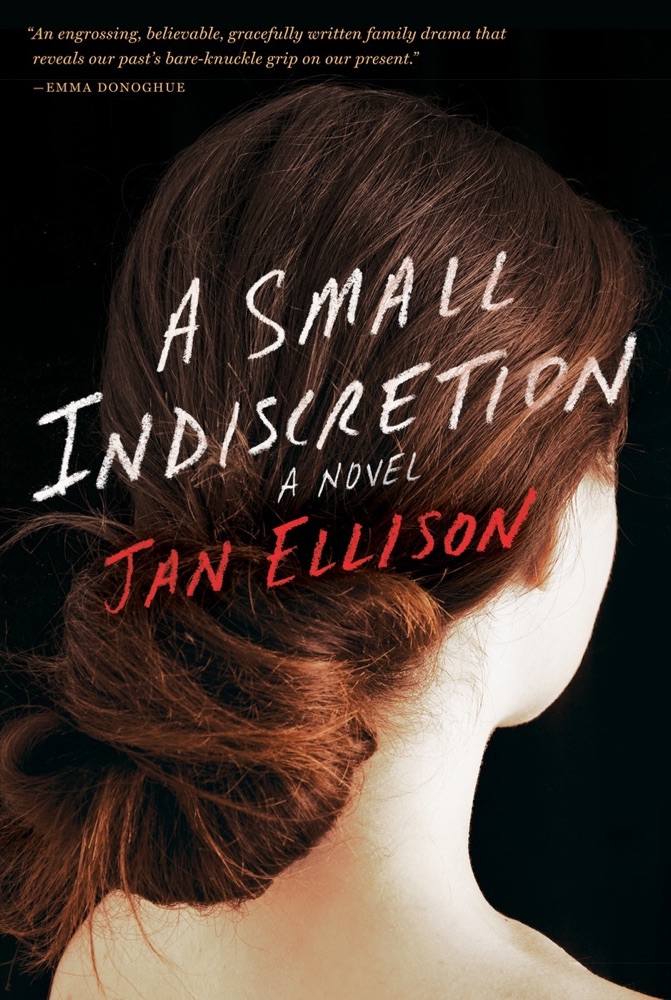 A Small Indiscretion
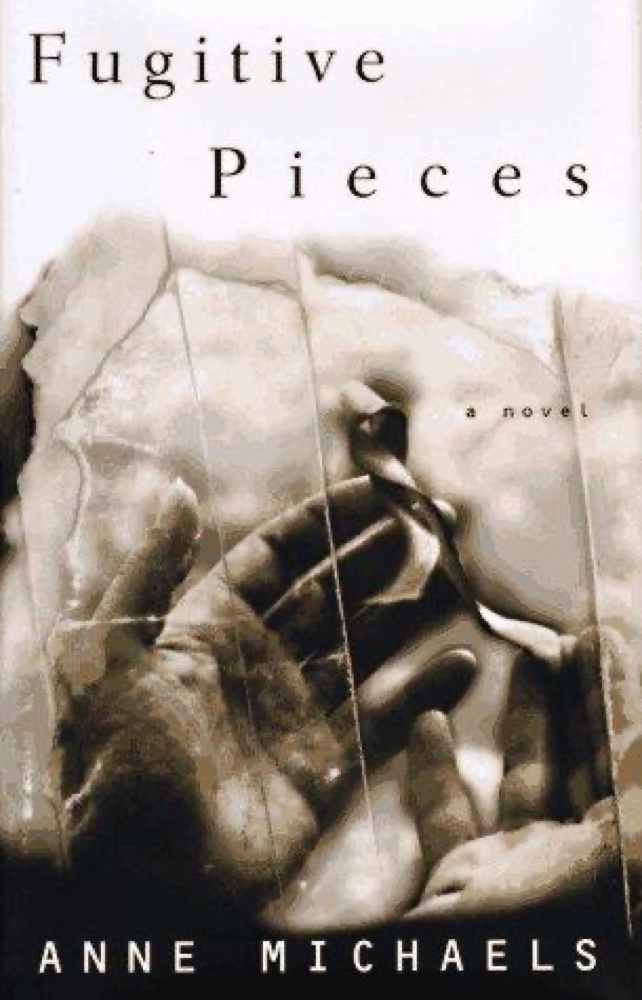 Fugitive Pieces
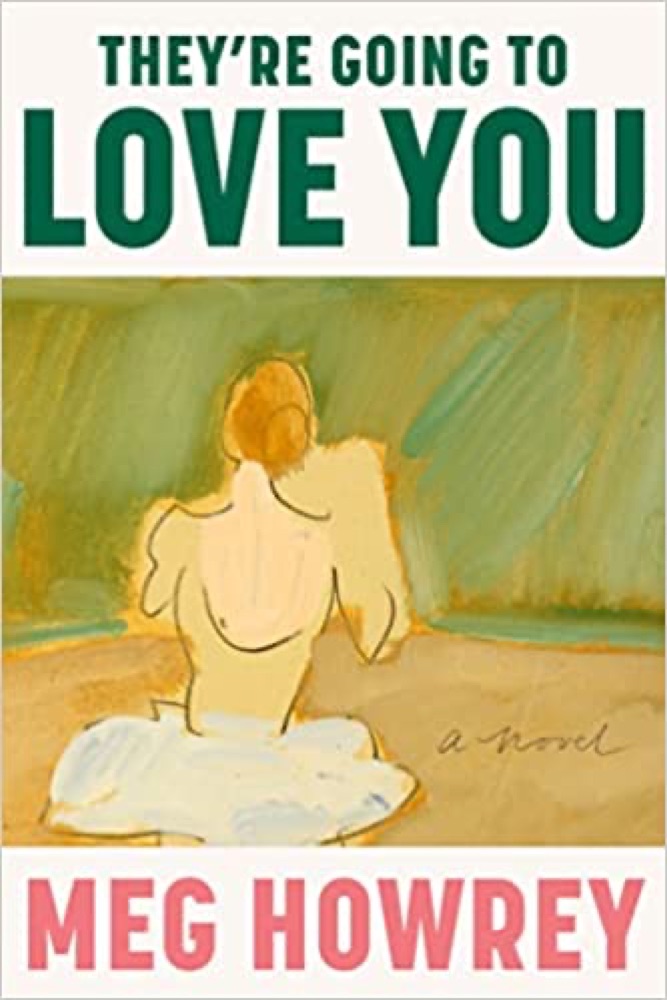 They're Going to Love You
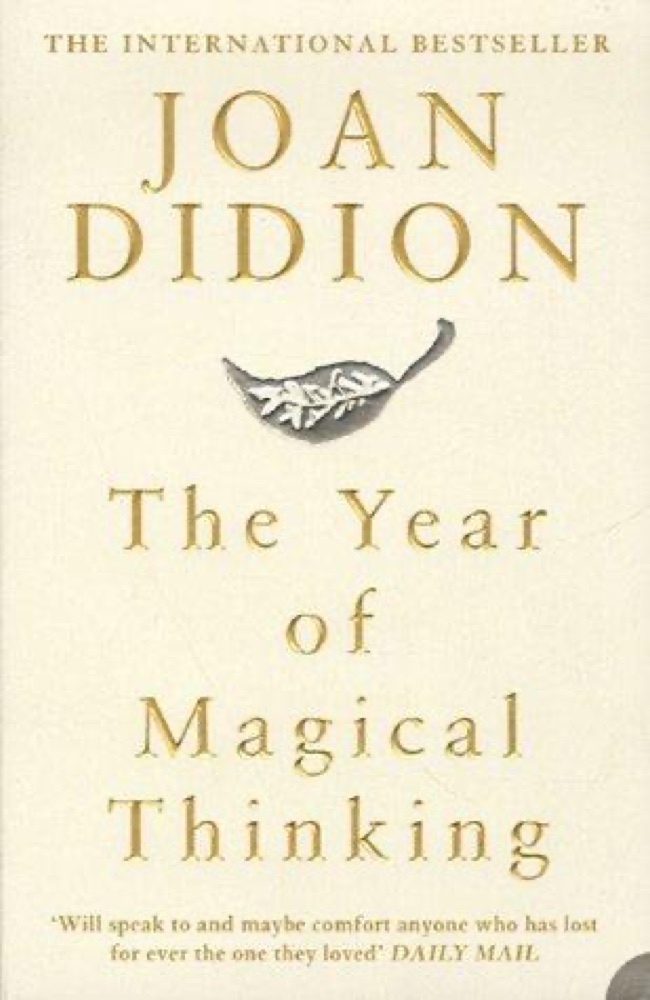 The Year of Magical Thinking
 Stories of Your Life and Others
 Belong to Me
 Warlight
 Winter Hours: Prose, Prose Poems, and Poems
Devotion
Winter Hours: Prose, Prose Poems, and Poems
Devotion
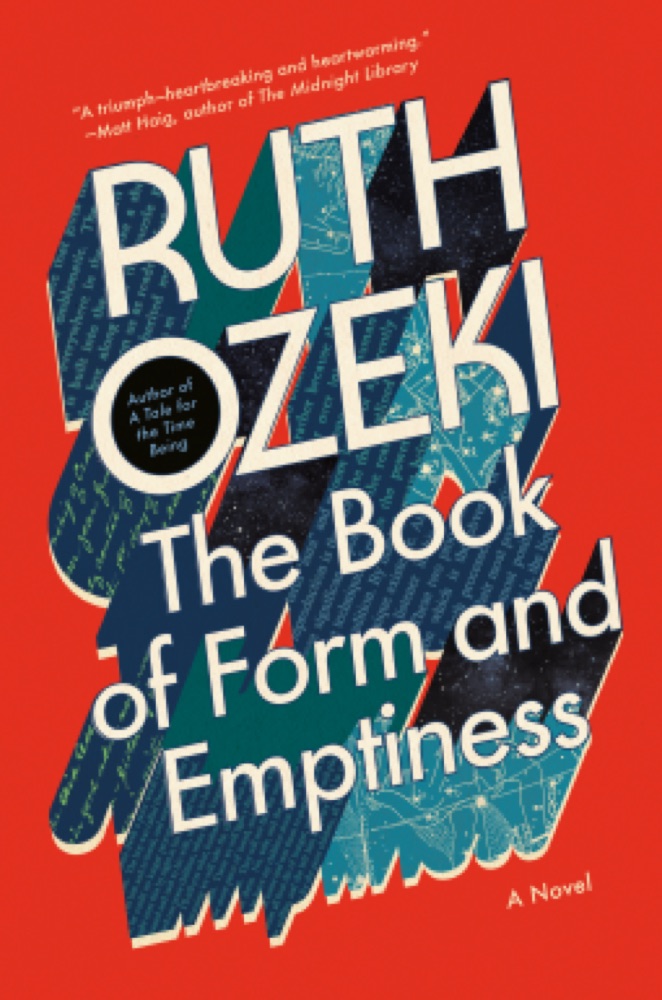 The Book of Form and Emptiness
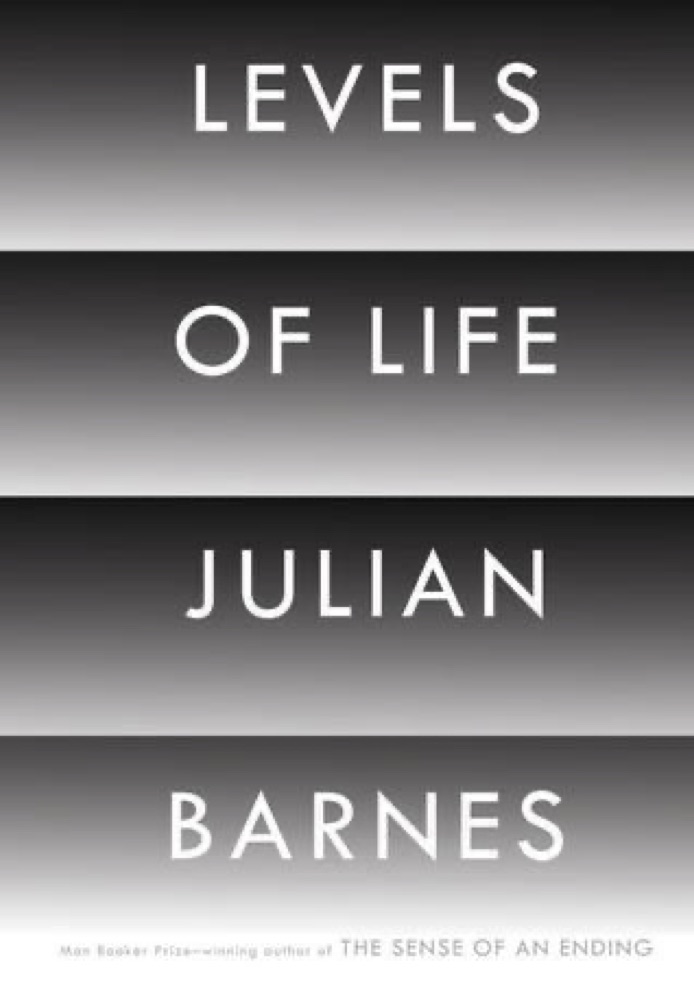 Levels of Life
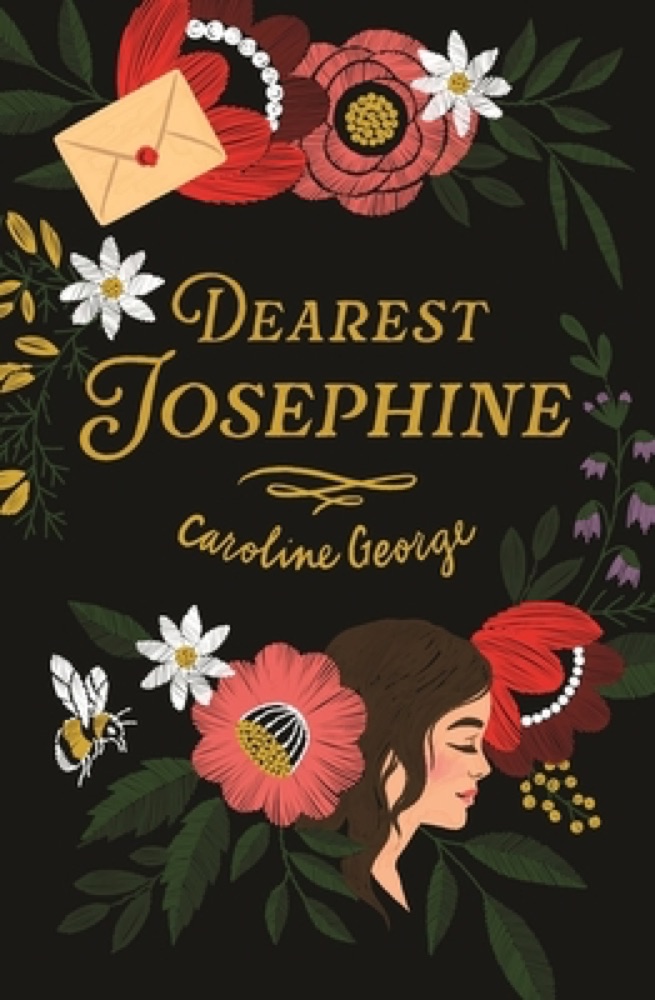 Dearest Josephine
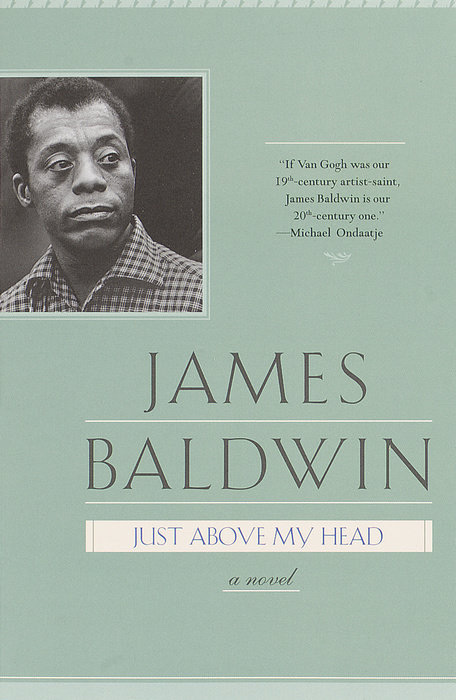 Just Above My Head
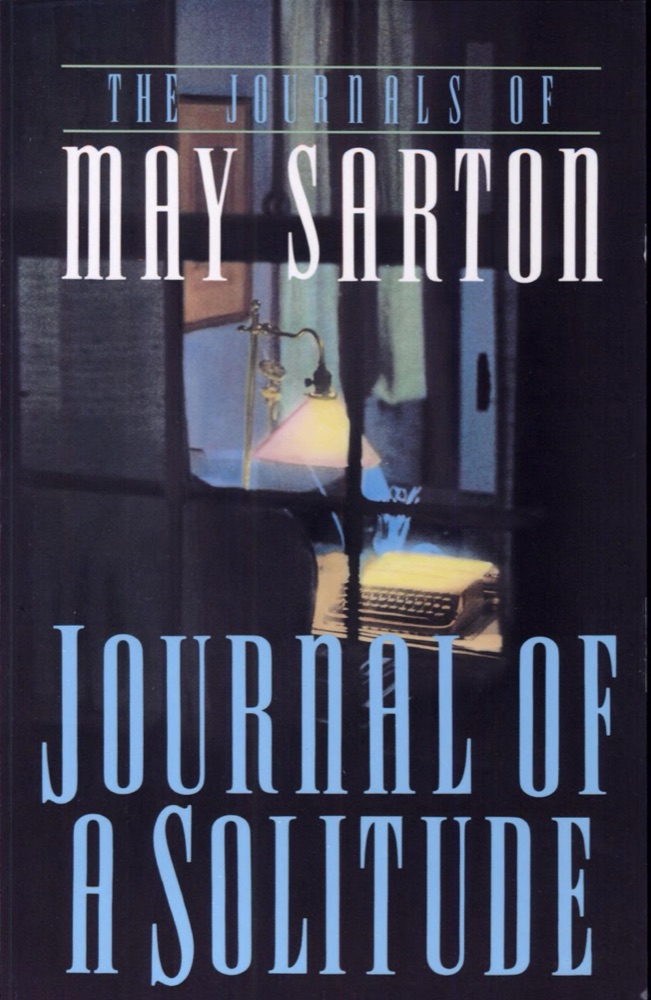 Journal of a Solitude
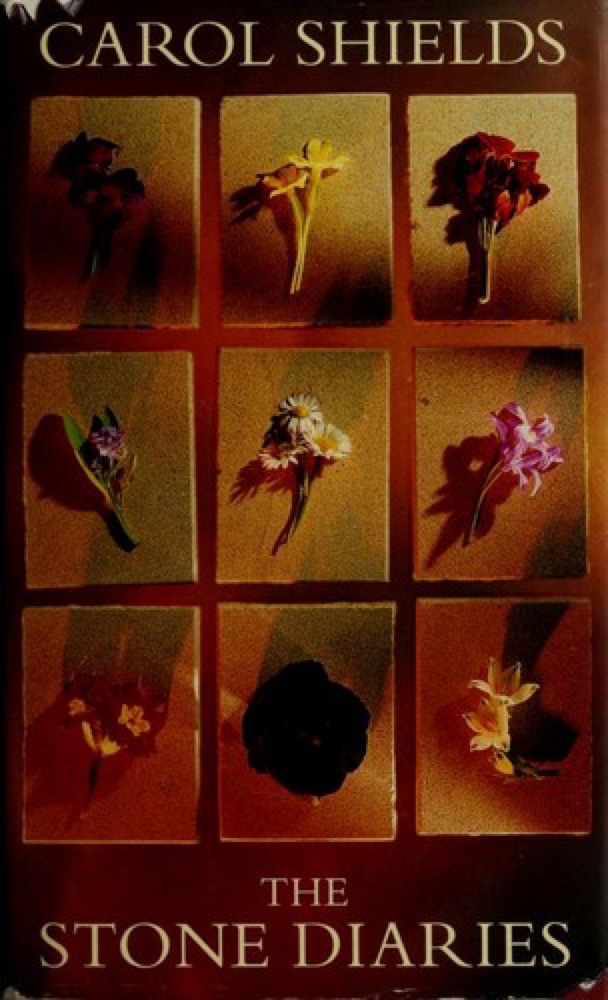 The Stone Diaries
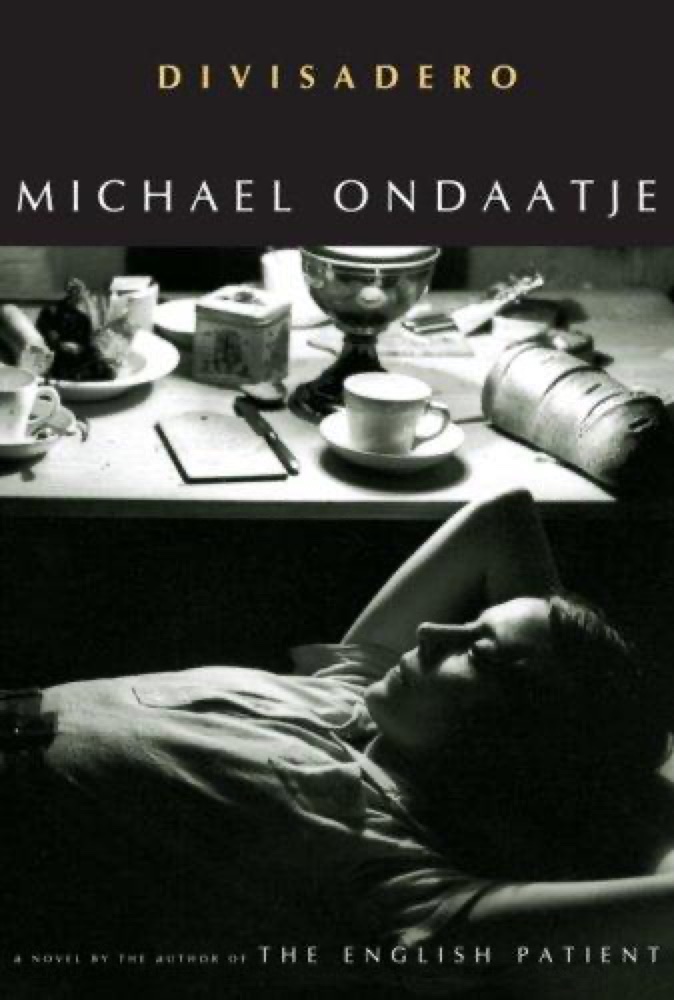 Divisadero
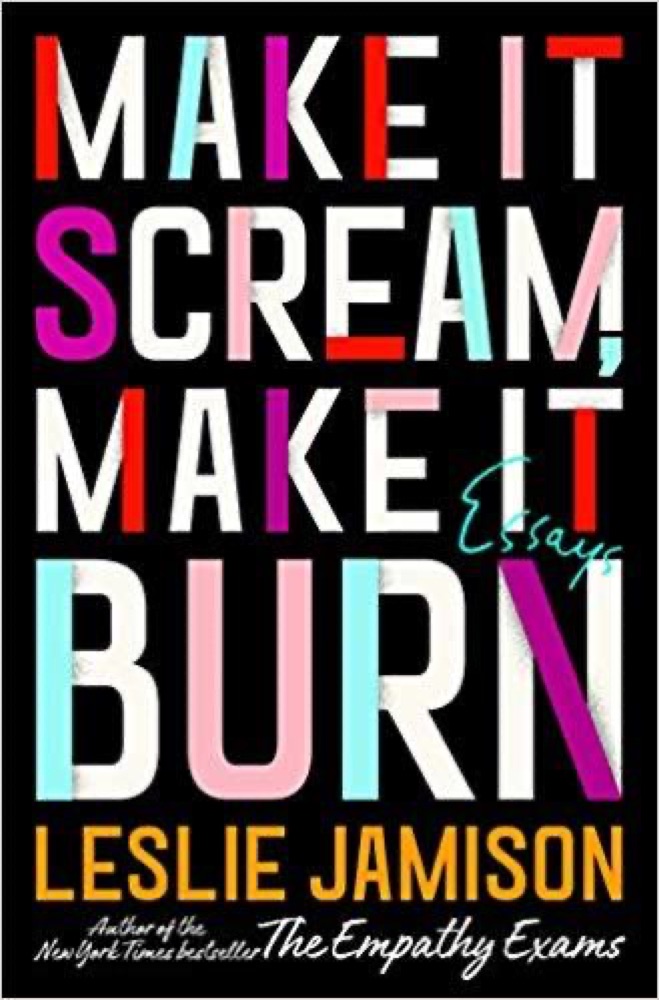 Make It Scream, Make It Burn
 The Opposite of Loneliness: Essays and Stories
 When the World Tips Over
 A Tale for the Time Being
 Here I Am
 Creatures of a Day: And Other Tales of Psychotherapy
 The Rule of Four
 Encyclopedia of an Ordinary Life
 Everything I Know About Love
 Someday
 The Cost of Living: A Working Autobiography
 We Spread
 Everything, Everything
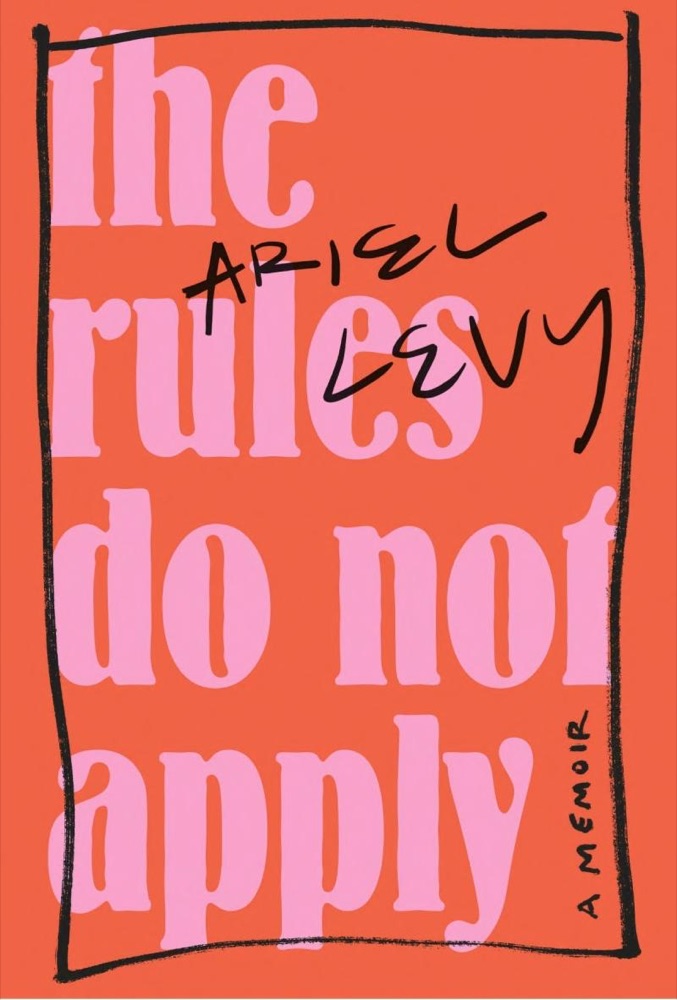 The Rules Do Not Apply
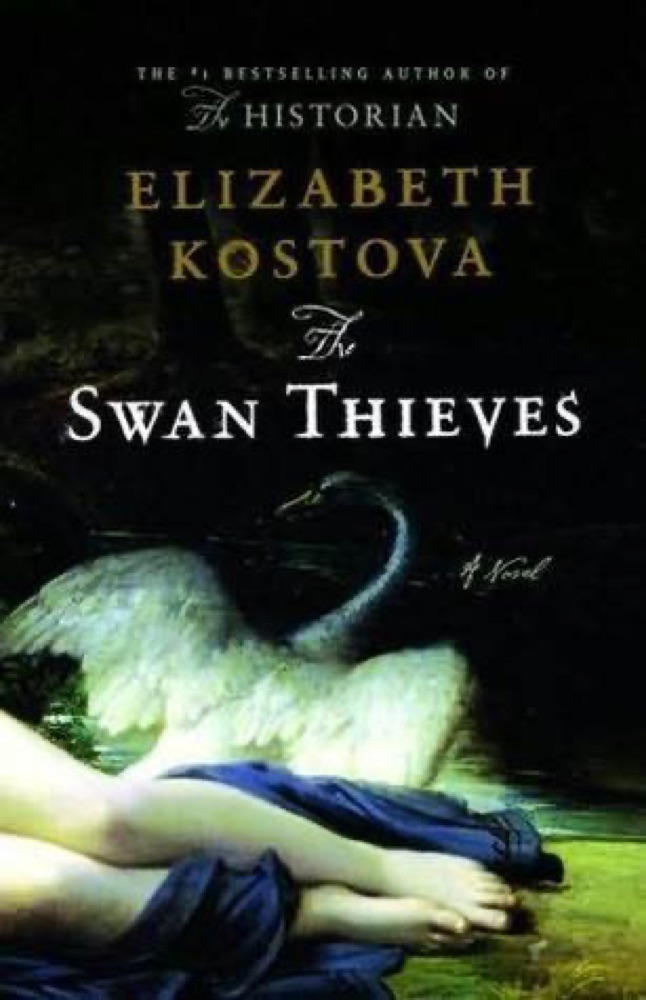 The Swan Thieves
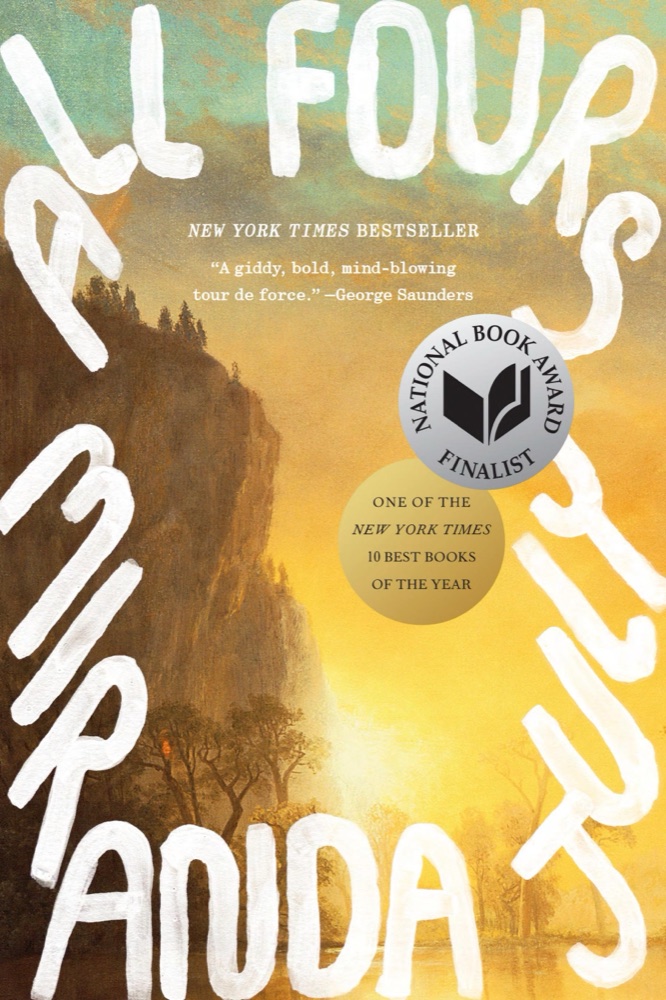 All Fours
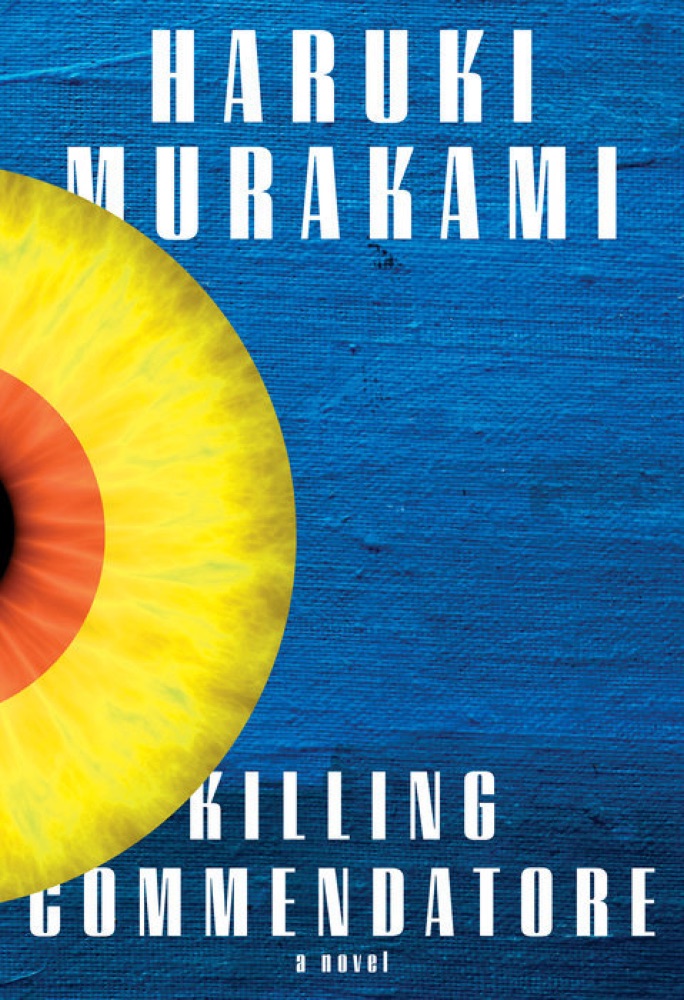 Killing Commendatore
 Anthropology of an American Girl
 The Chronology of Water
 The Anthropocene Reviewed: Essays on a Human-Centered Planet
 Dream Count
 Kafka on the Shore
 Any Human Heart
 A History of the World in 10½ Chapters
 The Argonauts
 The Diary of Anaïs Nin, Vol. 1: 1931-1934
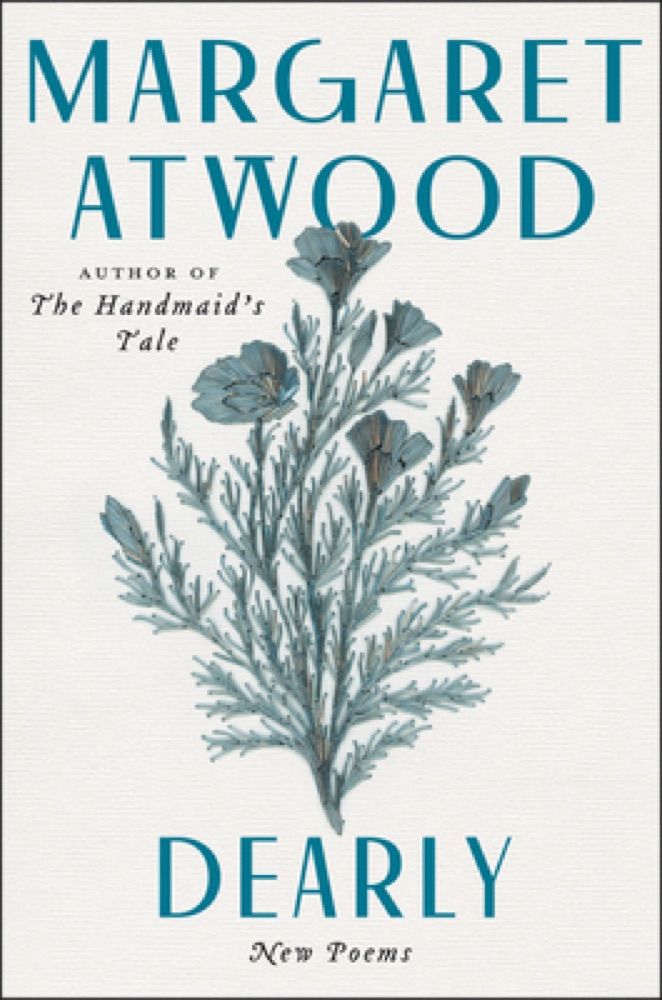 Dearly