
 The Journals of Sylvia Plath
Quotes from the Book
Does anything in nature despair except man? An animal with a foot caught in a trap does not seem to despair. It is too busy trying to survive. It is all closed in, to a kind of still, intense waiting. Is this a key? Keep busy with survival. Imitate the trees. Learn to lose in order to recover, and remember that nothing stays the same for long, not even pain, psychic pain. Sit it out. Let it all pass. Let it go.
437
There is no doubt that solitude is a challenge and to maintain balance within it a precarious business. But I must not forget that, for me, being with people or even with one beloved person for any length of time without solitude is even worse. I lose my center. I feel dispersed, scattered, in pieces. I must have time alone in which to mull over my encounter, and to extract its juice, its essence, to understand what has really happened to me as a consequence of it.
187
If art is not to be life-enhancing, what is it to be? Half the world is feminine--why is there resentment at a female-oriented art? Nobody asks The Tale of Genji to be masculine! Women certainly learn a lot from books oriented toward a masculine world. Why is not the reverse also true? Or are men really so afraid of women's creativity (because they are not themselves at the center of creation, cannot bear children) that a woman writer of genius evokes murderous rage, must be brushed aside with a sneer as 'irrelevant'?
79
I think of the trees and how simply they let go, let fall the riches of a season, how without grief (it seems) they can let go and go deep into their roots for renewal and sleep ... Imitate the trees. Learn to lose in order to recover, and remember that nothing stays the same for long, not even pain, psychic pain. Sit it out. Let it all pass.
64
I feel like an inadequate machine, a machine that breaks down at crucial moments, grinds to a dreadful hault, 'won't go,' or, even worse, explodes in some innocent person's face.
61
For a long time now, every meeting with another human being has been a collision. I feel too much, sense too much, am exhausted by the reverberations after even the simplest conversation.
53
One has only to set a loved human being against the fact that we are all in peril all the time to get back a sense of proportion. What does anything matter compared to the reality of love and its span, so brief at best, maintained against such odds?
45
It is harder for women, perhaps to be 'one-pointed,' much harder for them to clear space around whatever it is they want to do beyond household chores and family life. Their lives are fragmented... the cry not so much for a 'a room of one's own' as time of one's own. Conflict become acute, whatever it may be about, when there is no margin left on any day in which to try at least to resolve it.
39
Wrinkles here and there seem unimportant compared to the Gestalt of the whole person I have become in this past year.
36
It is a waste of time to see people who have only a social surface to show. I will make every effort to find out the real person, but if I can't, then I am upset and cross. Time wasted is poison.
35
When I speak of life and love as expanding with age, sex seems the least important thing. At any age we grow by the enlarging of consciousness, by learning a new language, or a new art or craft (gardening?) that implies a new way of looking at the universe. Love is one of the great enlargers of the person because it requires us to "take in" the stranger and to understand him, and to exercise restraint and tolerance as well as imagination to make the relationship work.
35
The reasons for depression are not so interesting as the way one handles it, simply to stay alive.
21
For after all we make our faces as we go along...
19
Machines do things very quickly and outside the natural rhythm of life, and we are indignant if a car doesn’t start at the first try. So the few things that we still do, such as cooking (though there are TV dinners!), knitting, gardening, anything at all that cannot be hurried, have a very particular value.
16
My own belief is that one regards oneself, if one is a serious writer, as an instrument for experiencing. Life—all of it-flows through this instrument and is distilled through it into works of art. How one lives as a private person is intimately bound into the work. And at some point I believe one has to stop holding back for fear of alienating some imaginary reader or real relative or friend, and come out with personal truth. If we are to understand the human condition, and if we are to accept ourselves in all the complexity, self-doubt, extravagance of feeling, guilt, joy, the slow freeing of the self to its full capacity for action and creation, both as human being and as artist, we have to know all we can about each other, and we have to be willing to go naked.
15
So sometimes one has simply to endure a period of depression for what it may hold of illumination if one can live through it, attentive to what it exposes or demands.
13
This morning I woke up at four and lay awake for an hour or so in a bad state. It is raining again. I got up finally and went about the daily chores, waiting for the sense of doom to lift — and what did it was watering the house plants. Suddenly joy came back because I was fulfilling a simple need, a living one. Dusting never has this effect (and that may be why I am such a poor housekeeper!), but feeding the cats when they are hungry, giving Punch clean water, makes me suddenly feel calm and happy. Whatever peace I know rests in the natural world, in feeling myself a part of it, even in a small way.
11
How does one grow up?” I asked a friend the other day. There was a slight pause; then she answered, “By thinking.
10
For a long time, for years, I have carried in my mind the excruciating image of plants, bulbs, in a cellar, trying to grow without light, putting out white shoots that will inevitably wither.
10
I am here alone for the first time in weeks, to take up my “real” life again at last. That is what is strange—that friends, even passionate love, are not my real life unless there is time alone in which to explore and to discover what is happening or has happened. Without the interruptions, nourishing and maddening, this life would become arid. Yet I taste it fully only when I am alone here and “the house and I resume old conversations.
8
That is what is strange—that friends, even passionate love, are not my real life unless there is time alone in which to explore and to discover what is happening or has happened. Without the interruptions, nourishing and maddening, this life would become arid. Yet I taste it fully only when I am alone…
8
Perhaps the greatest gift we can give another human being is detachment. Attachment, even that which imagines it is selfless, always lays some burden on the other person. How to learn to love in such a light, airy way that there is no burden?
7
I hate small talk with a passionate hatred. Why? I suppose because any meeting with another human being is collision for me now.
7
The sheer vital energy of the Woolfs always astonishes me when I stop to consider what they accomplished on any given day. Fragile she may have been, living on the edge of psychic disturbance, but think what she managed to do nonetheless -- not only the novels (every one a breakthrough in form), but all those essays and reviews, all the work of the Hogarth Press, not only reading mss. and editing, but, at least at the start, packing the books to go out! And besides all that, they lived such an intense social life. (When I went there for tea, they were always going out for dinner and often to a party later on.) The gaiety and the fun of it all, the huge sense of life! The long, long walks through London that Elizabeth Bowen told me about. And two houses to keep going! Who of us could accomplish what she did? There may be a lot of self-involvement in A Writer's Diary, but there is no self-pity (and what has to be remembered is that what Leonard published at that time was only a small part of all the journals, the part that concerned her work, so it had to be self-involved). It is painful that such genius should evoke such mean-spirited response at present. Is genius so common that we can afford to brush it aside? What does it matter if she is major or minor, whether she imitated Joyce (I believe she did not), whether her genius was a limited one, limited by class? What remains true is that one cannot pick up a single one of her books and read a page without feeling more alive. If art is not to be life-enhancing, what is it to be?
7
Every flower holds the whole mystery in its short cycle, and in the garden we are never far away from death, the fertilizing, good, creative death.
6
It is hope-giving to consider the young, and it is also hope-giving to consider growth as a constant. Here I am at fifty-eight and in this past year I have only begun to understand what loving is … forced to my knees again and again like a gardener planting bulbs or weeding, so that I may once more bring a relationship to flower, keep it truly alive.
5
Such a man knows that whatever is wrong in the world is in himself, and if he only learns to deal with his own shadow he has done something real for the world.
4
There is really only one possible prayer: Give me to do everything I do in the day with a sense of the sacredness of life. Give me to be in Your presence, God, even though I know it only as absence.
4
When I am alone the flowers are really seen; I can pay attention to them. They are felt as presences. Without them I would die. Why do I say that? Partly because they change before my eyes. They live and die in a few days; they keep me closely in touch with process, with growth, and also with dying. I am floated on their moments.
4
Watch on YouTube
About May Sarton
We have collected 29 quotes from 1 book by May Sarton on BookQuoters.
More about the author →About the book
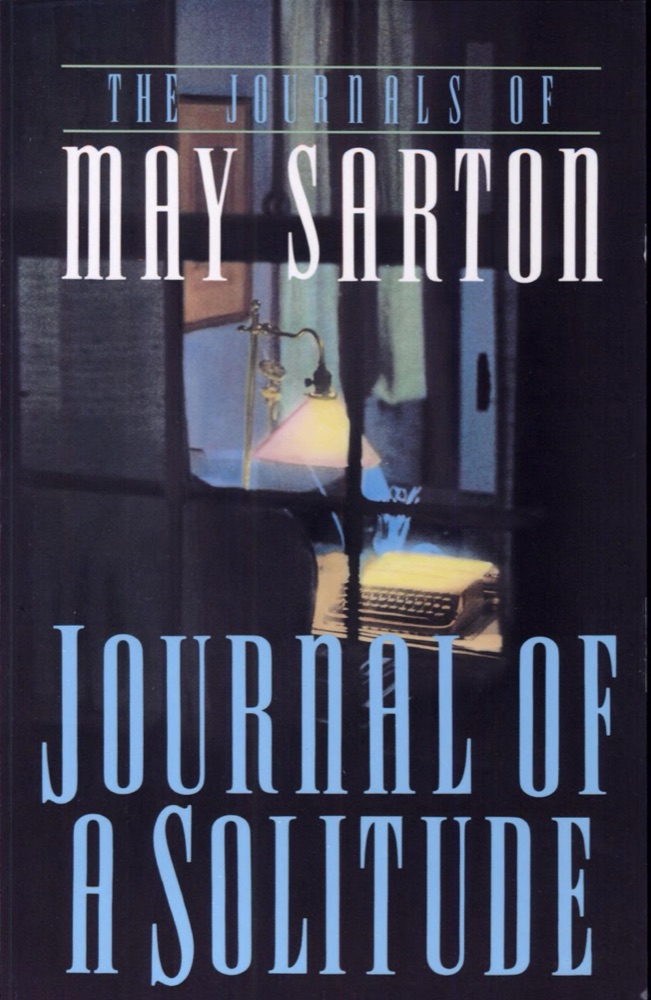
In this, her bestselling journal, May Sarton writes with keen observation and emotional courage of both inner and outer worlds: a garden, the seasons, daily life in New Hampshire, books, people, ideas―and throughout everything, her spiritual and artistic journey. "I am here alone for the first time in weeks," May Sarton begins this book, "to take up my 'real' life again at last. That is what is strange―that friends, even passionate love,are not my real life, unless there is time alone in which to explore what is happening or what has happened." In this journal, she says, "I hope to break through into the rough, rocky depths,to the matrix itself. There is violence there and anger never resolved. My need to be alone is balanced against my fear of what will happen when suddenly I enter the huge empty silence if I cannot find support there."
In this book, we are closer to the marrow than ev
Book details
- First published
- 1973
- Author
- May Sarton
- Genre
- Nonfiction
- Goodreads rating
- 4.13 (6k ratings)
Keep reading
The Journals of Sylvia Plath
 No One Writes Back
 Anthropology of an American Girl
 The Diary of Anaïs Nin, Vol. 1: 1931-1934
 Girl in the Dark
 Gift from the Sea
 Identity
 Like Streams to the Ocean: Notes on Ego, Love, and the Things That Make Us Who We Are
 A Year By The Sea: Thoughts of an Unfinished Woman
 Creatures of a Day: And Other Tales of Psychotherapy
 Blueberries: Essays Concerning Understanding
 The World and Other Places: Stories
 Dream Count
 Make It Scream, Make It Burn
 First Person Singular: Stories
 The Stories We Tell: Every Piece of Your Story Matters
 Carry On, Warrior: Thoughts on Life Unarmed
 Men Without Women
 To Shake the Sleeping Self: A Journey from Oregon to Patagonia, and a Quest for a Life with No Regret
 Letters to a Young Poet
 Embers
 On Connection
 What If This Were Enough?: Essays
 A Room Called Earth
 The Book of Awakening: Having the Life You Want by Being Present to the Life You Have
 The Wind-Up Bird Chronicle
 The Unabridged Journals of Sylvia Plath
 Drive Your Plow Over the Bones of the Dead
 Any Human Heart
 Beautiful World, Where Are You
 Dear Friend, from My Life I Write to You in Your Life
 The Zahir
 The Notebooks of Malte Laurids Brigge
 Night Train to Lisbon
 In Search of Lost Time
 Life After Death
 A Circle of Quiet
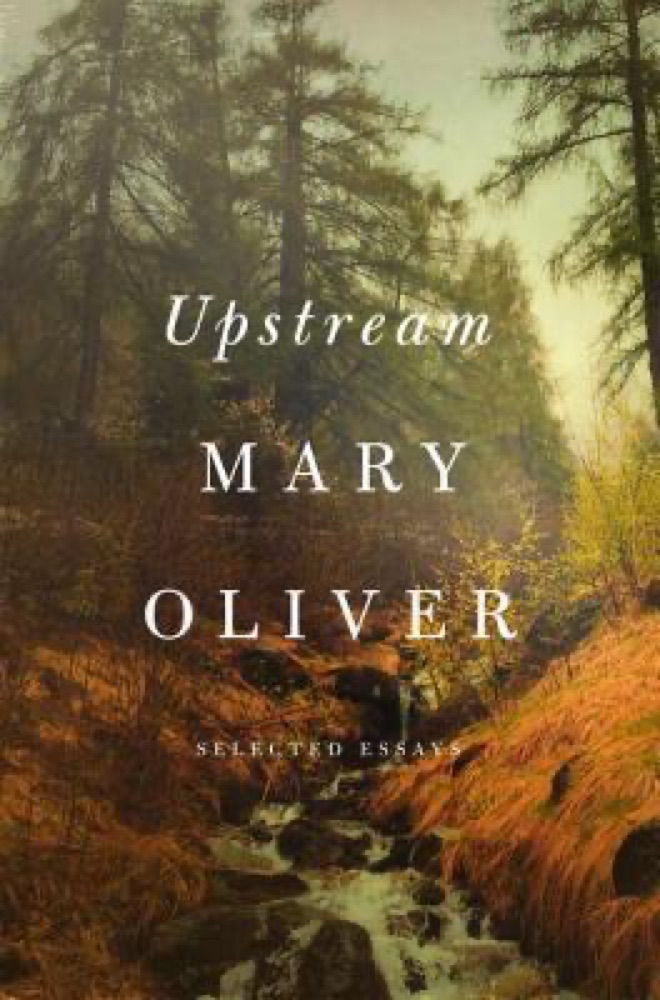 Upstream: Selected Essays
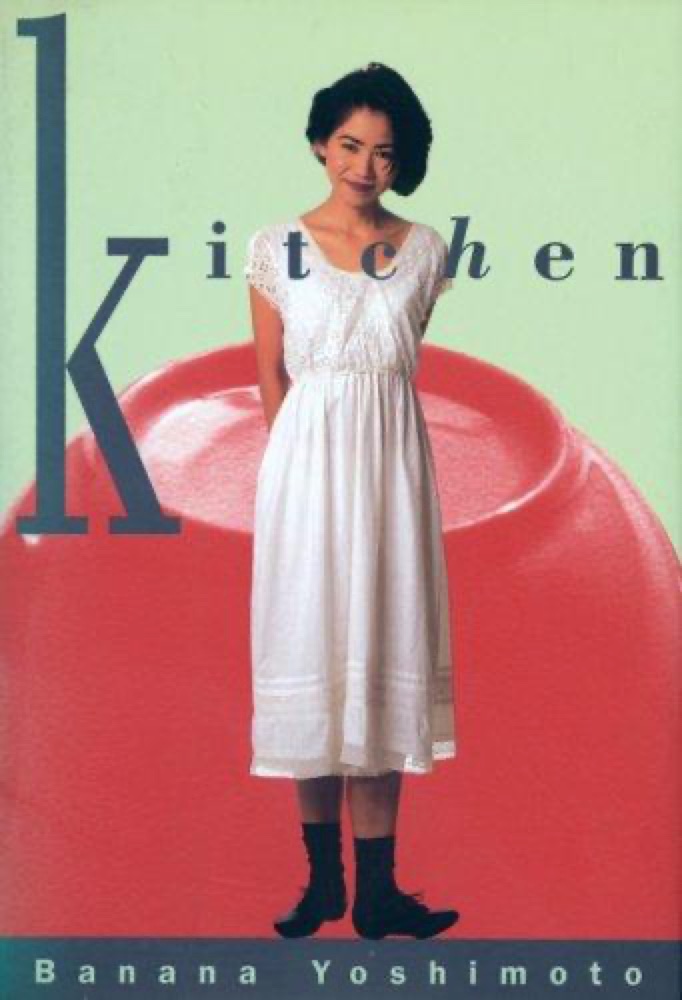 Kitchen
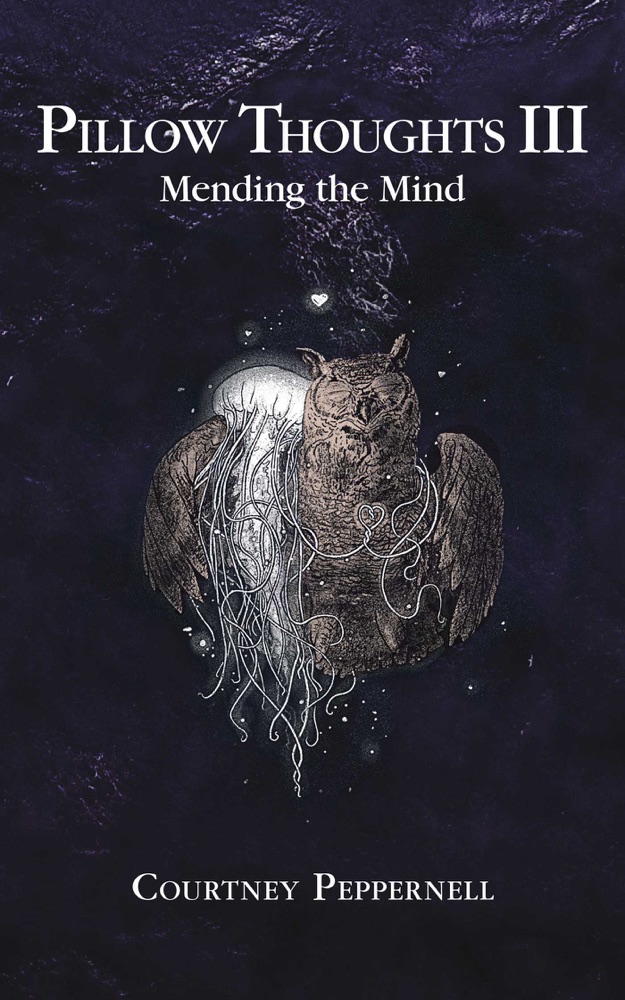 Mending the Mind
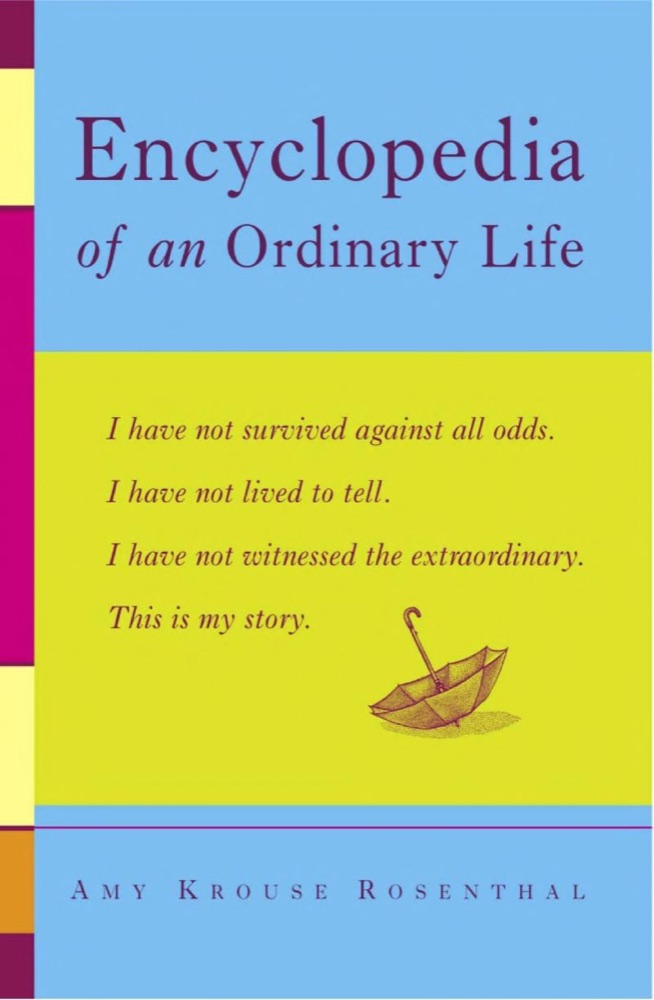 Encyclopedia of an Ordinary Life
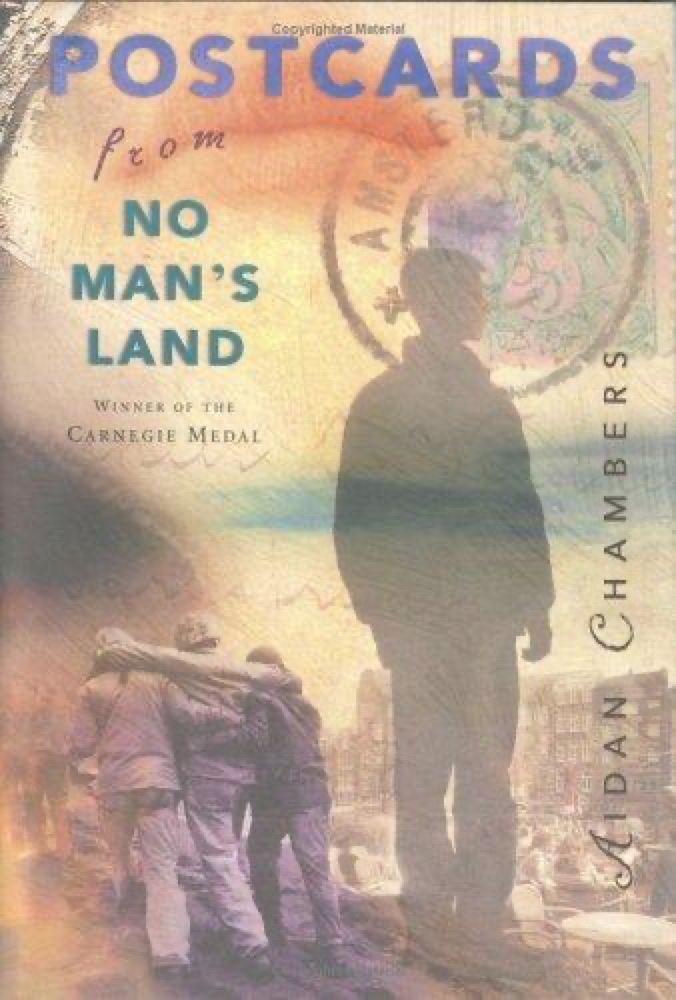 Postcards from No Man's Land
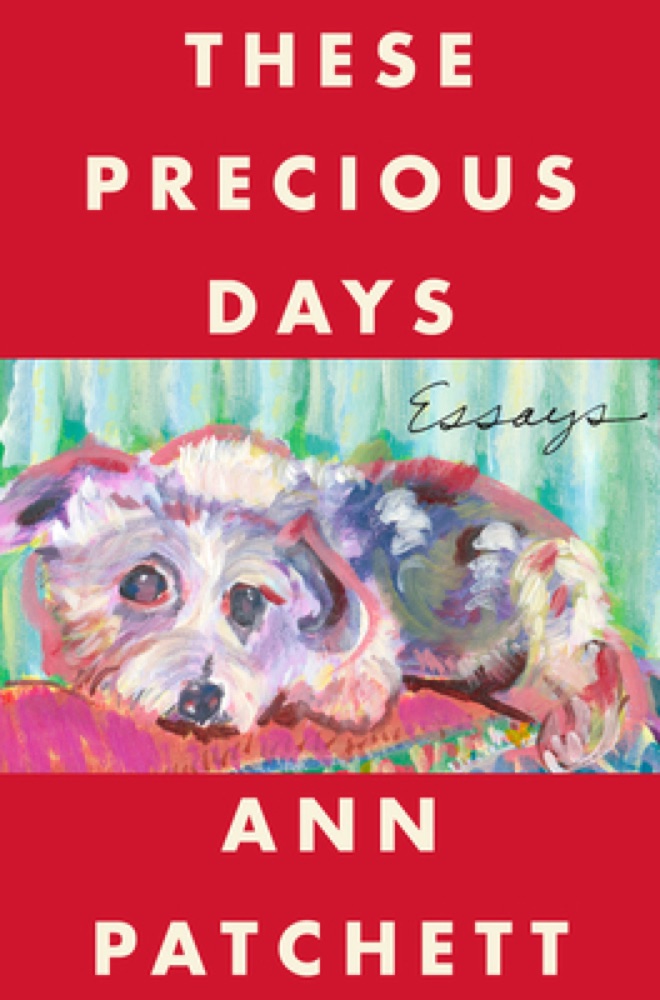 These Precious Days: Essays
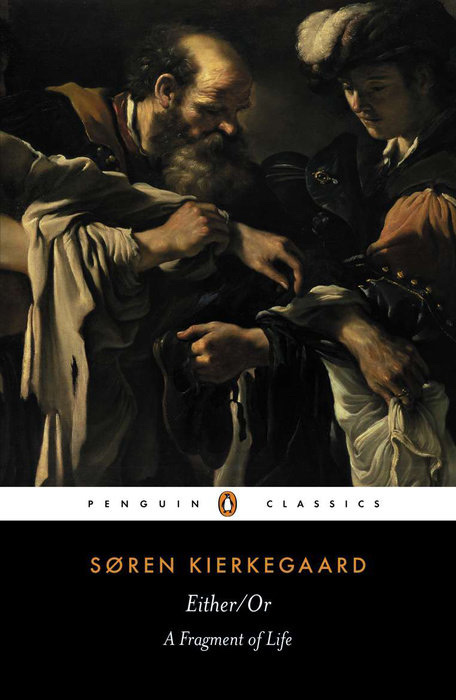 Either/Or: A Fragment of Life
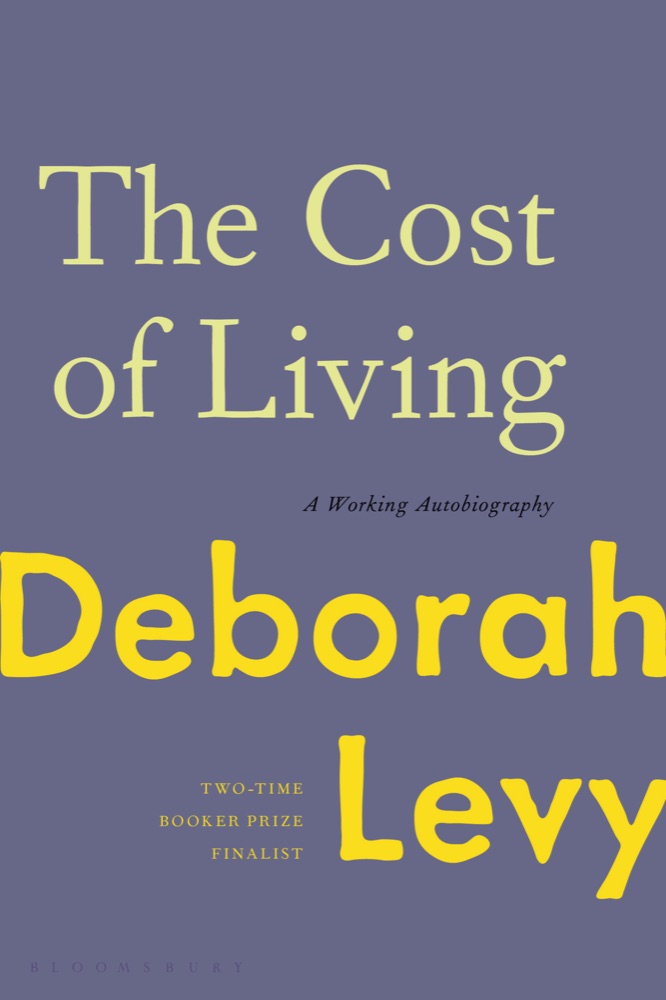 The Cost of Living: A Working Autobiography
 Life After God
 Devotion
 Adultery
 Present Over Perfect: Leaving Behind Frantic for a Simpler, More Soulful Way of Living
 A Burst of Light
 Hourglass: Time, Memory, Marriage
 A Widow's Story
 What Comes Next and How to Like It
 Agatha Christie: An Autobiography
 Why Be Happy When You Could Be Normal?
 Sexing the Cherry
 Stitches: A Handbook on Meaning, Hope, and Repair
 All the Lovers in the Night
 Whereabouts
 The Folded Clock: A Diary