
 The Dinner
Quotes from the Book
We shouldn’t want to force anyone to read, just as little as we should want to force people to go to the movies, listen to music, have sex, or consume alcoholic beverages. Literature doesn’t belong in a secondary school. No, it belongs more on the list of things I just mentioned. The list that includes sex and drugs, all the things that give us pleasure without any external coercion. A required reading list? How dare we!
6
A reader reads a book. If it’s a good book, he forgets himself. That’s all a book has to do. When the reader can’t forget himself and keeps having to think about the writer the whole time, the book is a failure. That has nothing to do with fun. If it’s fun you’re after, buy a ticket for a roller coaster.
6
By using the word ‘tolerance,’ you’re simply placing yourself on a higher plane than those you tolerate. Tolerance is only possible when one fosters a deep-rooted sense of superiority.
4
No longer in print ... There are sentences, and phrases that, in all their simplicity, say much more than they seem to at first: two months to live, never heard of it, dead on arrival ... For a writer, no longer in print must fall somewhere in that category.
2
A mediocre writer serves a life sentence. He has to go on. It's too late to change professions. He has to go on till the bitter end. Until death comes to get him. Only death can save him from his mediocrity. His writing is "not without merit," that's what we say about the mediocre writer. For him, that's the pinnacle of achievement, to produce books that are not without merit. You really do have to be mediocre to go on living once you've realized that.
2
Het was als met een verhaal. Als met een boek. Wat is het dat wij van een boek verlangen? Dat iemand een ontwikkeling doormaakt - dat hij tot inzicht komt? Maar stel dat die ontwikkeling en dat inzicht er niet zijn? Dat staat in wezen toch ook veel dichter bij de werkelijkheid? Mensen die in hun leven een ontwikkeling doormaken zijn op de vingers van één hand te tellen. Om over inzicht nog maar te zwijgen. Nee, de werkelijkheid is dat wij altijd dezelfde blijven. We zien een film in de bioscoop en besluiten een ander leven te gaan leiden, maar de volgende dag zijn we dat alweer vergeten. We nemen ons voor om aardiger te zijn, om aandachtiger te luisteren. Dat houden we een halve dag vol. Daarna snauwen we weer als vanouds - het snauwen is dat ene afgedragen jasje dat ons het best past.
2
Put a hundred writers together for a party and you get something very different--in any case, not a party.
1
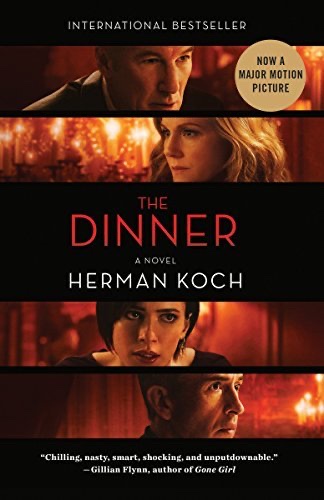
Movie or no, you should never put pictures of the book’s characters on the cover. That only cramps the reader’s fantasy. You force him to keep seeing the faces of the actors in the movie. For someone who has seen the movie first and then, out of curiosity, goes on to read the whole book, that might not be so bad. But anyone who reads the book first is faced with a dilemma. During the reading he sees the faces of all the characters in his mind’s eye. Faces he wants to assemble with his own fantasy. No matter how those faces may be described. Despite your superfluous descriptions of noses, eyes, ears, and hair color, each reader constructs his own faces in his own imagination. Three hundred thousand readers; that’s three hundred thousand different faces for each character. Three hundred thousand faces that are destroyed at one fell swoop by that one face in the movie. As a reader, it’s pretty tough to remember that imaginary face after seeing the actor on the screen. Two
1
Aber Film hin oder her, man sollte nie mit Fotos aus einem Film für einen Roman werben. Damit schränkt man die Fantasie des Lesers ein. Man zwingt ihn die Gesichter der Filmschauspieler vor sich zu sehen. Für den, der erst den Film gesehen hat und dann das Buch lesen möchte, macht das vielleicht nicht viel aus. Aber der, der erst das Buch gelesen hat, gerät in ein Dilemma.
1
Your wife’s willingness to allow a daughter to grow inside her who had, by all laws of probability, a fifty-percent chance of inheriting your face, is something you should view as a compliment. Perhaps the greatest compliment a woman can give a man.
1
And telling her parents about it was completely out of the question. They were modern, to a certain extent (or at least that's what they called themselves), and you might even say they were understanding. But between being understanding and actually understanding something yawns an unbridgeable chasm - a chasm so deep that you often can't see the bottom at all.
A reader reads a book. If it's a good book, he forgets himself. That's all a book has to do.
Except there are some things that have to be said, because otherwise no one will say them these days. I'm not out to offend anyone; the two things are confused far too often: exercising one's freedom of expression and demanding the right to offend whomever we please.
Apparently, I struck a chord somewhere. An open nerve.... "No, the nerve was how recognizable it was. Every parent's nightmare. Children who look normal in a school picture may turn out to be killers.
You almost couldn't ask for nicer parents. But sometimes those nice parents were a pain too. No, not a pain: they were ballast. A weight around your neck that made you walk around a little bent over all the time.
Do you know the great thing about revolutions?" he'd asked the man in the vest. "The essence? The essence is that first everything has to be torn down in order to actually start all over again.
the victors are the ones who get to choose between the manure wagon and the statue
Only reality is glued together with coincidence.
E-mails and text messages facilitate social contact the way a laxative facilitates defecation. But when one takes an overdose of laxative, as we all know, the result is only diarrhea.
The postcard came this morning. A postcard ... there's something touching about that, something from days gone by. The same days gone by to which you belong, where your roots lie, you might say.
Who is more disturbed? The student who wants to be left in peace, or the student who takes part voluntarily in all kinds of idiotic activities meant to develop his or her ‘social skills’? In an army, it’s always the socially skilled who volunteer first for an over-the-top suicide charge. Those who function well in a group will find it easier to herd the villagers together onto the village square. To torch the houses and then separate the men from the women.
This isn’t right, that’s your first thought, something’s wrong here, that plane is much too low. You happen to have a movie camera with you. A video camera. You point the camera up in the air, and less than ten seconds later you see that plane slam into the side of a skyscraper. A tower. A building more than a hundred stories tall. You film the plane as it bores its way into the tower. An explosion, a ball of fire, wreckage flying everywhere. Six months later you are charged with a murder. The police search your house and find the film with the passenger plane drilling its way into the tower. Are the detectives allowed to assume that you have always had little respect for human life, because you filmed the deaths of hundreds, perhaps thousands of people? Simply because you happened to be there, on the spot?
Ein funkelnagelneues Buch, das noch nach Druckerschwärze riecht. Ein Buch, mit dem man manchen kann, was man will, und das man, wenn man es ausgelesen hat, in den eigenen Bücherschrank stellt. Statt eines widerlichen, nach allem anderen als Druckerschwärze riechenden Exemplars mit einem hässlichen Bibliothekseinband. Ein Buch wie eine öffentliche Toilette, bei der man nicht weiß, wer vor einem auf der Klobrille gesessen hat.
He was drunk, he did his best to keep talking in the hope that she wouldn’t notice, but he felt his words slipping away, struggling to keep their balance—while yet other words kept sticking together. “Jan, I’m hanging up now. I don’t want to talk to you.
Een leerling wordt jarenlang voor aap gezet door een leraar - door een inferieure, middelmatige intelligentie. Op een dag komt de uitgedaagde leerling het klaslokaal binnen om verhaal te halen. Hij herstelt het natuurlijk evenwicht. Soms slaat zo'n leerling door en wreekt zich op de hele school. Op de onschuldigen. Objectief gezien zijn het misschien de onschuldigen, maar uiteindelijk gaat het om de meelopers die hier een koekje van eigen deeg krijgen. De brave leerlingen, de uitslovers die gedurende al die schooljaren alles in het werk hebben gesteld om bij de leraren in de smaak te vallen. De slappelingen die zich hebben verlaagd. In de nabeschouwingen wordt alle aandacht meteen op de daders gericht. Die zouden zich al vele jaren vreemd hebben gedragen. Die hebben uiteraard naar gewelddadige films gekeken en nog gewelddadiger spelletjes gespeeld op hun Playstation. In hun boekenkasten en in de laden van hun bureaus worden de verkeerde boeken aangetroffen. Biografieën van Hitler en Mussolini. Uiteraard kleedden ze zich ook nog eens raar of extravagant en waren ze contactgestoord omdat ze niet meededen met allerlei sociale activiteiten op school. Je kunt je alleen afvragen wie er meer contactgestoord is: de leerling die met rust gelaten wil worden, of de leerling die zich vrijwillig opgeeft voor allerlei debiele activiteiten waarmee hij zijn "sociale vaardigheden" kan ontwikkelen.
Watch on YouTube
About Herman Koch
We have collected 61 quotes from 3 books by Herman Koch on BookQuoters.
More about the author →More by Herman Koch
The Dinner
 The Ditch
About the book
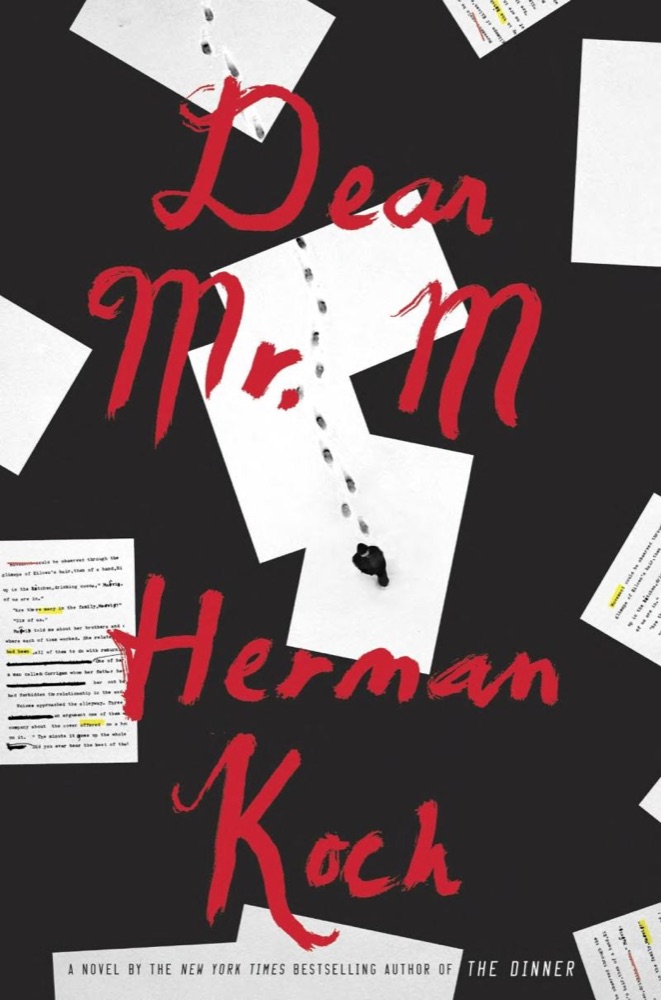
The tour-de-force, hair-raising new novel from Herman Koch, New York Times bestselling author of The Dinner and Summer House with Swimming PoolOnce a celebrated writer, M's greatest success came with a suspense novel based on a real-life disappearance. The book was called The Reckoning, and it told the story of Jan Landzaat, a history teacher who went missing one winter after his brief affair with Laura, his stunning pupil. Jan was last seen at the holiday cottage where Laura was staying with her new boyfriend. Upon publication, M.'s novel was a bestseller, one that marked his international breakthrough.That was years ago, and now M.'s career is almost over as he fades increasingly into obscurity. But not when it comes to his bizarre, seemingly timid neighbor who keeps a close eye on him. Why? From various perspectives, Herman Koch tells the dark tale of a writer in decline, a teenage co
Book details
- First published
- 2014
- Author
- Herman Koch
- Genre
- Fiction
- Goodreads rating
- 3.30 (10k ratings)
Keep reading
 Dæmon Voices
 The Ghost
 Hitch-22: A Memoir
 Flaubert's Parrot
 The Austere Academy
 Fahrenheit 451
 Experience
 Gnomon
 Mao II
 Lanark
 How Not to Write a Novel: 200 Classic Mistakes and How to Avoid Them—A Misstep-by-Misstep Guide
 The Manticore
 I. Asimov: A Memoir
 Too Much Happiness: Stories
 Everything's Eventual
 Concrete
 Skinny Legs and All
 The Wave in the Mind: Talks and Essays on the Writer, the Reader and the Imagination
 Speedboat
 Elizabeth Costello
 Murder in the Dark: Short Fictions and Prose Poems
 The Book That Held Her Heart
 Summertime
 The Rabbit Back Literature Society
 The Last Samurai
 The Book That Broke the World
 One Man's Meat
 There but for the
 Lexicon
 Old Babes in the Wood: Stories
 The Name of This Book Is Secret
 Everything's Eventual
 Death in the Afternoon
 The Summer Without Men
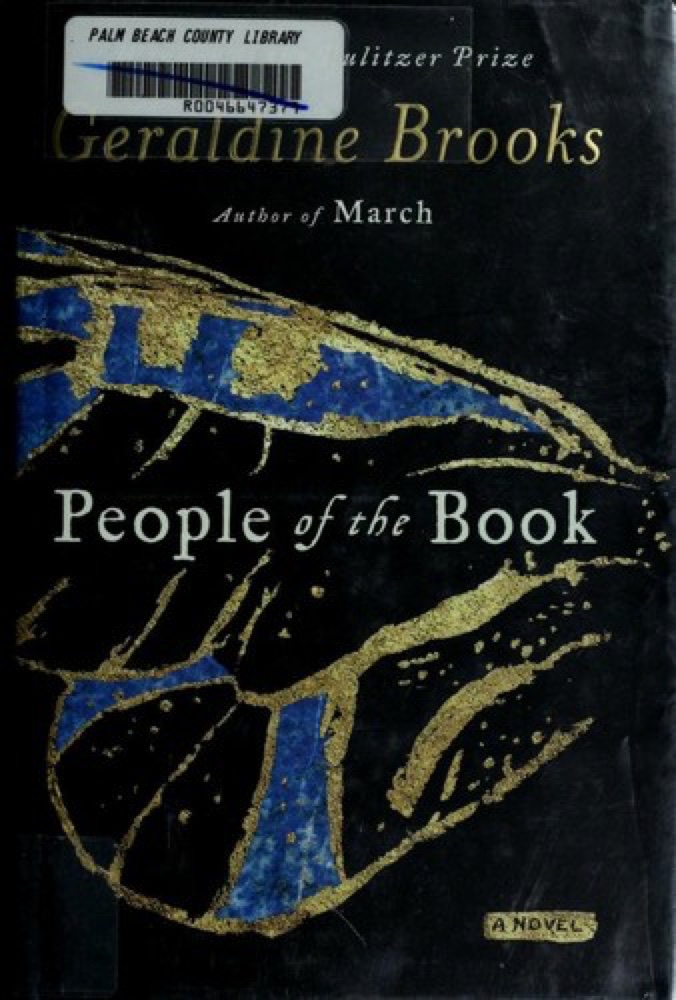 People of the Book
 Girl with Curious Hair
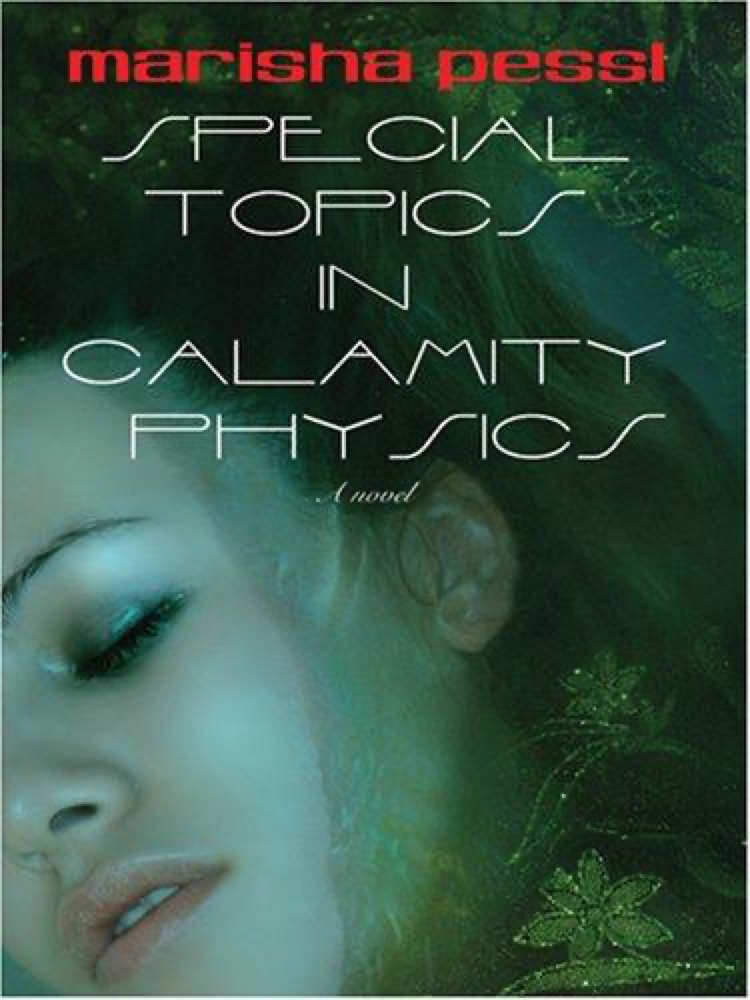 Special Topics in Calamity Physics
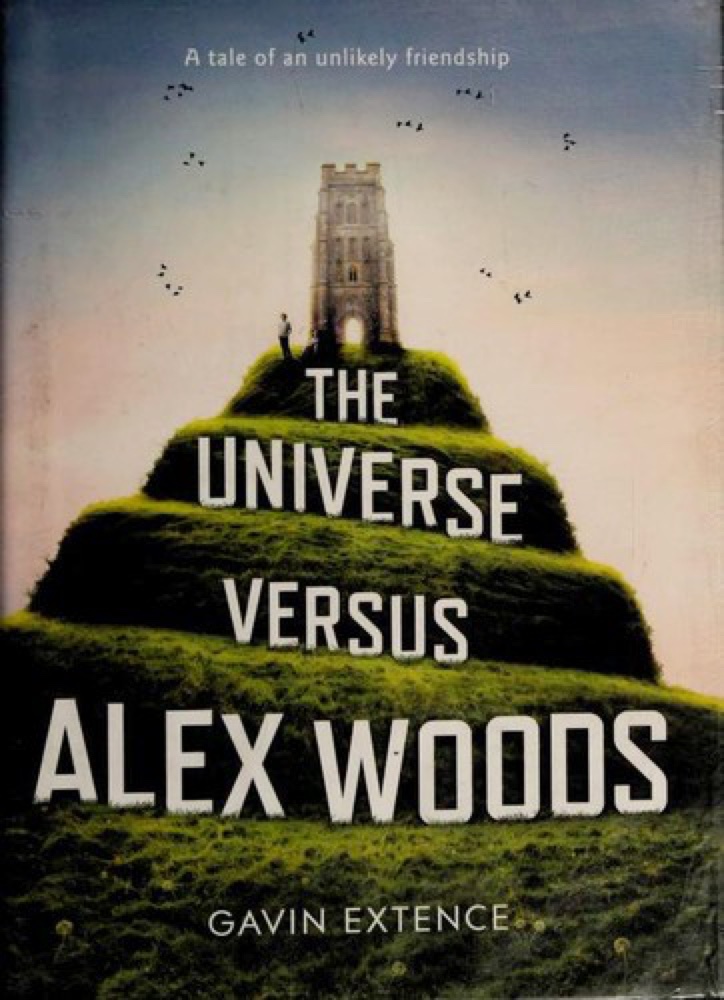 The Universe Versus Alex Woods
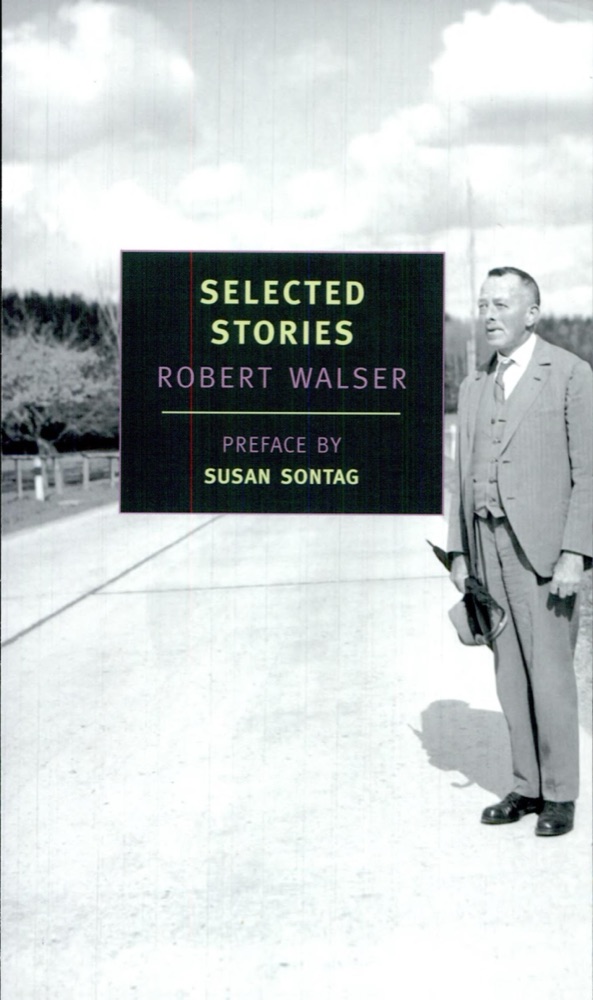 Selected Stories
 Norwegian by Night
 Sometimes a Great Notion
 V.
V.
 Make Something Up: Stories You Can't Unread
 Arm of the Sphinx
 Half Asleep in Frog Pajamas
 The Book That Wouldn’t Burn
 The Recognitions
 The Human Stain
 Table for Two
 Theft by Finding: Diaries 1977-2002
 The Wide Window
 Bluebeard
 That Hideous Strength
 Identity
 Too Like the Lightning
 If This Isn't Nice, What Is?: Advice for the Young
 Notes of a Dirty Old Man
 Infinite Jest
 Familiaris
 The Fall of Babel