
 Radical Candor: Be a Kickass Boss Without Losing Your Humanity
Quotes from the Book
Think about meeting your goals, not about wining over someone else
8
If you make friends with the other party, they will look for ways to help you meet your goals.
8
Never make yourself the issue. Just because the other side is a jerk doesn't mean you should be a jerk.
7
The next time a police officer stops you for a traffic infraction, apologize and thank the officer for doing his or her job. You are valuing their judgment in stopping you. You are valuing the time they have spent building a career. And when you value other people, they give you stuff.
2
First, here it is: THE GETTING MORE MODEL (aka the Four Quadrant Negotiation Model) Quadrant I—Problems & Goals 1. Goals: short/long term. 2. Problem(s): in reaching your goals. 3. Parties: List. Decision-maker. Counterpart. Third parties. 4. What if no deal? Worst case? 5. Preparation: Time, relative preparation. Who has more information?
2
Common enemies bring parties closer together and make the negotiation easier. That’s why people complain about the weather;
1
I’m not trying to hit home runs in negotiations. I’m trying to get one extra hit every nine games. It’s a good lesson for negotiation, and a good lesson for life. A few incremental improvements and you will be fabulously more successful.
1
When the other party realizes you care about their feelings, they will listen more, making them more persuadable.
1
How good is email as a communication device? “Terrible,” most people say. One reason is that email has no tone. It’s sort of like tofu—it takes on the flavor of what the recipient is feeling at the moment.
1
As in all negotiations, using third parties can help. But this cannot be perceived as manipulative in any way, or you risk hurting the relationship.
1
Someone who is different is someone with whom you will often disagree. Too many groups I have seen pick someone whose physical attributes might be different, and then pride themselves at having “diversity.” But unless their perceptions are different, then they are really the same,
1
Studies done with both children and adults over the past fifty years show that blaming people reduces performance and motivation.
1
Talking is a sign of strength. Not talking is a sign of weakness.
1
Within each public issue, the clearest division is between moderates and extremists. As such, the right third parties in a negotiation are moderates. They, more than extremists, are focused on building a better way of life (tomorrow), whereas most extremists are focused on tearing things down as a penalty for yesterday.
The way to repair most relationships, before things fester, is to be more direct, offer the other person emotional payments, ask more questions, listen first, and consider the feelings and sensibilities of the other person.
Brits and Swedes, for example, are culturally less emotive than Brazilians and Italians, but that doesn’t mean any individual in those cultures is less or more emotional.
If you can’t write your idea on the back of my business card, you don’t have a clear idea of what you want to say.
We are trying incrementally to move people in a direction where the cost is less, the risk is less, and the ethical insult is minimal. We are not going to change thousands of years of human nature or cultural norms overnight. In the real world—where you and I live—any improvement is a plus.
We all think that everyone else has the same thought processes, set of experiences, and perceptual framework that we do.
The more aggressive you are, the more you try to meet your own goals at the expense of others’—and you will get less in a negotiation. That’s because other people sense that you don’t care about them. “Tough” people fall into this category. If you fight every battle, you fit this profile. Back off a bit:
Some people are better in a crisis than others. Some people love pressure; others hate it, or freeze in the face of it. Some people’s first reaction is to accommodate others. Some people run from conflict; some run toward it.
You’re a great teacher,” in my view, is just a throwaway line. “In what way?” I want to know. “What specifically did you learn that’s valuable?” I want to see if they are just jockeying for position (or a good grade). Are they trying to manipulate me, or sincerely expressing appreciation?
A simple apology? An elaborate apology? No apology, but flowers? In other words, emotional payments are very specific to the person and the situation.
In the six years that we dealt with them, they never broke any term of the agreement. Did I trust them? I didn’t even know them! So here is a key. In the absence of trust, you need a mechanical substitute to give them an incentive not to cheat. It can be a monetary structure as above. It can be money in escrow or potential negative opinions by third parties. It can be the net present value of future profits from the deal.
when parties collaborate, the overall size of the pie almost always expands, so each party gets more than it could get alone.
they called you a jerk. Maybe it’s not about you. Maybe they’re having a bad day. Maybe they’re having a bad life. Try commiserating; they will often be grateful and work with you. But the key is, YOU can control your own emotions.
Watch on YouTube
About Stuart Diamond
We have collected 26 quotes from 1 book by Stuart Diamond on BookQuoters.
More about the author →About the book
This new model of human interaction has been chosen by Google to train the entire company worldwide (30,000 employees), is the #1 book for your career chosen by The Wall Street Journal’s website, and is labeled “phenomenal” by Lawyers’ Weekly and “brilliant” by Liza Oz of the Oprah network.
Based on more than 20 years of research and practice among 30,000 people in 45 countries, Getting More concludes that finding and valuing the other party’s emotions and perceptions creates far more value than the conventional wisdom of power and logic. It is intended to provide better agreements for everyone no matter what they negotiate – from jobs to kids to billion dollar deals to shopping.
The book, a New York Times bestseller and #1 Wall Street Journal business best seller, is based on Professor Stuart Diamond’s award-winning course at the Wharton Business School, where the course has been th
Book details
- First published
- 2010
- Author
- Stuart Diamond
- Genre
- Nonfiction
- Goodreads rating
- 4.09 (4k ratings)
Keep reading
Radical Candor: Be a Kickass Boss Without Losing Your Humanity
 Never Split the Difference: Negotiating As If Your Life Depended On It
 Crucial Conversations: Tools for Talking When Stakes are High
 The Last Lecture
 Surrounded by Idiots
 The Relationship Cure: A 5 Step Guide to Strengthening Your Marriage, Family, and Friendships
 Getting to Yes: Negotiating Agreement Without Giving In
 How to Win Friends & Influence People
 Excellent Advice for Living: Wisdom I Wish I'd Known Earlier
 It Worked for Me: In Life and Leadership
 Difficult Conversations: How to Discuss What Matters Most
 Influence Is Your Superpower: The Science of Winning Hearts, Sparking Change, and Making Good Things Happen
 Be a People Person
 Principles: Life and Work
 The Art of Asking; or, How I Learned to Stop Worrying and Let People Help
 To Sell is Human: The Surprising Truth About Moving Others
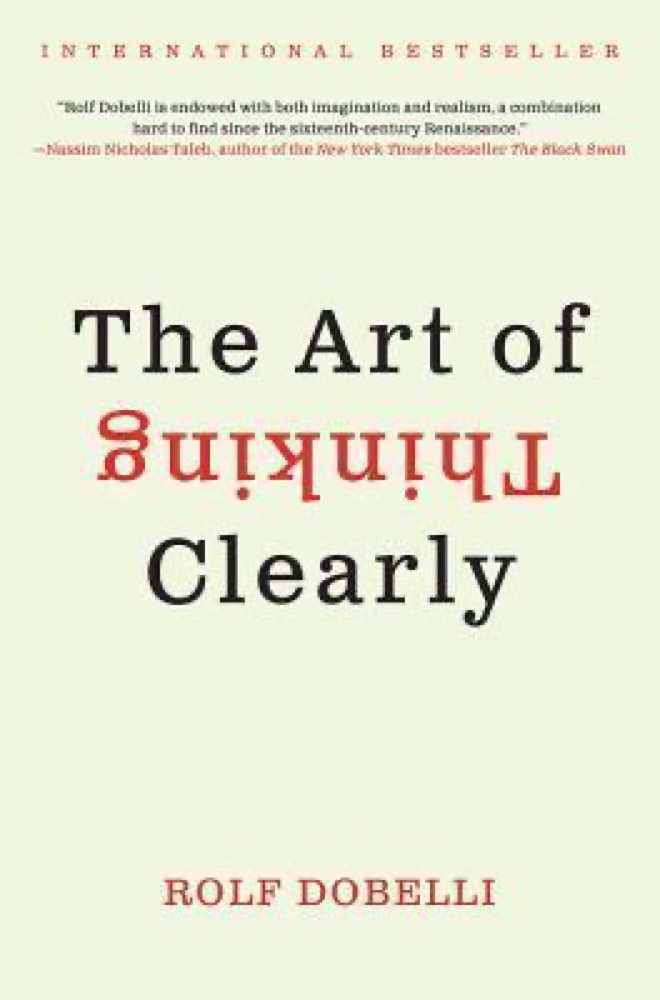 The Art of Thinking Clearly
 High Conflict: Why We Get Trapped and How We Get Out
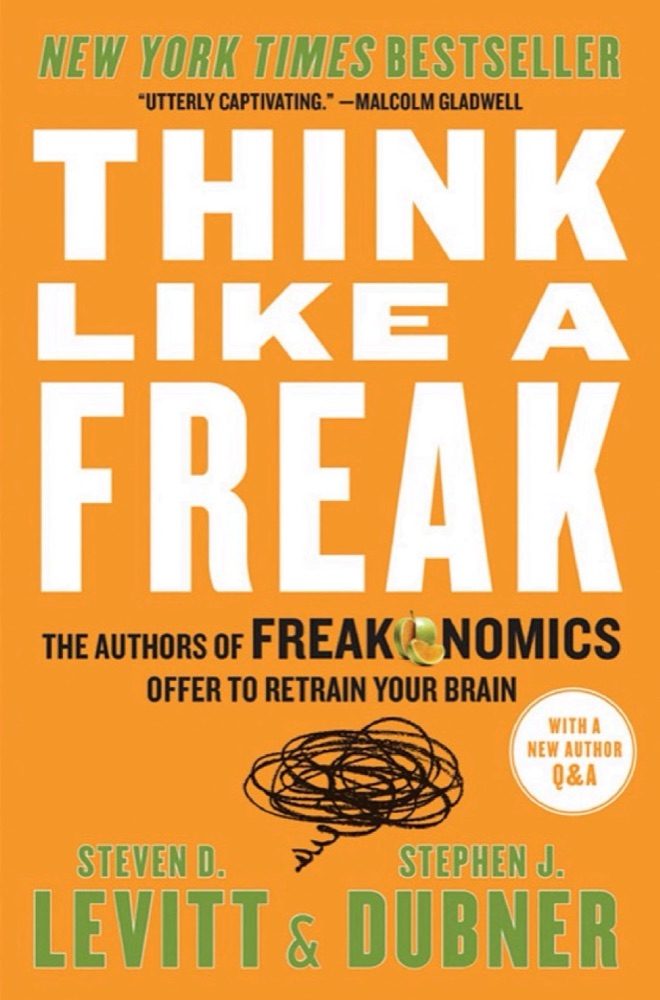 Think Like a Freak
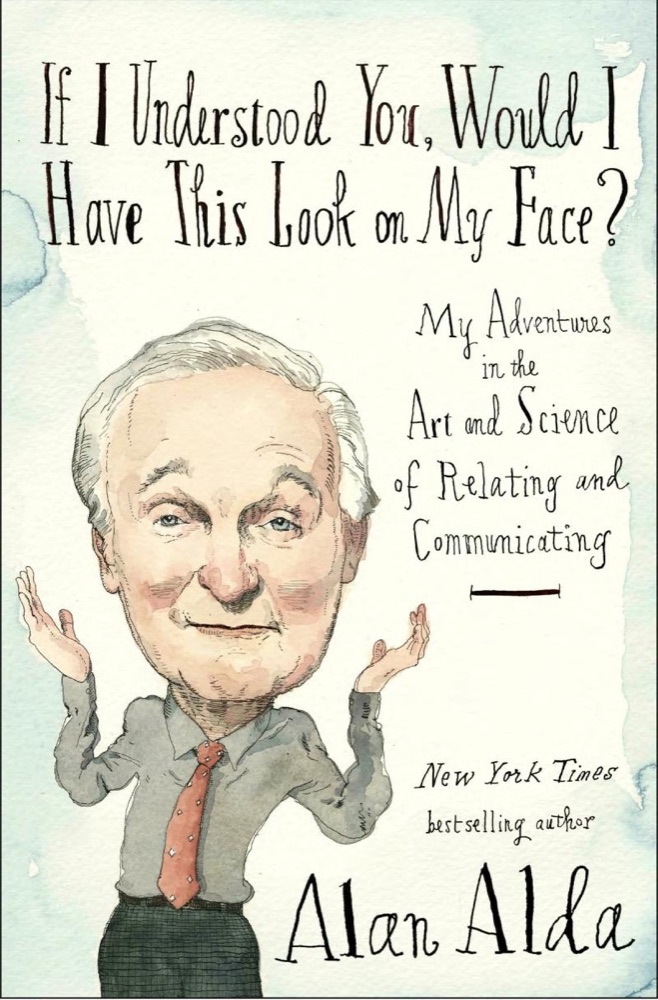 If I Understood You, Would I Have This Look on My Face?: My Adventures in the Art and Science of Relating and Communicating
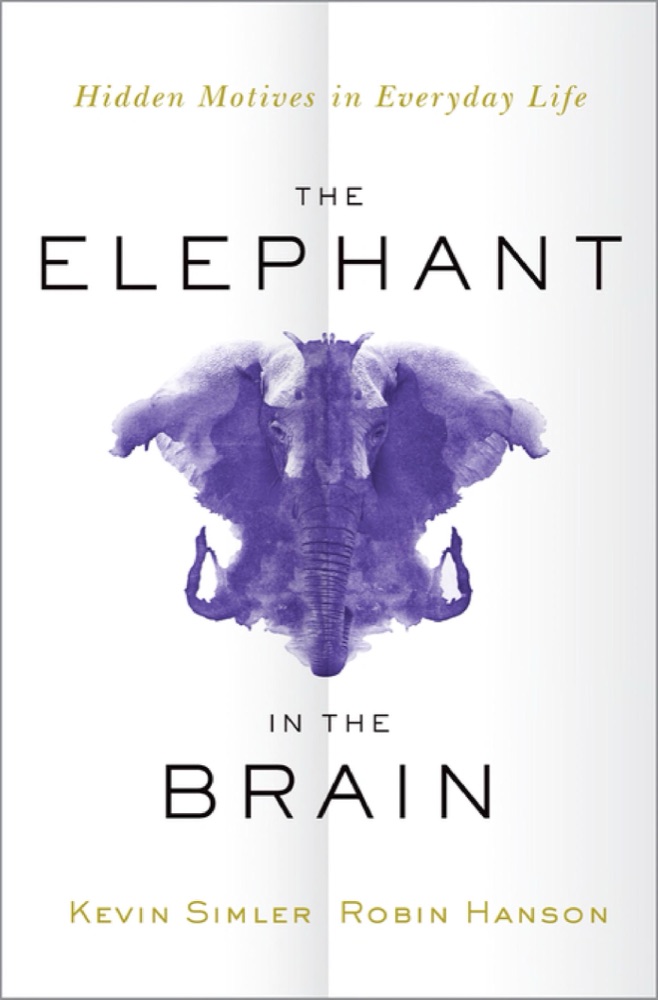 The Elephant in the Brain: Hidden Motives in Everyday Life
 The Catalyst: How to Change Anyone's Mind
 The 7 Habits of Highly Effective People: Personal Workbook
 The Algebra of Wealth: A Simple Formula for Financial Security
 QBQ! The Question Behind the Question: Practicing Personal Accountability in Work and in Life
 Predictably Irrational: The Hidden Forces That Shape Our Decisions
 Your Next Five Moves: Master the Art of Business Strategy
 Necessary Endings: The Employees, Businesses, and Relationships That All of Us Have to Give Up in Order to Move Forward
 Amp It Up: Leading for Hypergrowth by Raising Expectations, Increasing Urgency, and Elevating Intensity
 The Person You Mean to Be: How Good People Fight Bias
 Supercommunicators: How to Unlock the Secret Language of Connection
 Influence: The Psychology of Persuasion
 The Five Dysfunctions of a Team
 Trump: The Art of the Deal
 Tools of Titans: The Tactics, Routines, and Habits of Billionaires, Icons, and World-Class Performers
 Atlas of the Heart: Mapping Meaningful Connection and the Language of Human Experience
 The Power of a Positive No: How to Say No and Still Get to Yes
 Do Over: Rescue Monday, Reinvent Your Work, and Never Get Stuck
 EntreLeadership: 20 Years of Practical Business Wisdom from the Trenches
 The Culture Map: Breaking Through the Invisible Boundaries of Global Business
 Winning
 Give and Take: A Revolutionary Approach to Success
 How to Know a Person: The Art of Seeing Others Deeply and Being Deeply Seen
 David and Goliath: Underdogs, Misfits, and the Art of Battling Giants
 Rework
 Us: Getting Past You and Me to Build a More Loving Relationship
 Disclosure
 We Were Three
 Getting There: A Book of Mentors
 Worm
Worm
 Managing Humans: Biting and Humorous Tales of a Software Engineering Manager
 A Complaint Free World: How to Stop Complaining and Start Enjoying the Life You Always Wanted
 How to Be Successful without Hurting Men's Feelings: Non-threatening Leadership Strategies for Women
 The Tipping Point: How Little Things Can Make a Big Difference
 It Takes What It Takes: How to Think Neutrally and Gain Control of Your Life
 Pour Your Heart Into It: How Starbucks Built a Company One Cup at a Time
 Yes Please
 Tribe Of Mentors: Transformative Wisdom From Icons and Innovators to Help You Navigate Life's Challenges
 The Dance of Connection: How to Talk to Someone When You're Mad, Hurt, Scared, Frustrated, Insulted, Betrayed, or Desperate
 The Power of Focus