
 Amp It Up: Leading for Hypergrowth by Raising Expectations, Increasing Urgency, and Elevating Intensity
Quotes from the Book
My definition of a great manager is someone with whom you can make a connection no matter where you sit in the organization chart.
12
One of your many jobs as manager is information conduit, and the rules are deceptively simple: for each piece of information you see, you must correctly determine who on your team needs that piece of information to do their job.
6
A manager’s job is to transform his glaring deficiency into a strength by finding the best person to fill it and trusting him to do the job.
3
The difference between a manager who knows what’s going on in an organization and one who is a purely politically driven slimeball is thin. But I would take either of those over some passive manager who lets the organization happen to him.
3
Project managers don’t write code, they don’t test the use cases, and they’re not designing the interface. You know what a good project manager does? They are chaos-destroying machines, and each new person you bring onto your team, each dependency you create, adds hard-to-measure entropy to your team. A good project manager thrives on measuring, controlling, and crushing entropy. You did this easily when you were a team of five, but if you’re going to succeed at 105, what was done organically now needs to be done mechanically.
1
Reorganizations represent opportunity to those who are unhappy with the state of the current organization. As mentioned above, the moment stakeholders hear that there is a reorg brewing, they start working the grapevine to steer the course of the reorg in their favor. When you combine this fact with people’s love of gossip, you’re guaranteed a big, juicy, drawn-out reorganization.
1
Forty-five minutes after the meeting began, I did something I’d never ever done before. I walked out of a meeting where I was a key player because I simply couldn’t waste any more time on this uselessness. Stood up, walked out, and slammed the door. Yes, it’s an emotional move that is almost always a bad move in business, but near the top of my list of professional pet peeves is the following: Do not waste my time.
1
I hired you because you’ve got enough skill and enough will to have my job one day … whether you want it or not.
1
Stay flexible, remember what it means to be an engineer, and don’t stop developing.
1
in the absence of information, people will create their own.
1
Managers who don’t have a plan to talk to everyone on their team regularly are deluded. They believe they are going to learn what is going on in their group through some magical organizational osmosis and they won’t. Ideas will not be discovered, talent will be ignored, and the team will slowly begin to believe what they think does not matter, and the team is the company.
1
In order to manage human beings in the moment, you’ve got to be one.
1
better is the enemy of done.
Exploration is hard to justify because it’s hard to measure. When exploration is complete, you often have nothing to hold up to your project manager to explain or justify the expenditure of time. Here’s what you tell them: “My job isn’t just building product; I also build people.
A healthy product company is, confusingly, one at odds with itself. It has a healthy part that is attempting to normalize and to create predictability, but it needs another part that is tasked with building something new that is going to disrupt and eventually destroy that normality.
Kahn’s thinking regarding “barbarians” was prescient. It not only partially inspires agile and other lightweight software development methods, but it also reinforces a theme big companies are often unintentionally trying to forget: hacking is important.
The founders changed their pitch. “We’ll just create copies of the software in our data center! We’ll save money keeping our bits close to home!” No huge difference there? Wrong. This adjustment to our pitch changed the fundamental architecture of our product. Rather than have hundreds of customized versions of our software sitting in various data centers, we had to have one copy of our software that was configurable to each of our customers’ needs, and that wasn’t the product we designed.
They don’t rule by mandate; they influence by being great at what they do. At a prior gig, the threat of a DNA meeting pushed us to prepare in extraordinary ways. Our goal was to predict every single question that might be asked and have every answer in our back pocket. Winning in the meeting was silence.
One of your goals for an off-site is to create grounds where people feel comfortable speaking heresy. If whatever problem sitting in front of you could have been solved via the day-to-day, it would have been solved. Drastic measures call for creative thinking, and now that you’ve gathered these bright people together, you want them to feel comfortable saying whatever compelling ideas cross their minds. Speaking heresy is easier when you aren’t surrounded by visual reminders of obvious constraints.
There are unique spheres of language that exist in each part of the corporate organizational chart. Inside of each sphere is the language that is unique to the job. Engineers have one, marketing has another, and sales has yet another. In each of these groups, there are the managers who must speak their native language, as well as be able to translate between spheres in order to get the job done. I believe this is a legitimate reason for managementese. It’s the cross-functional language of the company.
A software metaphor is more like a searchlight than a road map. It doesn’t tell you where to find the answer; it tells you how to look for it.
See, the sales folks sold something that your company does not make. You’re here to explain how much it would cost to build this thing that you’ve never built before but that’s already been sold. Been here? Thought so.
The sensation of the Fall is disproportionate to the size of the lesson. You experience not just the sense of failure, but also the colossal irrational disappointment that you are no longer an expert at this task with which you have no previous experience—which is goofy. Here’s the kicker—you now have just enough experience to understand the actual work involved in becoming proficient at a task you previously thought you could magically improvise.
A one-on-one is a place to listen for what your employee isn’t saying.
Panic backs a person into a corner and their only means of getting out of that corner is relying on skills that have worked for them in the past.
Spec (Specification) — A document that tells you how it is. The process of writing a specification tends to be more useful than someone reading it.
The opportunity lies in the fact that a reorg makes an organization very limber. Managers across the organization are thinking the same thing as you: “Well, if we’re going to solve problem A right now, we should take a stab at problem B since we’re going to be mucking with everything anyway.” If you’ve got an agenda, if you’ve got a change in mind, it’s time to consider pushing it because the chances that you can effect change are vastly higher in the midst of a reorg.
You’ll likely need to assess the magnitude of the reorg before you choose. You’re especially interested in whatever machinations are in play for your part of the building, but the key to remember is that reorgs represent opportunity. Even if this particular reorg doesn’t involve your team, it doesn’t mean that you can’t pitch your boss on fixing a long-standing organization problem in your group.
You’ve got to use the simplest trick in the conflict resolution book : finding common ground. A better way to think about this is, “What do these disparate philosophies need from each other?
First, you can assume all the engineers are players. They obviously have technical knowledge they may throw on the table, otherwise why were they invited? The product-management person is also a player as she represents the sales folks in this meeting. Program managers in these meetings are pawns. They’ll make sure action items are recorded and that the meeting ends on time.If you’re sitting in a meeting where you’re unable to identify any players, get the hell out.
Watch on YouTube
About Michael Lopp
We have collected 30 quotes from 1 book by Michael Lopp on BookQuoters.
More about the author →About the book
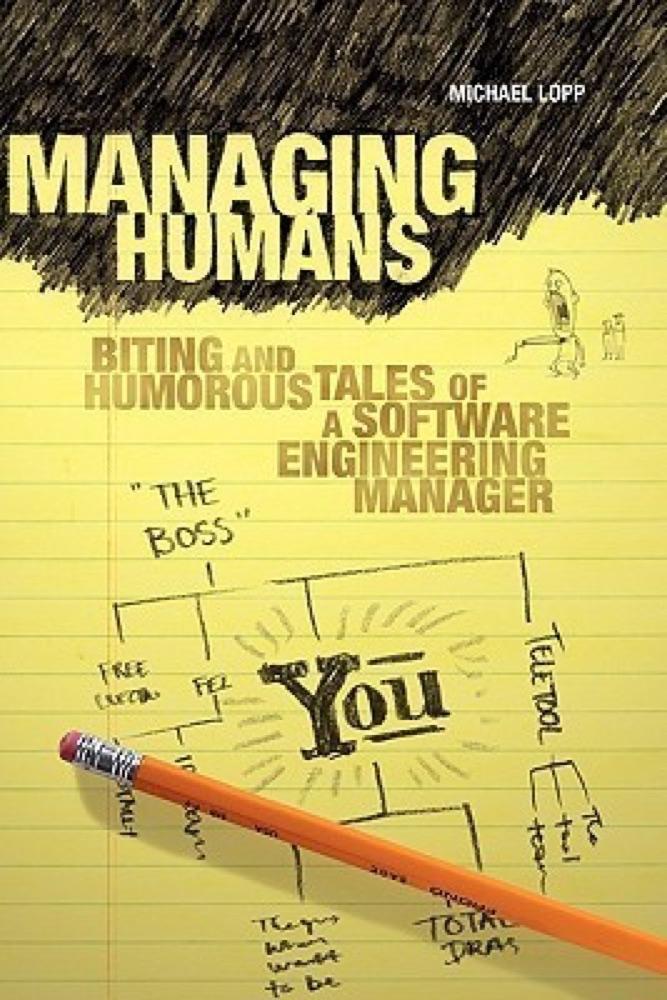
Managing Humans is a selection of the best essays from Michael Lopp's popular website Rands in Repose(www.randsinrepose.com). Lopp is one of the most sought-after IT managers in Silicon Valley, and draws on his experiences at Apple, Netscape, Symantec, and Borland. This book reveals a variety of different approaches for creating innovative, happy development teams. It covers handling conflict, managing wildly differing personality types, infusing innovation into insane product schedules, and figuring out how to build lasting and useful engineering culture. The essays are biting, hilarious, and always informative.
Book details
- First published
- 2007
- Author
- Michael Lopp
- Genre
- Nonfiction
- Goodreads rating
- 3.92 (4k ratings)
Keep reading
Amp It Up: Leading for Hypergrowth by Raising Expectations, Increasing Urgency, and Elevating Intensity
 Peopleware: Productive Projects and Teams
 Radical Candor: Be a Kickass Boss Without Losing Your Humanity
 The Hard Thing About Hard Things: Building a Business When There Are No Easy Answers―Straight Talk on the Challenges of Entrepreneurship
 Software Engineering at Google: Lessons Learned from Programming Over Time
 Founders at Work: Stories of Startups' Early Days
 Rework
 Chaos Monkeys: Obscene Fortune and Random Failure in Silicon Valley
 The Ride of a Lifetime: Lessons Learned from 15 Years as CEO of the Walt Disney Company
 Creativity, Inc.: Overcoming the Unseen Forces That Stand in the Way of True Inspiration
 The Essential Drucker
 The Effective Executive: The Definitive Guide to Getting the Right Things Done
 The E-myth Revisited
 Pour Your Heart Into It: How Starbucks Built a Company One Cup at a Time
 EntreLeadership: 20 Years of Practical Business Wisdom from the Trenches
 The Fifth Discipline: The Art & Practice of The Learning Organization
 Winning
 The Pragmatic Programmer: From Journeyman to Master
 Hackers & Painters: Big Ideas from the Computer Age
 Built to Last: Successful Habits of Visionary Companies
 The Five Dysfunctions of a Team
 Accelerate: Building and Scaling High Performing Technology Organizations
 Turn the Ship Around!: A True Story of Turning Followers into Leaders
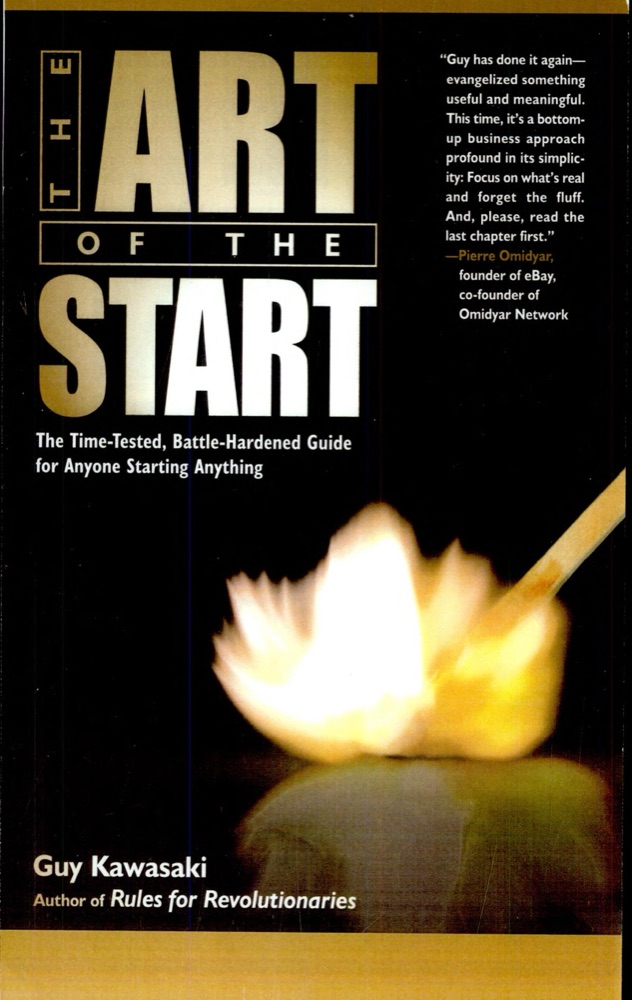 The Art of the Start: The Time-Tested, Battle-Hardened Guide for Anyone Starting Anything
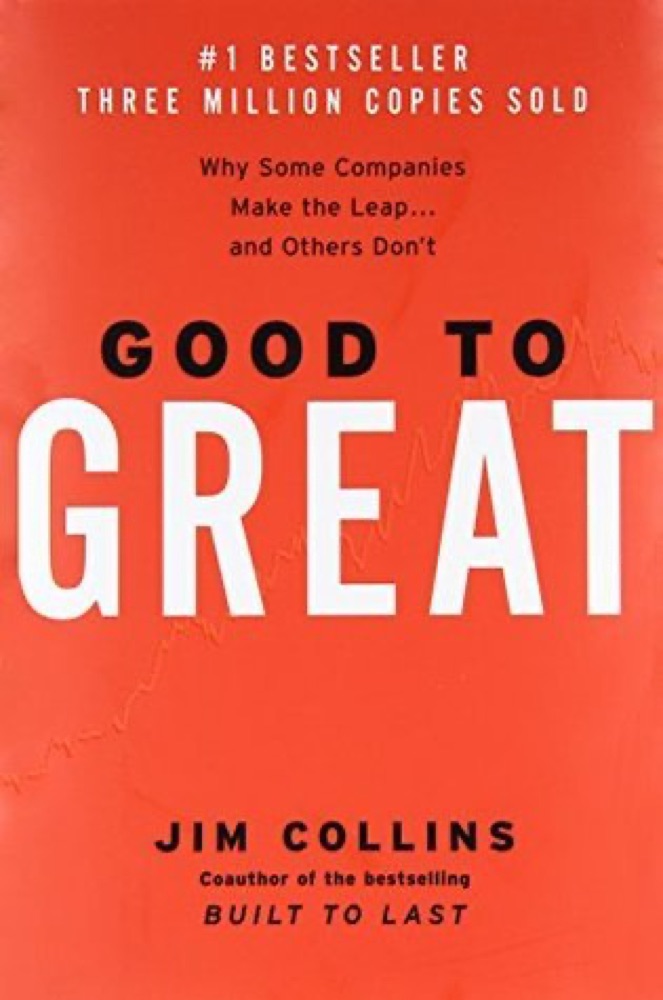 Good to Great: Why Some Companies Make the Leap... and Others Don't
 Tribes: We Need You to Lead Us
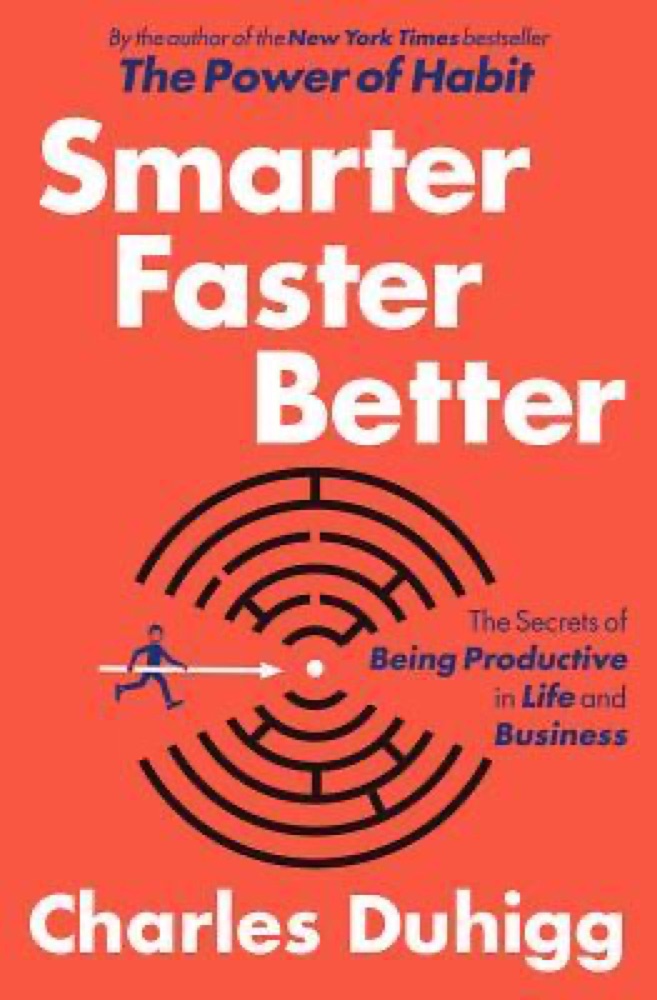 Smarter Faster Better: The Secrets of Being Productive in Life and Business
 Measure What Matters
 Running Lean: Iterate from Plan A to a Plan That Works
 The Startup of You: Adapt to the Future, Invest in Yourself, and Transform Your Career
 The Art of Thinking Clearly
 Lean Analytics: Use Data to Build a Better Startup Faster
 Zero to One: Notes on Startups, or How to Build the Future
 The 360 Degree Leader: Developing Your Influence from Anywhere in the Organization
 Things a Little Bird Told Me: Confessions of the Creative Mind
 Right Kind of Wrong: The Science of Failing Well
 Don't Make Me Think, Revisited: A Common Sense Approach to Web Usability
 Company
 Invent and Wander: The Collected Writings of Jeff Bezos
 Making Ideas Happen: Overcoming the Obstacles Between Vision and Reality
 Getting There: A Book of Mentors
 The First 90 Days: Proven Strategies for Getting Up to Speed Faster and Smarter
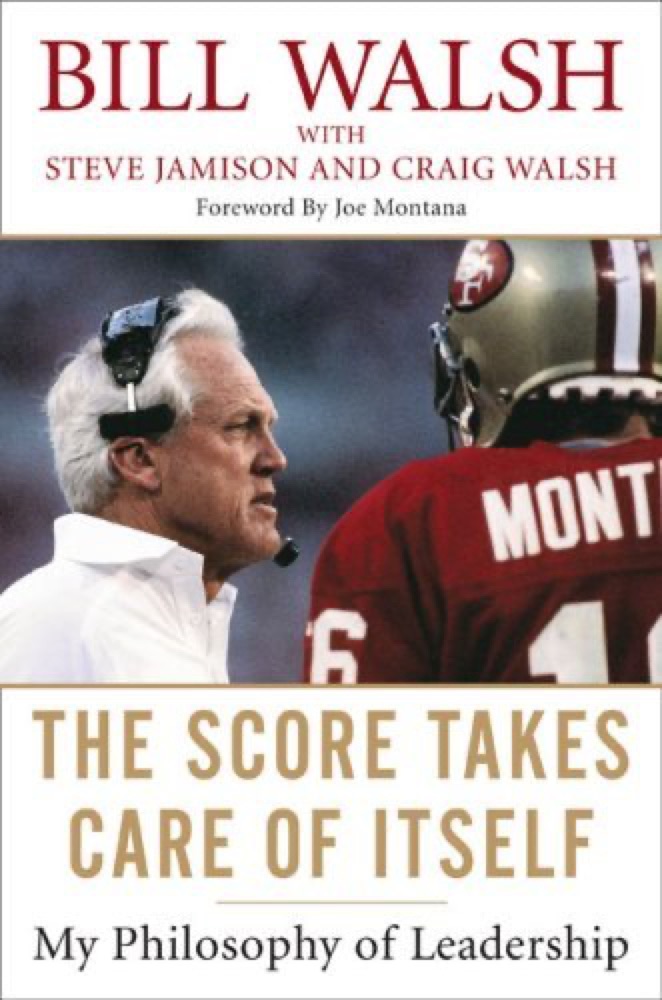 The Score Takes Care of Itself: My Philosophy of Leadership
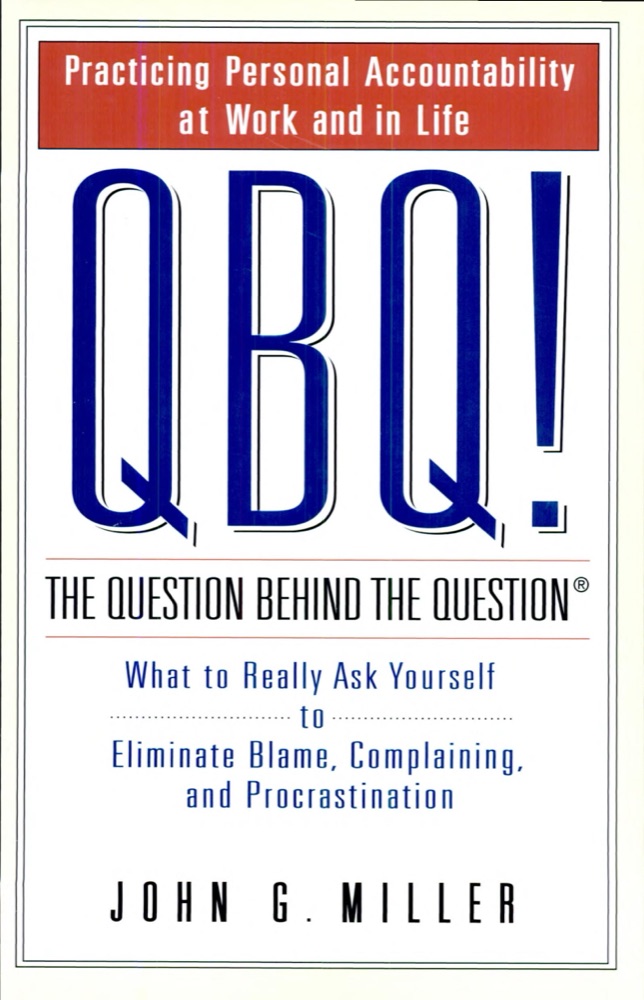 QBQ! The Question Behind the Question: Practicing Personal Accountability in Work and in Life
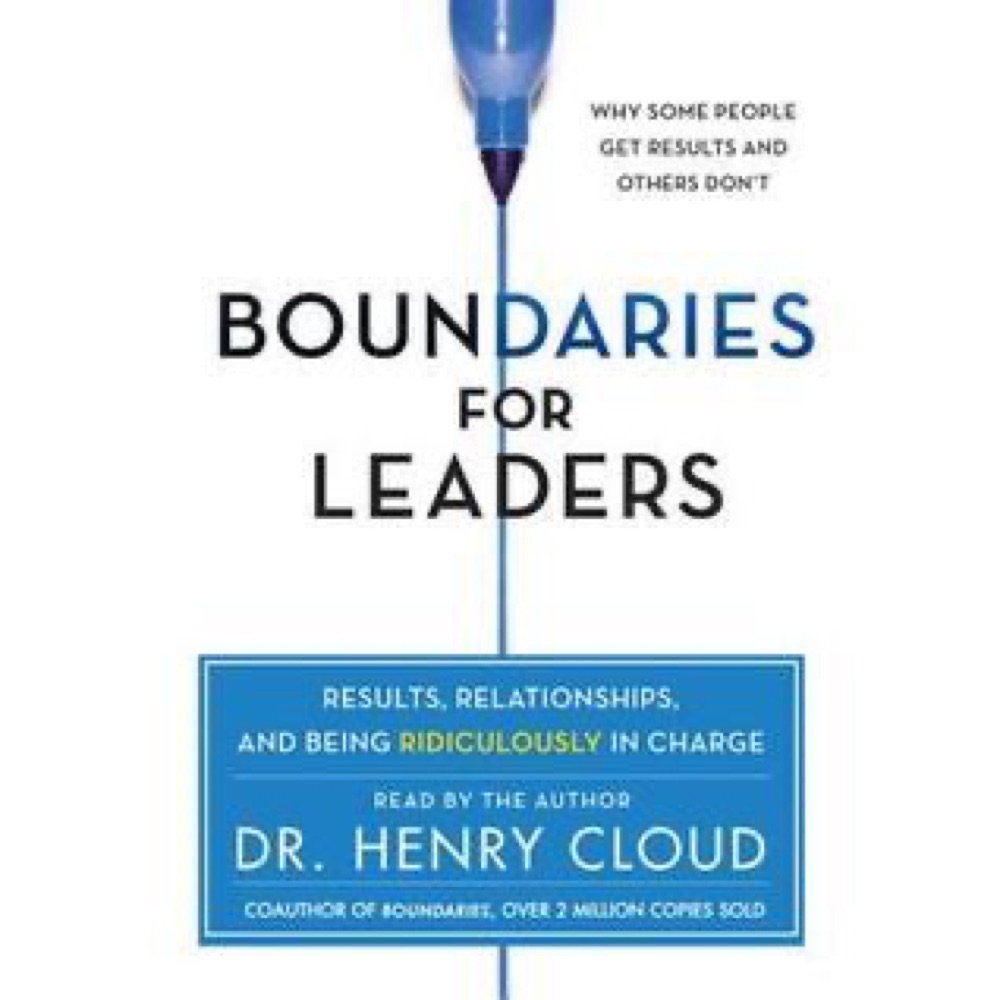 Boundaries for Leaders: Results, Relationships, and Being Ridiculously in Charge
 It Worked for Me: In Life and Leadership
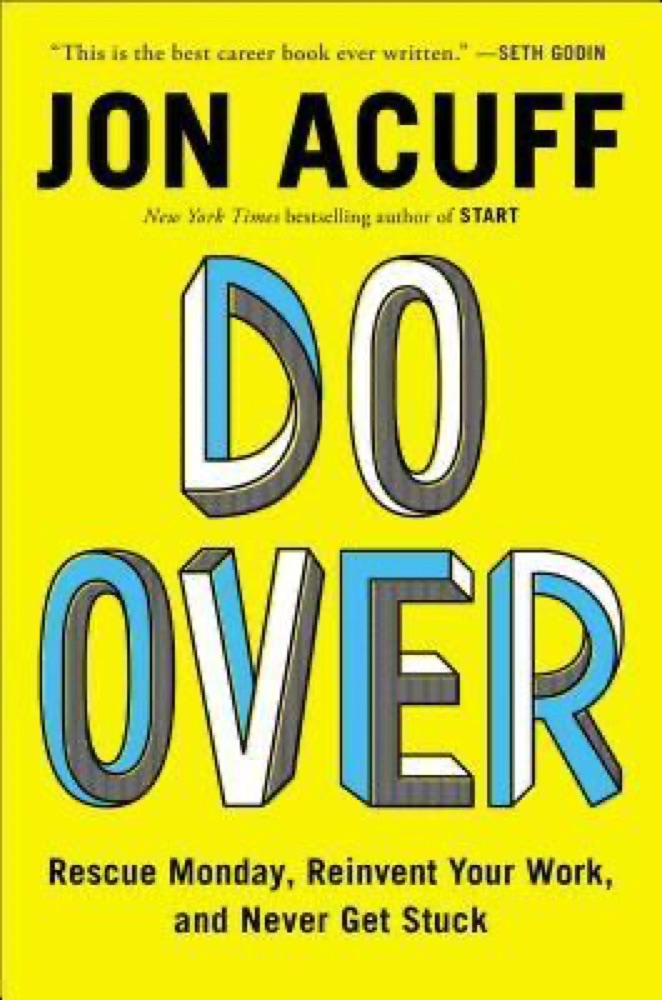 Do Over: Rescue Monday, Reinvent Your Work, and Never Get Stuck
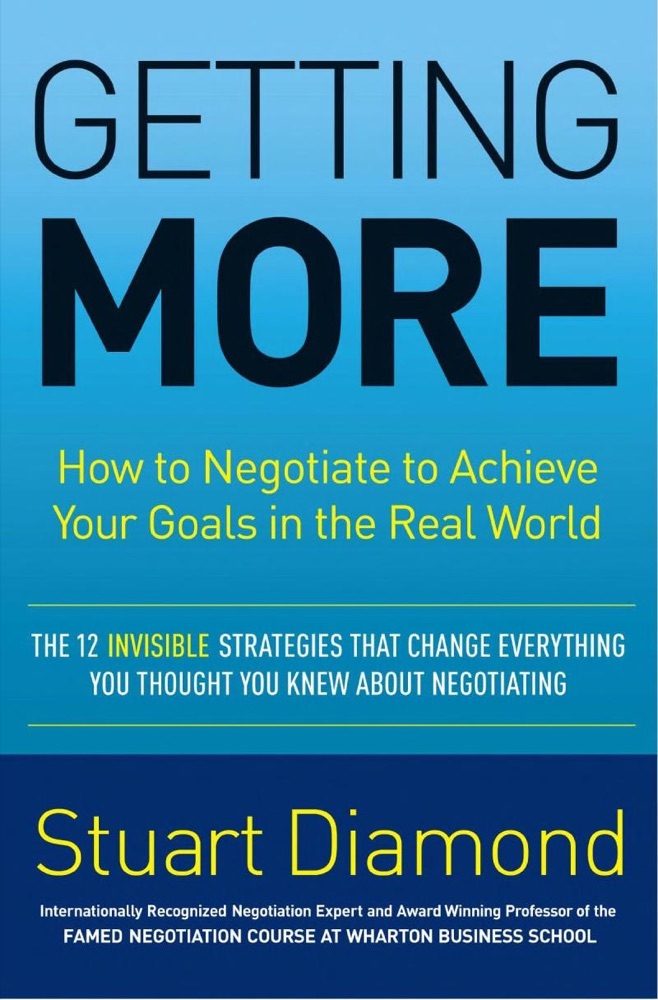 Getting More: How to Negotiate to Achieve Your Goals in the Real World
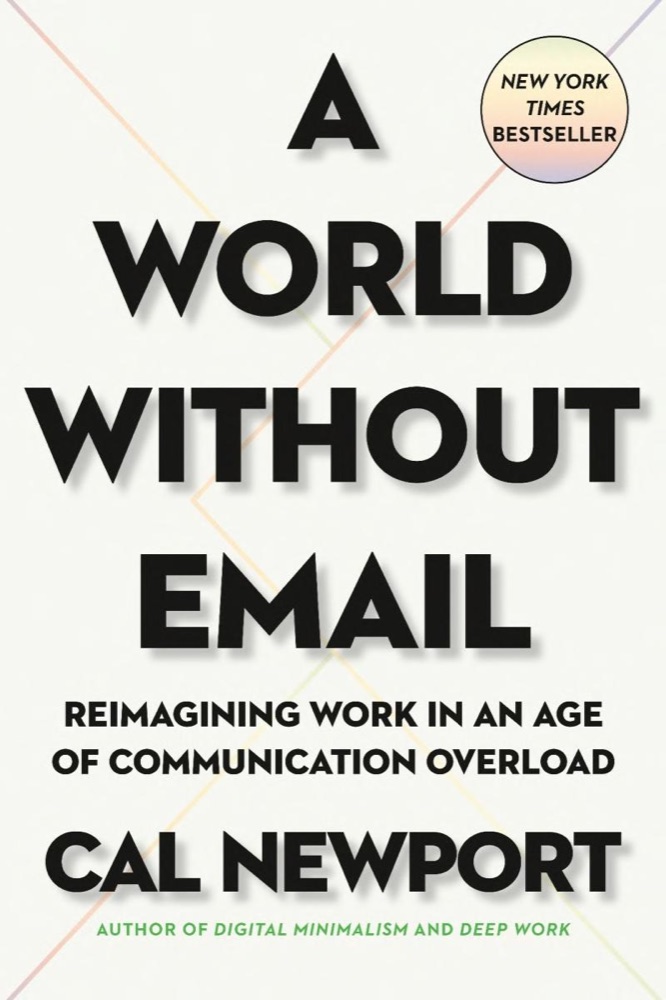 A World Without Email: Reimagining Work in an Age of Communication Overload
 Smartcuts: How Hackers, Innovators, and Icons Accelerate Success
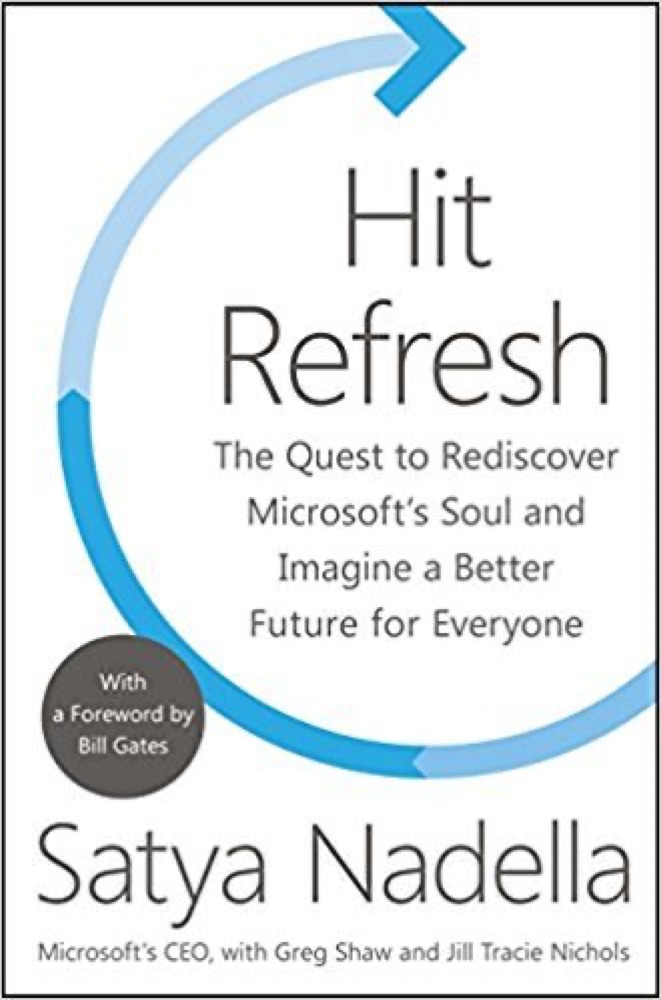 Hit Refresh: The Quest to Rediscover Microsoft's Soul and Imagine a Better Future for Everyone
 The Win Without Pitching Manifesto
 Principles: Life and Work
 Overcoming the Five Dysfunctions of a Team: A Field Guide for Leaders, Managers, and Facilitators
 The 1-Page Marketing Plan: Get New Customers, Make More Money, And Stand out From The Crowd
 Linchpin: Are You Indispensable?
 Made to Stick: Why Some Ideas Survive and Others Die
 The PARA Method: Simplify, Organize, and Master Your Digital Life
 Start with Why: How Great Leaders Inspire Everyone to Take Action
 The Halo Effect: ... and the Eight Other Business Delusions That Deceive Managers