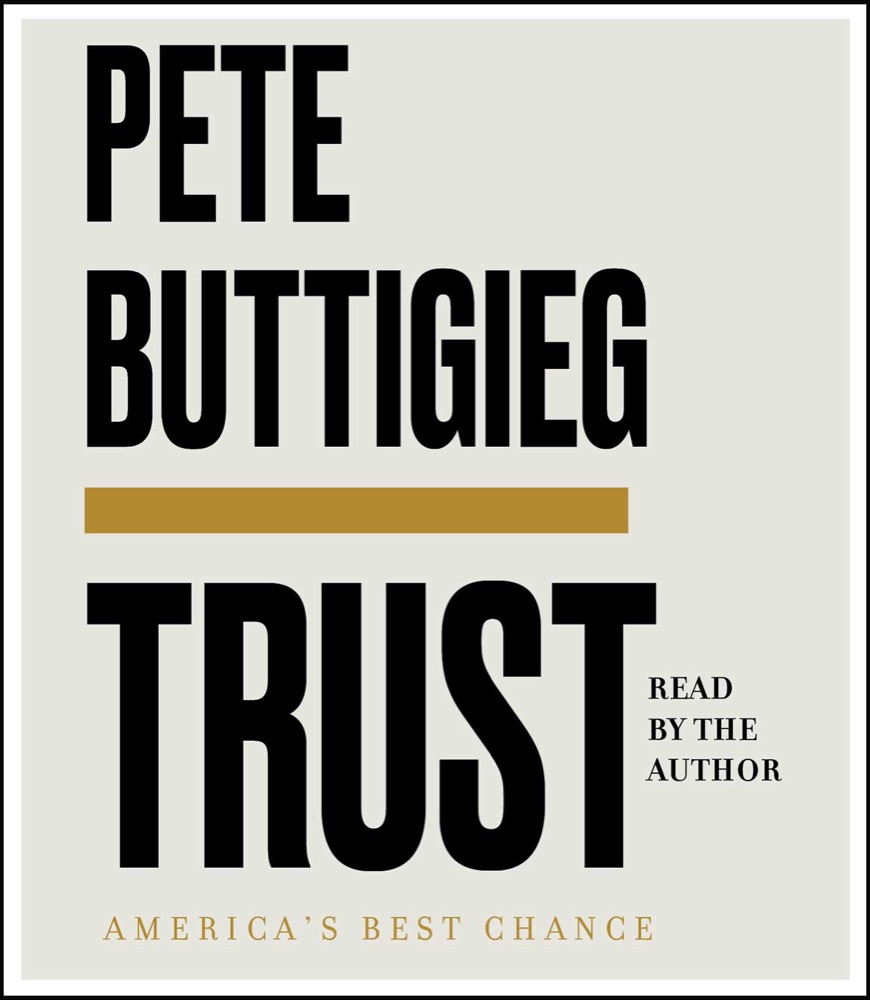
 Trust: America's Best Chance
Quotes from the Book
Good policy, like good literature, takes personal lived experience as its starting point. At its best, the practice of politics is about taking steps that support people in daily life—or tearing down obstacles that get in their way. Much of the confusion and complication of ideological battles might be washed away if we held our focus on the lives that will be made better, or worse, by political decisions, rather than on the theoretical elegance of the policies or the character of the politicians themselves.
20
But for others, work can only be meaningful if its fundamental purpose is in things that would matter even if no one would pay you to care about them.
18
Life is short, and we do not have much time to gladden the hearts of those who travel with us; so be quick to love, make haste to be kind, and go in peace to follow the good road of blessing.
14
It is easier to be cruel, or unfair, to people in groups and in the abstract; harder to do so toward a specific person in your midst,
13
To me, the whole episode was about what happens when a public official becomes obsessed with ideology and forgets that the chessboard on which he is playing out his strategy is, to a great many people, their own life story. Good policy, like good literature, takes personal lived experience as its starting point. At its best, the practice of politics is about taking steps that support people in daily life—or tearing down obstacles that get in their way. Much of the confusion and complication of ideological battles might be washed away if we held our focus on the lives that will be made better, or worse, by political decisions, rather than on the theoretical elegance of the policies or the character of the politicians themselves.
12
Rawls became famous for creating a new definition of justice, which boils down to this: a society is fair if it looks like something we would design before knowing how we would come into the world. He imagined a fictional “original position,” the position we would be in if we were told we were about to be born, but were not told about the circumstances we would be born into—how tall or short we would be, or of what race or nationality, or what resources or personal qualities we would have. This vision of justice is often compared to being asked how you would want a cake to be divided if you did not know which piece will be yours: equally, of course.
7
We all want to avoid being harmed—but if the cost of doing so is making the terrorist the thing you care about most, to the exclusion of the other things that matter in your society, then you have handed him exactly the kind of victory that makes terrorism such a frequent and successful tactic.
7
The possibility of highly visible failure has an exceptional power to propel us to want to succeed, and that power can be harnessed to motivate a team or even a community to do something difficult.
7
It had been on my mind ever since allowing myself to call President Trump a "draft-dodging chickenhawk" during one of the DNC forums. While true, that statement was not in keeping with how I publicly speak about political figures, or anyone else, and afterward I reflected that this president was inspiring a loss of decency not just in his supporters, but also in those of us who opposed him. It was another way of looking at the moral stakes of politics as it filters through to millions of lives: that we might all be growing into harder and perhaps worse people, as a consequence of political leadership that failed to call us to our highest values.
6
Nothing is more human than to resist loss, which is why cynical politicians can get pretty far by offering up the fantasy that a loss can be reversed rather than overcome the hard way. This is the deepest lie of our recent national politics, the core falsehood encoded in "Make America Great Again." Beneath the impossible promises -- that coal alone will fuel our future, that a big wall can be built around our status quo, that climate change isn't even real -- is the deeper fantasy that time itself can be reversed, all losses restored, and thus no new ways of life required.
6
She described her new treatment with a topical chemotherapy that came in the form of a potent cream that she applied, wearing gloves, to burn off the cancerous areas—then she produced a package of the stuff from the bathroom so I could see how mundane this lifesaving medication looked. I blinked in disbelief as she held up what resembled a tube of toothpaste, and explained that each one cost over two thousand dollars. Or that’s what it would cost, if not for the insurance she had purchased through the health insurance exchanges that had been set up as part of Obamacare. I thought—and spoke—of that moment often, later, as I talked about why health policy was not a theoretical question for our family.
6
The top priority of the terrorist--even more important than killing you--is to make himself your top priority. This is why protecting ourselves from terrorist violence is not enough to defeat terrorism, especially if we try to achieve safety in ways that elevate the importance of terrorists and wind up publicizing their causes.
5
In the mirror, I make eye contact with an unshaven, bleary-eyed man in his mid-thirties, looking harmless but not thrilled to see me at this hour. I’ll just never be a morning person.
5
At one point I learned that when I'd told them my college coursework in Arabic might make me a good intelligence officer, they had recorded that my minor at Harvard had been in aerobics.
3
there is no such thing as bad weather, only bad clothing.
3
Common decency can kick in before there is time for prejudice to intervene.
3
At its best, the practice of politics is about taking steps that support people in daily life—or tearing down obstacles that get in their way. Much of the confusion and complication of ideological battles might be washed away if we held our focus on the lives that will be made better, or worse, by political decisions, rather than on the theoretical elegance of the policies or the character of the politicians themselves.
3
It was part of my job to work well with anyone who could help the city. But Pence’s fanaticism was hard to overlook, knowing how it had impacted me as a mayor—and as a person.
3
If our first response toward anyone who struggles to get onto the right side of history is to denounce him as a bigot, we will force him into a defensive crouch -- or into the arms of the extreme right.
2
For purpose-driven people, this is the conundrum of client-service work: to perform at your best, you must learn how to care about something because you are hired to do so. For some, this is not a problem at all. A great lawyer or consultant can identify so closely with the client, or so strongly desire to be good at the job, or be so well compensated, that her purposes and interests and those of the client become one. But for others, work can only be meaningful if its fundamental purpose is in things that would matter even if no one would pay you to care about them.
2
When you are connected to an institution with that strong a name, people use it for a shortcut to understanding who you are, and if you’re not careful, you use it as a shortcut too. Taking on the shape of that name itself over time.
2
I work for the city.” “All right. Can anyone else do your job?” “Not exactly.” “Are you the mayor?” he asked sarcastically. “Um . . .
2
It’s like changing channels every five minutes between The Wire, Parks and Recreation, and, occasionally, Veep.
1
WE DON’T ACTUALLY WANT TO GO BACK. We just think we do, sometimes, when we feel more alert to losses than to gains.
1
Then I would jump on a streetcar, along tram lines since torn out, and let it carry me into the West Side, to step off in a neighborhood and wander into a bakery full of East European delights or a tavern where people were swilling Drewrys beer and speaking the language of the old country.
1
And there is the note from Sherri that I found in my room while getting ready, rolled up in a 'best son-in-law ever' coffee mug, welcoming me to the family and ending, 'Take care of my baby, he may be on a permanent loan to you but he will always be mine.
1
As I raised the glass and said, "South Bend is back," the roar of the crowd at once reflected, certified, and caused it to be so.
1
Korea vets in flannel shirts down from Michigan, accompanied by ruddy grandsons in Under Armour camo jackets, coexist peacefully with Montessori moms navigating strollers between clumps of grandparents eyeing big baskets of apples and small ones of plums. Trucker hats are worn without irony here; the hipsters are welcome but not in charge.
1
Watch on YouTube
About Pete Buttigieg
We have collected 57 quotes from 2 books by Pete Buttigieg on BookQuoters.
More about the author →More by Pete Buttigieg
Trust: America's Best Chance
About the book
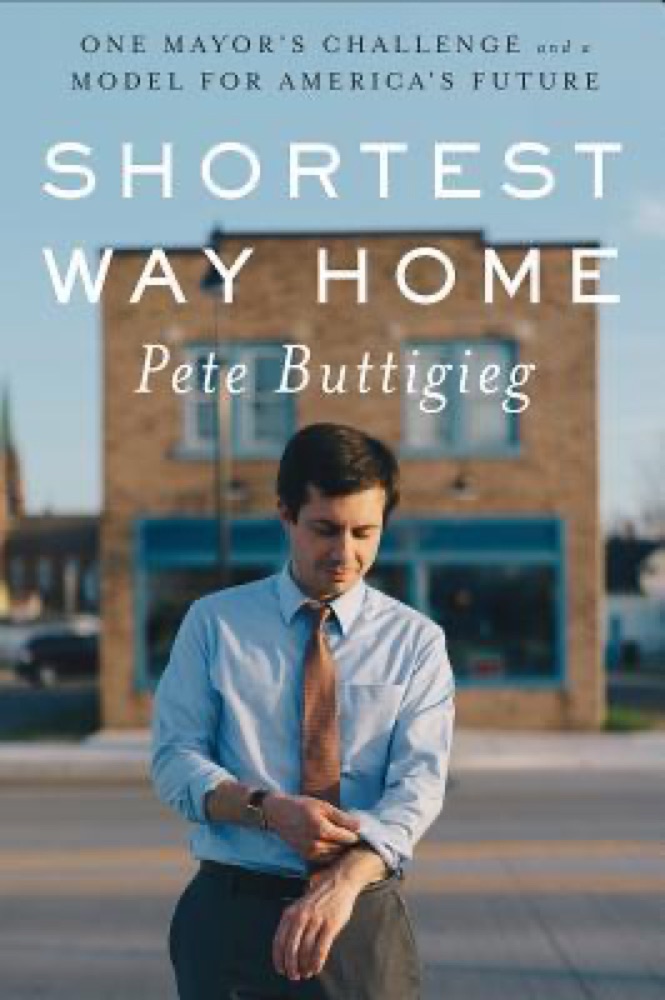
Once described by the Washington Post as “the most interesting mayor you’ve never heard of,” Pete Buttigieg, the thirty-seven-year-old mayor of South Bend, Indiana, has now emerged as one of the nation’s most visionary politicians. With soaring prose that celebrates a resurgent American Midwest, Shortest Way Home narrates the heroic transformation of a “dying city” (Newsweek) into nothing less than a shining model of urban reinvention.
Interweaving two narratives—that of a young man coming of age and a town regaining its economic vitality—Buttigieg recounts growing up in a Rust Belt city, amid decayed factory buildings and the steady soundtrack of rumbling freight trains passing through on their long journey to Chicagoland. Inspired by John F. Kennedy’s legacy, Buttigieg first left northern Indiana for red-bricked Harvard and then studied at Oxford as a Rhodes Scholar, before joining
Book details
- First published
- 2019
- Author
- Pete Buttigieg
- Genre
- Nonfiction
- Goodreads rating
- 4.21 (17k ratings)
The buzz
- The Washington PostReview in The Washington Postprofessional review (via Book Marks)
- The Wall Street JournalReview in The Wall Street Journalprofessional review (via Book Marks)
- The Times Literary SupplementReview in The Times Literary Supplementprofessional review (via Book Marks)
- Kirkus ReviewsReview in Kirkus Reviewsprofessional review (via Book Marks)
- Publishers WeeklyReview in Publishers Weeklyprofessional review (via Book Marks)
- LA Review of BooksReview in LA Review of Booksprofessional review (via Book Marks)
Keep reading
 The Truths We Hold: An American Journey
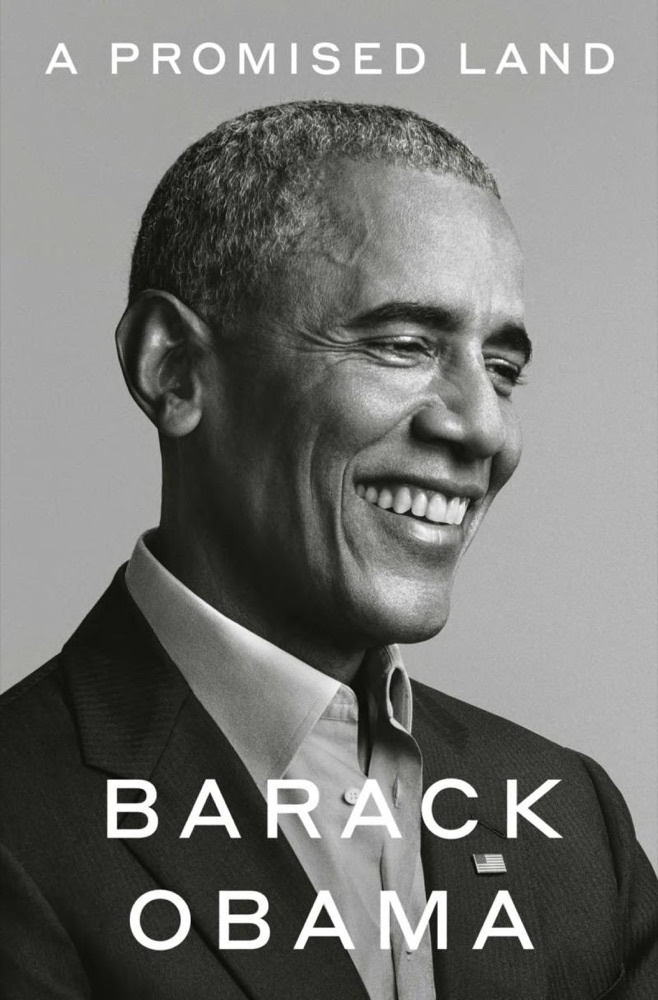 A Promised Land
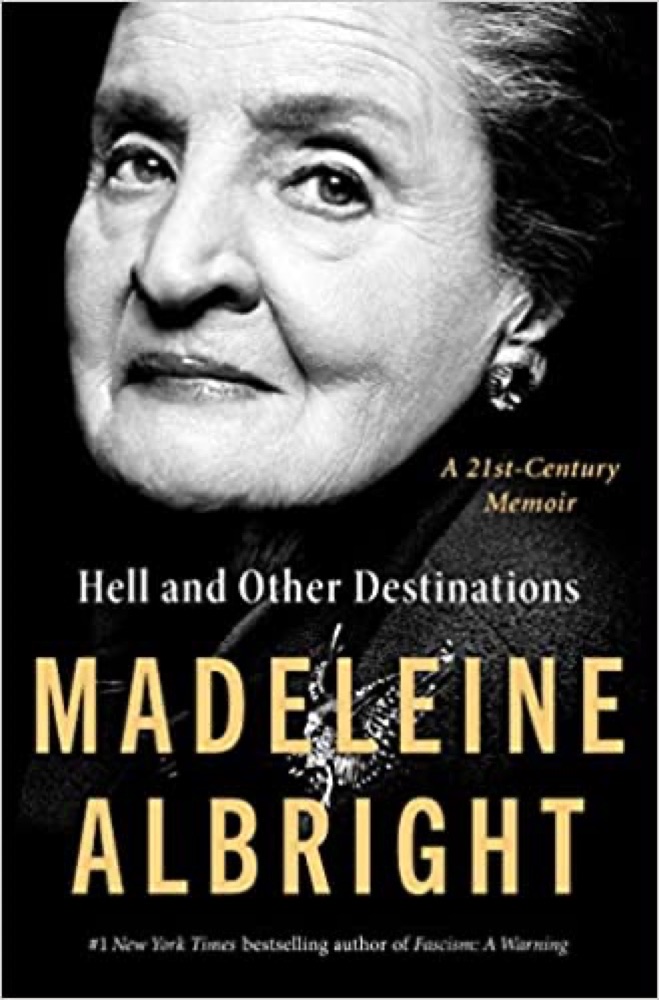 Hell and Other Destinations: A 21st-Century Memoir
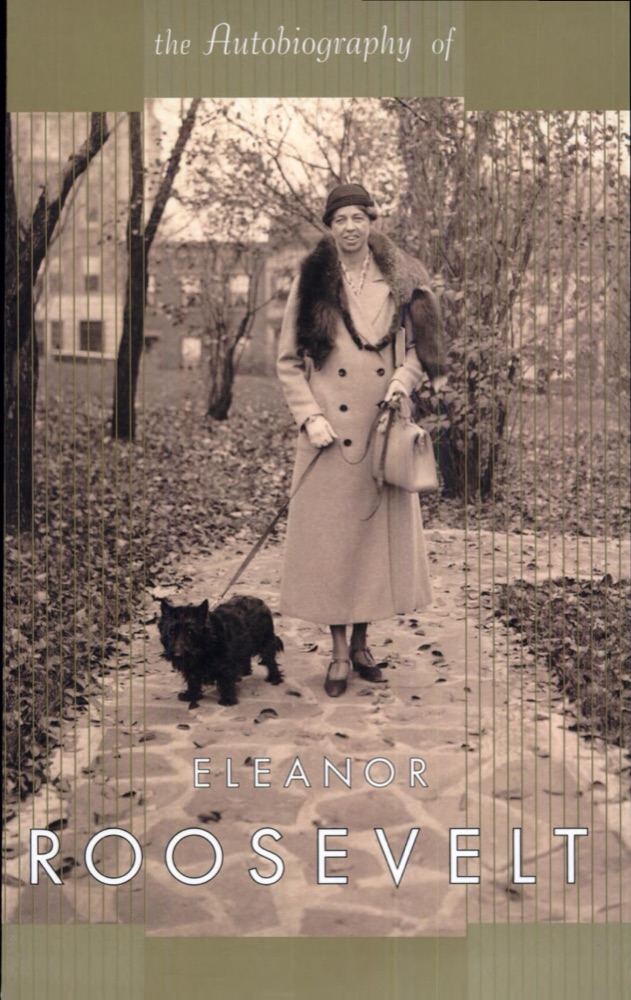 The Autobiography of Eleanor Roosevelt
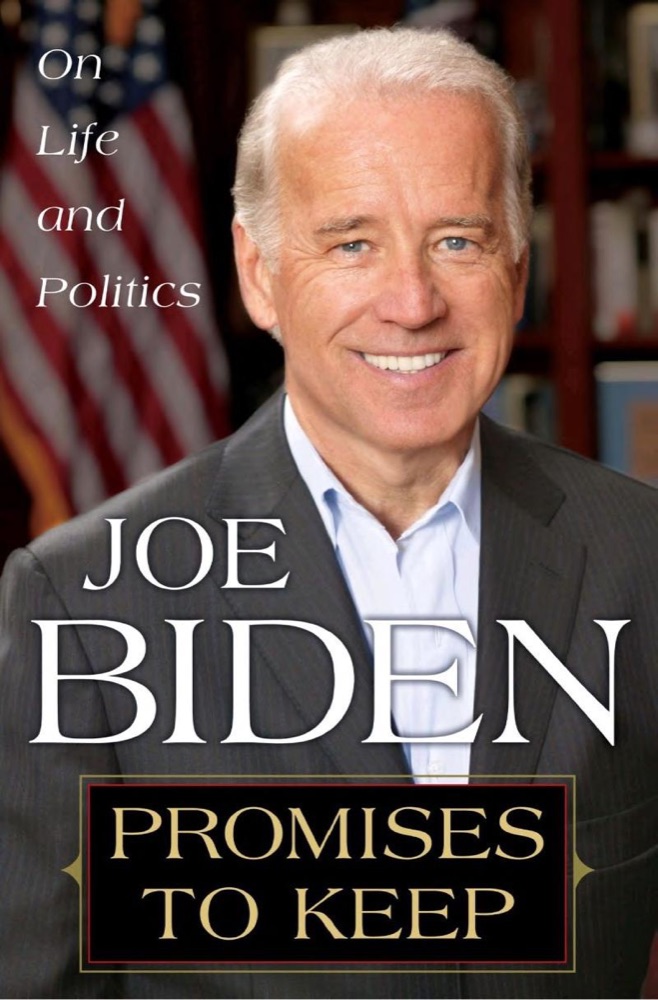 Promises to Keep: On Life and Politics
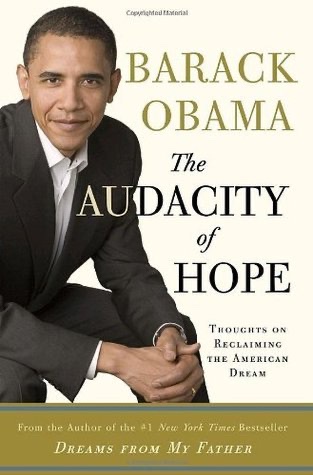 The Audacity of Hope: Thoughts on Reclaiming the American Dream
 How Long 'til Black Future Month?
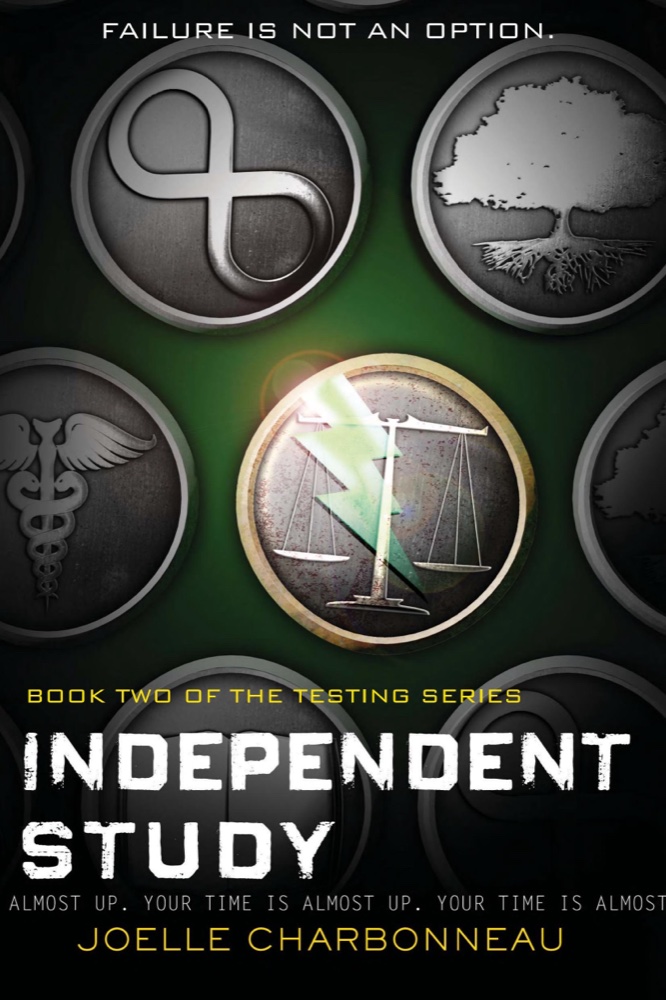 Independent Study
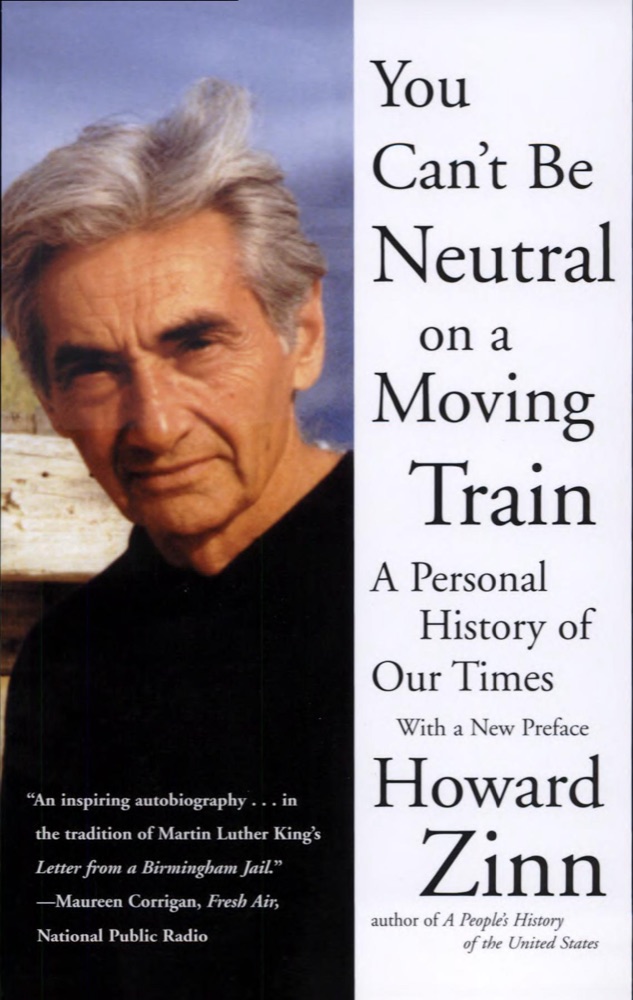 You Can't Be Neutral on a Moving Train: A Personal History of Our Times
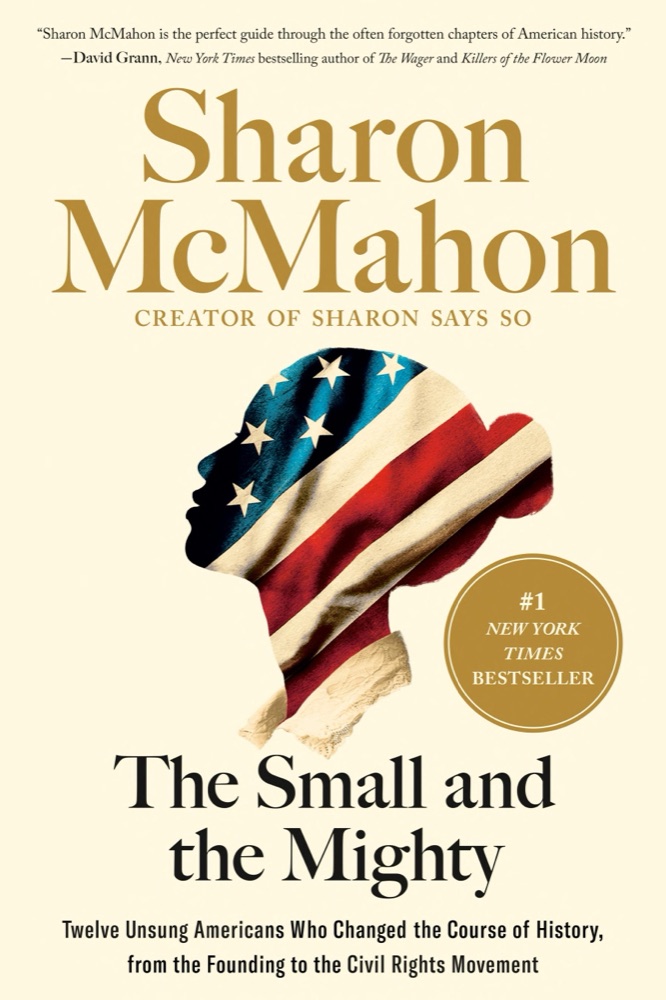 The Small and the Mighty: Twelve Unsung Americans Who Changed the Course of History, from the Founding to the Civil Rights Movement
 Becoming
 My Own Words
 Becoming Madam Secretary
 The Person You Mean to Be: How Good People Fight Bias
 An Absolutely Remarkable Thing
 The Blue Sweater: Bridging the Gap Between Rich and Poor in an Interconnected World
 Crossing to Safety
 The Downstairs Girl
 The Sympathizer
 A Drink Before the War
 Rules of Civility
 The Partly Cloudy Patriot
 Decision Points
 My Beloved World
 A Higher Loyalty: Truth, Lies, and Leadership
 United: Thoughts on Finding Common Ground and Advancing the Common Good
 Wide Awake
 Table for Two
 The Shockwave Rider
 Behold the Dreamers
 Edge of Eternity
 My Life on the Road
 Sully: My Search for What Really Matters
 Notes from No Man's Land
 Clear and Present Danger
 Small Wonder
 All the Colors of the Dark
 Make Trouble: Standing Up, Speaking Out, and Finding the Courage to Lead
 Outrun the Moon
 In the Light of What We Know
 Riding the Elephant: A Memoir of Altercations, Humiliations, Hallucinations, and Observations
 The Lay of the Land
 The Nix
 Varina
 Open City
 Graduation Day
 Persist
 Hocus Pocus
 It Worked for Me: In Life and Leadership
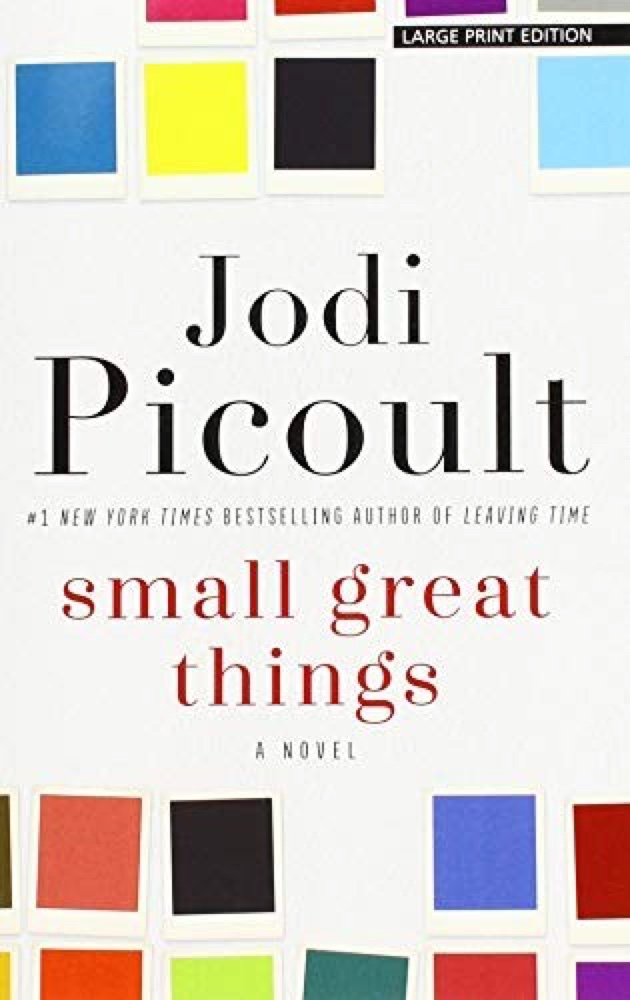 Small Great Things
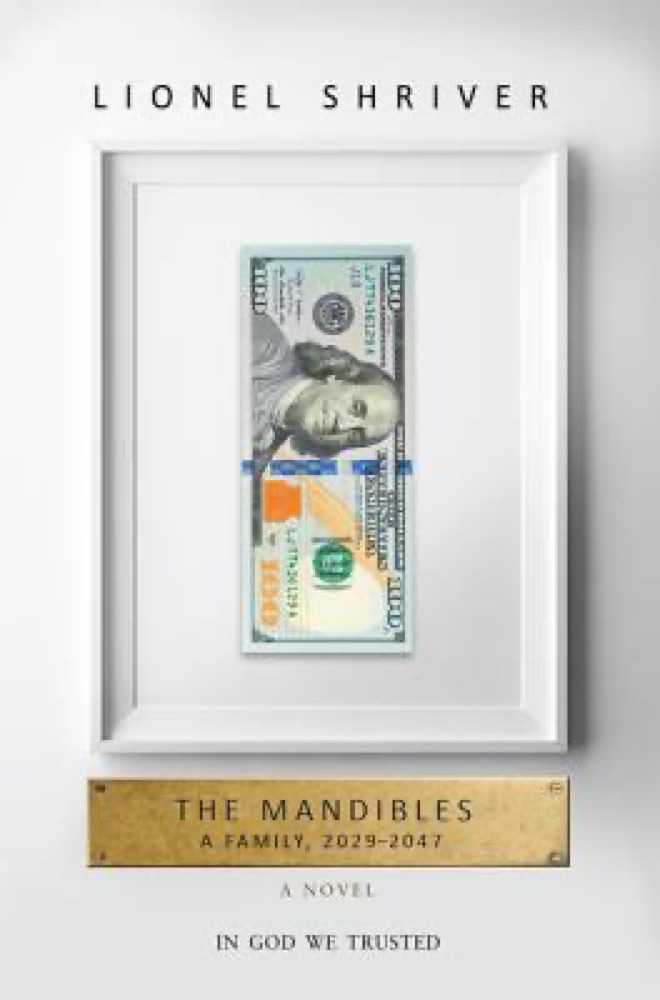 The Mandibles: A Family, 2029–2047
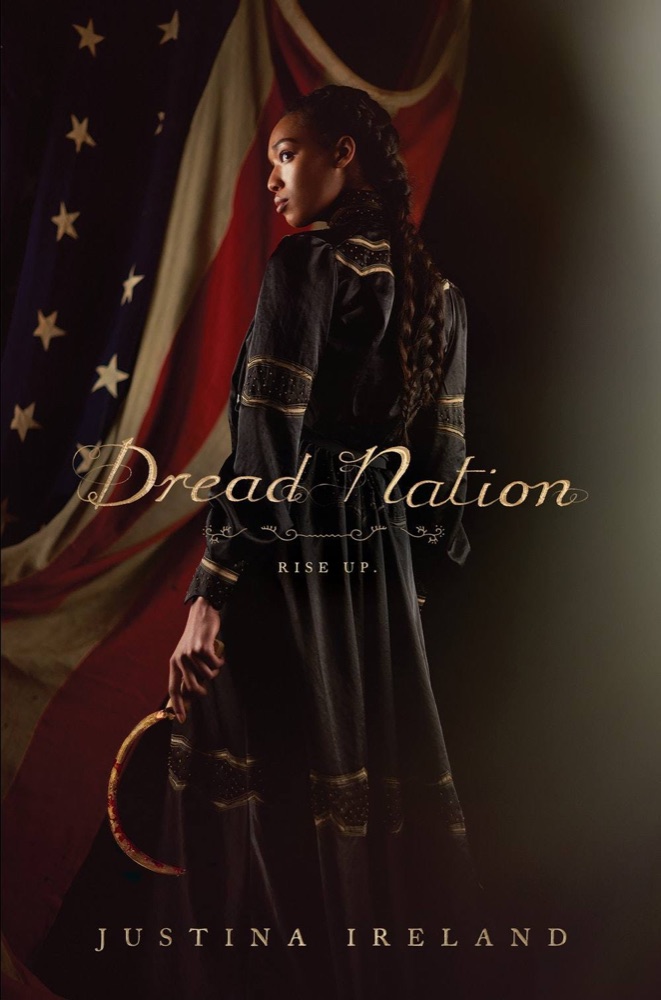 Dread Nation
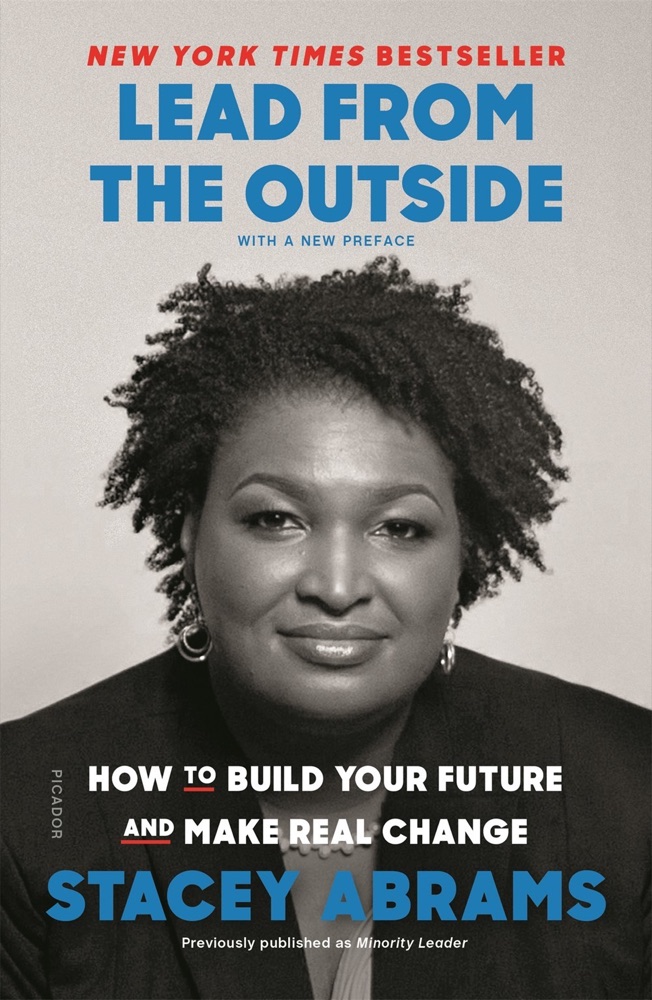 Lead from the Outside: How to Build Your Future and Make Real Change
 The Cider House Rules
 Hawaii
 The Leader Who Had No Title: A Modern Fable on Real Success in Business and in Life
 Hope Was Here
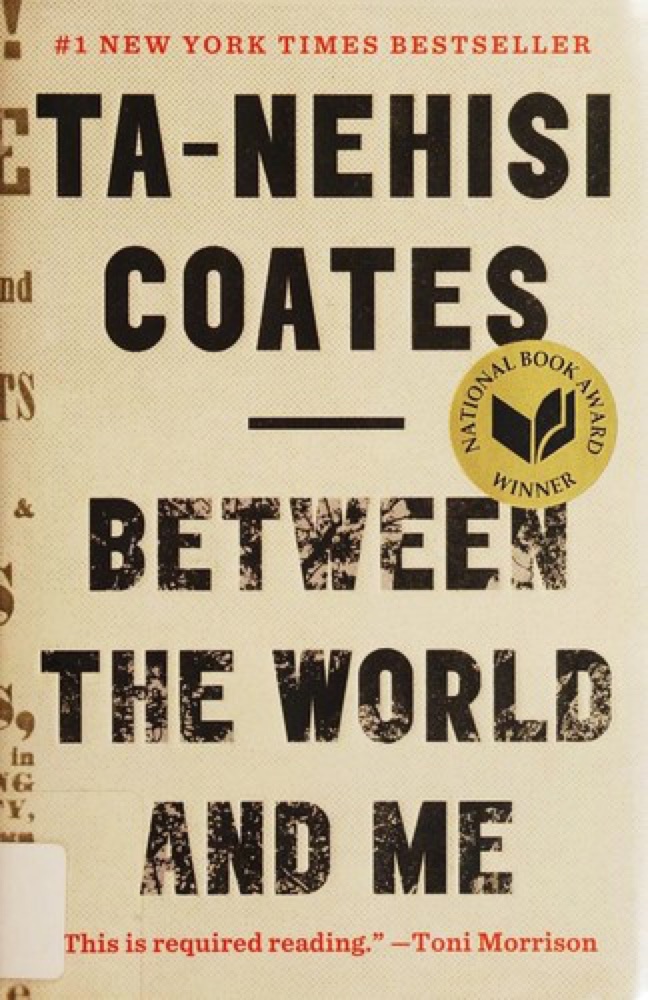 Between the World and Me
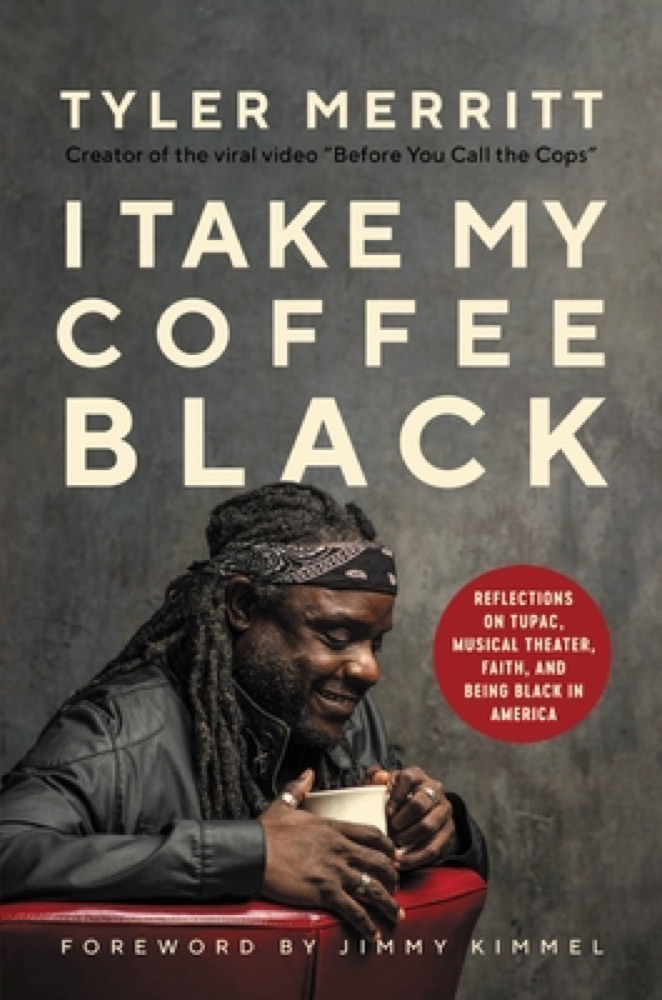 I Take My Coffee Black: Reflections on Tupac, Musical Theater, Faith, and Being Black in America
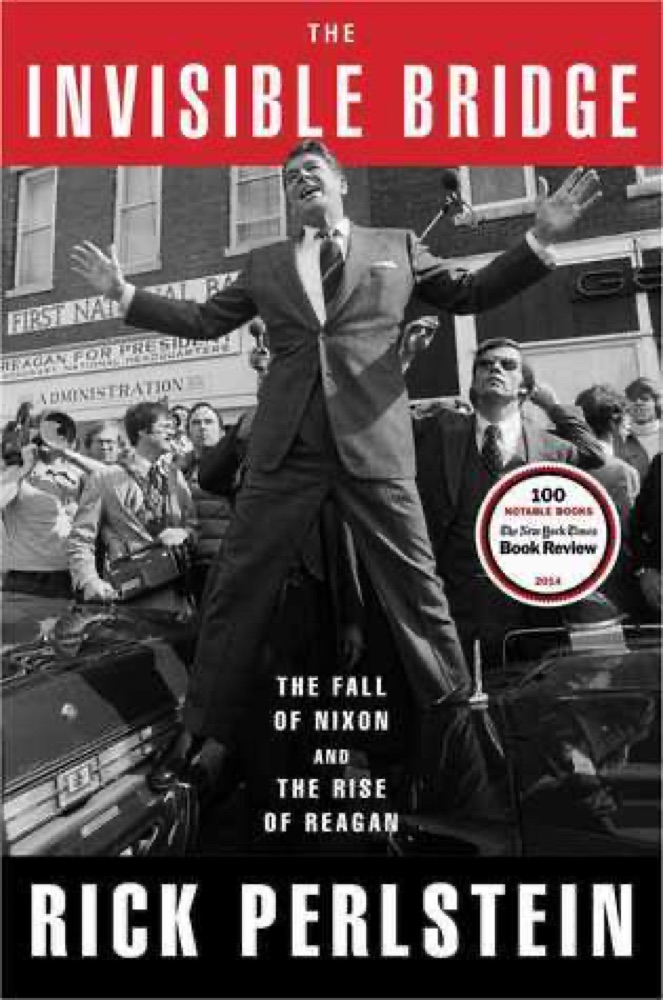 The Invisible Bridge: The Fall of Nixon and the Rise of Reagan