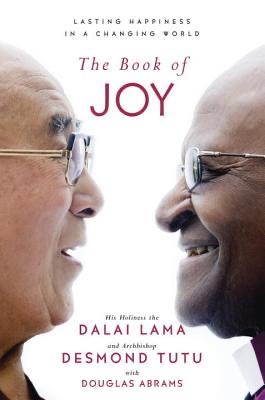
 The Book of Joy: Lasting Happiness in a Changing World
Quotes from the Book
Historically, the East was more concerned with understanding the mind and the West was more involved in understanding matter.
10
It seems important to me to distinguish between religion and spirituality. Religion implies a system of beliefs based on metaphysical foundations, along with the teaching of dogmas, rituals, or prayers. Spirituality, however, corresponds to the development of human qualities such as love, compassion, patience, tolerance, forgiveness, or a sense of responsibility. These inner qualities, which are a source of happiness for oneself and for others, are independent of any religion. That is why I have sometimes stated that one can do without religion, but not without spirituality. And an altruistic motivation is the unifying element of the qualities that I define as spiritual.
8
You must understand that even if your adversaries seem to be harming you, in the end their destrucive activity will turn against them.
5
We must realize that when basic needs have been met, human development is primarily about being more, not having more….
3
There is a veil of gravity in his eyes, but no sadness. In a confidential tone, he speaks about this lama who had been close to him and was just a little older. His death is a reminder of impermanence, in the Buddhist sense, which asserts the transitory quality of sentient beings and phenomena. Everything that is born from causes and conditions is perishable. Impermanence contradicts our feeling of the lasting quality of time and our human desire for immortality. It is unbearable for ordinary beings who have not trained their mind to conceive of the world's absence of reality. Denial of impermanence represents one of the main causes of suffering in our existences. Buddhist teachings invite us to contemplate and accept it.
2
And a compassionate person creates a warm, relaxed atmosphere of welcome and understanding around him. In human relations, compassion contributes to promoting peace and harmony.
2
Spirituality, however, corresponds to the development of human qualities such as love, compassion, patience, tolerance, forgiveness, or a sense of responsibility.
1
Compassion, what I sometimes also call human affection, is the determining factor of our life. Connected to the palm of the hand, the five fingers become functional; cut off from it, they are useless. Similarly, every human action becomes dangerous when it is deprived of human feeling. When they are performed with feeling and respect for human values, all activities become constructive.
1
The more concerned we are with the happiness of others, the more we increase our own well-being.
1
I pray for a world that is more friendly, More loving, and for a better understanding Among the human family, on this planet. That is the appeal I make from the bottom of my heart To all those who hate suffering And cherish lasting happiness.
1
I believe that at all levels of society—family, national, and international—the key to a better, happier world is greater compassion. It is not necessary to become religious, or to believe in an ideology. The important thing is to develop our human qualities as much as we can. I try to treat every person I meet like an old friend, and that gives me a real sensation of happiness.
1
exists independent of its appearances. Our perception of time also rests on a mistaken apprehension of reality. What in fact is the past? The past is not a reality; it’s just a concept. The future corresponds to projections, anticipations that do not have any reality either. The past has already occurred; the future does not yet exist. These notions affect us as realities, although they have no substance. The present is the truth that we are experiencing here and now, but it is an elusive reality that does not last. We find ourselves in a paradoxical situation in which the present constitutes a border, a limit between a past and a future without any concrete reality. The present is that elusive moment between what no longer exists and what has not yet happened.
1
If you take the negative as absolute and definitive, however, you increase your worries and anxiety, whereas by broadening the way you look at a problem, you understand what is bad about it, but you accept it. This attitude comes to me, I think, from my practice and from Buddhist philosophy, which help me enormously.
1
True compassion does not stem from the pleasure of feeling close to one person or another, but from the conviction that other people are just like me and want not to suffer but to be happy, and from a commitment to help them overcome what causes them to suffer. I must realize that I can help them suffer less. That is true, well thought-out compassion.
1
So when one person’s attitude changes, the other person is often disappointed, and his own attitude changes as a result. That is a sign that love was motivated more from personal need than from an authentic concern for the loved one. Real compassion is not just an emotional response; it is a firm, thought-out commitment. Therefore, an authentic attitude of compassion does not change, even faced with another person’s negative behavior.
1
No material object, no matter how beautiful or precious it is, can give us the feeling of being loved, because our deeper identity, our true character, is rooted in the subjective nature of the mind.
1
NO MATTER WHAT PART OF THE WORLD we come from, fundamentally we are all the same human beings. We all seek happiness and want to avoid suffering. We all have essentially the same needs and similar concerns. As human beings, we all want to be free, to have the right to decide our own destiny as individuals as well as the destiny of our people. That is human nature. The problems that confront us today are created by man, whether they are violent conflicts, destruction of the environment, poverty, or hunger. These problems can be resolved thanks to human efforts, by understanding that we are brothers and sisters and by developing this sense of fraternity. We must cultivate a universal responsibility toward each other and extend it to the planet that we have to share. I feel optimistic that the ancient values that have sustained mankind are reaffirming themselves today, preparing the way for a better, happier twenty-first century. I pray for all of us, oppressor and friend, so that together we can succeed in building a better world through mutual understanding and love, and that in doing so we may reduce the pain and suffering of all sentient beings.3 On December 10, 1989, the Dalai Lama’s Nobel Peace Prize acceptance speech, quoted in part above, was broadcast throughout the world. The cause of Tibet had become international. But it was not as the leader of a government in exile, or as a Tibetan, that the Dalai Lama accepted the Nobel Prize. He shared this distinction as a human being with all those who recognize each other’s basic human values. By claiming his humanity in the universal language of the heart, which goes beyond ideological rifts and notions of cultural identity, the Dalai Lama gave us back our humanity. In Oslo on December 10, 1989, we all received the Nobel Peace Prize.
1
Human beings are children of the Earth. Whereas our common Mother Earth has tolerated our conduct up to now, she is showing us at present that we have reached the limits of what is tolerable.
1
perceptions, our ways of thinking, and our behavior. It is a question of bringing about a complete reversal of mental habits by reducing emotions in a gradual process of study, reflection, and meditation—in other words, familiarization. That is how we refine the mind and purify it through a training that actualizes its potential. We learn to master the stream of our consciousness, to control the emotional obscurations, without letting ourselves be dominated by them. That is the path toward realization of the absolute nature. Our practice integrates all the aspects and all the various levels of the Buddha’s teaching.
1
After all, all human beings are the same—made up of flesh, bone, and blood. We all want happiness, and we all try to avoid suffering. We are the members of one single human family, and our arguments are born from secondary causes. Disputes, lies, and killings are useless.
1
Spirituality, when understood as the development of fundamental human values, has every chance to improve the life of our communities.
The spiritual revolution that I advocate is not a religious revolution. It corresponds to an ethical reorientation of our attitude, since it is a question of learning to take the aspirations of others into account as much as our own. The spiritual revolution I advocate does not depend on external conditions linked to material progress or technology. It is born from within, motivated by the profound desire to transform oneself in order to become a better human being.
Now we can understand that by presenting himself as a human being, the Dalai Lama means that he has effected a process of inner transformation that allows him to recognize the participatory reality of life and to experience its basic goodness. But according to the law of reciprocity associated with the principle of interdependence, we are part of the world as much as the world is part of us. Whoever transforms himself, transforms the world.
Through meditative practice, ordinary identity is overcome by the energy of Enlightenment. Access is given to a level of awareness where appearances no longer manifest without the realization of their interdependence, so that “we” becomes more real than “I.” Recognizing that we do not have the cause of our existence inside us and that we depend on others for our survival is the first step that allows us to appreciate the essential generosity of life. Buddhist analysis of reality leads us to understand that everything is connected and that compassion is our true nature.
Within the confines of our ordinary physical form exists a subtler conscious body, so called because it is intimately connected with deep levels of consciousness. It is from these subtler levels that the potential energy of blissful wisdom arises, an energy capable of transforming the quality of our life completely…. [It] represents the essence of who we are and what we can become.
Progressively we get accustomed to transforming our perceptions, our ways of thinking, and our behavior. It is a question of bringing about a complete reversal of mental habits by reducing emotions in a gradual process of study, reflection, and meditation—in other words, familiarization. That is how we refine the mind and purify it through a training that actualizes its potential. We learn to master the stream of our consciousness, to control the emotional obscurations, without letting ourselves be dominated by them. That is the path toward realization of the absolute nature. Our practice integrates all the aspects and all the various levels of the Buddha’s teaching.
IBELIEVE THE PURPOSE of all the major religious traditions is not to construct big temples on the outside, but to create temples of goodness and compassion inside, in our hearts.
In the case of an everyday conversation, when our interlocutor speaks to us with human feeling, we listen and respond with pleasure, so that the conversation becomes interesting even though it is quite ordinary. On the other hand, if someone speaks coldly or harshly, we feel annoyed and want to end the conversation quickly. From the smallest to the largest event, the affection and respect of others are vital elements.
I am a professional laugher
Watch on YouTube
About Dalai Lama XIV
We have collected 244 quotes from 9 books by Dalai Lama XIV on BookQuoters.
More about the author →More by Dalai Lama XIV
The Book of Joy: Lasting Happiness in a Changing World
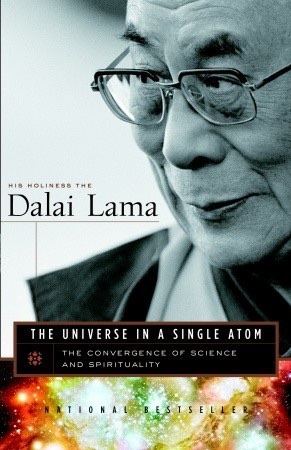 The Universe in a Single Atom: The Convergence of Science and Spirituality
 The Art of Happiness
 Ethics for the New Millennium
About the book
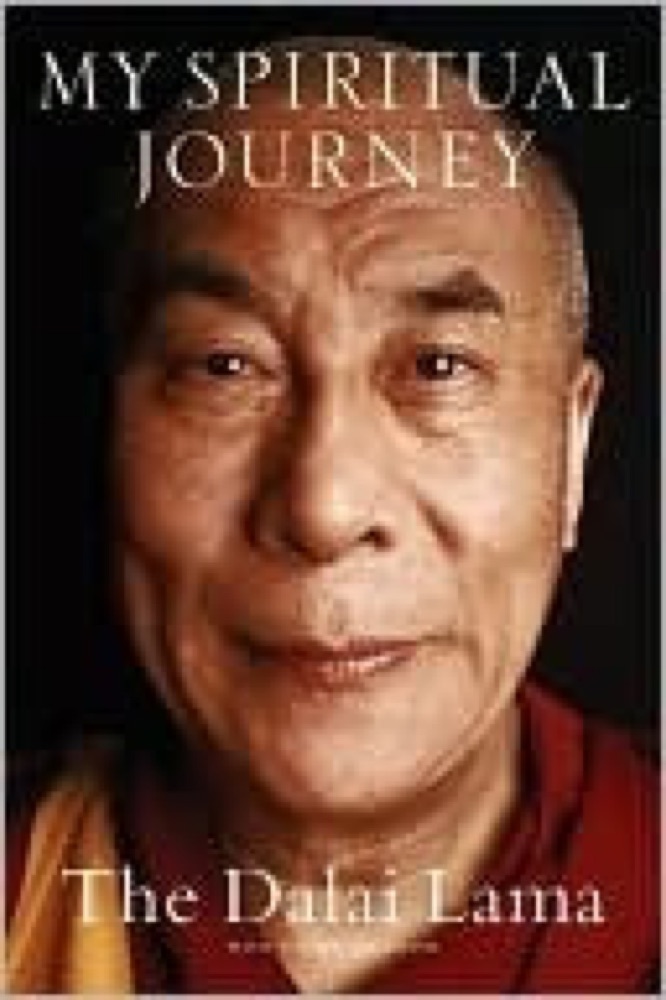
In this elegant self-portrait, the world’s most outspoken and influential spiritual leader recounts his epic and engaging life story. The Dalai Lama’s most accessible and intimate book, My Spiritual Journey is an excellent introduction to the larger-than-life leader of Tibetan Buddhism—perfect for anyone curious about Eastern religion, invested in the Free Tibet movement, or simply seeking a richer spiritual life. The Dalai Lama’s riveting, deeply insightful meditations on life will resonate strongly with readers of Pema Chodron, Thich Nhat Hanh, or the His Holiness’s own The Art of Happiness and Ethics for the New Millennium.
Book details
- First published
- 2009
- Author
- Dalai Lama XIV
- Genre
- Nonfiction
- Goodreads rating
- 3.98 (3k ratings)
Keep reading
 How to Practice: The Way to a Meaningful Life
 The Wise Heart: A Guide to the Universal Teachings of Buddhist Psychology
 How to See Yourself As You Really Are
The Book of Joy: Lasting Happiness in a Changing World
How to See Yourself As You Really Are
The Book of Joy: Lasting Happiness in a Changing World
 Against the Stream: A Buddhist Manual for Spiritual Revolutionaries
 Lovingkindness: The Revolutionary Art of Happiness
 The Dalai Lama's Cat and the Power of Meow
 Awakening the Buddha Within
 Living Buddha, Living Christ
 Cutting Through Spiritual Materialism
 Buddha's Brain: The Practical Neuroscience of Happiness, Love, and Wisdom
 The Heart of the Buddha's Teaching: Transforming Suffering into Peace, Joy, and Liberation
 Twelve Steps to a Compassionate Life
 Reconciliation: Healing the Inner Child
 Happiness: A Guide to Developing Life's Most Important Skill
 The Places That Scare You: A Guide to Fearlessness in Difficult Times
 Waking Up: A Guide to Spirituality Without Religion
 Messages from the Masters: Tapping into the Power of Love
 Kitchen Table Wisdom: Stories that Heal
 Becoming Wise: An Inquiry into the Mystery and Art of Living
 The Things You Can See Only When You Slow Down: How to Be Calm in a Busy World
 Everyday Zen: Love & Work
 The Book of Secrets: Unlocking the Hidden Dimensions of Your Life
 The Journey Home
 Comfortable with Uncertainty: 108 Teachings on Cultivating Fearlessness and Compassion
 Confession of a Buddhist Atheist
 The Joy of Living: Unlocking the Secret and Science of Happiness
 How to Be an Adult in Relationships: The Five Keys to Mindful Loving
 The Pocket Pema Chodron
 Nothing Special: A Zen Buddhist Guide to Awakening Through Daily Life's Feelings, Relationships, and Work
 The Yoga Sutras of Patanjali
 Happiness Becomes You: A Guide to Changing Your Life for Good
 True Refuge: Finding Peace and Freedom in Your Own Awakened Heart
 The Book: On the Taboo Against Knowing Who You Are
 Total Freedom: The Essential Krishnamurti
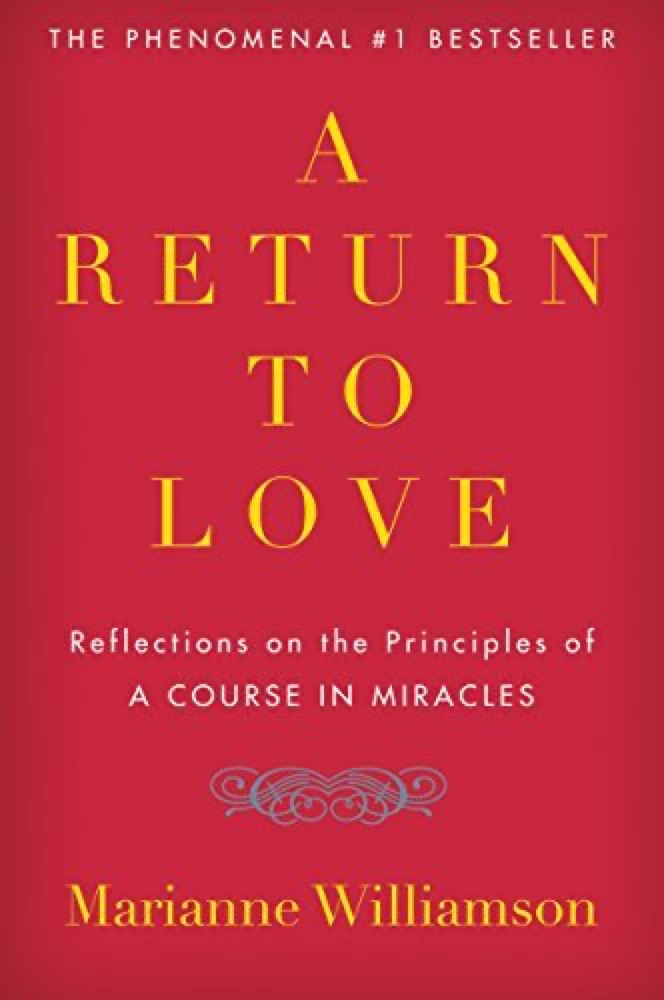 A Return to Love: Reflections on the Principles of "A Course in Miracles"
 Tibetan Book of the Dead
 The Varieties of Religious Experience
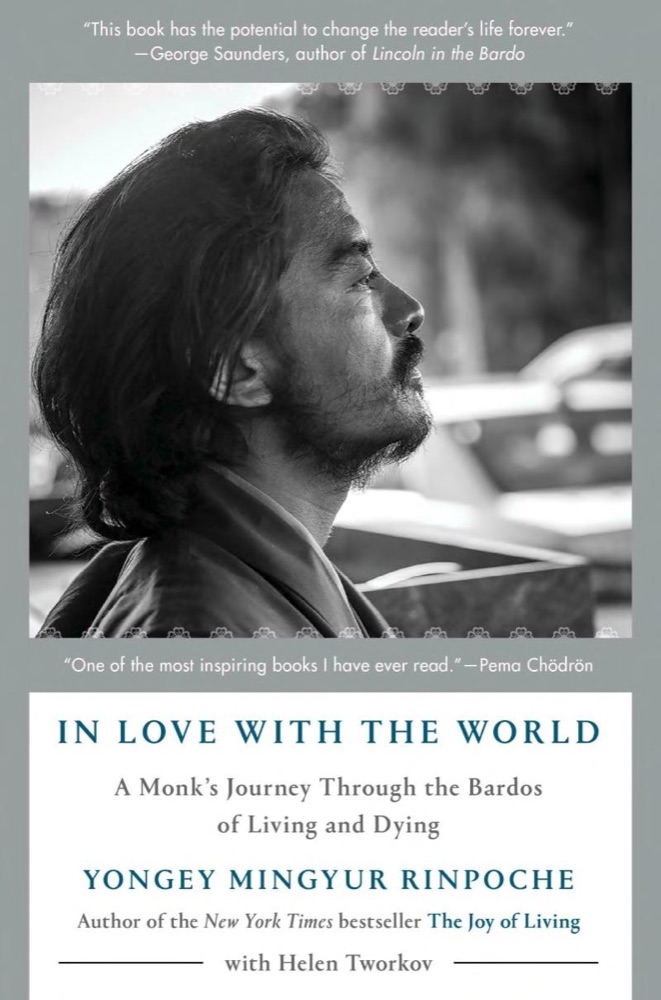 In Love with the World: A Monk's Journey Through the Bardos of Living and Dying
 Buddhist Boot Camp
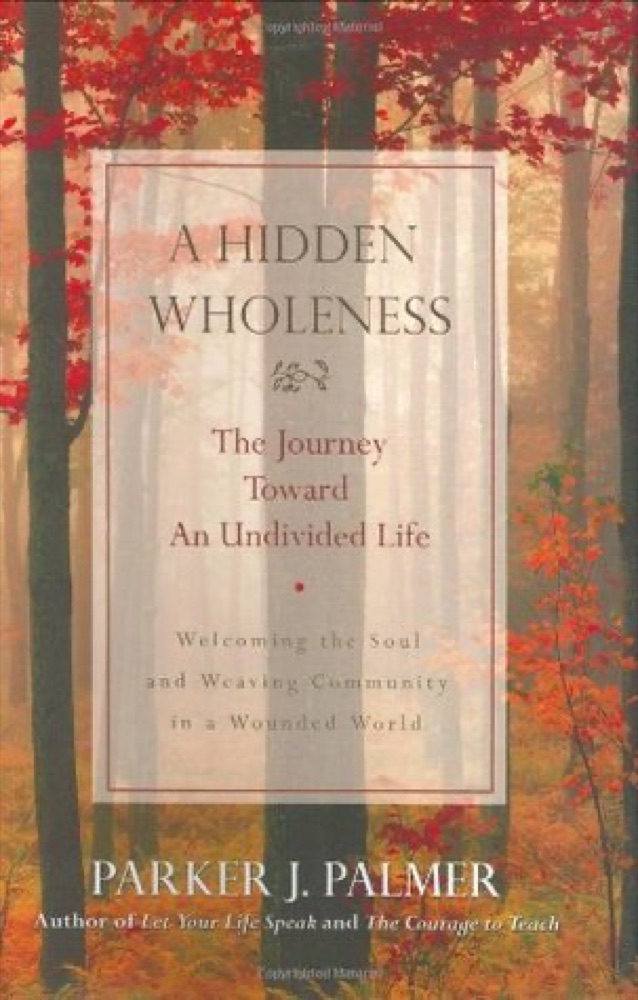 A Hidden Wholeness: The Journey Toward an Undivided Life : Welcoming the soul and weaving community in a wounded world
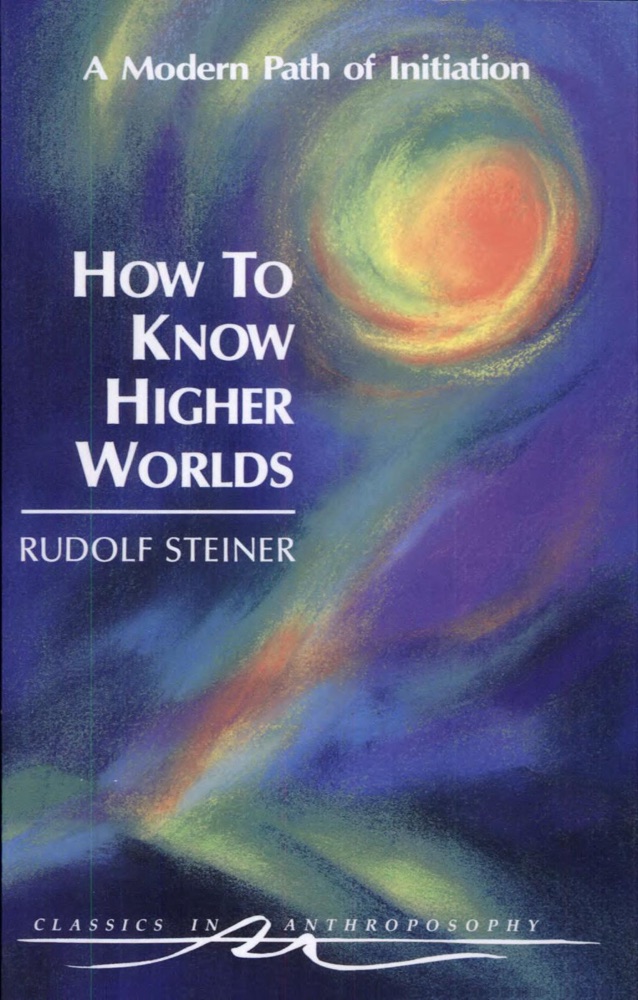 How to Know Higher Worlds: A Modern Path of Initiation
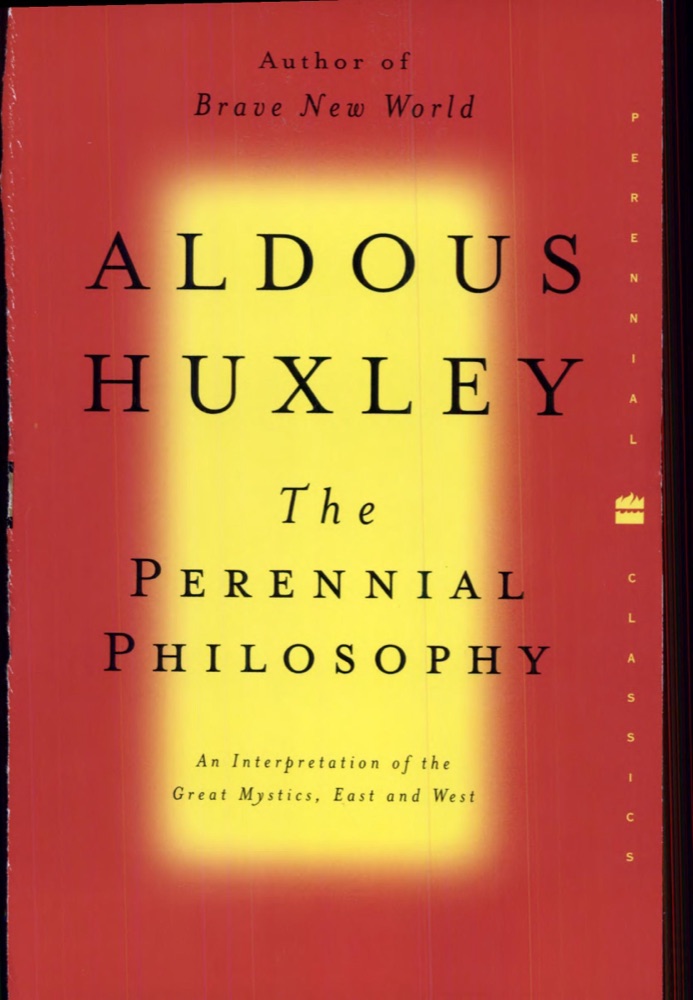 The Perennial Philosophy
 Nonviolence: The Transforming Power
 Advice Not Given: A Guide to Getting Over Yourself
 The World's Religions
 The Buddha Walks into a Bar . . .: A Guide to Life for a New Generation
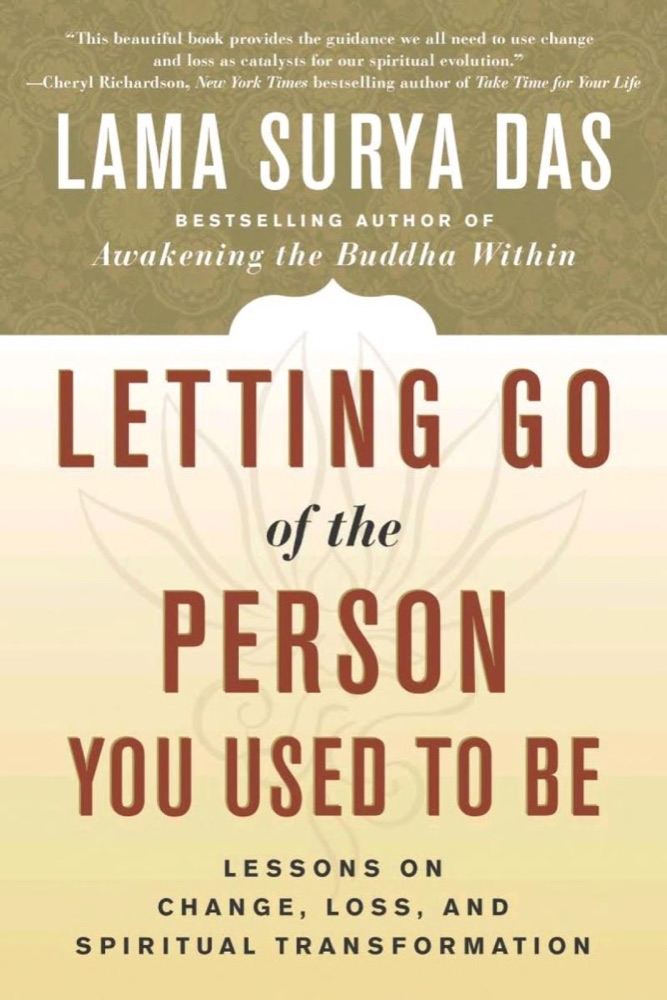 Letting Go of the Person You Used to Be: Lessons on Change, Loss, and Spiritual Transformation
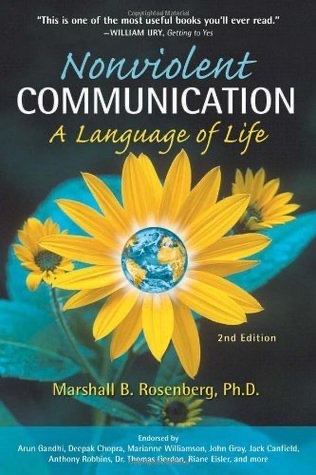 Nonviolent Communication: A Language of Life
 The Yoga Sutras of Pantanjali
 Many Lives, Many Masters: The True Story of a Prominent Psychiatrist, His Young Patient, and the Past Life Therapy That Changed Both Their Lives
 Full Catastrophe Living: Using the Wisdom of Your Body and Mind to Face Stress, Pain, and Illness
 Shambhala: The Sacred Path of the Warrior
 The Book of Awakening: Having the Life You Want by Being Present to the Life You Have
 Becoming Human
 Living Untethered: Beyond the Human Predicament
 Conversations with God: An Uncommon Dialogue, Book 1
 Eastern Body, Western Mind: Psychology and the Chakra System as a Path to the Self