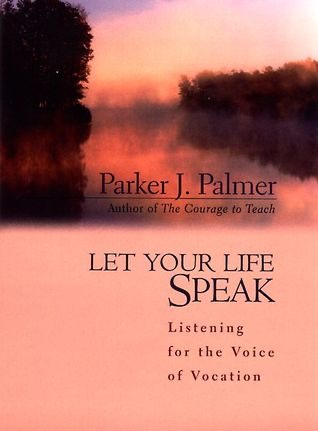
 Let Your Life Speak: Listening for the Voice of Vocation
Quotes from the Book
Like a wild animal, the soul is tough, resilient, resourceful, savvy, and self-sufficient: it knows how to survive in hard places. I learned about these qualities during my bouts with depression. In that deadly darkness, the faculties I had always depended on collapsed. My intellect was useless; my emotions were dead; my will was impotent; my ego was shattered. But from time to time, deep in the thickets of my inner wilderness, I could sense the presence of something that knew how to stay alive even when the rest of me wanted to die. That something was my tough and tenacious soul.
98
Wholeness does not mean perfection; it means embracing brokenness as an integral part of life
33
The soul is like a wild animal—tough, resilient, savvy, self-sufficient and yet exceedingly shy. If we want to see a wild animal, the last thing we should do is to go crashing through the woods, shouting for the creature to come out. But if we are willing to walk quietly into the woods and sit silently for an hour or two at the base of a tree, the creature we are waiting for may well emerge, and out of the corner of an eye we will catch a glimpse of the precious wildness we seek.
28
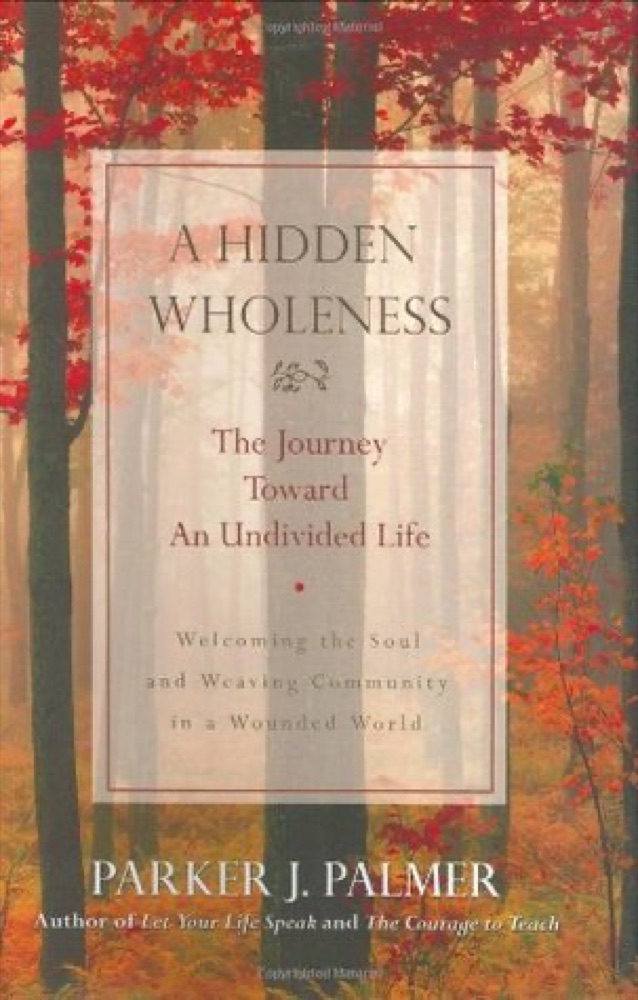
Solitude does not necessarily mean living apart from others; rather, it means never living apart from one’s self. A Hidden Wholeness: The Journey Toward an Undivided Life
16
Formation may be the best name for what happens in a circle of trust, because the word refers, historically, to soul work done in community. But a quick disclaimer is in order, since formation sometimes means a process quite contrary to the one described in this book----a process in which the pressure of orthodox doctrine, sacred text, and institutional authority is applied to the misshapen soul in order to conform it to the shape dictated by some theology. This approach is rooted in the idea that we are born with souls deformed by sin, and our situation is hopeless until the authorities "form" us properly. But all of that is turned upside down by the principles of a circle of trust: I applaud the theologian who said that "the idea of humans being born alienated from the Creator would seem an abominable concept." Here formation flows from the belief that we are born with souls in perfect form. As time goes on, we subject to powers of deformation, from within as well as without, that twist us into shapes alien to the shape of the soul. But the soul never loses its original form and never stops calling us back to our birhtright integrity.
12
We can put the chairs in a circle, but as long as they are occupied by people who have an inner hierarchy, the circle itself will have a divided life, one more form of "living within the lie": a false community.
11
When we catch sight of the soul, we can become healers in a wounded world-in the family, in the neighborhood, in the workplace, and in political life-as we are called back to our "hidden wholeness" amid the violence of the storm.
10
Afraid that our inner light will be extinguished or our inner darkness exposed, we hide our true identities from each other. In the process, we become separated from our own souls. We end up living divided lives, so far removed from the truth we hold within that we cannot know the "integrity that comes from being what you are.
10
I am blessed to live in a democracy, not a totalitarian state. But the democracy I cherish is constantly threatened by a brand of politics that clothes avarice and the arrogance of power in patriotic and religious garb.
9
The deeper our faith, the more doubt we must endure; the deeper our hope, the more prone we are to despair; the deeper our love, the more pain its loss will bring: these are a few of the paradoxes we must hold as human beings.
7
We find common bonds in the shared details of the human journey, not in the divergent conclusions we draw from those details.
6
Wholeness does not mean perfection: it means embracing brokenness as an integral part of life. Knowing this gives me hope that human wholeness-mine, yours, ours-need not be a utopian dream, if we can use devastation as a seedbed for new life.
6
In the presence of a newly minted human being, I am reminded of what wholeness looks like. And I am sometimes moved to wonder, "Whatever became of me?
5
For the good [person] to realize that it is better to be whole than to be good is to enter on a strait and narrow path compared to which his [or her] previous rectitude was flowery license.
4
..when we live behind a wall, our inner darkness cannot be penetrated by the light that is in the world. In fact, all we can see "out there" is darkness, not realizing how much of it is of our own making! As a young man, the wall allowed me to cast my own darkness on others while remaining blissfully ignorant of how they saw me.
3
What seed was planted when you or I arrived on earth with our identities intact? How can we recall and reclaim those birthright gifts and potentials?
3
The powers and principalities would hold less sway over our lives if we refused to collaborate with them. But refusal is risky, so we deny our own truth, take up lives of "self-impersonation," and betray our identities.
3
First, we all have an inner teacher whose guidance is more reliable than anything we can get from a doctrine, ideology, collective belief system, institution, or leader. Second, we all need other people to invite, amplify, and help us discern the inner teacher's voice
3
I have been astonished to see how nature uses devastation to stimulate new growth, slowly but persistently healing her own wounds.
3
A circle of trust is a group of people who know how to sit quietly "in the woods" with each other and wait for the shy soul to show up. The relationships in such a group are not pushy but patient; they are not confrontational but compassionate; they are filled not with expectations and demands but with abiding faith in the reality of the inner teacher and in each person's capacity to learn from it. The poet Rumi captures the essence of this way of being together: "A circle of lovely, quiet people / becomes the ring on my finger."6 Few of us have experienced large-scale communities that possess these qualities, but we may have had one-on-one relationships that do. By reflecting on the dynamics of these small-scale circles of trust, we can sharpen our sense of what a larger community of solitudes might look like-and remind ourselves that two people who create safe space for the soul can support each other's inner journey. Think, for example, about someone who helped you grow toward true self. When I think about such a person, it is my father who first comes to mind. Though he was himself a hardworking and successful businessman, he did not press me toward goals that were his rather than mine. Instead, he made space for me to grow into my own selfhood. Throughout high school, I got mediocre grades-every one of which I earned-although I always did quite well on standardized intelligence tests. I look back with amazement on the fact that not once did my father demand that I "live up to my potential." He trusted that if I had a gift for academic life, it would flower in its own time, as it did when I went to college. The people who help us grow toward true self offer unconditional love, neither judging us to be deficient nor trying to force us to change but accepting us exactly as we are. And yet this unconditional love does not lead us to rest on our laurels. Instead, it surrounds us with a charged force field that makes us want to grow from the inside out -a force field that is safe enough to take the risks and endure the failures that growth requires.
1
We are cursed with the blessing of consciousness and choice, a two-edged sword that both divides us and can help us become whole. But choosing wholeness, which sounds like a good thing, turns out to be risky business, making us vulnerable in ways we would prefer to avoid.
1
Deep caring about each other's fate does seem to be on the decline, but I do not believe that New Age narcissism is much to blame. The external causes of our moral indifference are a fragmented mass society that leaves us isolated and afraid, an economic system that puts the rights of capital before the rights of people, and a political process that makes citizens into ciphers. These are the forces that allow, even encourage, unbridled competition, social irresponsibility, and the survival of the financially fittest. The executives who brought down the major corporations by taking indecent sums off the top while wage earners of modest means lost their retirement accounts were clearly more influenced by capitalist amorality than by some New Age guru.
1
truth cannot "be reduced to aphorism or formulas. It is something alive and unpronounceable. Story creates an atmosphere in which [truth] becomes discernible as a pattern."3
1
A fault line runs down the middle of my life, and whenever it cracks open-divorcing my words and actions from the truth I hold within-things around me get shaky and start to fall apart.
1
A politician who brings personal integrity into leadership helps us reclaim the popular trust that distinguishes true democracy from its cheap imitations.
1
Zen Judaism: For You, a Little Enlightenment,
1
soul. And the closer we get to adulthood, the more we stifle the imagination that journey requires. Why? Because imagining other possibilities for our lives would remind us of the painful gap between who we most truly are and the role we play in the so-called real world.
About Parker J. Palmer
We have collected 57 quotes from 2 books by Parker J. Palmer on BookQuoters.
More about the author →More by Parker J. Palmer
Let Your Life Speak: Listening for the Voice of Vocation
About the book
In A Hidden Wholeness , Parker Palmer reveals the same compassionate intelligence and informed heart that shaped his best-selling books Let Your Life Speak and The Courage to Teach. Here he speaks to our yearning to live undivided lives—lives that are congruent with our inner truth—in a world filled with the forces of fragmentation. Mapping an inner journey that we take in solitude and in the company of others, Palmer describes a form of community that fits the limits of our active lives. Defining a “circle of trust” as “a space between us that honors the soul,” he shows how people in settings ranging from friendship to organizational life can support each other on the journey toward living “divided no more.” This paperback edition includes two new and useful features. Circles of Trust is a DVD containing interviews with Parker J. Palmer and footage from retreats he facilitated for the C
Book details
- First published
- 2004
- Author
- Parker J. Palmer
- Genre
- Nonfiction
- Goodreads rating
- 4.09 (4k ratings)
Keep reading
 The Book of Awakening: Having the Life You Want by Being Present to the Life You Have
 Belonging: Remembering Ourselves Home
 Kitchen Table Wisdom: Stories that Heal
Let Your Life Speak: Listening for the Voice of Vocation
Kitchen Table Wisdom: Stories that Heal
Let Your Life Speak: Listening for the Voice of Vocation
 Finding Meaning in the Second Half of Life: How to Finally, Really Grow Up
 This Here Flesh: Spirituality, Liberation, and the Stories That Make Us
 The Book: On the Taboo Against Knowing Who You Are
 The Wise Heart: A Guide to the Universal Teachings of Buddhist Psychology
 Like Streams to the Ocean: Notes on Ego, Love, and the Things That Make Us Who We Are
 Anam Cara: A Book of Celtic Wisdom
 Becoming Wise: An Inquiry into the Mystery and Art of Living
 Becoming Human
 True Refuge: Finding Peace and Freedom in Your Own Awakened Heart
 Myths to Live By
 Changes That Heal: How to Understand the Past to Ensure a Healthier Future
 Going to Pieces without Falling Apart: A Buddhist Perspective on Wholeness
 The Places That Scare You: A Guide to Fearlessness in Difficult Times
 A Return to Love: Reflections on the Principles of "A Course in Miracles"
 What It Takes to Heal: How Transforming Ourselves Can Change the World
 Letting Go of the Person You Used to Be: Lessons on Change, Loss, and Spiritual Transformation
 The Light We Carry: Overcoming in Uncertain Times
 Consolations: The Solace, Nourishment and Underlying Meaning of Everyday Words
 Faith, Hope and Carnage
 The Source of Self-Regard: Selected Essays, Speeches, and Meditations
 The Gifts of Imperfection
 Never Broken: Songs Are Only Half the Story
 The Wisdom of No Escape: How to Love Yourself and Your World
 Many Lives, Many Masters: The True Story of a Prominent Psychiatrist, His Young Patient, and the Past Life Therapy That Changed Both Their Lives
 Stitches: A Handbook on Meaning, Hope, and Repair
 In Love with the World: A Monk's Journey Through the Bardos of Living and Dying
 When Things Fall Apart: Heart Advice for Difficult Times
 Dusk, Night, Dawn: On Revival and Courage
 The God Who Weeps: How Mormonism Makes Sense of Life
 The Journey Home
 Wild Mercy: Living the Fierce and Tender Wisdom of the Women Mystics
 Freedom from the Known
 The Invitation
 A Joseph Campbell Companion: Reflections on the Art of Living
 Anatomy of the Spirit: The Seven Stages of Power and Healing
 Just as I Am
 The Second Mountain
 The Deeply Formed Life: Five Transformative Values to Root Us in the Way of Jesus
 The Soul's Code: In Search of Character and Calling
 My Spiritual Journey: Personal Reflections, Teachings, and Talks
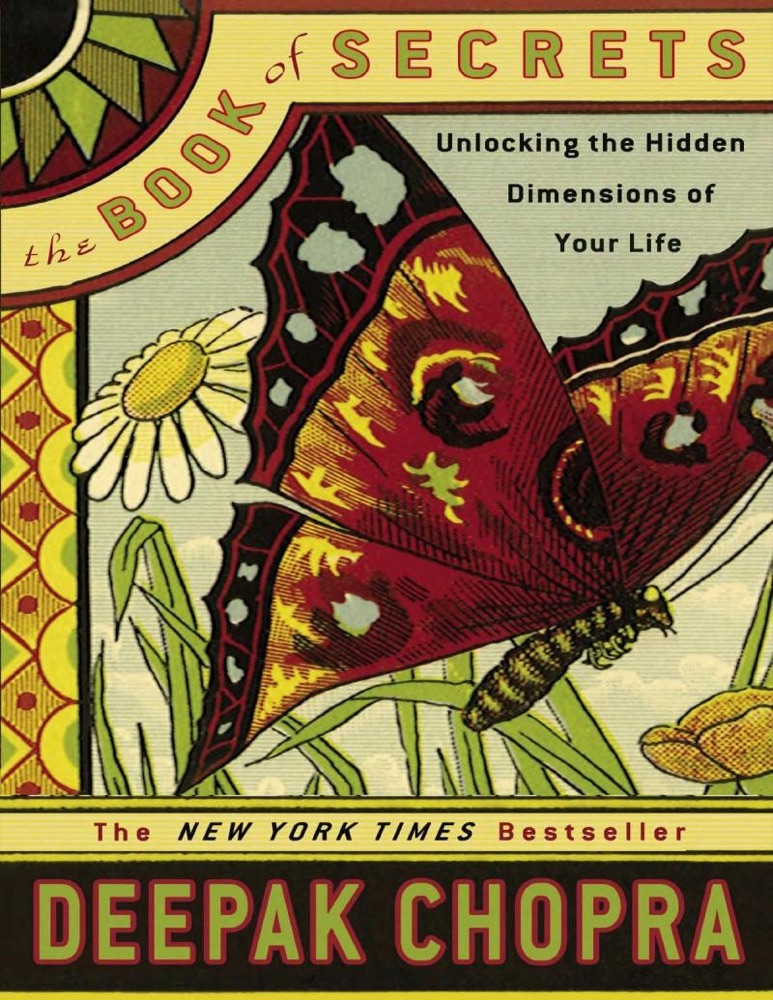 The Book of Secrets: Unlocking the Hidden Dimensions of Your Life
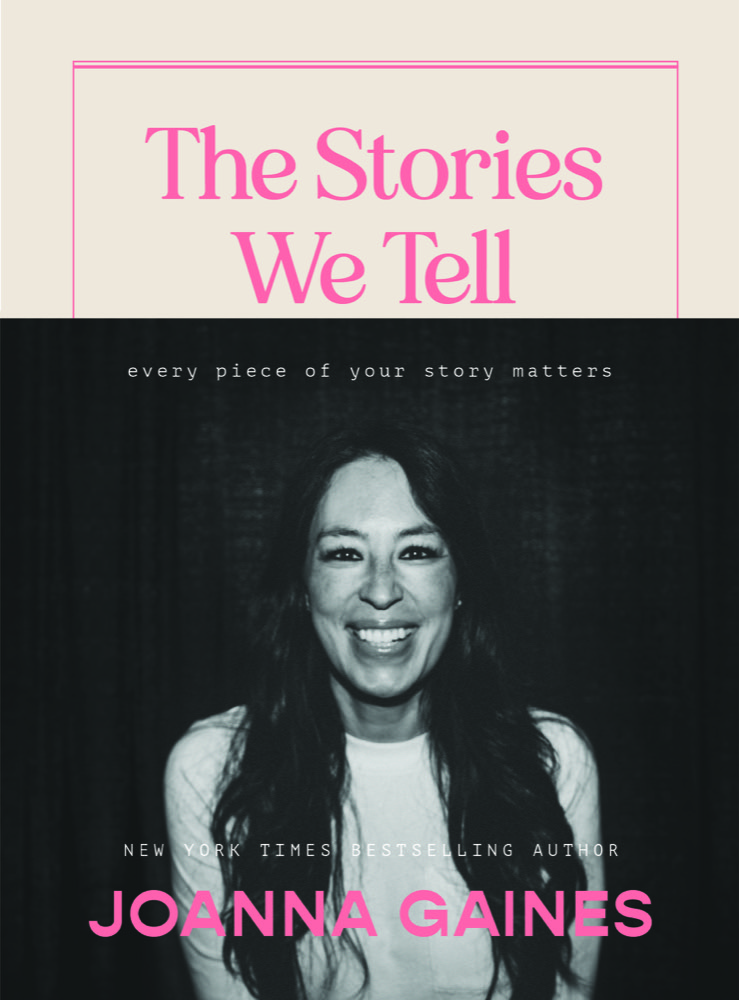 The Stories We Tell: Every Piece of Your Story Matters
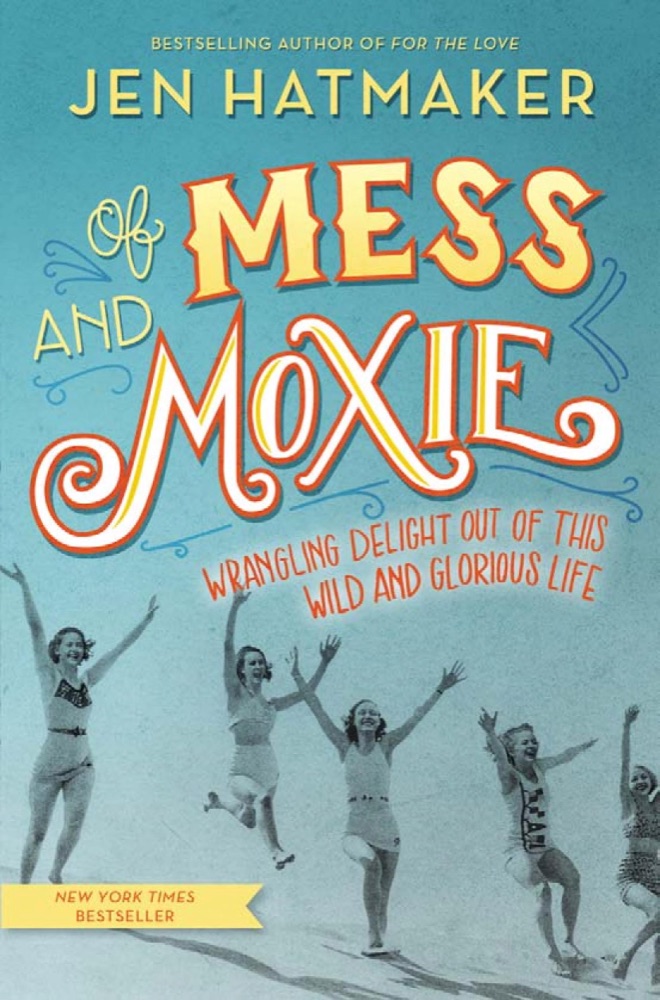 Of Mess and Moxie: Wrangling Delight Out of This Wild and Glorious Life
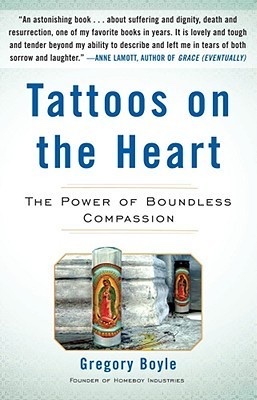 Tattoos on the Heart: The Power of Boundless Compassion
 A Circle of Quiet
 New Seeds of Contemplation
 Cutting Through Spiritual Materialism
 On Connection
 The Things You Can See Only When You Slow Down: How to Be Calm in a Busy World
 See No Stranger: A Memoir and Manifesto of Revolutionary Love
 Demian
 Messages from the Masters: Tapping into the Power of Love
 The Mountain Shadow
 Surrender: 40 Songs, One Story
 Eastern Body, Western Mind: Psychology and the Chakra System as a Path to the Self