
 The World According to Mister Rogers: Important Things to Remember
Quotes from the Book
Generosity is, by definition, disinterested.” (p.157)
6
it is clear that our very survival, even today, depends upon the acts and kindness of so many people.
5
To be in the present with someone else is a gift. The gift of attention is perhaps the most precious and envied of all, even though we do not always realize it.
4
Human relations are becoming colder. Communications are becoming more hurried and impersonal. Values such as profit and efficiency are taking on greater importance at the expense of human warmth and genuine presence.
4
The essence of memory is not in the storage of information, but in the emotions we hold, in the meaning we give to our recollections, in relationships that, because we remember them, stay alive. The friends of my childhood, the pain of a goodbye, the meeting with a special person, a wonderful September afternoon, and so forth—all these are not merely items I keep in an archive. They are vital ingredients of my history.
3
whether we are aware of it or not, every act of trust carries with it a shiver of fear.
3
Just as warmth brings to light our personalities and makes us feel special and indispensable, coldness can turn us into nameless shadows.
2
The fabric of our life is made of care, solidarity, mutual service. These qualities are so embedded in our daily events that we may not even notice them.
2
The heart follows a different kind of math: Acts of kindness and generosity increase our feeling of time affluence.
2
They are all people like us, you know.” There you have a sense of belonging that is refined, and above all free and active in any situation. Some spiritual traditions have recognized the importance of this openness. Christianity, for example, talks about seeing in every individual our brother or sister. Tibetan Buddhism invites us to carry out a curious mental exercise: to look at whomever we meet as someone who, in a previous life, of the infinite series of incarnations through which we have passed, has been our mother.
1
TO ACT HONESTLY—EVEN AT THE RISK OF SAYING THE unpleasant truth, or of saying no and causing distress to others—if done with intelligence and tact, is the kindest thing to do, because it respects our own integrity and acknowledges in others the capacity to be competent and mature.
1
Some time ago, my son Emilio was going back to school after vacation. He did not like the idea at all and was filled with anxiety. To him, the approach of school days was like a monster that threatened him and wanted to squash him. What is a parent supposed to do? I tried to lift his spirits, to distract him, convince him it was not as bad as it seemed, but in vain. Then I hit upon the idea of offering him something that is almost taboo in our family: French fries at a fast-food place. Usually anything that is prohibited appeals to Emilio, especially junk food. I thought I had the ace up my sleeve. But no. Emilio's reply ought to be chiseled in stone: "Dad, you don't solve problems with french fries." Touche. You don't pretend problems do not exist, and you can't solve them with ephemeral distractions. You have to face them with open-eyed honesty. Offering French fries to my son in order to console and distract him from his anxiety was by no means a kind act. I was simply choosing the easier option--far too easy. I had found a comfortable way out.
1
But when there is real warmth, no one is the same as everyone else, just as no two soups are alike. We are all unique. We are all loved for who we are, with our qualities and with our faults. We are loved because we are irredeemably ourselves. But when warmth decreases, we are all the same—all anonymous. Just as warmth brings to light our personalities and makes us feel special and indispensable, coldness can turn us into nameless shadows.
Young people use more aggressive words, senior citizens in that same area have more heart problems. The greater frequency of aggressive wording in a certain geographical area shows this social environment to be more charged with negativity, which causes problems to all—especially the aged.
After meeting you I felt relieved”: Who wouldn’t want to hear this kind of comment? When we receive it, it’s because we have been harmless, and our innate capacity to comfort other people, maybe heal their wounds, found no obstacle on its way. Every human being potentially has this capacity. Just our presence, if we do not judge, if we do not give advice and do not invade, can in all likelihood be beneficial for anyone who is suffering.
But a lesser evil is still an evil. Therefore one commits an evil act, and evil, besides staining those who commit it, generates further evil. Hannah Arendt has shown how the principle of the lesser evil, for example, a temporary collaboration with a wicked regime, has ended up allowing atrocities and terror of all kinds. According to her, acceptance of a lesser evil is a dangerous compromise that slides into acceptance of all evil.
Watch on YouTube
About Piero Ferrucci
We have collected 16 quotes from 1 book by Piero Ferrucci on BookQuoters.
More about the author →About the book
"A book after my own heart!"—His Holiness The Dalai Lama
The Power of Kindness is a stirring examination of a simple but profound concept. Piero Ferrucci, one of the world's most respected transpersonal psychologists, explores the many surprising facets of kindness and argues that it is this trait that will not only lead to our own individual happiness and the happiness of those around us, but will guide us in a world that has become cold, anxious, difficult, and frightening. Piero Ferrucci warns against the dangers of "global cooling." As the pace of living grows faster and the impact of new technologies more insistent, communications become hurried and impersonal. The drive for profit overrides the heart. Warmth and genuine presence fade.
In eighteen interlocking chapters, Dr. Ferrucci reveals that the kindest people are the most likely to thrive, to enable others to thrive, and to s
Book details
- First published
- 2005
- Author
- Piero Ferrucci
- Genre
- Nonfiction
- Goodreads rating
- 4.07 (3k ratings)
Keep reading
The World According to Mister Rogers: Important Things to Remember
 The Book of Joy: Lasting Happiness in a Changing World
 Social Intelligence: The New Science of Human Relationships
 Ethics for the New Millennium
 How to Know a Person: The Art of Seeing Others Deeply and Being Deeply Seen
 How to See Yourself As You Really Are
 The School of Life: An Emotional Education
 Twelve Steps to a Compassionate Life
 The Secret Letters of the Monk Who Sold His Ferrari
 Kitchen Table Wisdom: Stories that Heal
 The Wise Heart: A Guide to the Universal Teachings of Buddhist Psychology
 The Laws of Human Nature
 Atlas of the Heart: Mapping Meaningful Connection and the Language of Human Experience
 The Things You Can See Only When You Slow Down: How to Be Calm in a Busy World
 Almost Everything: Notes on Hope
 Letter to My Daughter
 A Well-Tempered Heart
 Dusk, Night, Dawn: On Revival and Courage
 Platonic: How the Science of Attachment Can Help You Make—and Keep—Friends
 Be a People Person
 Together: Why Social Connection Holds the Key to Better Health, Higher Performance, and Greater Happiness
 The Places That Scare You: A Guide to Fearlessness in Difficult Times
 Standing for Something: 10 Neglected Virtues That Will Heal Our Hearts and Homes
 Leonard and Hungry Paul
 Buddha's Brain: The Practical Neuroscience of Happiness, Love, and Wisdom
 The Light We Carry: Overcoming in Uncertain Times
 We Learn Nothing
 Nonviolent Communication: A Language of Life
 Becoming Wise: An Inquiry into the Mystery and Art of Living
 Peace Is Every Step: The Path of Mindfulness in Everyday Life
 The Gifts of Imperfection
 What If This Were Enough?: Essays
 Maybe You Should Talk to Someone: A Therapist, Her Therapist, and Our Lives Revealed
 The Rainbow Comes and Goes: A Mother and Son on Life, Love, and Loss
 The Art of Communicating
 Becoming Human
 My Mother's Secret
 When Things Fall Apart: Heart Advice for Difficult Times
 How to Be an Adult in Relationships: The Five Keys to Mindful Loving
 Letting Go of the Person You Used to Be: Lessons on Change, Loss, and Spiritual Transformation
 Carry On, Warrior: Thoughts on Life Unarmed
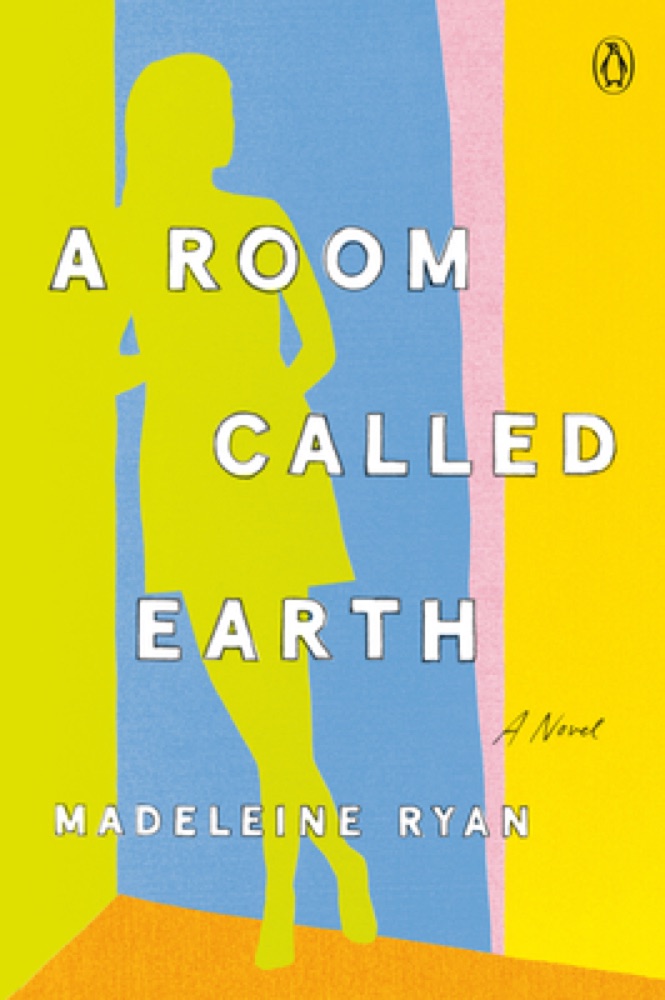 A Room Called Earth
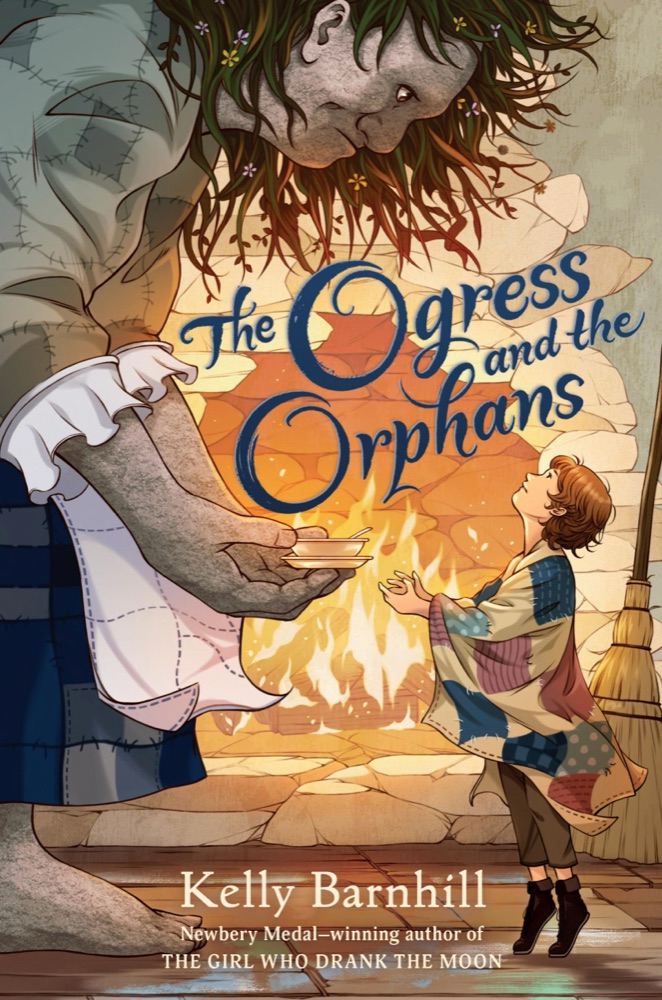 The Ogress and the Orphans
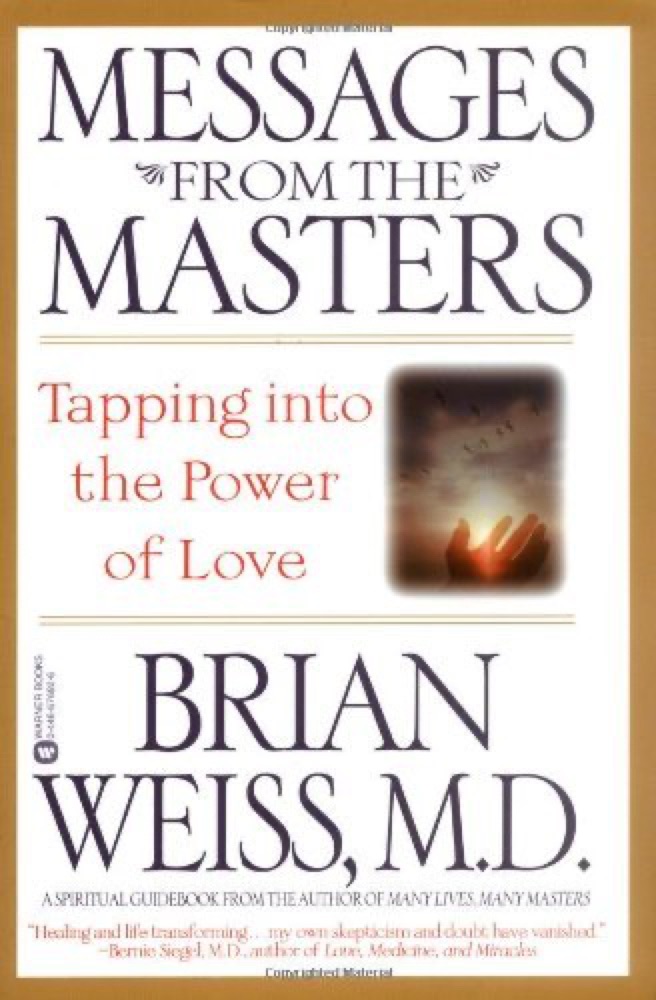 Messages from the Masters: Tapping into the Power of Love
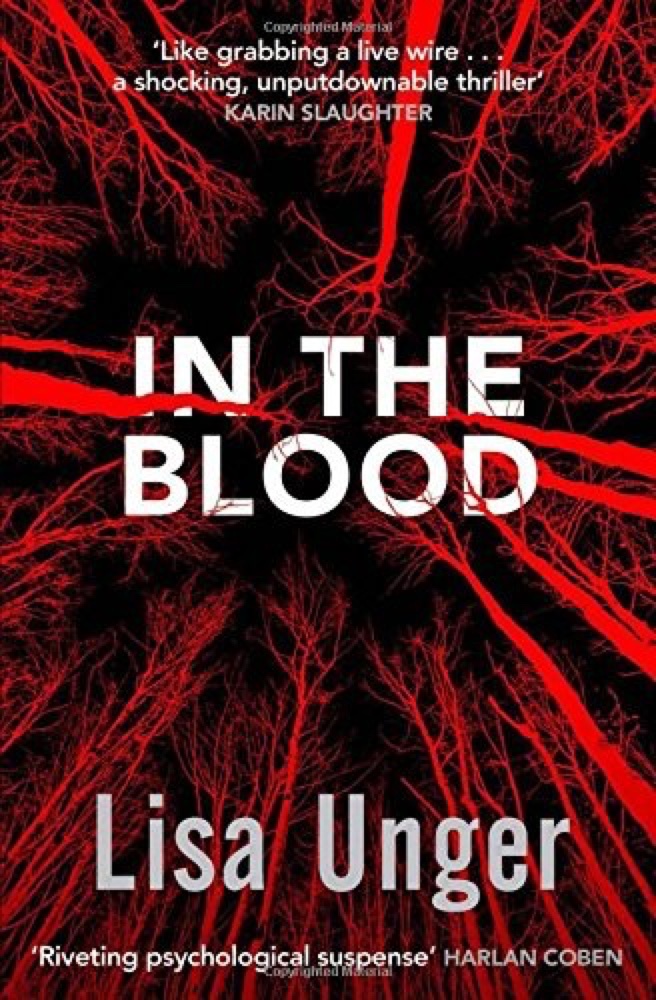 In The Blood
 Tattoos on the Heart: The Power of Boundless Compassion
 Drive Your Plow Over the Bones of the Dead
 Changes That Heal: How to Understand the Past to Ensure a Healthier Future
 The Book of Awakening: Having the Life You Want by Being Present to the Life You Have
 The Book of Hope: A Survival Guide for Trying Times
 See No Stranger: A Memoir and Manifesto of Revolutionary Love
 A Return to Love: Reflections on the Principles of "A Course in Miracles"
 Buddhist Boot Camp
 Humankind: A Hopeful History
 How Do You Live?
 Have You Seen Luis Velez?
 Dare to Lead
 Life Will Be the Death of Me: . . . and you too!
 A Beautiful Day in the Neighborhood: The Poetry of Mister Rogers
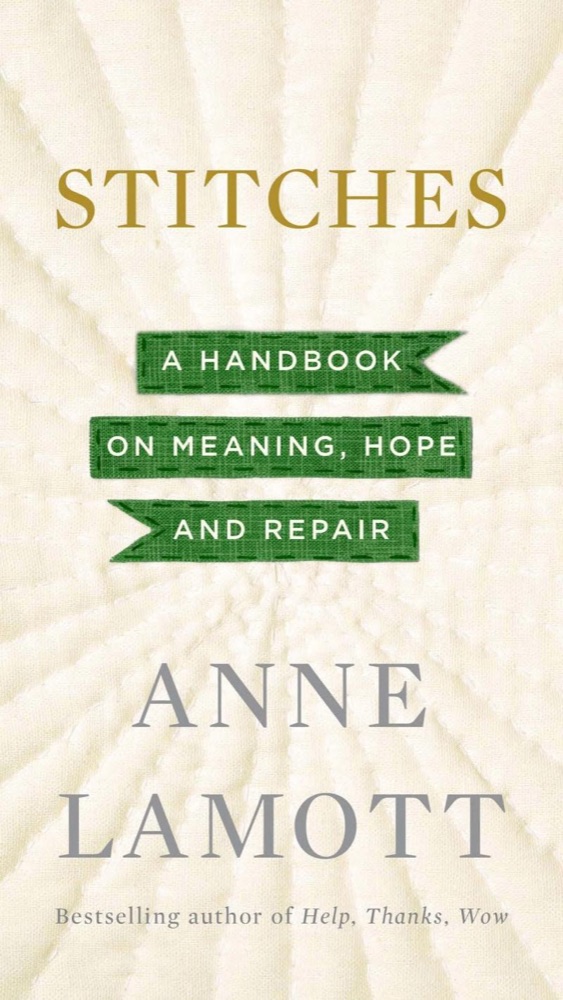 Stitches: A Handbook on Meaning, Hope, and Repair