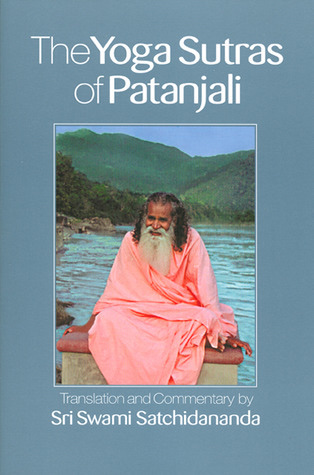
 The Yoga Sutras of Patanjali
Quotes from the Book
We are not going to change the whole world, but we can change ourselves and feel free as birds. We can be serene even in the midst of calamities and, by our serenity, make others more tranquil. Serenity is contagious. If we smile at someone, he or she will smile back. And a smile costs nothing. We should plague everyone with joy. If we are to die in a minute, why not die happily, laughing? (136-137)
477
If you have done something meritorious, you experience pleasure and happiness; if wrong things, suffering. A happy or unhappy life is your own creation. Nobody else is responsible. If you remember this, you won’t find fault with anybody. You are your own best friend as well as your worst enemy. (99)
95
Truth is the same always. Whoever ponders it will get the same answer. Buddha got it. Patanjali got it. Jesus got it. Mohammed got it. The answer is the same, but the method of working it out may vary this way or that. (115)
89
[T]he period between four and six in the morning is called the Brahmamuhurta, the Brahmic time, or divine period, and is a very sacred time to meditate. (140)
71
If you do not pour water on your plant, what will happen? It will slowly wither and die. Our habits will also slowly wither and die away if we do not give them an opportunity to manifest. You need not fight to stop a habit. Just don’t give it an opportunity to repeat itself. (67)
70
At various points in our lives, or on a quest, and for reasons that often remain obscure, we are driven to make decisions which prove with hindsight to be loaded with meaning. (225)
68
There’s no value in digging shallow wells in a hundred places. Decide on one place and dig deep. Even if you encounter a rock, use dynamite and keep going down. If you leave that to dig another well, all the first effort is wasted and there is no proof you won’t hit rock again. (52)
64
The five points of yama, together with the five points of niyama, remind us of the Ten Commandments of the Christtian and Jewish faiths, as well as of the ten virtues of Buddhism. In fact, there is no religion without these moral or ethical codes. All spiritual life should be based on these things. They are the foundation stones without which we can never build anything lasting. (127)
58
Mere philosophy will not satisfy us. We cannot reach the goal by mere words alone. Without practice, nothing can be achieved. (3)
58
What is it that dies? A log of wood dies to become a few planks. The planks die to become a chair. The chair dies to become a piece of firewood, and the firewood dies to become ash. You give different names to the different shapes the wood takes, but the basic substance is there always. If we could always remember this, we would never worry about the loss of anything. We never lose anything; we never gain anything. By such discrimination we put an end to unhappiness. (118-119)
49
When even one virtue becomes our nature, the mind becomes clean and tranquil. Then there is no need to practice meditation; we will automatically be meditating always. (151)
48
Yoga says instinct is a trace of an old experience that has been repeated many times and the impressions have sunk down to the bottom of the mental lake. Although they go down, they aren’t completely erased. Don’t think you ever forget anything. All experiences are stored in the chittam; and, when the proper atmosphere is created, they come to the surface again. When we do something several times it forms a habit. Continue with that habit for a long time, and it becomes your character. Continue with that character and eventually, perhaps in another life, it comes up as instinct. (92)
48
. . . I feel we don’t really need scriptures. The entire life is an open book, a scripture. Read it. Learn while digging a pit or chopping some wood or cooking some food. If you can’t learn from your daily activities, how are you going to understand the scriptures? (233)
29
[O]ur own bodies are changing every second. Yet we take the body to be our Self; and, speaking in terms of it, we say, “I am hungry” or “I am lame”; “I am black” or “I am white.” These are all just the conditions of the body. We touch the truth when we say, “My body aches,” implying the body belongs to us and that therefore we are not that. (87)
27
The cause of bandha and moksha (bondage and liberation) is our own minds. If we think we are bound, we are bound. If we think we are liberated, we are liberated. . . . It is only when we transcend the mind that we are free from all these troubles. (117)
26
If we only look within, we will see he Light as if we were seeing our own image in a mirror. (122)
23
We don’t exhaust the Bible even after reading it hundreds of times. Each time we read it we see it in a new light. That is the greatness of the holy scriptures. They are that way because they were created by holy prophets who experienced the truth. Each time we read these works we elevate ourselves to see a little more. (81)
18
Temples and churches have become social centers. They have lost their original purpose because the minds of the people are more attracted to worldly things than to prayer. The lips repeat the prayer mechanically like a phonograph record, but the mind wanders to other places. (23-24)
17
[C]ontinence is a very important part of yoga. If a handful of people come forward with strong wills, nothing is impossible. One Buddha changed half the globe; one Jesus, three quarters of the world. We all have that capacity. (140)
16
As the mind, so the person; bondage or liberation are in your own mind.” If you feel bound, you are bound. If you feel liberated, you are liberated. Things outside neither bind nor liberate you; only your attitude toward them does that.
15
The moment you understand yourself as the true Self, you find such peace and bliss that the impressions of the petty enjoyments you experienced before become as ordinary specks of light in front of the brilliant sun.
15
With this truth bearing light will begin a new life. Old unwanted impressions are discarded and we are protected from the damaging effects of new experiences.
13
Let us all dedicate our lives for the sake of the entire humanity. With every minute, every breath, every atom of our bodies we should repeat this mantra: “dedication, dedication, giving, giving, loving, loving.
12
The purification of the mind is very necessary. (72)
11
These Sutras are reminiscent of the Four Noble Truths of Lord Buddha: the misery of the world, the cause of misery, the removal of that misery, and the method used to remove it. Patanjali tells us that pain can be avoided. He further tells us that its cause is ignorance. (115)
10
If you are that patient, your mind is more settled, and what you do will be more perfect. If you are unsettled and anxious to get the result, you are already disturbed; nothing done with that disturbed mind will have quality. So, it is not only how long you practice, but with what patience, what earnestness and what quality also.
9
In not only the physical science, but in the real mental silence, the wisdom dawns. (75)
8
It seems to be contradictory. But the secret is that any desire without any personal or selfish motive will never bind you. Why? Because the pure, selfless desire has no expectation whatsoever, so it knows no disappointment no matter what the result. But though it expects nothing, it has its own reward. When you make someone happy, you see his or her happy face and feel happy yourself. If you have really experienced the joy of just giving something for the sake of giving, you will wait greedily for opportunities to get that joy again and again. Many people think that by renouncing everything, by becoming selfless and desireless, there is no enjoyment. No. That is not so. Instead, you become the happiest man or woman. The more you serve, the more happiness you enjoy. Such a person knows the secret of life. There is a joy in losing everything, in giving everything. You cannot be eternally happy by possessing things. The more you possess, the more sad you become. Haven’t we seen millionaires, people of high position, prime ministers, presidents? Are they happy? No. The higher the position, the greater the trouble. Only a saint, a renunciate, is always happy because there is nothing for a saint to lose. Because you don’t have anything, you have your Self always. That is the secret.
6
If you can control the rising of the mind into ripples, you will experience Yoga.
6
You can’t just go into the mind and erase the impressions. But they get themselves erased at one point. When? When you succeed in going within and realizing the peace and joy of your own Self. The moment you understand yourself as the true Self, you find such peace and bliss that the impressions of the petty enjoyments you experienced before become as ordinary specks of light in front of the brilliant sun. You lose all interest in them permanently. That is the highest non-attachment.
4
Watch on YouTube
About Satchidananda
We have collected 30 quotes from 1 book by Satchidananda on BookQuoters.
More about the author →About the book
This valuable book provides a complete manual for the study and practice of Raja Yoga, the path of concentration and meditation. This new deluxe printing of these timeless teachings is a treasure to be read and referred to again and again by seekers treading the spiritual path. The classic Sutras (thought-threads), at least 4,000 years old, cover the yogic teachings on ethics, meditation, and physical postures, and provide directions for dealing with situations in daily life. The Sutras are presented here in the purest form, with the original Sanskrit and with translation, transliteration, and commentary by Sri Swami Satchidananda, one of the most respected and revered contemporary Yoga masters. In this classic context, Sri Swamiji offers practical advice based on his own experience for mastering the mind and achieving physical, mental and emotional harmony.
Book details
- First published
- 400
- Author
- Satchidananda
- Genre
- Nonfiction
- Goodreads rating
- 4.38 (13k ratings)
Keep reading
The Yoga Sutras of Patanjali
 Raja-Yoga
 The Book of Secrets
 Awakening the Buddha Within
 The Book of Secrets: Unlocking the Hidden Dimensions of Your Life
 The Book of Wisdom
 Everyday Zen: Love & Work
 The Tibetan Book of Living and Dying
 The Heart of the Buddha's Teaching: Transforming Suffering into Peace, Joy, and Liberation
 Tibetan Book of the Dead
 The Wise Heart: A Guide to the Universal Teachings of Buddhist Psychology
 The Art of Power
 Mindfulness in Plain English
 The Power of Now: A Guide to Spiritual Enlightenment
 Living Untethered: Beyond the Human Predicament
 Nothing Special: A Zen Buddhist Guide to Awakening Through Daily Life's Feelings, Relationships, and Work
 Meditation
 The Joy of Living: Unlocking the Secret and Science of Happiness
 The Miracle of Mindfulness: An Introduction to the Practice of Meditation
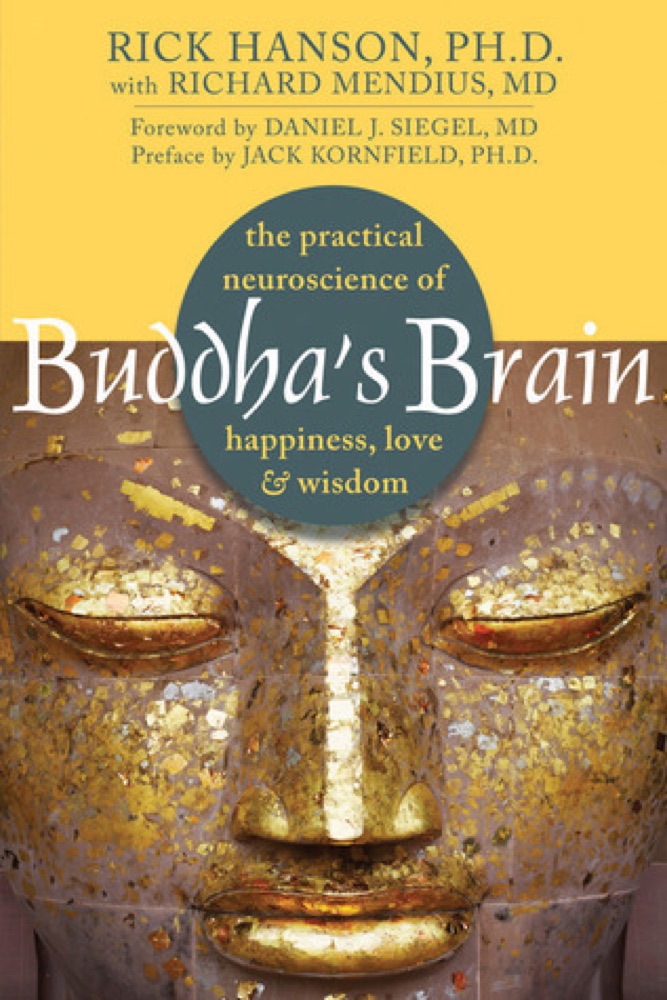 Buddha's Brain: The Practical Neuroscience of Happiness, Love, and Wisdom
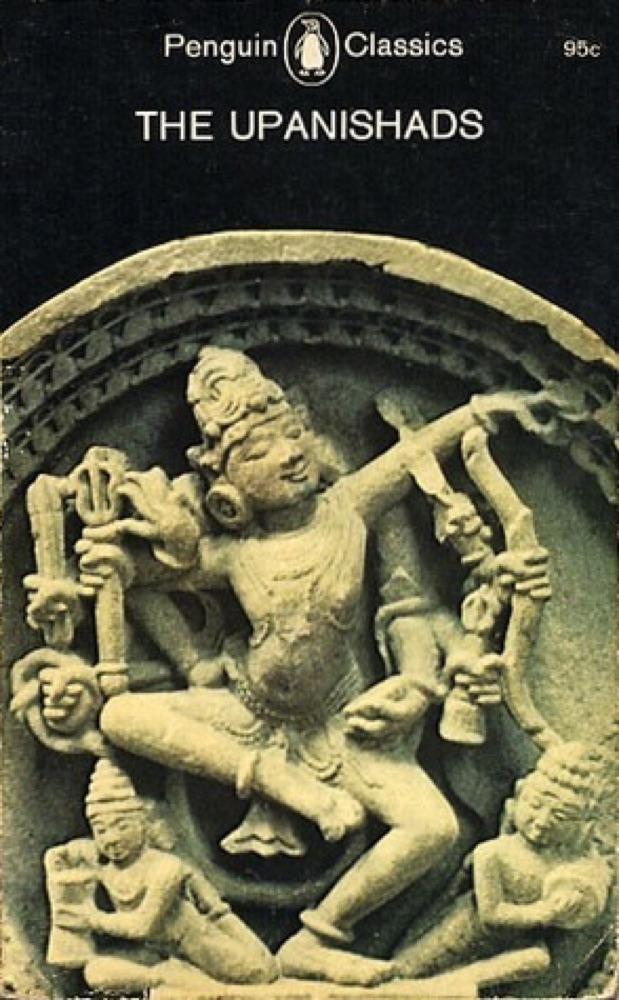 The Upanishads
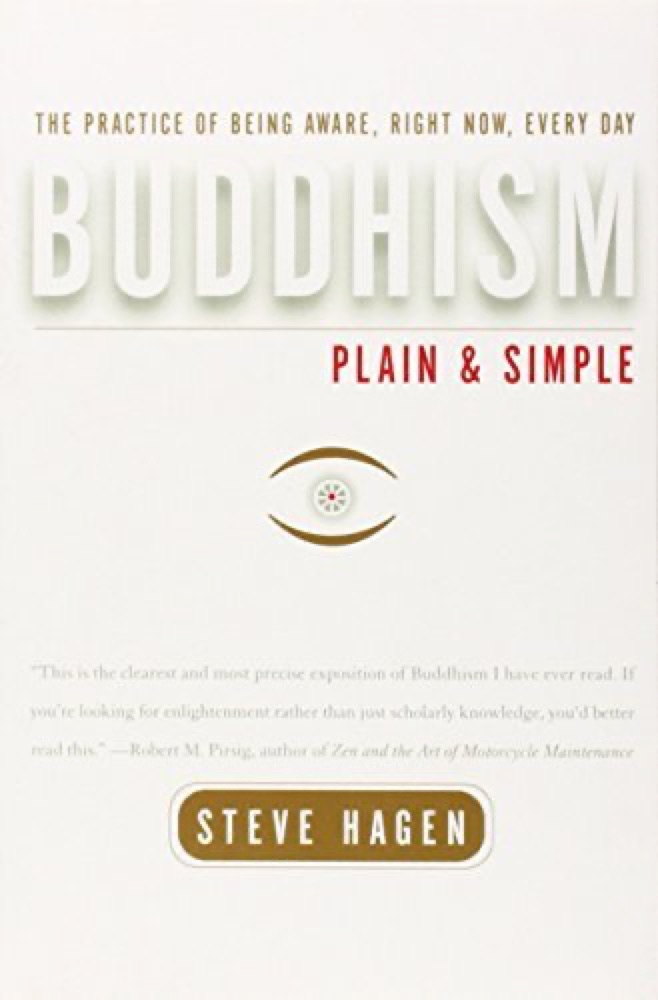 Buddhism Plain & Simple: The Practice of Being Aware, Right Now, Every Day
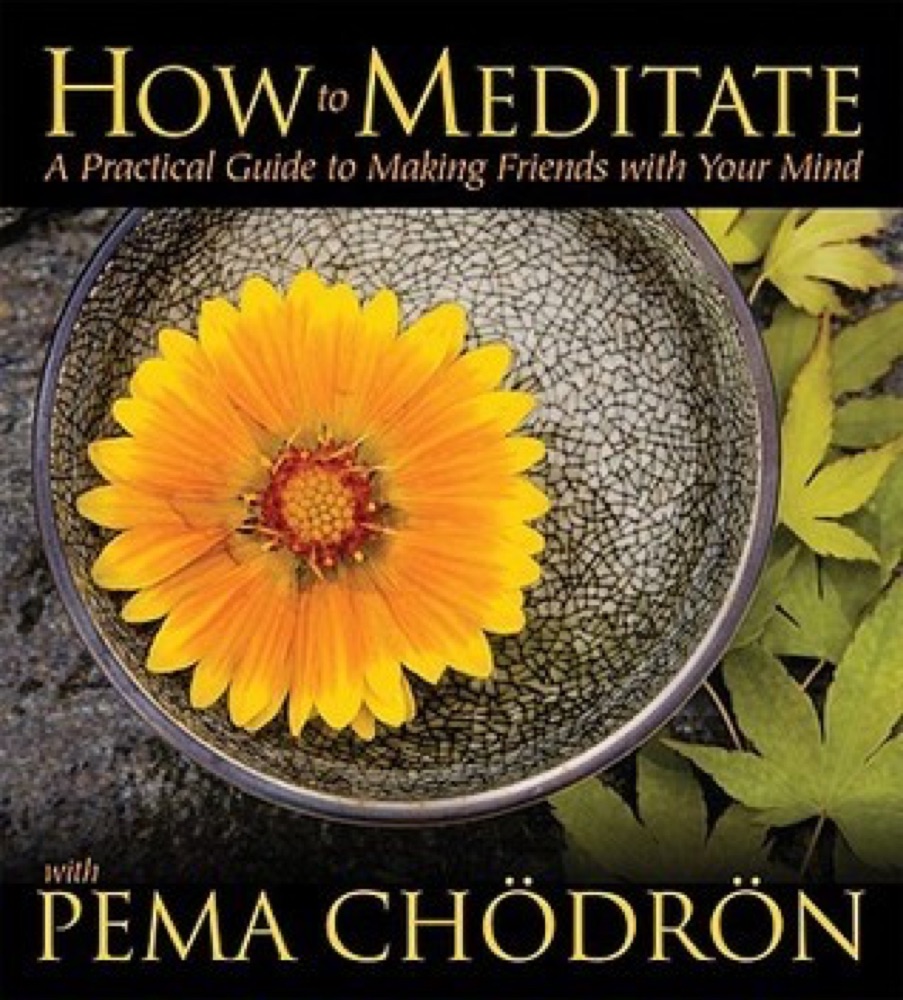 How to Meditate: A Practical Guide to Making Friends with Your Mind
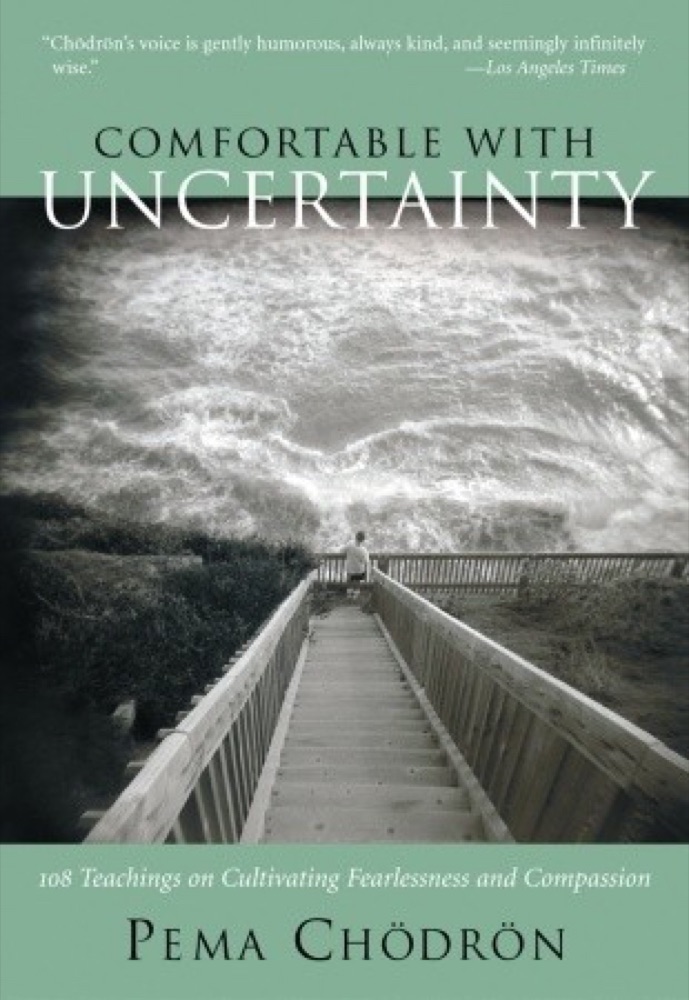 Comfortable with Uncertainty: 108 Teachings on Cultivating Fearlessness and Compassion
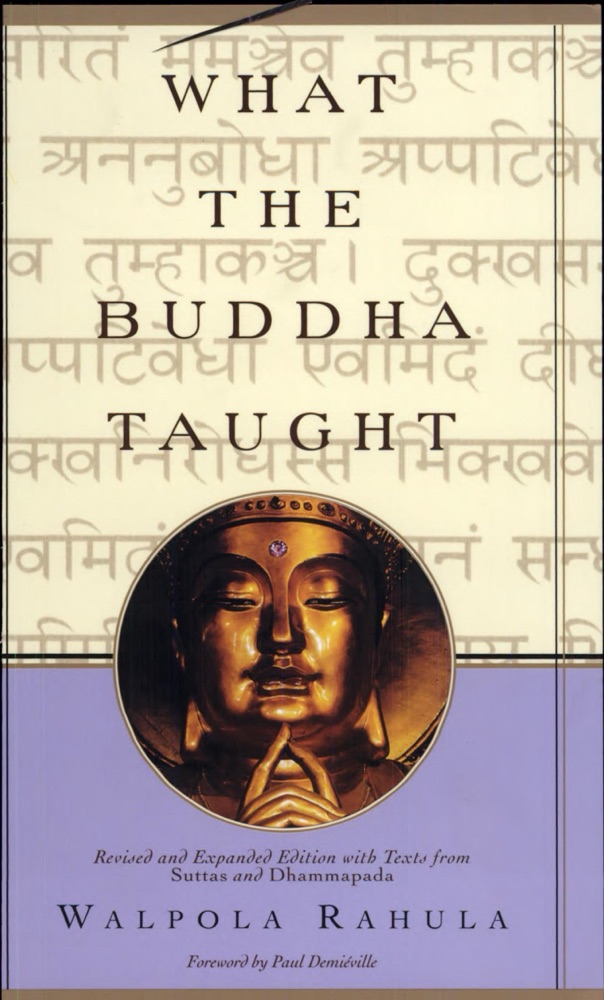 What the Buddha Taught
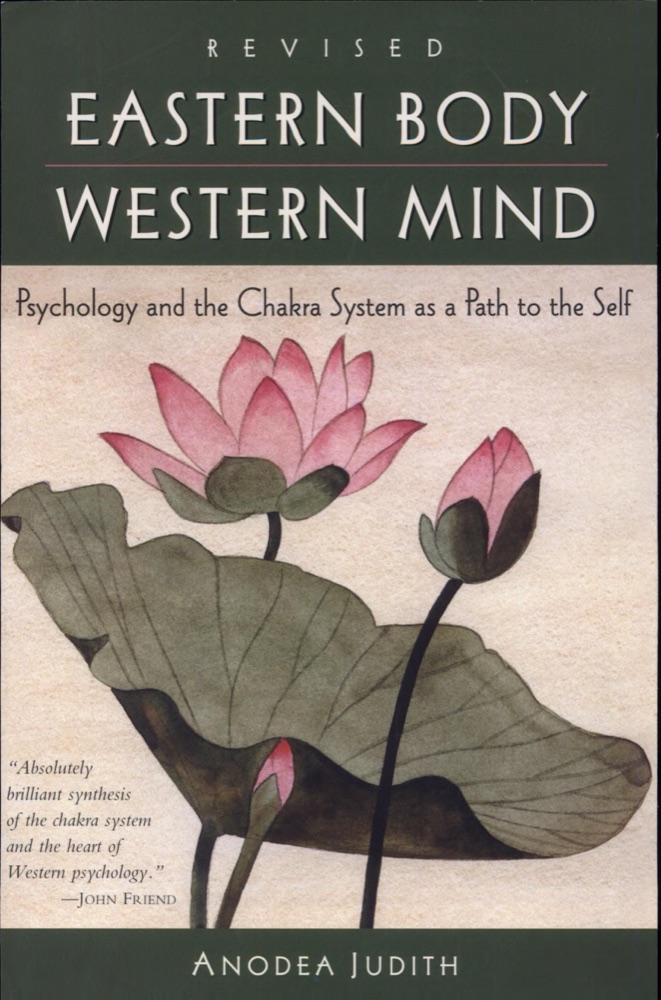 Eastern Body, Western Mind: Psychology and the Chakra System as a Path to the Self
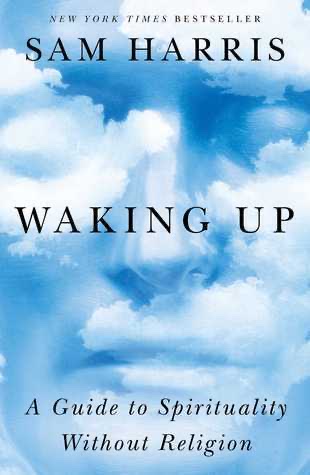 Waking Up: A Guide to Spirituality Without Religion
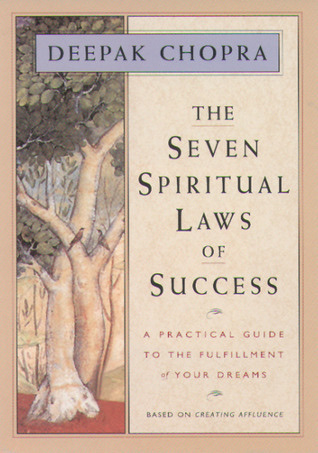 The Seven Spiritual Laws of Success: A Practical Guide to the Fulfillment of Your Dreams
 The World's Religions
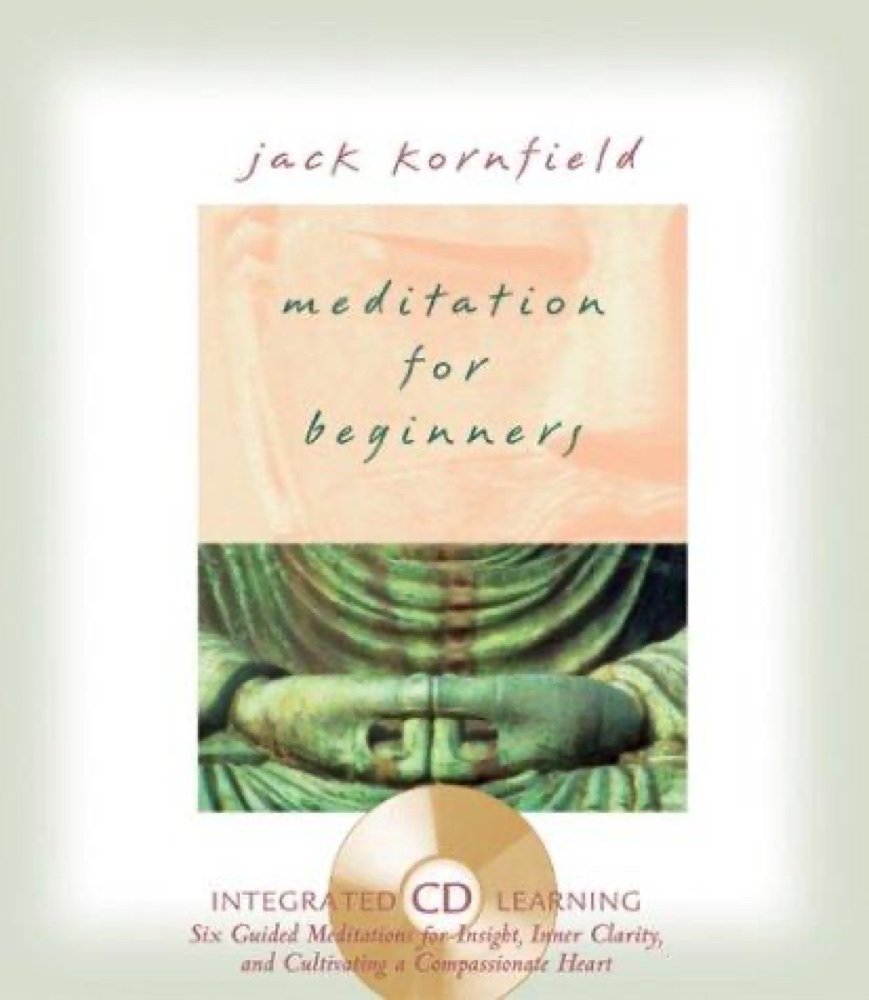 Meditation for Beginners
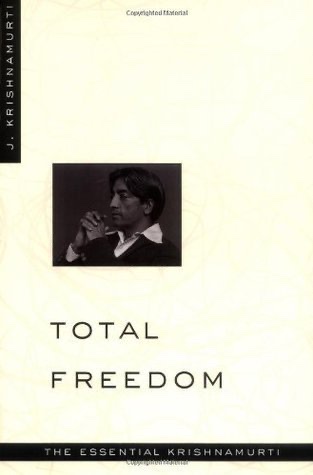 Total Freedom: The Essential Krishnamurti
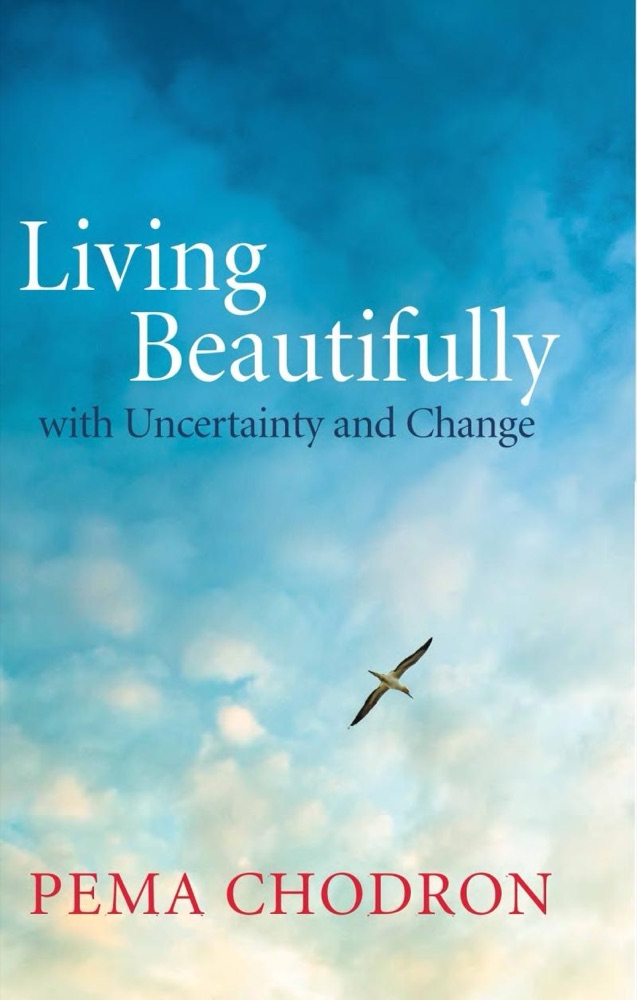 Living Beautifully with Uncertainty and Change
 Full Catastrophe Living: Using the Wisdom of Your Body and Mind to Face Stress, Pain, and Illness
 Celebrating Silence: Excerpts from Five Years of Weekly Knowledge 1995-2000
 Cutting Through Spiritual Materialism
 Many Lives, Many Masters: The True Story of a Prominent Psychiatrist, His Young Patient, and the Past Life Therapy That Changed Both Their Lives
 Against the Stream: A Buddhist Manual for Spiritual Revolutionaries
 The I Ching or Book of Changes
 Practicing the Power of Now: Essential Teachings, Meditations, and Exercises from the Power of Now
 Autobiography of a Yogi
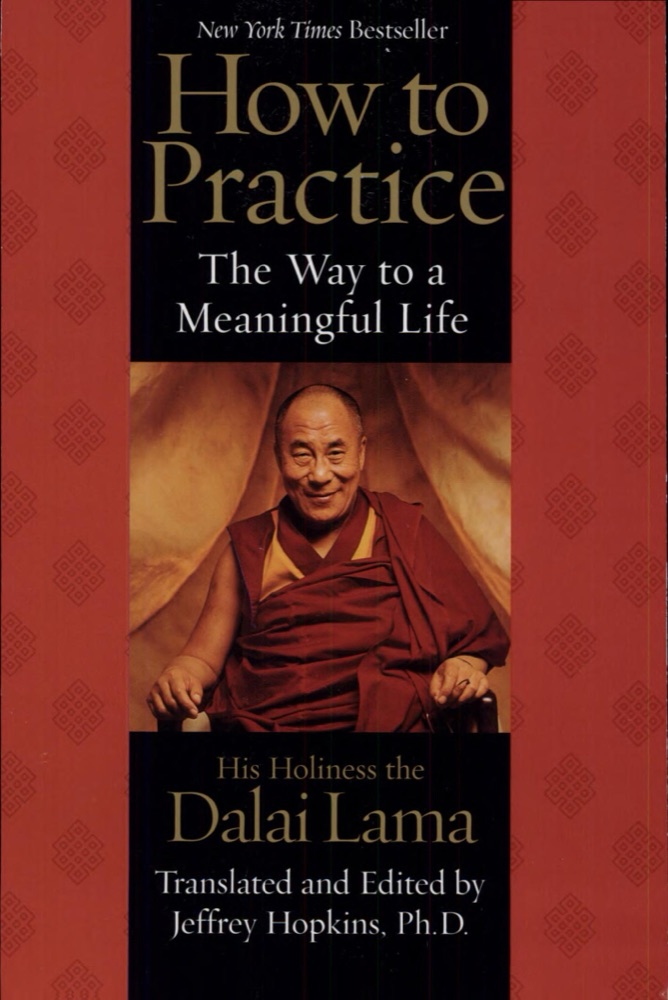 How to Practice: The Way to a Meaningful Life
 The Dalai Lama's Cat and the Power of Meow
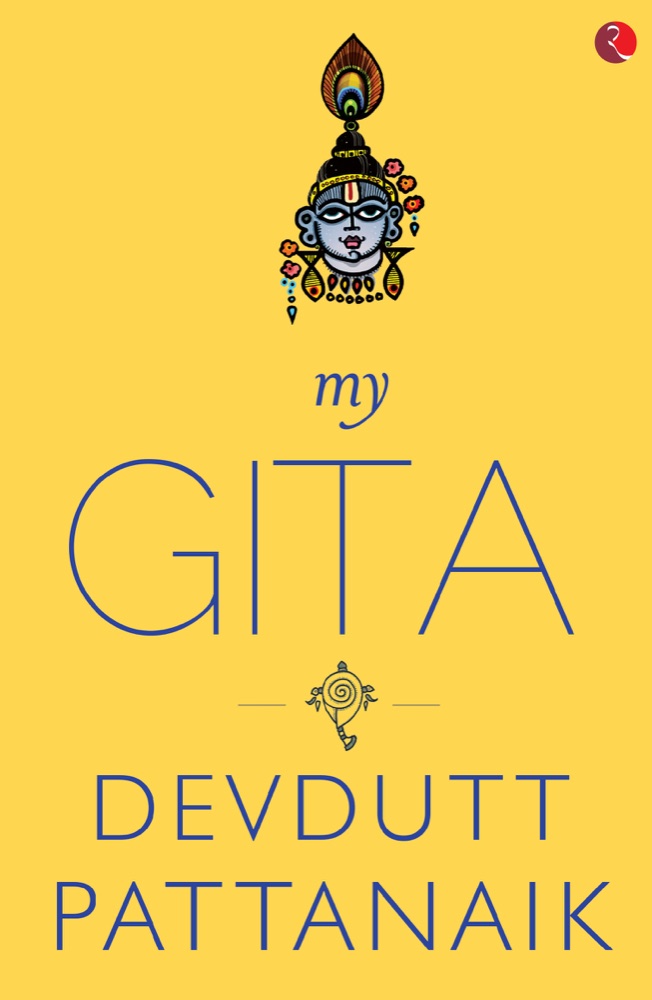 My Gita
 Buddhist Boot Camp
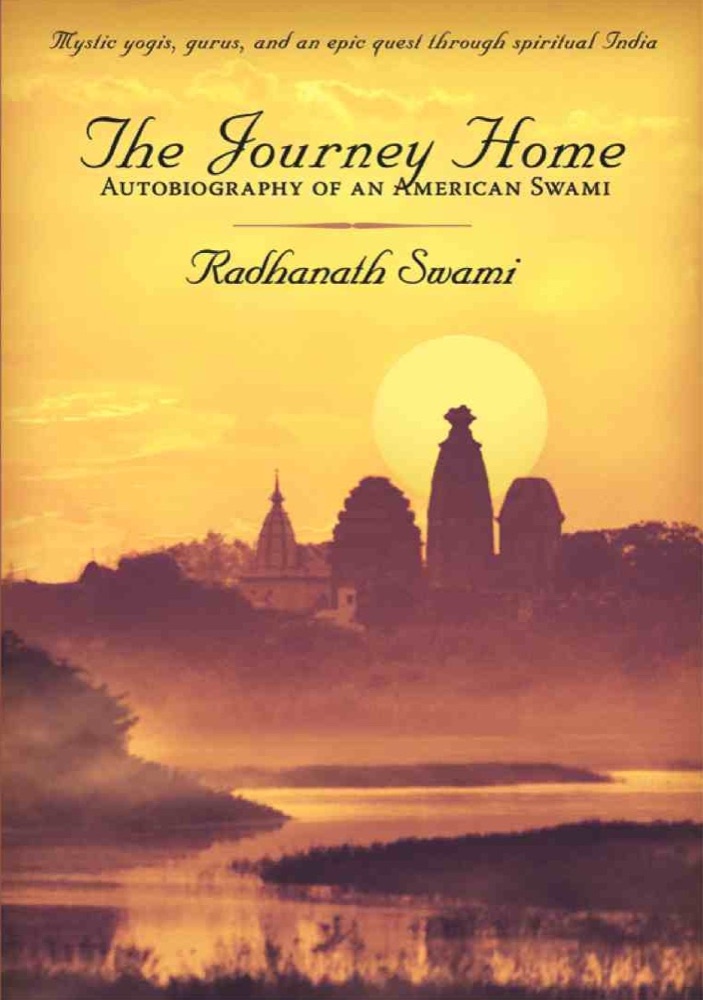 The Journey Home
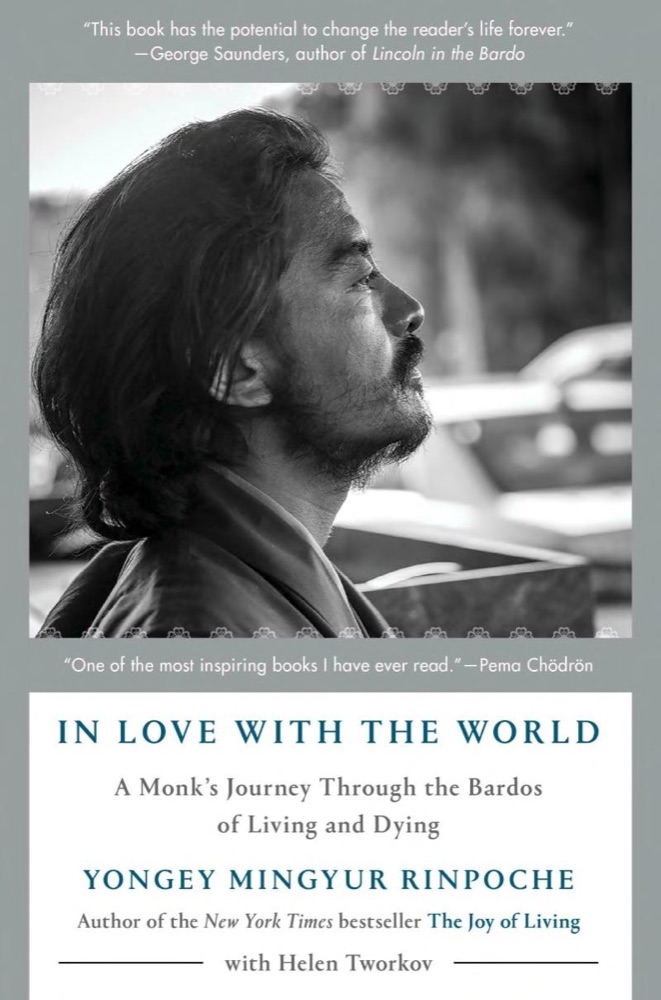 In Love with the World: A Monk's Journey Through the Bardos of Living and Dying
 Meditations from the Mat: Daily Reflections on the Path of Yoga
 365 Tao: A Study of Taoist Wisdom for Daily Life
 The Intellectual Life: Its Spirit, Conditions, Methods
 How to Know Higher Worlds: A Modern Path of Initiation
 Be Here Now
 The Mind Illuminated: A Complete Meditation Guide Integrating Buddhist Wisdom and Brain Science
 Awareness: Conversations with the Masters
 Happiness: A Guide to Developing Life's Most Important Skill
 Bhagavad-Gita As It Is
 My Spiritual Journey: Personal Reflections, Teachings, and Talks
 Freedom from the Known