
 A Woman's Worth
Quotes from the Book
Our deepest fear is not that we are inadequate. Our deepest fear is that we are powerful beyond measure. It is our light, not our darkness that most frightens us. We ask ourselves, 'Who am I to be brilliant, gorgeous, talented, fabulous?' Actually, who are you not to be? You are a child of God. Your playing small does not serve the world. There is nothing enlightened about shrinking so that other people won't feel insecure around you. We are all meant to shine, as children do. We were born to make manifest the glory of God that is within us. It's not just in some of us; it's in everyone. And as we let our own light shine, we unconsciously give other people permission to do the same. As we are liberated from our own fear, our presence automatically liberates others.
18.1k
It takes courage...to endure the sharp pains of self discovery rather than choose to take the dull pain of unconsciousness that would last the rest of our lives.
951
You may believe that you are responsible for what you do, but not for what you think. The truth is that you are responsible for what you think, because it is only at this level that you can exercise choice. What you do comes from what you think.
375
We ask ourselves, who am I to be brilliant, gorgeous, handsome, talented and fabulous? Actually, who are you not to be?
316
In the absence of love, we began slowly but surely to fall apart.
270
...available people are the ones who are dangerous, because they confront us with the possibility of real intimacy.
233
Do what you love. Do what makes your heart sing. And NEVER do it for the money, Go to work to spread joy.
126
May my heart be your shelter, and my arms be your home.
101
Love in your mind produces love in your life. This is the meaning of heaven. Fear in your mind produces fear in your life. This is the meaning of hell.
79
When infants aren't held, they can become sick, even die. It's universally accepted that children need love, but at what age are people supposed to stop needing it? We never do. We need love in order to live happily, as much as we need oxygen in order to live at all.
74
We're hallucinating. And that's what this world is: a mass hallucination, where fear seems more real than love. Fear is an illusion. Our craziness, paranoia, anxiety and trauma are literally all imagined.
65
I am a glorious child of God. I am joyful, serene, positive, and loving.
62
Our self-perception determines our behavior. If we think we’re small, limited, inadequate creatures, then we tend to behave that way, and the energy we radiate reflects those thoughts no matter what we do. If we think we’re magnificent creatures with an infinite abundance of love and power to give, then we tend to behave that way. Once again, the energy around us reflects our state of awareness.
60
When we attach value to things that aren’t love—the money, the car, the house, the prestige—we are loving things that can’t love us back. We are searching for meaning in the meaningless.
52
Our deepest fear is not that we are inadequate. Our deepest fear is that we are powerful beyond measure.
51
There is no Mr. Right because there is no Mr. Wrong. There is whoever is in front of us, and the perfect lessons to be learned from that person.
44
Third-level, life-long relationships are generally few because “their existence implies that those involved have reached a stage simultaneously in which the teaching-learning balance is actually perfect.” That doesn’t mean, however, that we necessarily recognize our third-level assignments; in fact, generally we don’t. We may even feel hostility toward these particular people. Someone with whom we have a lifetime’s worth of lessons to learn is someone whose presence in our lives forces us to grow. Sometimes it represents someone with whom we participate lovingly all our lives, and sometimes it represents someone who we experience as a thorn in our side for years, or even forever. Just because someone has a lot to teach us, doesn’t mean we like them. People who have the most to teach us are often the ones who reflect back to us the limits to our own capacity to love, those who consciously or unconsciously challenge our fearful positions. They show us our walls. Our walls are our wounds—the places where we feel we can’t love any more, can’t connect any more deeply, can’t forgive past a certain point. We are in each other’s lives in order to help us see where we most need healing, and in order to help us heal.
44
To ask for another relationship, or another job, is not particularly helpful if we’re going to show up in the new situation exactly as we showed up in the last one.
42
Dear God, I surrender this relationship to you,” means, “Dear God, let me see this person through your eyes.” In accepting the Atonement, we are asking to see as God sees, think as God thinks, love as God loves. We are asking for help in seeing someone’s innocence.
42
...a miracles is a reasonable thing to ask for.
39
Love is what we were born with. Fear is what we have learned here. The spiritual journey is the relinquishment—or unlearning—of fear and the acceptance of love back into our hearts. Love is the essential existential fact. It is our ultimate reality and our purpose on earth. To be consciously aware of it, to experience love in ourselves and others, is the meaning of life.
36
How a person seems to show up for us is intimately connected to how we choose to show up for them.
34
It’s easy to forgive people who have never done anything to make us angry. People who do make us angry, however, are our most important teachers. They indicate the limits to our capacity for forgiveness. “Holding grievances is an attack on God’s plan for salvation.” The decision to let go our grievances against other people is the decision to see ourselves as we truly are, because any darkness we let blind us to another’s perfection also blinds us to our own. It can be very hard to let go of your perception of someone’s guilt when you know that by every standard of ethics, morality, or integrity, you’re right to find fault with them. But the Course asks, “Do you prefer that you be right or happy?
33
Surrender means, by definition, giving up attachment to results. When we surrender to God, we let go of our attachment to how things happen on the outside and we become more concerned with what happens on the inside.
33
Thought is Cause; experience is Effect. If you don’t like the effects in your life, you have to change the nature of your thinking.
33
Love is the essential existential fact. It is our ultimate reality and our purpose on earth. To be consciously aware of it, to experience love in ourselves and others, is the meaning of life.
31
Sometimes people think that calling on God means inviting a force into our lives that will make everything rosy. The truth is, it means inviting everything into our lives that will force us to grow—and growth can be messy. The purpose of life is to grow into our perfection. Once we call on God, everything that could anger us is on the way. Why? Because the place where we go into anger instead of love, is our wall. Any situation that pushes our buttons is a situation where we don’t yet have the capacity to be unconditionally loving. It’s the Holy Spirit’s job to draw our attention to that, and help us move beyond that point.
30
In asking for miracles, we are seeking a practical goal: a return to inner peace. We’re not asking for something outside us to change, but for something inside us to change. We’re looking for a softer orientation to life.
30
when we think we have things already figured out, we’re not teachable. Genuine insight can’t dawn on a mind that’s not open to receive it.
29
Watch on YouTube
About Marianne Williamson
We have collected 83 quotes from 3 books by Marianne Williamson on BookQuoters.
More about the author →More by Marianne Williamson
A Woman's Worth
 The Law of Divine Compensation: On Work, Money, and Miracles
About the book
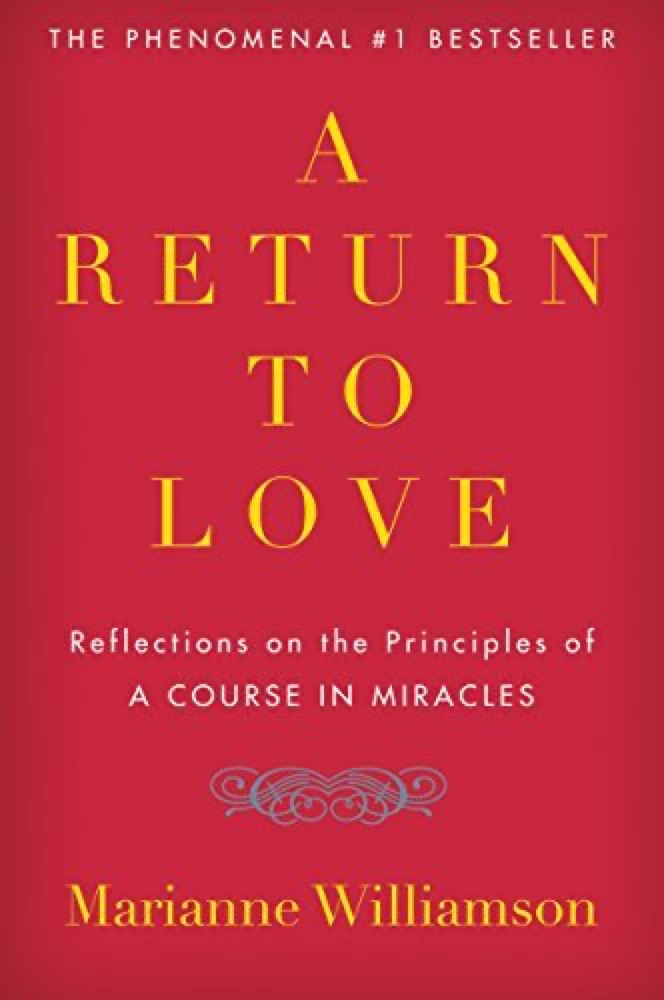
Back by popular demand -- and newly updated by the author -- the mega-bestselling spiritual guide in which Marianne Williamson shares her reflections on A Course in Miracles and her insights on the application of love in the search for inner peace.
Williamson reveals how we each can become a miracle worker by accepting God and by the expression of love in our daily lives. Whether psychic pain is in the area of relationships, career, or health, she shows us how love is a potent force, the key to inner peace, and how by practicing love we can make our own lives more fulfilling while creating a more peaceful and loving world for our children.
Book details
- First published
- 1992
- Author
- Marianne Williamson
- Genre
- Nonfiction
- Goodreads rating
- 4.25 (39k ratings)
Keep reading
 Messages from the Masters: Tapping into the Power of Love
 The Mastery of Love: A Practical Guide to the Art of Relationship: A Toltec Wisdom Book
 Changes That Heal: How to Understand the Past to Ensure a Healthier Future
 If the Buddha Dated: A Handbook for Finding Love on a Spiritual Path
 The Book of Awakening: Having the Life You Want by Being Present to the Life You Have
 Heart Talk: Poetic Wisdom for a Better Life
 How to Be an Adult in Relationships: The Five Keys to Mindful Loving
 Kitchen Table Wisdom: Stories that Heal
 Dusk, Night, Dawn: On Revival and Courage
 The Things You Can See Only When You Slow Down: How to Be Calm in a Busy World
 See No Stranger: A Memoir and Manifesto of Revolutionary Love
 The Gifts of Imperfection
 The Road Less Travelled
 Conversations on Love
 Love, Freedom, and Aloneness: The Koan of Relationships
 Brave Enough
 101 Essays That Will Change The Way You Think
The Law of Divine Compensation: On Work, Money, and Miracles
101 Essays That Will Change The Way You Think
The Law of Divine Compensation: On Work, Money, and Miracles
 Plan B: Further Thoughts on Faith
 Present Over Perfect: Leaving Behind Frantic for a Simpler, More Soulful Way of Living
 The Way to Love: The Last Meditations of Anthony de Mello
 When Things Fall Apart: Heart Advice for Difficult Times
 Eat, Pray, Love
 Love for Imperfect Things: How to Accept Yourself in a World Striving for Perfection
 Loving What Is: Four Questions That Can Change Your Life
 The Book of Secrets: Unlocking the Hidden Dimensions of Your Life
 All About Love: New Visions
 Tattoos on the Heart: The Power of Boundless Compassion
 Of Mess and Moxie: Wrangling Delight Out of This Wild and Glorious Life
 Intimacy: Trusting Oneself and the Other
 Conversations with God: An Uncommon Dialogue, Book 1
 Carry On, Warrior: Thoughts on Life Unarmed
 The Seven Spiritual Laws of Success: A Practical Guide to the Fulfillment of Your Dreams
 Like Streams to the Ocean: Notes on Ego, Love, and the Things That Make Us Who We Are
 The Buddha Walks into a Bar . . .: A Guide to Life for a New Generation
 Blue Like Jazz: Nonreligious Thoughts on Christian Spirituality
 The Universe Has Your Back: Transform Fear to Faith
 The Four Agreements: A Practical Guide to Personal Freedom
 True Refuge: Finding Peace and Freedom in Your Own Awakened Heart
 The Mountain Shadow
 The Wise Heart: A Guide to the Universal Teachings of Buddhist Psychology
 The Shift: Taking Your Life from Ambition to Meaning
 Unglued: Making Wise Choices in the Midst of Raw Emotions
 Living Untethered: Beyond the Human Predicament
 Becoming Wise: An Inquiry into the Mystery and Art of Living
 Love Is Letting Go of Fear
 The Sacred Romance: Drawing Closer to the Heart of God
 God Never Blinks: 50 Lessons for Life's Little Detours
 The World According to Mister Rogers: Important Things to Remember
 Almost Everything: Notes on Hope
 Waking the Dead: The Glory of a Heart Fully Alive
 The Purpose Driven Life: What on Earth Am I Here for?
 The Heart of the Buddha's Teaching: Transforming Suffering into Peace, Joy, and Liberation
 The Shack
 Never Broken: Songs Are Only Half the Story
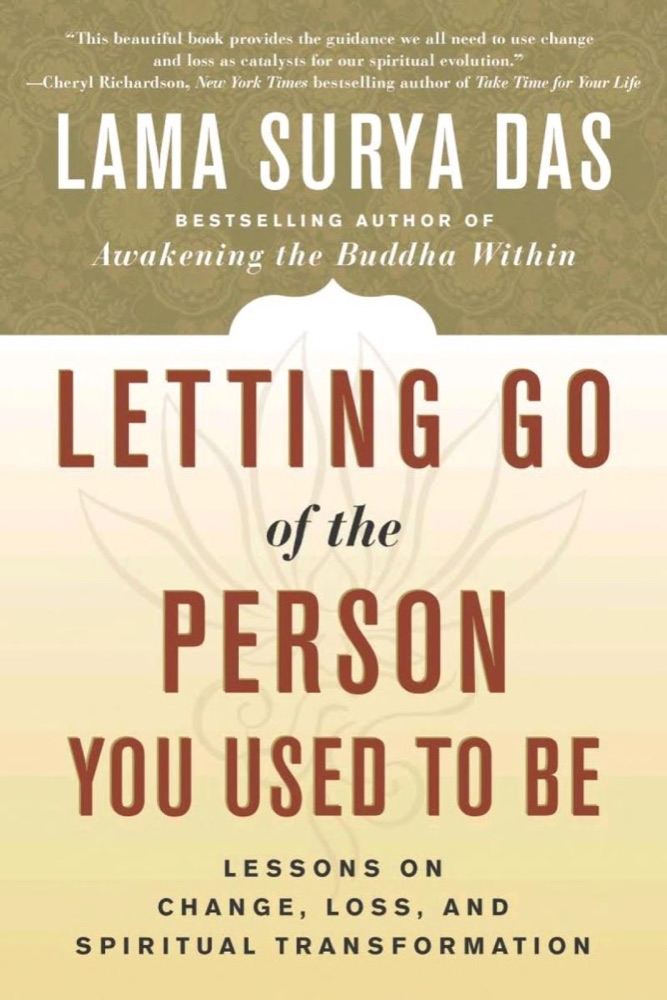 Letting Go of the Person You Used to Be: Lessons on Change, Loss, and Spiritual Transformation
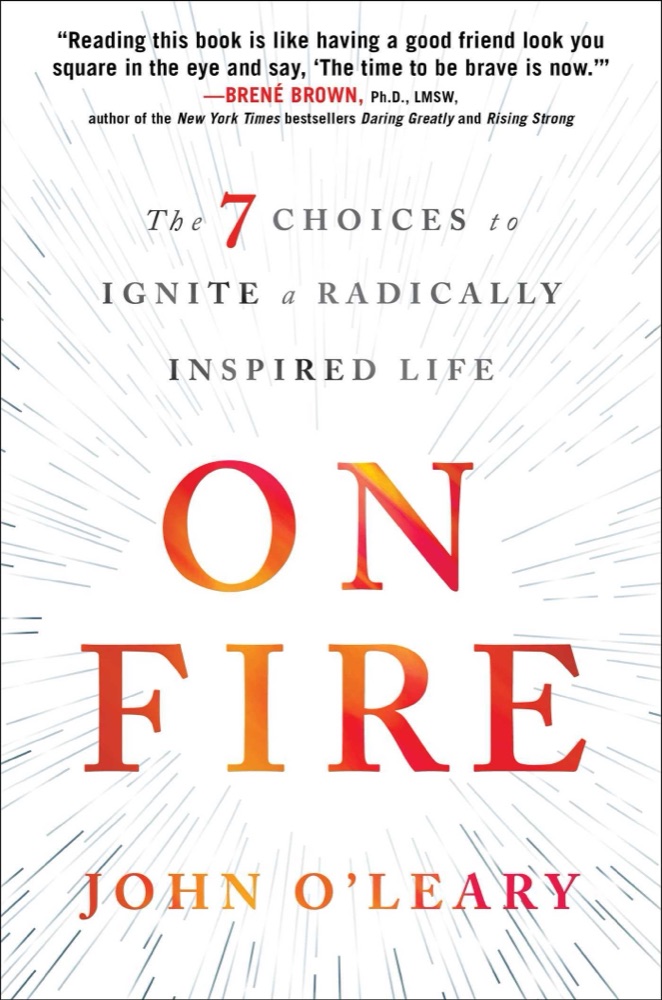 On Fire: The 7 Choices to Ignite a Radically Inspired Life
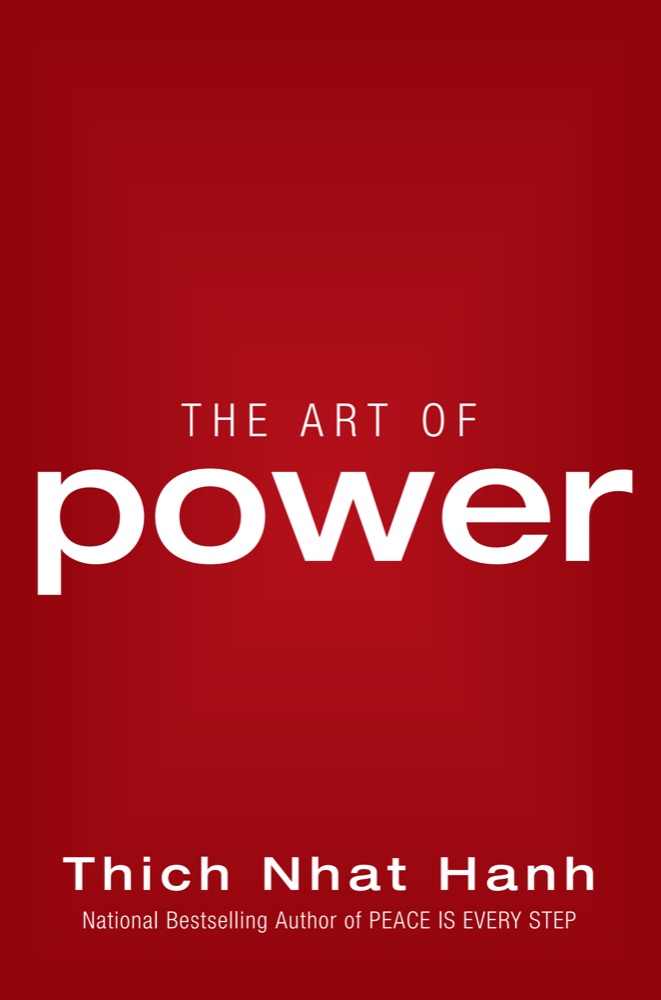 The Art of Power
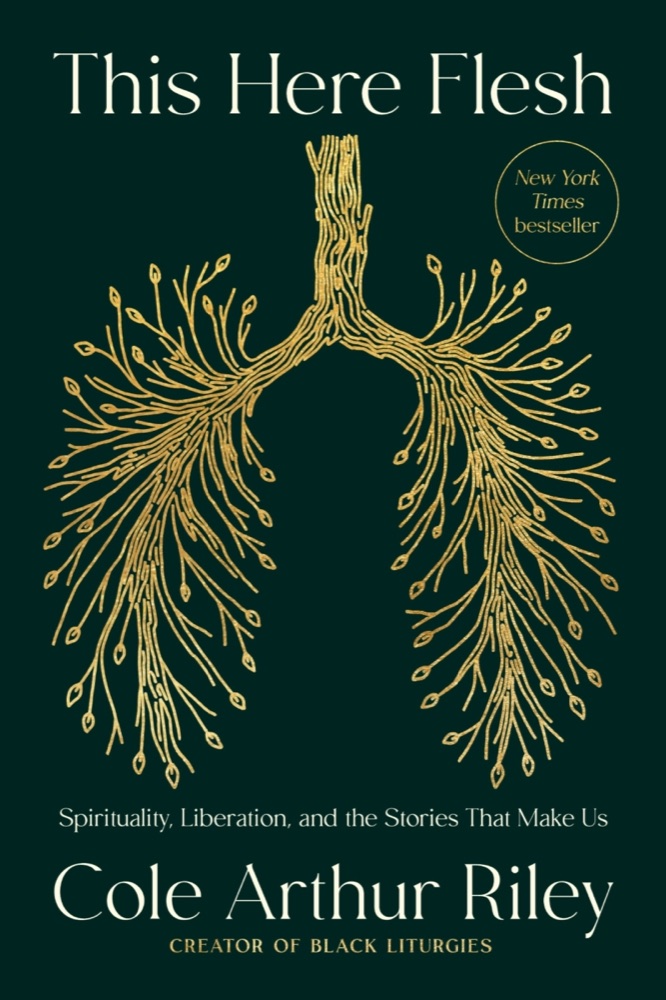 This Here Flesh: Spirituality, Liberation, and the Stories That Make Us