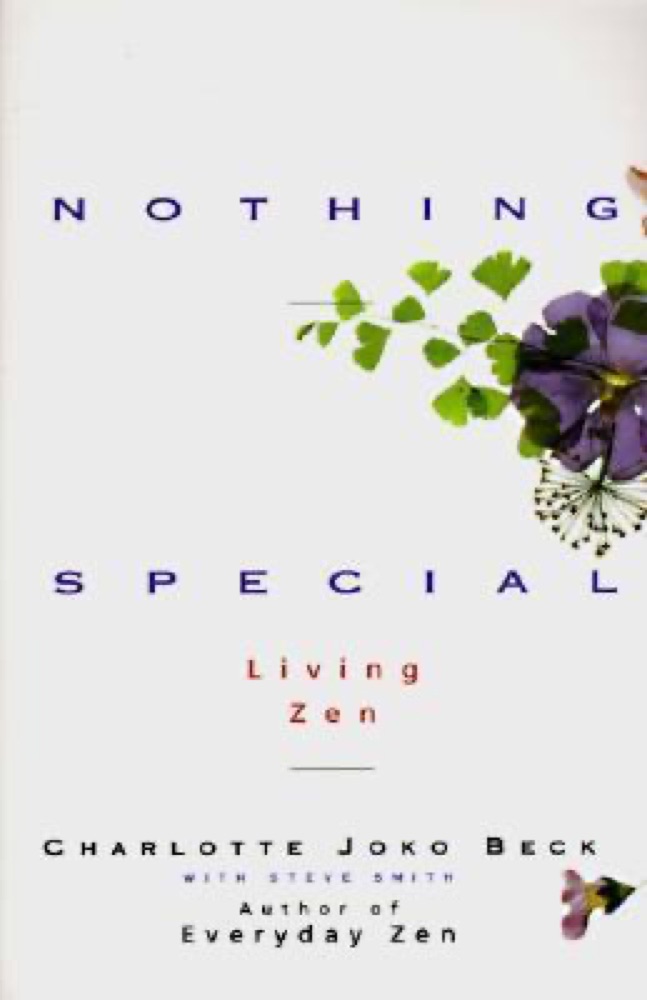
 Everyday Zen: Love & Work
Quotes from the Book
Most of our difficulties, our hopes, and our worries are empty fantasies. Nothing has ever existed except this moment. That's all there is. That's all we are. Yet most human beings spend 50 to 90 percent or more of their time in their imagination, living in fantasy. We think about what has happened to us, what might have happened, how we feel about it, how we should be different, how others should be different, how it's all a shame, and on and on; it's all fantasy, all imagination. Memory is imagination. Every memory that we stick to devastates our life.
45
It's of no use to look back and say, "I should have been different." At any given moment, we are the way we are, and we see what we're able to see. For that reason, guilt is always inappropriate.
43
Joy is being willing for things to be as they are.
37
There is a foundation for our lives, a place in which our life rests. That place is nothing but the present moment, as we see, hear, experience what is. If we do not return to that place, we live our lives out of our heads. We blame others; we complain; we feel sorry for ourselves. All of these symptoms show that we're stuck in our thoughts. We're out of touch with the open space that is always right here.
27
Body tension will always be present if our good feeing is just ordinary, self-centered happiness. Joy has no tension in it, because joy accepts whatever is as it is.
15
...we're constantly waking up to what we're about, what we're really doing in our lives. And the fact is, that's painful. But there's no possibility of freedom without this pain.
10
Joy is being the circumstances of our life just as they are.
6
Suppose I feel I have no friends, and I’m very lonely. What happens if I sit with that? I begin to see that my feelings of loneliness are really just thoughts. As a matter of fact, I’m simply sitting here. Maybe I’m sitting alone in my room, without a date. Nobody has called me, and I feel lonely. In fact, however, I’m simply sitting. The loneliness and the misery are simply my thoughts, my judgments that things should be other than what they are. I haven’t seen through them; I haven’t recognized that my misery is manufactured by me. The truth of the matter is, I’m simply sitting in my room. It takes time before we can see that just to sit there is okay, just fine. I cling to the thought that if I don’t have pleasant and supportive company, I am miserable.
4
In practice, we return over and over again to perception, to just sitting. Practice is just hearing, just seeing, just feeling.
2
Living Zen is nothing special: life as it is. Zen is life itself, nothing added.
2
Sooner or later we realize that the truth of life is the second we are living, no matter whether that second is at the ninth floor or the first. In a sense, our life has no duration whatsoever: we’re always living the same second. There’s nothing but that second, the timeless present moment.
1
Posted 7/17/18 The Breath – Let the Breath be the Boss When we begin sitting, it’s good to begin with several big breaths, filling up the abdominal area,, the middle chest, and the upper chest until we’re full of air, and then just letting it out and holding the exhalation for a moment. Do this three or four times. In a sense, it’s artificial, but it helps to create a certain balance and forms a good basis for sitting. Once we’ve done this, the next step is to forget it: forget controlling our breath. We won’t entirely forget, of course, but it’s useless to control the breath. Instead, just experience it, which is very different. We’re not trying to make the breath long, slow, and even, as many books suggest. Instead, what we want is to let the breath be the boss, so that the breath is breathing us. If the breath is shallow, let it be that. As we become our breathing, the breath of its own accord starts to slow down. The breath stays shallow because we want to think rather than experience our lives. When we do this everything becomes more shallow and controlled.
1
Finding Wonder – Loving What Is and What Isn’t Practice isn’t simply being integrated or being healthy or being a good person, though all of these things are part of practice. Practice is about the wonder. If you want to check your own practice, the next time something comes up in your life that you can’t stand, ask yourself, “where’s the wonder here?” That’s what increases as we practice. We gain the ability to see the wonder of life no matter what it is and regardless of whether we like it or don’t like it. For example when we approach a relationship in this way, we can say, “I love you for what you are and I love you for what you are not.” Instead of faultfinding, “ You talk too much. You never talk. You leave your clothes everywhere. You never clean off the kitchen counter. You pick on me all the time” - when you say, “I love you for what you are and I love you for what you are not” the wonder shines through.
1
All these are versions of the god we actually worship. It is the god of no discomfort and no unpleasantness. Without exception, every being on earth pursues it to some degree. As we pursue it, we lose touch with what really is. As we lose touch, our life spirals downwards. And the very unpleasantness that we sought to avoid can overwhelm us. This has been the problem of human life since the beginning of time. All philosophies and all religions are varying attempts to deal with this basic fear. Only when such attempts fail us are we ready to begin serious practice.
1
At any given moment, we are the way we are, and we see what we’re able to see.
1
we do what human beings spend all their time doing, which is a complete waste of time: we try mentally to scheme so that we will never have to suffer through a crisis.
When we’re caught in our thoughts, we won’t be compassionate. So all of practice is to investigate the self-centered dream which we like so well. If we’re not caught in that, we’ll be compassionate.
Compassion may be the end result of practice. Nobody is always compassionate, but if our practice is real, we’ll become more compassionate. We become more aware of others as persons, not simply as things to be controlled or manipulated or fixed, but as centers of real awareness. That capacity grows with practice.
In spiritual maturity, the opposite of injustice is not justice, but compassion. Not me against you, not me straightening out the present ill, fighting to gain a just result for myself and others, but compassion, a life that goes against nothing and fulfills everything.
For the psychologically mature person, the ills and injustices of life are handled by counteraggression, in which one makes an effort to eliminate the injustice and create justice. Often such efforts are dictatorial, full of anger and self-righteousness.
Even after much sitting, when we become angry we have an impulse to attack another. We look for ways to punish others for what they have done. Such activity is not experiencing our anger, but avoiding it through drama.
Take the experience of having been hurt. When we’ve been criticized or treated unfairly, it’s important to note the thoughts we have and move into the cellular level of being hurt, so that our awareness becomes simply raw sensation: our trembling jaw, the contraction in our chest, whatever we may be feeling in the cells of our body. This pure experiencing is zazen.
In practice, we work with the complex of physical sensation and thought that is “I feel hurt.” If we totally experience the sensations and thought, then the “feeling hurt” evaporates. I never would say that we shouldn’t feel what we feel.
Peaceful Dwelling In the service we do, one of the dedications states, “Unceasing change turns the wheel of life.” Experiencing, Experiencing, Experiencing, change, change, change. “Unceasing change turns the wheel of life, and so reality is shown in all its many forms. Peaceful dwelling as change itself liberates all suffering sentient beings, and brings them to great joy.” Peaceful dwelling as change itself means feeling the throbbing pain in my legs, hearing the sound of a car: just experiencing, experiencing, experiencing. Just dwelling with experience itself. Even the pain is changing minutely, second by second by second. “Peaceful dwelling as change itself liberates all suffering sentient beings, and brings them to great joy.
When students come in to see me, I hear complaint after complaint: about the schedule of the retreat, about the food, about the service, about me, on and on. But the issues that people bring to me are no more relevant or important than a “trivial” event such as stubbing a toe. How do we place our cushions? How do we brush our teeth? How do we sweep the floor, or slice a carrot? We think we’re here to deal with “more important” issues, such as our problems with our partner, our jobs, our health, and the like. We don’t want to bother with the “little” things, like how we hold our chopsticks, or where we place our spoon. Yet these acts are the stuff of our life, moment to moment. It’s not a question of importance, it’s a question of paying attention, being aware. Why? Because every moment in life is absolute in itself. That’s all there is. There is nothing other than this present moment; there is no past, there is no future; there is nothing but this. So when we don’t pay attention to each little this, we miss the whole thing. And the contents of this can be anything. This can be straightening our sitting mats, chopping an onion, visiting someone we don’t want to visit. It doesn’t matter what the contents of the moment are; each moment is absolute. That’s all there is, and all there ever will be. If we could totally pay attention, we would never be upset. If we’re upset, it’s axiomatic that we’re not paying attention. If we miss not just one moment, but one moment after another, we’re in trouble.
When we’re engaged in pure activity, we’re a presence, an awareness. But that’s all we are. And that doesn’t feel like anything. People feel that the so-called enlightened state is flooded with emotional and loving feelings. But true love or compassion is simply to be nonseparate from the object. Essentially, it’s a flow of activity in which we do not exist as a being separate from our activity.
Zazen is actually not complicated. The real problem is, we don’ t want to do it. If my boyfriend begins to look at other women, how long am I going to be willing simply to experience that? We all have problems constantly, but our willingness just to be is very low on our list of priorities, until we have practiced long enough to have faith in just being, so that solutions can appear naturally. Another mark of a maturing practice is the development of such trust and faith.
Practice is about moving from the first to the second viewpoint. There is a pitfall inherent in practice, however: if we practice well, many of the demands of the first viewpoint may be satisfied. We are likely to feel better, to be more comfortable. We may feel more at ease with ourselves. Because we're not punishing our bodies with as much tension, we tend to be healthier. These changes can confirm in us the misconception that the first viewpoint is correct: that practice is about making life better for ourselves. In fact, the benefits to ourselves are incidental. The real point of practice is to serve life as fully and fruitfully as we can. And that's very hard for us to understand: "You mean that I should take care of someone who has just been cruel to me? That's crazy!" "You mean that I have to give up my own convenience to serve someone who doesn't even like me?
When we discover Zen practice, we may hold out a hope that it is going to solve our problems and make our life perfect. But Zen practice simply returns us to life as it is. Being our lives more and more is what Zen practice is about. Our lives are simply what they are, and Zen helps us to recognize that fact. The thought "If I do this practice patiently enough, everything will be different" is simply another belief system, another version of the promise that is never kept.
About Charlotte Joko Beck
We have collected 59 quotes from 2 books by Charlotte Joko Beck on BookQuoters.
More about the author →More by Charlotte Joko Beck
Everyday Zen: Love & Work
About the book
WHEN NOTHING IS SPECIAL, EVERYTHING CAN BE
The best-selling author of 'Everyday Zen' shows how to awaken to daily life and discover the ideal in the everyday, finding riches in our feelings, relationships, and work. 'Nothing Special' offers the rare and delightful experience of learning in the authentic Buddhist tradition with a wonderfully contemporary Western master.
Book details
- First published
- 1993
- Author
- Charlotte Joko Beck
- Genre
- Nonfiction
- Goodreads rating
- 4.14 (3k ratings)
Keep reading
Everyday Zen: Love & Work
 Living Beautifully with Uncertainty and Change
 The Places That Scare You: A Guide to Fearlessness in Difficult Times
 The Heart of the Buddha's Teaching: Transforming Suffering into Peace, Joy, and Liberation
 The Art of Power
 Comfortable with Uncertainty: 108 Teachings on Cultivating Fearlessness and Compassion
 Waking Up: A Guide to Spirituality Without Religion
 Full Catastrophe Living: Using the Wisdom of Your Body and Mind to Face Stress, Pain, and Illness
 The Art Of Living
 Meditation for Beginners
 The Wise Heart: A Guide to the Universal Teachings of Buddhist Psychology
 The Book of Secrets: Unlocking the Hidden Dimensions of Your Life
 Buddhism Plain & Simple: The Practice of Being Aware, Right Now, Every Day
 Against the Stream: A Buddhist Manual for Spiritual Revolutionaries
 The Power of Now: A Guide to Spiritual Enlightenment
 Living Untethered: Beyond the Human Predicament
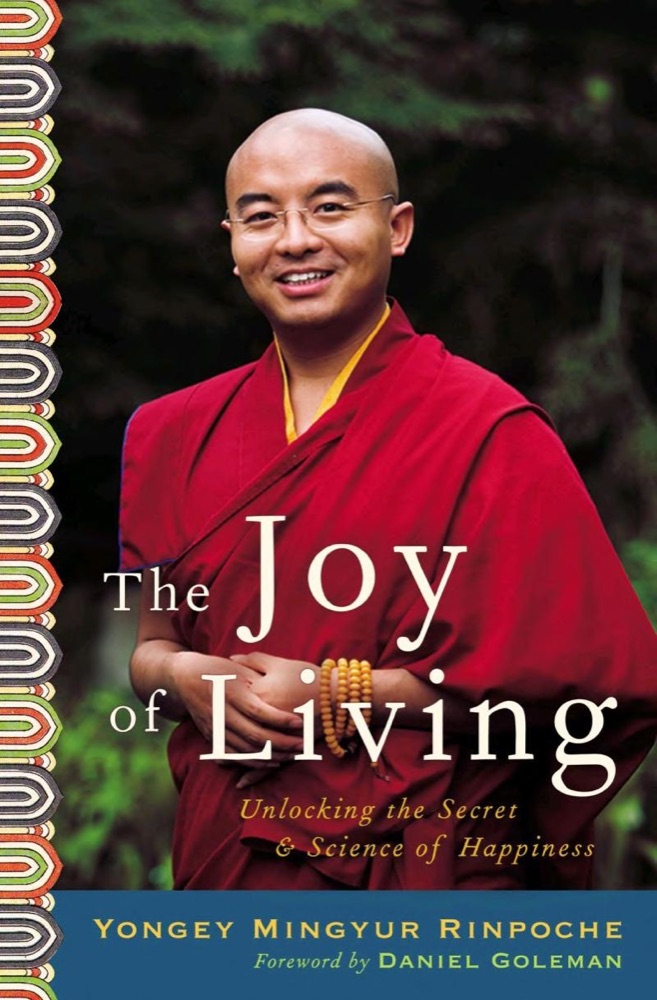 The Joy of Living: Unlocking the Secret and Science of Happiness
 The Tibetan Book of Living and Dying
 Mindfulness in Plain English
 The Yoga Sutras of Pantanjali
 Buddha's Brain: The Practical Neuroscience of Happiness, Love, and Wisdom
 Practicing the Power of Now: Essential Teachings, Meditations, and Exercises from the Power of Now
 True Refuge: Finding Peace and Freedom in Your Own Awakened Heart
 Loving What Is: Four Questions That Can Change Your Life
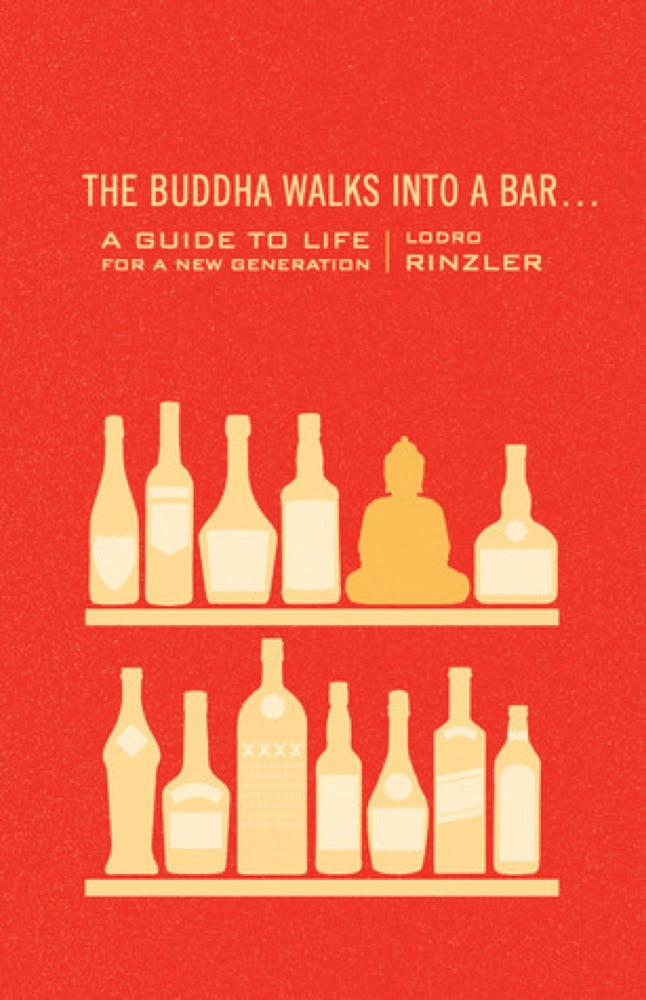 The Buddha Walks into a Bar . . .: A Guide to Life for a New Generation
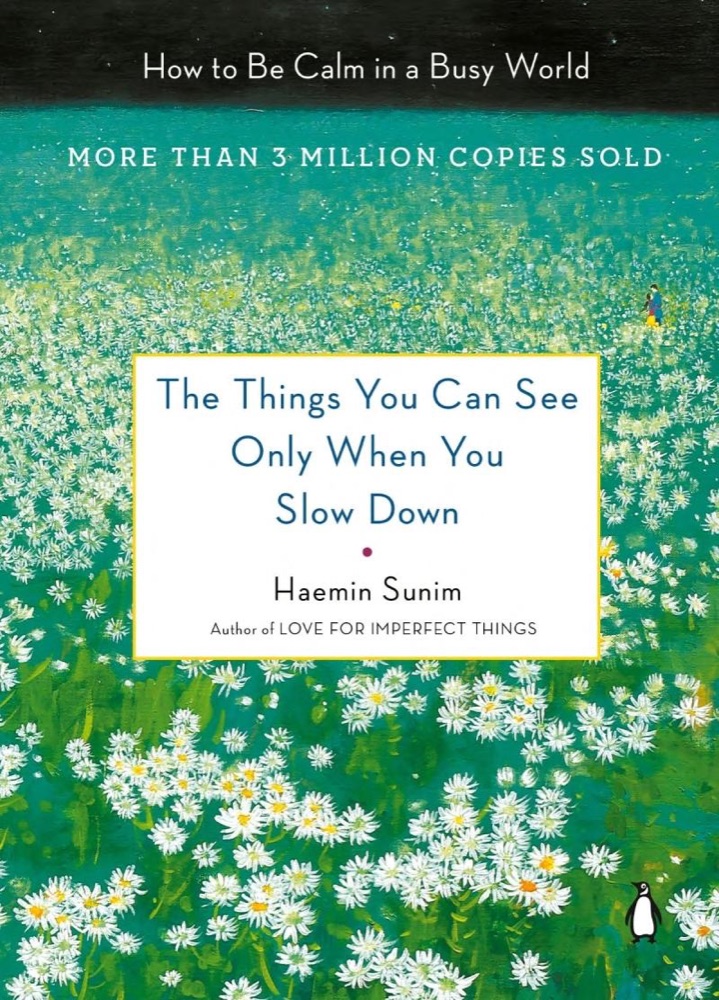 The Things You Can See Only When You Slow Down: How to Be Calm in a Busy World
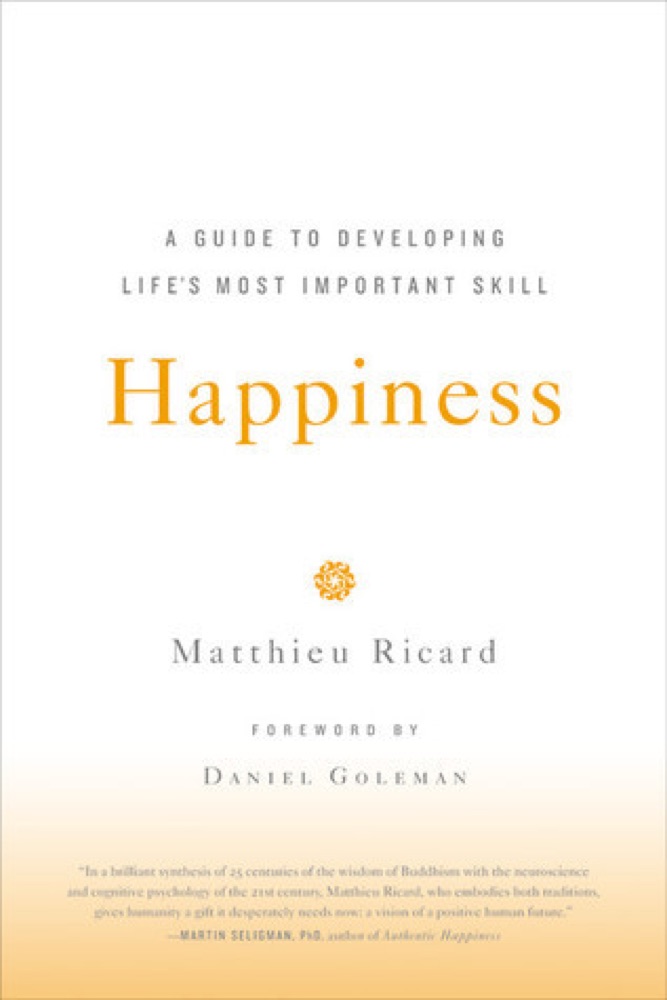 Happiness: A Guide to Developing Life's Most Important Skill
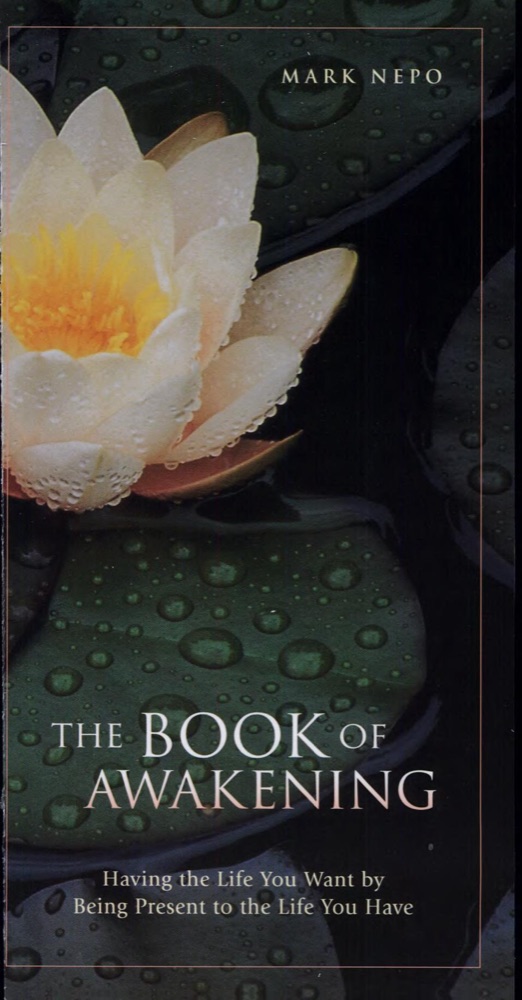 The Book of Awakening: Having the Life You Want by Being Present to the Life You Have
 Awakening the Buddha Within
 Kitchen Table Wisdom: Stories that Heal
 A Return to Love: Reflections on the Principles of "A Course in Miracles"
 Not Always So: Practicing the True Spirit of Zen – The Final Teachings of Shunryu Suzuki to Empower Your Freedom
 101 Essays That Will Change The Way You Think
 Wherever You Go, There You Are: Mindfulness Meditation in Everyday Life
 Celebrating Silence: Excerpts from Five Years of Weekly Knowledge 1995-2000
 Letting Go of the Person You Used to Be: Lessons on Change, Loss, and Spiritual Transformation
 Radical Acceptance: Embracing Your Life With the Heart of a Buddha
 Hardcore Zen: Punk Rock, Monster Movies and the Truth about Reality
 Real Happiness: A 28-Day Program to Realize the Power of Meditation
 Meditation
 Advice Not Given: A Guide to Getting Over Yourself
 My Spiritual Journey: Personal Reflections, Teachings, and Talks
 Cutting Through Spiritual Materialism
 The Book of Wisdom
 Total Freedom: The Essential Krishnamurti
 Self-Compassion: The Proven Power of Being Kind to Yourself
 Lovingkindness: The Revolutionary Art of Happiness
 Messages from the Masters: Tapping into the Power of Love
 Awareness: The Key to Living in Balance
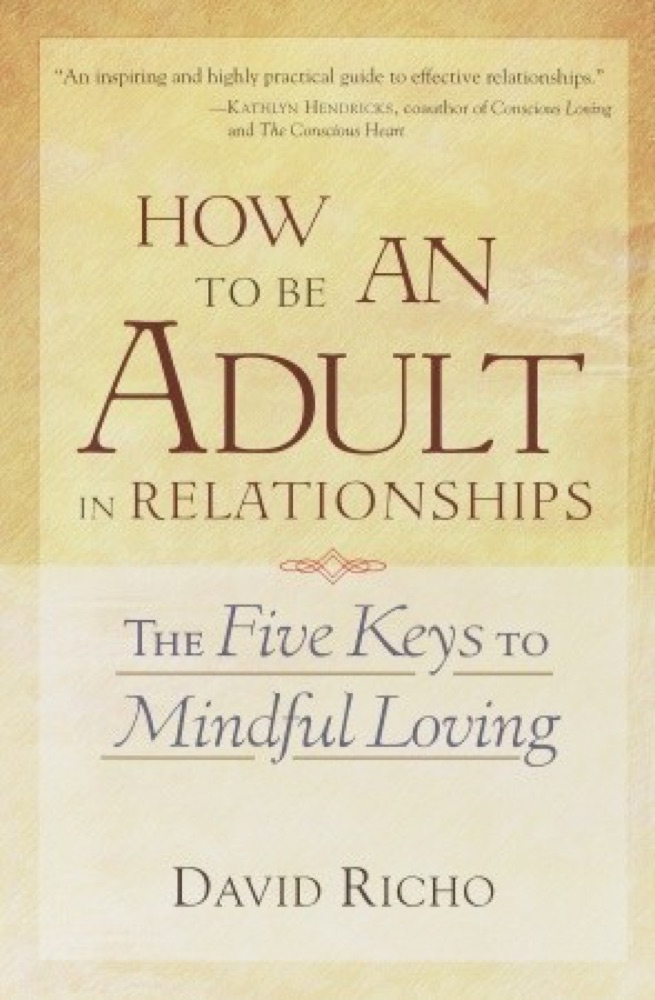 How to Be an Adult in Relationships: The Five Keys to Mindful Loving
 The Dalai Lama's Cat and the Power of Meow
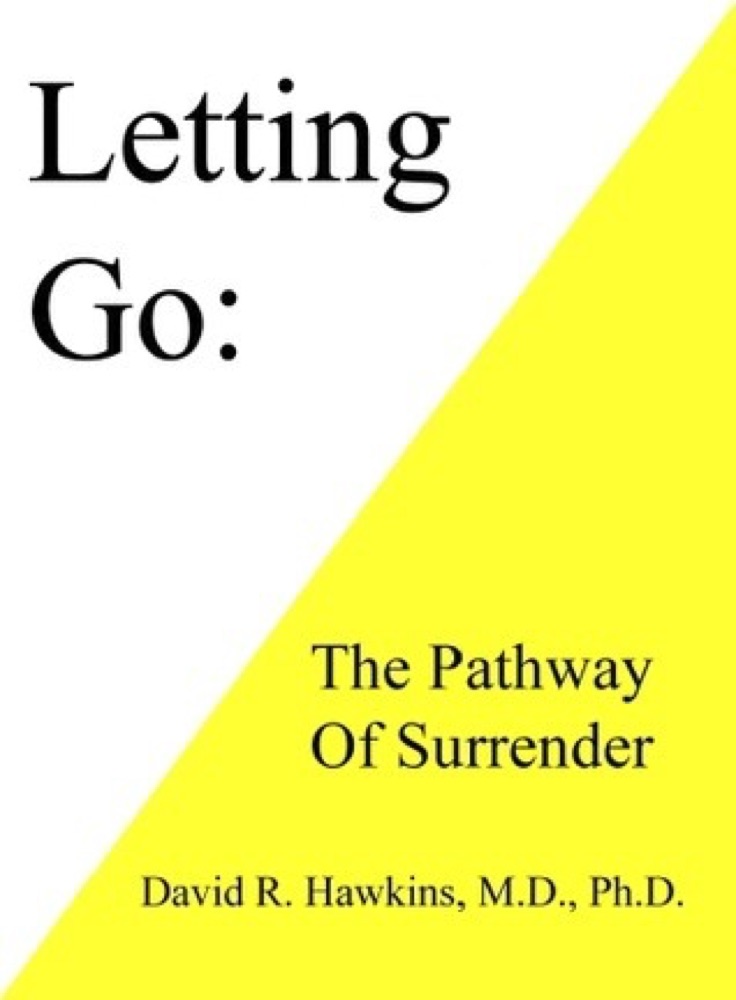 Letting Go: The Pathway To Surrender
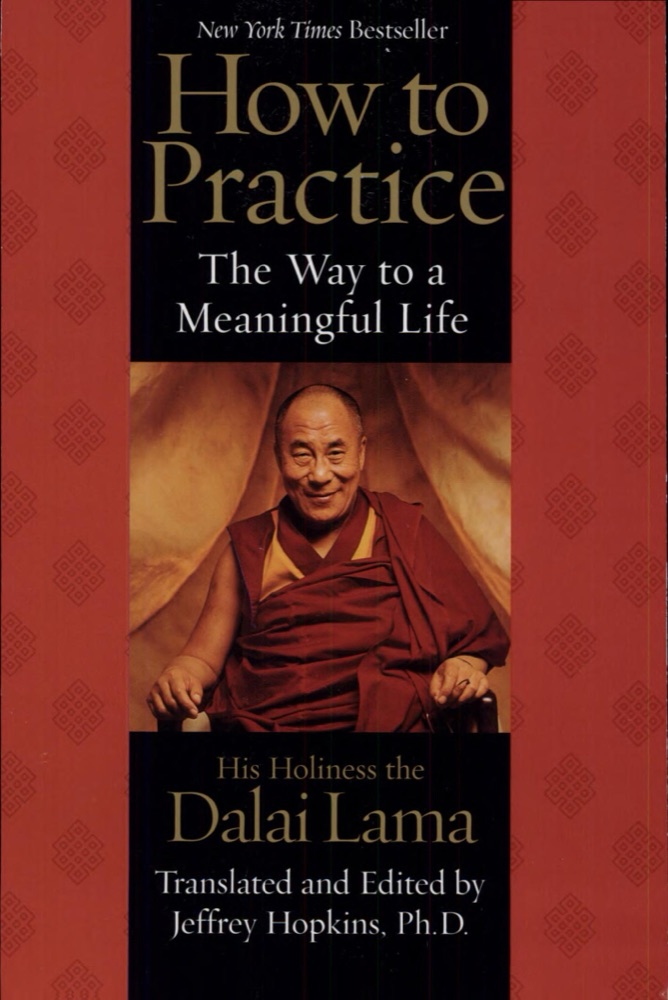 How to Practice: The Way to a Meaningful Life
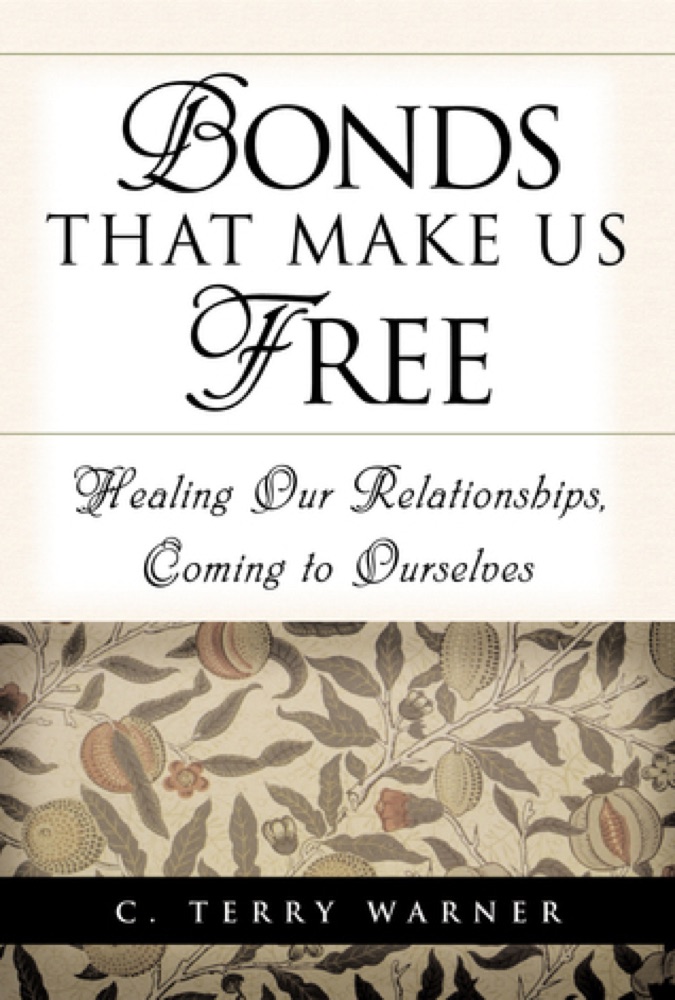 Bonds That Make Us Free: Healing Our Relationship, Coming to Ourselves
 In Love with the World: A Monk's Journey Through the Bardos of Living and Dying
 Way of the Peaceful Warrior: A Book That Changes Lives